| Author |
 Replies: 27 / Views: 6,998 Replies: 27 / Views: 6,998 |
|
|
|
Rest in Peace
United States
7097 Posts |
|
|
Rest in Peace
United States
7097 Posts |
|
|
I tried that video's advice except I used Zippo fluid and worked like a champ! Thank you! |
Send note to Staff 
|
|
|
Bedrock Of The Community
United States
12128 Posts |
|
|
This can be a slow and tedious process, but for those who prefer not to soak stamps at all, this method also works with most US stamps using PSA. This stamp was carefully pulled from its backing paper without soaking. The remaining tacky residue on the back was cleaned using a pink pencil eraser. The result is a clean and collectible used stamp. It takes a bit of patience to do it this way, and for large batches of on-paper stamps, it's probably impractical, but it just shows another method that seems to work: 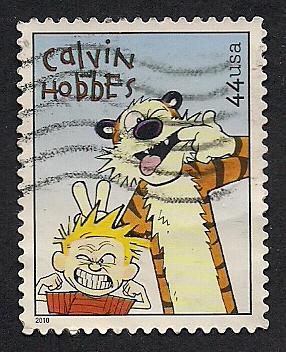 |
|
Send note to Staff
|
|
|
Rest in Peace
United States
7097 Posts |
|
|
What a very helpful thread! This has opened up a new avenue for me to explore, as I almost just completely gave up on the PSA stamps. The only real newer ones or PSAs I collect are mainly just the Mint Sheets, souvenir sheets and Plate Blocks. |
|
Send note to Staff
|
|
|
Pillar Of The Community
United States
500 Posts |
|
|
Thanks for the tips guys. Goes without saying I guess, when using Zippo fluid or any other flammable solvent, work in a ventilated place folks.
Cheers. |
|
Send note to Staff
|
|
|
Valued Member
United States
38 Posts |
|
|
For some reason when I use hot water on those Flags stamps, they get ruined because the picture side gets wrinkly. So I usually just use very warm water, not too hot, and soak them for a very long time. Then I very carefully peel off the backing, trying to get all the glue to come too, so I don't have to roll that off separately.
So the NZ method will work on the recent US stamps as well? I thought nothing would work, because they left off a layer of backing paper, and stuck the adhesive right on the picture layer. Do the methods described above leave the stamp extra thin? |
|
Send note to Staff
|
|
|
Valued Member
United States
130 Posts |
|
|
Eesh..
I've ruined many-a-modern commemorative trying to soak them. I just leave them on the paper now. |
|
Send note to Staff
|
|
|
Pillar Of The Community
United States
566 Posts |
|
|
Cornstarch is a very attractive food source for microbes, insects and other vermin. If you want to use a powder to reduce tackiness it would be better to use talc because it is a mineral. Unscented talc is available at pharmacies and probably at other places. |
|
Send note to Staff
|
|
|
Valued Member
United States
84 Posts |
|
|
I don't collect used stamps but have considered doing so. I think if I did, I wouldn't bother to remove the stamp from the envelope. Instead, I would carefully trim the paper around the stamp leaving a narrow and even border. Is that method practiced by many other collectors? |
|
Send note to Staff
|
|
|
Bedrock Of The Community
United States
12128 Posts |
|
|
Quote:
I would carefully trim the paper around the stamp leaving a narrow and even border. Is that method practiced by many other collectors? Some collectors do just that and are very pleased with the results. You'll get a lot more stamps that way as you don't risk damaging them in the soaking process. If you choose to trade some of these duplicates with another collector later on, it also works out well as the new owner can choose to soak them off or leave them on paper, but the risk in doing so is put on the new owner. In fact, I've recently acquired a pair of those craft scissors from a local hobby store (Michael's, I believe.) A 3-pack of the scissors retails for about $6, and with a coupon discount, the final cost to me was $2.50. As part of the package there is a craft scissors named "inchworm", which gives the impression of oversized perforations, so as in this example, it makes for a nice look for an on-paper stamp in my collection: 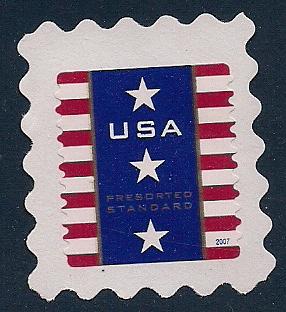 |
|
Send note to Staff
|
|
|
Rest in Peace
Canada
6750 Posts |
|
|
Pillar Of The Community
United States
821 Posts |
|
|
Has anyone used the talc process of reducing tackiness of adhesives on the PSA stamps? I have used ronsonol and soaking. Some of the liberty bell forever stamps come off after soaking in warm water, leaving no adhesive, yet others are tacky and some wont soak off at all. I saw someone mention alcohol... does it help with the adhesives?
I've seen the talc method mentioned elsewhere, but have not been able to find any, unscented anyway. Dont want my stamps smelling like a baby. |
|
Send note to Staff
|
|
|
Replies: 27 / Views: 6,998 |
|




 Posted 05/01/2011 6:18 pm


