| Author |
 Replies: 9 / Views: 292 Replies: 9 / Views: 292 |
|
|
Pillar Of The Community
550 Posts |
|
|
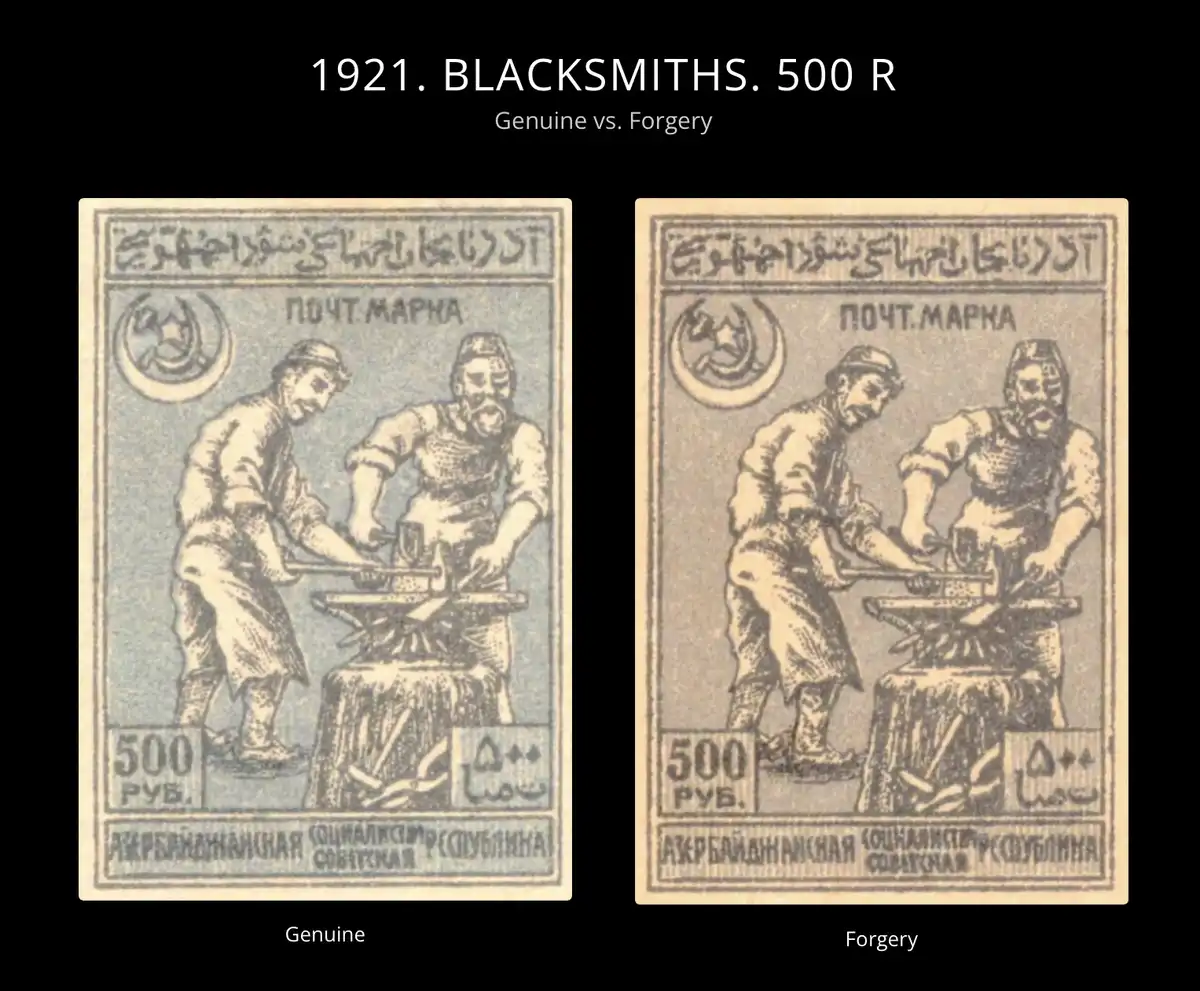
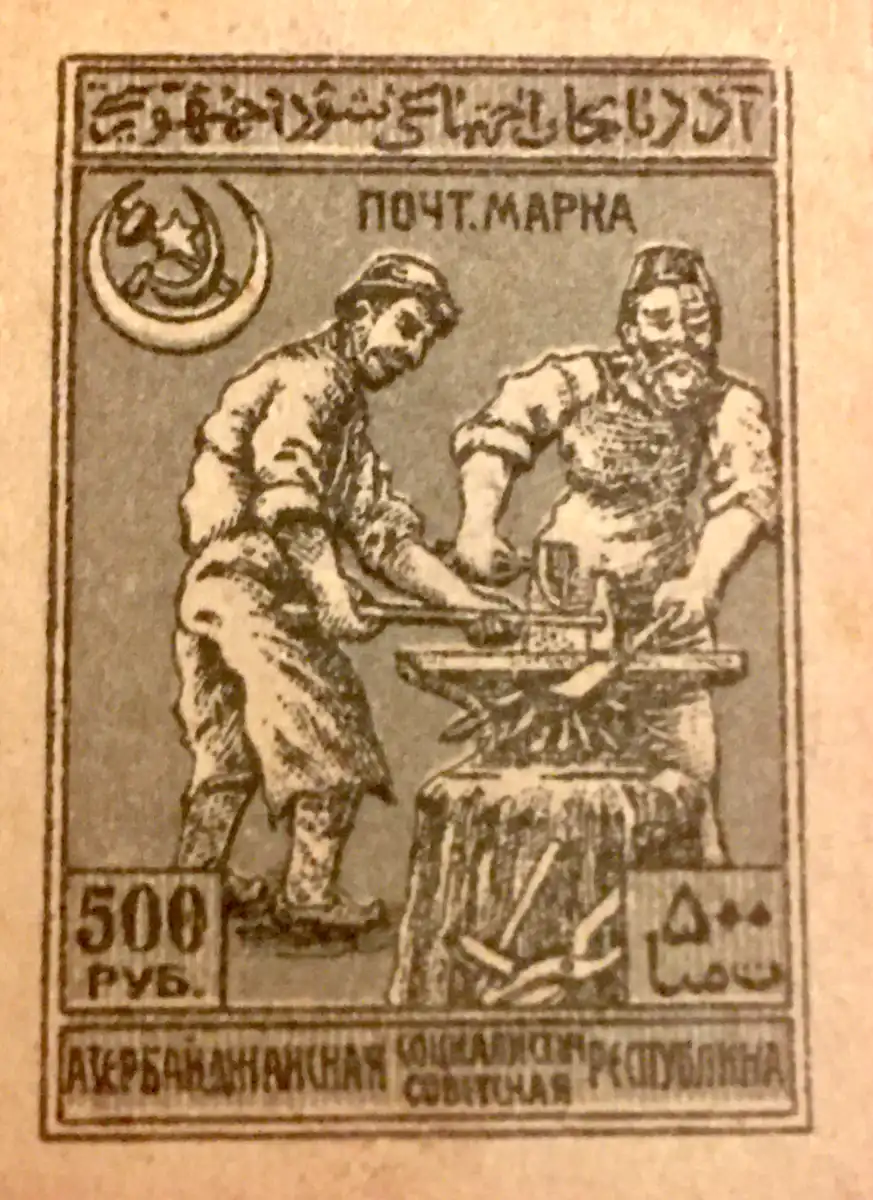
I've managed to acquire a copy of the 1925 Azerbaijan issue, specifically SC#25. I saw on Stampforgery that the original is bicolor, with a gray-violet and black color, while the forgery is entirely brownish-gray. However, when I looked at Solovyov's catalog, volume III, the photograph shows it not as bicolor but as completely brownish-gray, like the Stampforgery forgery… 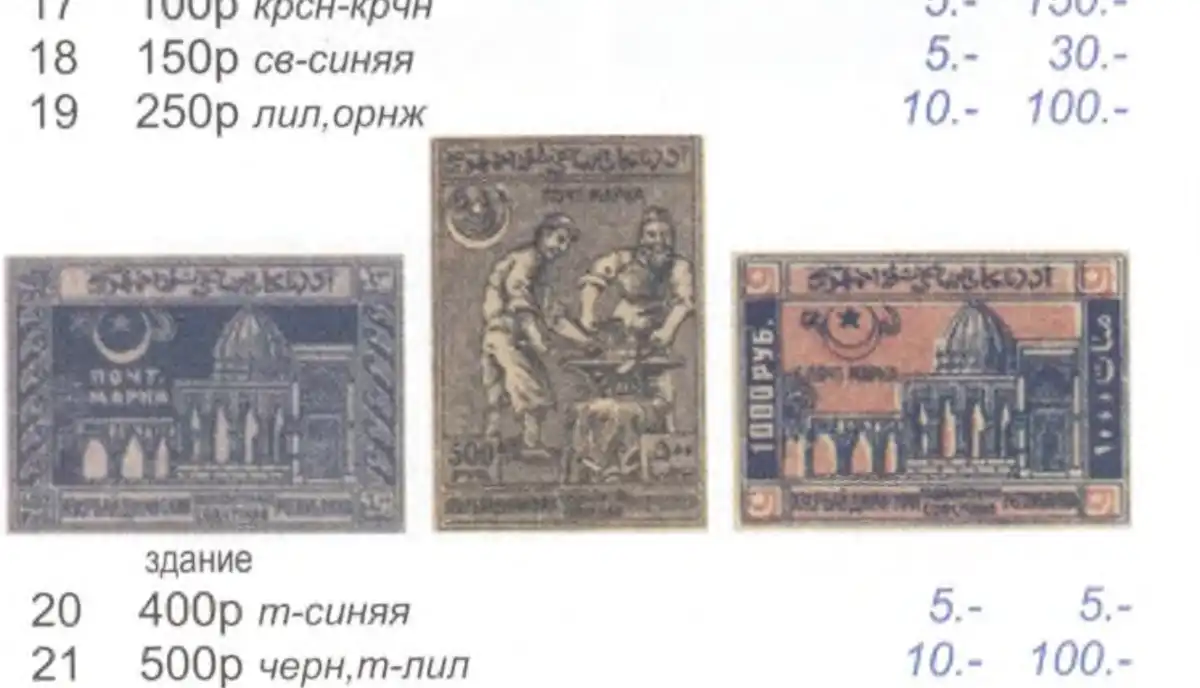 |
|
Send note to Staff
|
|
|
|
|
Pillar Of The Community
Netherlands
6541 Posts |
|
|
It appears you expect a book printing to very accurately reproduce two very similar philatelic colours. |
Send note to Staff 
|
|
|
Pillar Of The Community
550 Posts |
|
|
It's not that, but it should be bluish, not brown, or at least bicoloured...
|
|
Send note to Staff
|
|
|
Pillar Of The Community
Netherlands
6541 Posts |
|
|
Greyish lilac can be very dark and show as a dark grey or black shade. Black secondary printing, then, can show up as very similar. |
|
Send note to Staff
|
|
|
Pillar Of The Community
550 Posts |
|
|
Pillar Of The Community
Netherlands
6541 Posts |
|
|
I would not be surprised if stampforgery got the two mixed up. That left one has nothing to do with lilac or any tone of lilac, certainly not greyish lilac. Or violet that Scott appears to use (the Russian is t(?)-lilac).
The left image appears to be closer to blue (siniy), which is the word used for the 400 R. |
|
Send note to Staff
|
| Edited by NSK - Yesterday 06:49 am |
|
|
Pillar Of The Community
United States
767 Posts |
|
|
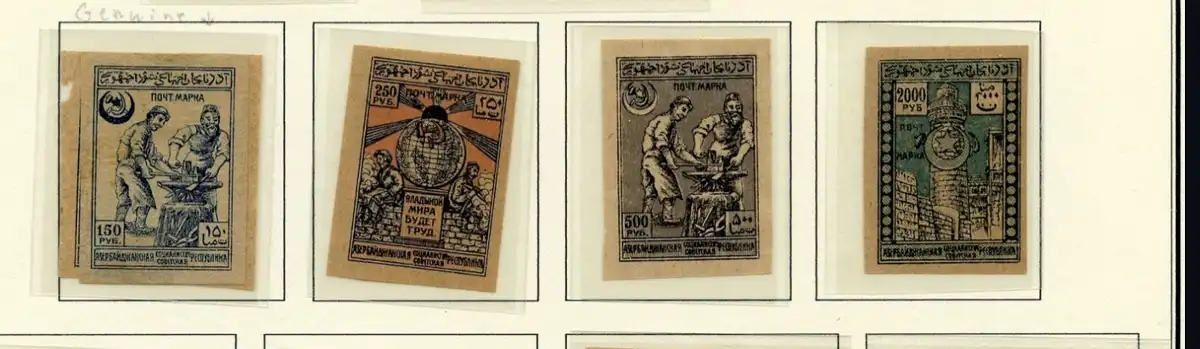
Maybe this will help, or just confuse you further. From Linn's Stamp News, 1993. Keep in mind this is for the150 ruble value, not the 500 so the information may not be relevant. 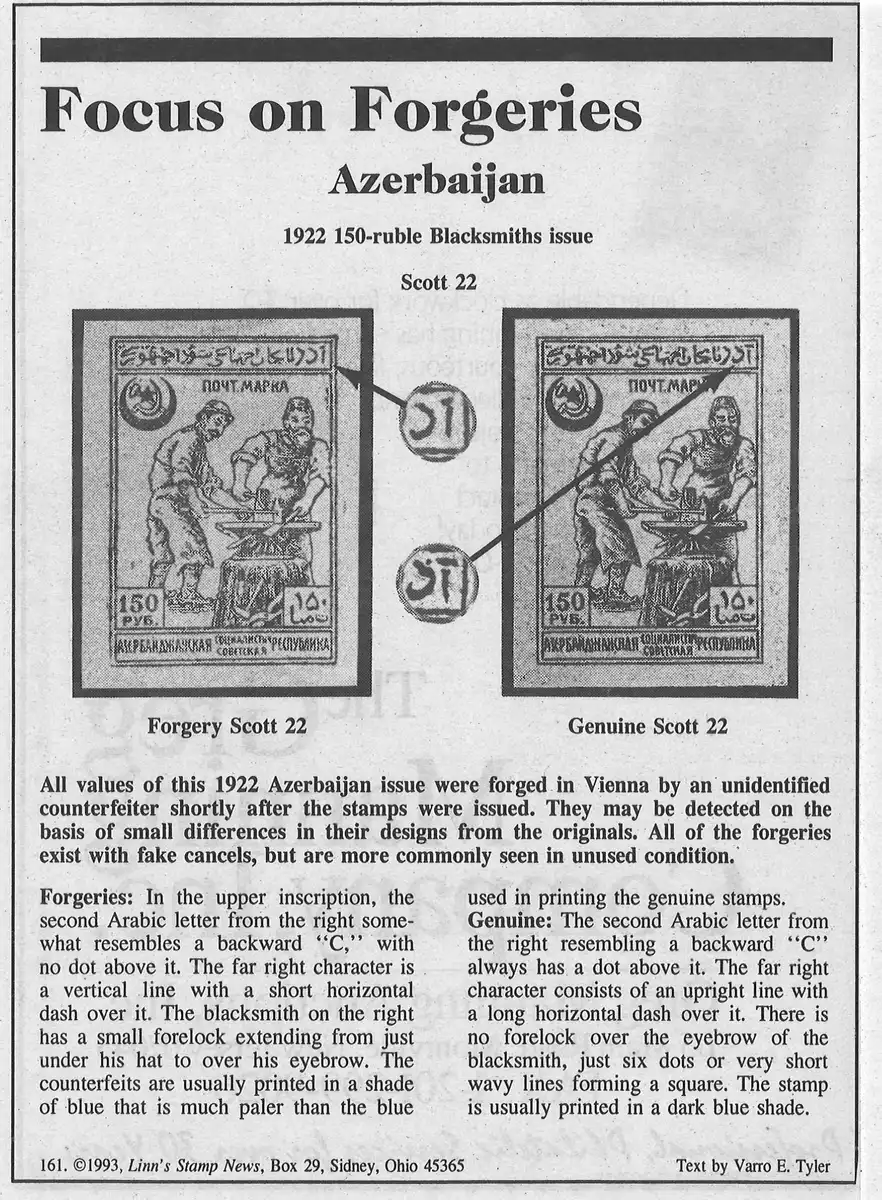 |
|
Send note to Staff
|
|
|
Pillar Of The Community
550 Posts |
|
|
Pillar Of The Community
Netherlands
6541 Posts |
|
|
The stamp identified as forgery by the earlier post appears a closer match to the genuine one in the Linn's article, although the one identified as genuine does not completely match the forgery in the Linn's article. The shading on the apron, also, appears to dismiss the classifications of the stampforgery website.
@murasama, I see your point. Without being able to tell whether it is genuine, I would ignore the stampforgery images you posted earlier as a reference. |
|
Send note to Staff
|
| Edited by NSK - Yesterday 08:40 am |
|
|
Pillar Of The Community
550 Posts |
|
|
The stamp is desirable to me whether it's original or fake (even more so...), but I like to keep them well separated and know what I have, and I don't want to mess this up. |
|
Send note to Staff
|
|
| |
Replies: 9 / Views: 292 |
|




 Posted 06/29/2026 4:27 pm