| Author |
 Replies: 3,972 / Views: 1,923,657 Replies: 3,972 / Views: 1,923,657 |
|
|
|
Pillar Of The Community
Israel
4757 Posts |
|
|
The Military Territory of Fezzan-Ghadames was a territory in the southern part of the former Italian colony of Libya occupied and administered by the French from 1943 until Libyan independence in 1951. It was part of the Allied administration of Libya. Fezzan joined Tripolitania and Cyrenaica to form the Kingdom of Libya on 24 December 1951. It was the first country to achieve independence through the United Nations and one of the first former European possessions in Africa to gain independence. Separate stamps were issued for Fezzan during 1943-1951 and for Ghadames in year 1949, but in 1946 a set of 15 stamps, with three different designs, was issued for both territories with inscription "Fezzan - Ghadames". All three designs were designed by A. Boutet. Map of Fezzan and Camel cavalier, engraved by Rene Cottet. 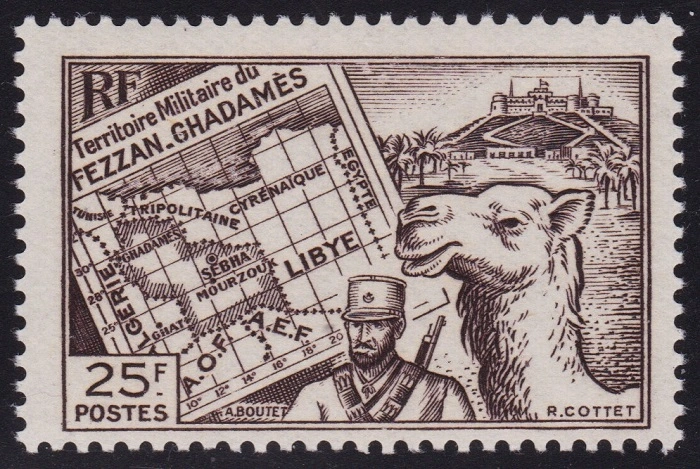 Fort of Sebha, engraved by Henry Cortot. 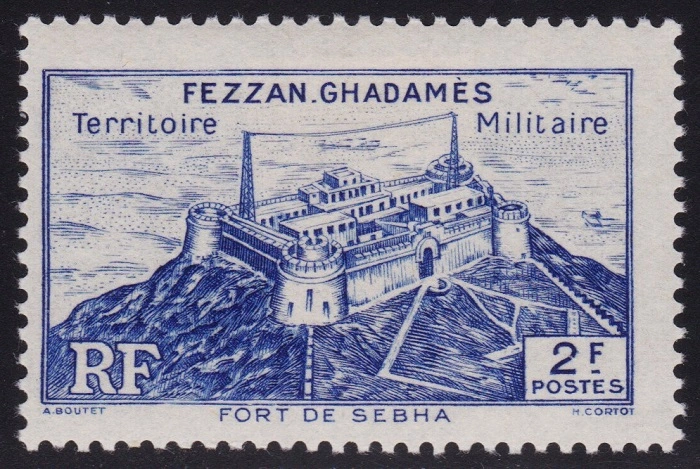 Mosque and Turkish fort at Mourzouk, engraved by Charles-Paul Dufresne. 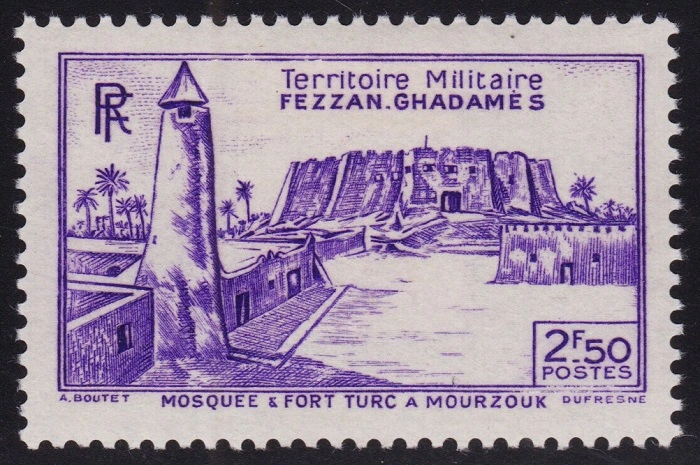 |
Send note to Staff 
|
|
|
Moderator

United States
4788 Posts |
|
|
Pillar Of The Community
Israel
4757 Posts |
|
|
Quote:
kirks: 265 pages in and this is still one of my favorite threads! Well, I think it is also one of my favorite threads.  The First of May, also known as International Workers' Day or May Day, is celebrated in many countries around the world to honor workers and their contributions to society. It originated from the labor movement's struggle for better working conditions, fair wages, and workers' rights. Czechoslovakia issued a set of stamps on April 30, 1953, to celebrate May Day (International Workers' Day). Two of the stamps depict Stalin, who was regarded at that time as a leading figure of the socialist countries. Medal of May 1st (1890), designed by Jaroslav Kaiser and Jaroslav Koukolsky and engraved by Ladislav Jirka. 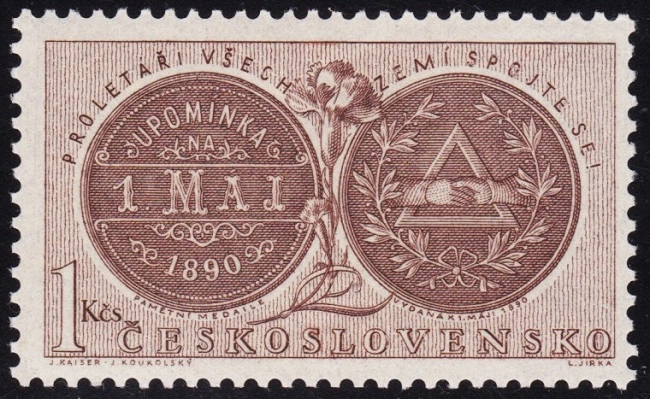 Vladimir Lenin and Josef Stalin, designed by Jindra Schmidt and Vaclav Sprungl and engraved by Jaroslav Goldschmied. 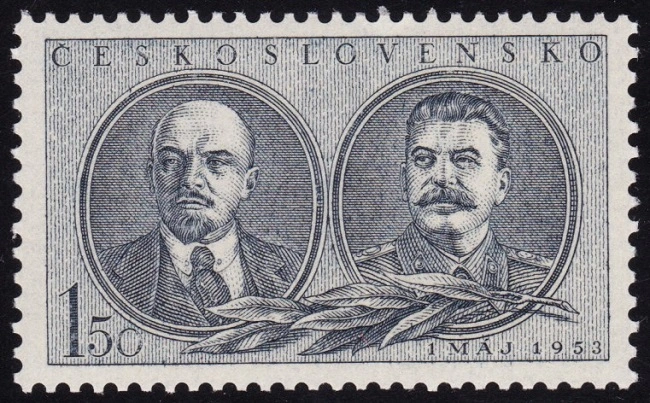 Karl Marx and Friedrich Engels, designed by Jindra Schmidt and Vaclav Sprungl and engraved by Jaroslav Goldschmied. 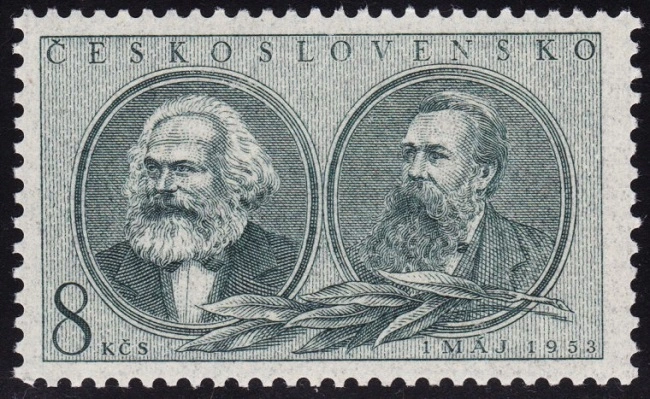 Celebration of the International Workers' Day on First of may in Czechoslovakia, based on real photo, designed by Jaroslav Kaiser and Jaroslav Koukolsky. This stamp is not engraved. 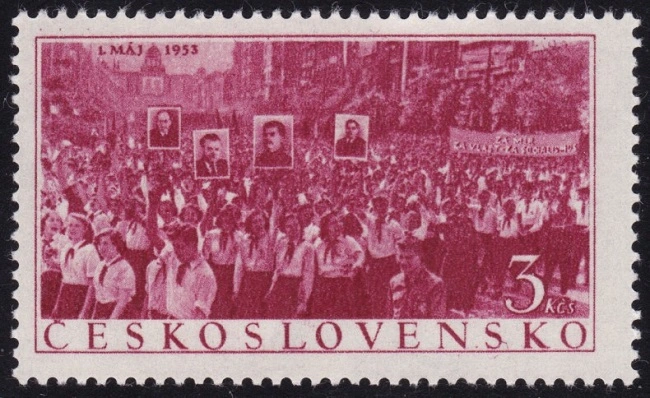 |
|
Send note to Staff
|
|
|
Pillar Of The Community
Israel
4757 Posts |
|
|
Circus paintings, designed by Oldrich Posmurny and issued by Czechoslovakia on October 13, 1986. The Circus Rider, 1980, by Jan Bauch (1898-1995), engraved by Milos Ondracek. 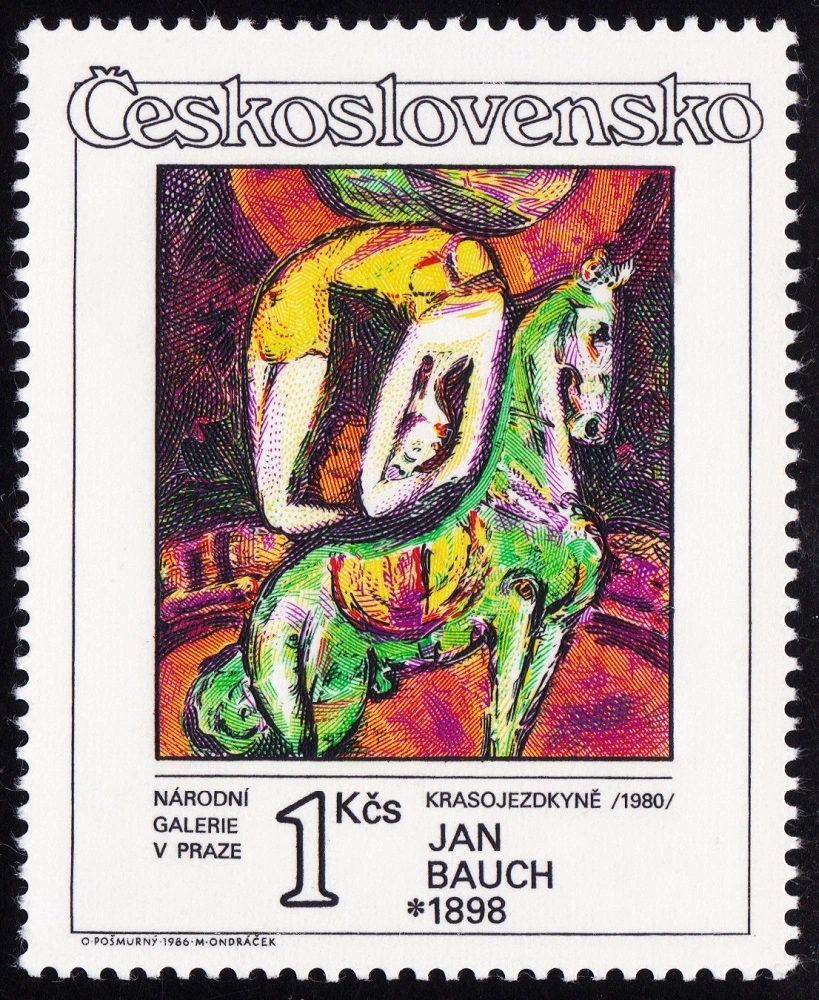 The Ventriloquist, by Frantisek Tichy (1896-1961), engraved by Vaclav Fajt. 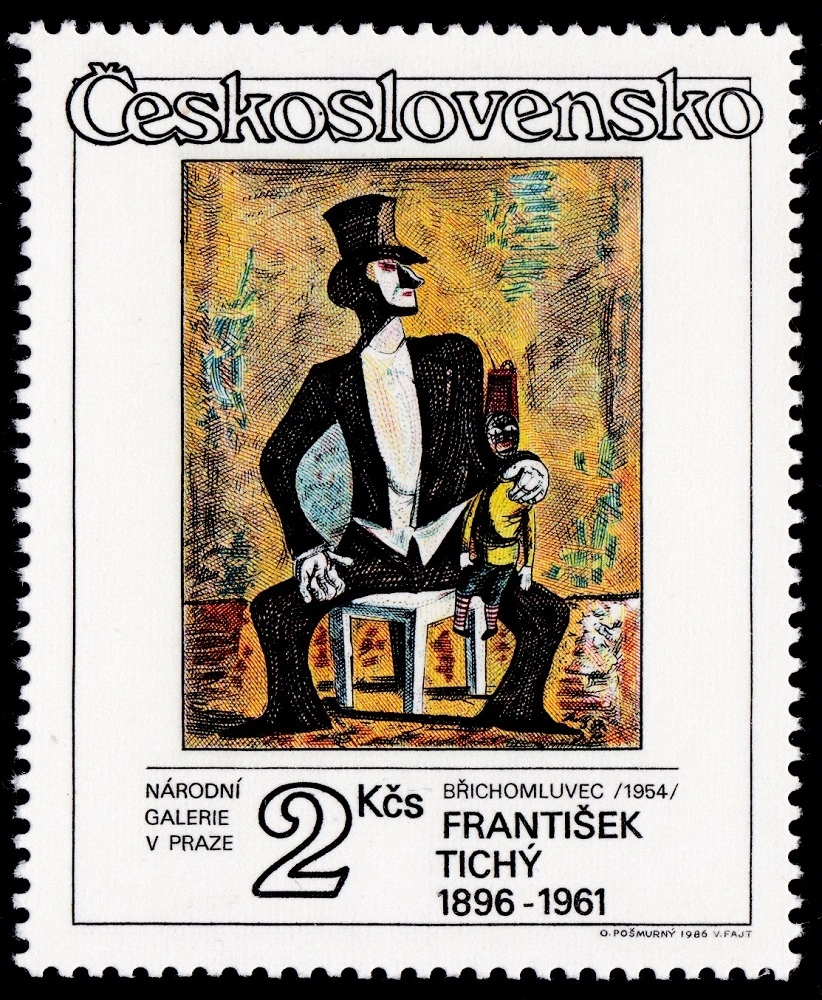 In the Circus, 1946, by Vincent Hloznik (1919-1997), engraved by Milos Ondracek 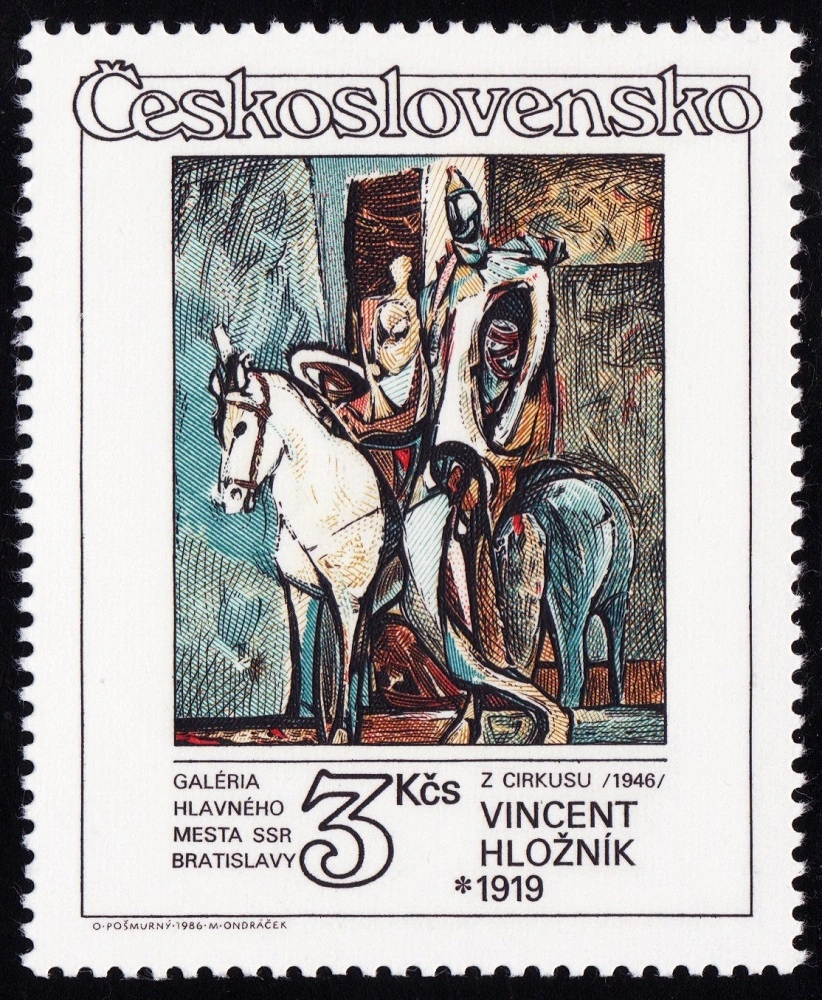 |
|
Send note to Staff
|
|
|
Pillar Of The Community
Israel
4757 Posts |
|
|
Valued Member
United States
70 Posts |
|
|
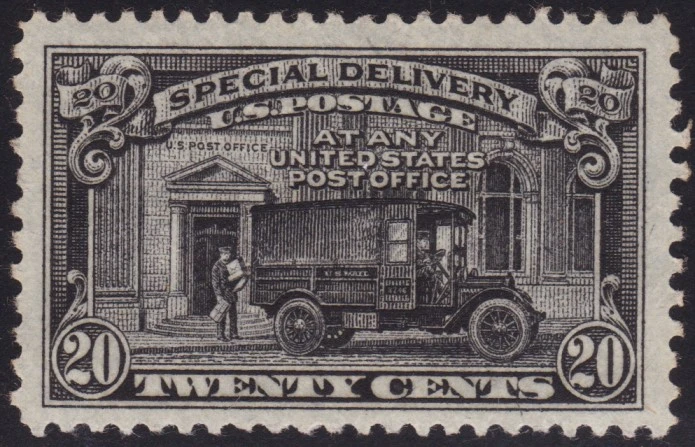
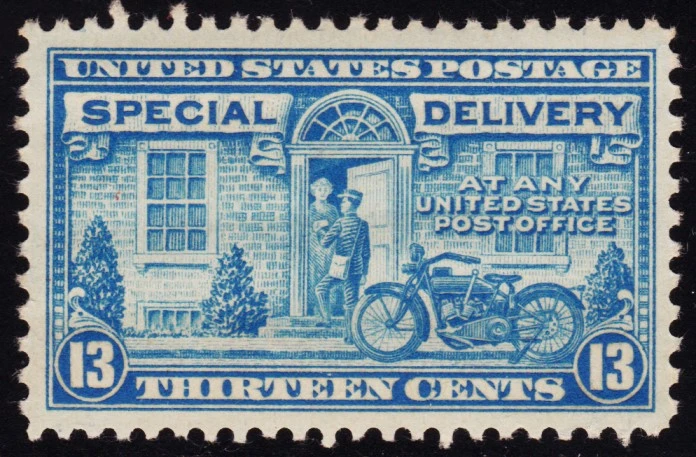
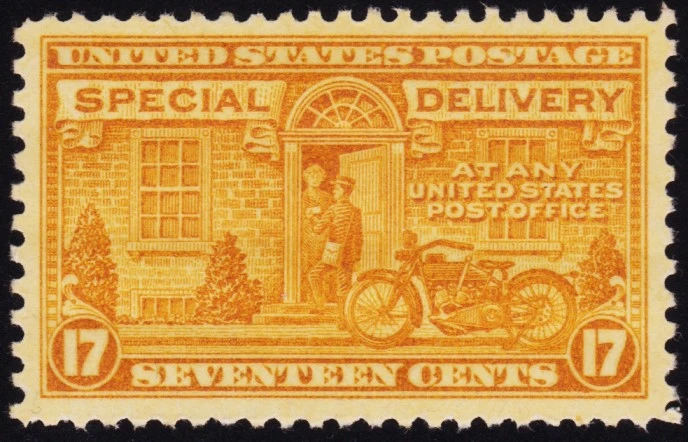
These stamps are new to me. I like the old truck and the old motorcycle. Very nice. |
|
Send note to Staff
|
|
|
Pillar Of The Community
Israel
4757 Posts |
|
|
Valued Member
United States
70 Posts |
|
|
Pillar Of The Community
Israel
4757 Posts |
|
|
Thank you, Wintertime! Antique handicrafts, designed by Werner Pfeiler, combined photogravure and engraved by Werner Pfeiler and issued by Austria on May 28, 1999 and September 17, 1999. - St. Martin riding his horse - Virgin and child with St. Anne 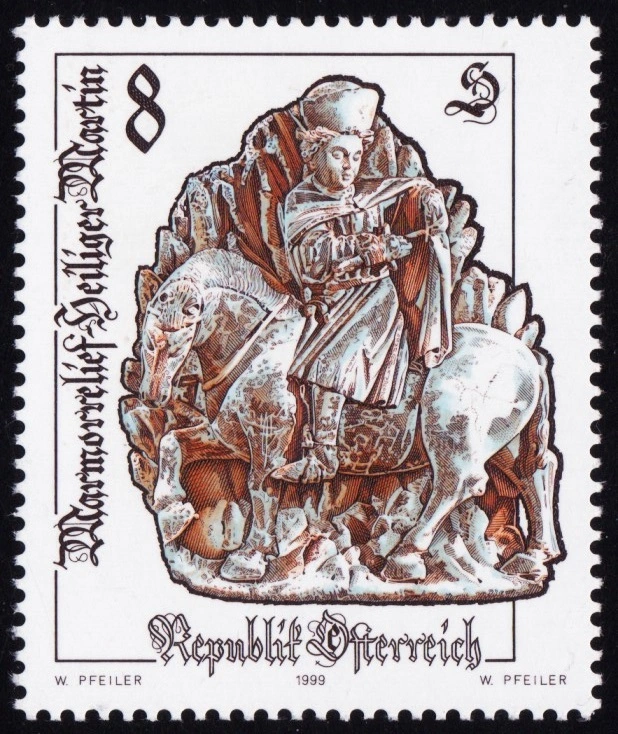 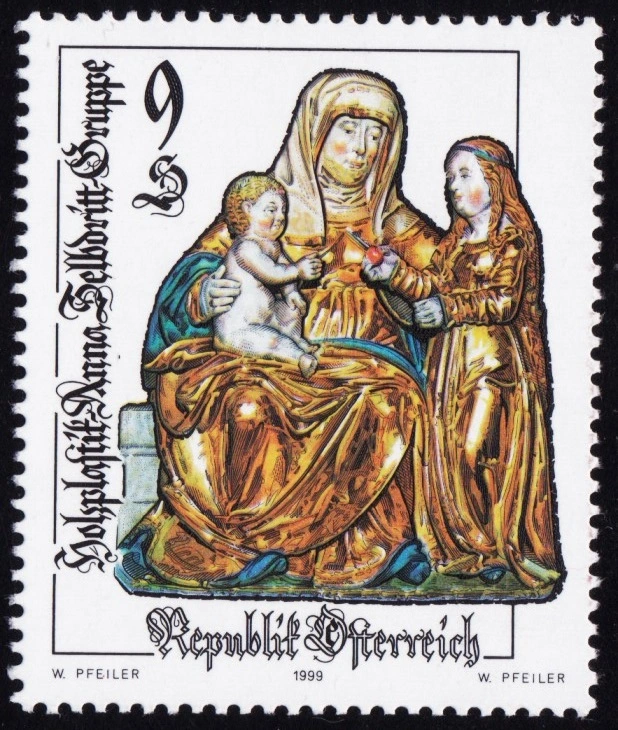 |
|
Send note to Staff
|
|
|
Pillar Of The Community
Israel
4757 Posts |
|
|
Quote:
The image of Britannia is the national personification of Britain as a helmeted female warrior holding a trident and shield. An image first used by the Romans in classical antiquity, the Latin Britannia was the name variously applied to the British Isles, Great Britain, and the Roman province of Britain during the Roman Empire. In the 2nd century, Roman Britannia came to be personified as a goddess, armed with a spear and shield and wearing a Corinthian helmet. Britannia rules the sea, riding seahorses and King George V, designed by Bertram MacKennal, engraved by John Harrison and issued by GB on December 19, 1918 (This particular stamp was overprinted for use in British post offices in Morocco). 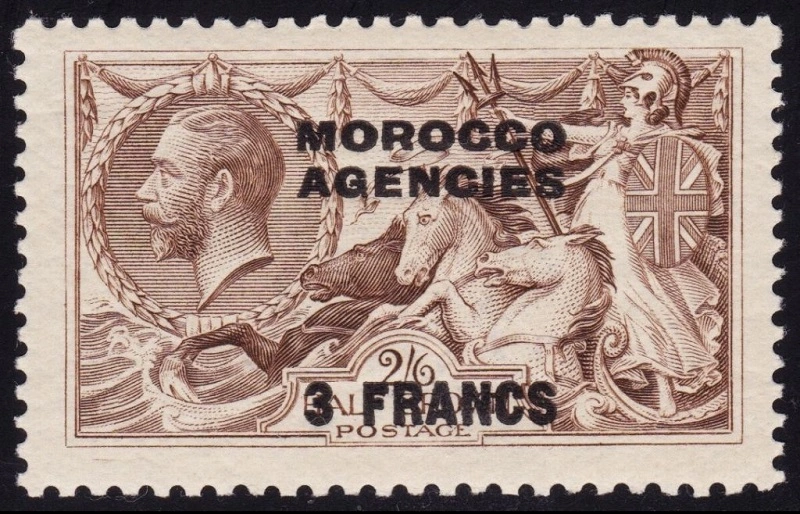 The same image of Britannia appears on the SS margin, issued by Great Britain on May 3, 1990 to commemorate the 150th anniversary of first stamp (Penny Black, Queen Victoria stamp, shown above) and to publicize the London stamp exhibition '90. Engraved by Christopher Matthews and Jeffery Matthews. The Queens stamp designed by Arnold Machin. 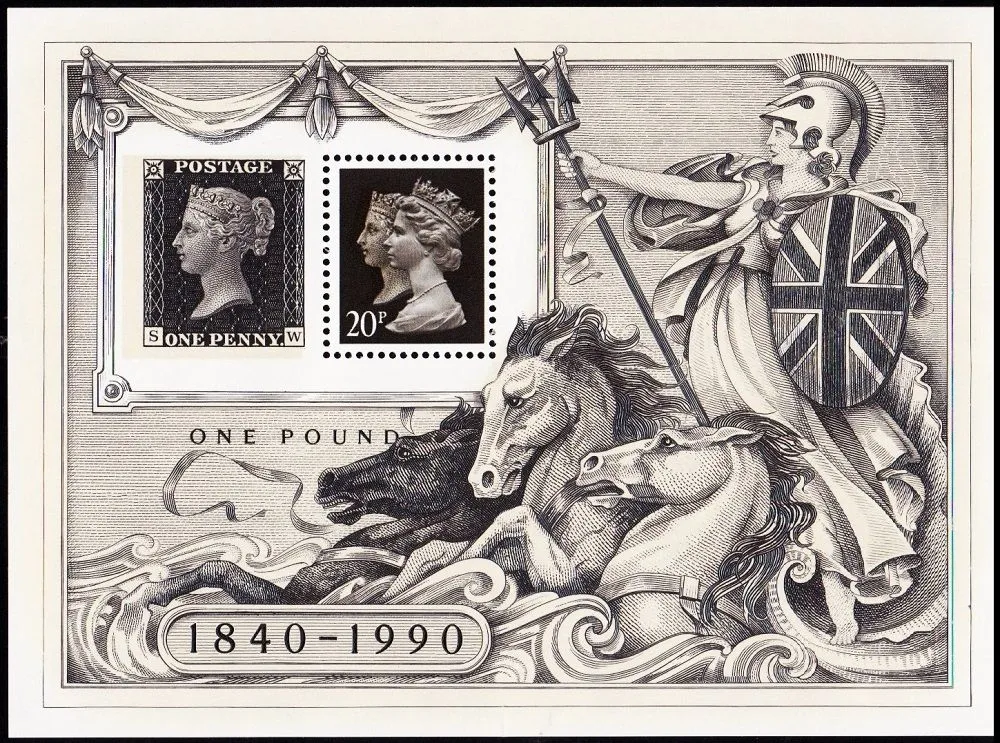 Britannia,designed by Craddock and Roundel and issued by GB on March 2, 1993. This stamp is not engraved but Offset lithography and embossed. 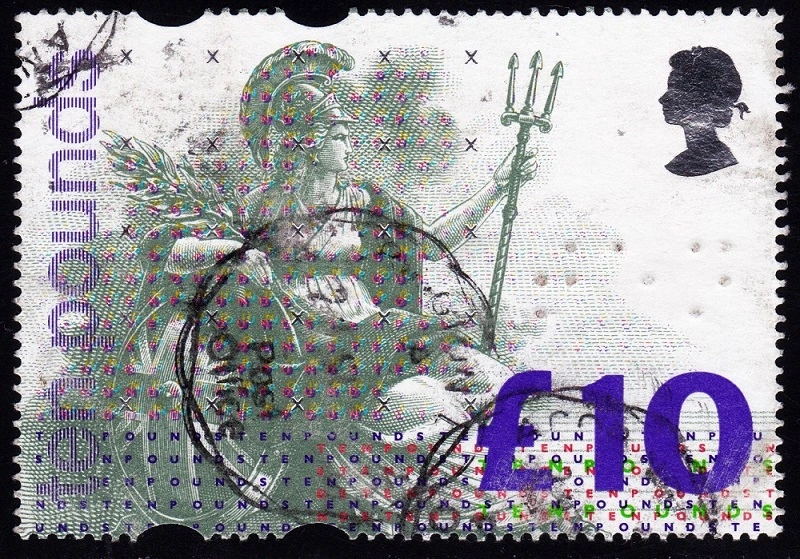 |
|
Send note to Staff
|
| Edited by LaoPhil - 07/09/2026 09:01 am |
|
|
Pillar Of The Community
Israel
4757 Posts |
|
|
Nicolaus Copernicus (1473–1543) was a Polish astronomer, mathematician, and canon whose heliocentric theory revolutionized astronomy. In his landmark work De revolutionibus orbium coelestium ("On the Revolutions of the Heavenly Spheres"), published in 1543, he proposed that the Earth and the other planets revolve around the Sun rather than the Earth being the center of the universe. His ideas laid the foundation for the Scientific Revolution and profoundly influenced later astronomers such as Johannes Kepler and Galileo Galilei. Several countries issued stamps to commemorate the 500th birth anniversary of Copernicus in 1973. Here is a small selection of them, all engraved. Vatican, designed by Otto Zeiller, engraved by Alfred Nefe and issued on June 19, 1973. Stamps show Copernicus and Torunum, the Latin name for Torun; (German: Thorn), the historic city where Nicolaus Copernicus was born in 1473. 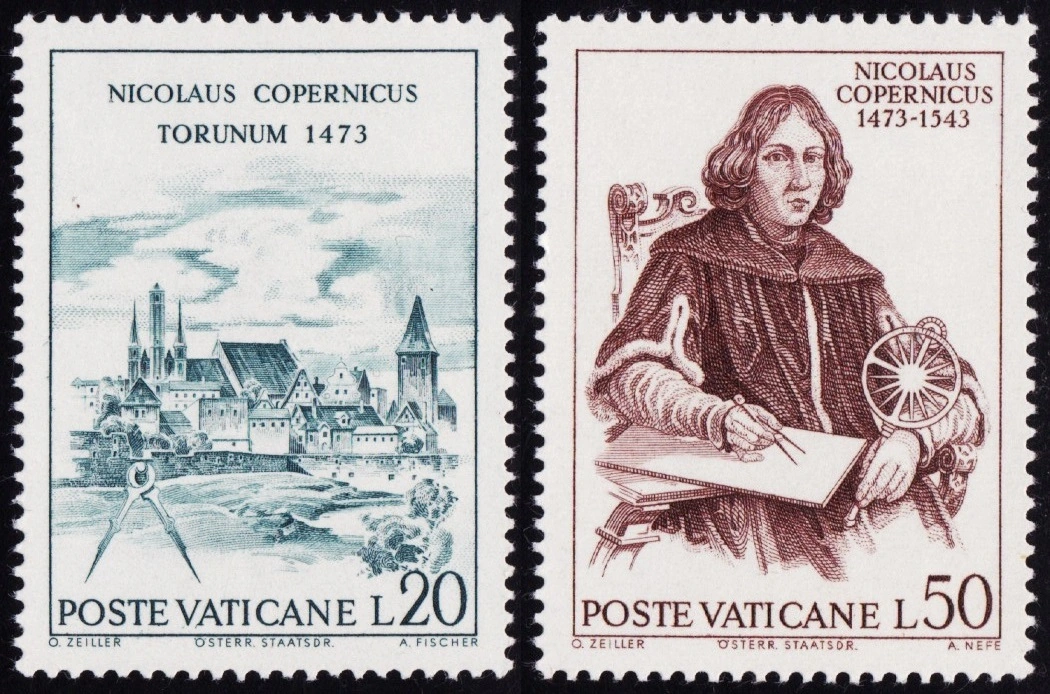 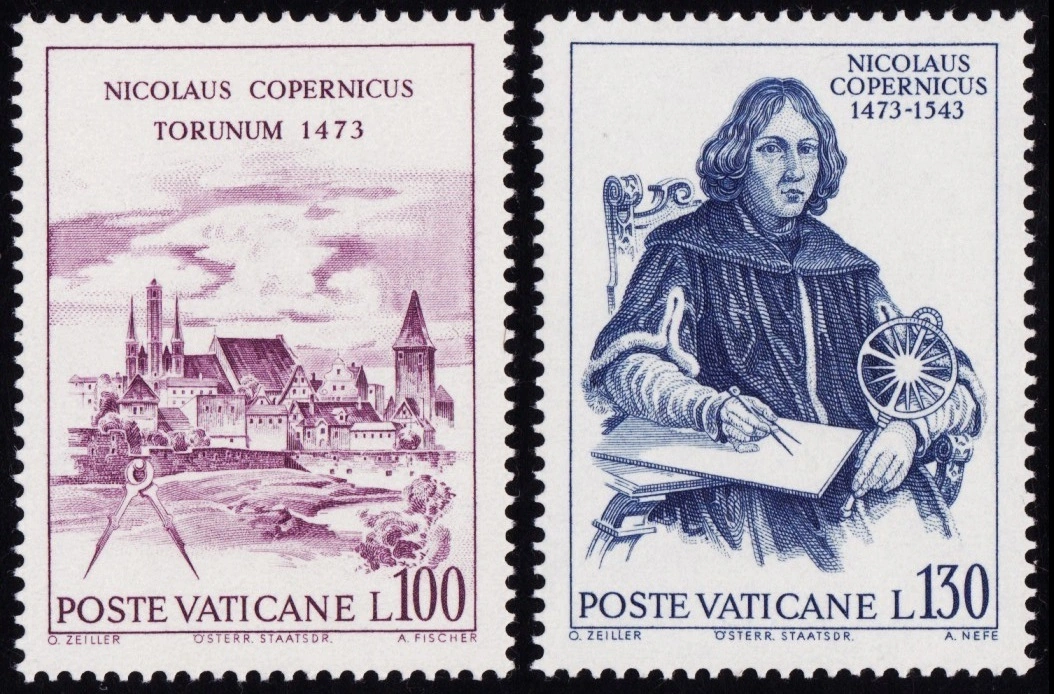 USSR, designed by Nikolai I. Shevtsov, engraved by Tatiana Nikitina and issued on February 8, 1973. The background reproduces Copernicus's heliocentric diagram from De revolutionibus orbium coelestium. 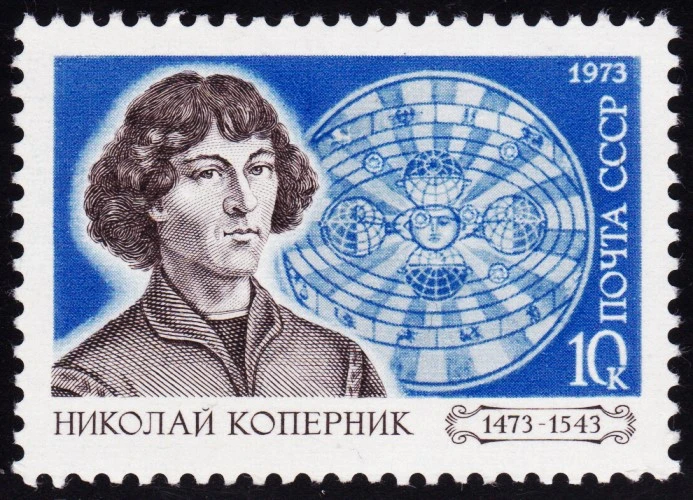 Poland, designed by Waldemar Andrzejewski, photogravure and engraved by Barbara Kowalska and issued on September 28, 1972 to publicize the POLSKA '73 stamp exhibition, Poznan. The souvenir sheet reproduces Copernicus's heliocentric diagram from De revolutionibus orbium coelestium. 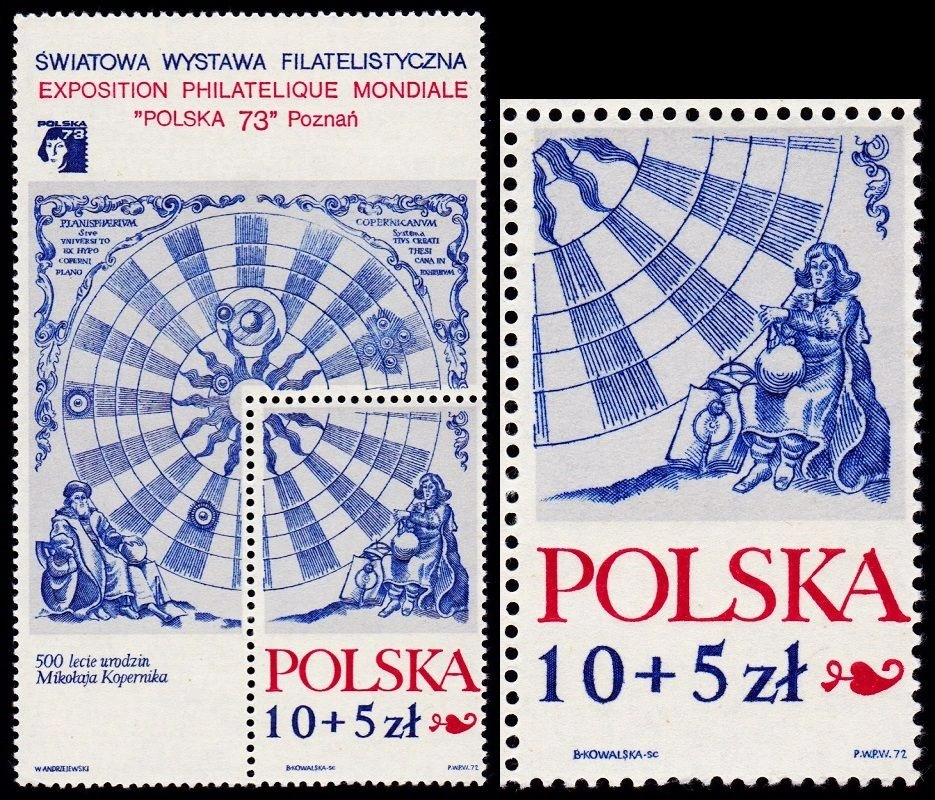 Hungary, designed and engraved by Fule Mihaly and issued on February 19, 1973. The attached label depicts Copernicus's heliocentric cosmological system. 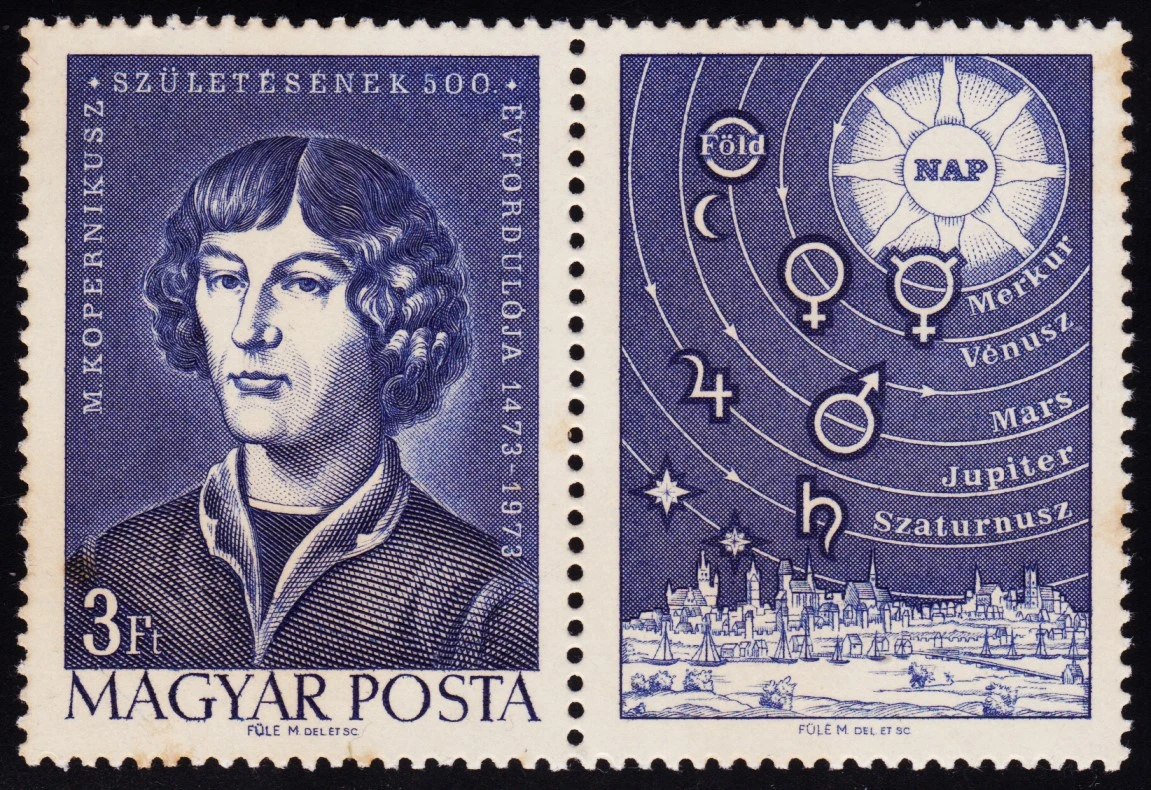 Note: there is a great thread in the "Topical stamp collecting" sub forum about Copernicus. All the above were already posted there by other members. |
|
Send note to Staff
|
| Edited by LaoPhil - 07/15/2026 09:31 am |
|
|
Pillar Of The Community
Israel
4757 Posts |
|
|
Queens of Belgium, issued by Belgium on December 8, 1962 to raise donations for the anti-Tuberculosis campaign. The designs are based on paintings and photographs. Queen Louise-Marie (1812-1850), engraved by Charles Leclercqz. This stamp was issued with two different monograms: "L" and "ML" on top right. 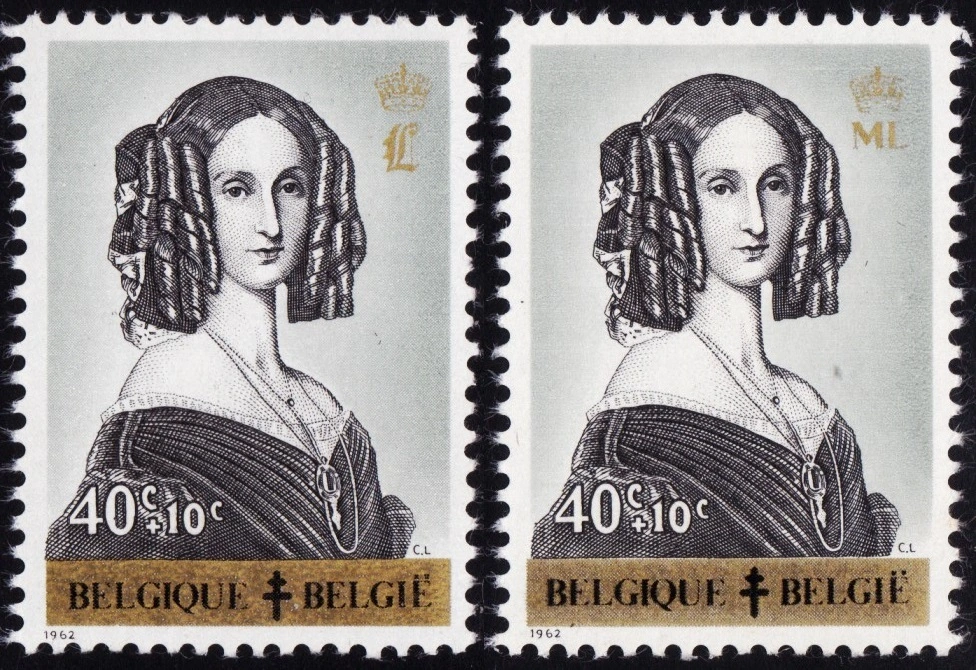 The stamp design based on painting by Franz Xaver Winterhalter, 1841. 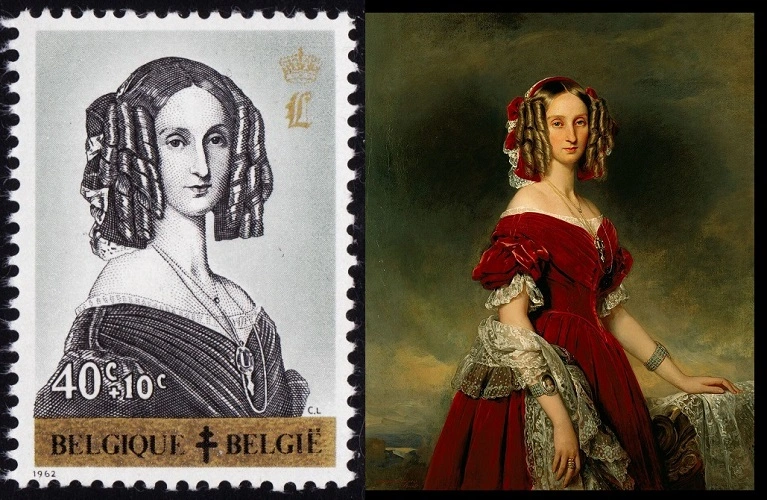 Queen Marie-Henriette (1836-1902), engraved by Jean de Vos. 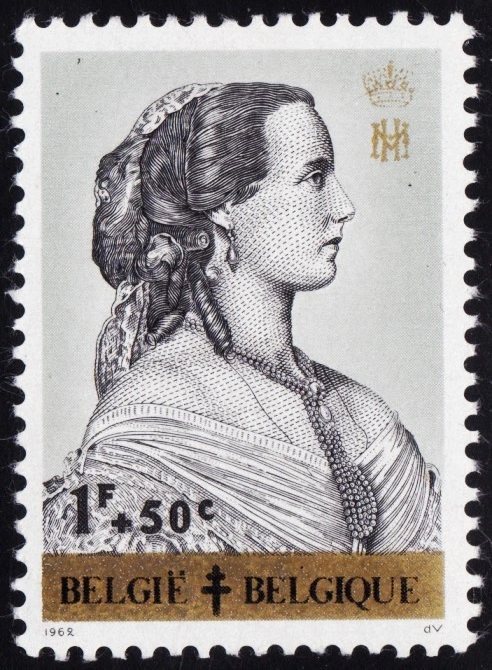 The stamp design based on painting by Franz Xaver Winterhalter, 1853. 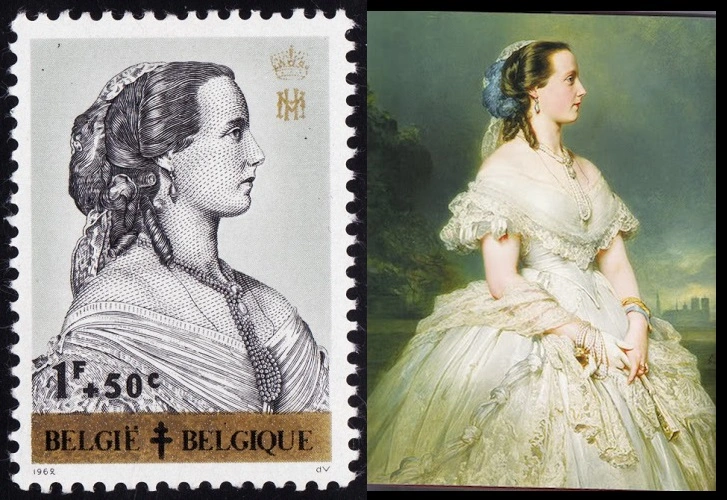 - Queen Elisabeth (1876-1965), engraved by Henri Decuyper - Queen Astrid (1905-1935), engraved by Jean de Vos - Queen Fabiola (1928-2014), engraved by Jean de Bast 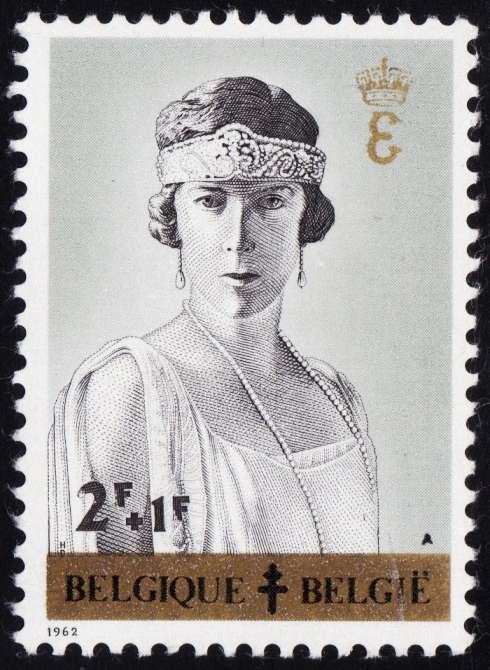 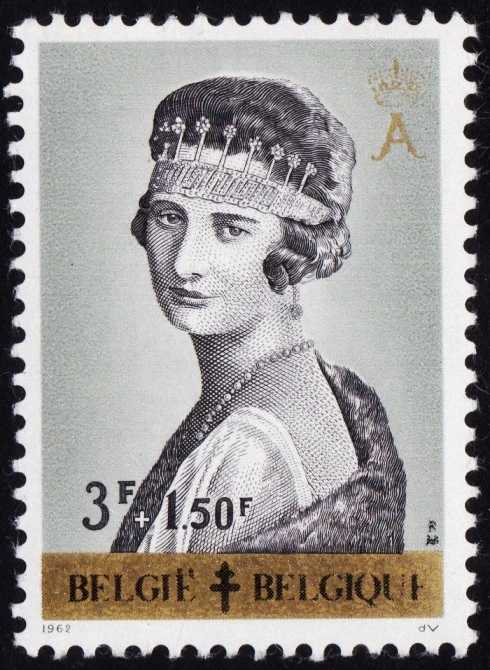 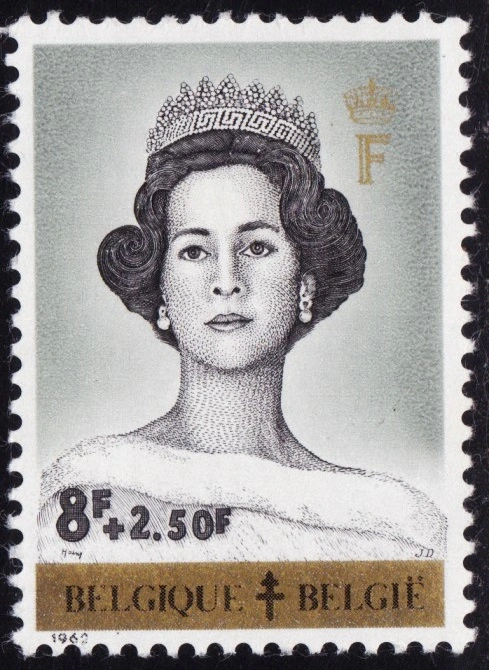 The designs of the three last stamps are based on photographs. 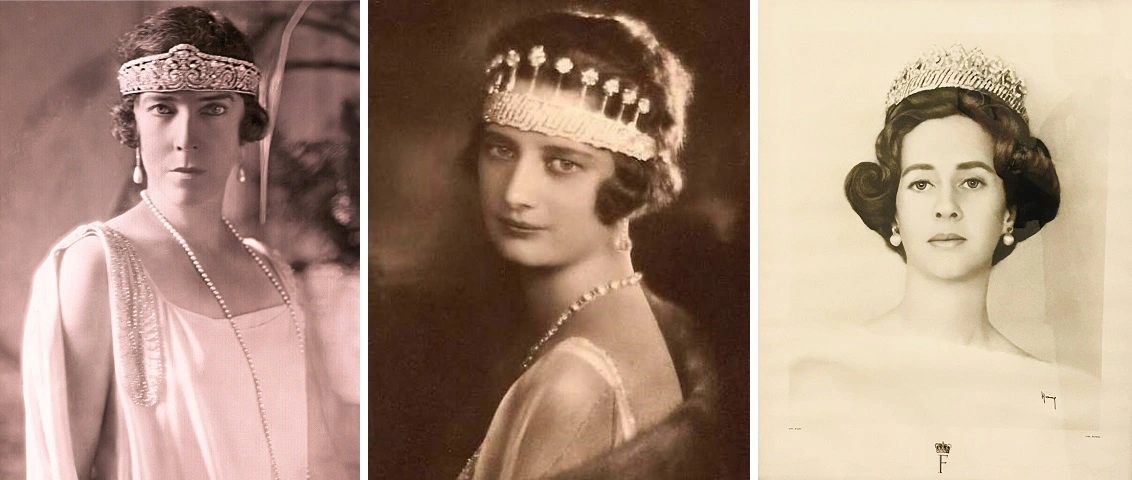 |
|
Send note to Staff
|
|
|
Replies: 3,972 / Views: 1,923,657 |
|




 Posted 05/29/2026 1:00 pm