| Author |
 Replies: 11 / Views: 551 Replies: 11 / Views: 551 |
|
|
Valued Member
United States
96 Posts |
|
|
|
|
Bedrock Of The Community
United States
10690 Posts |
|
|
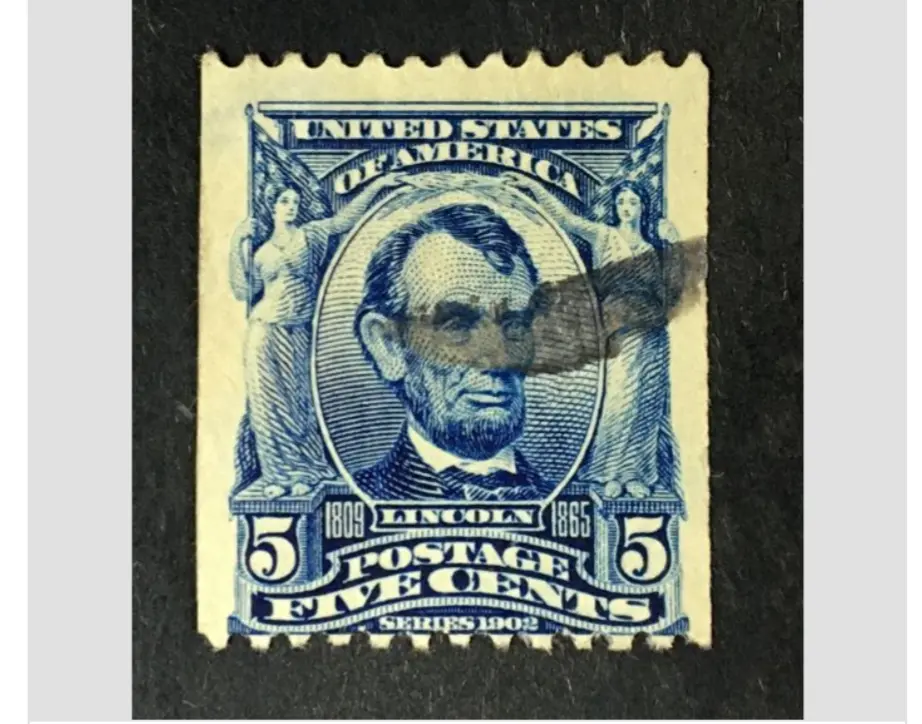
I suspect that it is not. The larger size of the image makes the margins look bigger than they actually are. |
Send note to Staff 
|
|
|
Pillar Of The Community
United States
793 Posts |
|
|
Valued Member
United States
230 Posts |
|
|
Not that I think the #317 is legit.....
I would like to see the "evidence" of trimmed perfs?? |
|
Send note to Staff
|
|
|
Bedrock Of The Community
United States
10690 Posts |
|
|
The uneven cuts on both sides is part of it, but the right side is particularly "bumpy". |
|
Send note to Staff
|
|
|
Pillar Of The Community
Canada
1646 Posts |
|
|
Hold a straight edge to the right side and you can see it has a valley in centre from not being cut straight. Pretty well a sign of trimming. |
|
Send note to Staff
|
|
|
Valued Member
United States
230 Posts |
|
|
Not trying to validate this - I have no skin in the game -
but if the stamp is not FLAT when photo'd it will make
the sided look uneven....just things to consider....
|
|
Send note to Staff
|
|
|
Pillar Of The Community
United States
2958 Posts |
|
|
Sheetguy said: Quote:
Not trying to validate this - I have no skin in the game -
but if the stamp is not FLAT when photo'd it will make
the sided look uneven....just things to consider.. Are you suggesting that the irregular saw-toothed indents on the right are the result of this stamp standing up (curling) off the page? You may not have "skin in the game" but you're arguing for the sake of being contrarian as apposed to taking an objective look at this stamp. Brian 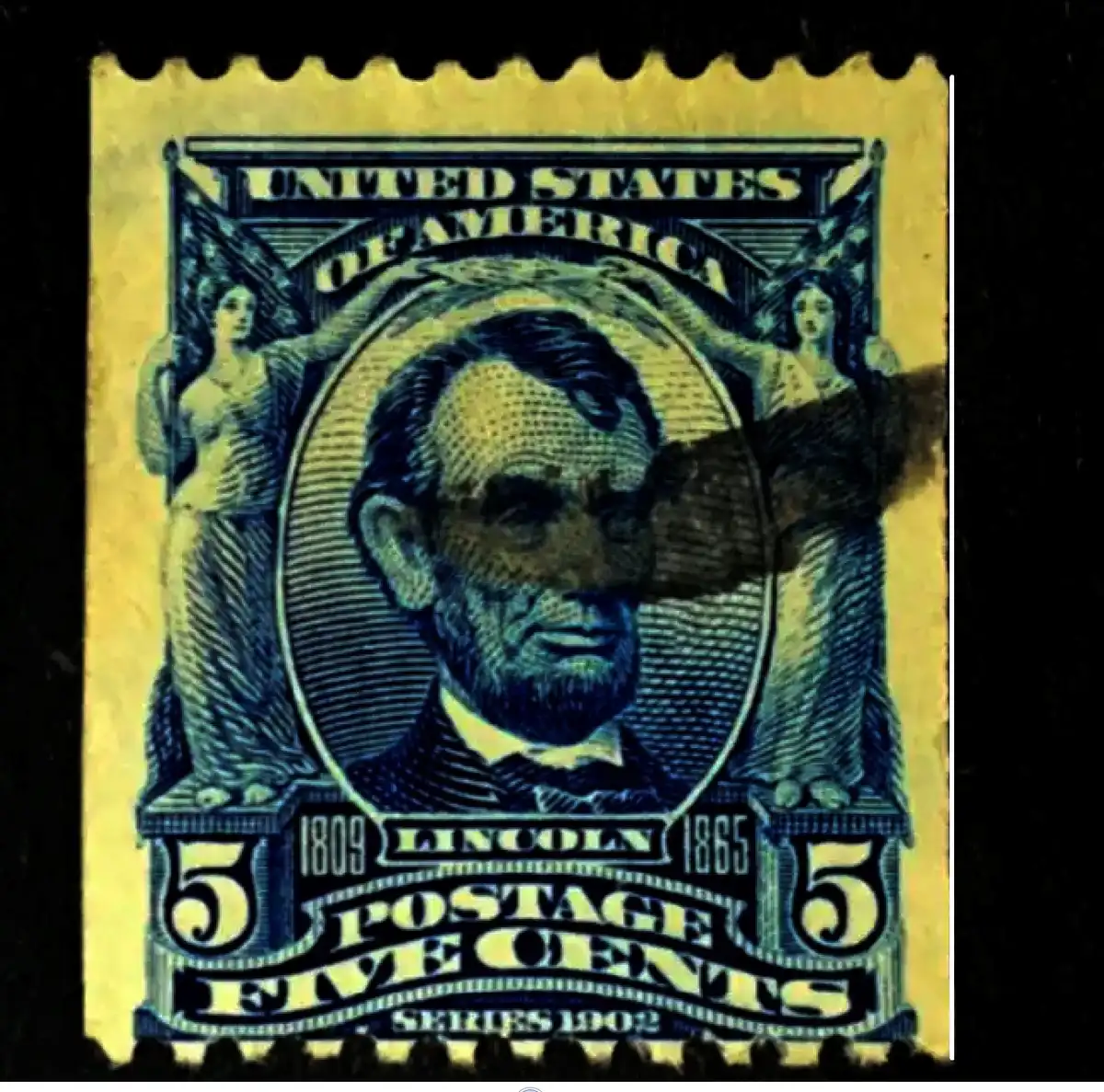 |
|
Send note to Staff
|
Brian Riley
APS 223349 |
|
|
Pillar Of The Community

United States
1084 Posts |
|
|
If the stamp was not scanned absolutely flat, the uneven curved (not completely straight) margins could be an optical illusion.
Neither margin is exactly straight, nor are they parallel to each other in this photo.
The sawtooth indents on the right are allegedly residue of perforation holes, although I've seen worse. The right margin could be a genuine straight edge with the rough cutting being from a dull blade cutting through the soft paper on that stamp. The sharp cut on the left could be the one that was cut with scissors. Being that both sides have a different appearance is a likely indication that one side or the other is not original.
IMO it would be a waste of $30 to submit this for a certificate, but if you believe it is real and want to gamble, I can't stop you. |
|
Send note to Staff
|
|
|
Pillar Of The Community
United States
1109 Posts |
|
|
As ZebraMan observes, I think the key features that call in question the authenticity is the difference in left and right sides, where the left side appears to be scizzor cut sharper edges, and the right side *may* be an authentic straight edge cut. They should both be the same type of separation. |
|
Send note to Staff
|
|
|
Pillar Of The Community
United States
1084 Posts |
|
|
Thanks orstampman. I saw this stamp sell today on ebay (item 318665748208), a "coil" of the $1 from the same series. The stamp is obviously not trying to deceive anybody, it was probably just carelessly trimmed off the envelope or package. The point being, the left side is a natural straight edge, showing the guideline at the edge of the pane. Notice how jagged that cut is, compared to the scissors cut on the right. The little dimples are not a sign of perfs being cut off, that's just how the paper was cut back in 1903. 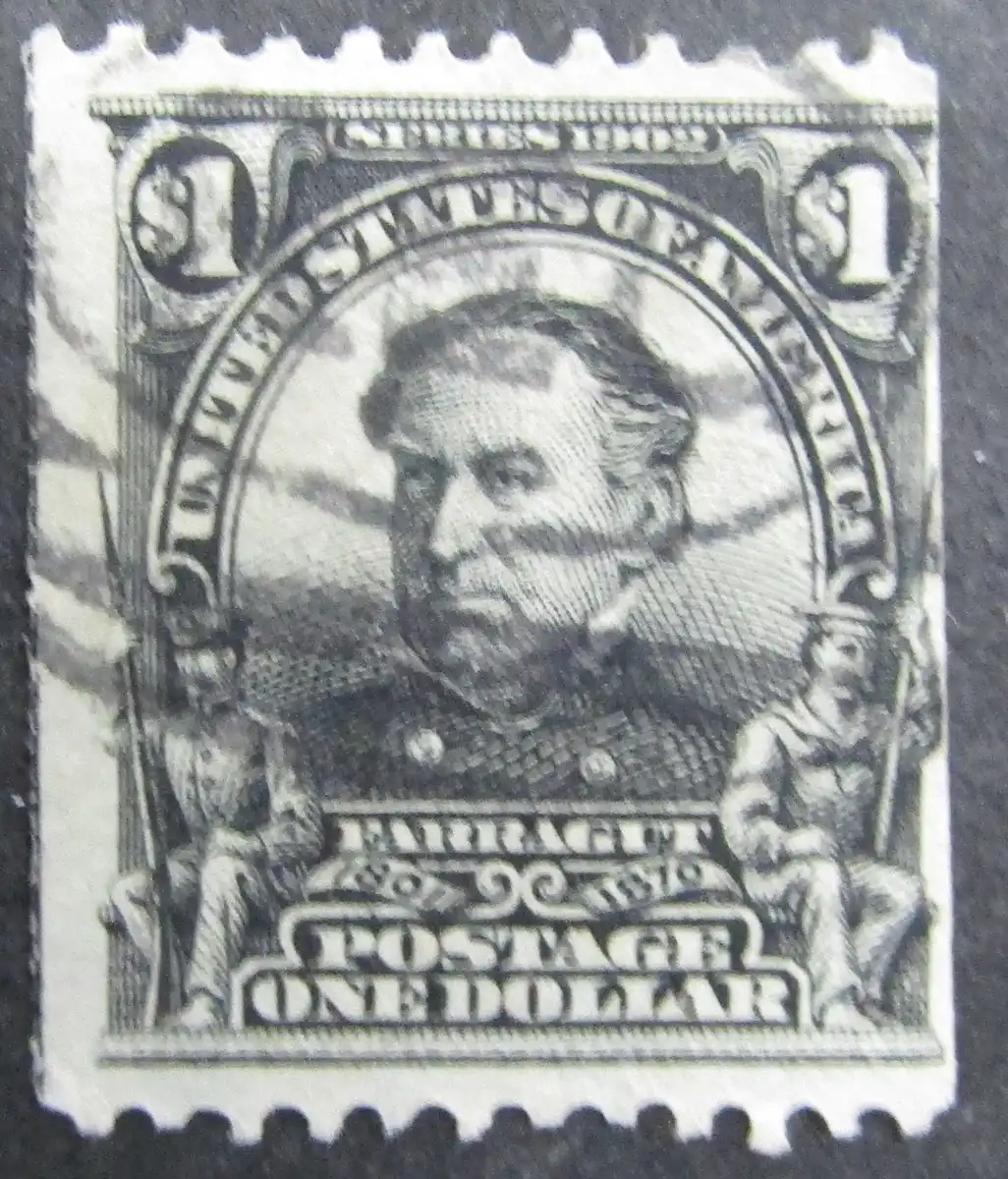 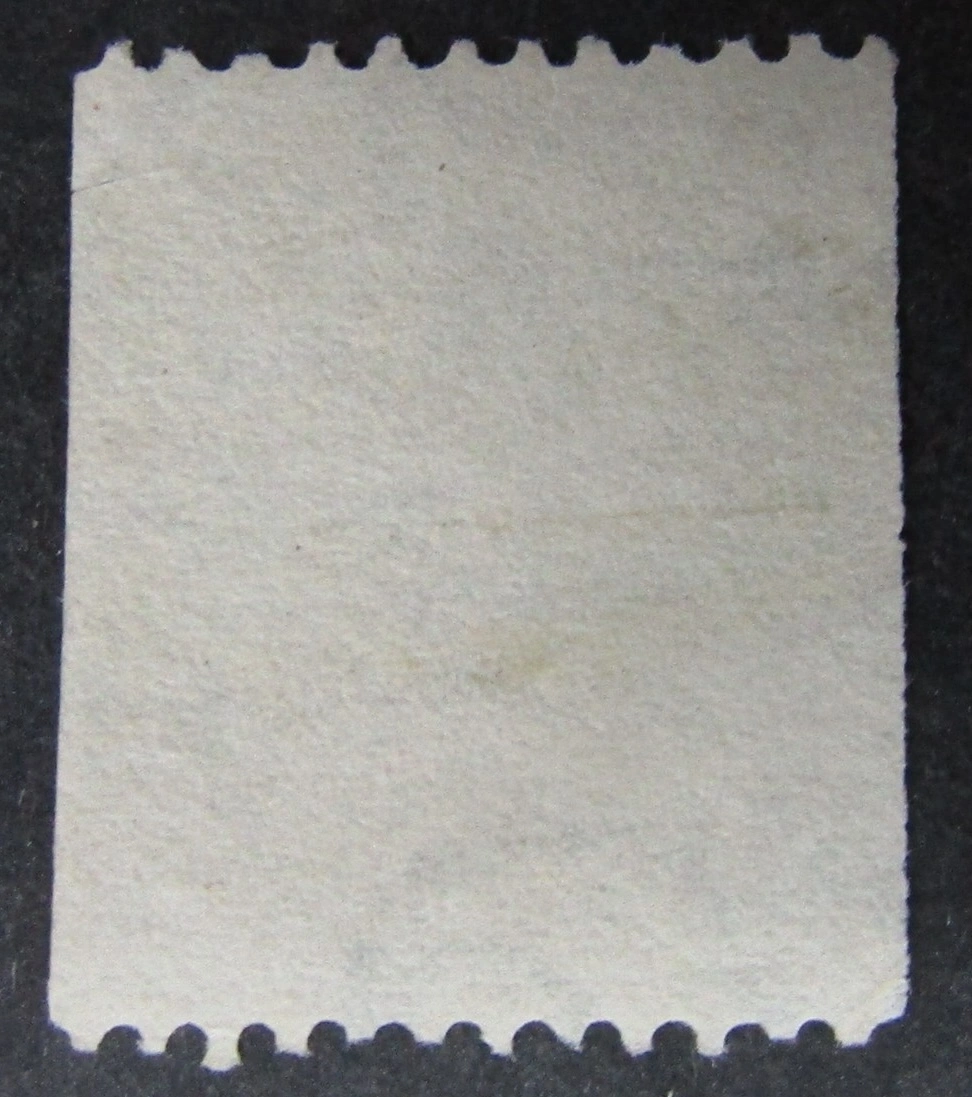 |
|
Send note to Staff
|
|
|
Pillar Of The Community
United States
793 Posts |
|
|
After viewing I agree and think a dull knife or tracing wheel was used to separate the panes. Trimmed perf edges present a different set of characteristics than those on the one dollar example shown. |
|
Send note to Staff
|
|
| |
Replies: 11 / Views: 551 |
|




 Posted 08/05/2026 7:30 pm