|
This page may contain links that result in small commissions to keep this free site up and running.

Welcome Guest! Registering and/or logging in will remove the anchor (bottom) ads. It's Free!
To participate in the forum you must log in or register.
| Author |
 Replies: 3,983 / Views: 1,939,214 Replies: 3,983 / Views: 1,939,214 |
|
|
|
Pillar Of The Community
Israel
4881 Posts |
|
|
Scenes from the 16th-century altarpiece of Sant Joan de Caselles, a Romanesque church near Canillo. The altarpiece is dedicated to Saint John the Evangelist and includes episodes inspired by his visions in the Book of Revelation, showing him writing while witnessing dramatic heavenly and apocalyptic scenes. The inscription Retable de St Jean de Caselles means "Altarpiece of Saint John of Caselles." Stamps were designed and engraved by Jacques Combet, issued for use in French Andorra on October 18, 1969. - Saint John is shown writing or receiving a vision, with a dramatic dragon-like apocalyptic beast and celestial figures above him. This is likely an illustration inspired by one of his visions in Revelation. 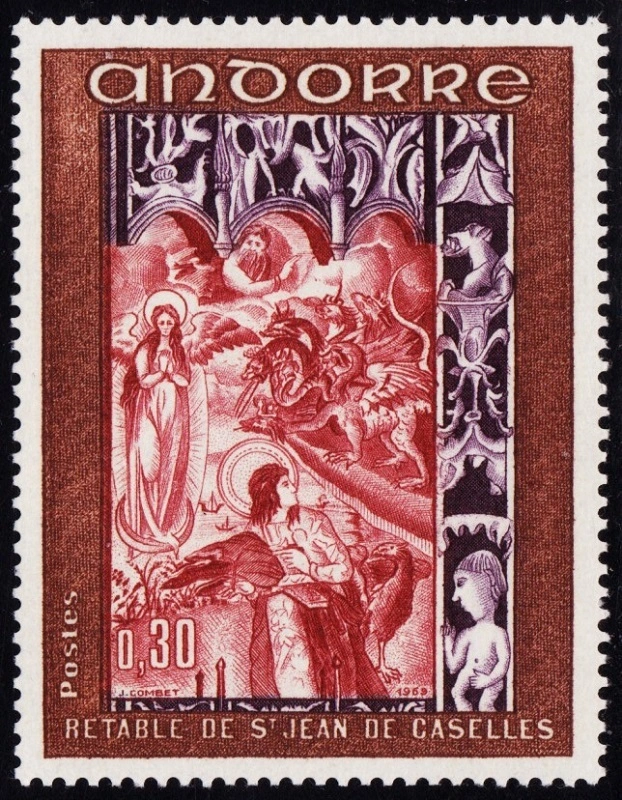 - John appears seated and writing while a brilliant heavenly apparition takes place above him. Again, this represents John as the visionary author of the Apocalypse. 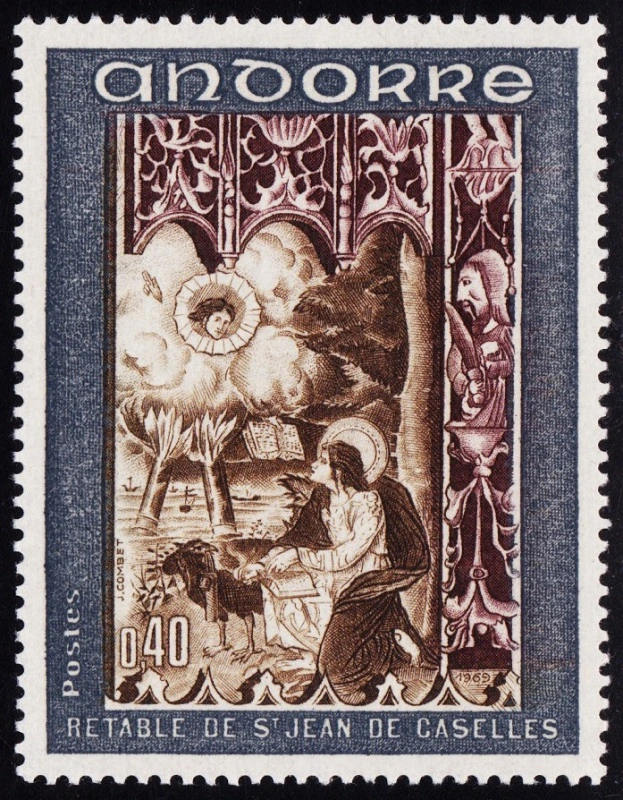 - John writes below a majestic heavenly figure surrounded by lamps or candlesticks. This very probably refers to the opening vision of Revelation, in which John sees Christ among the seven golden lampstands. 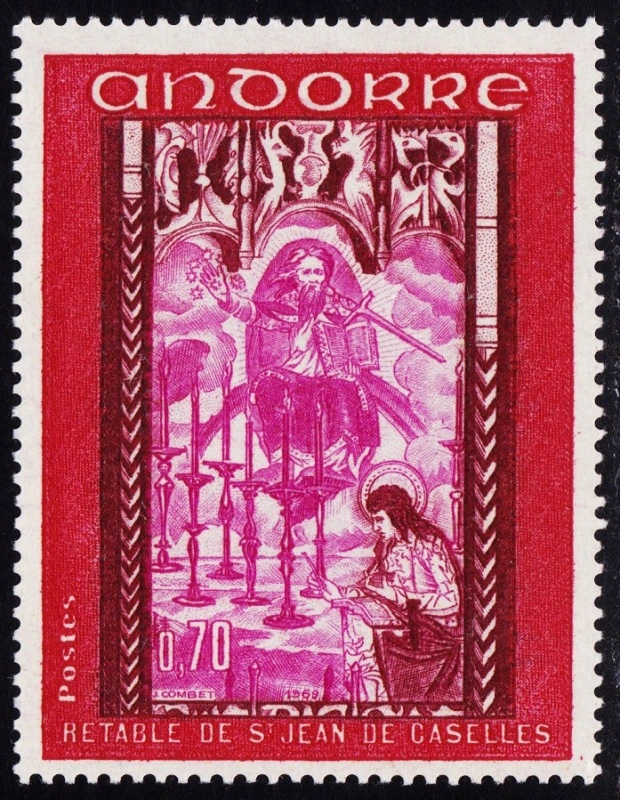 |
Send note to Staff 
|
|
|
Pillar Of The Community
Israel
4881 Posts |
|
|
Engraved Art Stamps issued by Slovakia. Woman with a jug, painting by Marian Cunderlik (1926-1983), Slovak National Gallery, designed by Pavel Kovarik, issued on May 31, 1993. 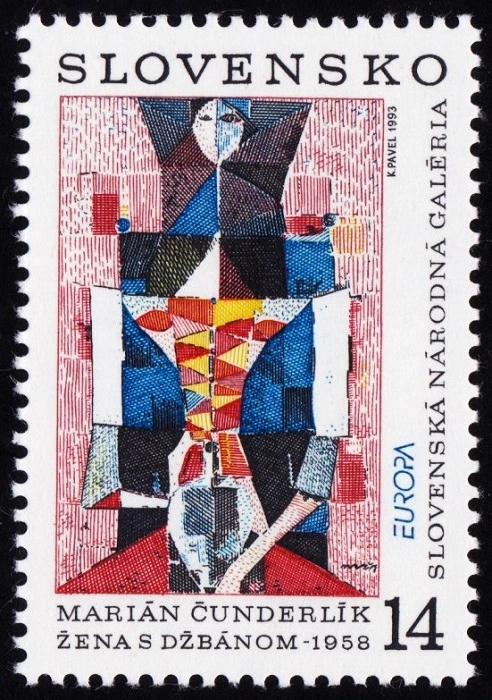 Spring of the Ploughman, bronze sculpture by Slovak sculptor Jozef Kostka (1912–1996), Slovak National Gallery, designed and engraved by Martin Cinovsky, issued on December 31, 1993. 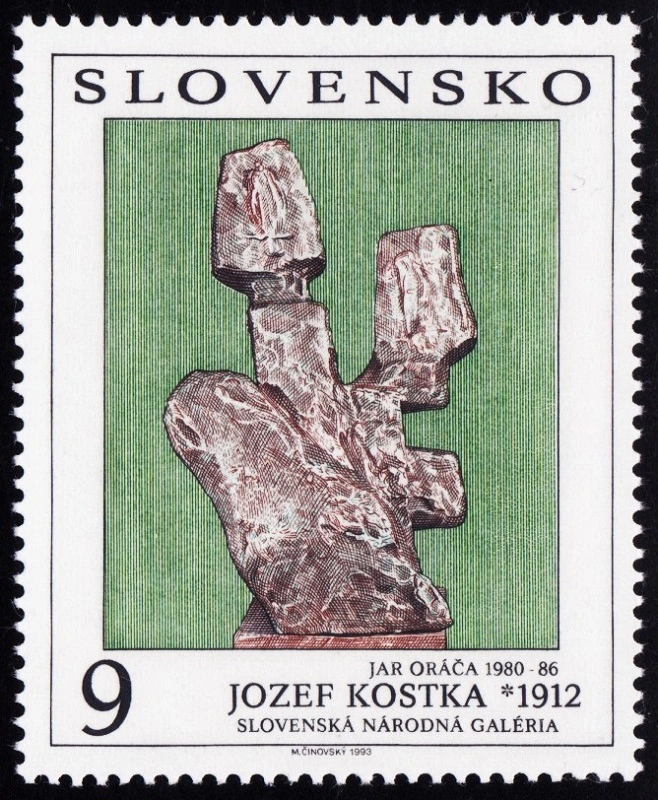 The Nativity (Adoration of the Christ Child), c. 1460, anonymous Master of the Crowned Enthroned Madonna of Spisska Stara Ves, Slovak National Gallery, designed by Martin Cinovsky, engraved by Frantisek Horniak, issued on October 17, 2000. Horniak's engraving won the Slovak transport ministry's award for Best Engraving of 2000. 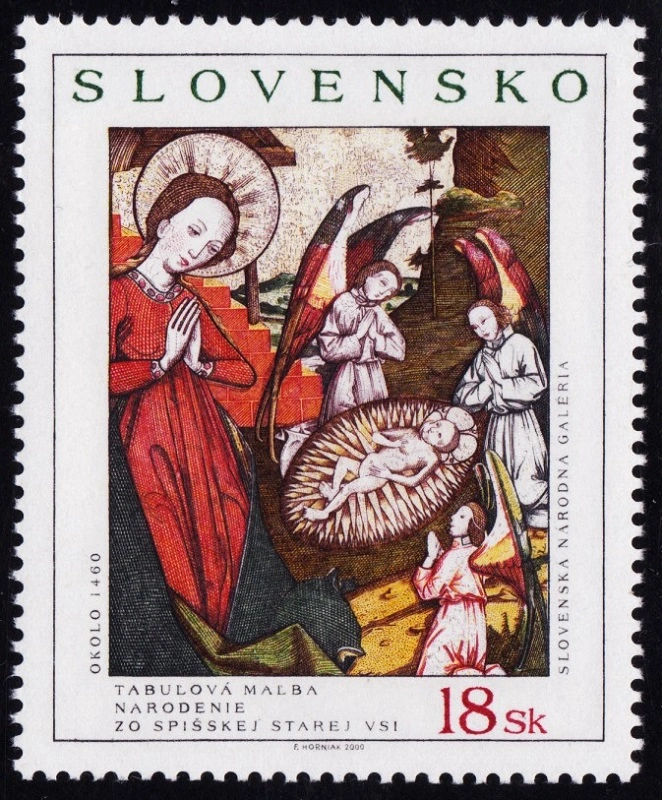 The Coronation of Charles Robert of Anjou (Charles I of Hungary), 1317, fresco by an unknown Gothic painter, St. Martin's Cathedral, Spisska Kapitula, Slovakia, Slovak National Gallery, designed and engraved by Rudolf Ciganik, issued October 17, 2000. 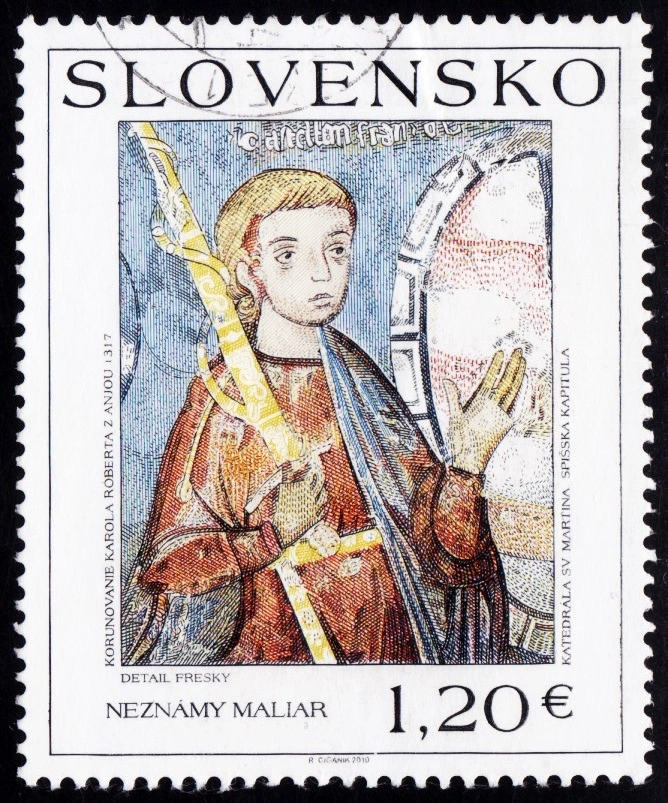 |
|
Send note to Staff
|
|
|
Pillar Of The Community
Israel
4881 Posts |
|
|
Architecture, issued by Belgium on October 23, 1971, to publicize the Stamp exhibition BELGICA '72. - Castle of Attre, designed and engraved by Jean De Vos 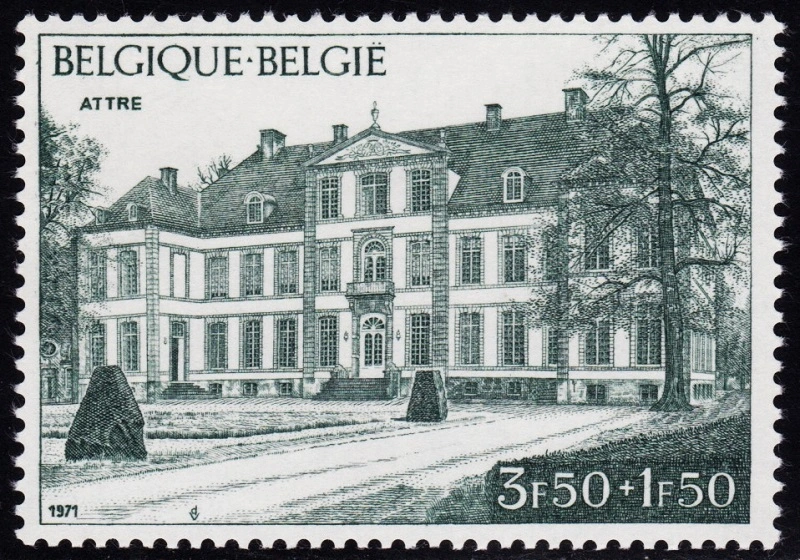 - Rubens Castle of Elewijt, designed and engraved by C. Schotte 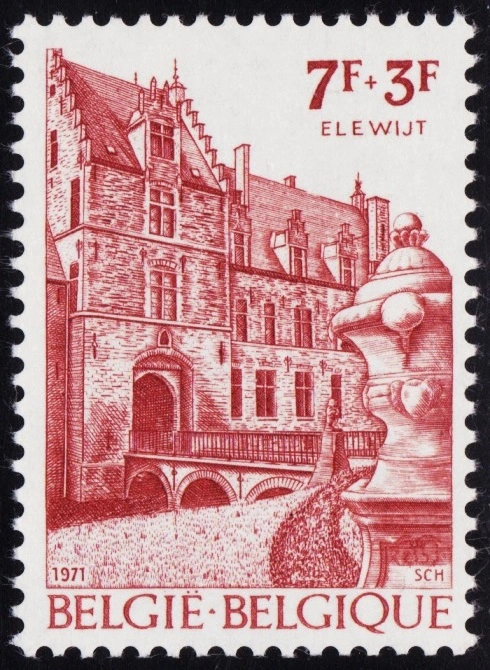 - Royal Palace, Brussels, designed and engraved by Charles Leclercqz 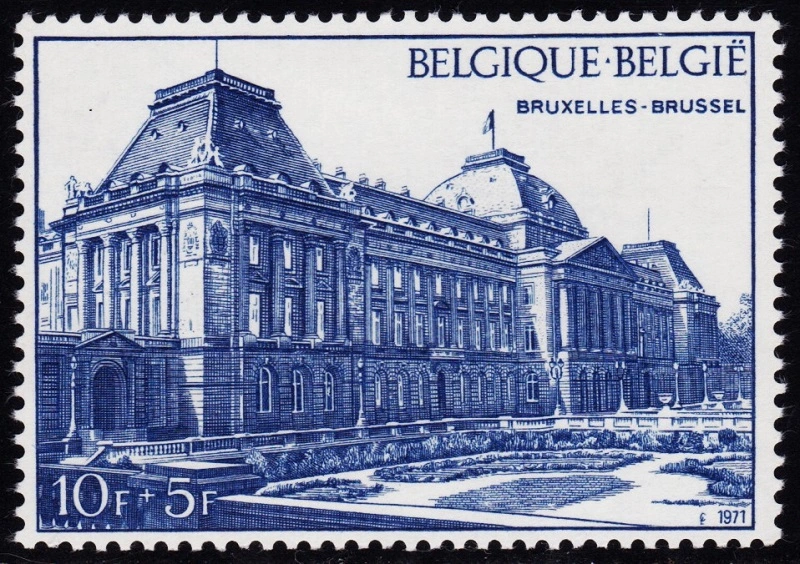 |
|
Send note to Staff
|
|
|
Pillar Of The Community
Israel
4881 Posts |
|
|
Friedrich Engels (1820–1895) was a German philosopher, political theorist, economist, and social critic, best known for his lifelong collaboration with Karl Marx. He co-authored The Communist Manifesto (1848) and played a major role in developing the ideas that became known as Marxism. Engels also wrote influential works of his own, including The Condition of the Working Class in England, based on his observations of industrial society. After Marx's death, he edited and published the second and third volumes of Das Kapital from Marx's manuscripts. The 150th Birth Anniversary of Friedrich Engels (1820-1895), designed by Vasily Tirdatov, engraved by Lidiya Mayarova, issued by the USSR on June 16, 1970. 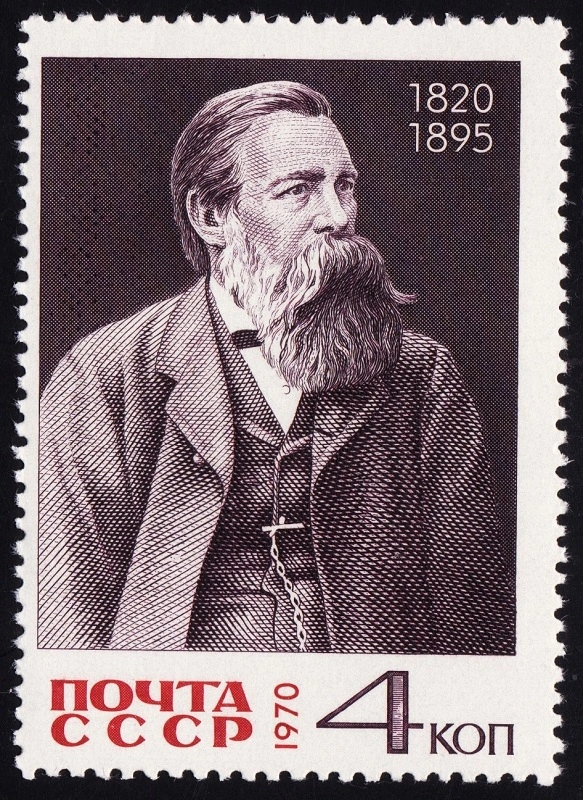 The 135th Birth Anniversary of Friedrich Engels (1820-1895), designed by Sun Chuanzhe, engraved by Kong Shaohui, issued by the PR of China on December 15, 1955. 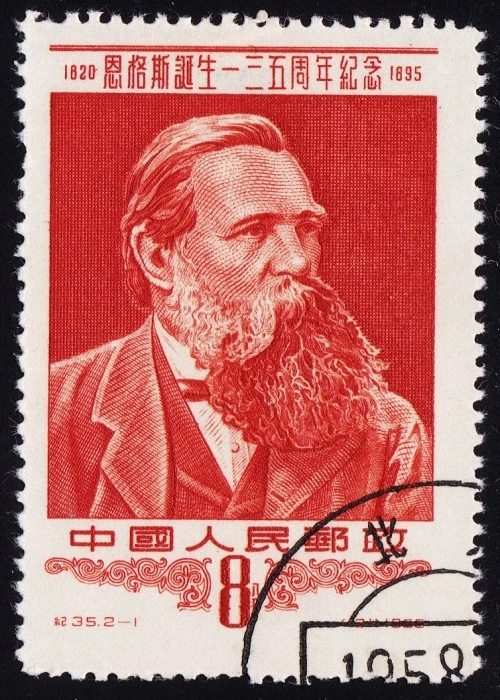 Both stamp designs are based on Engels photo taken in 1877. 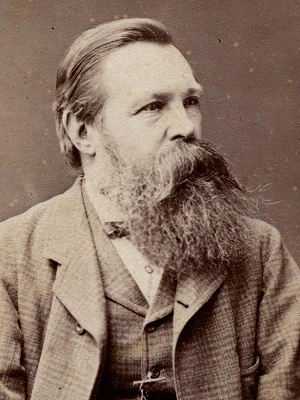 The 150th Birth Anniversary of Friedrich Engels (1820-1895), designed and engraved by Michel Monvoisin and issued by Congo on July 10, 1970. 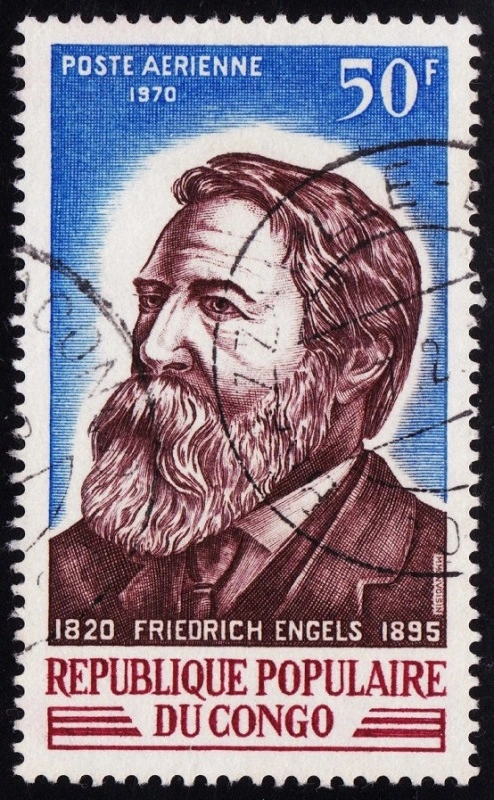 The 150th Birth Anniversary of Friedrich Engels (1820-1895), designed and engraved by Gerhard Stauf, issued by the German Democratic Republic (DDR) on November 24, 1970. 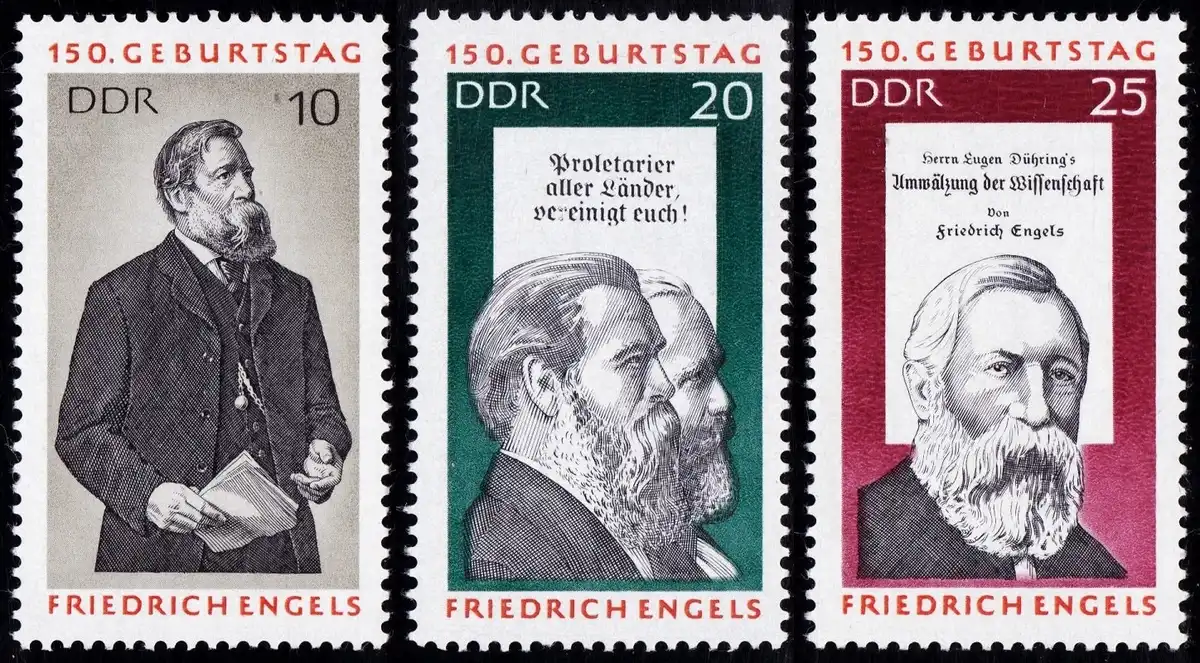 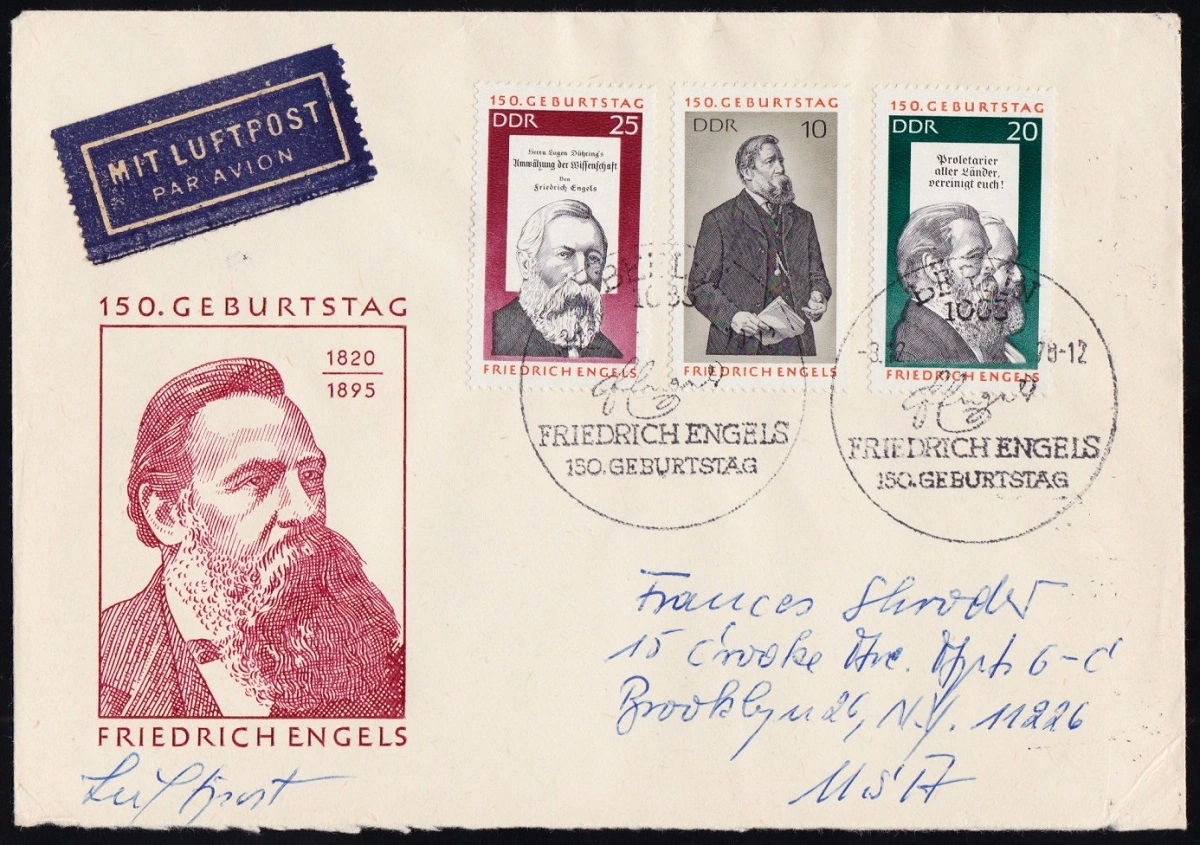 |
|
Send note to Staff
|
|
|
Pillar Of The Community
Israel
4881 Posts |
|
|
Pillar Of The Community
Israel
4881 Posts |
|
|
Most Egyptian stamps were printed by photogravure, while only a relatively small number were engraved. In my collection, I also have three or four stamps that were produced using a combination of engraving and photogravure. Here are the examples I have. I do not know the names of the engravers, but the name Saber Saida appears on several of them. Statue of god Horus in the shape of a falcon protecting Khafre, fourth king of the 4th dynasty (c. 2575–c. 2465 BCE) of ancient Egypt and builder of the second of the three Pyramids of Giza, Egyptian Museum, Cairo, issued by on April 1, 1972. 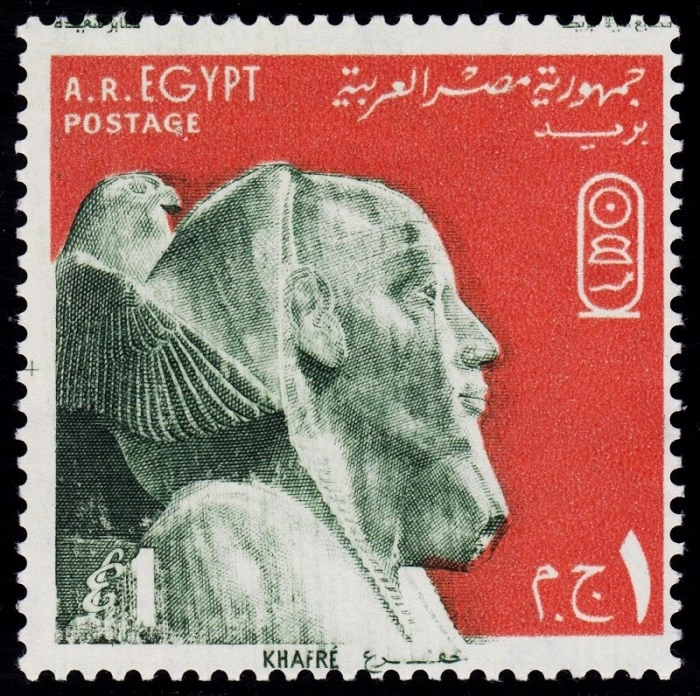 Userkaf, Egyptian pharaoh and the founder of the Fifth Dynasty, issued on October 1, 1972. 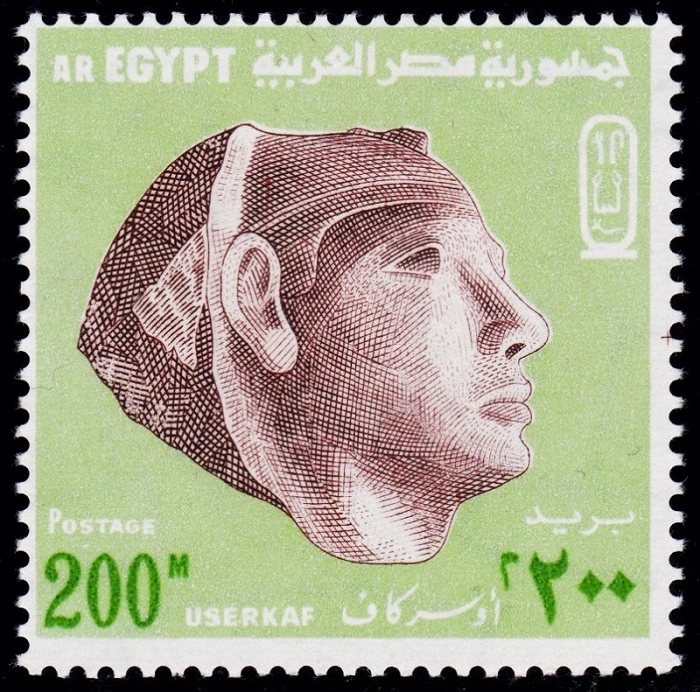 Gamal Abdel Nasser Hussein (1918–1970), President of Egypt, serving from 1954 until his death in 1970, Issued on April 1, 1972. 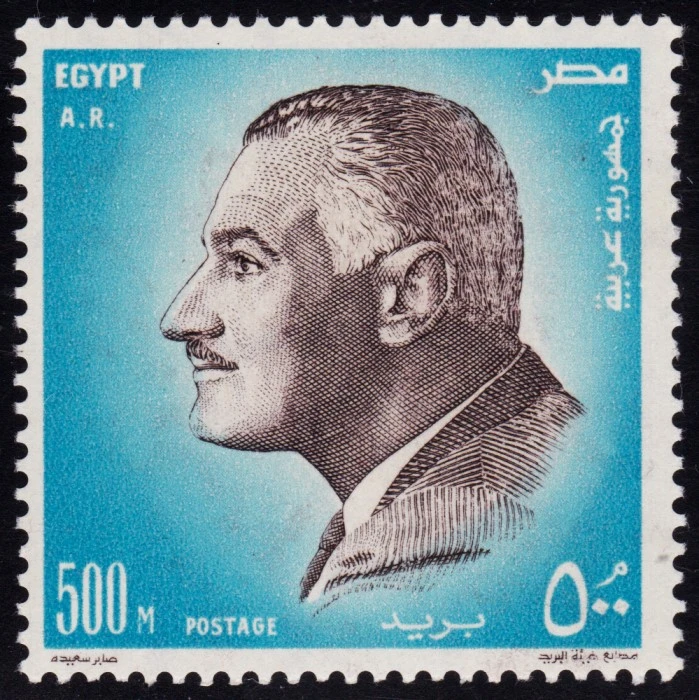 Completion of Aswan High Dam, SS Issued on February 1, 1971. SS contains two imperforate stamps with engraved image of President Gamal Abdel Nasser. 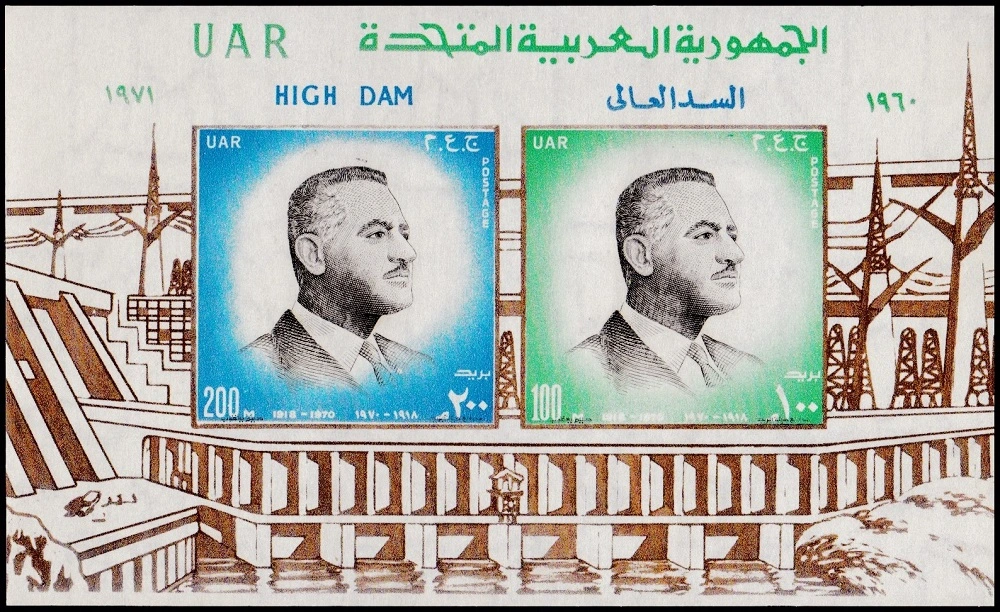 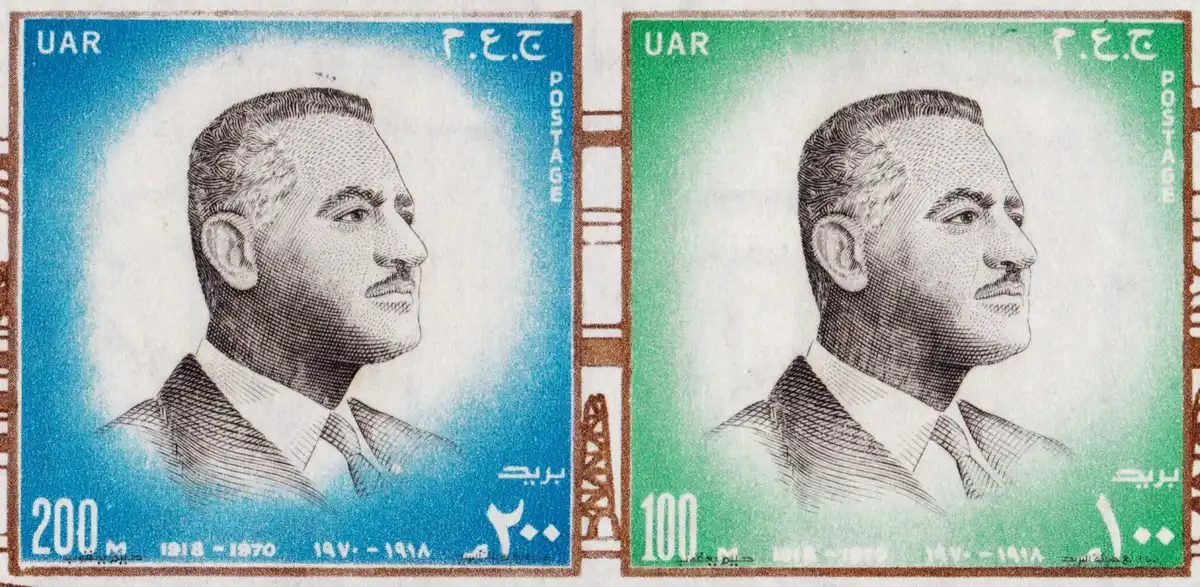 |
|
Send note to Staff
|
|
|
Pillar Of The Community
Israel
4881 Posts |
|
|
One of the best engraved sets IMO issued by Hungary ever is the set shows fruits of Hungary, issued on September 11, 1954 to publicize the National Agricultural Fair. The details and the vivid colors make these stamps very specials and attractive. - Paprika, designed and engraved by Fule Mihaly - Tomatoes, designed and engraved by Horvath Endre - Grapes, designed and engraved by Fule Mihaly - Apricots, designed by Fule Mihaly, engraved by Gal Ferenc - Apples, designed by Horvath Endre, engraved by Zoltan Nagy - Plums, designed by Horvath Endre, engraved by Vertel Jozsef - Cherries, designed by Fule Mihaly, engraved by Zoltan Nagy - Peaches, designed by Horvath Endre, engraved by Vertel Jozsef 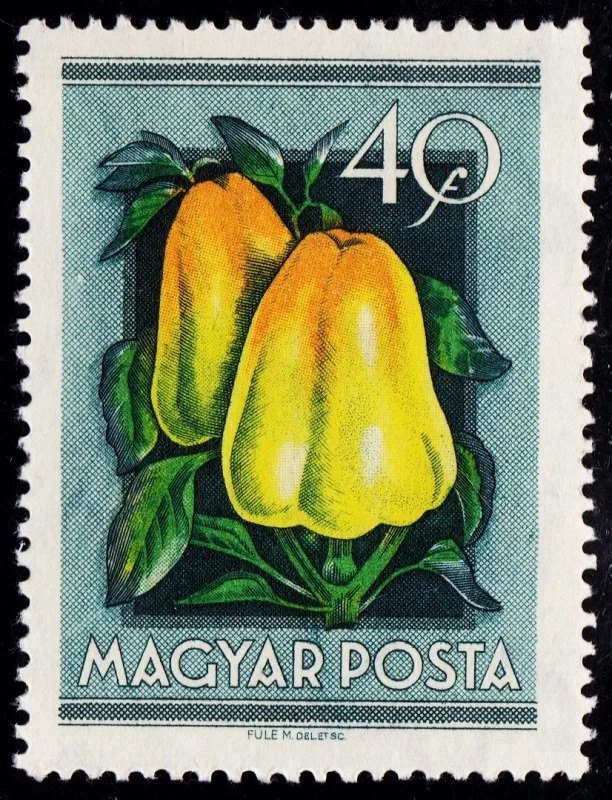 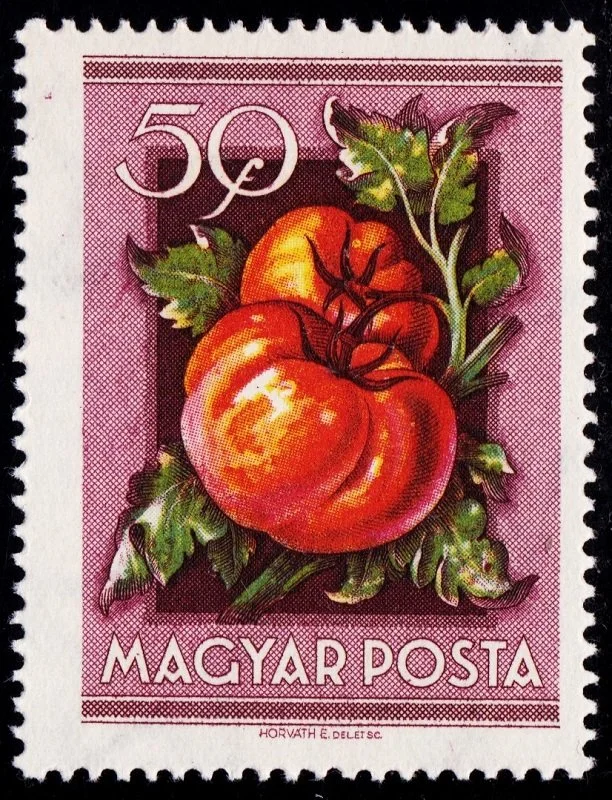 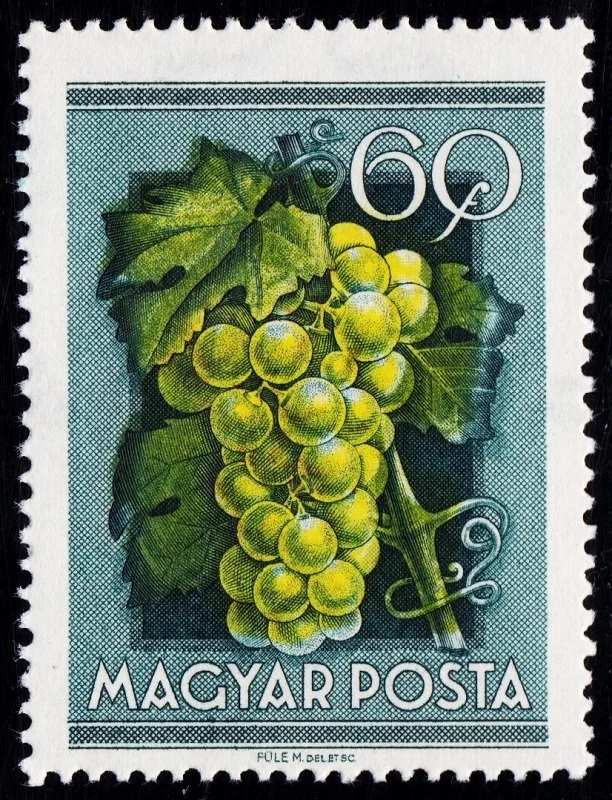 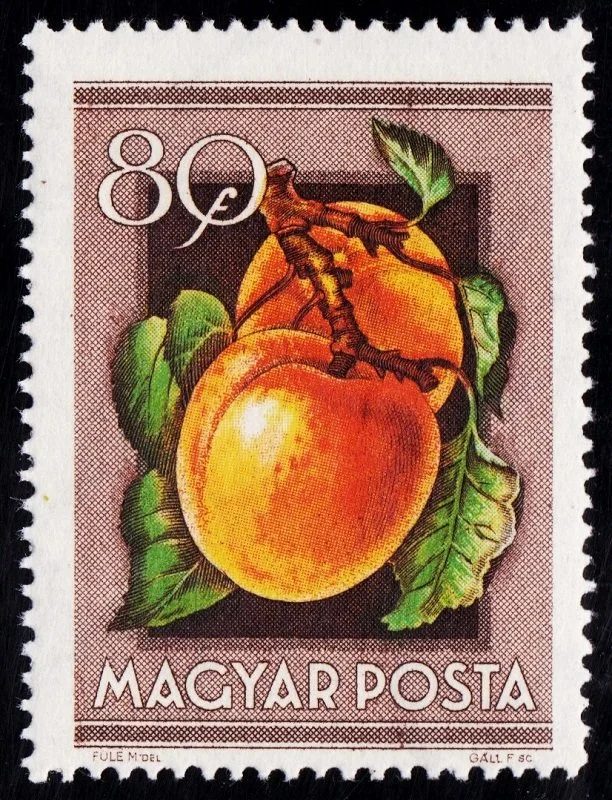 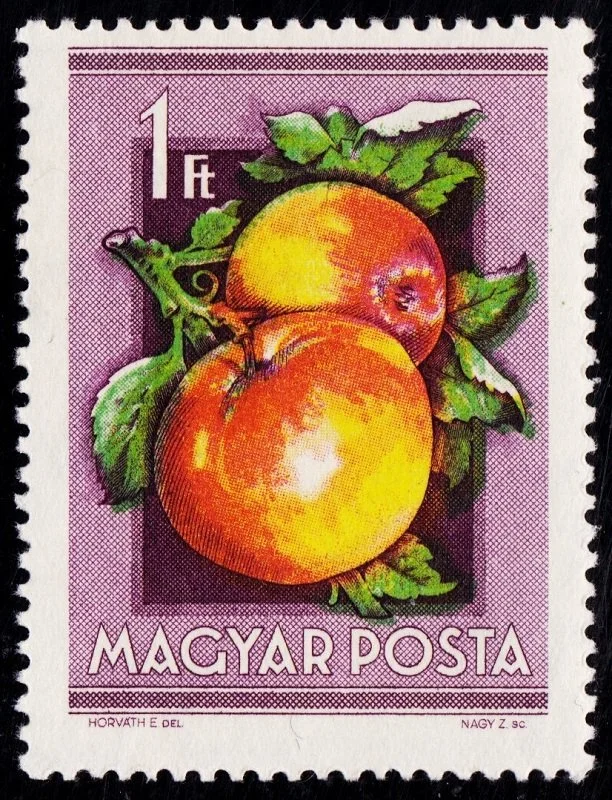 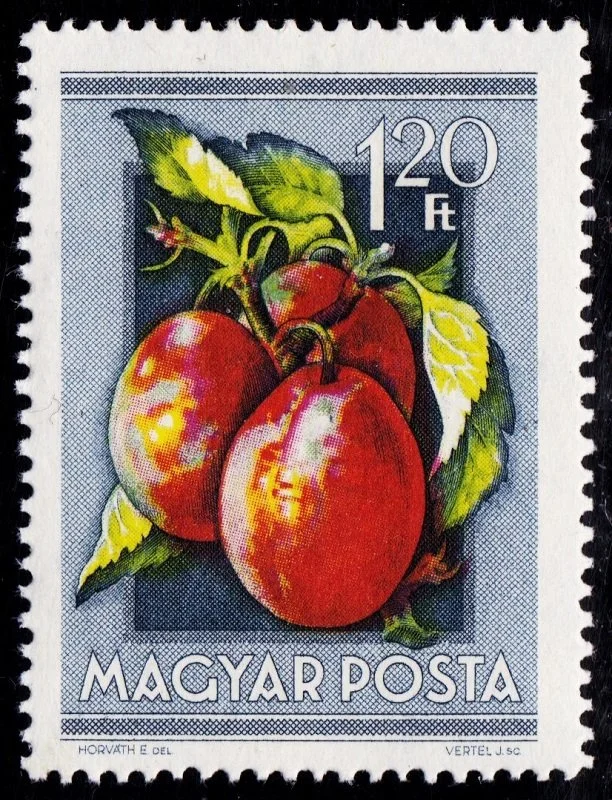 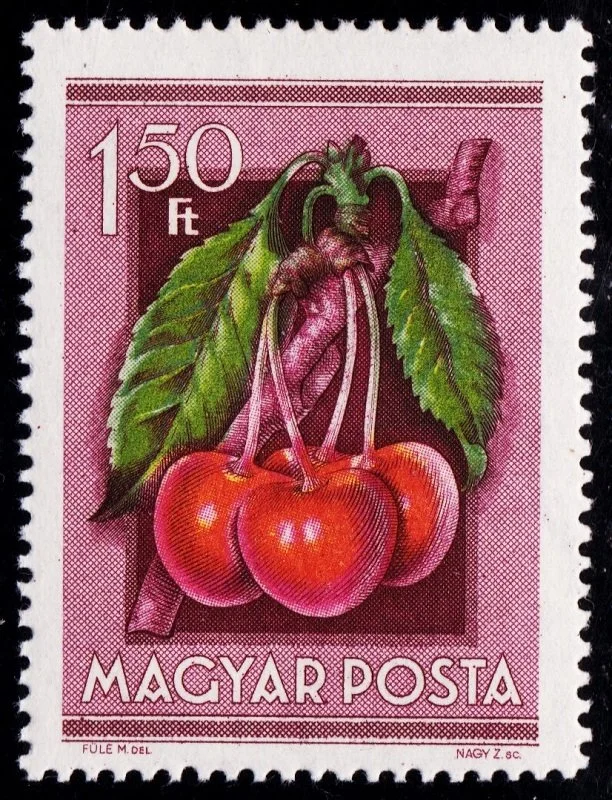 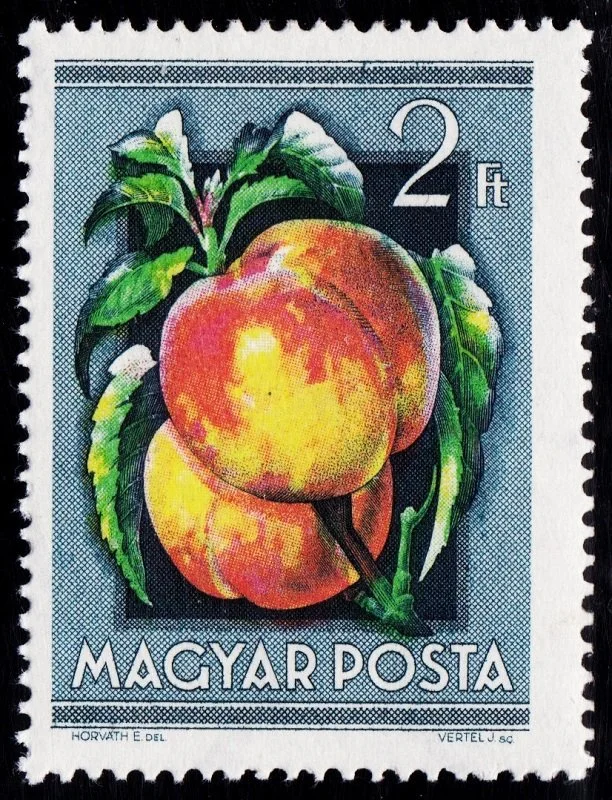 |
|
Send note to Staff
|
|
|
Pillar Of The Community
Israel
4881 Posts |
|
|
Nature of French Southern and Antarctic Territories (TAAF) The Lion Rock, Dumont d'Urville, designed and engraved by Pierre Béquet, issued on December 31, 1979. Lion Rock (Rocher du Lion) is a prominent rocky formation on Île du Lion near the Dumont d'Urville Antarctic station in Adélie Land; it was later largely levelled during construction of the abandoned Lion airstrip. 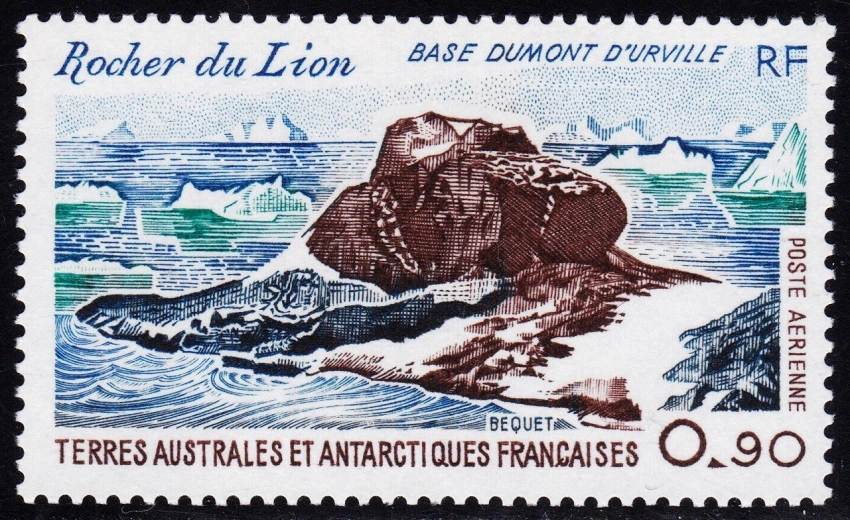 Elaphoglossum randii, a species of fern that grows only on the sub-Antarctic islands of Kerguelen (TAAF) and the Marion and Prince Edward Islands in the Indian Ocean (South Africa), designed and engraved by Georges Bétemps, issued January 1, 1988. 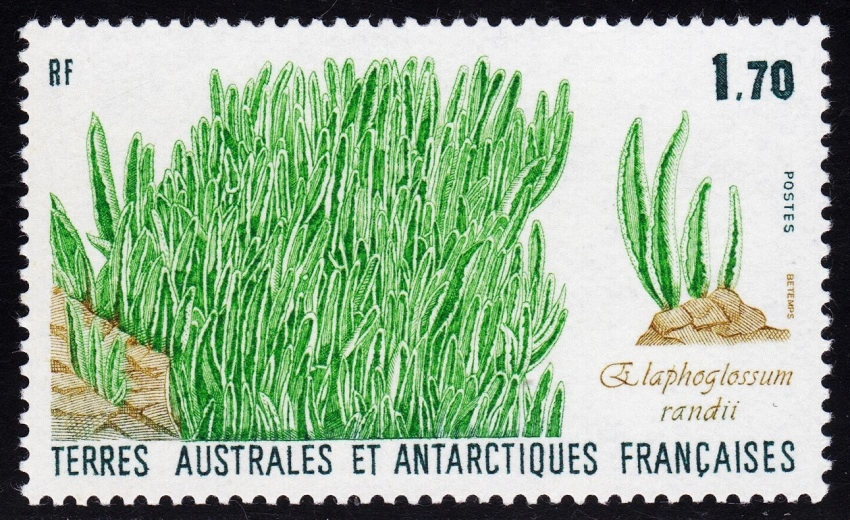 Moss balls (Balles de Mousses), designed and engraved by Georges Bétemps, issued January 1, 1991. Moss balls (Balles de Mousses) are compact, naturally formed spheres of moss found in the windswept sub Antarctic environment of the French Southern and Antarctic Lands, especially the Kerguelen Islands, where strong winds and harsh conditions shape loose moss into these distinctive rolling formations. 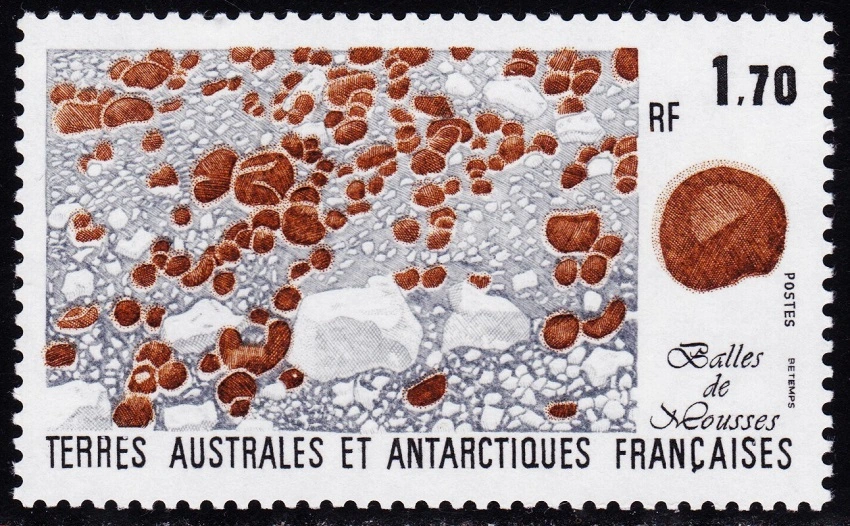 |
|
Send note to Staff
|
|
|
Replies: 3,983 / Views: 1,939,214 |
|
|
To participate in the forum you must log in or register. | |
Disclaimer: While a tremendous amount of effort goes into ensuring the accuracy of the information contained in this site, Stamp Community assumes no liability for errors. Copyright 2005 - 2026 Stamp Community Family - All rights reserved worldwide. Use of any images or content on this website without prior written permission of Stamp Community or the original lender is strictly prohibited.
Privacy Policy / Terms of Use Advertise Here |
| Stamp Community Forum |
© 2007 - 2026 Stamp Community Forums |
| It took 0.33 seconds to lick this stamp. |
 |
|
|
|


 Posted 08/16/2026 3:17 pm