| Author |
 Replies: 16 / Views: 510 Replies: 16 / Views: 510 |
|
Valued Member
Denmark
40 Posts |
|
|
need help, I have this 3 cent with print on the back, gone through the paper, what do I have. 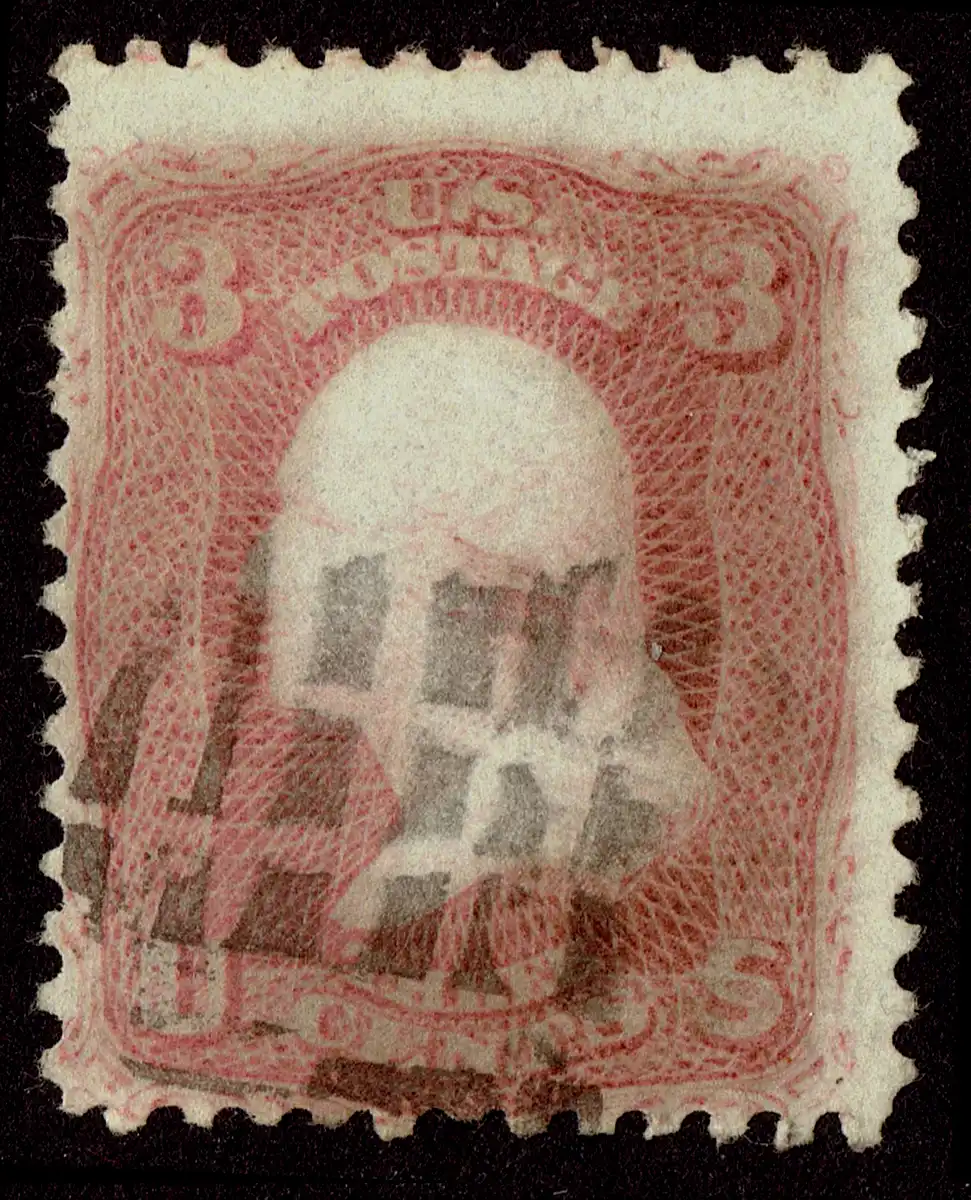 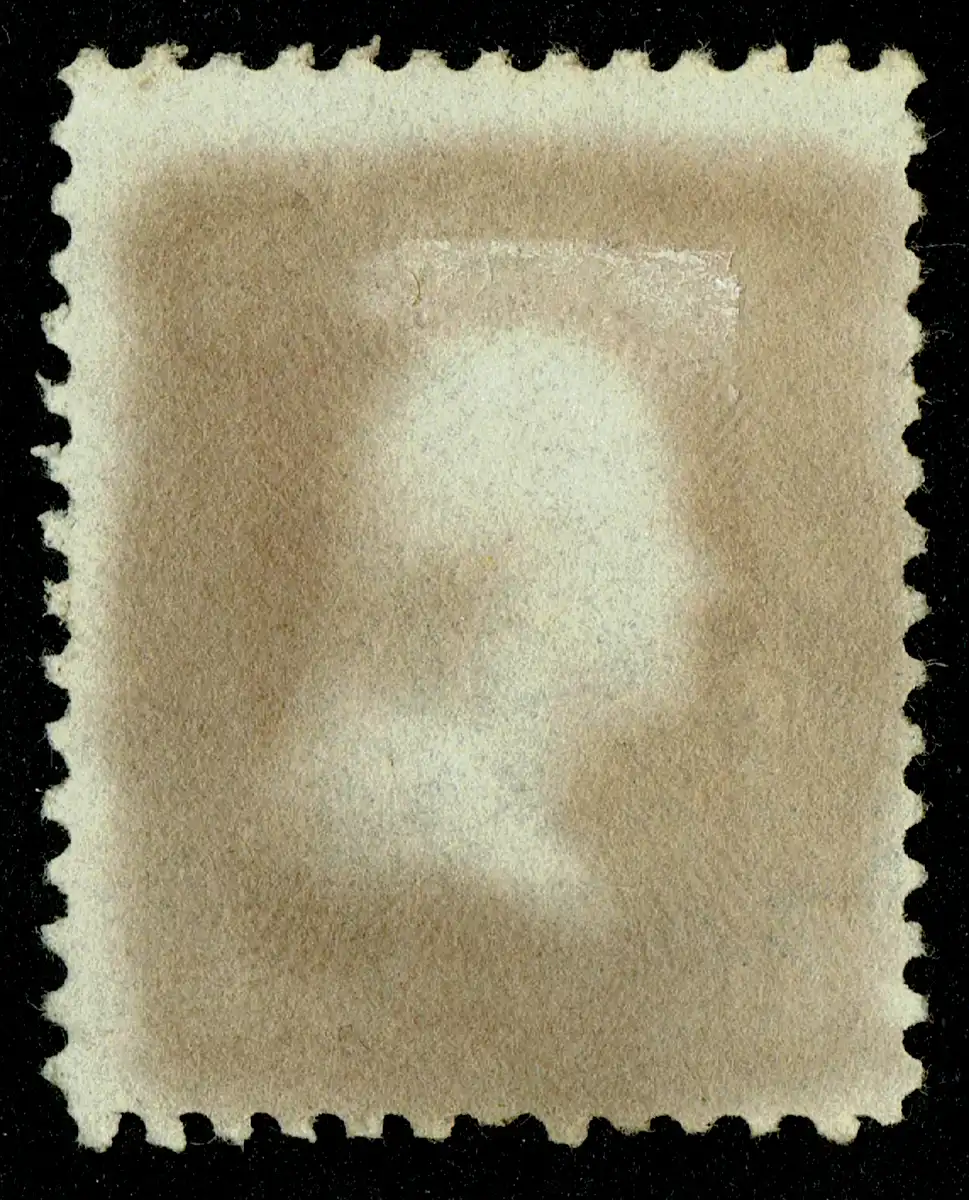 |
|
Send note to Staff
|
|
|
|
|
Bedrock Of The Community
12772 Posts |
|
|
Its a badly toned stamp, that's what you have. There is no print on the back. |
Send note to Staff 
|
|
|
Pillar Of The Community
Netherlands
800 Posts |
|
|
I once heard of the term Ivory Head, I believe referring to British stamps, is this something simular?
|
|
Send note to Staff
|
|
|
Bedrock Of The Community
12772 Posts |
|
|
The ivory heads were all on bluish paper and have a similar look on the back. |
|
Send note to Staff
|
|
|
Valued Member
Denmark
40 Posts |
|
|
Valued Member
153 Posts |
|
|
Definitely not a "print", nielsjust, otherwise it would look like the front. But I like Johan's reference! I've asked about this in the past... Both the Ivory Heads and 64s are made with highly fugitive ink, so I wondered if a 64 could produce this kind of effect if the ink was fugitive *enough*. Hard to tell with the 3c because it is a workhorse stamp, and there are plenty of variables that might cause it to bleed like that (varnish ink also does this). However, I can't be certain from a screen, but the non-weathered areas do show signs of the "cotton candy" color found on a 64, especially in the top-left peroration: 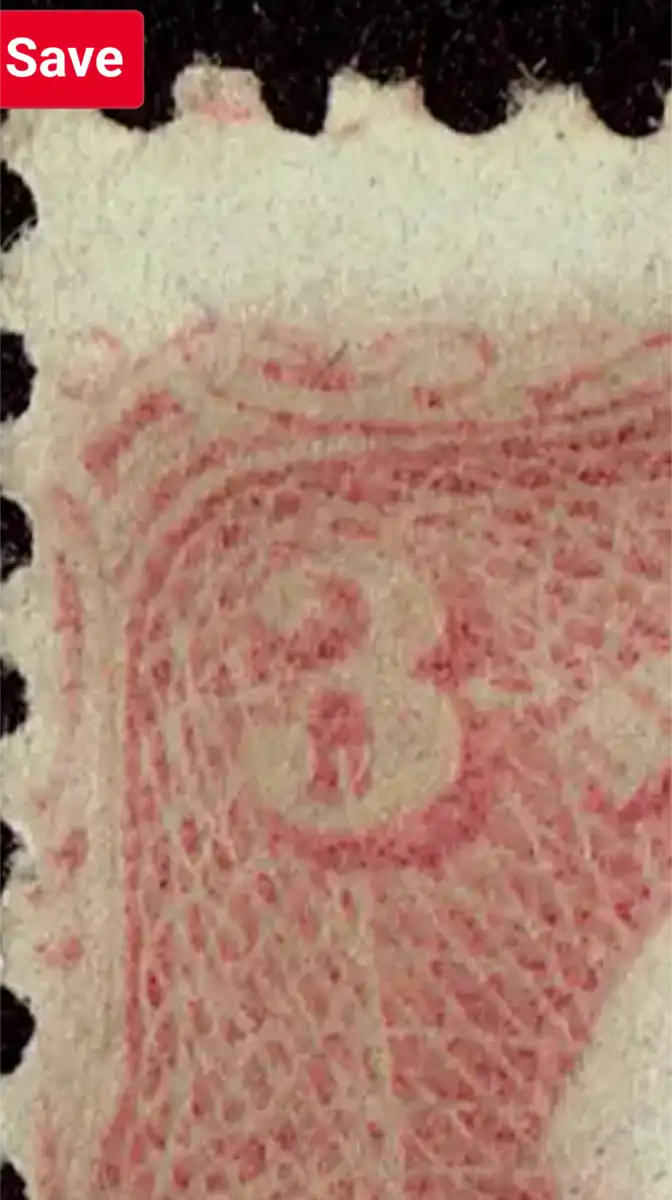 If it were mine, I would submit it as a 64a and see what they say. Go all the way with it. Worst case scenario they'll label it a 65 and drop the expertizing fee... A little money might be wasted, but for me it would still be worth it. *Edit* If the color looks way less saturated than the picture, take what I said with a grain of salt! |
|
Send note to Staff
|
| Edited by solomons_prayer - Yesterday 1:56 pm |
|
|
Bedrock Of The Community
12772 Posts |
|
|
Pillar Of The Community

United States
1159 Posts |
|
|
I think he means drop - as in lower - the fee for a 65 versus a 64a, not drop the fee completely to zero. |
|
Send note to Staff
|
|
|
Valued Member
153 Posts |
|
|
Quote:
I think he means drop - as in lower - the fee for a 65 versus a 64a, not drop the fee completely to zero. Yes  |
|
Send note to Staff
|
|
|
Bedrock Of The Community
12772 Posts |
|
|
OK, that makes zero sense. Burn $50 on the hope (delusion that you have a 64a). Buy lottery tickets and you have a better chance. Or send me the $50 if it's burning a hole in your pocket. |
|
Send note to Staff
|
|
|
Valued Member

United Kingdom
234 Posts |
|
|
GB "ivory heads" were caused by dry paper. The prussiate of potash in the ink would usually soak fairly evenly throughout the normal damp paper, causing fairly even bluing, but if the paper was too dry most of the head area would remain white on the back.
I know nothing at all about USA stamps, but it seems to me that what you have here is the opposite of an ivory head. It's the brown on the back that needs explaining, not the white. |
|
Send note to Staff
|
|
|
Valued Member
153 Posts |
|
|
Quote:
GB "ivory heads" were caused by dry paper. The prussiate of potash in the ink would usually soak fairly evenly throughout the normal damp paper, causing fairly even bluing, but if the paper was too dry most of the head area would remain white on the back.
I know nothing at all about USA stamps, but it seems to me that what you have here is the opposite of an ivory head. It's the brown on the back that needs explaining, not the white. That's a good analysis. Moisture levels of the paper help explain why some have more complete "ivory heads" than others. Funny enough, the same term is used by collectors of Chile and Cape of Good Hope stamps made by the same printer. I guess they want to stay consistent. As for the 3c here, I'm not basing my thoughts around Prussia of Potash exactly, since it's only one out of many chemicals that can turn an ink fugitive. I'm focusing more on the fugitive appearance of it altogether. Prussia of Potash was added (and I may be wrong here) to keep it from being illegally reused. There was purpose to it, and that's why they're so common. The same can't be said for the 64, which is fugitive 'unintentionally'. It's the undesirable result of an otherwise awesome shade of pink... And because it wasn't received well, the NBC started trial runs that would eliminate the problem. This is why there are varying shades of it. Therefore it seems strange to be able to find a 65 with apparent fugitive properties because that was a problem that should have been already fixed. It encompasses the very reason on why "it shouldn't be a pink". But I digress. I'm not saying it is or isn't definitively, just offering some possibilities. I think it's important to consider all the details because colors online are always contentious. The Chronicle has an article highlighting other aspects to look out for, one of them being "toning that causes the true pink stamps to take on a lavender-tinted glow". https://chronicle.uspcs.org/PDF/Chr...44/10827.pdf |
|
Send note to Staff
|
|
|
Valued Member
153 Posts |
|
|
Quote:
OK, that makes zero sense. Burn $50 on the hope (delusion that you have a 64a). Buy lottery tickets and you have a better chance. Or send me the $50 if it's burning a hole in your pocket. When looking at 64s on Siegel's Power Search it's obvious that they're very hard to maintain. Most of their colors have been altered over the years, and since 98% of this one is definitely altered, you may as well pay for the highest possible result considering they'll only charge you for the grade it receives in the end. This is not gambling. It's common sense. There is a reason why you very rarely see upgrades from what the submitter wrote on form. |
|
Send note to Staff
|
|
|
Bedrock Of The Community
United States
10865 Posts |
|
|
This stamp is extremely unlikely to be a 64. Even on a PC, it has too much brown and too little red. |
|
Send note to Staff
|
|
|
Valued Member
United Kingdom
387 Posts |
|
|
Presumably the Prussiate of Potassium used is Potassium Ferricyanide, which is bright red. The other Prussiate of Potassium is yellow Potassium Ferrocyanide, according to you-know-what. Mix the Ferricyanide up with Ammonium Ferric Citrate and you get Prussian Blue, as used in blueprints, according to Wikipedia. |
|
Send note to Staff
|
|
|
Bedrock Of The Community
12772 Posts |
|
|
Quote:
This is not gambling. It's common sense. Gambling is taking a chance. Some people do everything they can to ensure a positive outcome. Step one is asking a truthful question. Does my item look at all like other examples. If you look through the examples on Power Search and look at the OP's stamp you see that even accounting for the vagaries of computer images there is no chance. Not even close. So, throwing $50 down on a spin of the 64a wheel is the very definition of gambling with terrible odds. Quote:
There is a reason why you very rarely see upgrades from what the submitter wrote on form. You mostly see "downgrades" (I guess you consider grades to be based on dollar value) which is exactly what will happen here if the stamp is submitted as a 64a. Why am I belaboring this point? Because it is not nice to suggest that a collector, who may be new to collecting, waste $50 on a false hope. That is what can turn people off of the hobby. I have a simple solution to this though: YOU, Solomons_prayer, pay the expertizing fee for Nielsjust since you are pushing this pipe dream. |
|
Send note to Staff
|
|
|
Replies: 16 / Views: 510 |
|




 Posted 10/12/2026 07:11 am


