| Author |
 Replies: 6 / Views: 323  |
|
|
Pillar Of The Community
Israel
4955 Posts |
|
|
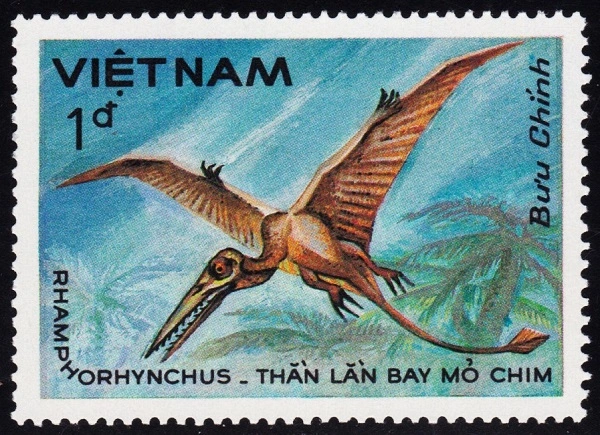
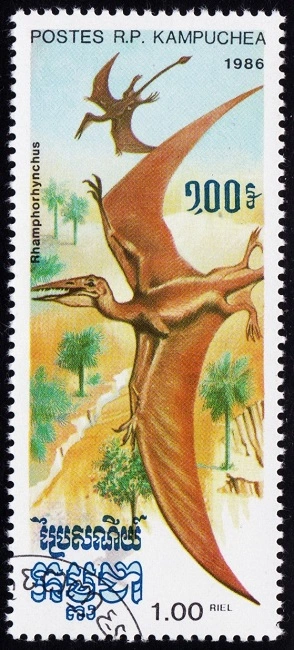
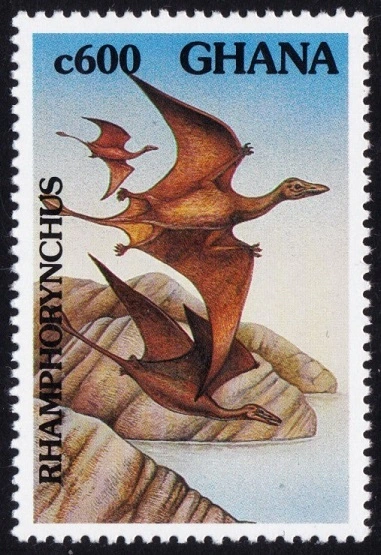
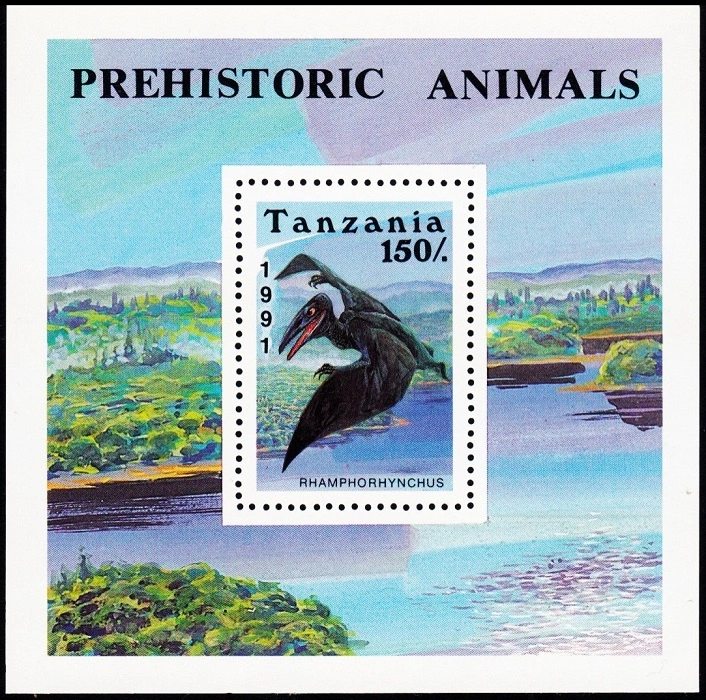
Prehistoric Flying Reptiles — Rulers of the Ancient Skies Long before birds dominated the skies, Earth's prehistoric world was home to some of the most extraordinary flying creatures ever to evolve. For over 150 million years, from the Late Triassic to the end of the Cretaceous Period, flying reptiles known as pterosaurs soared above ancient landscapes and seas. These remarkable creatures, including Pterodactylus, Pteranodon, and Quetzalcoatlus, ranged from tiny, bird-sized species to enormous giants with wingspans exceeding 10 metres. Although often mistaken for flying dinosaurs, pterosaurs belonged to a distinct group of reptiles and were the first vertebrates to develop powered flight. Their unique adaptations, including lightweight skeletons, elongated wing fingers, and specialized feeding structures, enabled them to thrive in diverse prehistoric environments. In this thread, we'll explore the fascinating world of prehistoric flying reptiles, discovering their remarkable diversity and unique adaptations through postage stamps. 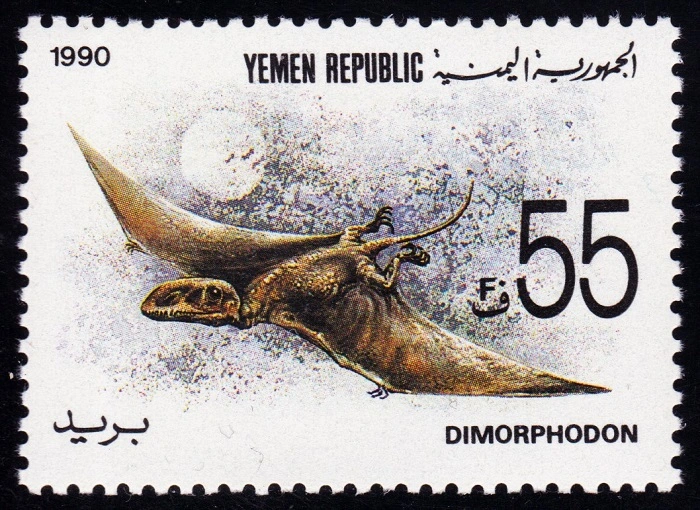 |
|
Send note to Staff
|
|
|
|
|
Pillar Of The Community
Israel
4955 Posts |
|
|
Sordes (Late Jurassic): A small flying reptile that lived approximately 155 million years ago in what is now Kazakhstan. With a wingspan of about 60–65 centimetres, Sordes possessed a relatively large head, sharp teeth, a long tail, and membranous wings supported by elongated fingers. It probably fed on insects and other small animals. Its most remarkable feature was a covering of fine, hair-like filaments called pycnofibers, which likely provided insulation. Exceptionally well-preserved fossils of Sordes provided important evidence that pterosaurs had such body coverings, suggesting they could regulate their body temperature. Sordes, reconstruction on show in Paleontological Museum of Russian Science Academy in Moscow. issued by the USSR in 1990. 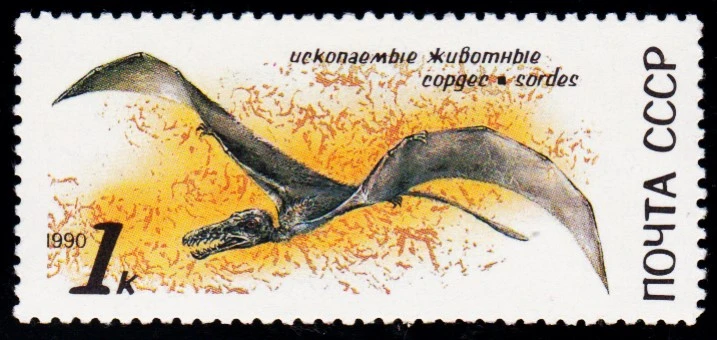 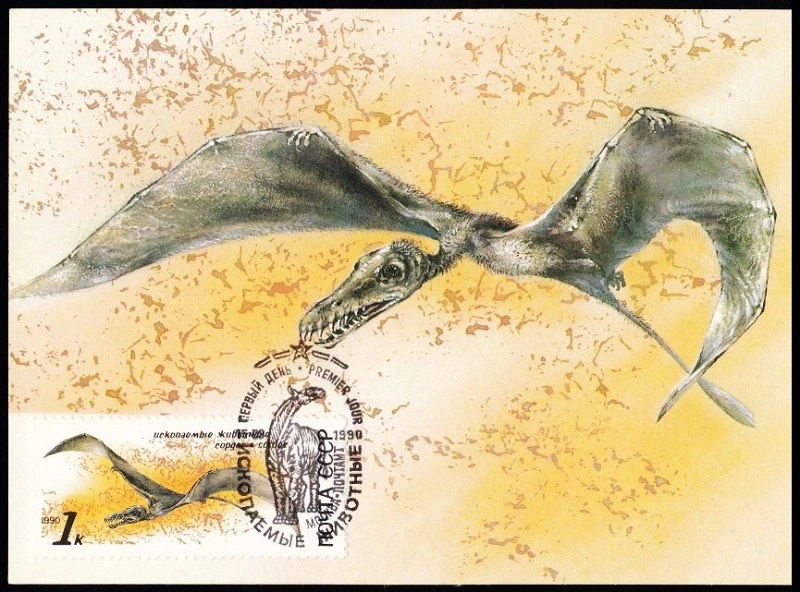 FDC, the cachet shows Sordes and the museum building. 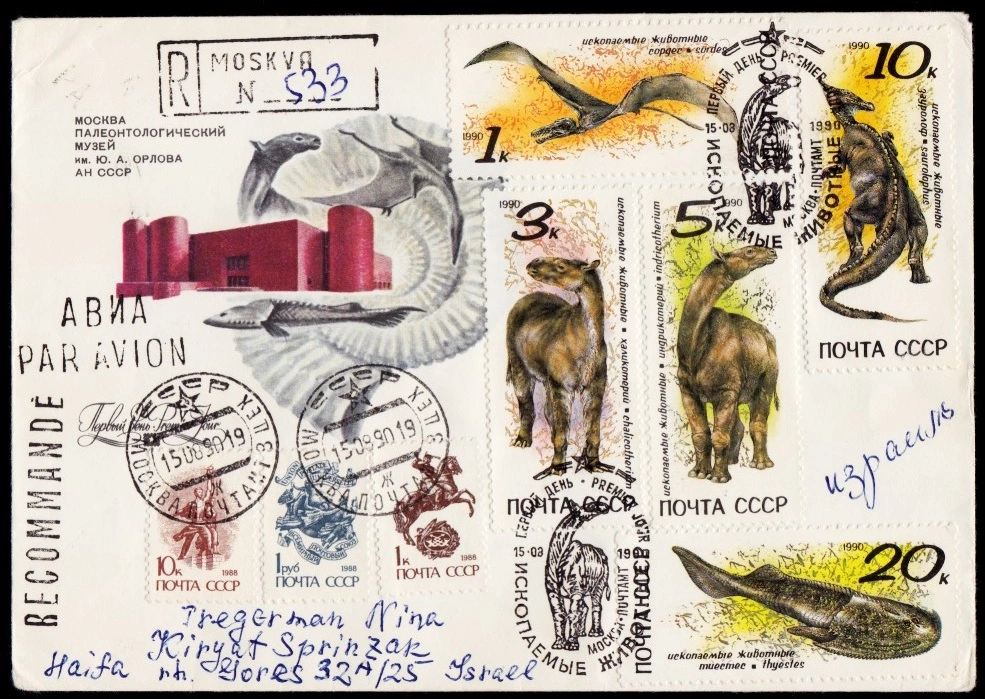 |
Send note to Staff 
|
|
|
Pillar Of The Community
Israel
4955 Posts |
|
|
Ornithocheirus (Early Cretaceous): A large flying reptile that lived approximately 110 million years ago, with fossils discovered in England. It possessed long, narrow wings, elongated jaws lined with sharp, conical teeth, and a wingspan estimated at around 5 metres. Adapted for soaring over ancient seas, Ornithocheirus probably fed mainly on fish. Its name means "bird hand," referring to the structure of its wing-bearing forelimbs. Ornithocheirus, issued by Australia on October 1, 1993. 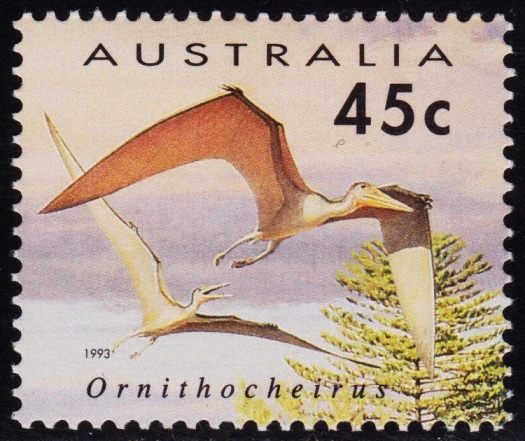 Issued also as self adhesive in a booklet. 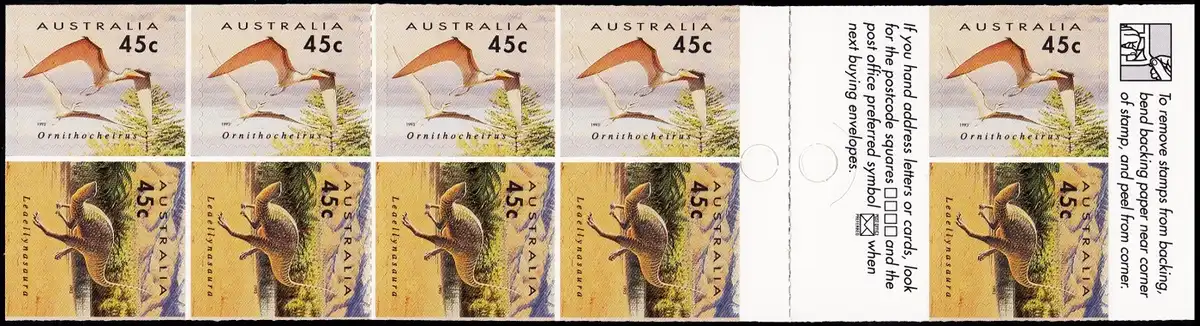 The booklet cover depicting the Ornithocheirus. 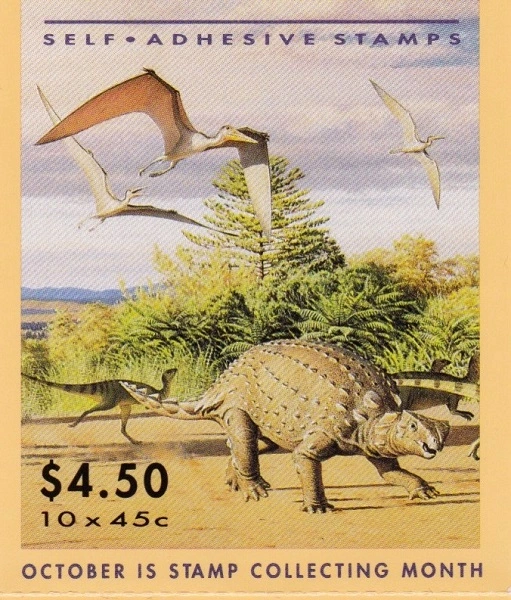  |
|
Send note to Staff
|
|
|
Pillar Of The Community
Israel
4955 Posts |
|
|
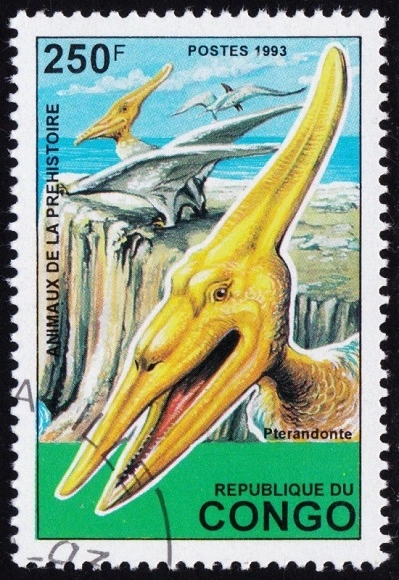
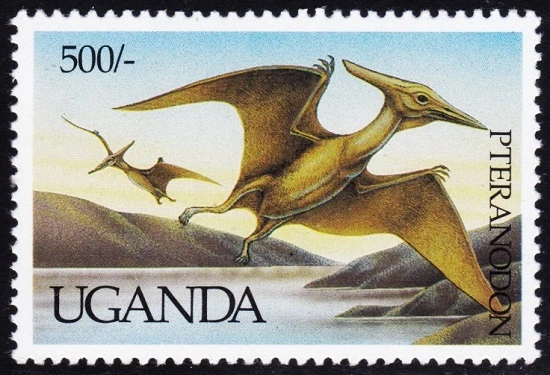
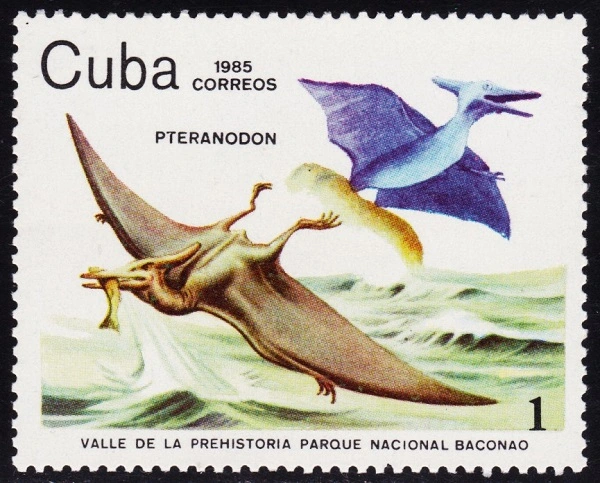
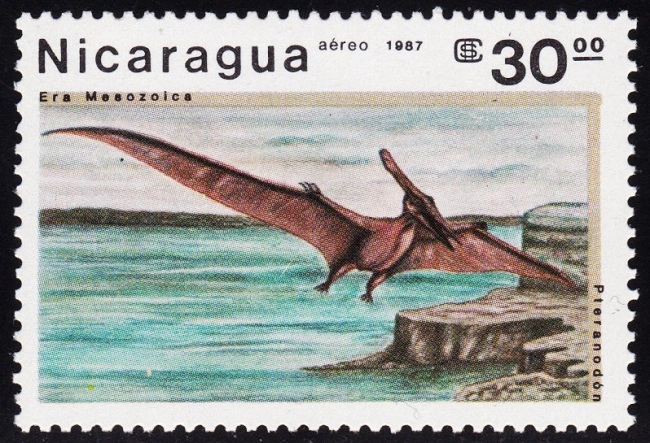
Pteranodon (Late Cretaceous): One of the best-known prehistoric flying reptiles, Pteranodon lived approximately 86–84 million years ago in what is now North America. It was a large pterosaur with an impressive wingspan of up to 7 metres, a long, toothless beak, and a distinctive bony crest extending backward from its skull. Its lightweight skeleton and powerful wings made it an excellent glider, capable of soaring over ancient seas in search of fish. Unlike birds and dinosaurs, Pteranodon belonged to a separate group of flying reptiles known as pterosaurs#1509; Pteranodon, issued by the USA on October 1, 1989. 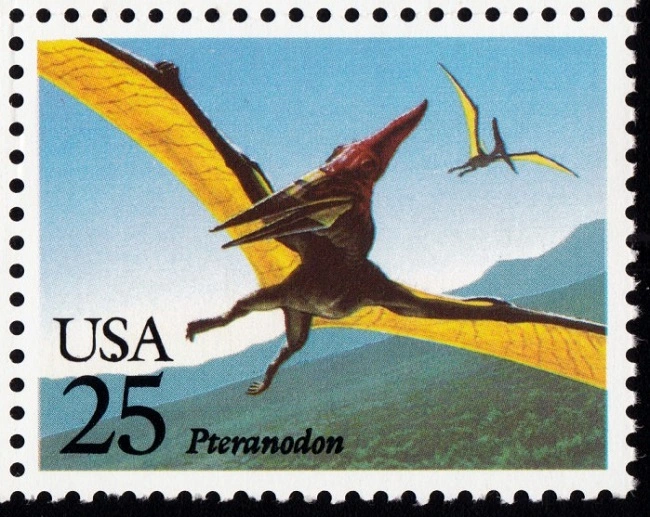 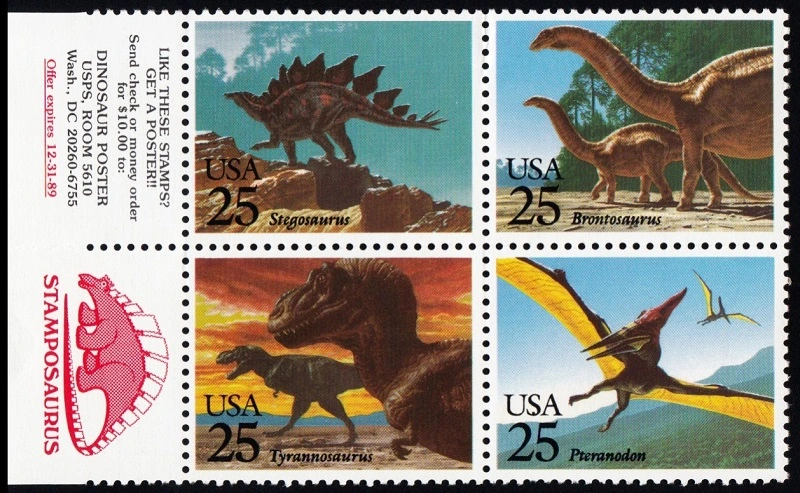  A page from the US postal service year book 1989. Here, Pteranodon is depicted with its impressive wingspan, which could reach up to 7 metres. 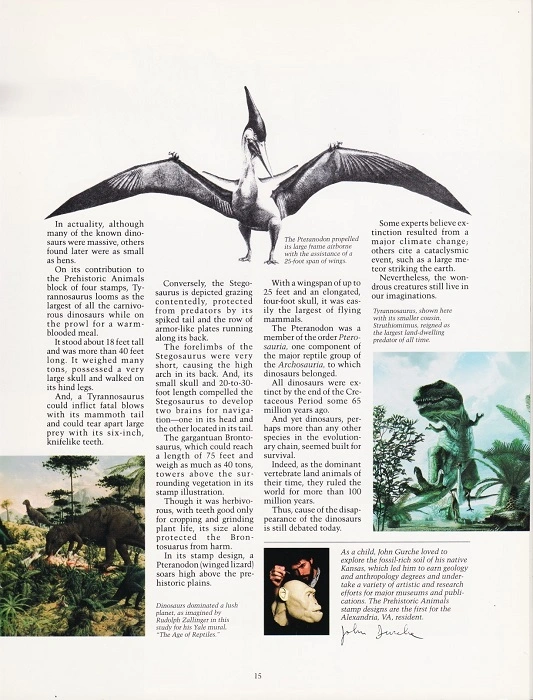 |
|
Send note to Staff
|
|
|
Pillar Of The Community
Israel
4955 Posts |
|
|
Pillar Of The Community
Israel
4955 Posts |
|
|
Pillar Of The Community
Israel
4955 Posts |
|
| |
Replies: 6 / Views: 323 |
|




 Posted 10/29/2026 12:09 am