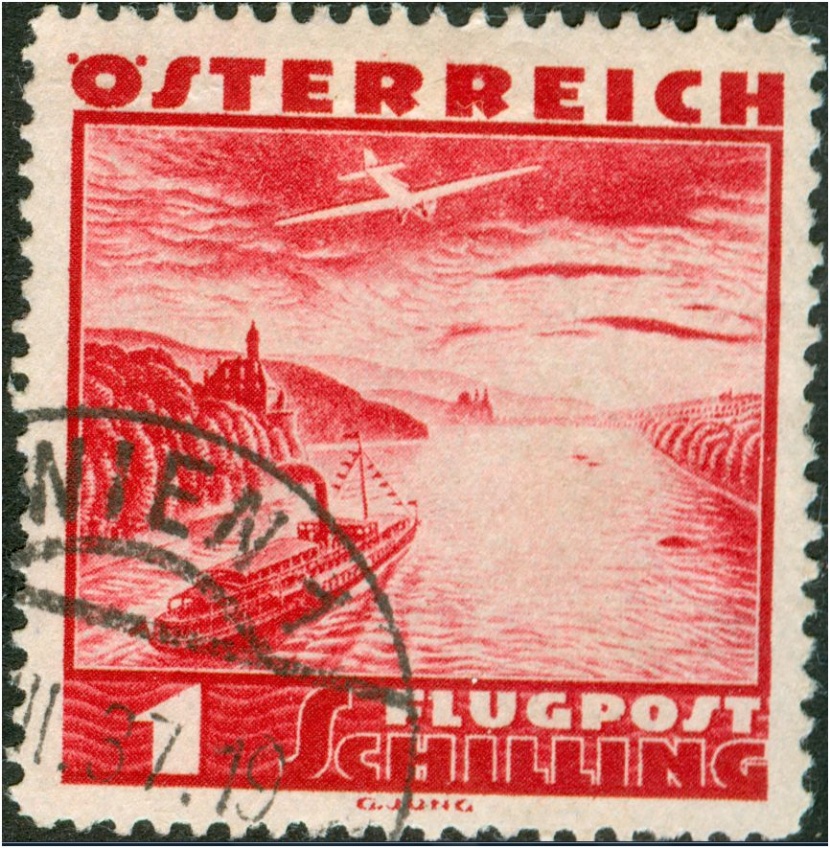
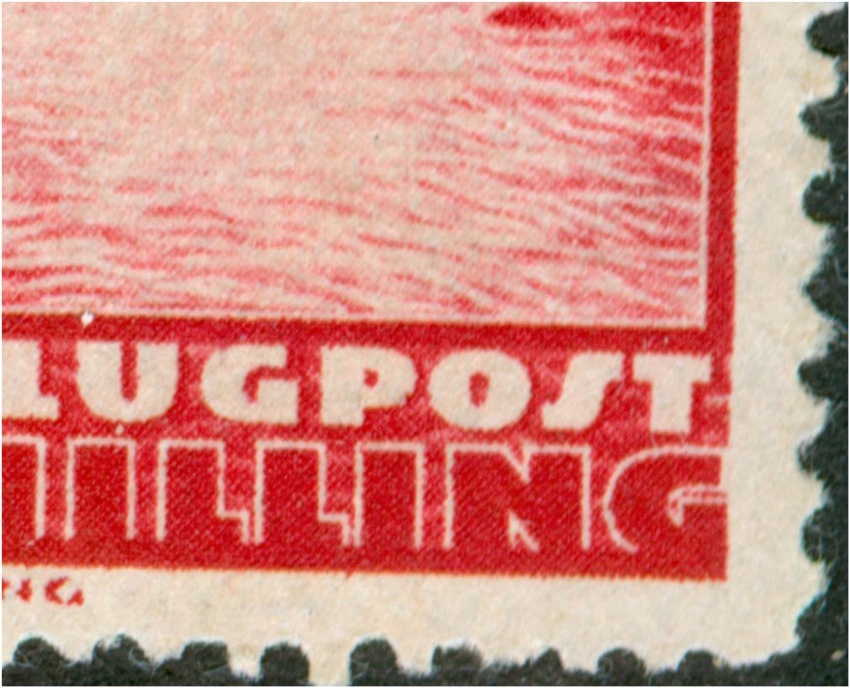
| Author |
 Replies: 90 / Views: 54,825 Replies: 90 / Views: 54,825 |
|
|
|
Rest in Peace
Netherlands
963 Posts |
|
|
Rest in Peace
Netherlands
963 Posts |
|
|
Rest in Peace
Netherlands
963 Posts |
|
|
Rest in Peace
Netherlands
963 Posts |
|
|
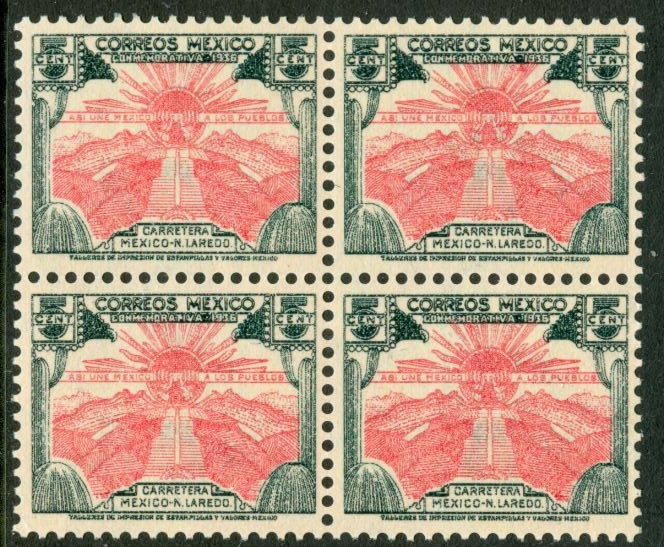
The 1936 Goebel reel-fed photogravure press introduced for the 1936 Motorway commemoratives was also introducing new standard sizes! The smaller size now 20.1x24.1mm and the larger size - exactly twice as large - 40.2x241.mm. Each stamp had 14 [or 28 teeth horizontally and 17 vertically. Perforation gauge: 13.93:14.11 i.e if we believe Celis Cano as to the measured sizes! Starting from 40x24mm the gauge will be 14.00:14.17 Sheets of 5x10 [larger size] and 10x10 [smaller size]. 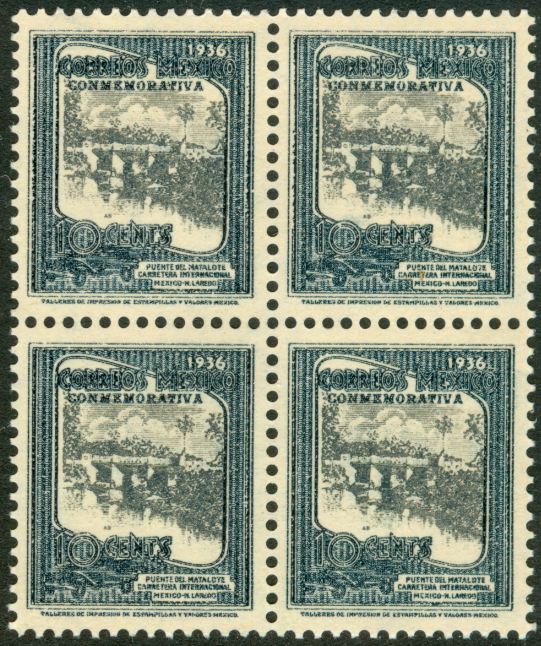 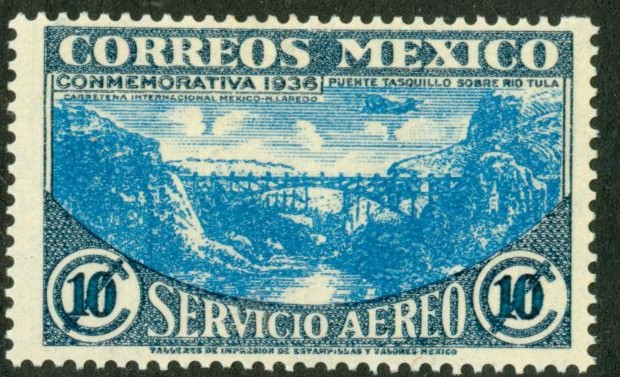 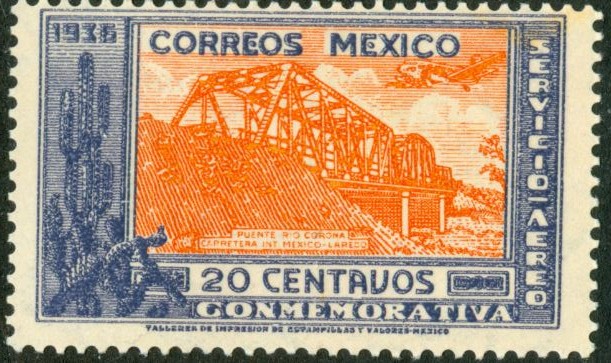 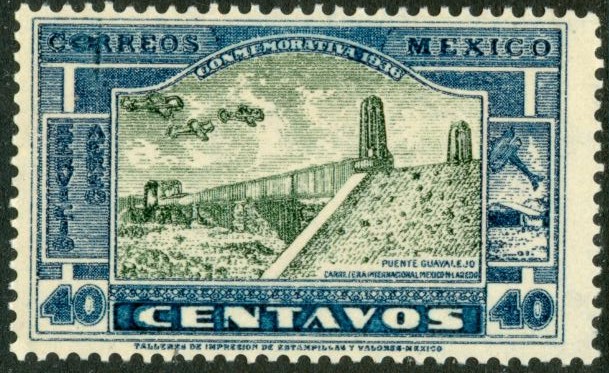 |
Send note to Staff 
|
|
|
Rest in Peace
Netherlands
963 Posts |
|
|
The 1934 defnitives introduced in standard sizes by the Oficina Impresora de Hacienda were to be adapted for the new Goebel press!
It is not clear whether the T.I.E.V. were just the new name for the Government Printers and/or had to do with new premises for the Printing Works? Philatelists usually do not pay that much attention to such details and I can not find any in G. Celis Cano.
On 01.04.1937 a few values of the 1934 definitives were issued in reduced sizes and printed on the new GOEBEL!
Although the German Michel did refer to recess for the 1936 Motorway series, for the 1937 definitives Michel uses the term Rastertiefdruck or photogravure. Michel also mentioned: "Hergestellt mit den neuen deutschen Tiefdruckmaschinen" or manufactured by the new German photogravure/recess press. The German word Tiefdruck refers to both akin processes!
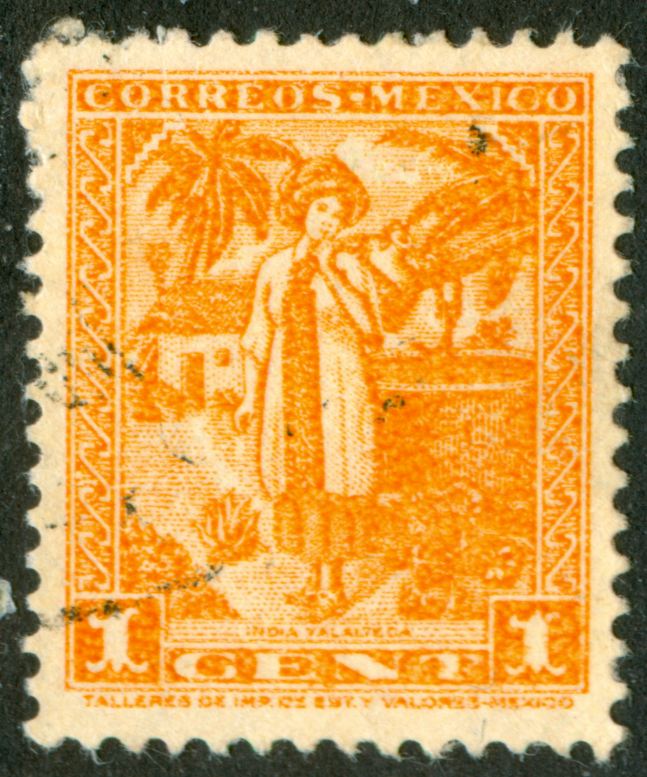
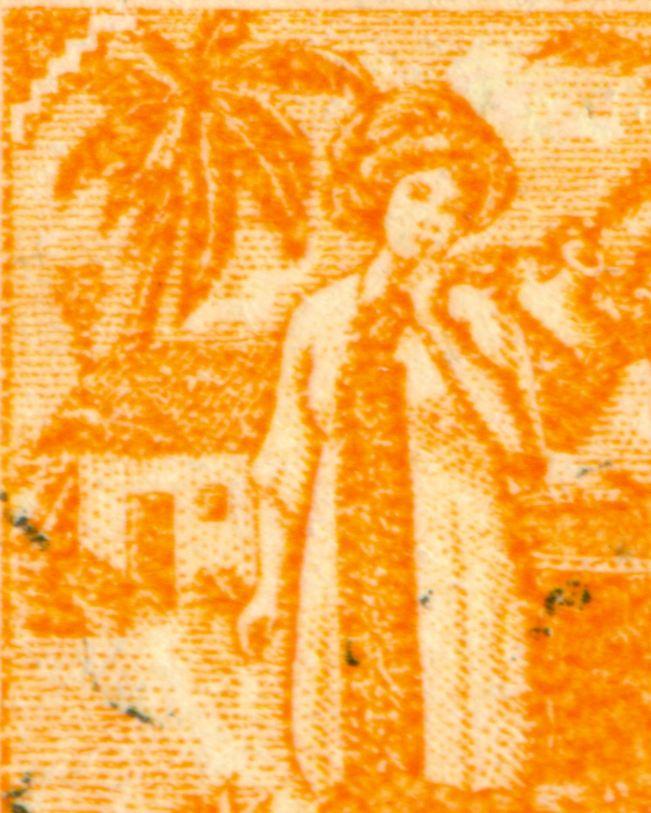
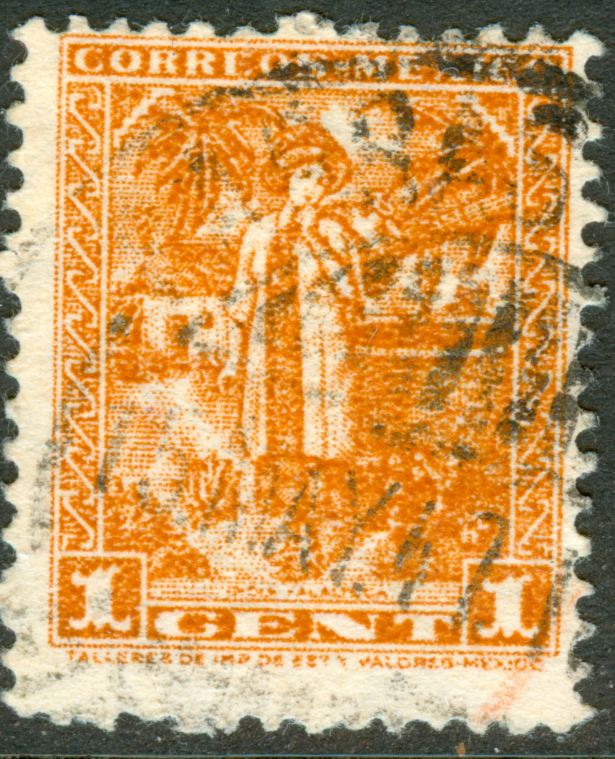
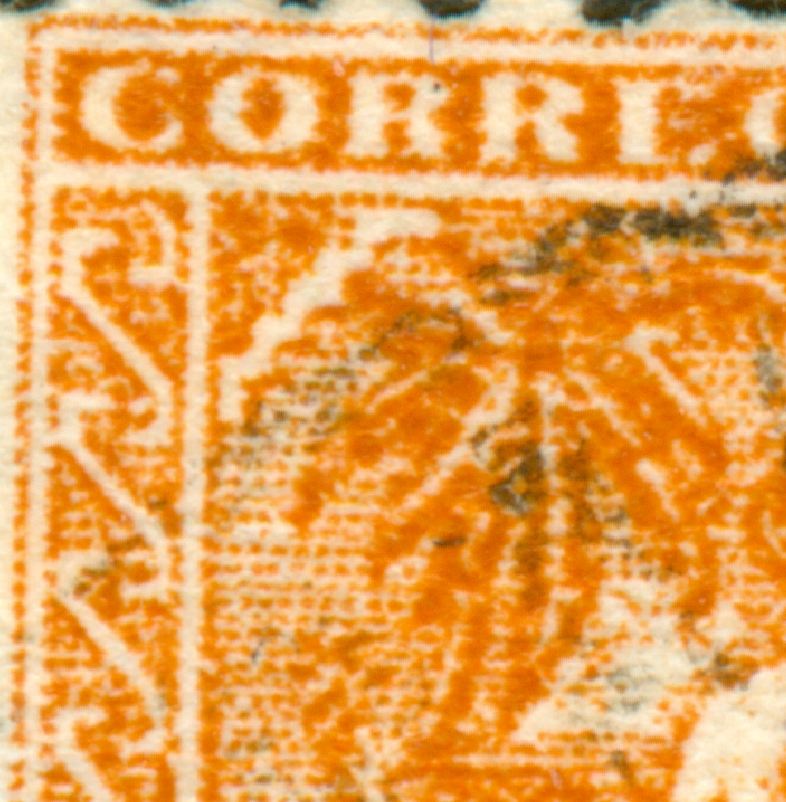
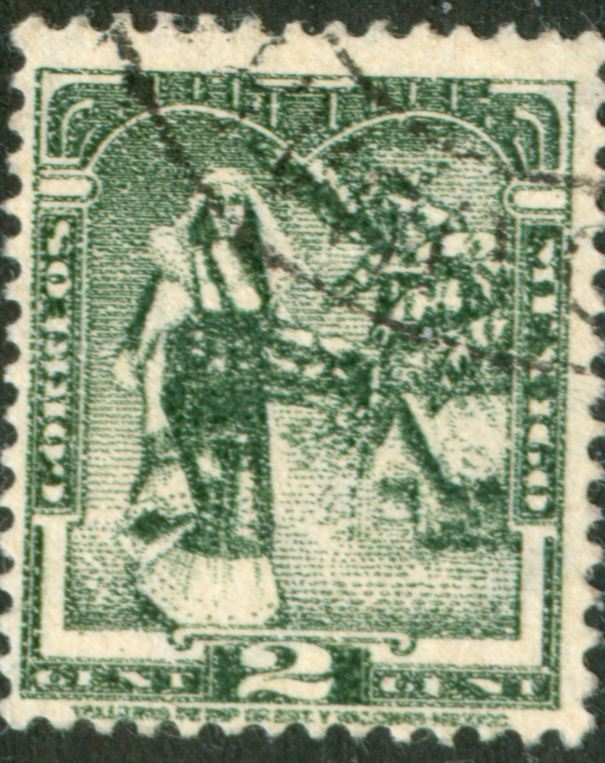
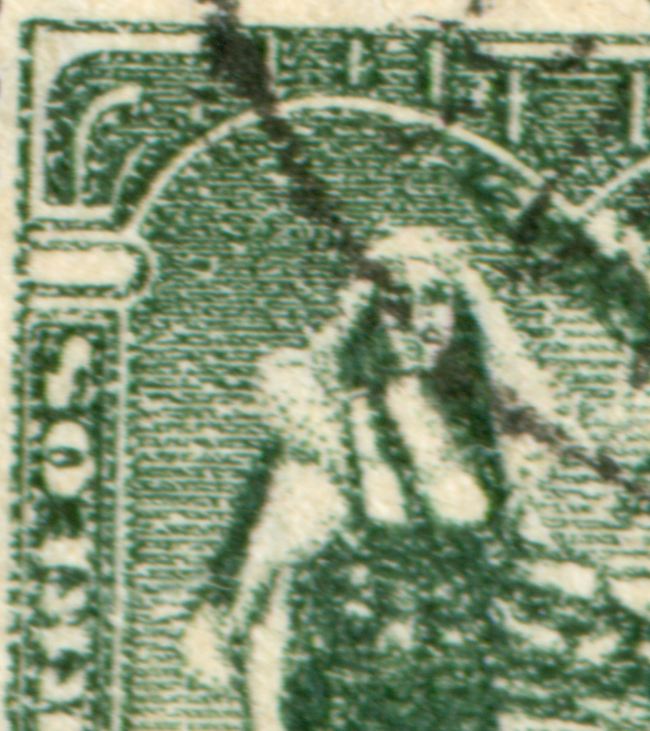
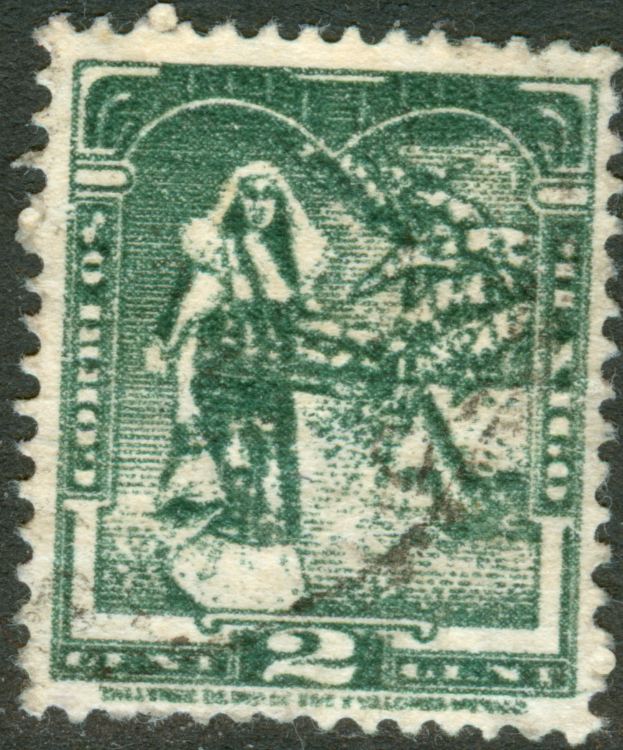
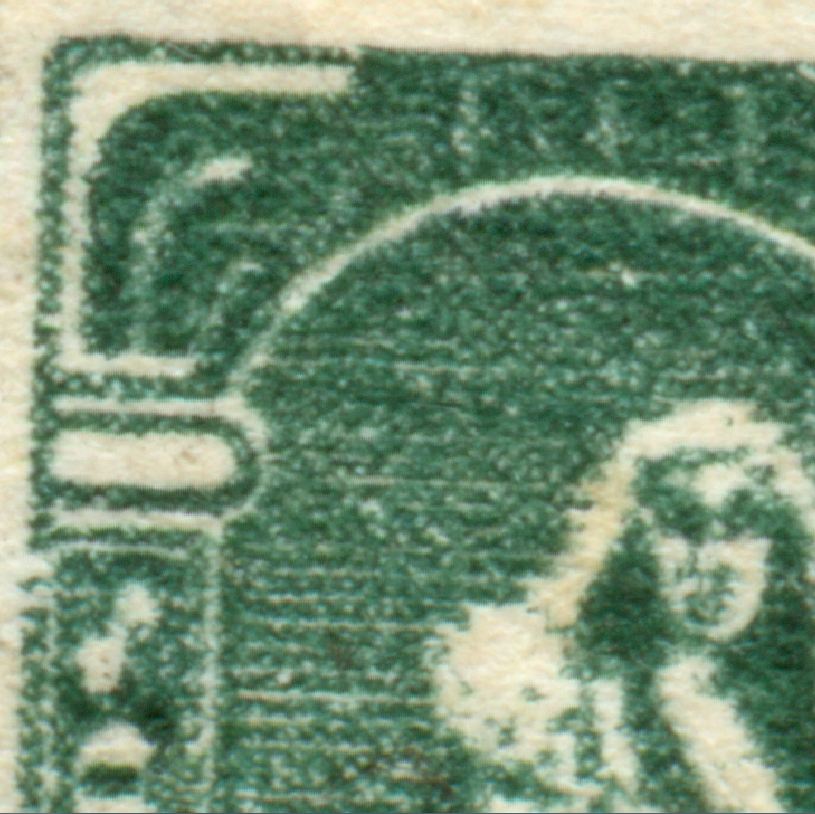
Neither Michel nor Celis Cano do tell us what to expect of the 01.04.1937 definitives! Are they screenless? Are they screened
like the tradtional photogravure? Or can we find both types of printing methods???? |
|
Send note to Staff
|
|
|
Rest in Peace
Netherlands
963 Posts |
|
|
Rest in Peace
Netherlands
963 Posts |
|
|
Rest in Peace
Netherlands
963 Posts |
|
|
The 4c in screenless photogravure: 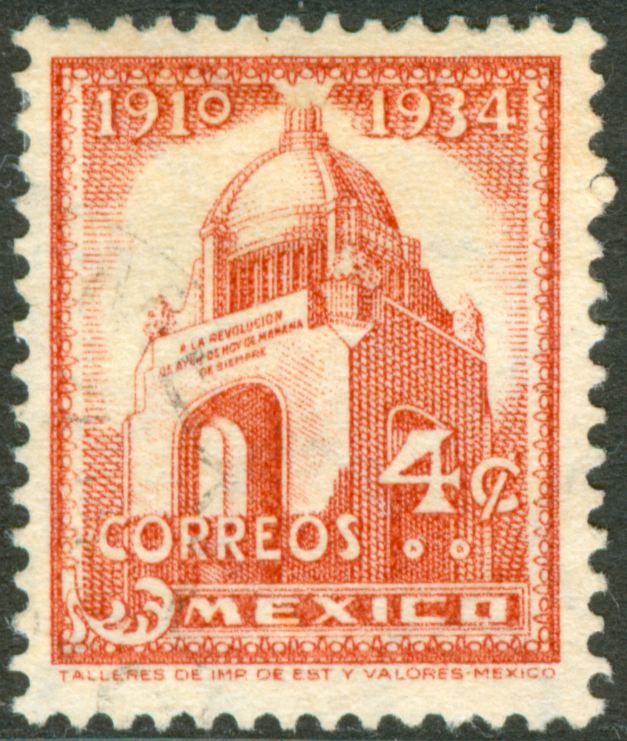 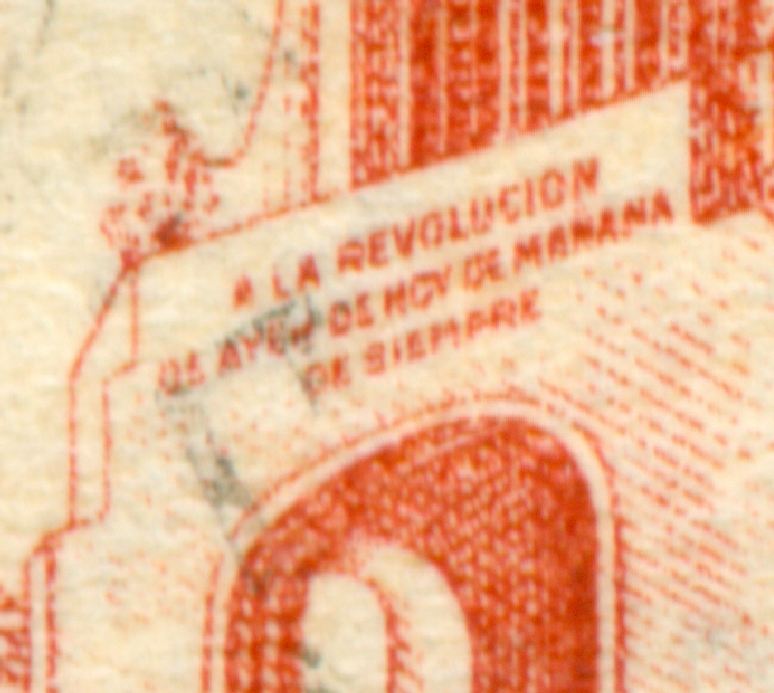 The 4c in screened photogravure? I have NOT found this version yet! But it is likely to exist! |
|
Send note to Staff
|
|
|
Rest in Peace
Netherlands
963 Posts |
|
|
The 5c in screenless photogravure: 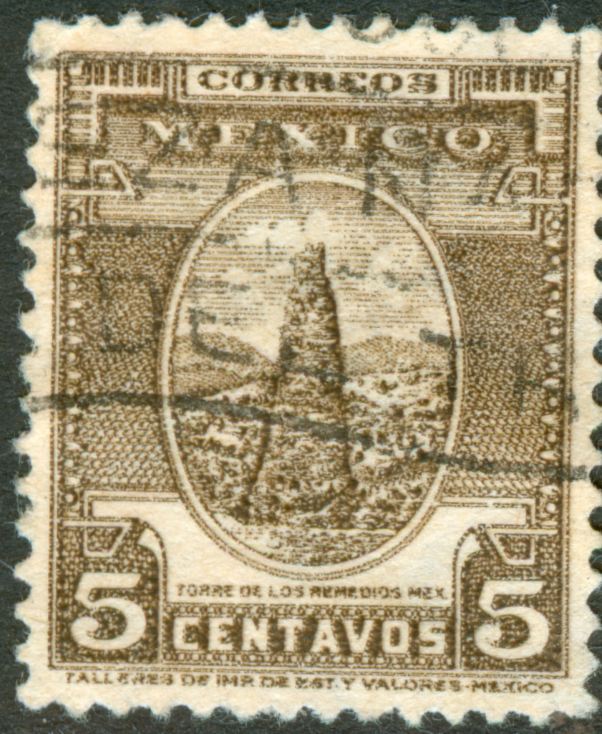 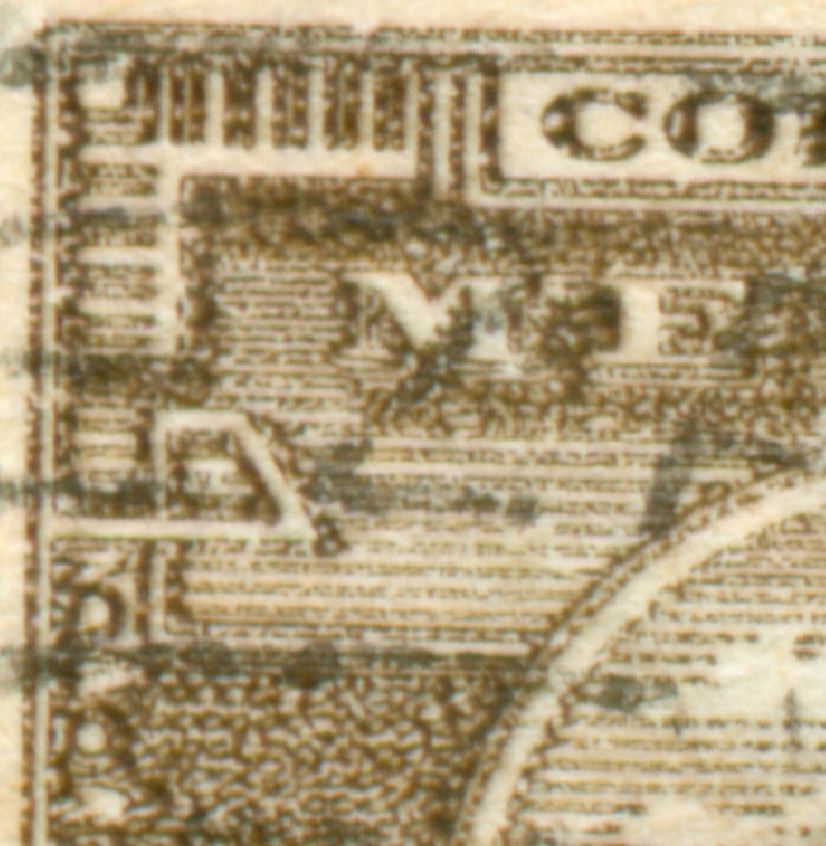 The 5c in screened photogravure: 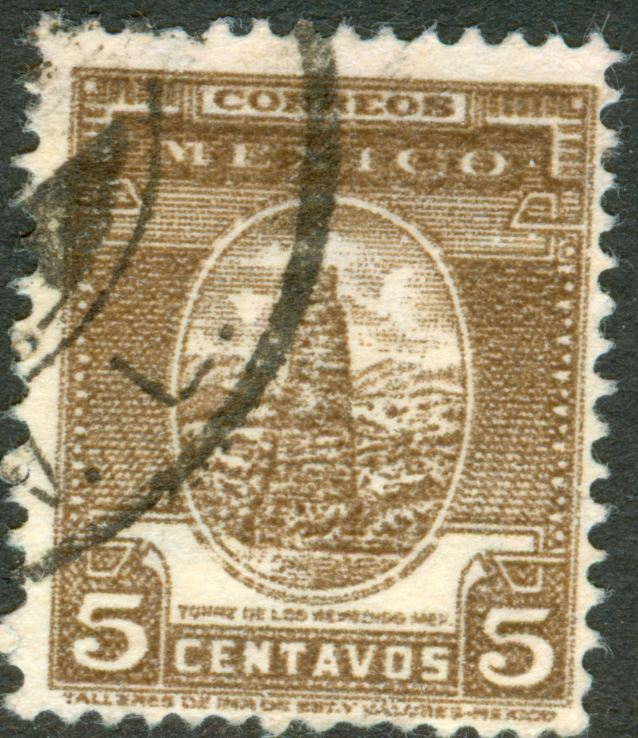 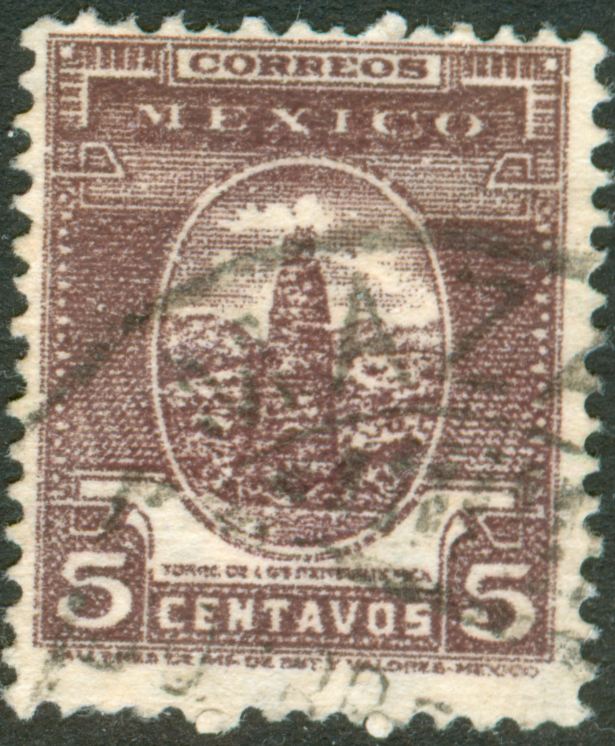 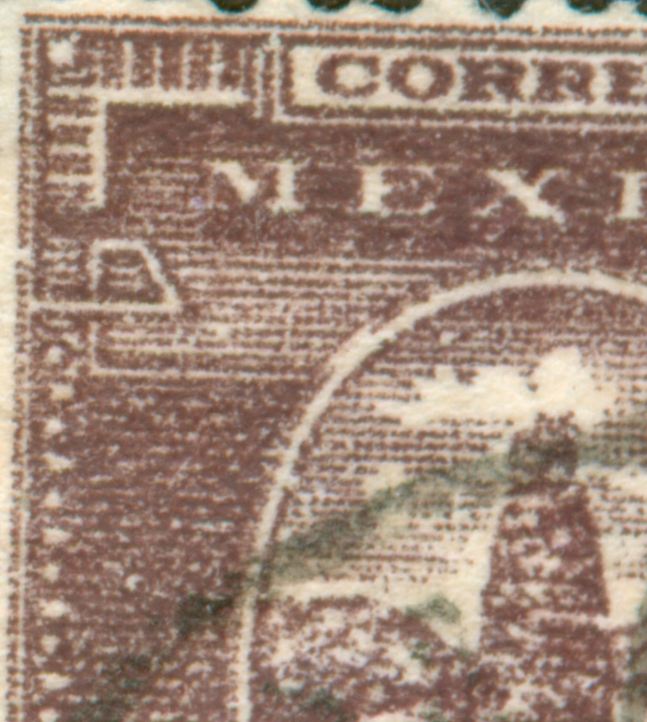 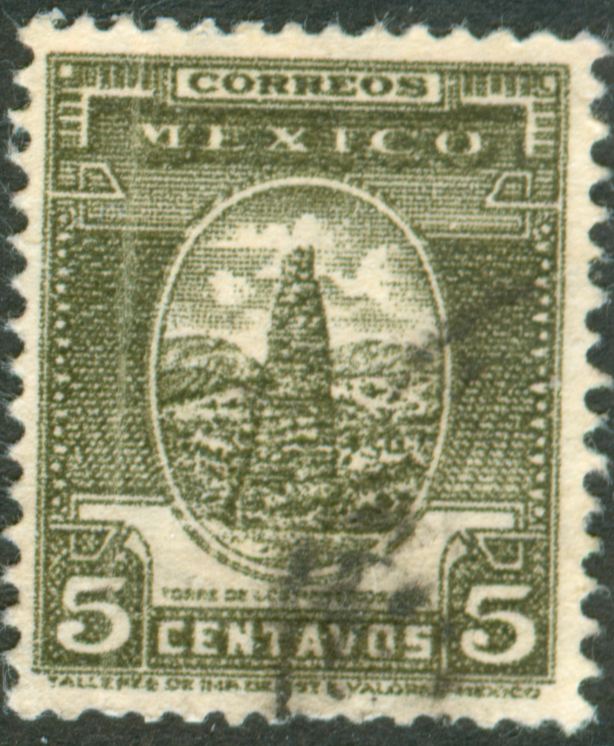 the 5c has quite some shades! |
|
Send note to Staff
|
|
|
Rest in Peace
Netherlands
963 Posts |
|
|
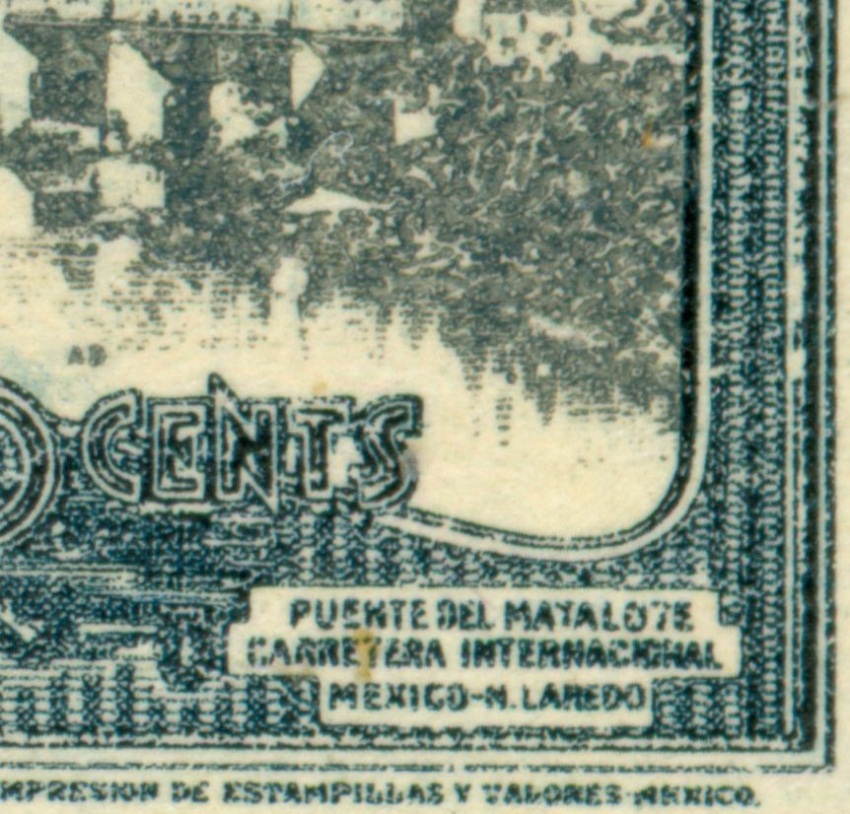
The 10c in screenless photogravure I have NOT found yet! The 10c in screened photogravure: 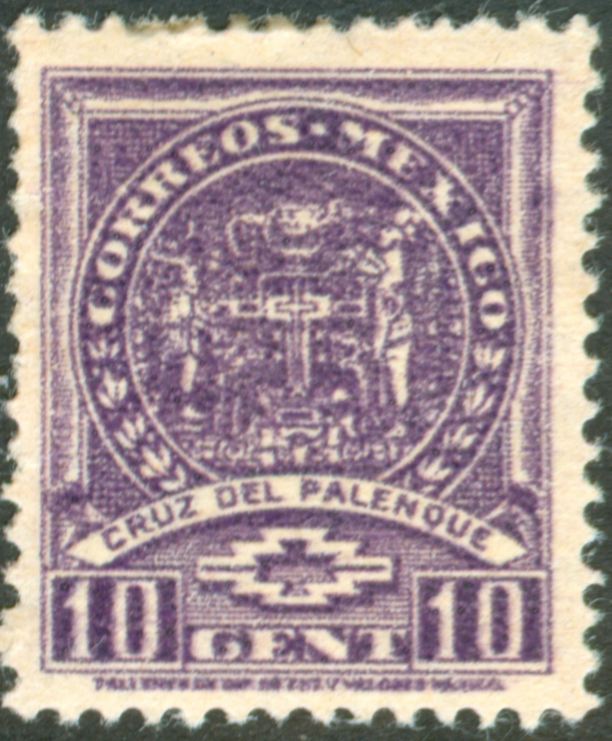 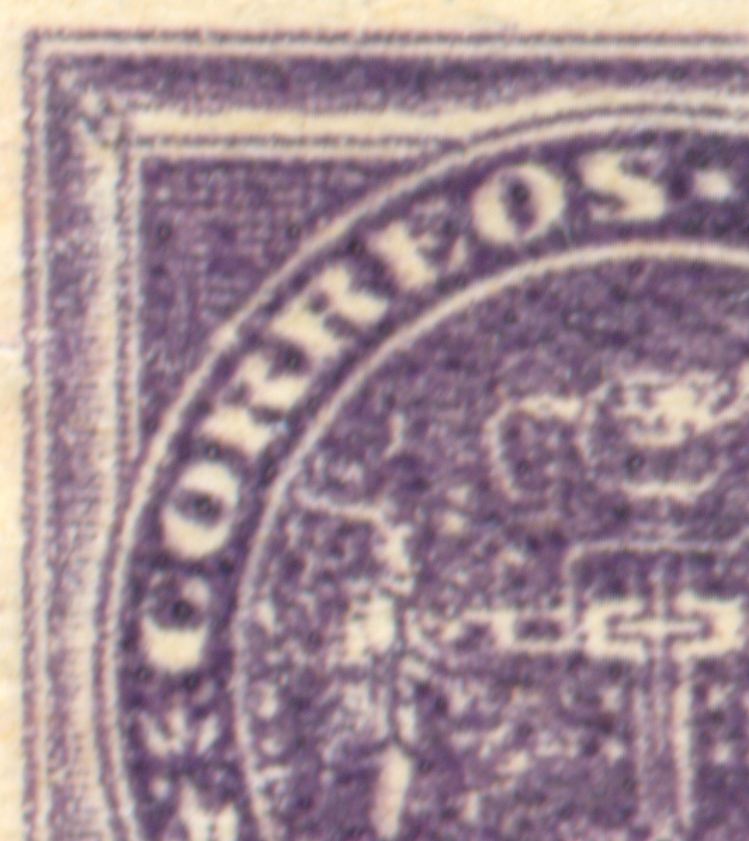 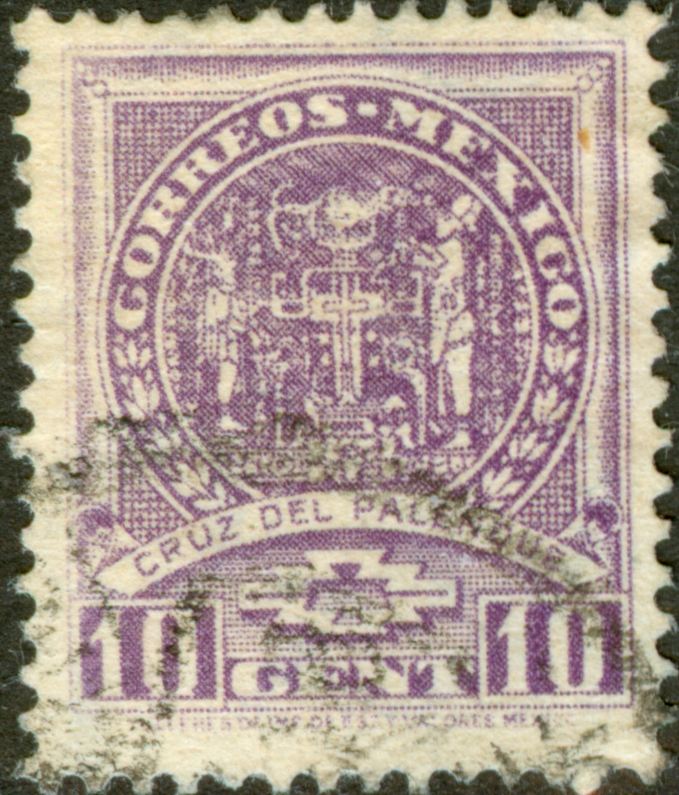 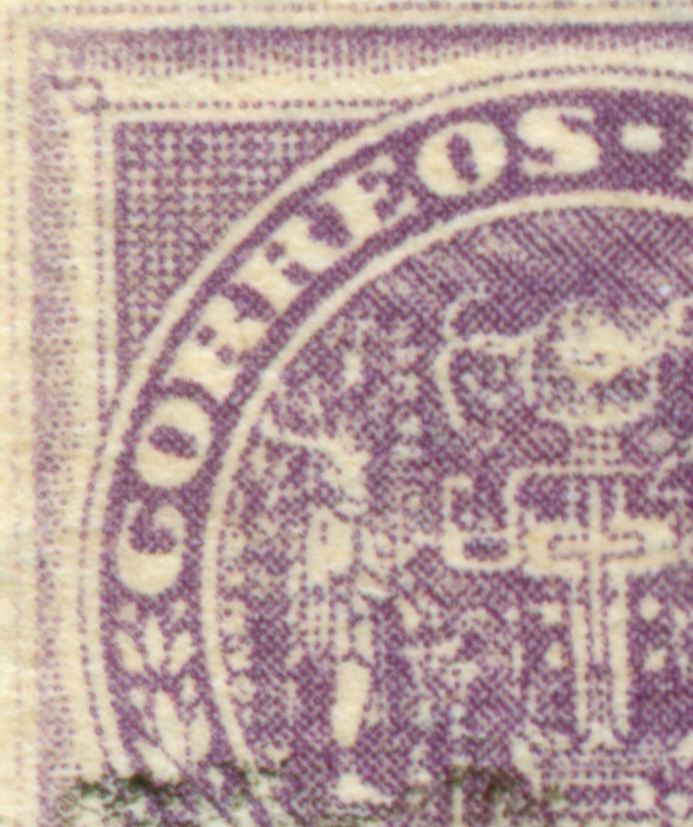 |
|
Send note to Staff
|
|
|
Rest in Peace
Netherlands
963 Posts |
|
|
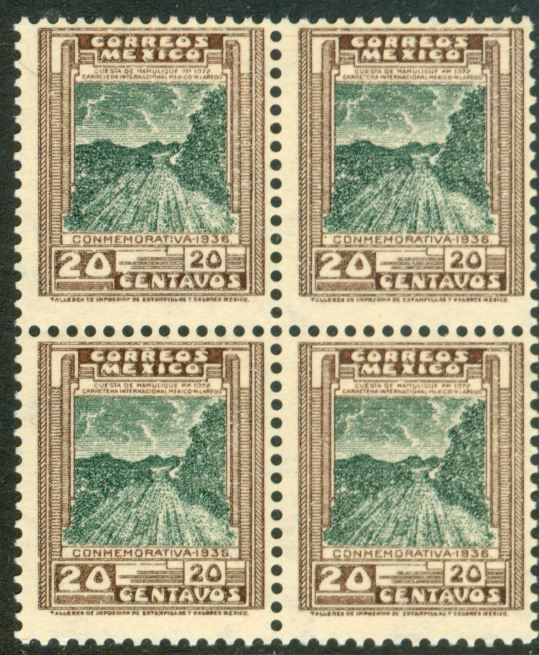
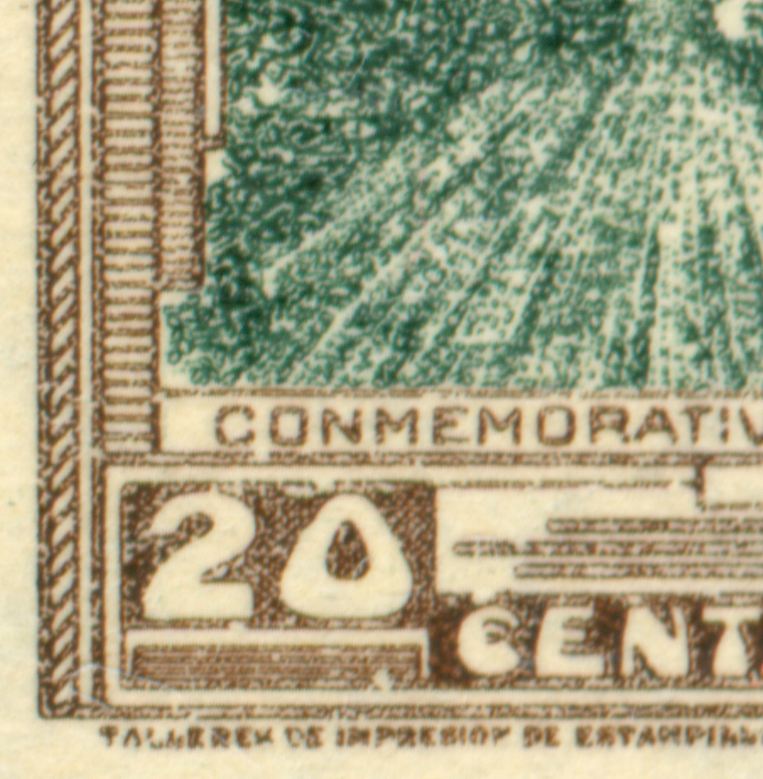
The 20c Airmail in screenless photogravure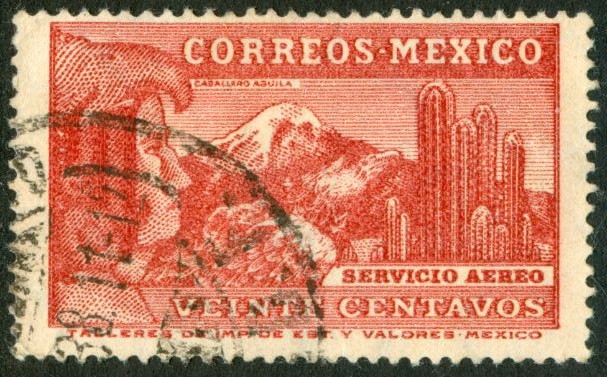 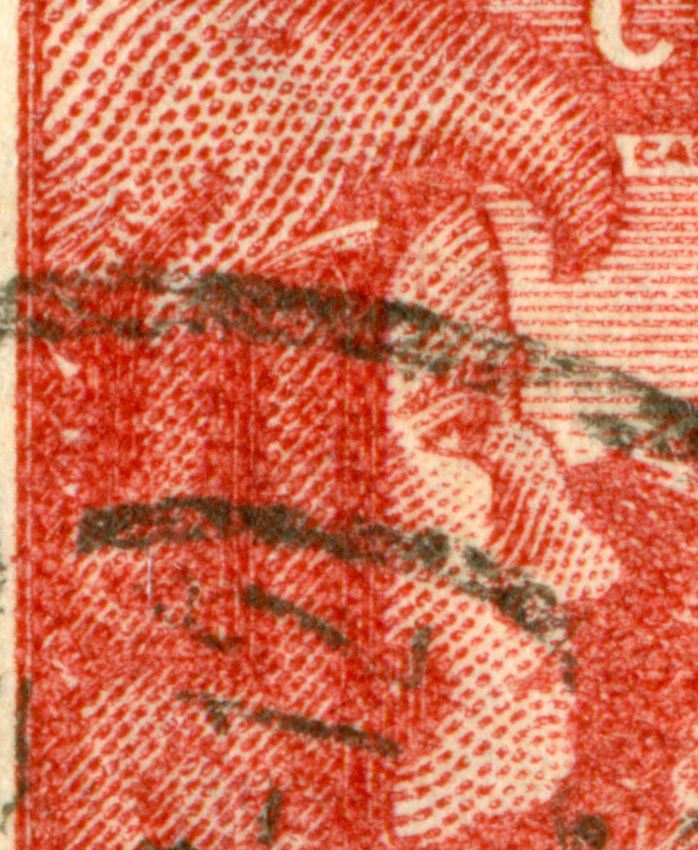 The 20c Airmail in screened photogravure: 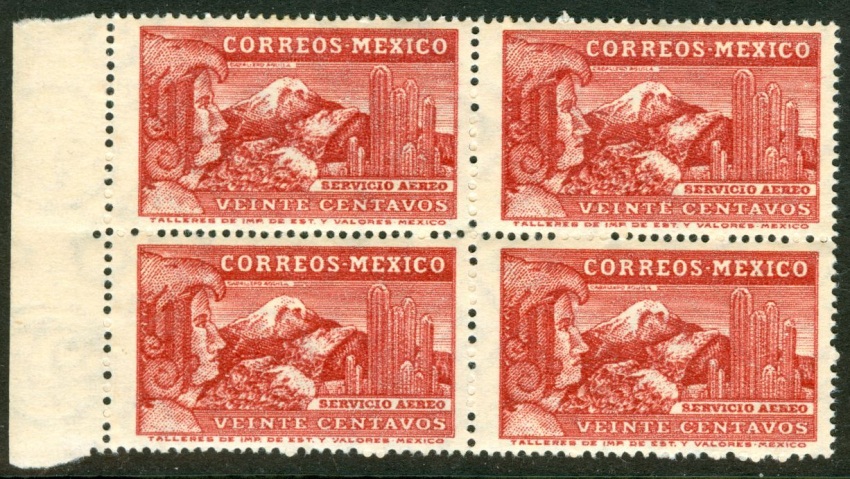 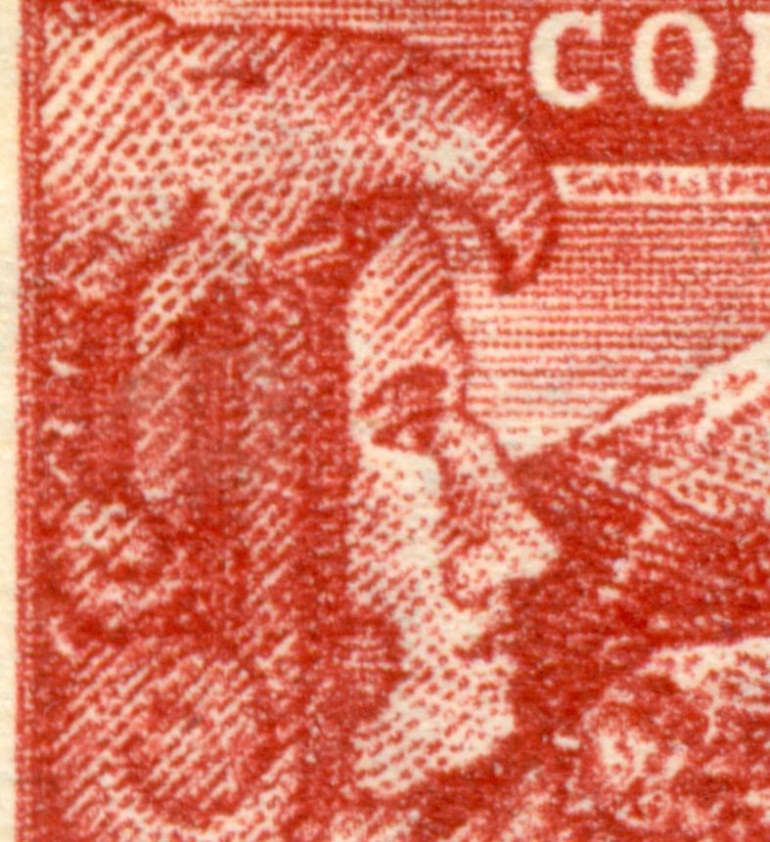 |
|
Send note to Staff
|
|
|
Rest in Peace
Netherlands
963 Posts |
|
|
How to tell the difference between recess and photogravure?
The most common answer to that question is that recess has been engraved and photogravure has been photomechanically reproduced, the plates or cylinders etched and the design screened!
In fact neither the reproduction technique nor the screening has anything to do with it!
It is a traditional difference in which for recess the ink was viscose and had to be pressed out of the recesses [deepened areas] and for photogravure the ink was superfluent and the ink nearly jumped out of the recesses!
The printing machines were constructed to apply to these differences and the plates or cylinders for recess were extremely heavy and big. The photogravure cylinders, however, were lighter and smaller.
Both printing methods have undergone so many changes and improvements that you can hardly tell the difference but for the fact that the printing machines are constructed still differently and the inks are different as well as to their viscosity...
So now we have recess from screened and etched cylinders and photogravure without screens or electro-mechanically engraved... |
|
Send note to Staff
|
|
|
Rest in Peace
Netherlands
963 Posts |
|
|
Screened recess was used quite frequently by the Joh. Enschedé Security Printing Works in Haarlem during the 1950-ies uptil the 1970-ies! The Netherlands Stamp Exhibition Amphilex 1967: 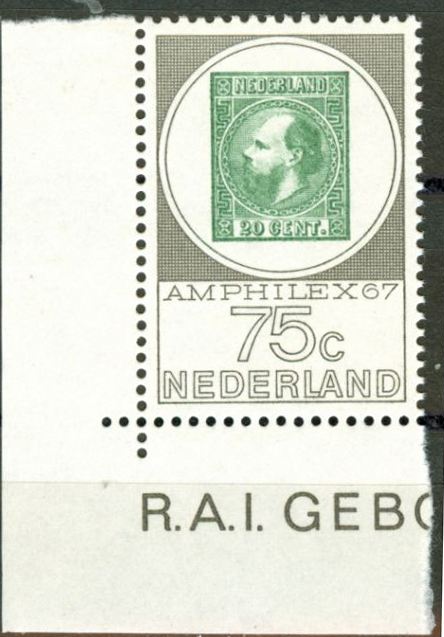 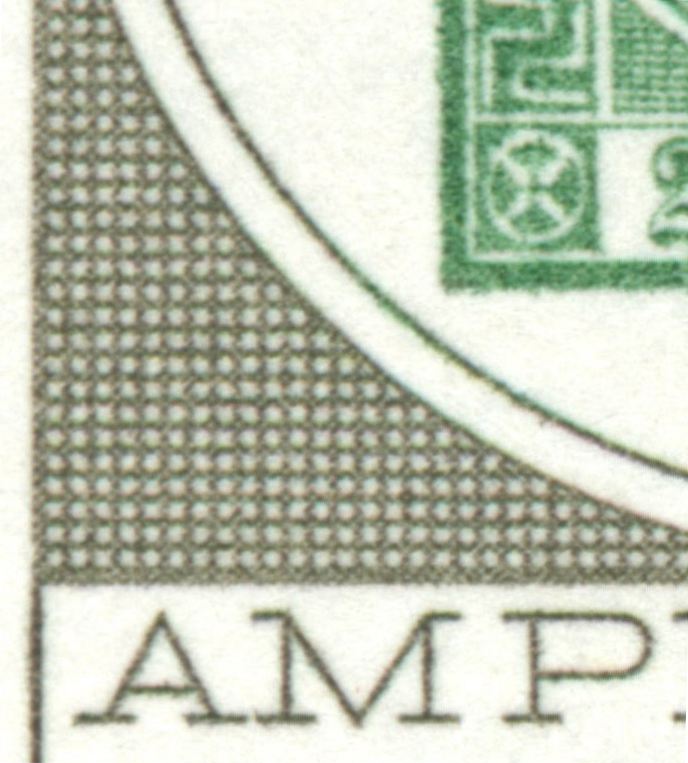 Luxemburg Roman Art in 1973: The Luxemburg stamp even had the Giori-process! 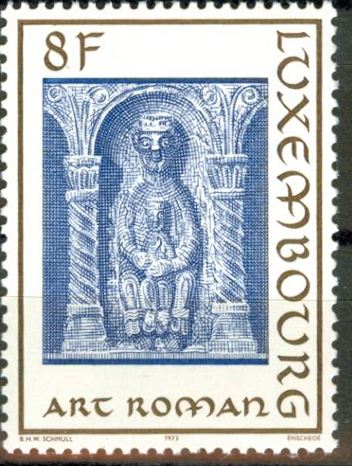 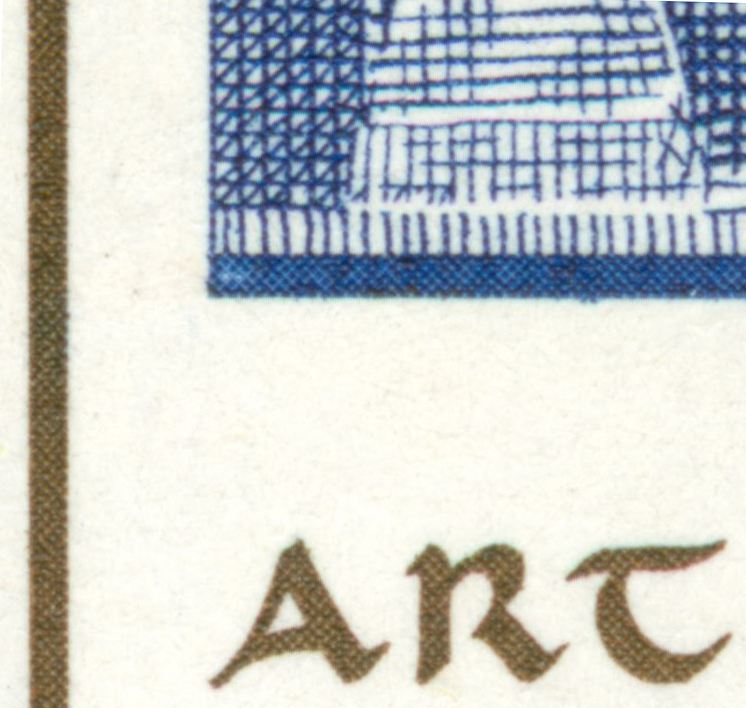 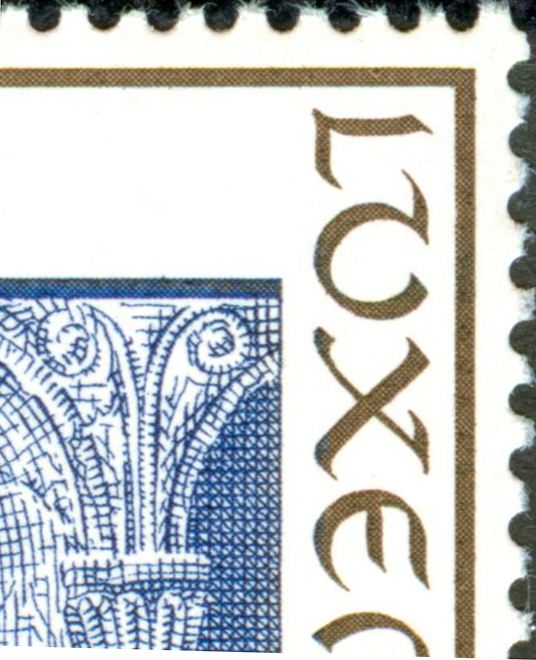 Note the blue spots in the letters "U", "X", etc. :) |
|
Send note to Staff
|
|
|
Rest in Peace
Netherlands
963 Posts |
|
|
How bad a nicely engraved design can be damaged! 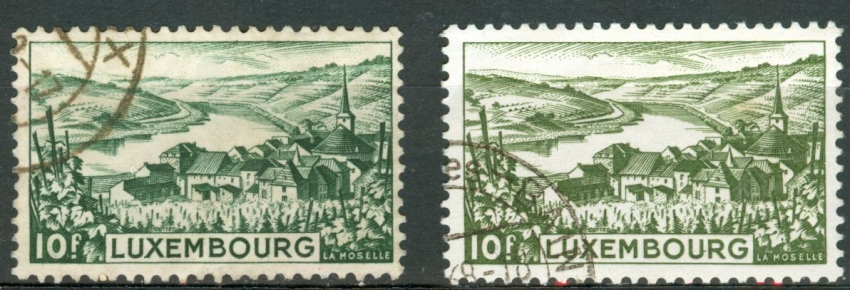 At the left the stamp engraved by René Cottet, at the right its modification: 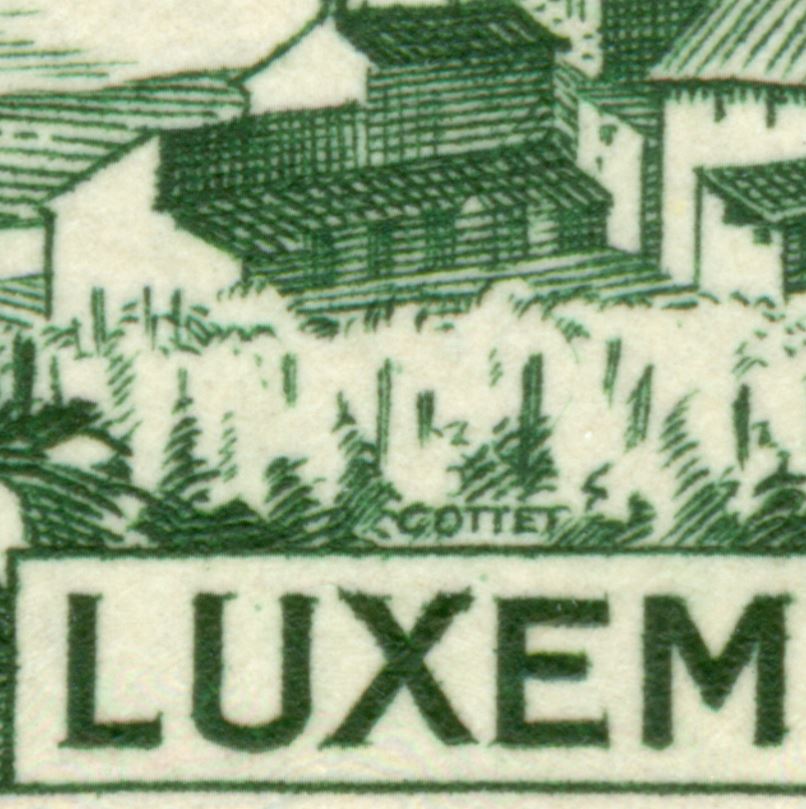 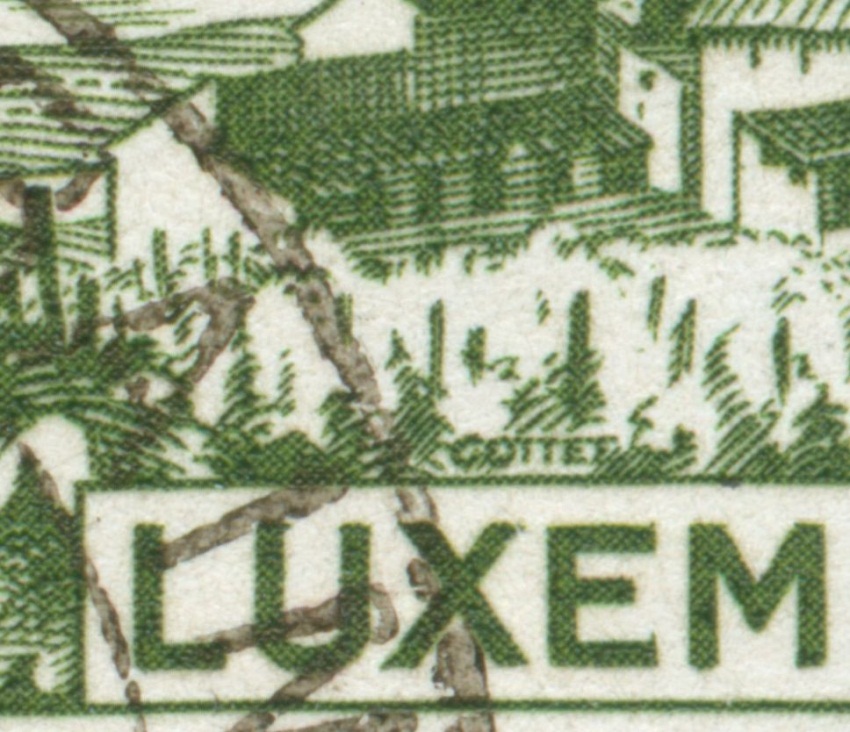 The screen points still had been nicely "engraved" - or rather etched photomechanically :D :mad: |
|
Send note to Staff
|
|
|
Rest in Peace
Netherlands
963 Posts |
|
|
Replies: 90 / Views: 54,825 |
|



 Posted 02/20/2014 07:04 am