Poznan, spelled

, is the fifth-largest city in Poland. The city is 300 kilometres west of Warsaw, and about halfway between Warsaw and Berlin. Frequent trains to and from both cities take circa 2:30 to 2:45 hours. The city's airport is served by several of Europe's national and low-cost carriers. (The low-cost carriers mean the centre will be overrun by a younger crowd that will drink too much and make noise until deep in the night, especially in summer.) A bus (at the time of writing line 159) runs between the main train station and the airport, every 20 to 30 minutes. This can get crowded after the almost simultaneous arrival of a few flights. From the main station, trams will take you almost anywhere in the city.
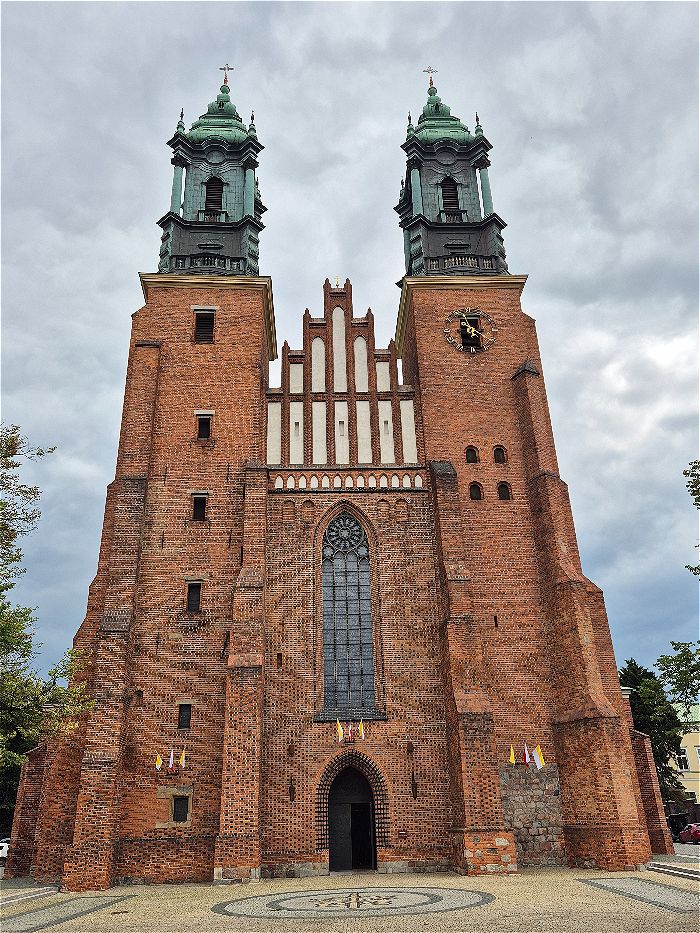
Poznan is the administrative capital of the voivodeship of Wielkopolska, considered the cradle of Poland. It is thought that the baptism of Duke Mieszko I took place in a chapel of the ducal residence. Shortly after, a cathedral was built that was the first in Poland. The Duke and early Piast Monarchs were buried in the cathedral. The brick-Gothic cathedral replacing that earlier one, originally, was built in the fourteenth and fifteenth centuries. Having been damaged or destroyed by fire and war, the cathedral was remodelled and, finally, rebuilt in Gothic style after World War II.
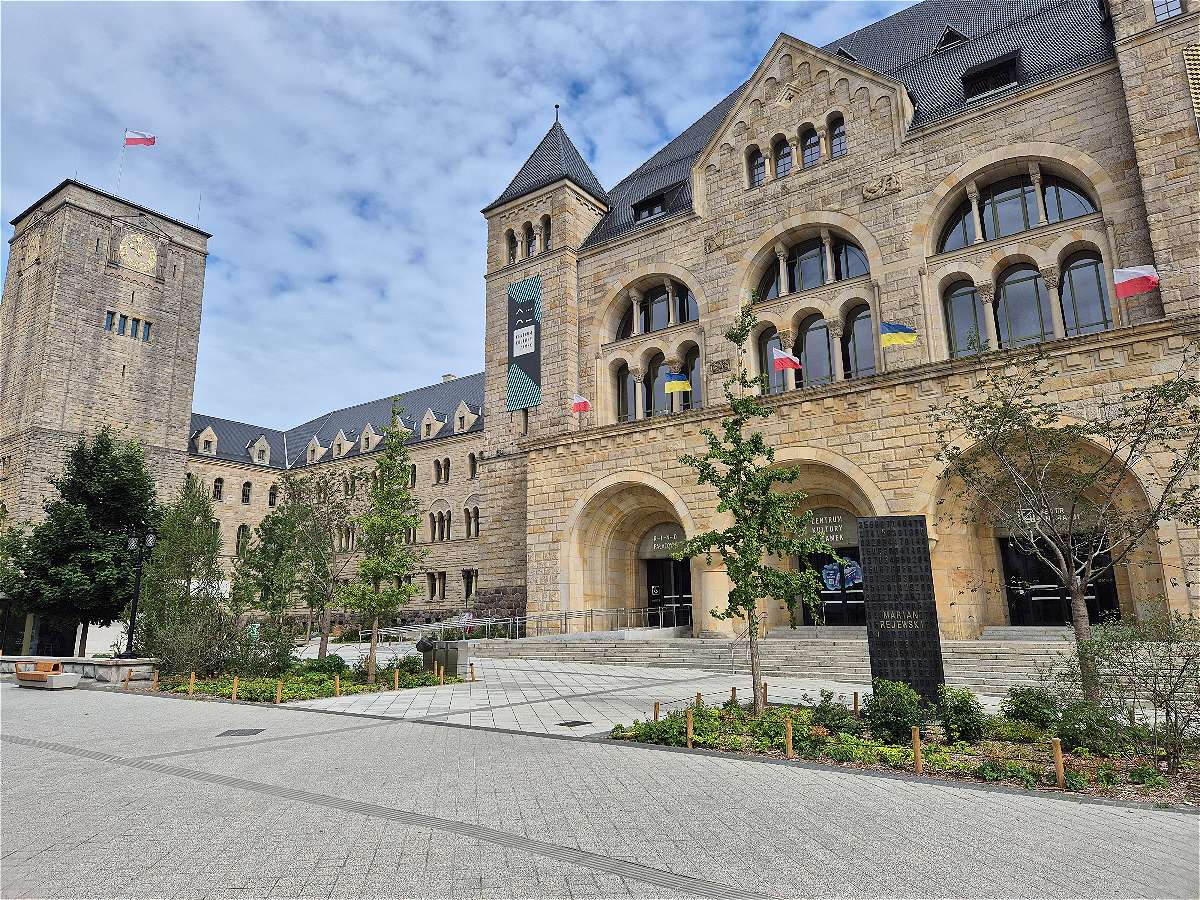
After the second partition of Poland, in 1793, the city came under control of Prussia. King Wilhelm II of Prussia and Emperor of Germany commissioned the construction of a neo-Romanesque palace. The palace that was built between 1905 and 1910 is known as "castle."
The old town centres around a mediaeval square lined by houses with colourful façades. Most façades are in Renaissance style. Some have sgraffito decorations. In the centre of the square stands the old town hall. It was built in the late thirteenth century. It got its present mannerist appearance when it was remodelled by Giovanni Battista di Quadro in the1550s. At noon, the fighting goats of the mechanical clock (glockenspiel) appear.
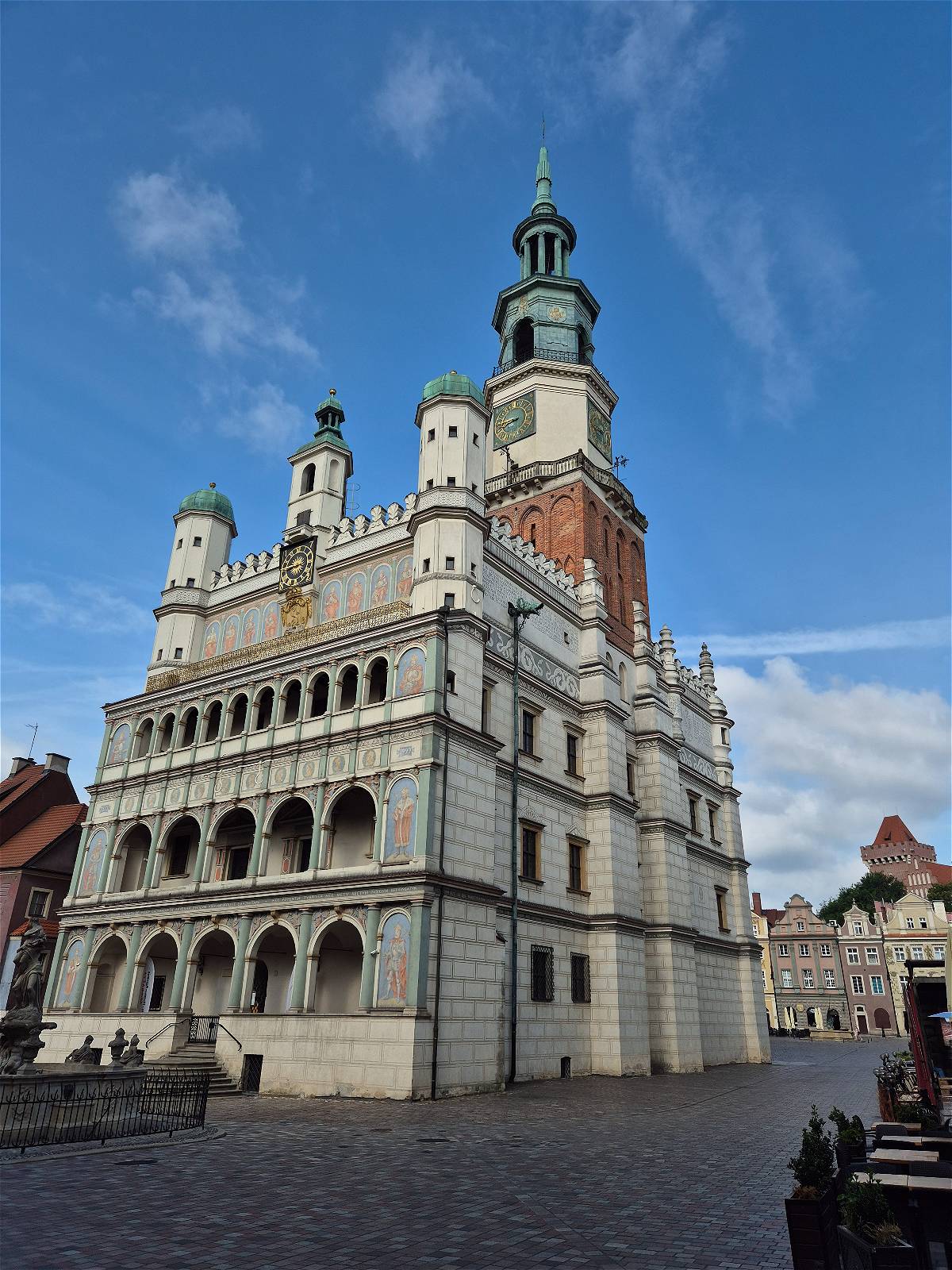
It should be noted that the city was heavily damaged during World War II and that almost everything has been restored after the war. Most was restored as it was before the war. Some sights, like the mediaeval royal castle in the background of the last picture are reconstructions.
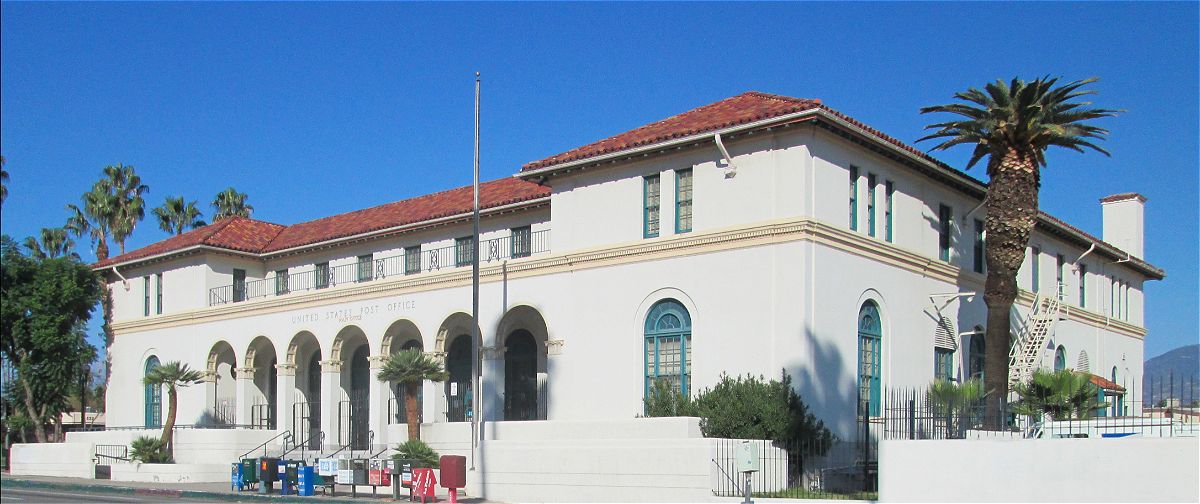
Just outside the old centre, at the back of a small shopping centre at the end of Wroclawska street (tram stops on either side, of which Wroclawska is the most convenient to get to the old town from the main train station) is a post office.
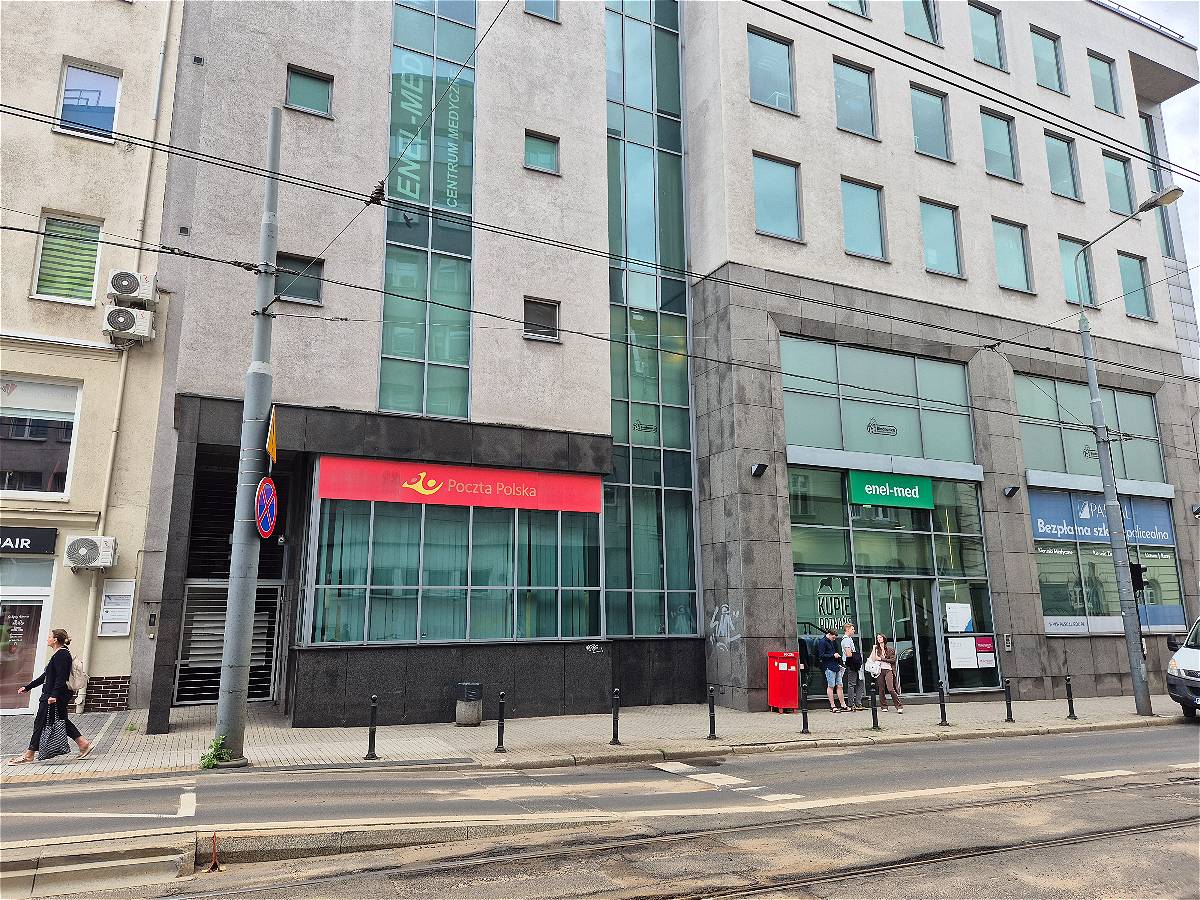
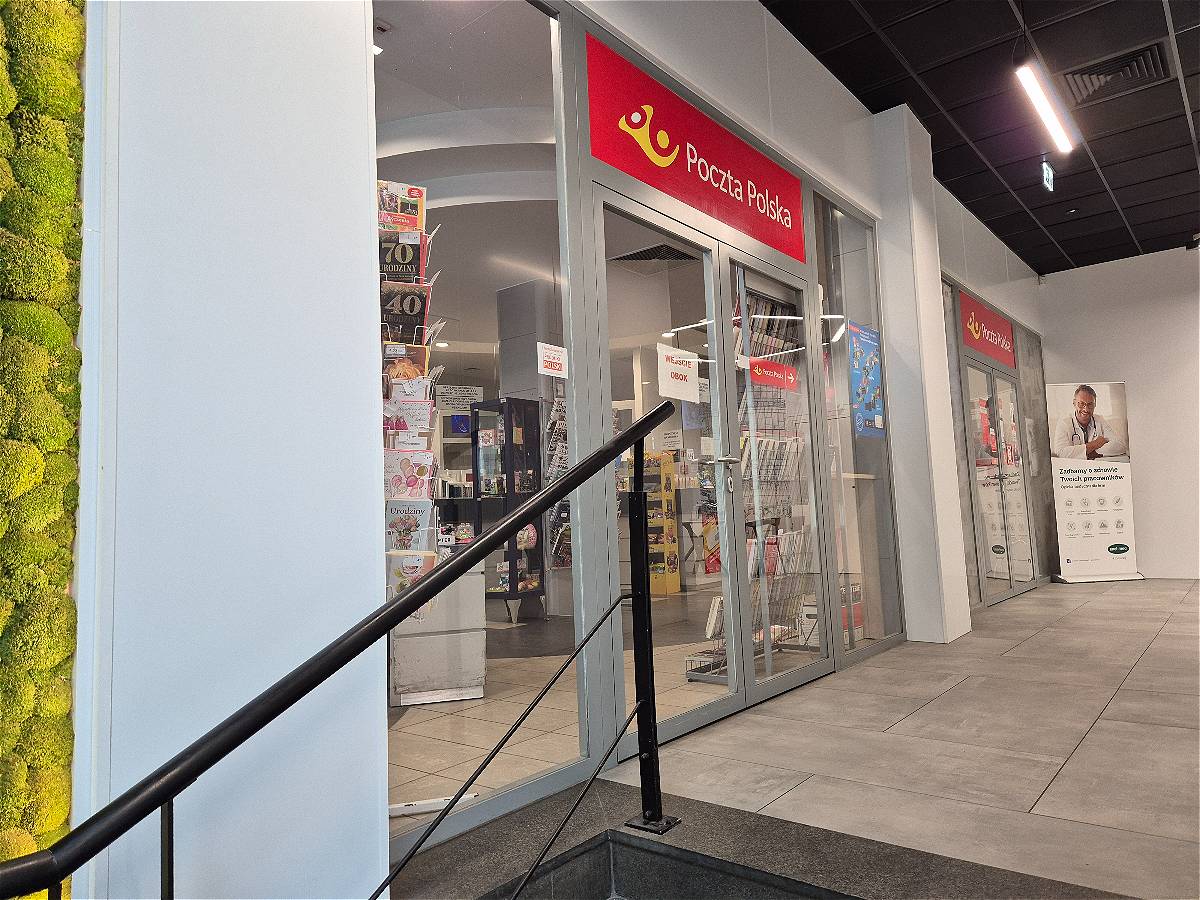
The clerk at the post office was very helpful. When she checked the postage for postcards I wanted to send to Russia, she had to disappoint me. As a result of the Russian war on Ukraine, Polish Post does not process mail to Russia. So, I had to take a few of my postcards home and post them in the Netherlands.
There, also is a small post office outlet just off the main square under the arches of one of the streets at one of the square's corners.
86/4





 Posted 07/25/2025 1:26 pm