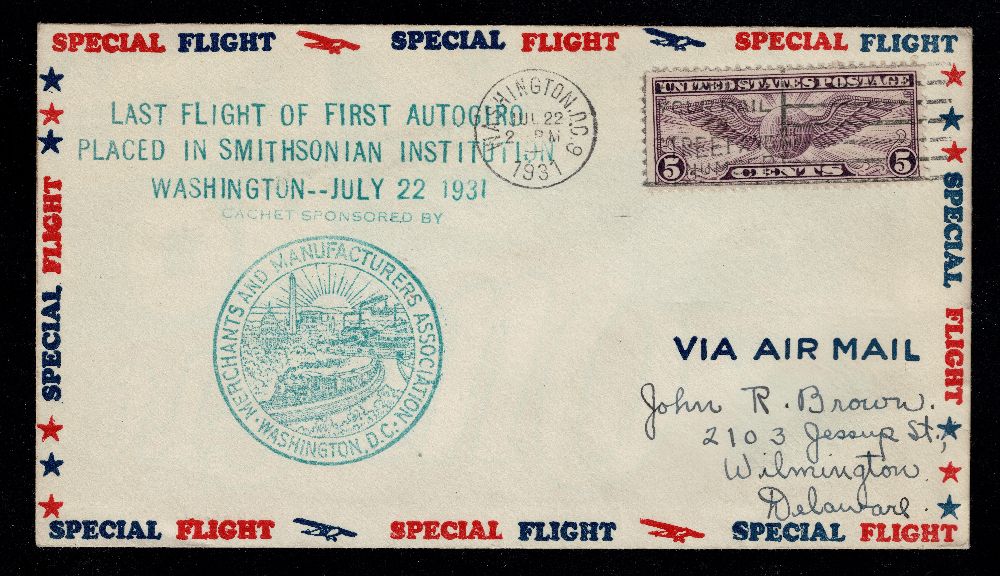
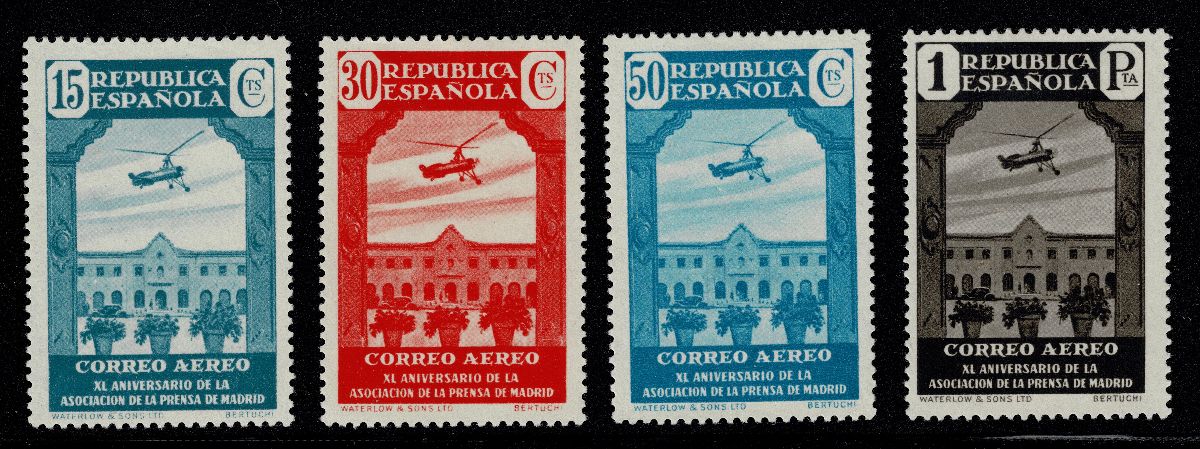
Yikes! I have been spelling "Autogiro"
hence my database results were poor.
As "Autogyro" not much better, but turned up this from
my research in 2005
Warning! most links will now be dead (US) Autogyro Mail for Philadelphia
When the new Philadelphia General
Post Office at Market, Chestnut and
Thirtieth Streets was completed
in 1935, a modern post office
building of the most advanced design
had been constructed, a post office
unusual in many respects and which
is the only one in the world
immediately accessible not only by
motor, rail and water, but aerial
transportation as well.
Philadelphia Post Office
http://cjoint.com/data/kEoQ08kGVe.htmUnder the building run the tracks
of the Pennsylvania Railroad,
while the Schuylkill River flows
along the eastern side of the
structure. The building's large
flat roof, 350 by 275 feet, was
designed for use as a landing
field for autogyros carrying the
airmail, and a roof heating
system, the first of its kind
prevents accumulation of snow and
ice so that safe landings are
provided for the entire year round.
The adequacy of the roof for its
intended purposes was demonstrated
in the numerous landing and
take-off experiments.
The time is now approaching when
it will go into regular service
for the receipt and despatch
of airmail by autogyro planes
and a few weeks ago the Post
Office Department solicited bids
from air transport companies for
the inauguration of a service,
planned at first to be experimental
in character, to and from the
air field at Camden, New Jersey.
When, and if a satisfactory bid is
approved, the initial operations
will no doubt be marked by the use
of special cachets.
Postal facilities in the Quaker
City (Philadelphia) will be a far
cry from what they were in the
colonial days of Benjamin Franklin.
- George B. Sloane
Sloane's Column
Stamps
December 31, 1938
Note 1:
The inaugural flight occurred
July 6, 1939, under a contract
awarded to Eastern Air Lines, Inc.
Actually 3 flights were required
to carry all of the inaugural
flight mail.
The contract called for 5 flights
daily except Sunday and holidays.
The capacity of the autogyro was
limited to 150 pounds of mail.
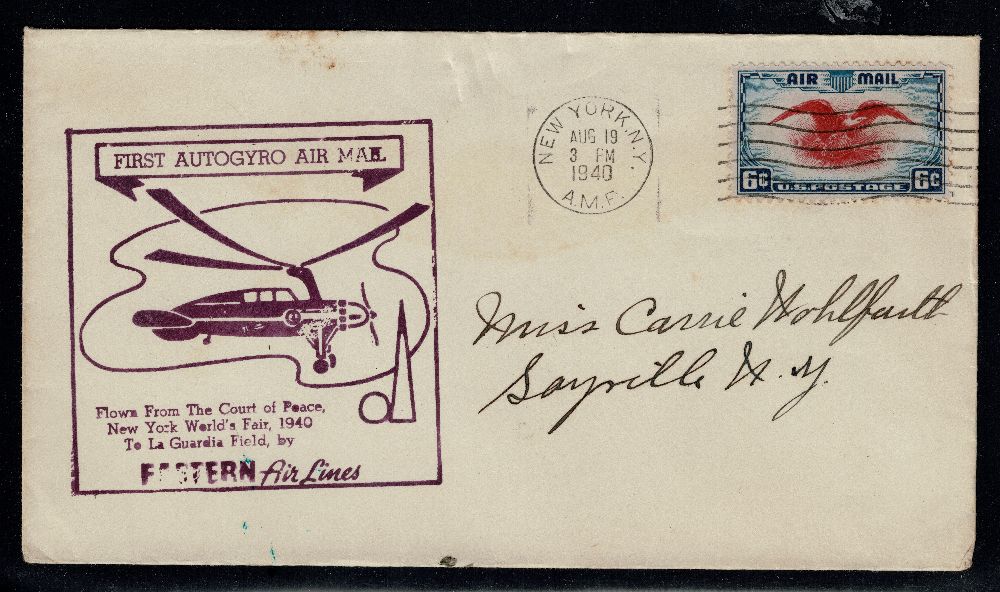
The following flight cover
illustrates this use. The cover
is provided through the courtesy
of Sam D. Virsi.
http://cjoint.com/data/kEn5TUbXnM.htmThe service was discontinued shortly
after the airport for the flight was
moved from Camden Field to the
Philadelphia Municipal Airfield at
Hog Island on June 20, 1940.
(The flight covers which noted this
change were erroneously postmarked
July 20.)
An early autogyro circa 1935:
http://www.egld.com/autogyro.jpgNote 2:
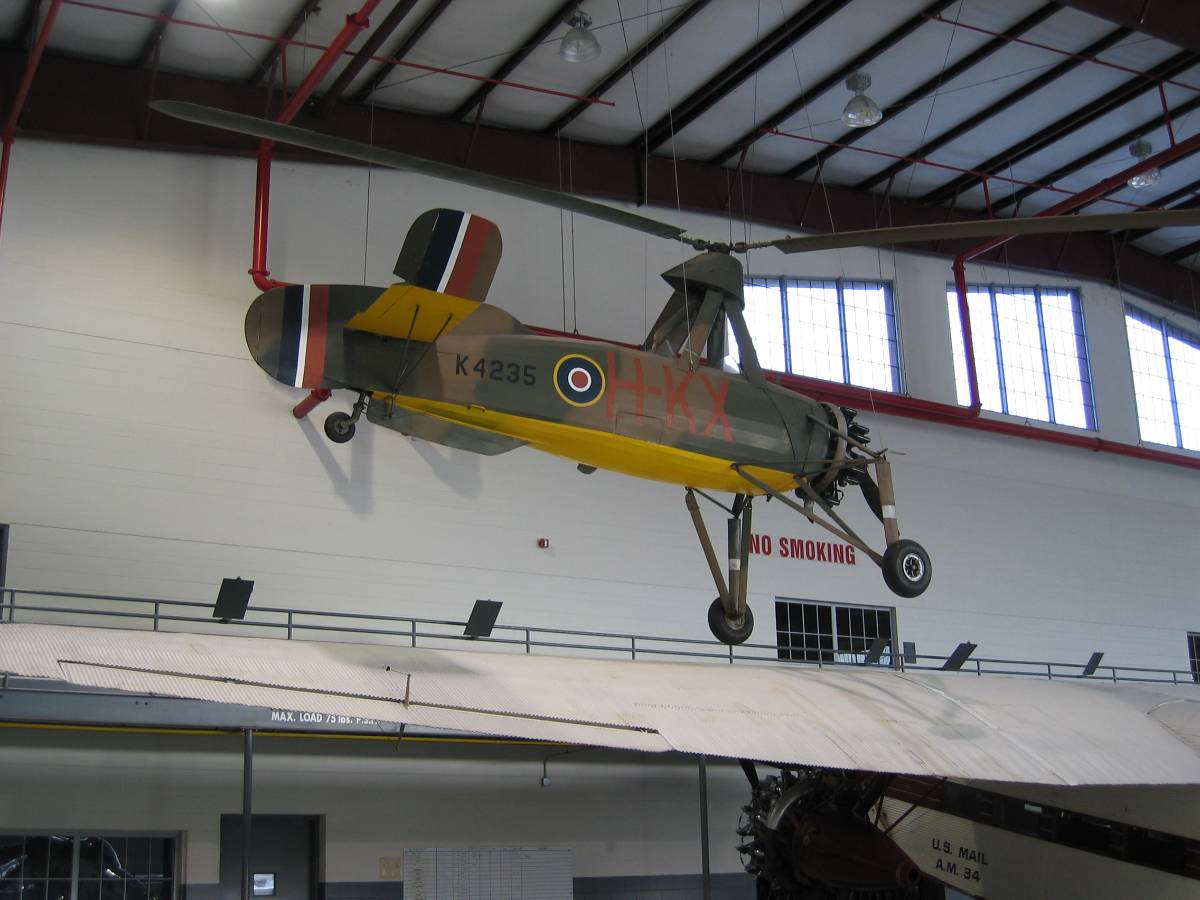
Cierva C30A autogyro
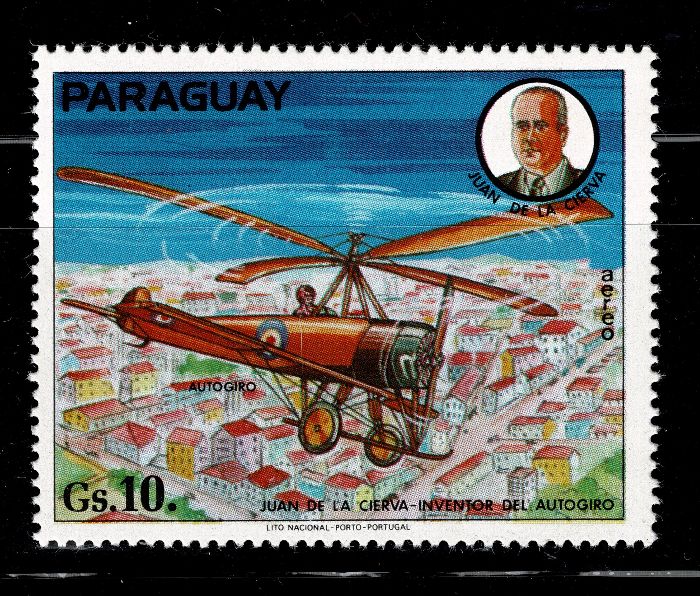
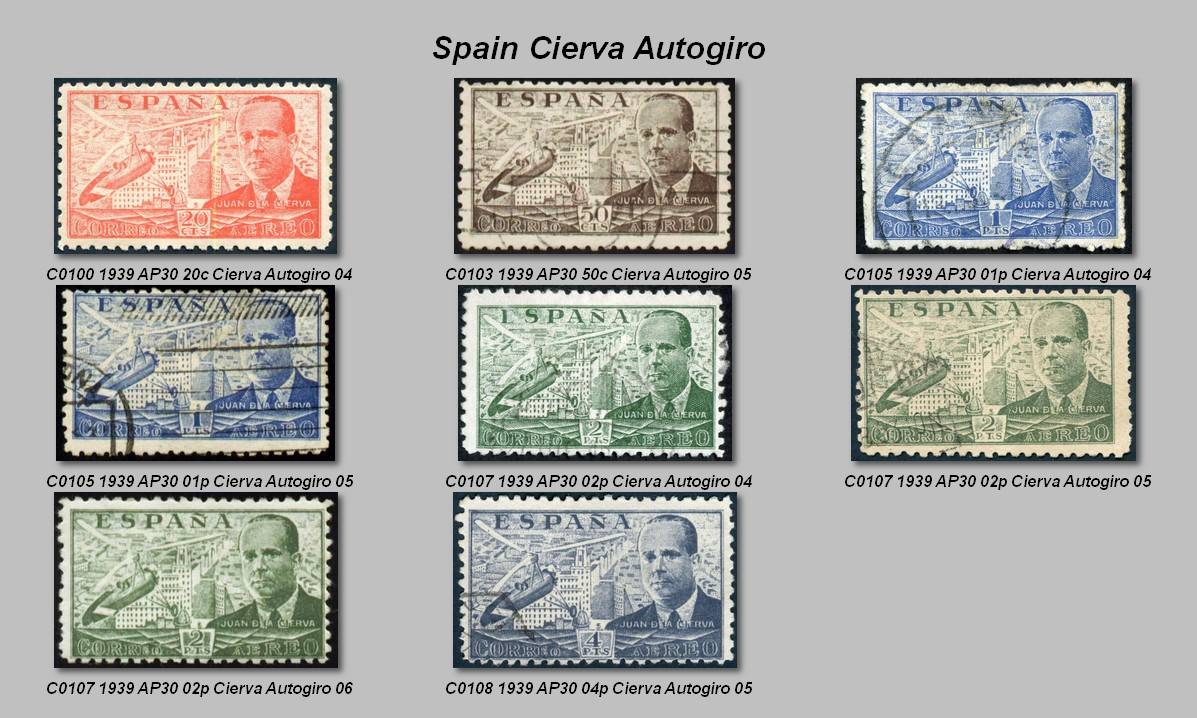
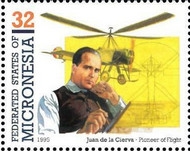
http://cjoint.com/data/kEooM0ecs1.htmJaun de la Cierva (Spain)
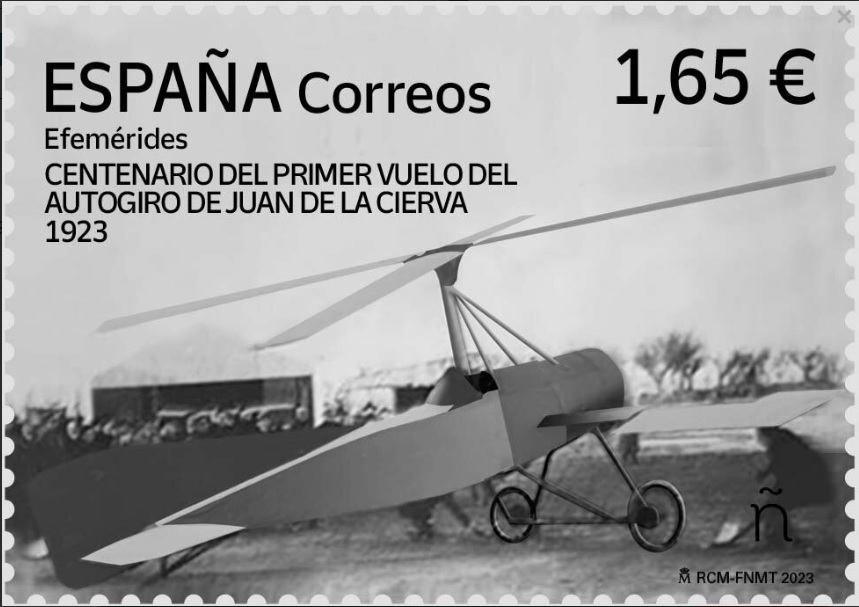
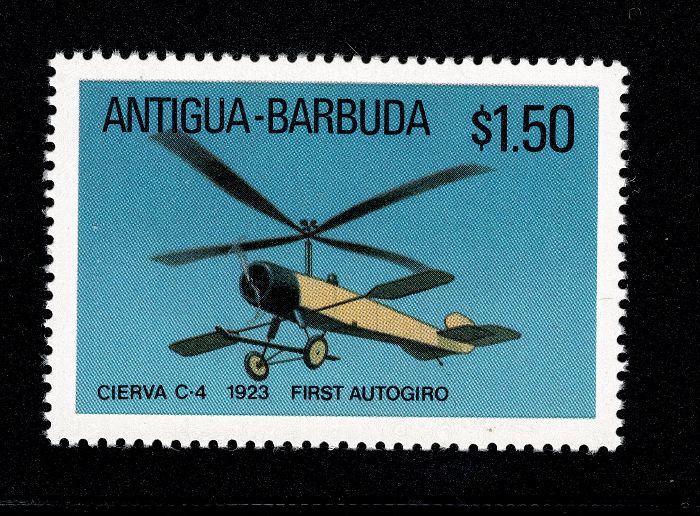
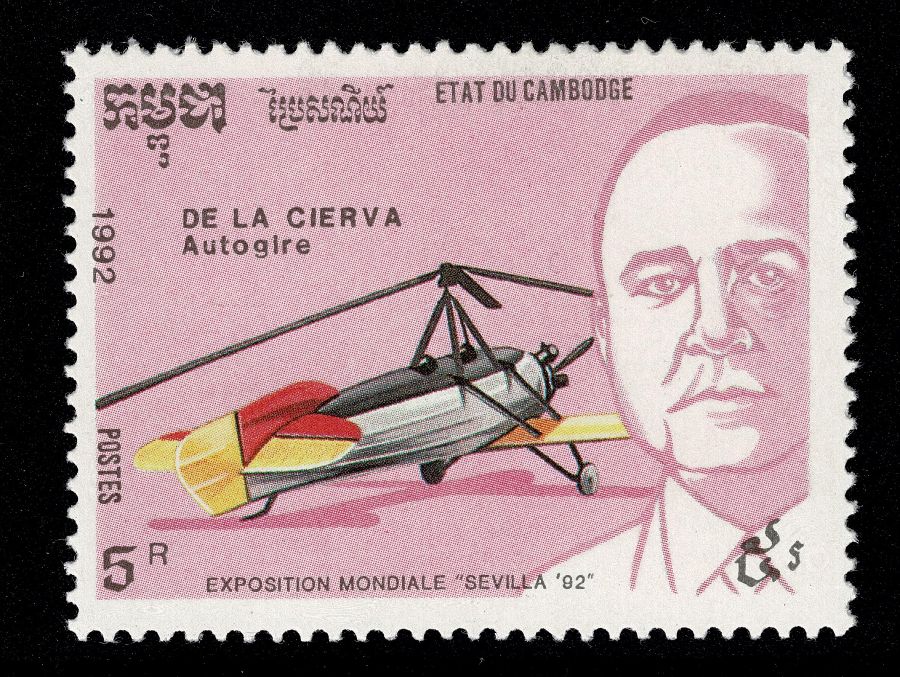
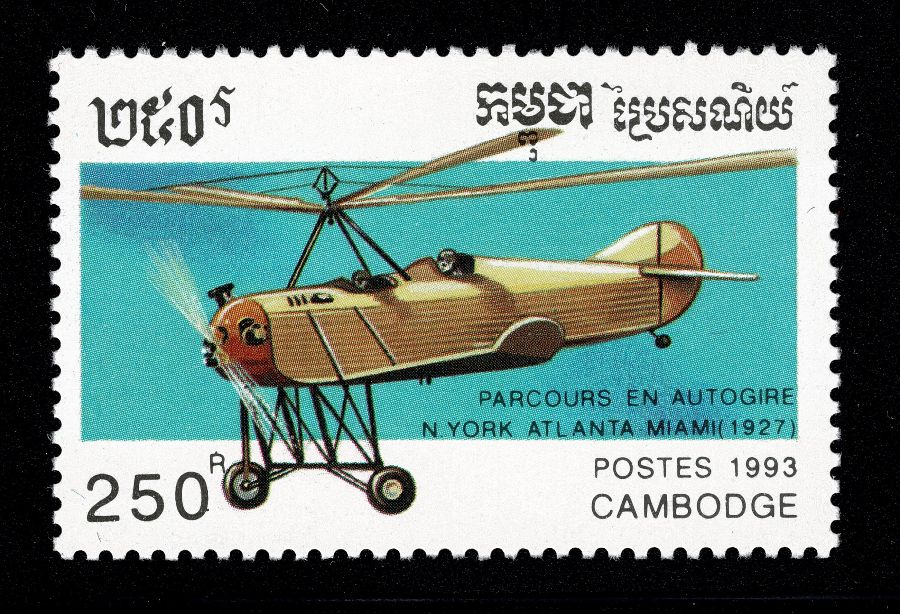
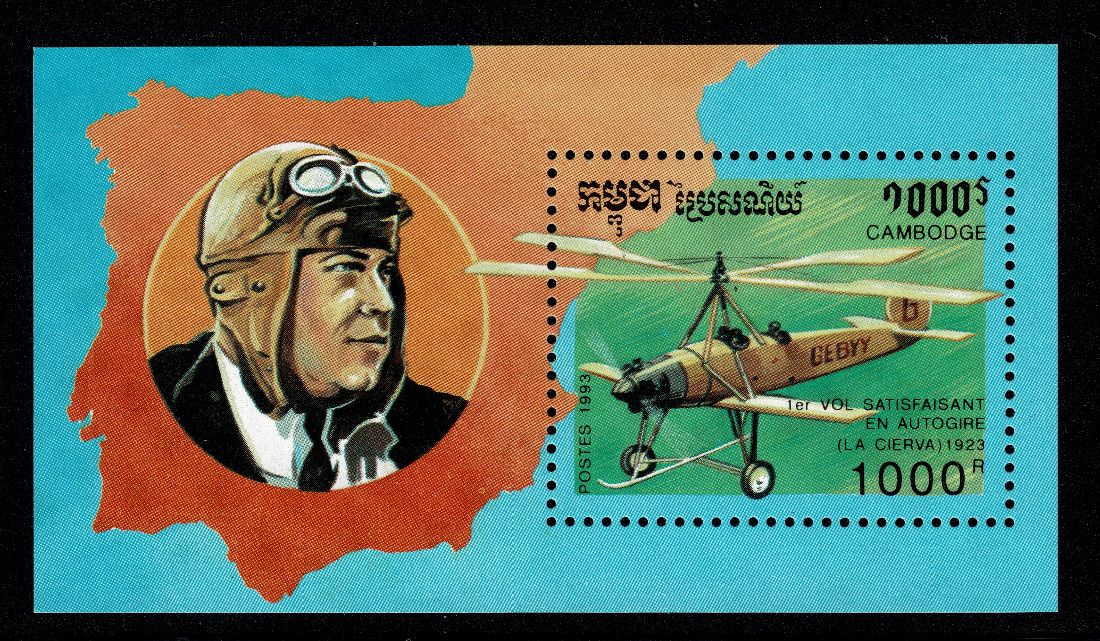
In 1923 , Juan de la Cierva , a
young Spanish engineer made the
first successful flight of an
autogiro.
An autogiro operates on a
different principle than a
helicopter. The rotor of
autogiro was not driven
by the engine but rotated
itself as the aircraft was
drawn along by its
propeller. The autogiro
used extreamely short
take-off and landing but
it could not move sideways
or hover in still air
like a helicopter.
The Autogiro's rotor is designed
so that a blade set at a low
positive angle of pitch will
rotate automatically as long
as an airstream is kept flowing
through the rotor. However,
the technology of the rotor
head and the rotor blade
developed for autogiro
contributed importantly to
the development of the
successful of helicopter.
In the 1930's autogyro technology
was rapidly advancing and its
safety and utility was being
demonstrated and accepted.
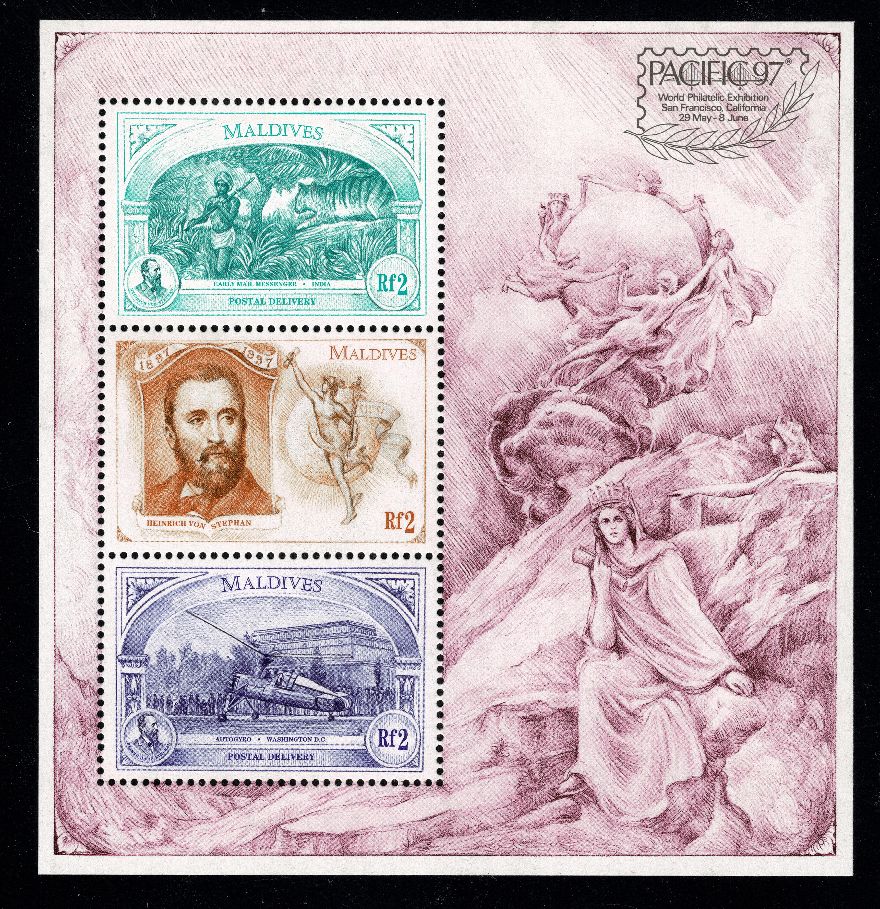
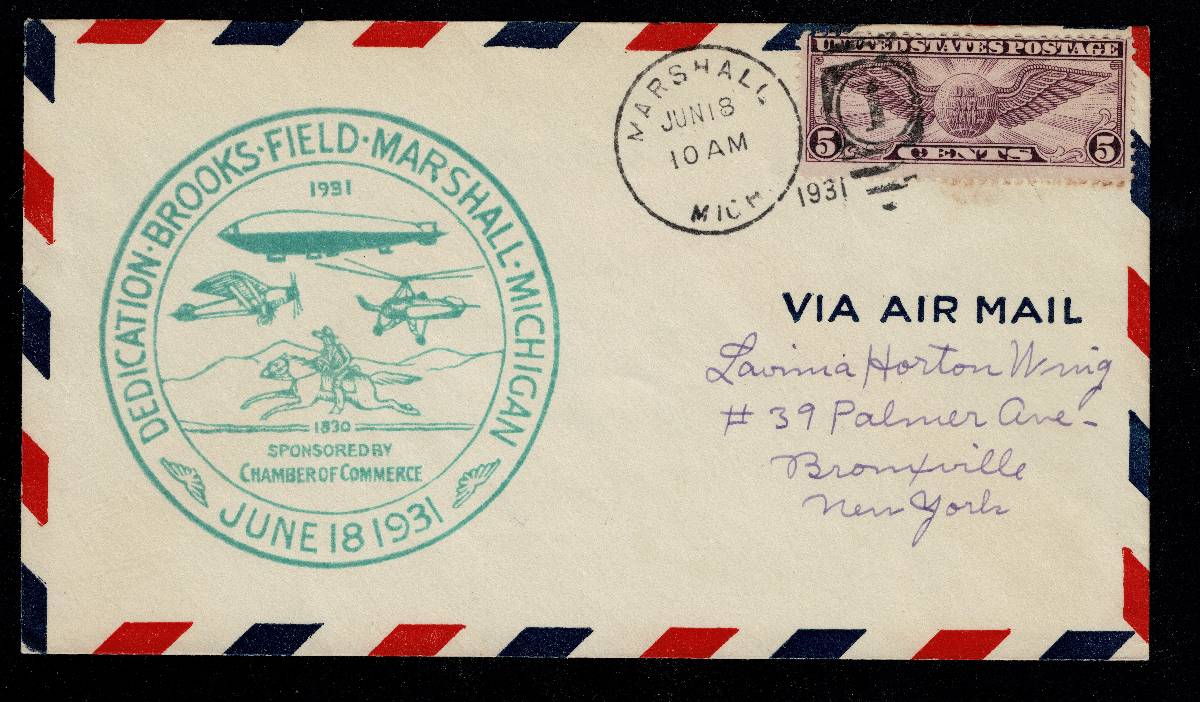
Mail carrying autogyros operated
off the top of the Philadelphia Post
Office. Four and five place autogyros
were being produced as well as
smaller ones. Pitcairn alone
developed and manufactured 14
models between 1930 and 1940.
These aircraft had performance
equaling contemporary airplanes
with maximum speeds up to 150 mph.
In the U.S. Autogyros were used for
rooftop-to-rooftop urban mail
delivery. In the 1930's and 40's,
autogyros were used to carry mail
from post office rooftops in
Camden, NJ, Philadelphia, PA,
Chicago, IL, New Orleans, LA,
and Washington, D.C., as well as
other cities in the north east.
The world's first scheduled air mail
service by a rotary winged aircraft,
began on July 6, 1939 using a Kellet
gyro to fly from the roof of the Philadelphia
Post Office to the airport at Camden,
New Jersey. This experimental service
lasted about one year.
On October 1, 1947, Los Angeles
Airways began the world's first regularly
scheduled helicopter mail service,
operating within a 50-mile (80-kilometer)
radius of Los Angeles International Airport.
Note:
The Second Byrd Antarctic Expedition
from 1933 to 1935 also flew a Kellett
autogyro. Unfortunately, it did not carry
any mail.





 Posted 02/08/2023 11:53 am