| Author |
 Replies: 414 / Views: 36,360 Replies: 414 / Views: 36,360 |
|
|
|
Pillar Of The Community
Australia
937 Posts |
|
|
Boreraig,
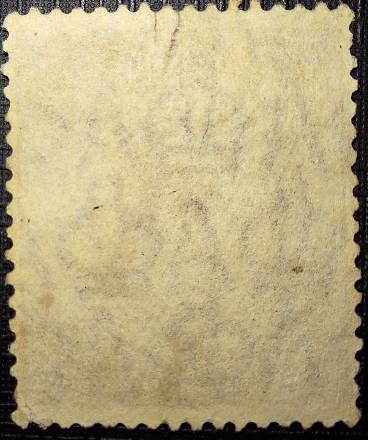
As per my post above, the intention was to provide one 'Crown A' watermark about central for each Georgian stamp and the purpose of the thin surround watermark line was to 'frame' each pane of sixty stamp watermarks.
Ideally, the paper was fed accurately and each stamp in the pane received a central 'Crown A' watermark.
Frequent 'off' centering meant that this ideal didn't always happen. Of course, as mentioned by others, the use of this paper with the narrower kangaroo stamps threw it all out of alignment.
The 'ideal' frame and centering aspirations were abandoned with the experimental introduction of the large multi-crown for the Georgian stamps at the end of 1917 (and then following watermarks for those stamps - small multi crown and CofA) where there was no frame and the watermark pattern extended to the edges of the paper.
The watermark marginal line was also used for the third Crown A watermark paper used for kangaroo stamps from 1915 but they too were later printed on small multi crown and CofA paper.
|
Send note to Staff 
|
https://www.fairdinkumstamps.com Fair Dinkum Stamps - Specialising in stamps from early Australia and the colonies, Australian philatelic literature, catalogues, stockbooks and accessories. |
| Edited by fairdinkumstamps - 06/11/2023 9:10 pm |
|
|
Valued Member
Australia
84 Posts |
|
|
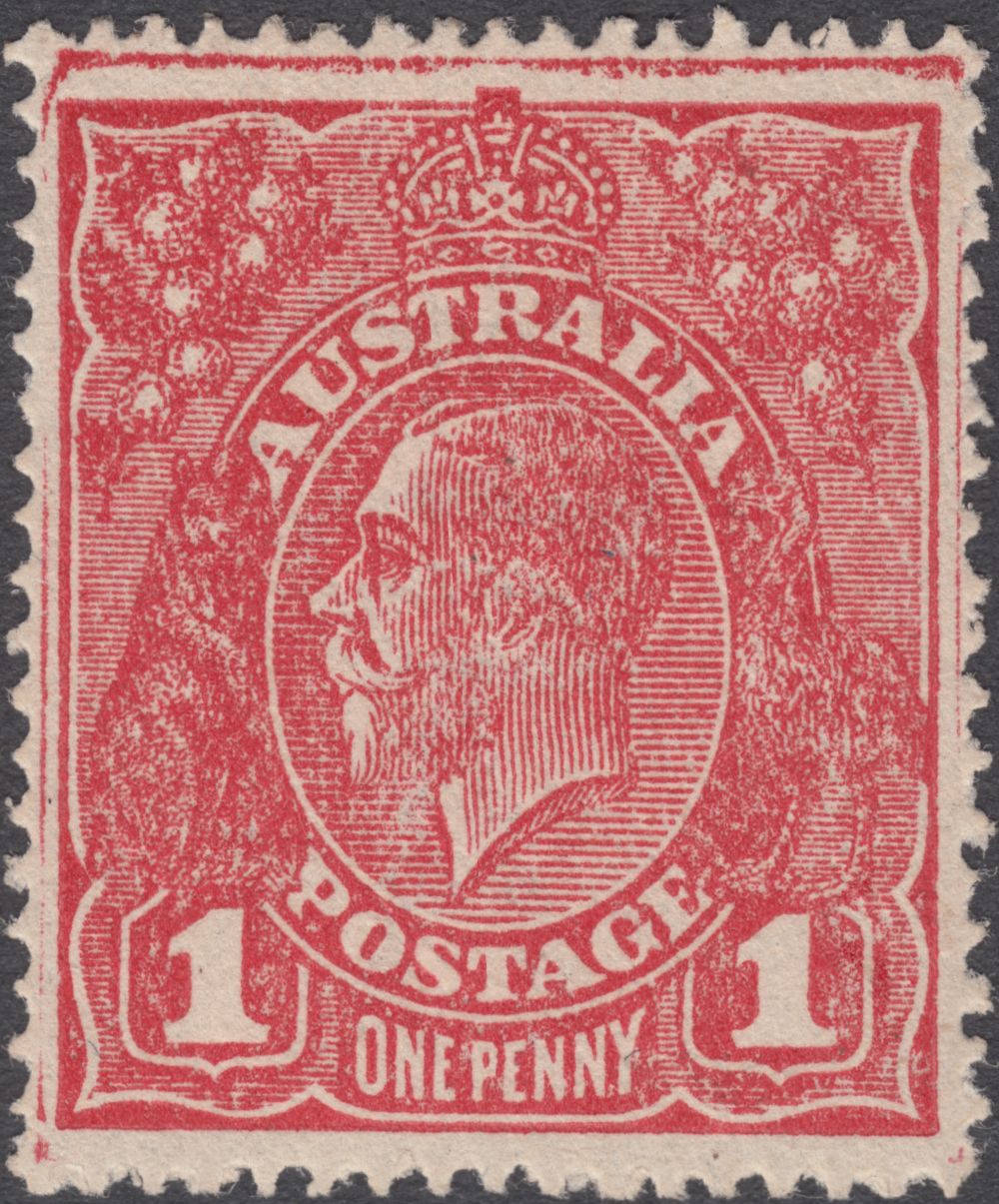
Thank you so much Fairdinkum. I have spent an enjoyable day thinking about this. I agree 100% about the purpose of the lines. But what would motivate the paper manufacturer to include them in the watermark? 1. They are effectively invisible so have no real aesthetic value, 2. The printer will feed the paper according to its edges, not some invisible lines in the paper. 3. Admittedly there would be millions of identical stamps printed and a great deal of paper needed. But what if the Australian Government changed (and a royalist Government took over)? In any case, margins are set by the printer, not the paper manufacturer. The only conclusion I can reach is that whoever decided to include marginal lines in the watermark didn't know what they were doing. Scrapping the margins, adding a few extra watermarks and aligning them to the edge of the paper was a simple solution. a new query Quote:
the purpose of the thin surround watermark line was to 'frame' each pane of sixty stamp watermarks . Is there any significance in your use of the word frame? Before WWll dad called the red lines visible around this stamp "frame lines". Are they what the ACSC KGV (p.51) calls "compartment lines"?  |
|
Send note to Staff
|
|
|
Pillar Of The Community
Australia
937 Posts |
|
|
Yes, they are 'compartment lines'. Smaller markings outside the frame may be called 'compartment marks'. Don't ask me at what point a 'mark' ends and a 'line' begins  |
|
Send note to Staff
|
https://www.fairdinkumstamps.com Fair Dinkum Stamps - Specialising in stamps from early Australia and the colonies, Australian philatelic literature, catalogues, stockbooks and accessories. |
|
|
Valued Member
New Zealand
137 Posts |
|
|
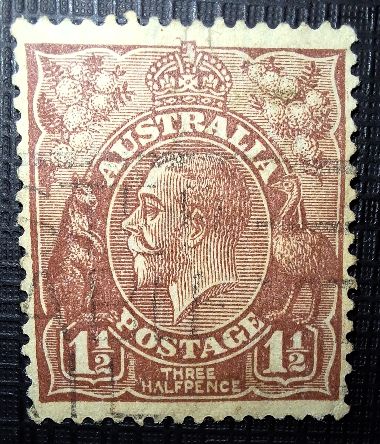
The compartment lines and marks are quite common on the Die 2 three halfpence and in many cases can be used for plating. Yours can be plated as 3L59, the scan below shows examples of the lines at various stages of the print run. As the ink builds up in the space between the stamps the lines and marks go from not being present at all to extensive over the course of a printing run. 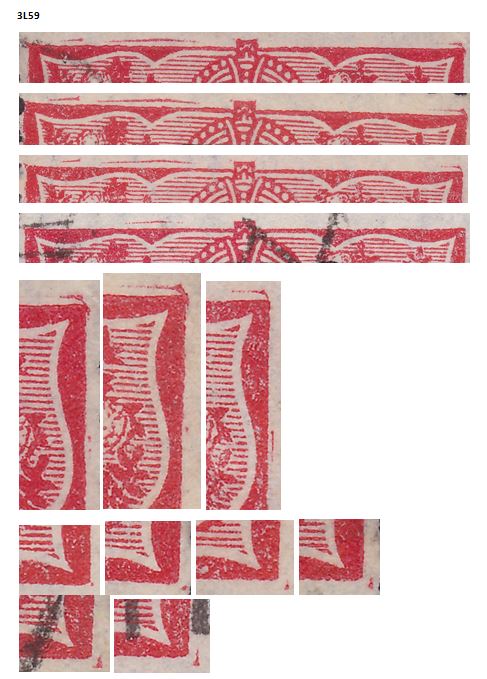 Tasnaki |
|
Send note to Staff
|
|
|
Moderator

United States
5107 Posts |
|
|
Valued Member
New Zealand
137 Posts |
|
|
Partime
There is quite a bit of published work on the 1d's compartment marks, not an area I collect so cannot help you.
Tasnaki |
|
Send note to Staff
|
|
|
Pillar Of The Community
Canada
877 Posts |
|
|
Partime:
I have never spent much time on compartment lines, but my BSAP 1d checklist describes them. My best guess (pretty confident) from this is that you specimen is 2L1 (pane 3, position 1). |
|
Send note to Staff
|
|
|
Pillar Of The Community
Canada
877 Posts |
|
|
Steve:
Pane 3 is the left pane of Plate 2.
Pane, rather than Plate, numbering seems to be the preference of of the 1d checklist so I gave both to be sure.
Frank. |
|
Send note to Staff
|
|
|
Moderator
United States
5107 Posts |
|
|
Valued Member
Australia
84 Posts |
|
|
Hi folks Some time ago I posted this mint, die 2, 1d red with an inverted OS puncture for comment.  The replies I got were fascinating and educational. I finally decided I should follow it up and sent the stamp to the RPSV who worked with the Perfin Society to produce a joint opinion. The Perfin Society said "After going through our usual certification tests, we could not find any evidence that the puncture was anything other than genuine." I believe the Society intends to set out how the perforations could have occurred in the next issue of their journal, and that suits me fine. Only specialists will read that. I have no idea what the stamp might be worth but what I want is that the stamp ends up with a specialist and not someone speculating on its investment value. Except for some KGV's I gave all dad's stamps to Jim Bell of the Brighton Philatelic Society to sell. (He will get the remaining KGV's when I can't play with them anymore.) Both John Shawley at RPSV and Jim think the Brighton auction might be too small to attract the specialists who might be interested in this stamp, any suggestions? I could sell it at a bigger auction, Abacus perhaps, but I am more worried about who ends up with the stamp than what they pay for it. If no suggestions, I will pass the stamp and two certificates on to Jim when they come back. I will also post the certificates when they come. |
|
Send note to Staff
|
|
|
Moderator
United States
5107 Posts |
|
|
I'd love to have it, but you would get several more 0's on your payment if you went with a well known Australian auction house. My best guess is Abacus, but waiting for comments from others. Good luck. |
|
Send note to Staff
|
|
|
Valued Member
22 Posts |
|
|
Moderator
United States
5107 Posts |
|
|
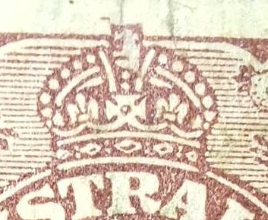
The flaw in the upper part of the crown is probably a paper scrape. Your query allowed me to finally go through the publication, "Commonwealth of Australia / George V 1 1/2d Die II, by Sandy Forbes F.B.S.A.P." published in 2006. That 200 page tome goes through each of the panes in detail, and none match the one that you show. (For reference, yours is Scott 69, ACSC 93, the Brown King George V, Die II, with Small Multiple Watermark printed in July 1930, issued on 16 September, 1930.) Here's an example of how you can locate something in this publication. I had a similar Scott 93 with some interesting features at the top right: 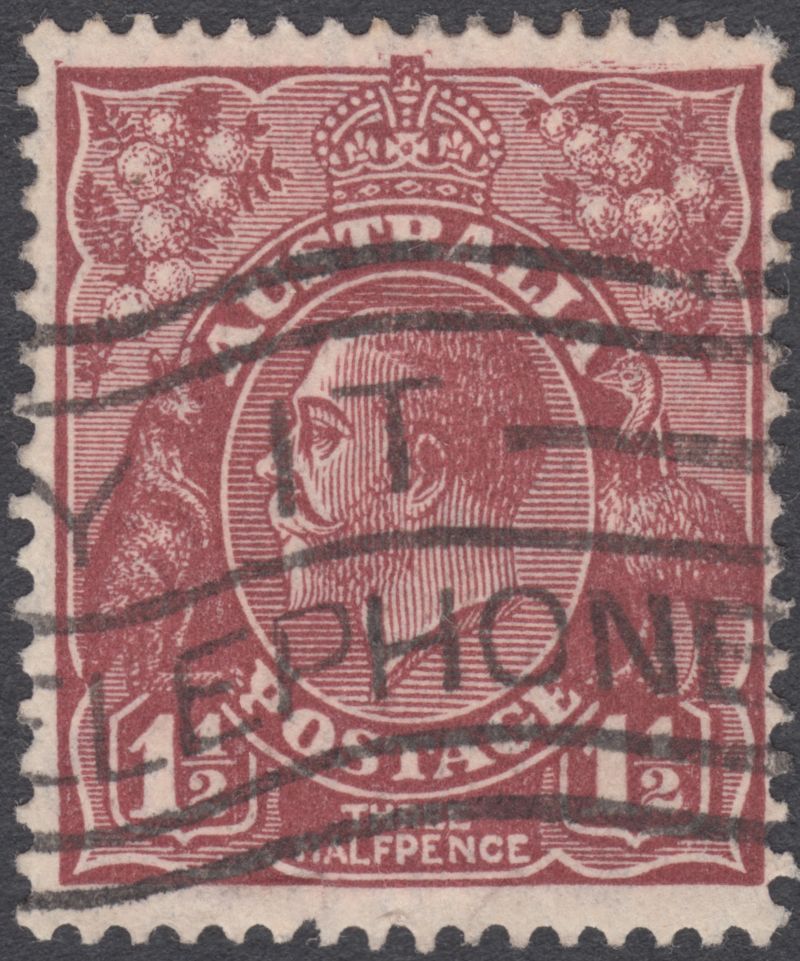 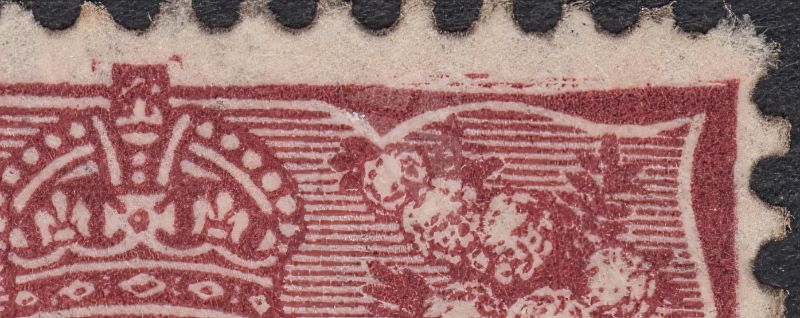 Forbes book has a simplified sheet in the front, which led me to Pane I, Right: 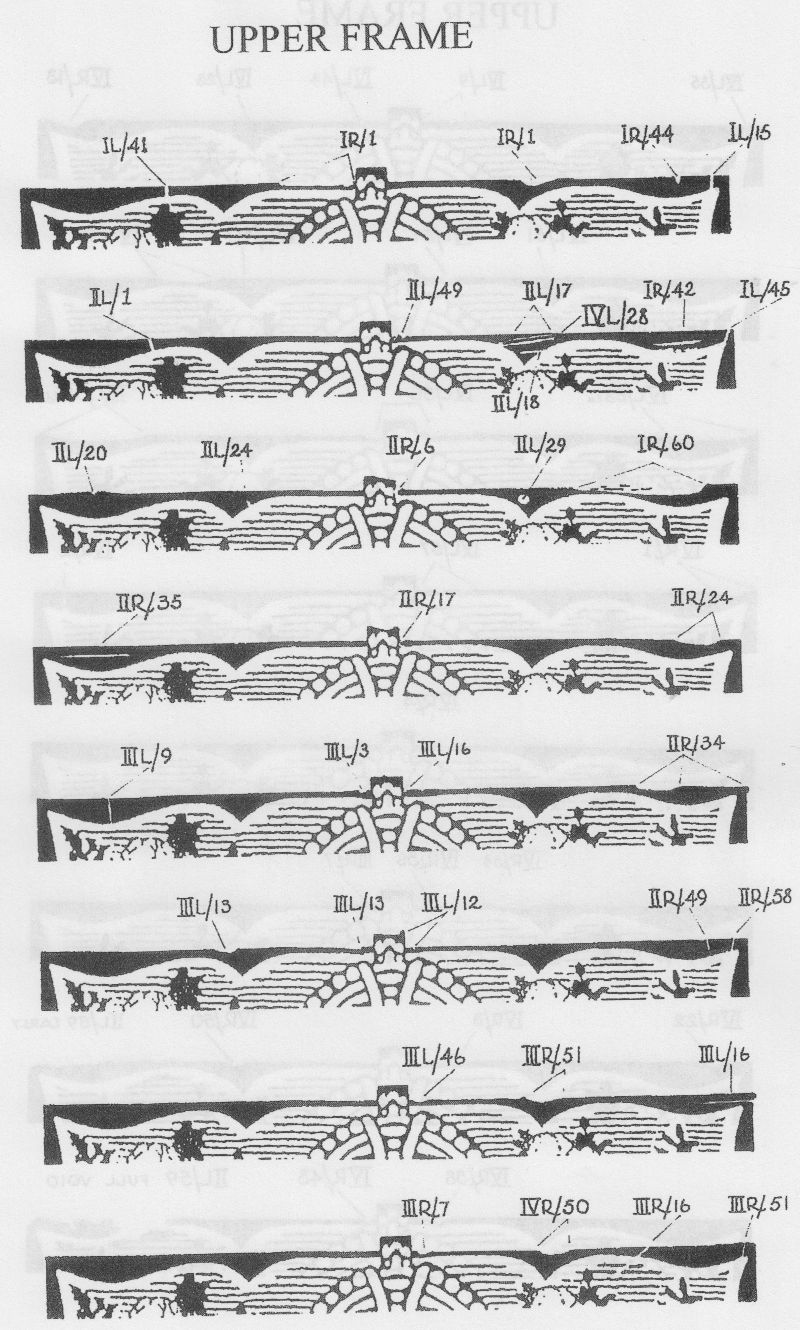 On the appropriate page, you see the detailed description, and then the accompanying picture. A perfect match for the 2nd state. There is even a mention about the compartment lines. An excellent reference book. 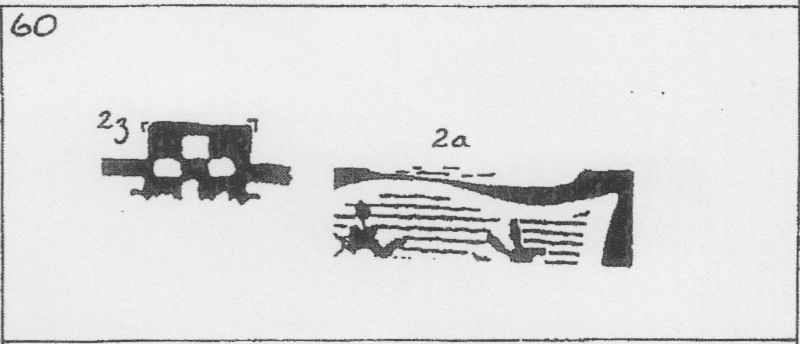 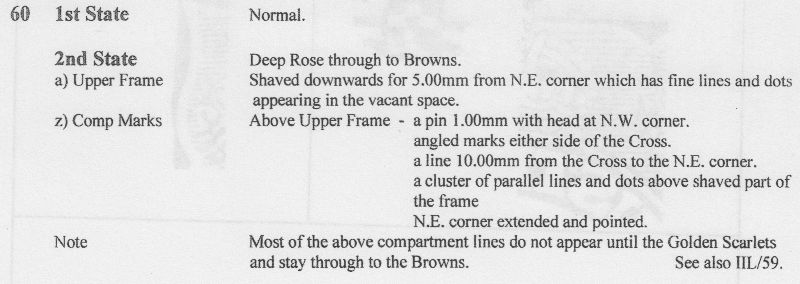 |
|
Send note to Staff
|
| Edited by Partime - 09/24/2023 11:04 am |
|
|
Pillar Of The Community
United States
1434 Posts |
|
|
Quote:
but I am more worried about who ends up with the stamp than what they pay for it. What's the concern, exactly? |
|
Send note to Staff
|
|
|
Pillar Of The Community
Canada
877 Posts |
|
|
But what would motivate the paper manufacturer to include them in the watermark?
Boreraig:
It was not really a question of a decision by the printer, but by the post office. The paper was originally designed for the Kangaroos which are narrower than the Sidefaces. I don't think the "frame" line is seen on the Roos. The PO then decided to use the same paper for the Sidefaces but the extra width of the stamps caused them to "overflow" past the frame line and into the marginal text of the watermark.
|
|
Send note to Staff
|
|
|
Replies: 414 / Views: 36,360 |
|




 Posted 06/11/2023 8:47 pm