It can be quite difficult to distinguish Chinese ''originals'' from ''reprints''. And it's important to do that, for originals are in many cases far more valuable. When buying these stamps, knowledge of this subject can make all the difference: you could end up paying a lot of money for originals that are really reprints, or have the luck of obtaining originals for a low price!
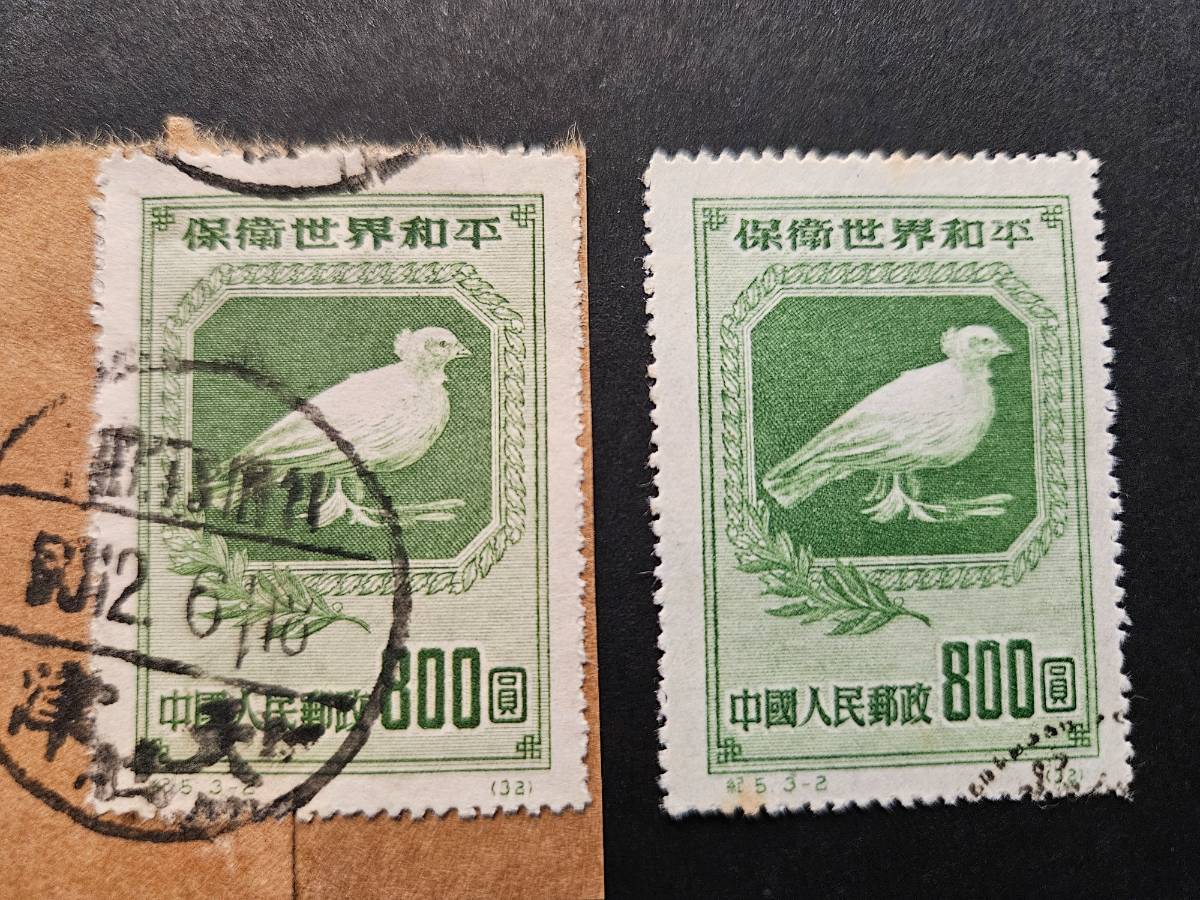
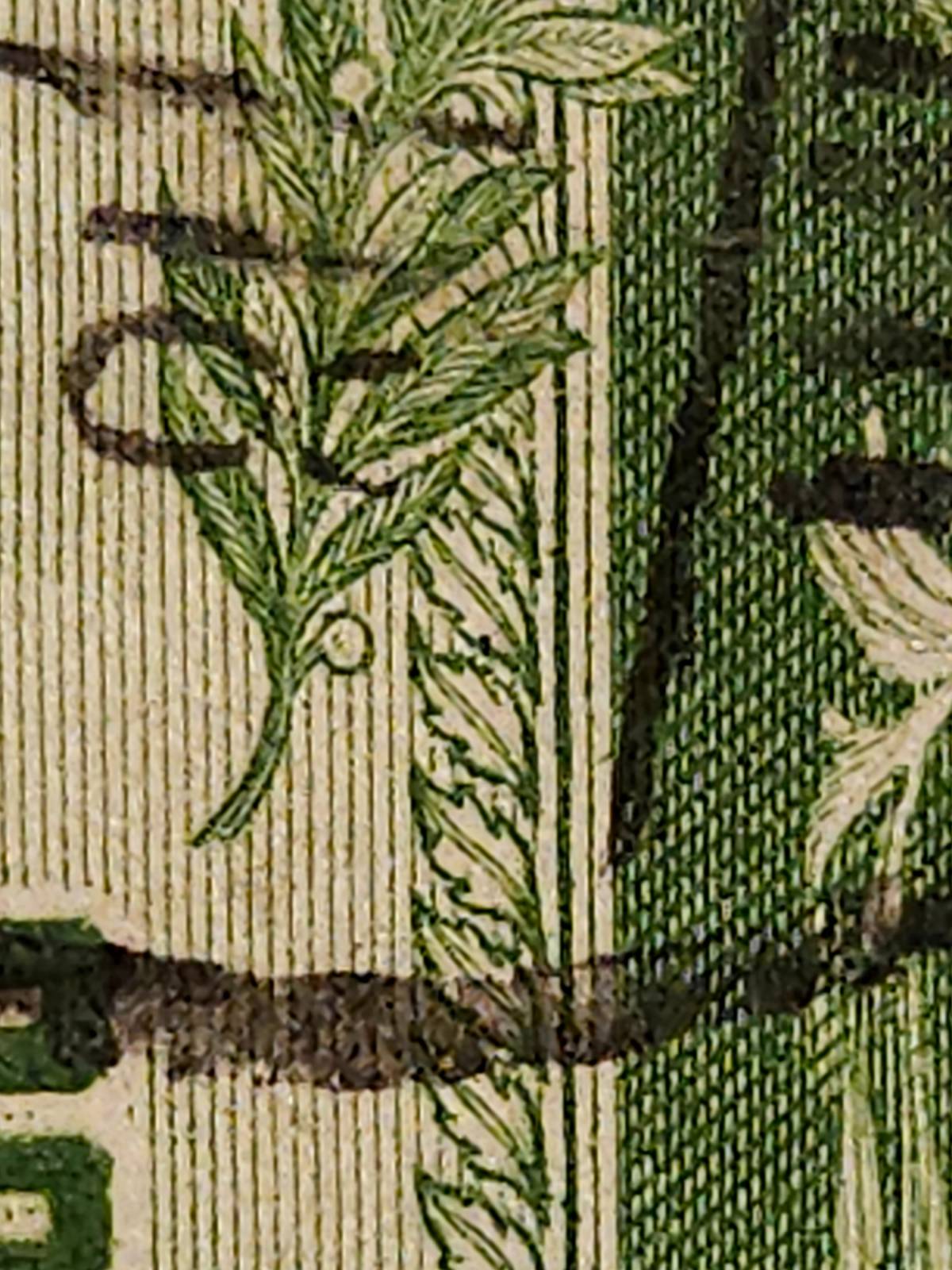
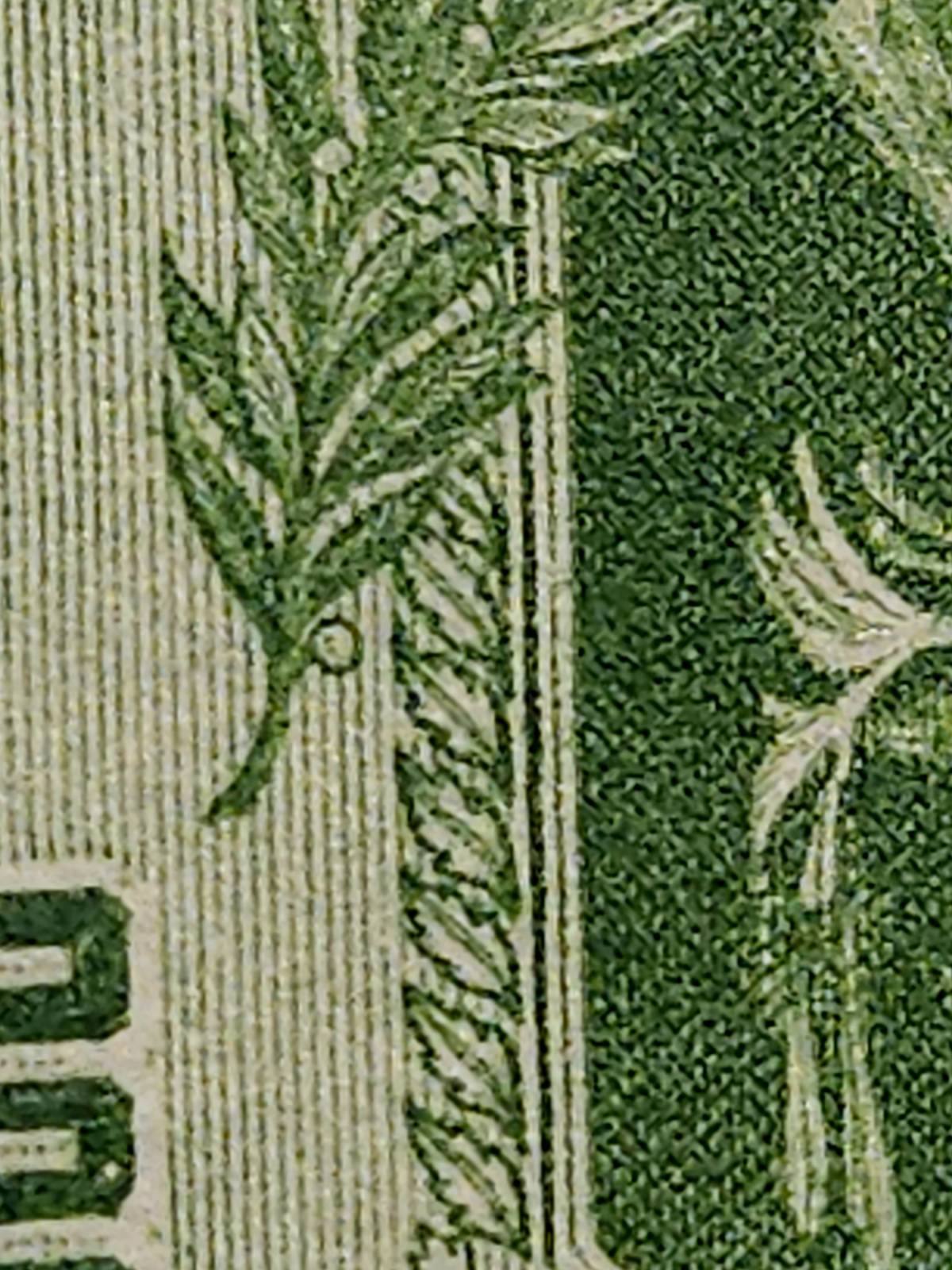
One ''difficult' set is the beautiful C5 Defend World Peace, issued in 1950 (the ''Peace Dove/ Peace campaign 1st issue/ Picasso dove 1st issue''). According to the Yang catalogue the differences are: different paper and slighty fresher shade with the reprints. And indeed, the paper of the reprints is white and that of the originals somewhat duller. And indeed, the colour of the reprints is somewhat lighter and brighter. But those differences are hard to see, and only when you have both originals and reprints at hand. I've found the solution (or maybe it's a rediscovery): First: the height of the stamps: originals are smaller! Slightly over 36 mm high against 37 mm with the reprints. And easier to see: the details on the originals are much more defined: straight lines and well defined letters. The reprints have less straight lines and letters that are a bit '''messy''. You can see this especially in the middle, the coloured square around the dove: a sort of a fine netting (originals) versus an almost unicoloured mess. I think this is an easy way to distinguish the two, especially with mint ones. Used stamps of the reprints have almost always a neat corner CTO-cancellation, used originals have thick, smudgy ones that cover a big part of the stamp.





 Posted 01/10/2026 11:32 am


