| Author |
 Replies: 181 / Views: 24,867 Replies: 181 / Views: 24,867 |
|
|
|
Pillar Of The Community
United States
7239 Posts |
|
|
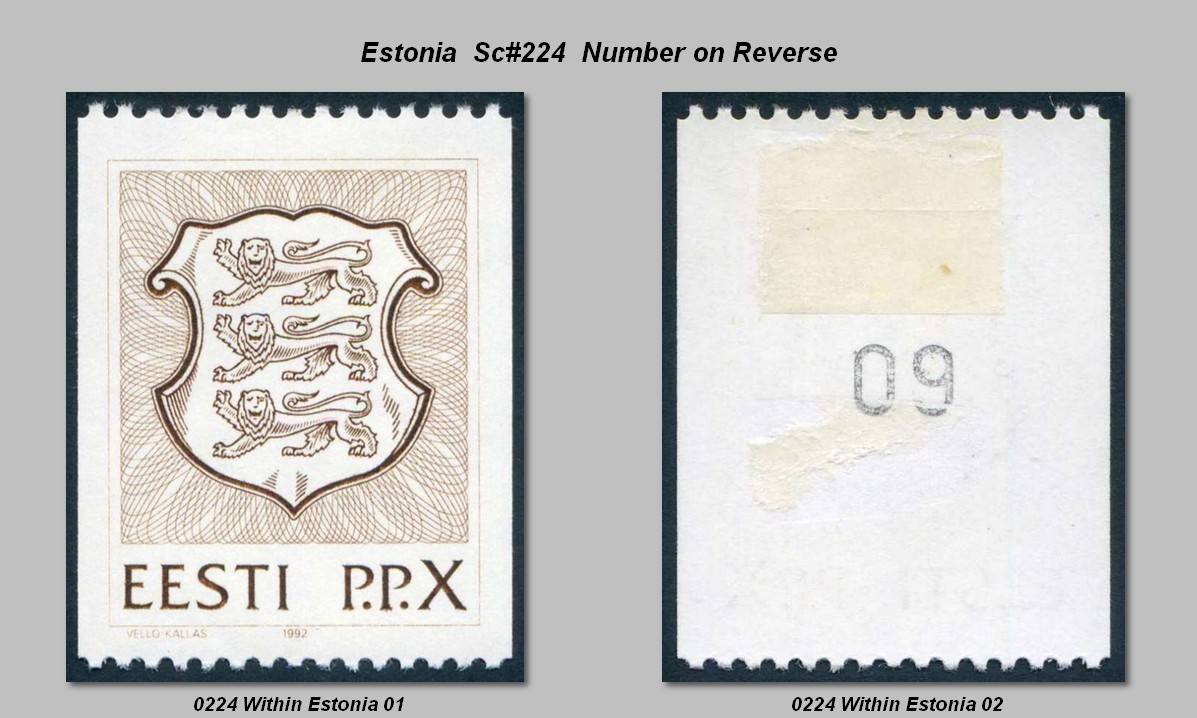
Rod, when you the term "control mumbers", I believe you are thinking in terms of the control numbers on old Spanish stamps. Michel refers to the numbers on modern German coils as "Zaehlnummern", or counting numbers. In referring to these counting numbers on the backs of every fifth Haamenlinna Castle (Finland, 1982) coil, Facit just calls them "numbers". Facit does not even mention Coil #s for Swedish stamps, unless I have missed this; they seem to be more focused on booklet varieties.
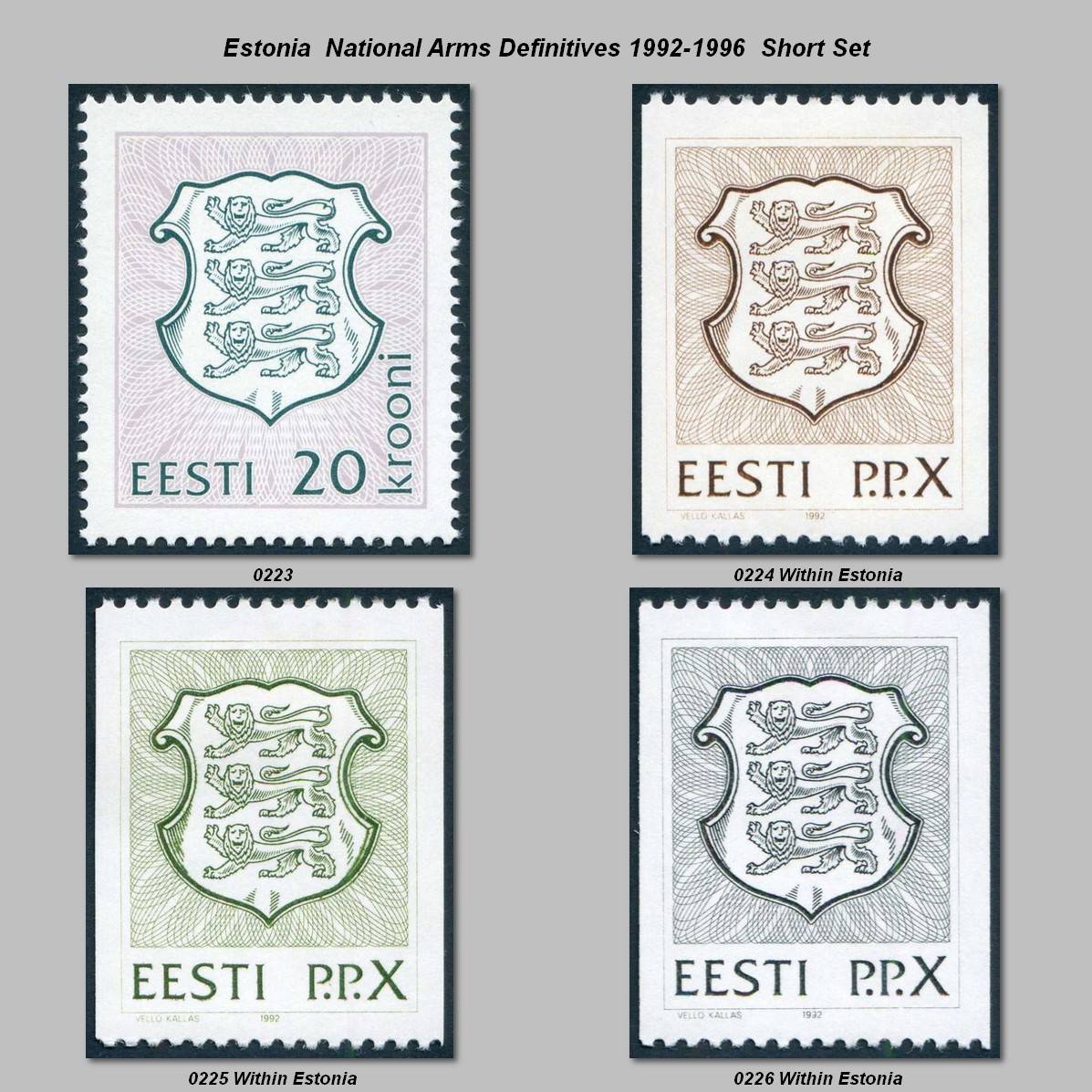
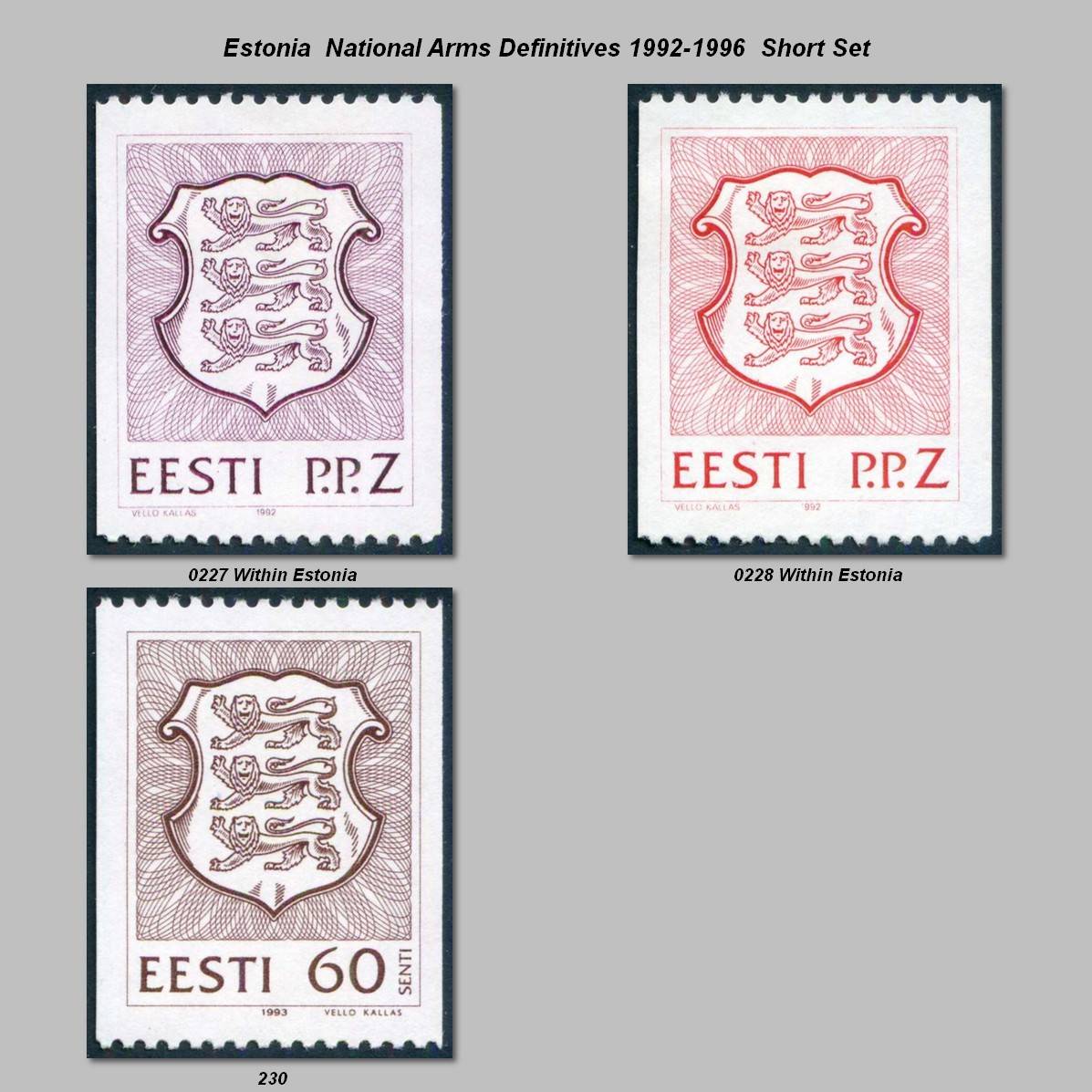
Here are the only details I have on these Estonian coil stamps. Information is from Catalogue of Estonian Postage Stamps and Postal Stationery 6th edition, 2003. Catalog is published by Estonian Heritage Society.
Tg 200 = coil roll of 200
PFM = Posten Frimarken, Kista, Sweden (the printer)
Fl-0 = no fluorescence
K/G = Vello Kallas (designer and engraver)
I have seen advertisements for these stamps with coil #s on the back, but unfortunately none have shown the back of the stamp.
So, is there no "005" stamp, or is the counting # on the back of the sixth stamp with the first stamp not being counted?
|
Send note to Staff 
|
| Edited by bookbndrbob - 07/06/2021 6:56 pm |
|
|
Bedrock Of The Community
Australia
38679 Posts |
|
|
Bob, "Control" or "Control Numbers" is an ubiquitous term I use, for the administrators of the postal countries to have some form of control over their emissions. That can be a number, a fleuron, an device to indicate genuine stamps from stolen issues etc. As far I have experienced, numbers appear on Czech Coils, Swiss Coils and Swedish coils. Regarding Sweden (to which the Estonian fits) Sweden numbered every 10th stamp to just "facilitate handling" This is a very unusual topic, and source information is hard to come by. Czech Control Mark 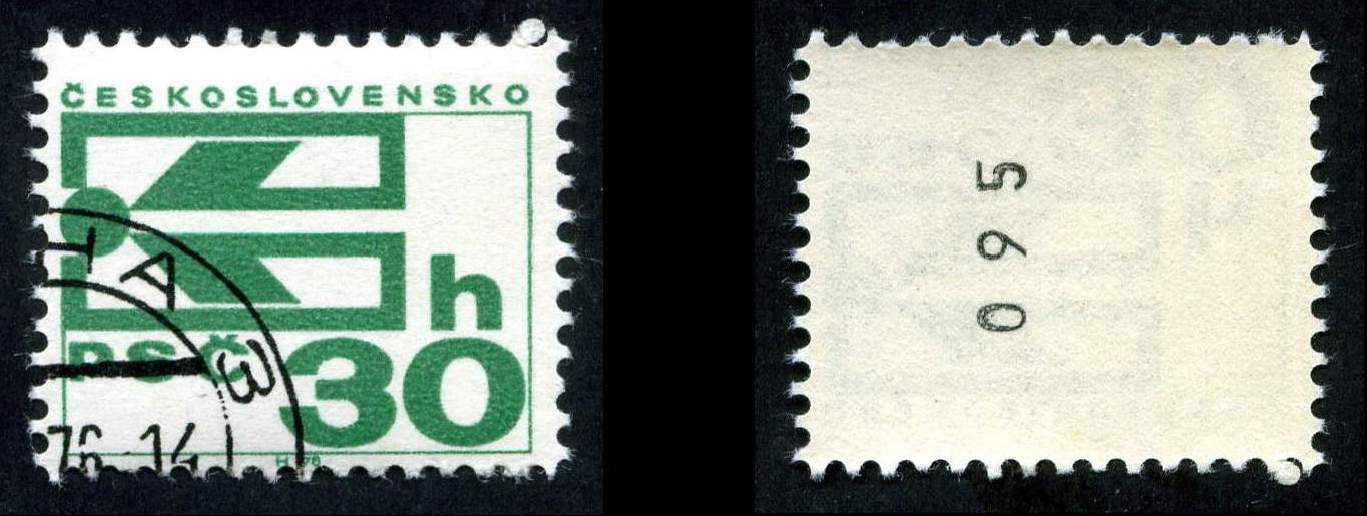 Swiss Sc#243 Control number 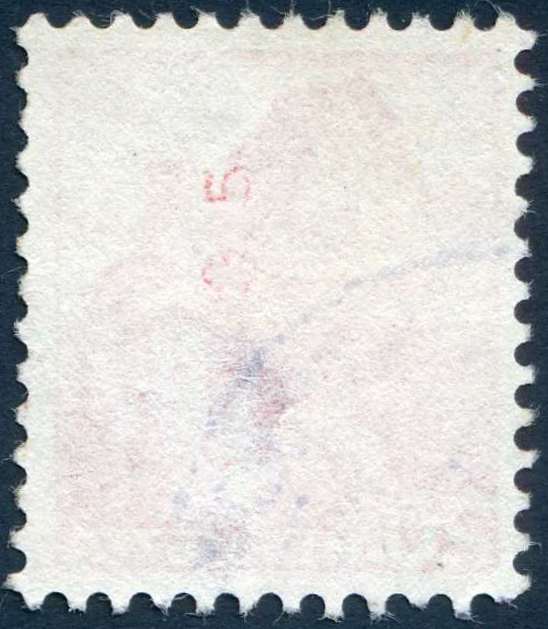 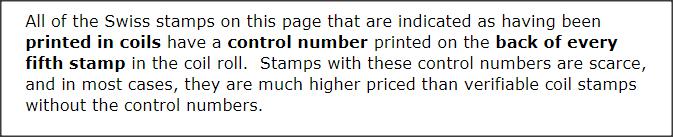 Sweden Control number on every tenth stamp (Appears only in rolls of 500) 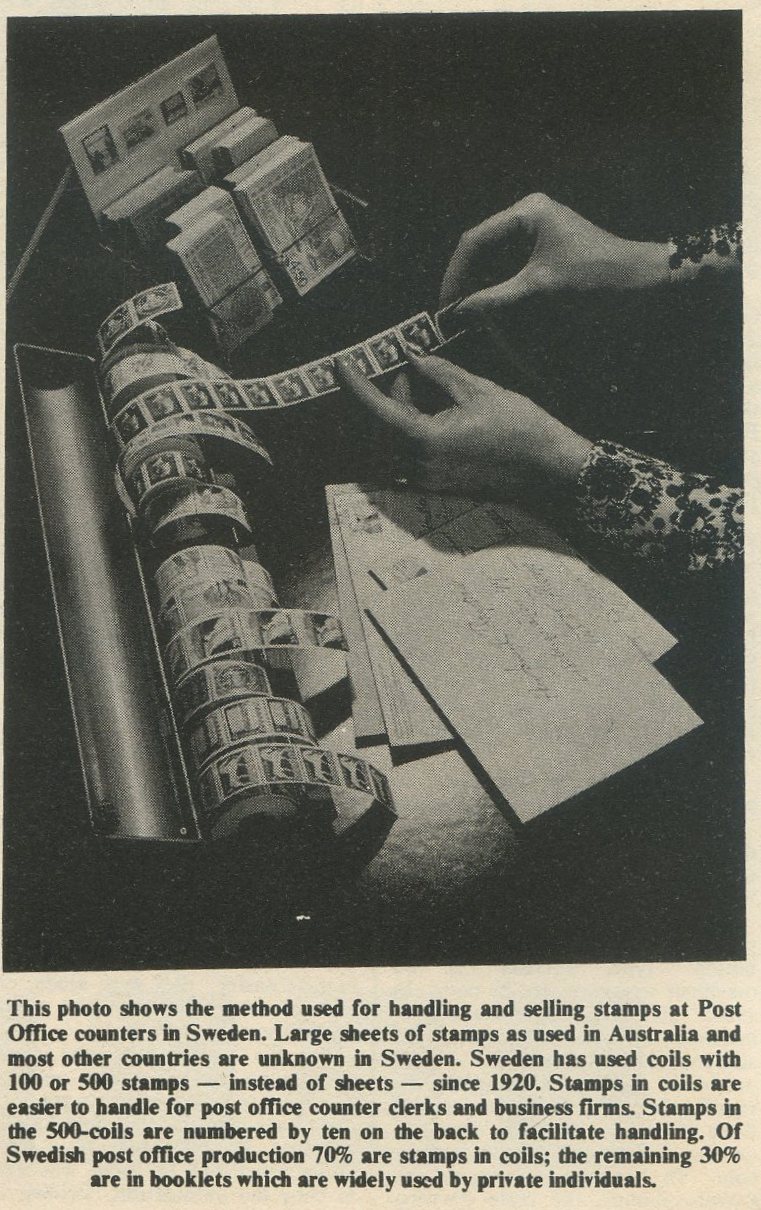 |
|
Send note to Staff
|
|
|
Valued Member
United States
361 Posts |
|
|
Bedrock Of The Community
Australia
38679 Posts |
|
|
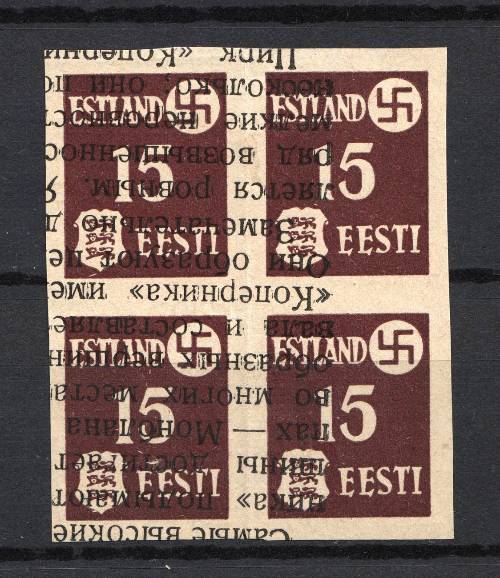
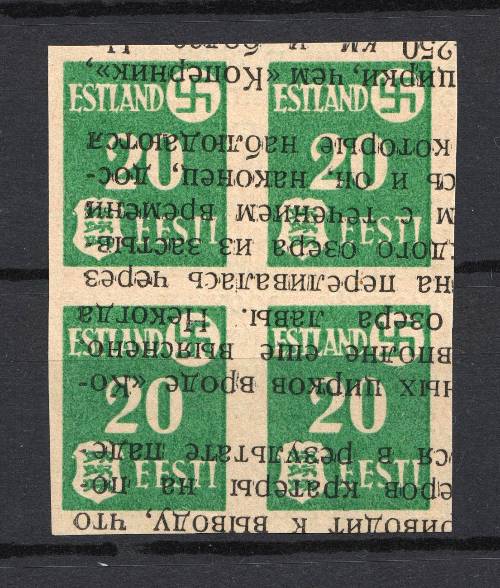
Guess:
Sc#N3 Tartu Issue
15Kop Dark Brown
Thin paper ? (dunnes)
Thick paper? (dickes)
Block of 4
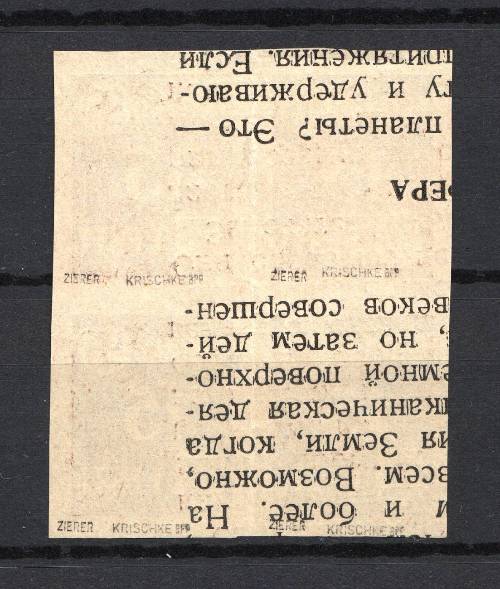
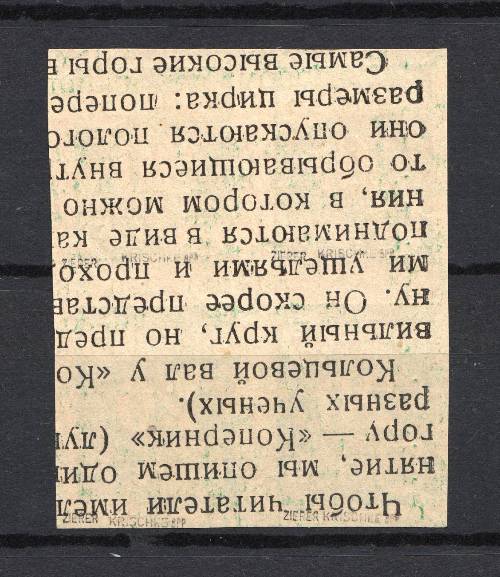
Printed on both sides
Designer : Viktor Krass
3500 sets of the 2nd printing were issued imperforate
The very limited blocks of 4 must originate from Mr Kohler's stock
Proofs are known
Forgeries not known
This is where it gets rather involved
Newsprint with Russian text?
Business form paper with Russian text?
Greyish white paper, with Russian text both sides?
(ALL) Value offered "15" no idea if this is euros or ?
Values in US Dollars, avg retail as of 1985
Bib: Estonia Handbook, Catalogue 1986
Hurt / Ojaste
|
|
Send note to Staff
|
| Edited by rod222 - 07/06/2021 8:18 pm |
|
|
Bedrock Of The Community
Australia
38679 Posts |
|
|
Bedrock Of The Community
Australia
38679 Posts |
|
|
Valued Member
Finland
183 Posts |
|
|
In earlier post: 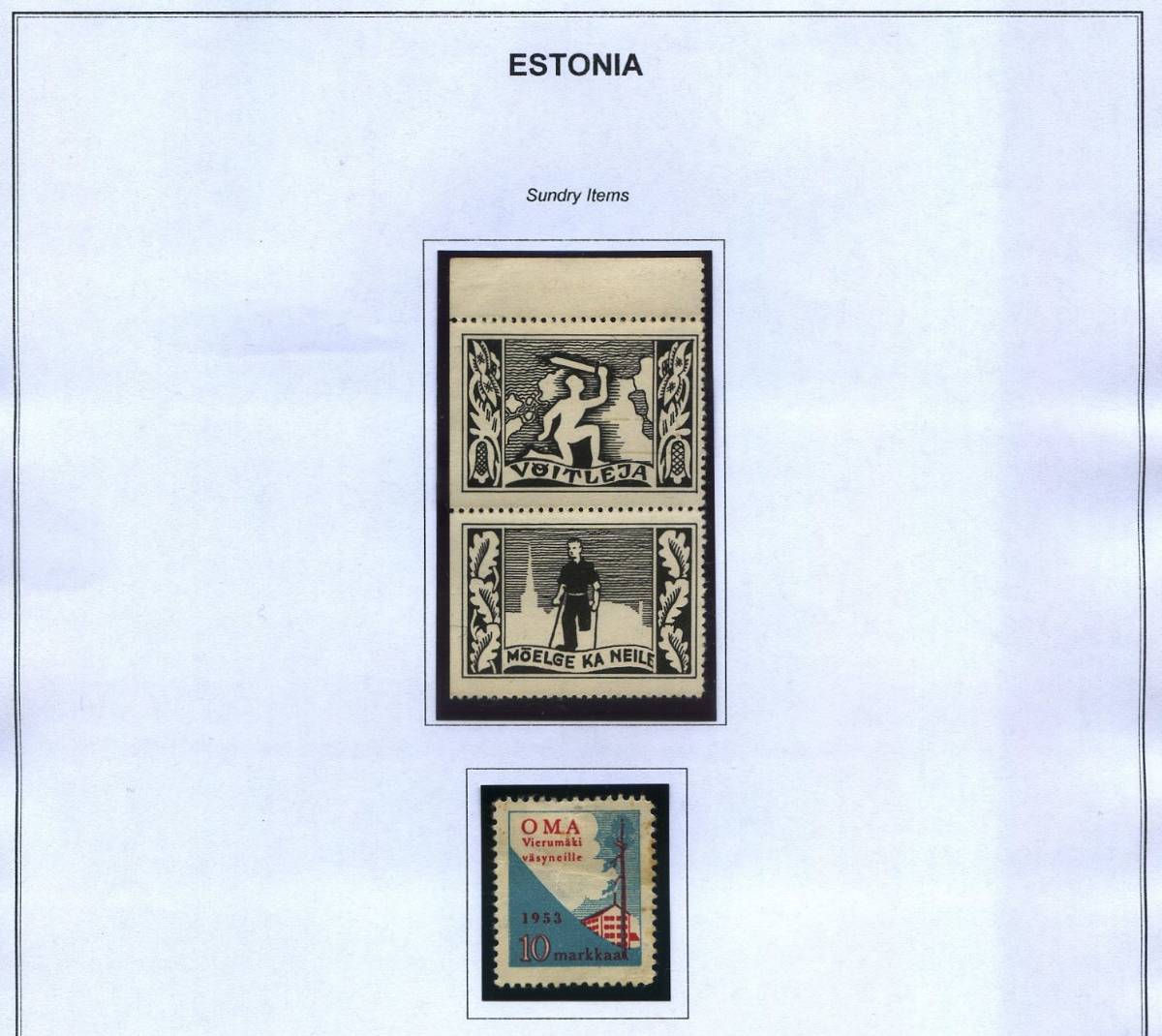 The bottom Cinderella is a Finnish one. OMA Vierumäki väsyneille = OWN Vierumäki for tired (Vierumäki is a big sport school and activity center in Finland) Currency is markka in 1953 when Estonia had changed currency to kroon much earlier. Edit: Estonian Cinderellas say: Võitleja = Fighter Mõelge ka niele = Think about them, too |
|
Send note to Staff
|
| Edited by kuikka - 11/12/2021 5:35 pm |
|
|
Valued Member
Finland
183 Posts |
|
|
In earlier post there was this cancel: 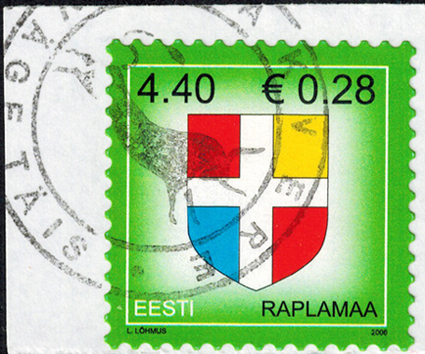 Alternative translation to Full (of) power is Full of people. There is more information on this in Estonian here: https://rakvere.kovtp.ee/pildigaleriidThe google tranlation is here: Rakvere logo The Rakvere sign depicts a reed that has risen on its hind legs. The sign is based on the oldest known name of Rakvere - Tarvanpää (chronicle of Henrik of Livonia in 1226). Primitive cattle are an ancient symbol of strength, power and fertility. The upright position of Tarva expresses striving forward, excessive strength, firm resistance to pressure. The motto "VERY FULL" means that Rakvere has a large amount of economic, spiritual and demographic resources. Origin By the beginning of 2004, the city government had a clear position - Rakvere needs its own slogan, the corresponding advertising logo and the related visual identity. In the spring of the same year, the advertising agency Korpus developed the slogan "Rakvere - full of power" with a logo and a style book. Reaching the slogan and visual identity was preceded by a thorough preliminary work - the corps commissioned a basic study from EMOR to find out the core symbols of Rakvere. Both residents of Rakvere and people from other parts of Estonia were included in the survey. An overview of how Rakvere's visual identity was reached is provided in the PowerPoint presentation, which can be found here. The basic research can be found here. And the full picture with Estonian description is here: 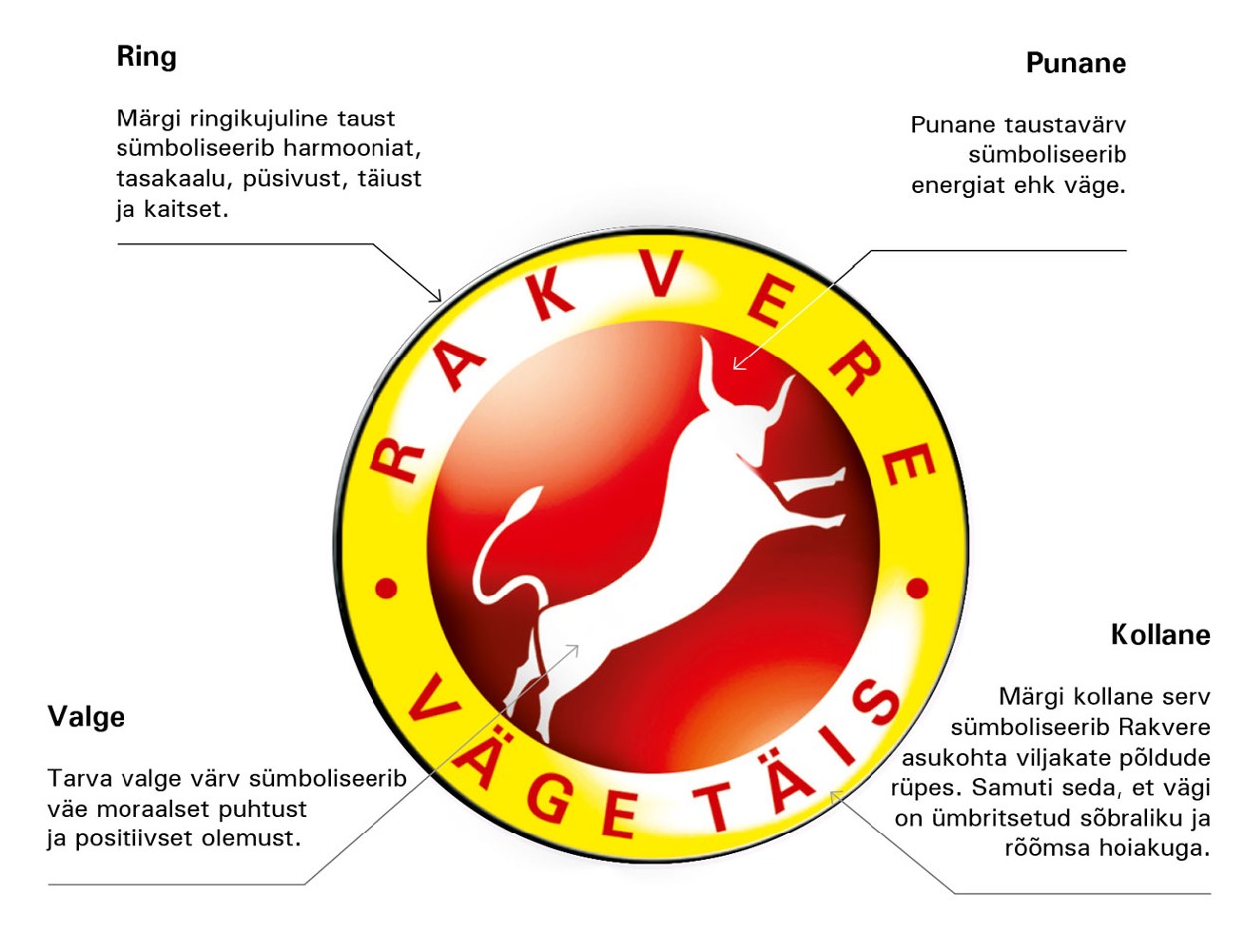 |
|
Send note to Staff
|
|
|
Pillar Of The Community
United States
7239 Posts |
|
|
Thanks kuikka! I have stored the information with the stamp. Here is an April 19, 1930 Easter greetings card from Tallinn sent to a location which does not come up on my Baltic States directories: Kobalik or Kabalik. 'Kobalik', by itself, seems to mean cobalt. The machine cancel is listed by the Hurt and Ojaste handbook as #241, used in Tallinn in 1929-30. The time on the cancel is 3-5 pm (K. 15-17). The slogan says, "Pick up products from your home country". The internet translations of the inscription on the picture side of the card do not make sense to me. One says, "Romance of resurrection!", and the other says, "The resurrection of the Romans!" 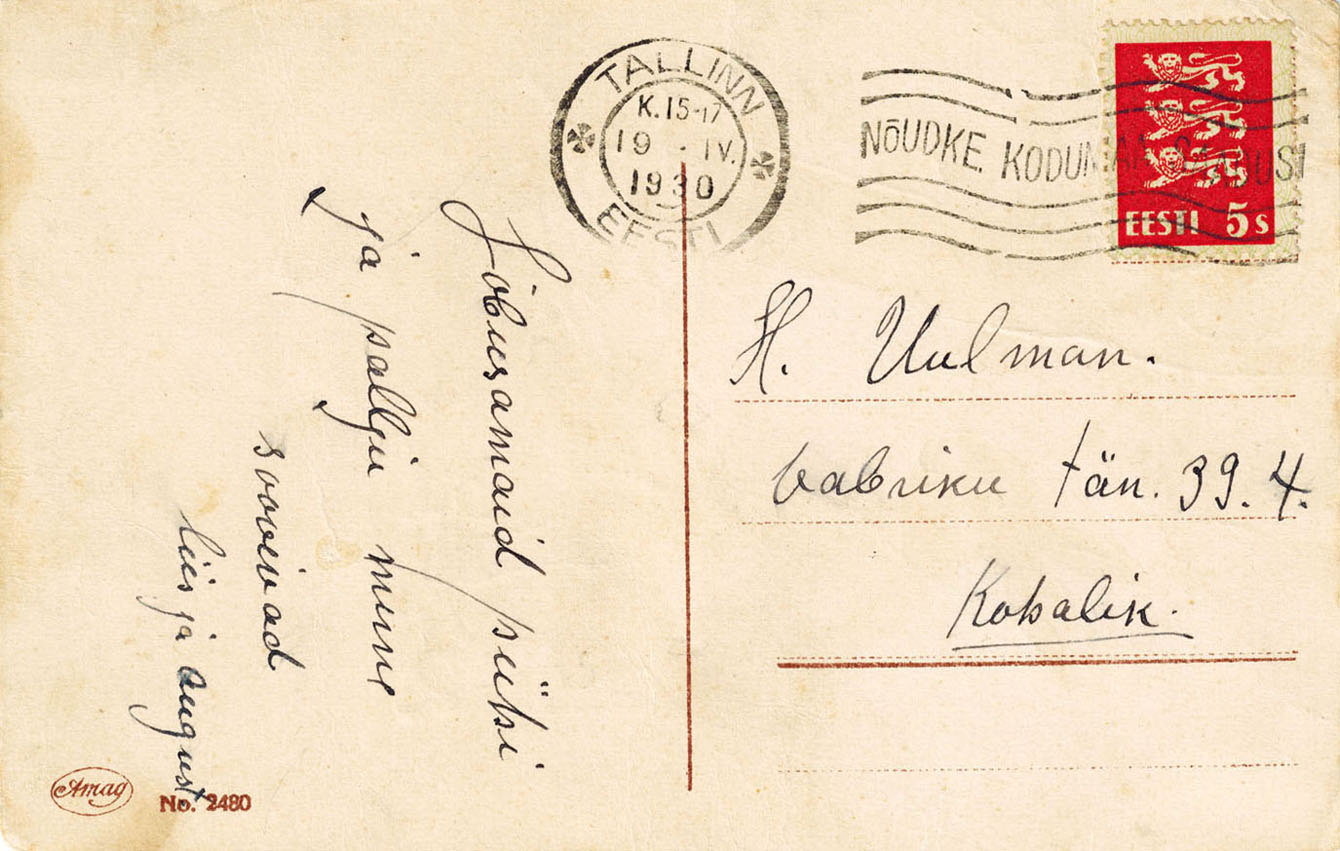 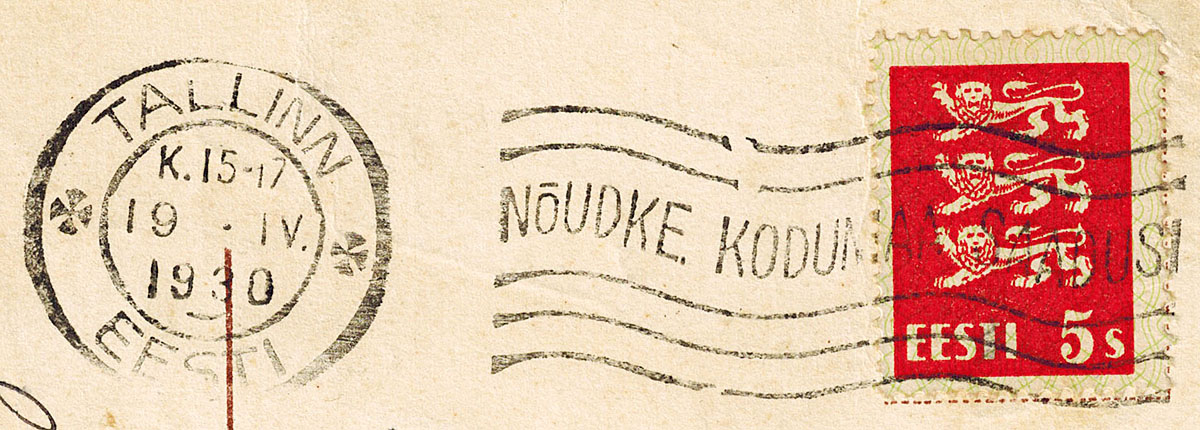 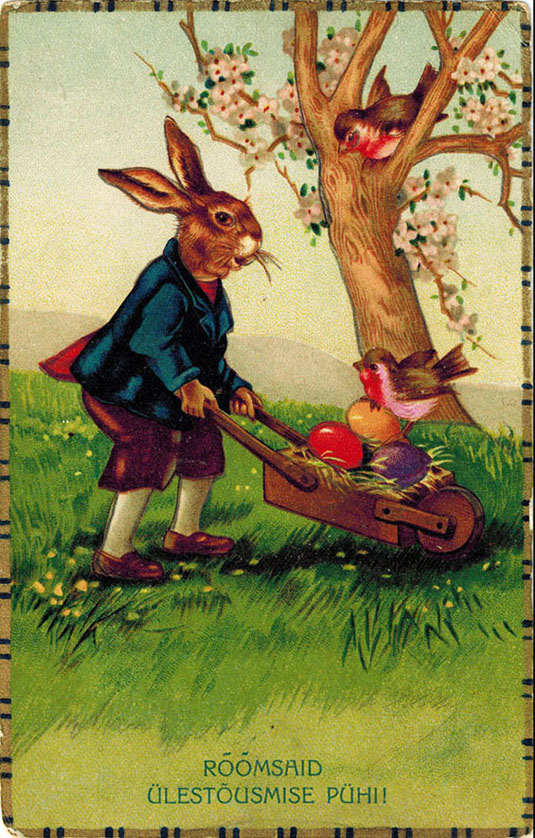 |
|
Send note to Staff
|
|
|
Pillar Of The Community
France
2941 Posts |
|
|
Valued Member
United States
245 Posts |
|
|
I am an active member of the International Society of Worldwide Stamp Collectors (ISWSC) and trade in both their catalog value-based and one-for-one circuits - get virtually all the Estonia stamps I see, either for my collection or better trades. |
|
Send note to Staff
|
|
|
Pillar Of The Community
United States
7239 Posts |
|
|
Thanks Vayolene!
I'm guessing that if I understood what the diacritics meant with the northern languages it would help. |
|
Send note to Staff
|
|
|
Valued Member
Finland
183 Posts |
|
|
The diacretics with the Northern languages are not diacretics at all in the sense you think. They are independent alphabets.
Just like Q is not a modification of O in English, in Northern languages Å, Ä, Ö, Õ, Ü, Æ and Ø are not modifications of A, E, O or U. Here Northern languages include Swedish, Norwegian and Danish (Scandinavian languages) + Finnish and Estonian (Finno Ugrig languages).
If there is interest on this issue, I can try to explain it in more detail. |
|
Send note to Staff
|
|
|
Valued Member
Finland
183 Posts |
|
|
The city in postcard is Kohalik, which you cannot find in any directory, because it means 'local'. Based on the post mark I would say it means Tallinn. To double check you can search if the address is found in Tallinn. The street is Vabriku tänav.
Edited a typo. |
|
Send note to Staff
|
| Edited by kuikka - 11/14/2021 11:22 pm |
|
|
Valued Member
Finland
183 Posts |
|
|
I would translate the postmark as 'Demand domestic products'.
Regarding the text on picture side, one reason for odd translations is that Easter in Estonian is literally 'resurrection'.
The handwritten message is:
Joyful holidays and many eggs, wish Liis and August. |
|
Send note to Staff
|
|
|
Replies: 181 / Views: 24,867 |
|




 Posted 07/06/2021 5:29 pm