| Author |
 Replies: 33 / Views: 9,138 Replies: 33 / Views: 9,138 |
|
New Member
United States
3 Posts |
|
|
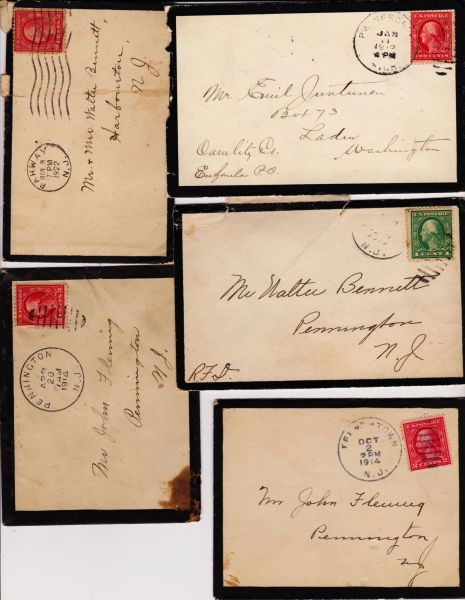
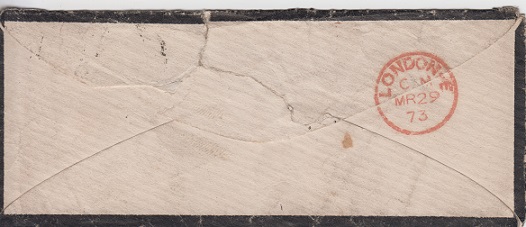
I got into collecting mourning covers a couple months ago after a presentation at a stamp club meeting. I keep thinking about what a dreadful feeling one would get after finding one of these in the mail box. The black border indicates it is a mourning cover (death announcement).  |
|
Send note to Staff
|
|
|
|
|
Pillar Of The Community
Canada
1324 Posts |
|
|
Pillar Of The Community
United States
797 Posts |
|
|
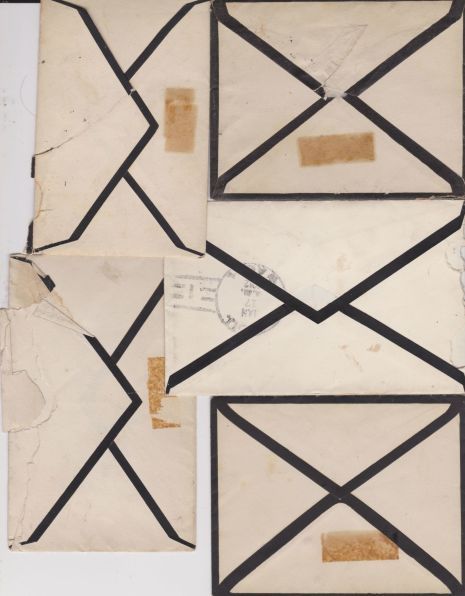
This was (is) mostly a European custom, especially Italy and not usually practiced here in America. Many also blacken the back envelope fold edges as below:  |
Send note to Staff 
|
Albert |
|
|
Pillar Of The Community
United States
858 Posts |
|
|
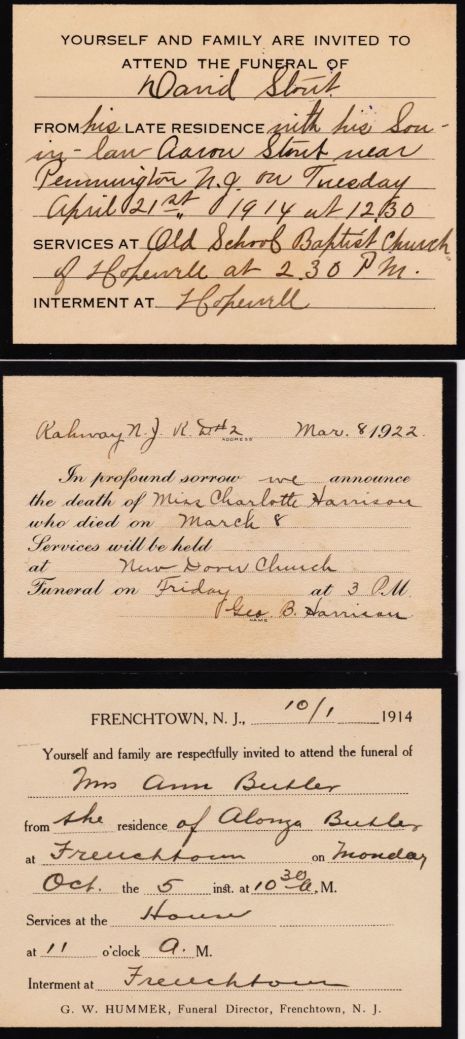
There are plenty of US examples. Here's one from my collection of places I've lived. It's a bit unusual to find a mourning cover sent at printed matter rates; this one encloses a printed funeral notice.  |
|
Send note to Staff
|
| Edited by paperhistory - 12/26/2014 2:11 pm |
|
|
Valued Member
United States
428 Posts |
|
|
I might very well be incorrect, but a mourning cover does not necessary indicate a death announcement. In the past, the rules regarding death and morning were quite exact and the mourning period observed for a departed depended on a number of factors. Such as your relationship to the departed, your age etc etc. If you were in mourning, in "good" company, it was expected that your written correspondence would be written on mourning stationary. Pls see Emily Post here in 1922. http://www.bartleby.com/95/27.html. So most usually, it is the writer of a mourning cover that was in mourning, not the recipient and the contents of the letter might have little or nothing to do with death. |
|
Send note to Staff
|
|
|
Bedrock Of The Community
United States
12128 Posts |
|
|
Pillar Of The Community
United States
2782 Posts |
|
|
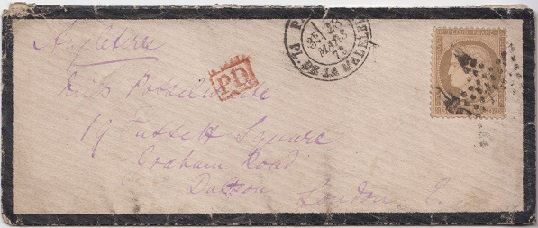
Here's a stampless British mourning cover from 1841  U.S. mourning cover.  One from Hungary which doesn't look like one until you unfold it and see the contents:   I've seen quite a few from France and Germany as well and even one from Thailand. |
|
Send note to Staff
|
|
|
New Member
United States
3 Posts |
|
|
I have some mourning stamps with the black border. I had no idea what the border meant until I learned about the covers. Some mourning stamps don't have boarders at all. The United States Franklin D. Roosevelt series (Scott 930 - 933) can be considered mourning stamps. |
|
Send note to Staff
|
|
|
Bedrock Of The Community
United States
12128 Posts |
|
|
Battlestamps: As to the US mourning cover posted above, as addressed to Cyril Archibald, Esq., Dickinson's Landing, Ontario, and postmarked Dundas, Minnesota, you may be interested in this collateral information on the addressee:  |
|
Send note to Staff
|
|
|
Valued Member
452 Posts |
|
|
Pillar Of The Community
1515 Posts |
|
|
Rest in Peace
United States
7097 Posts |
|
|
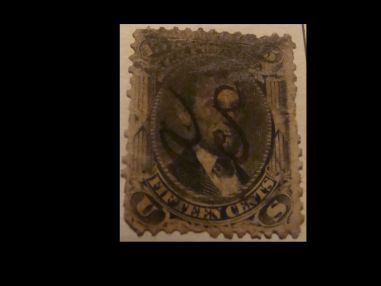
I once seen, or maybe read that US Scott #77 is a mourning stamp or considered one maybe? Anyone know anything more about this? Here is mine so you can see an illustration of what stamp I'm referring too. (for you non-US collectors) 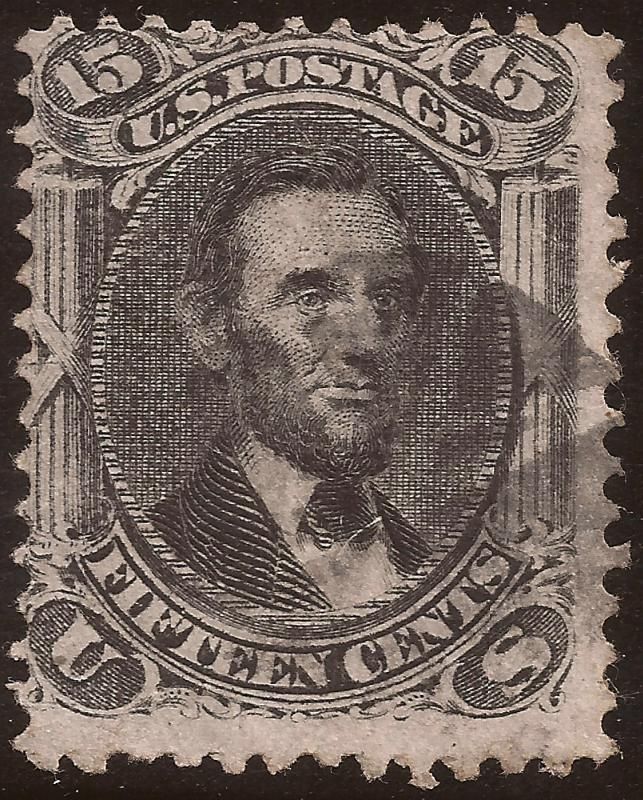 |
|
Send note to Staff
|
| Edited by I_Love_Stamps - 12/27/2014 12:21 pm |
|
|
Valued Member
452 Posts |
|
|
Bedrock Of The Community
United States
12128 Posts |
|
|
Valued Member
United States
44 Posts |
|
|
I'm curious why Mourning Covers went out of style. They seem to be VERY popular early in the twentieth century and before. Anyone know? |
|
Send note to Staff
|
|
|
Bedrock Of The Community
United States
12128 Posts |
|
|
Quote:
I'm curious why Mourning Covers went out of style. I don't know for sure, but in my opinion it comes down to "communication". Back in the 19th and early 20th centuries the only means of communication was via the mail, thus the mourning covers were created to send word of a death. It seems to me that mourning covers fell out of favor about the time when it was commonplace to have a daily newspaper (instead of a weekly) and when the telephone came into popularity in the private home. Communication was much easier and quicker than it used to be, so the printed "death notice" typically enclosed in a "mourning cover" fell aside in deference to the published newspaper obituary or telephone communication advising a friend or family member of a person's death. Although it is a rather morbid subject, back in the 19th and early 20th centuries it was not uncommon to have a wake or funeral in a person's house instead of in a funeral home or at a church. It was even considered acceptable to photograph the deceased as a remembrance of their passing. For some of these sort of things modern times have changed for the better. |
|
Send note to Staff
|
| Edited by wt1 - 12/27/2014 9:22 pm |
|
|
Replies: 33 / Views: 9,138 |
|




 Posted 12/26/2014 12:08 pm