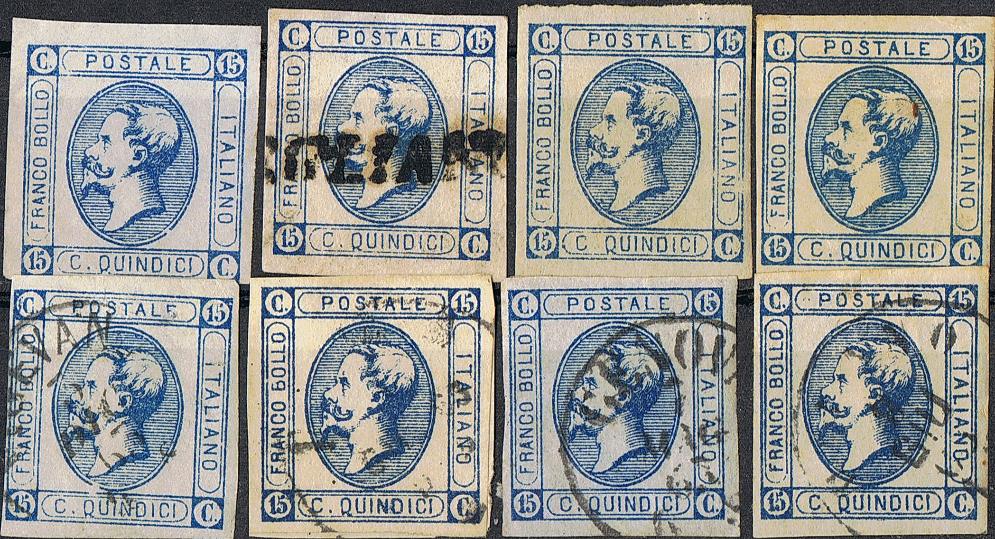
| Author |
 Replies: 78 / Views: 8,304 Replies: 78 / Views: 8,304 |
|
|
|
Pillar Of The Community
2013 Posts |
|
|
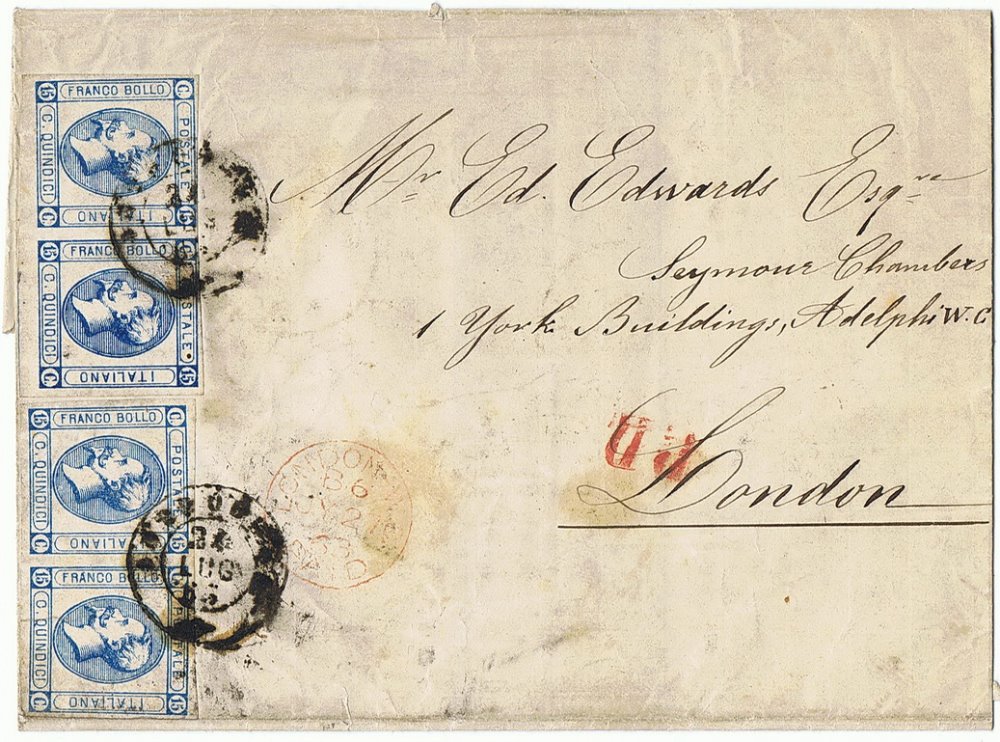
The op is not a type I . He don't have the small bar at 90 degree at the end of upper c part . I think they call it serif .beside I think I see the closure of the op stamp being black. A better scan will confirm it. 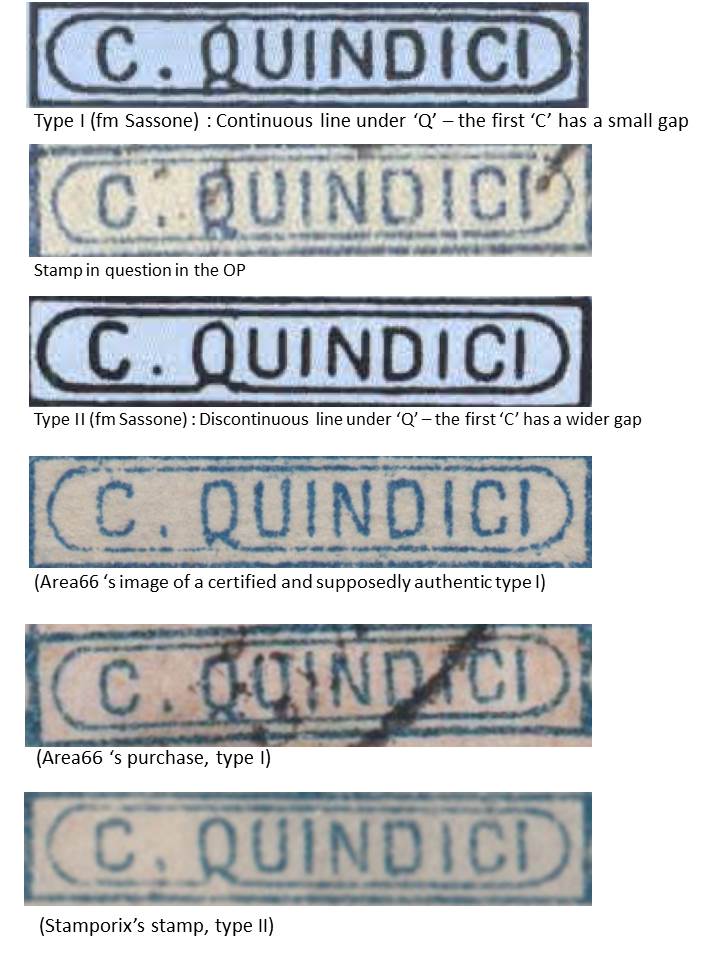 |
Send note to Staff 
|
| Edited by area66 - 06/23/2017 07:05 am |
|
|
Pillar Of The Community
2013 Posts |
|
|
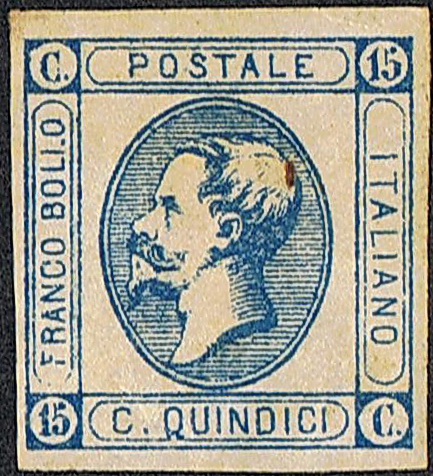
I found another way to ID a type I, the upper left C have a the the vertical bar that close the C going down 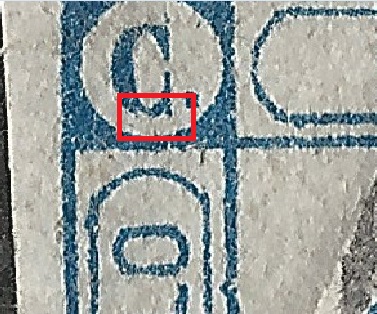 The OP stamp don't have the bar going down 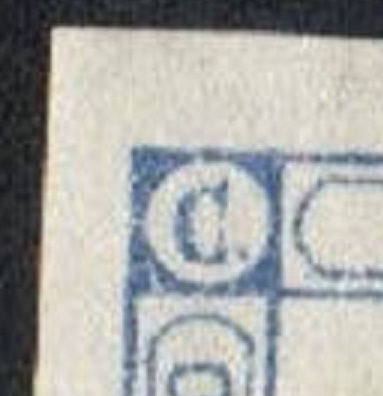 |
|
Send note to Staff
|
|
|
Pillar Of The Community
2013 Posts |
|
|
Here difference type II at left , I at right 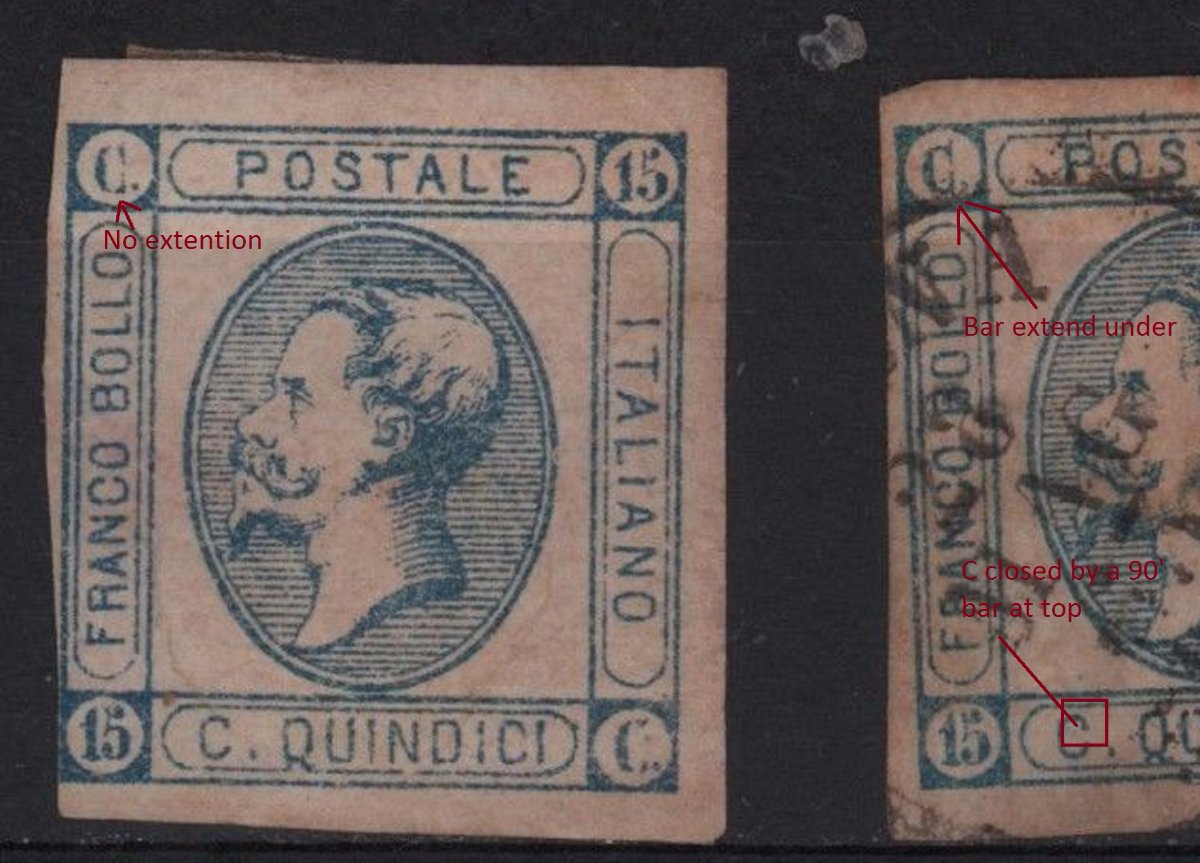 |
|
Send note to Staff
|
| Edited by area66 - 06/23/2017 06:54 am |
|
|
Pillar Of The Community
2013 Posts |
|
|
Again let's look at a certified type I stamp the bar extend in the upper left C and the 90' bar in the upper part of the bottom C 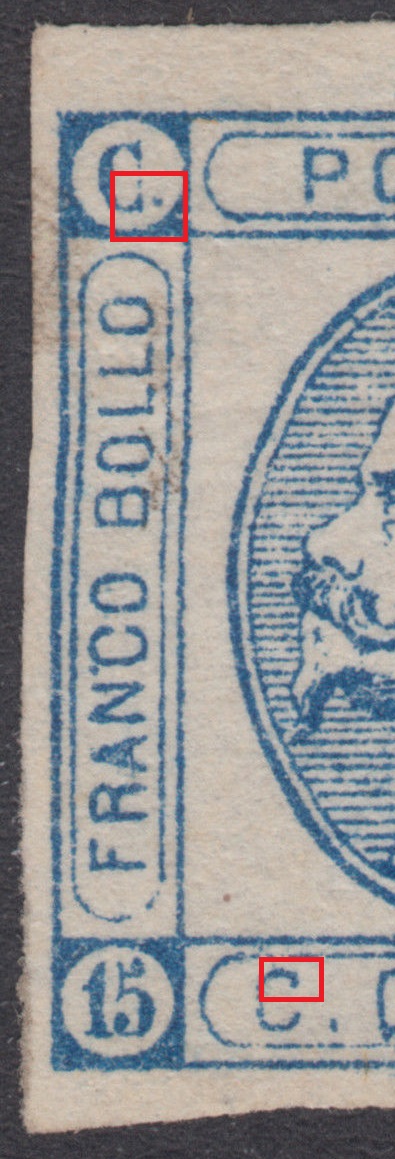 |
|
Send note to Staff
|
|
|
Pillar Of The Community
2013 Posts |
|
|
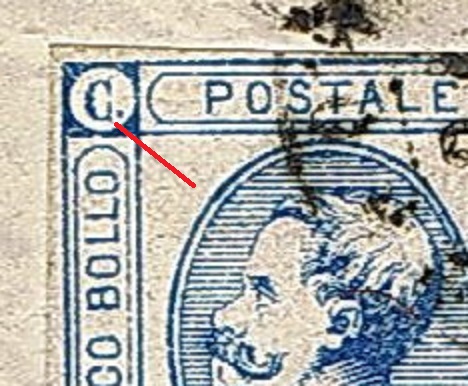
Here a closeup of the op stamp I think the parts in red are black part of cancel or other thing and probably the yellow too a 1200 dpi scan of that part will tell US 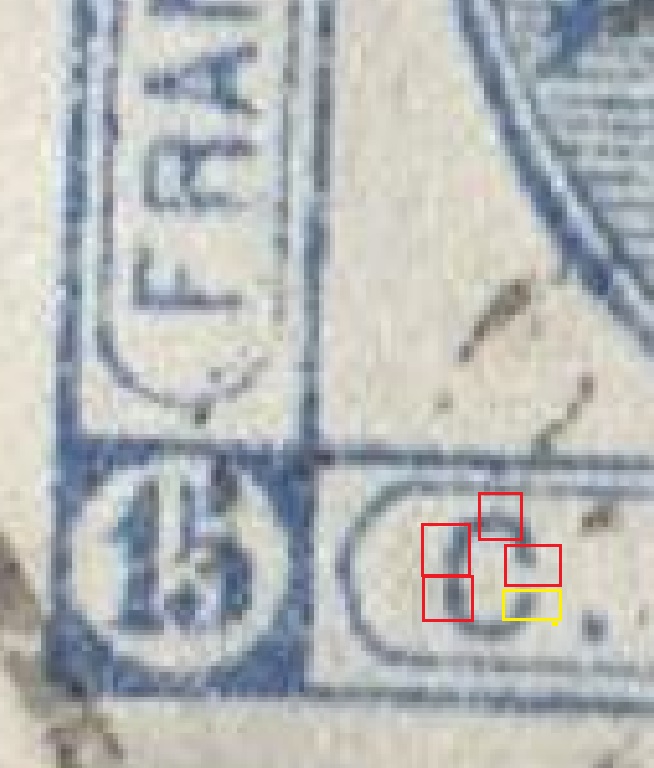 |
|
Send note to Staff
|
| Edited by area66 - 06/23/2017 07:15 am |
|
|
Pillar Of The Community
559 Posts |
|
|
i can only speak for danish and swedish production of stamps, so when I state it's in regards of those 2. I doubt (but do not know) it has been much different in other countries.
before 1900, when you needed a new stamp you would hire people to fashion a few specimens, the ones you liked (you being the postal service or whoever was in charge) would be made into copper clichés, and tested in various colors.
of those you'd choose one!
this one single cliché you would then duplicate by pressing it down in a special wax which you then powdered with graphite, the negative imprint would thus be an electric conduct. after electrolizing it for some days the wax would harden enough for it to be used to make replicas.
from this "mother cliché" you'd make 3 new identical, and then replicate those 3 into a block of 12. making 12 almost identical clichés. those 12 would then be replicated 9 times into 108... a sheet of 100 + 8 reserve.
these 12 are almost similar but with their own little varieties - and could appear a various number of times in the sheet depending on how the final 108 was chosen.
with this explaination my point would be:
@Area66 you cannot determine alternative characteristics based on so few stamps you would need several hundred stamps just to have an assumption. you would need a complete sheet and 2-3 comparison stamps for EACH position in order to make a claim of how to tell stamps apart.
little extentions, a more or less closed C, a broken line, a somewhat broken line a complete line could just as well be lack of ink, too much ink, worn clichés, printing technique, paint consistency. weather and many other reasons.
what makes me capable of making this statement is that danish postal museums have preserved many hundreds of sheets given to them by the printing company, and the printing house has made extremely detailed protocols of what they made throughout the years and these too are preserved so we know these things for certain.
knowing how stamps are made down to the detail is key knowledge when you seek to plate stamps, search for varieties and so on.
if such information was available from the italian postal service, you could most likely devide these types much easier.
my guess is that the types are either simply evidence of an exchanged from worn down clichés to new ones made almost identical, so one type is used early, and other later... OR it's evidence of almost identical clichés made and a percentage of these are then called type 1 or type 2 and one is slightly less represented - like normal frame and inverted frame in danish bicolored.
the detective work you do area66 is lovely, and what fascinates me as well - but be careful to conclude.
the same can be said for you ED, when you so firmly state your oppinion on forgeries. - be careful with that as information read by others can be precieved as truthful and trustworthy and that isn't our job here.
we can merely argue and discuss - but it will always be oppinions and not fact. |
|
Send note to Staff
|
| Edited by Sorsh - 06/23/2017 09:27 am |
|
|
Pillar Of The Community
Norway
1661 Posts |
|
|
Pillar Of The Community
2013 Posts |
|
|
Quote:
@Area66 you cannot determine alternative characteristics based on so few stamps you would need several hundred stamps ..... Well this is what I'm doing, purchasing more stamps, and without a better scan we can't say it's a type I ...up to now all the type I , I have the 2 little bar on the top left stamp C and lower C ....until I found other way my assumption stand. Sosrsh if you have 1 on those stamps please post it…. It will contribute.. |
|
Send note to Staff
|
| Edited by area66 - 06/23/2017 2:33 pm |
|
|
Valued Member
Switzerland
251 Posts |
|
|
Pillar Of The Community
2013 Posts |
|
|
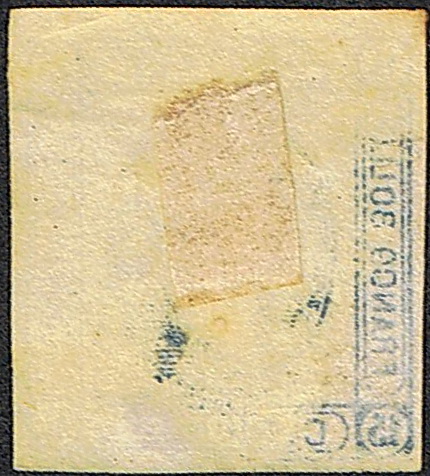
Hi Codex, the stamp print partially on reverse is a Scott 23 Type II .......it probably laid on another sheet not dry. a 23f printed on both side exist and they are printer waste , but it's a type I and the 23f have no gum.
Do you have a better scan of one of the pair of stam on the cover ?
|
|
Send note to Staff
|
| Edited by area66 - 06/23/2017 5:27 pm |
|
|
Valued Member
Switzerland
251 Posts |
|
|
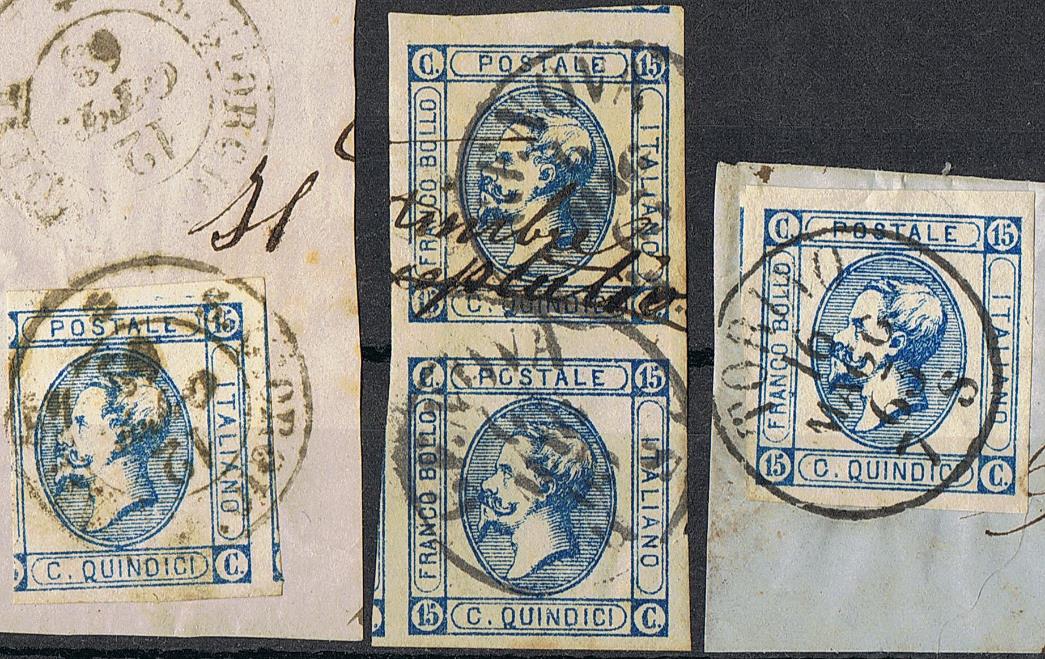
Thanks for the answer. Here is a bigger scan. I have arround a dozen of those stamps, If you are interested I can scan them. 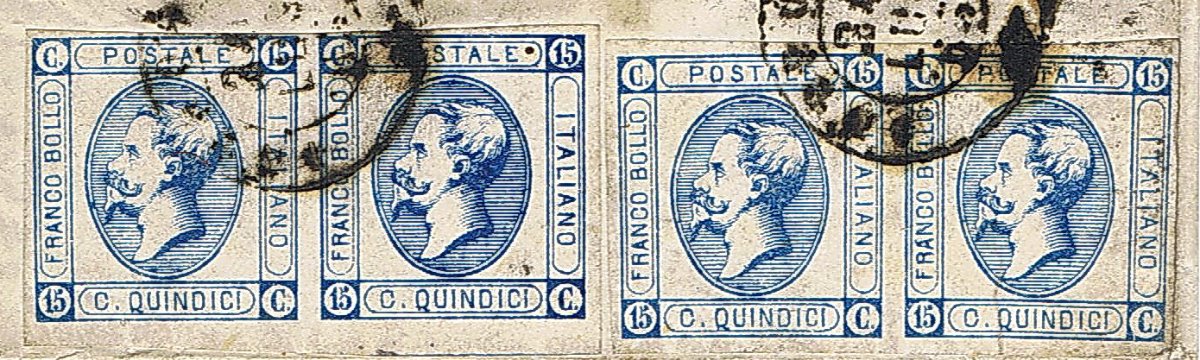 |
|
Send note to Staff
|
|
|
Pillar Of The Community
2013 Posts |
|
|
The stamp provided by Codexluminati support my theory . According to Yvert catalog, it was not only 2 types but also a second printing , confirm also on the Sassone . the date of 10 feb. for the type I and 11 of April for type II 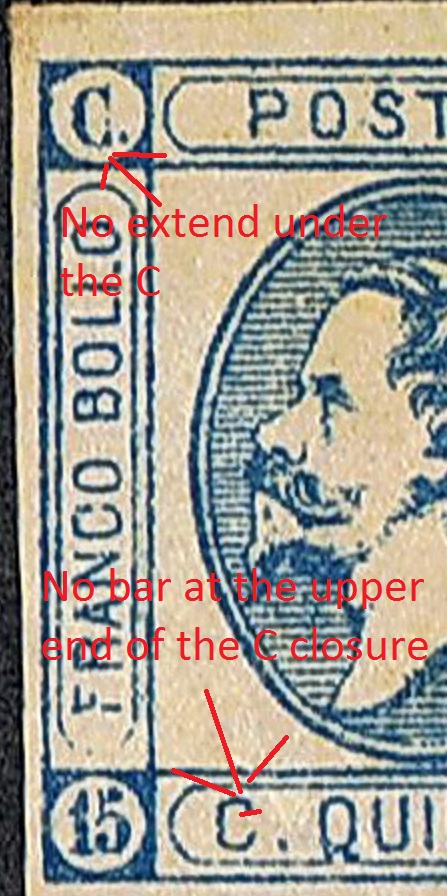 |
|
Send note to Staff
|
| Edited by area66 - 06/23/2017 5:51 pm |
|
|
Pillar Of The Community
2013 Posts |
|
|
Quote:
hanks for the answer.
Here is a bigger scan.
I have arround a dozen of those stamps, If you are interested I can scan them. Please scan them, so we can have more info |
|
Send note to Staff
|
|
|
Pillar Of The Community
2013 Posts |
|
|
Valued Member
Switzerland
251 Posts |
|
|
Replies: 78 / Views: 8,304 |
|




 Posted 06/23/2017 04:55 am