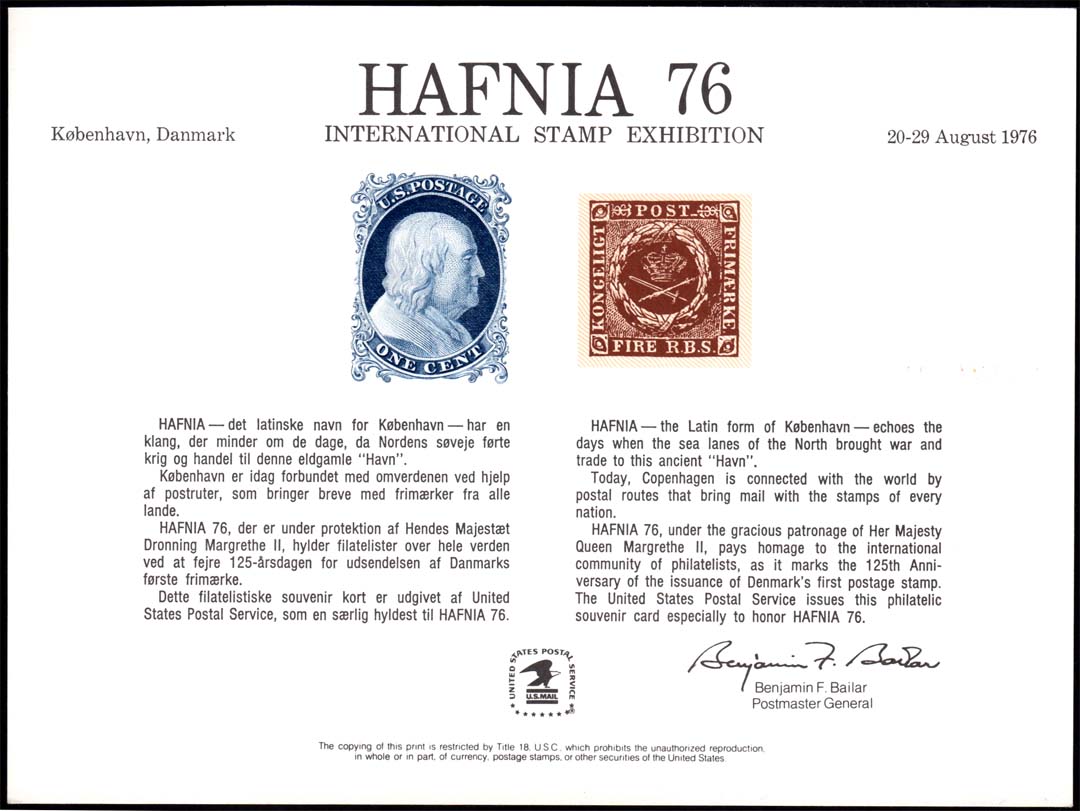
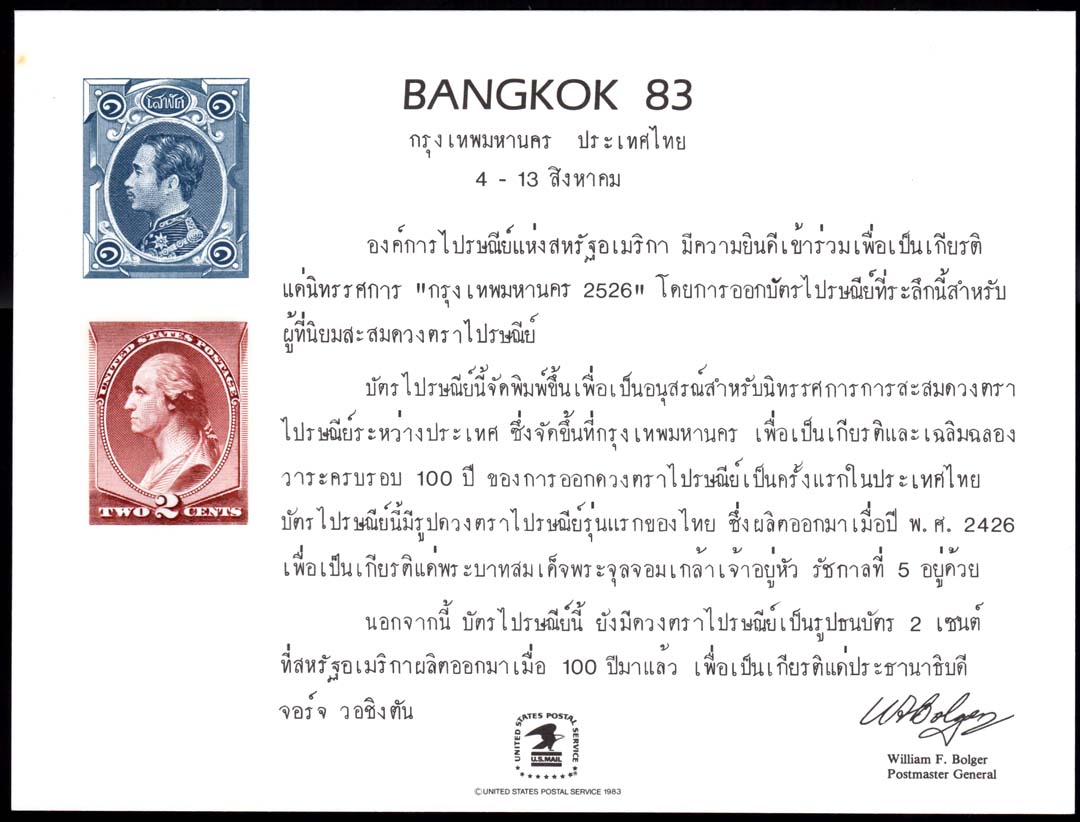
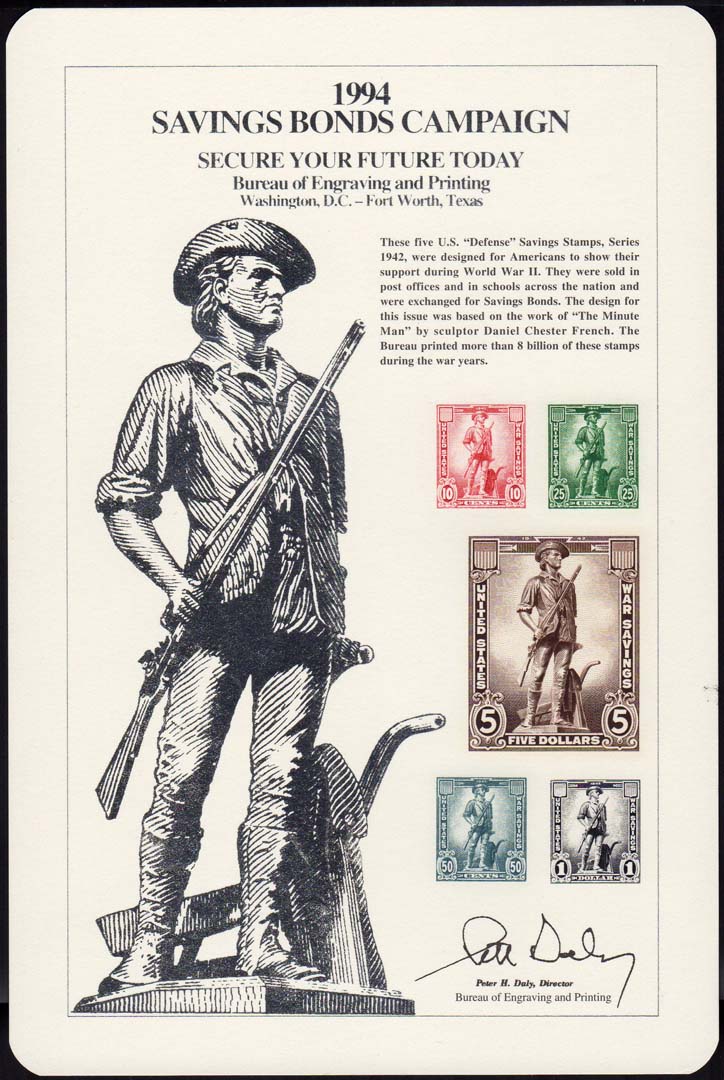
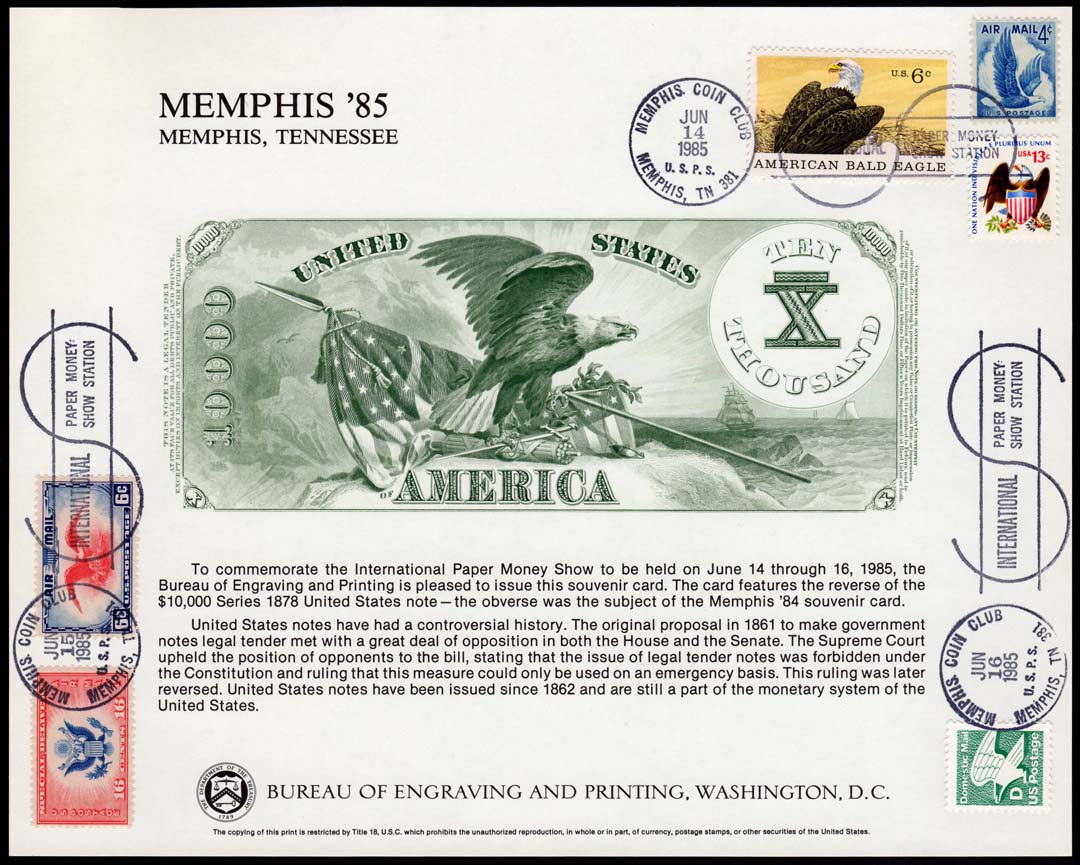
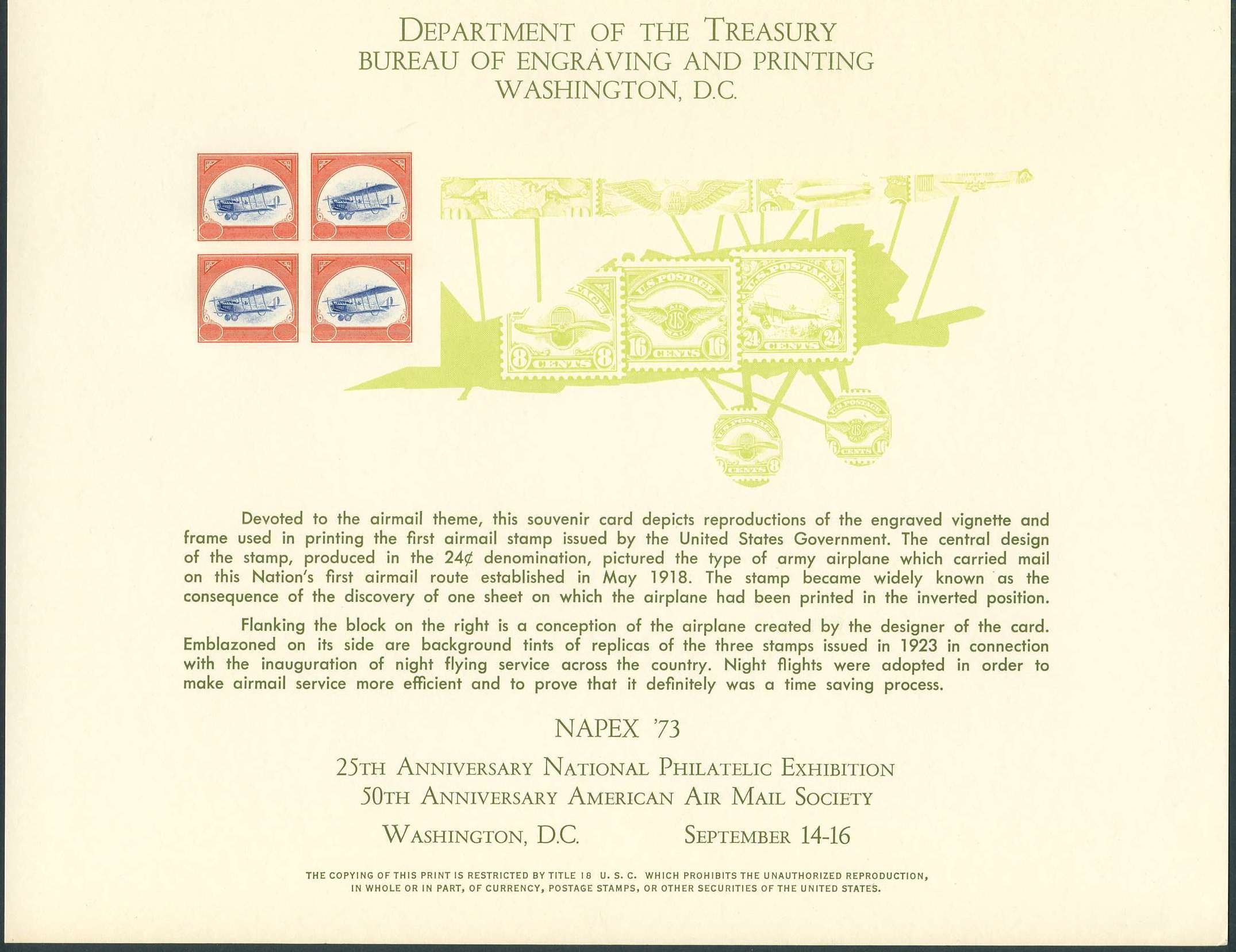
There's an interesting story behind these two souvenir cards. These were recent "discoveries" and were just assigned SCCS catalog numbers (SO-107A and B) after being issued more than 25 years ago.
Both cards were printed by American Bank Note Co. and issued in 1992 by World Wide Classics Inc. (WWCI) to commemorate the 500th anniversary of Columbus landing in the New World. (This anniversary resulted in more official cards released in 1992 than any other year.)
WWCI was a shady operation, grossly overpricing stamps and covers and telemarketing them as "investments" to unsuspecting buyers. These souvenir cards were another scheme by WWCI owner Ronald Schaefer.
Card A shows two "proofs from original dies" of Chile stamps portraying Columbus: a 1 centavo from 1901 and a 20 centavo from 1904. A set of 11 genuine specimen stamps with punch holes were affixed to the open areas of the card, which was then secured in a golden presentation album.


Card A was sold for an astronomical amount – I think the asking price was in the $500 range. (Recently the same set of specimen stamps was offered on
ebay for $66.) The text on Card A mentions that the specimens "only became available to collectors upon the sale of the American Bank Note Archives in 1990." I suspect WWCI purchased these in sheets in an ABN Archive auction then broke them up for use on the cards.
Card B depicts a single Chilean Columbus proof stamp from 1901 but has no stamps attached. I don't know what it sold for, but it may have been available only as part of a set.
Both cards appear to have had limited printings of 350 each; each has an open spot on the back for individual serial numbers, along with the typical certification statement found on other ABNC collector products.


What may have disrupted WWCI's marketing of these cards was an investigation by the Federal Trade Commission. In 1993, the FTC levied a $10 million fine on the company for "misrepresenting to investors the value of the stamp collections they sold by up to 10 times the true value," according to an L.A. Times article. The company was forced to liquidate its assets, which the FTC used to repay some consumer and creditor losses. This liquidation probably included the Columbus souvenir cards, which may be why they dropped off the radar for a couple decades.
Despite this set-back Schaefer did not give up his scheming. In 2000, after another investigation by the FBI and FTC, Schaefer was convicted of mail and wire fraud related to the sale of Disney animation art. He eventually served three years in prison for the crimes.





 Posted 02/11/2018 03:35 am




 Jeff
Jeff