| Author |
 Replies: 58 / Views: 9,160 Replies: 58 / Views: 9,160 |
|
|
|
Pillar Of The Community
Israel
4904 Posts |
|
|
Pillar Of The Community
Israel
4904 Posts |
|
|
Save the Nubian Monuments, designed and engraved by Albert Decaris and issued by Monaco on June 3, 1961. Stamp shows Sphinx statue, Wadi-es-Sebua: 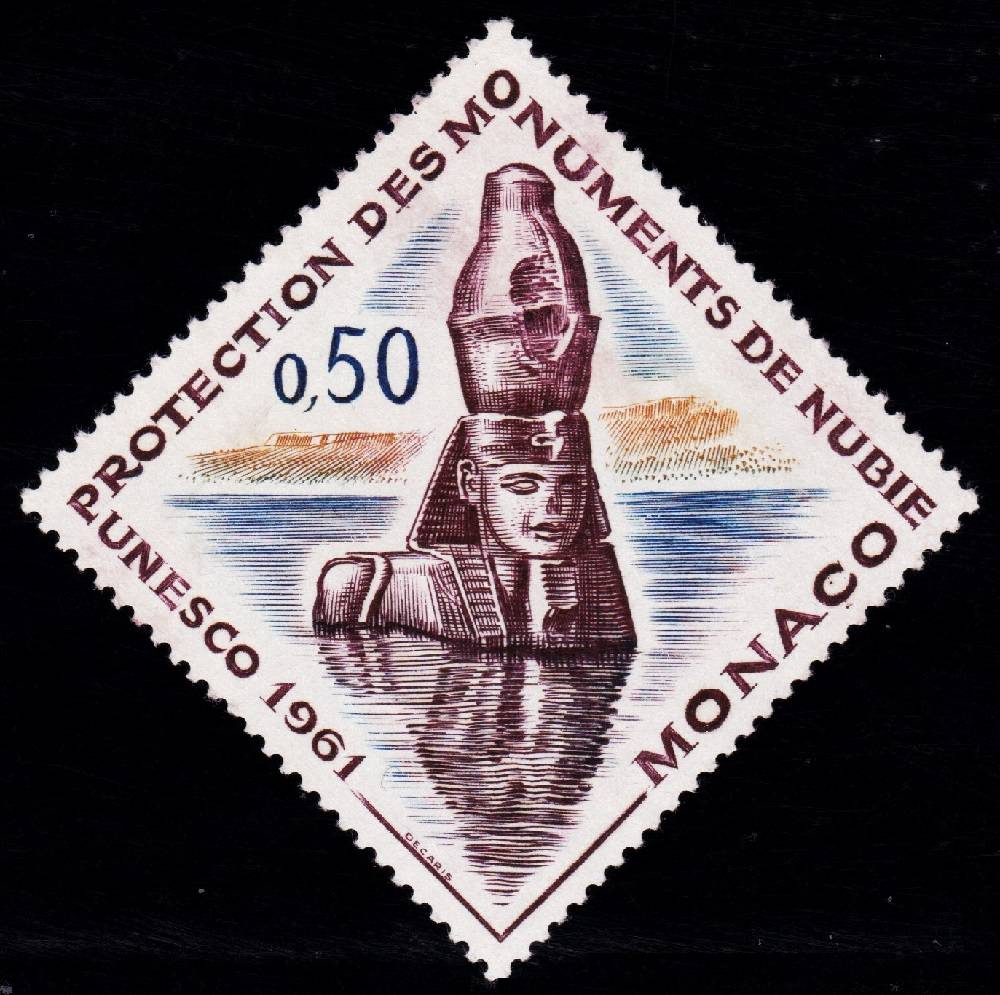 |
Send note to Staff 
|
|
|
Pillar Of The Community
Israel
4904 Posts |
|
|
Facade of the great temple of Ramesses II, Abu Simbel on one Pound banknote of Egypt, 2021: 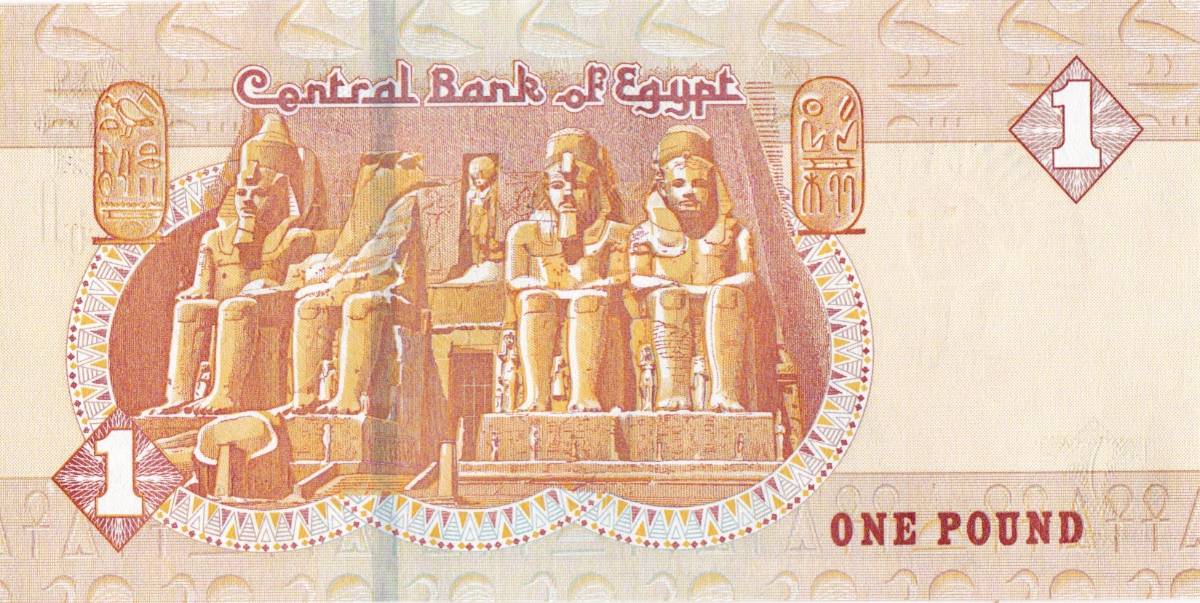 |
|
Send note to Staff
|
|
|
Pillar Of The Community
Israel
4904 Posts |
|
|
FDC of the set issued by Morocco on July 15, 1963, little different than the FDC I posted earlier in page two. On the cachet, goddess Isis, stone carving from Kalabsha Temple: 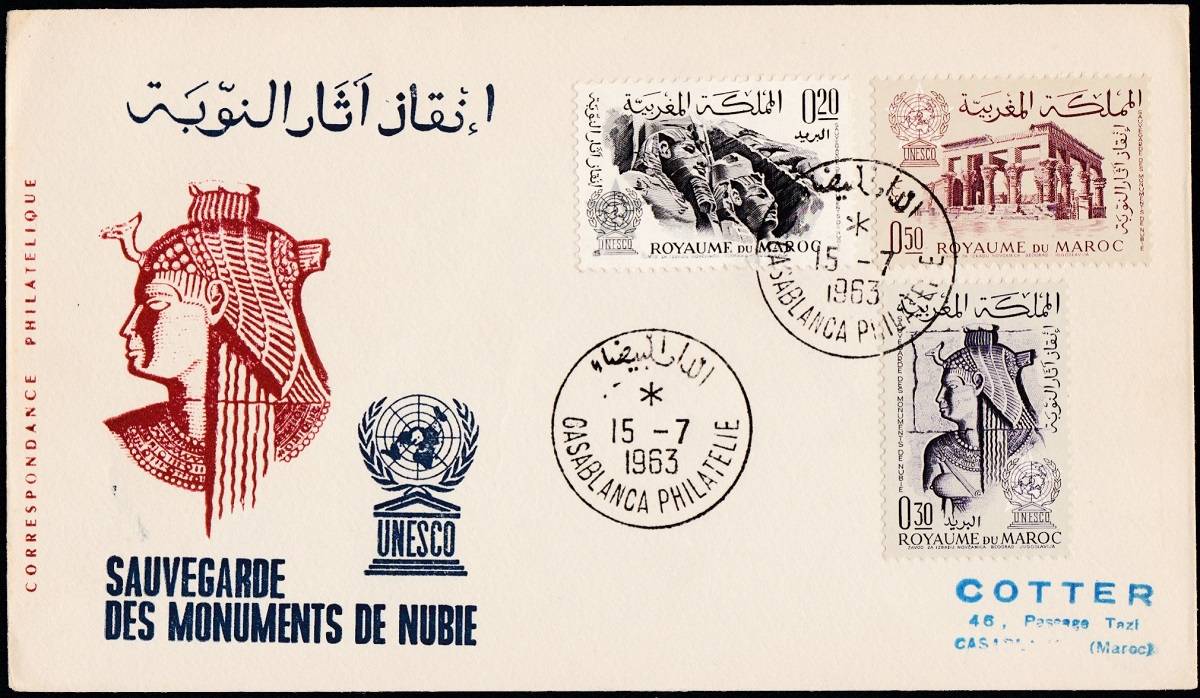 |
|
Send note to Staff
|
|
|
Pillar Of The Community
Israel
4904 Posts |
|
|
Pillar Of The Community
United States
2830 Posts |
|
|
Here is the complete set from Qatar (image not from my personal collection). 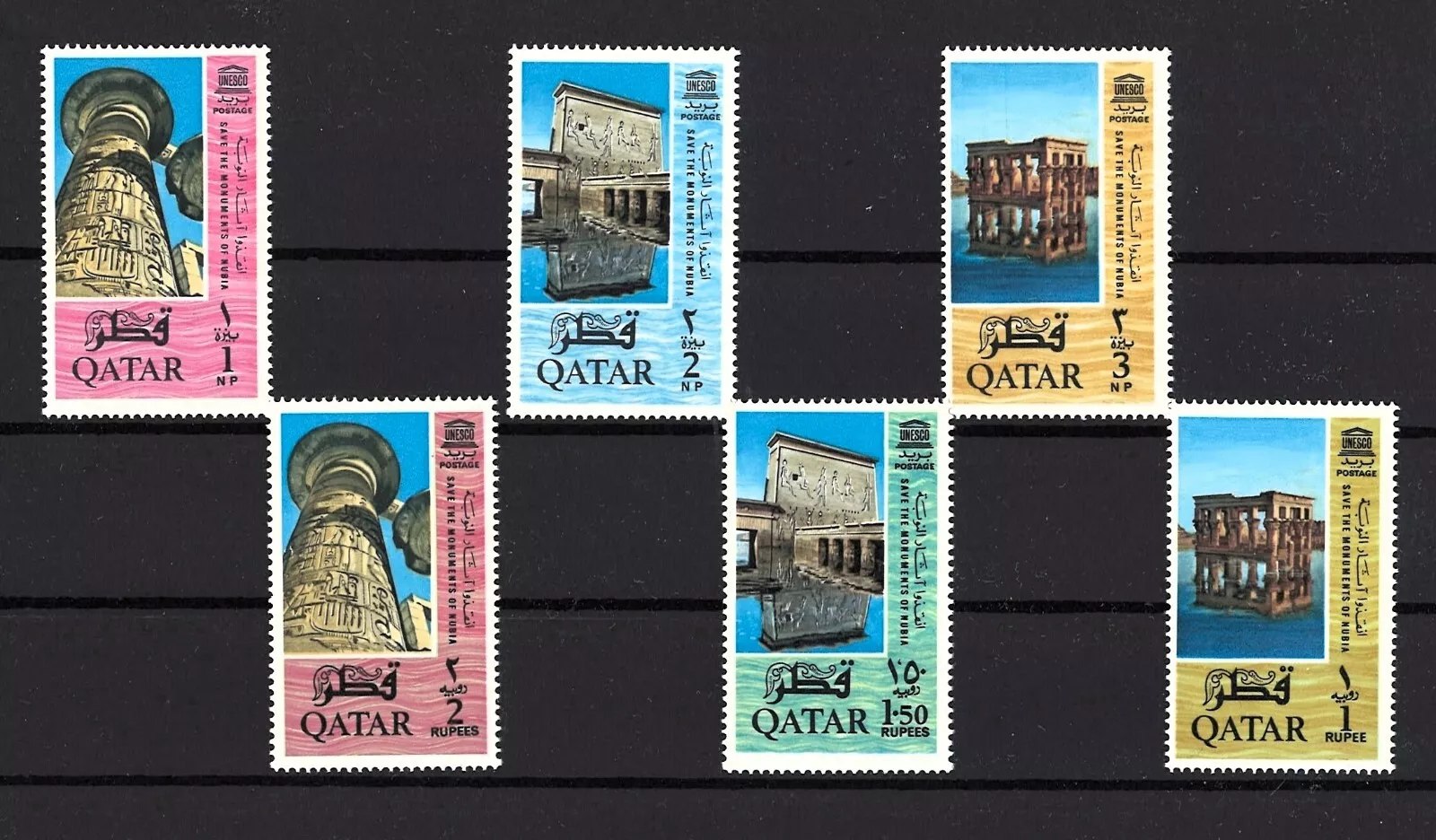 |
|
Send note to Staff
|
|
|
Pillar Of The Community
United States
2830 Posts |
|
|
Pillar Of The Community
Israel
4904 Posts |
|
|
Pillar Of The Community
Israel
4904 Posts |
|
|
Faras Cathedral was a cathedral in the Lower Nubian city of Faras. It was the original seat of the Diocese of Faras. Nobadian rulers controlling the Nile Valley from the first to the third cataracts converted to Christianity around 548 AD influenced by missionaries sent from Constantinople by the Empress Theodora. The first cathedral was erected in the 7th century, when the city was still known as Pachoras, and likely stood at the exact site where Polish archaeologists taking part in the Nubia Campaign discovered the subsequent 8th century cathedral. The site was excavated by Polish archaeologists under Kazimierz Michalowski between 1960 and 1964. Its wall paintings were salvaged prior to the flooding of Lake Nasser and are today on display in the Polish National Museum in Warsaw and in the Faras Gallery of the Sudan National Museum in Khartoum. Fresco of Faras churches saved by the Polish team, issued by Poland on April 20, 1971 (Missing the 4.5Z value): Bishop Marianos & St. Anne: 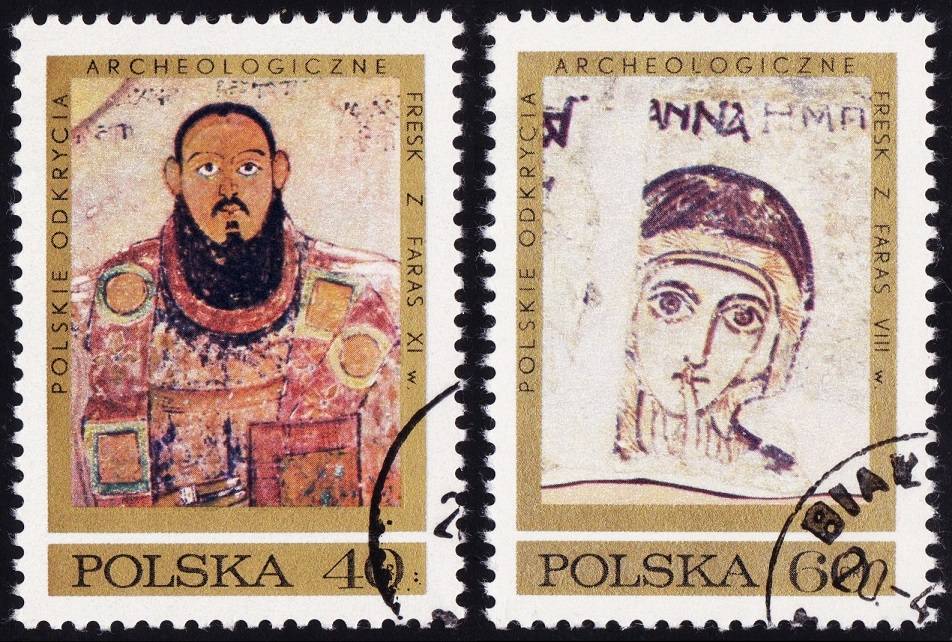 Archangel Michael & Hermit Anamon of Tuna el Gabel: 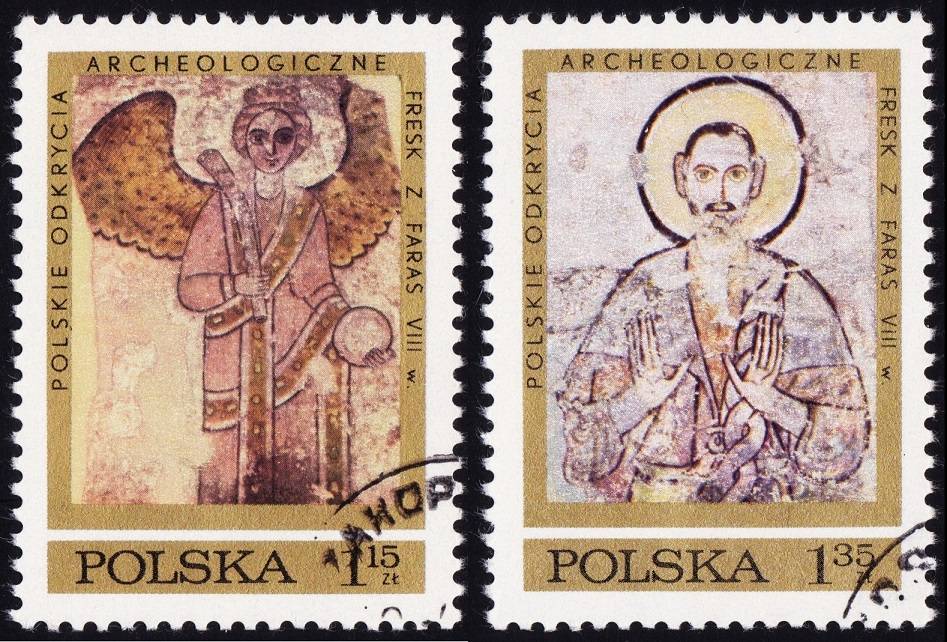 Archangel Michael & Christ protecting Nubian dignitary: 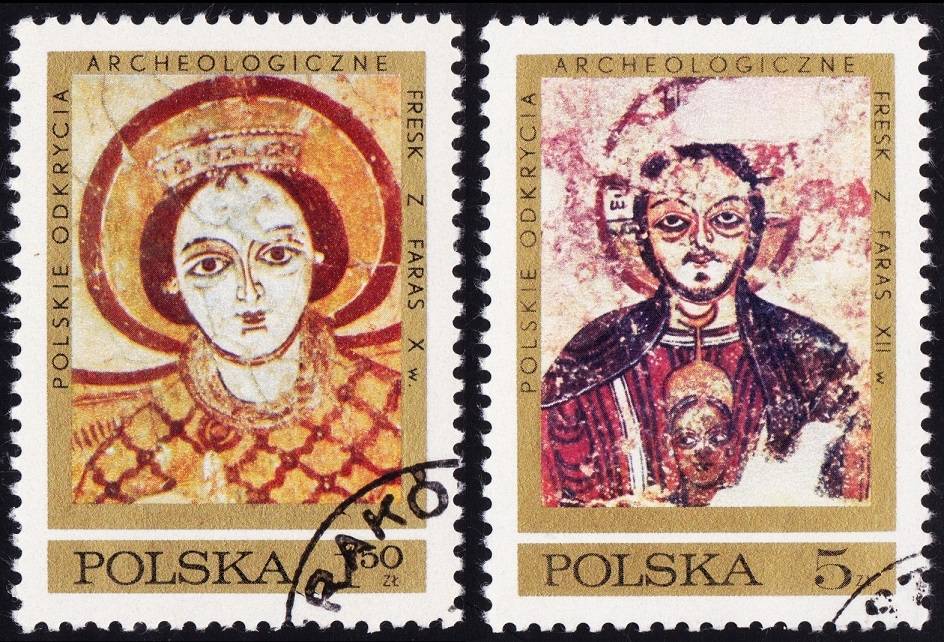 Archangel Michael: 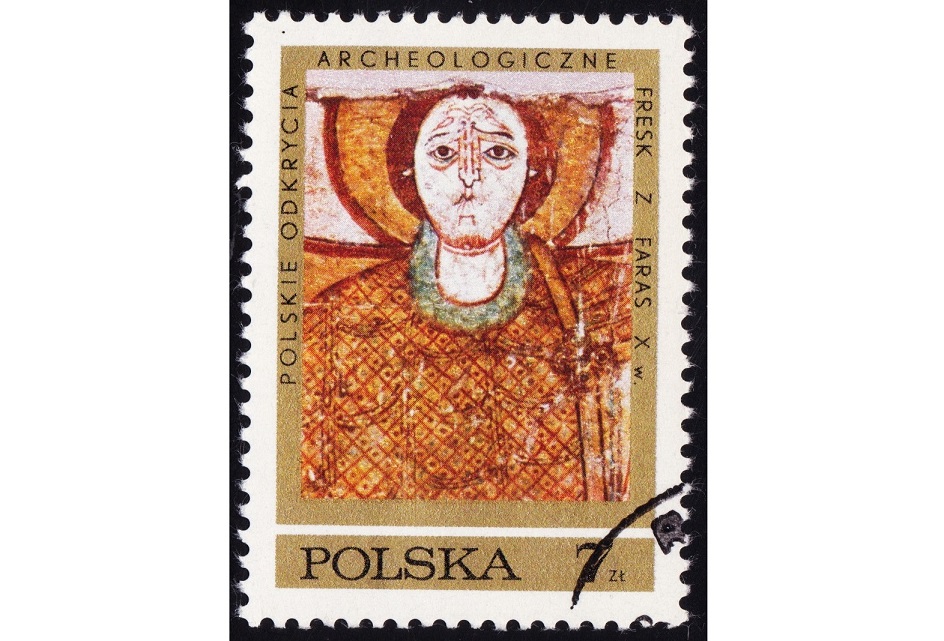 |
|
Send note to Staff
|
|
|
Pillar Of The Community
Israel
4904 Posts |
|
|
The UN issued on August 4, 2005 three identical sets of stamps show different world heritage sites in Egypt. The sets were issued for use in UN three main offices of NY, Geneva and Vienna. One of the stamps shows the temple of Isis from Philae at its current location on Agilkia Island in the reservoir of the Aswan Low Dam. Here is the stamp issued for the NY office: 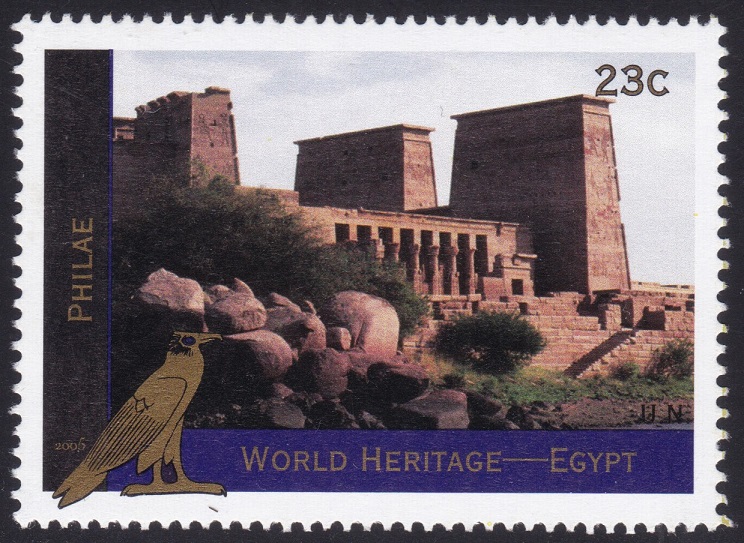 Here is the stamp issued for use in Vienna office in a sheet of four. On the margin, stone carving from Philae temple of the God Horus, falcon-headed, wearing a composite Double Crown with the two feathers and ram's horns. Horus in Ancient Egyptian, is one of the most significant ancient Egyptian deities who served many functions, most notably as the god of kingship, healing, protection, the sun, and the sky. He was worshipped from at least the late prehistoric Egypt until the Ptolemaic Kingdom and Roman Egypt. 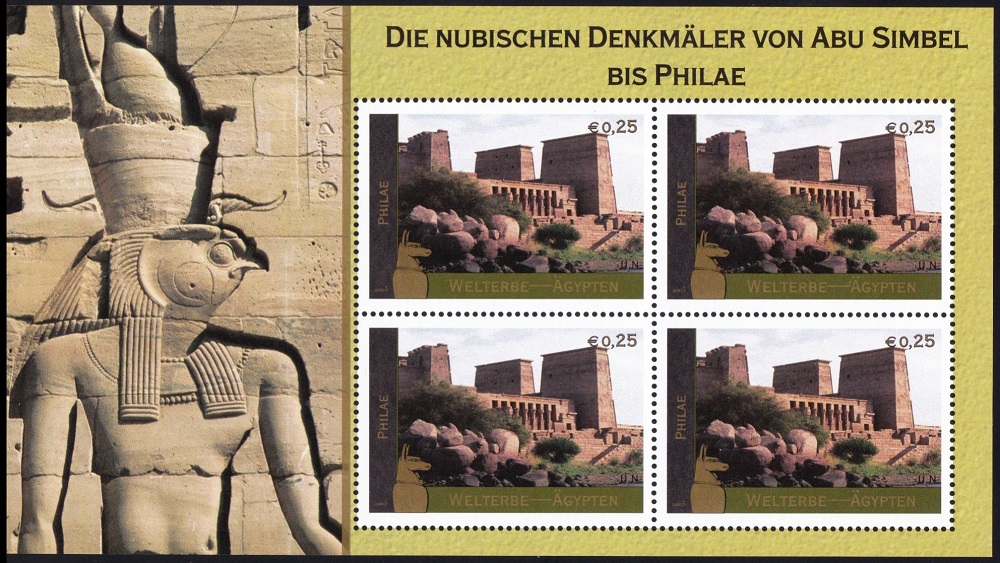 |
|
Send note to Staff
|
|
|
Pillar Of The Community
Israel
4904 Posts |
|
|
The Temple of Nefertari and Hathor at Abu Simbel was built by Ramesses II (circa 1279-1213 BCE) to honor both Hathor as the goddess of love and music and his wife Nefertari as a deified queen. Queen Nefertari being crowned by the goddesses Isis and Hathor. Carved relief from queen Nefertari temple at Abu Simbel, stamps of Egypt, 1962 & 1978 and Guinea, 1964: 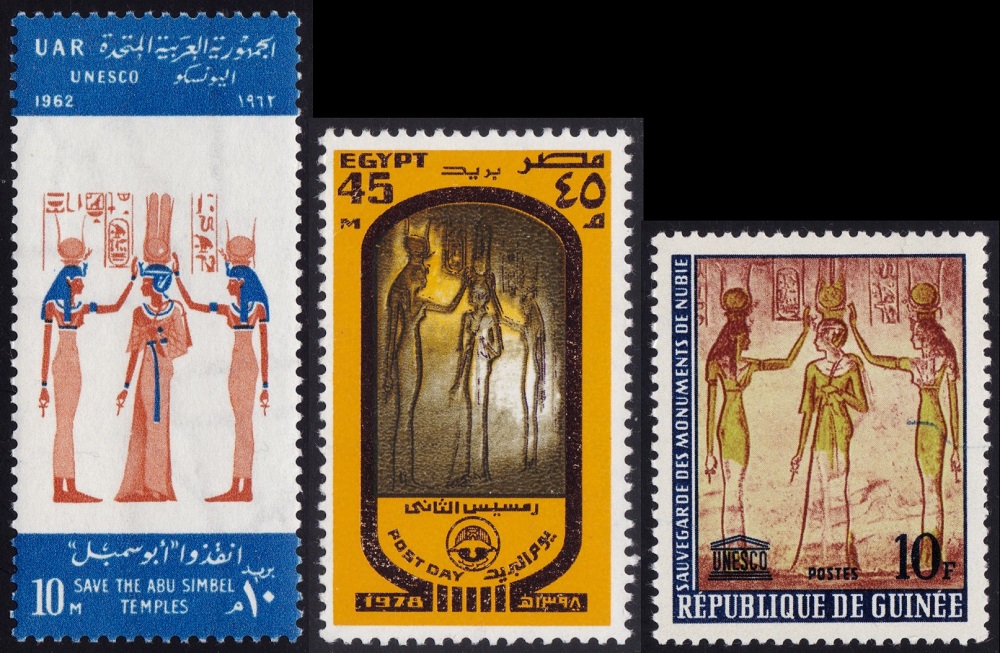 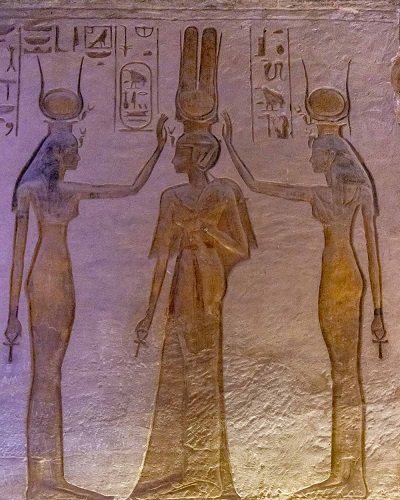 |
|
Send note to Staff
|
|
|
Pillar Of The Community
Israel
4904 Posts |
|
|
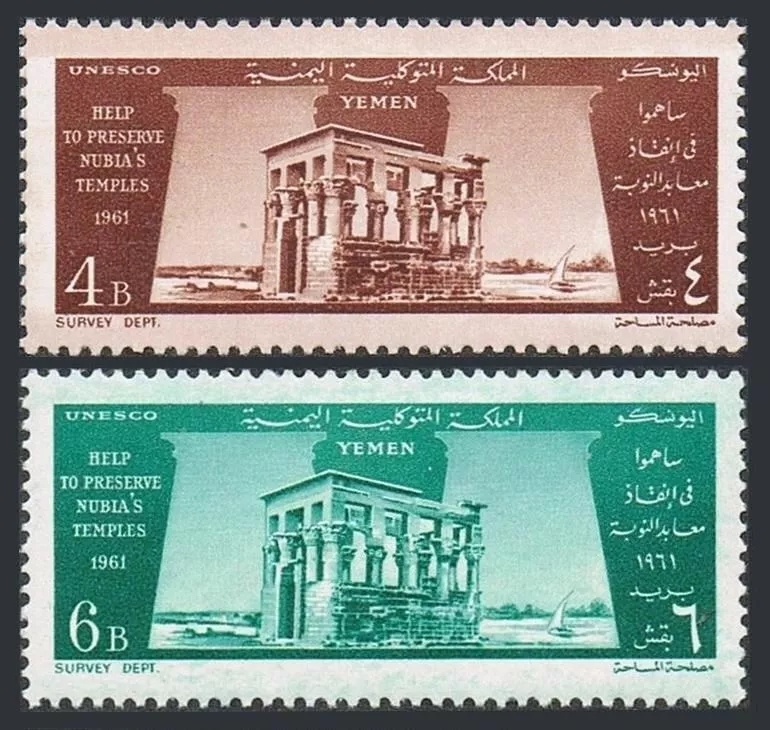
Facade of the great temple of Ramesses II, Abu Simbel, issued by Egypt on August 1, 1972: 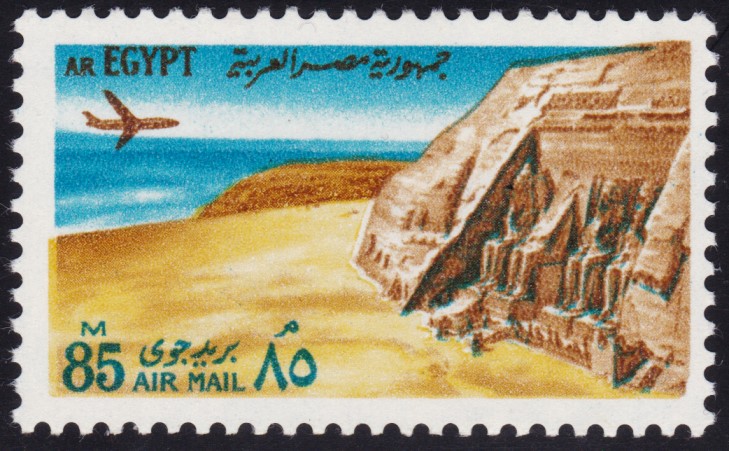 Trajan's Kiosk, issued by Egypt on November 15, 1961 to commemorate the 15th anniversary of UNESCO: 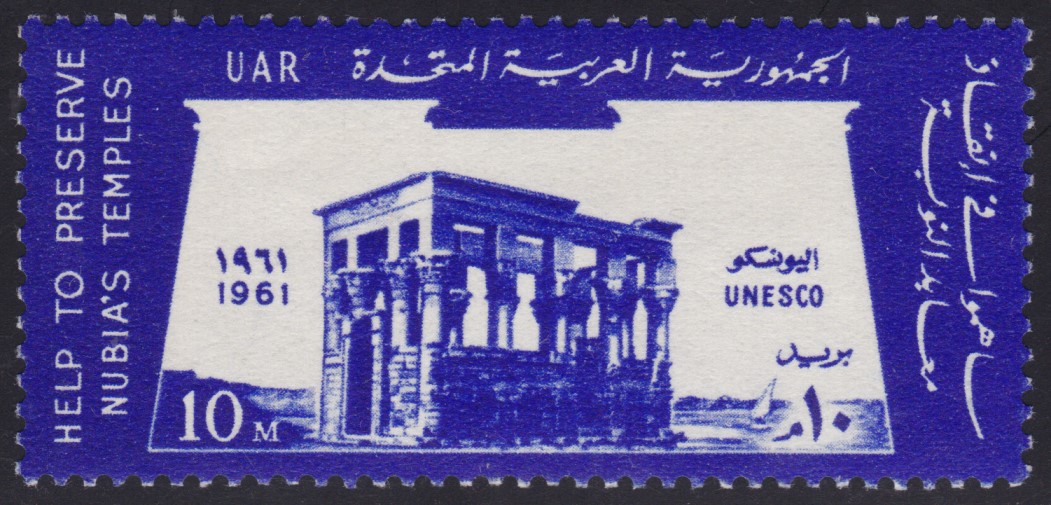 Trajan's Kiosk is a temple currently located on Agilkia Island. It is attributed to Trajan, Roman emperor (98 - 117 AD), due to his depiction as Pharaoh seen on some of the interior reliefs. However, the majority of the structure dates to an earlier time. The temple was originally built on the island of Philae and served as main entrance to the Philae Island Temple Complex from the Nile river. It was relocated to Agilika Island in the 1960s as part of the UNESCO Campaign to Save the Monuments of Nubia. |
|
Send note to Staff
|
|
|
Pillar Of The Community
Israel
4904 Posts |
|
|
Goddess Isis (could be Hathor), issued by Argentina on September 14, 1963 to publicize the UNESCO campaign to save Nubian monuments. 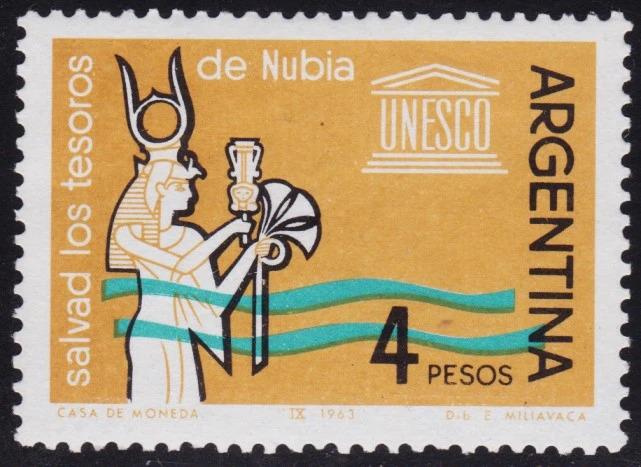 |
|
Send note to Staff
|
|
|
Replies: 58 / Views: 9,160 |
|




 Posted 03/19/2023 4:31 pm