I've become increasingly frustrated with how
ebay handles counterfeit U.S. postage stamps.

I recently purchased USPS Forever stamps from a
high-volume ebay seller with 100% positive feedback. The first purchase was only a block of four stamps costing less than $10.
A few hours later, before receiving or inspecting the first order, I made a second, more expensive purchase of three booklets. Because this was a larger purchase, I intended to buy sealed booklets from a different seller so I could be confident they were genuine. However, I mistakenly placed the second order with the same seller.
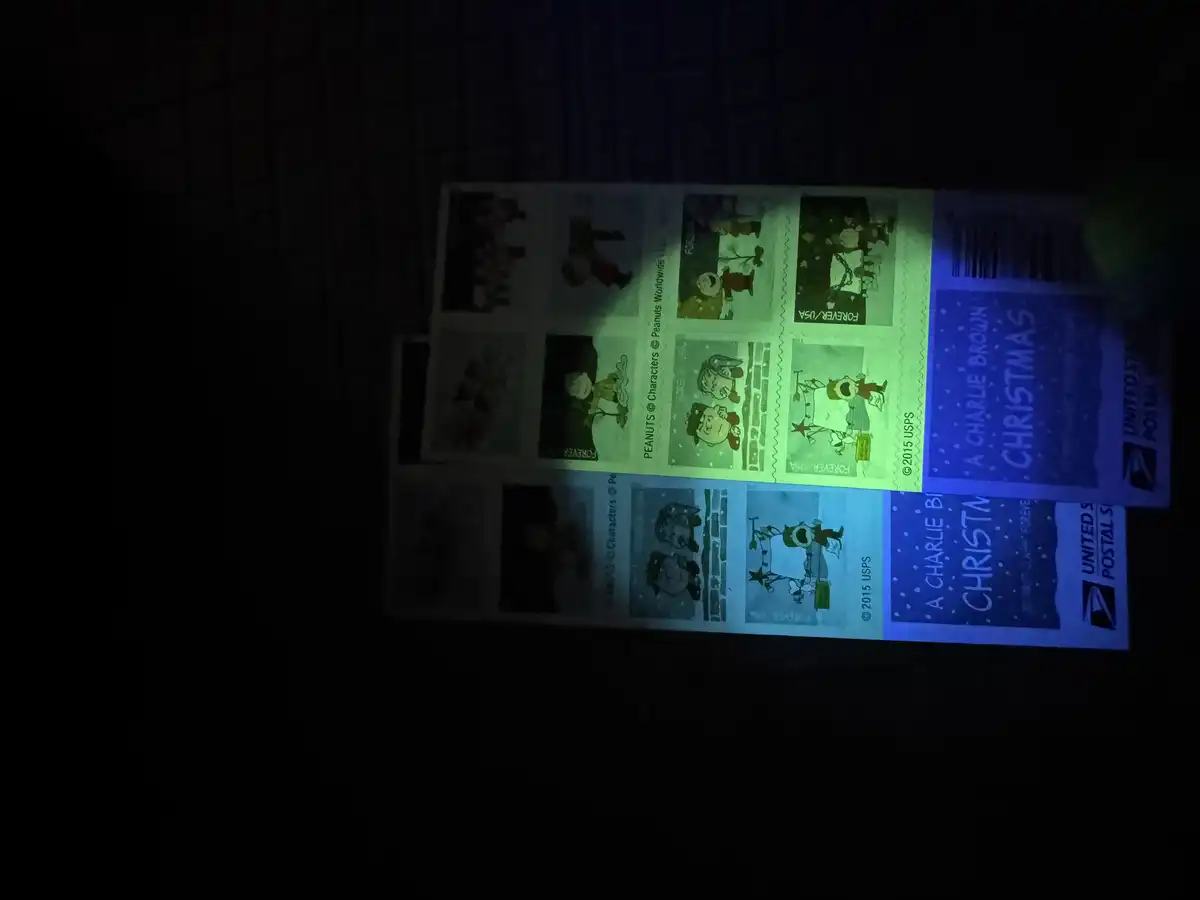
I received the first order first. After carefully comparing the stamps with genuine USPS examples and documented counterfeit references, I found multiple characteristics consistent with counterfeits, including differences in die cutting, printing, microprinting, and UV response.
I contacted the seller, explained the authenticity problems I found, and requested a return and refund.
Later, I received the second order. I inspected those stamps as well and found similar problems. Again, I contacted the seller, explained the issue, and requested a return and refund.
I then left negative feedback on the first transaction specifically to warn other buyers.The seller refunded me. A few days later, my negative feedback disappeared.
Frustrated that the warning had disappeared, I left negative feedback on the second transaction, describing the authenticity problems I found.
Again, I had been refunded. A few days later, the negative feedback disappeared.To clarify an important point:
I did not discover counterfeit stamps and then knowingly go back to the same seller for more. The two purchases were made only hours apart, before I had received or inspected either order.I finally contacted
ebay Customer Service and asked what was happening. The explanation I received was essentially that because the seller had worked with me and refunded the transactions, the negative feedback could be removed.
That is an absurd way to deal with suspected counterfeit postage.
A refund fixes my financial loss. It does NOT make counterfeit stamps genuine.If this is how the system works, a seller can sell questionable stamps to large numbers of buyers, refund the relatively small number who recognize the counterfeits and complain, and potentially have their negative feedback removed afterward. Meanwhile, buyers who don't recognize the differences may continue purchasing and using them.
And anyone who searches
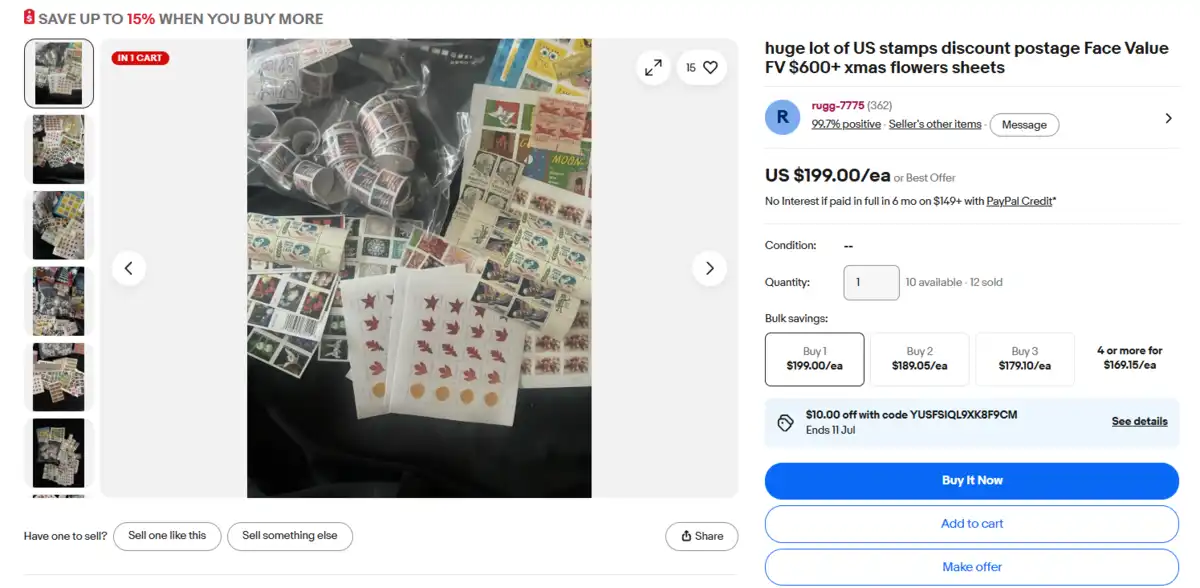
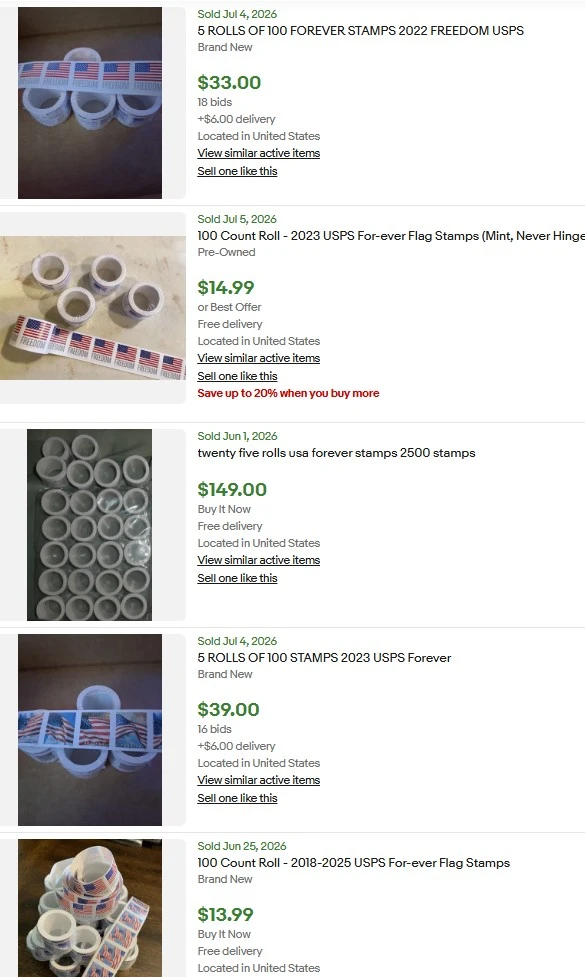
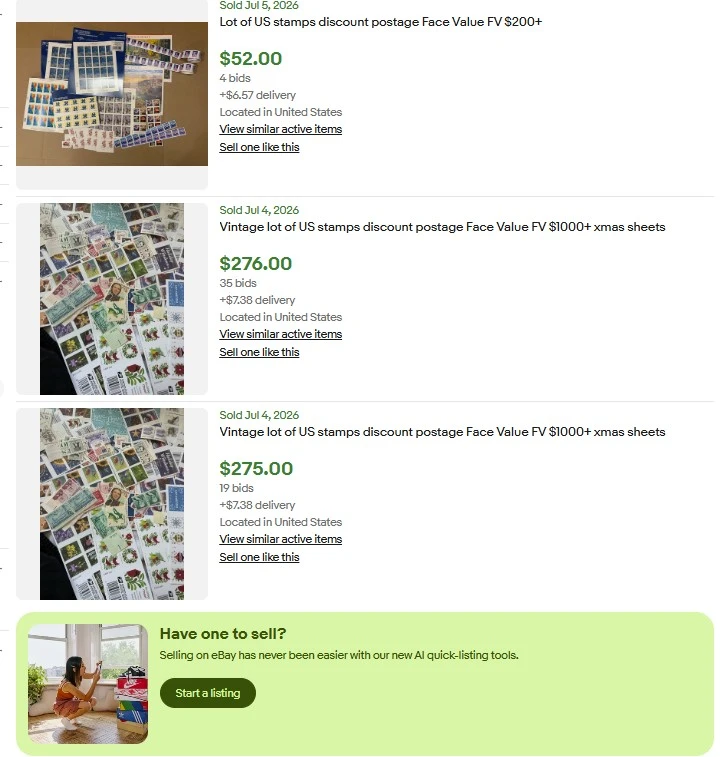
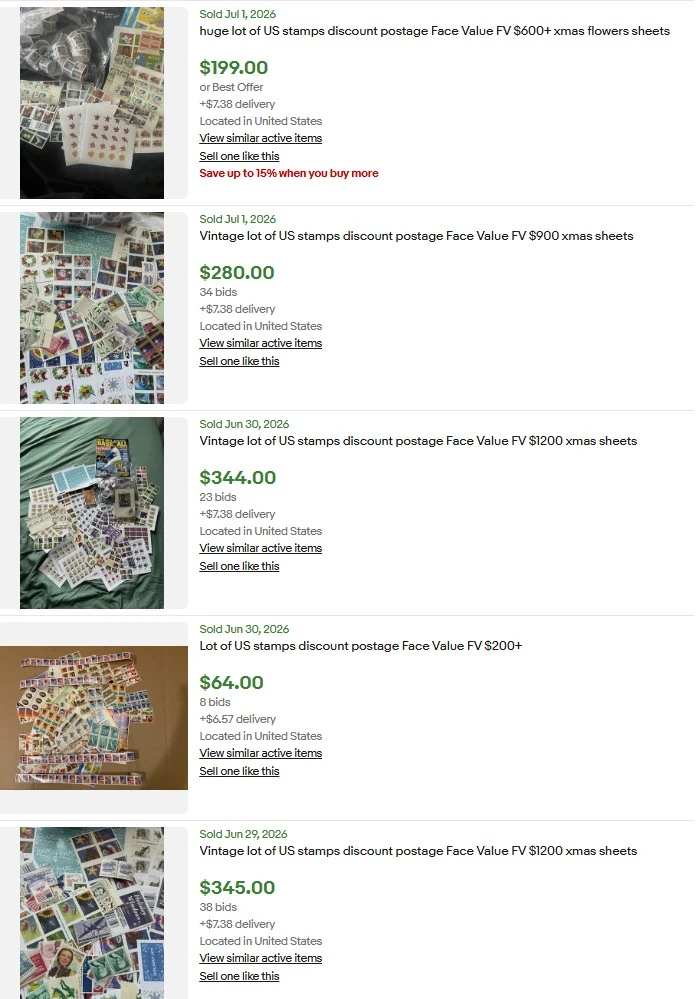
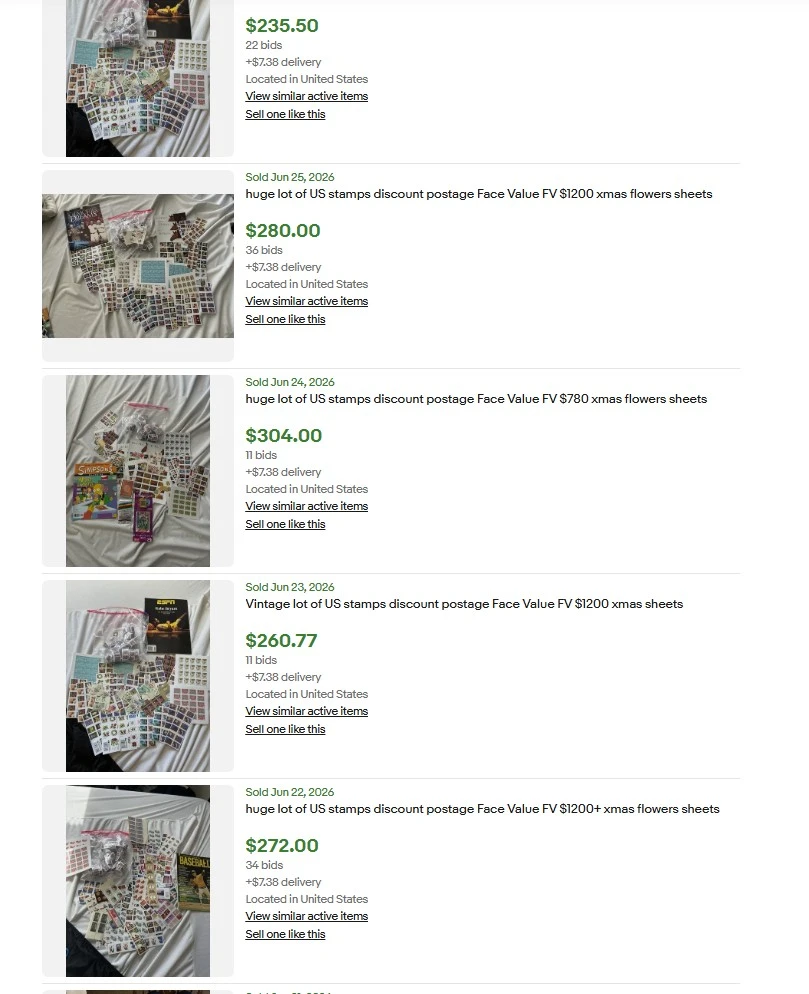
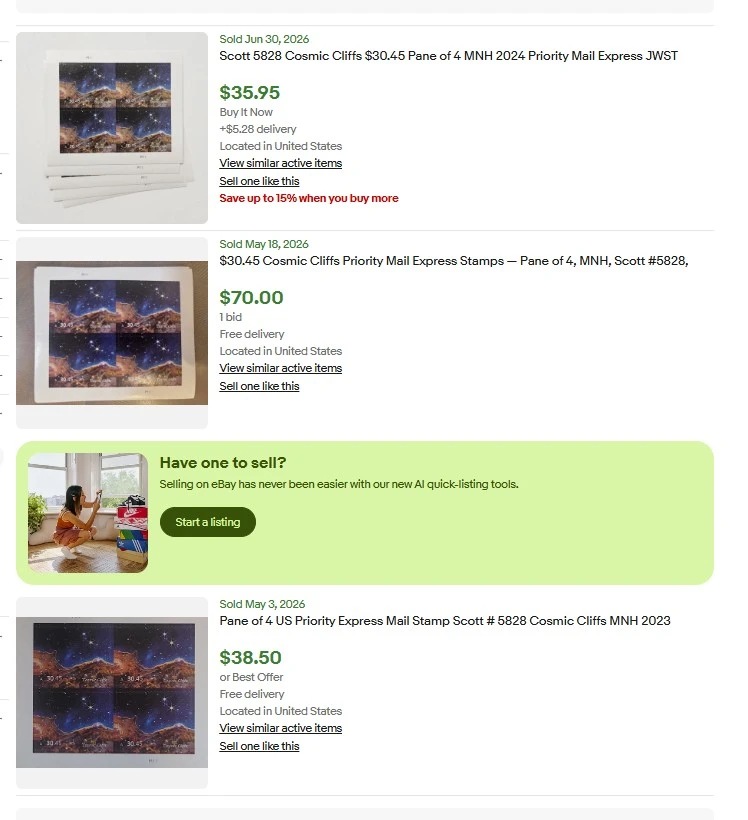
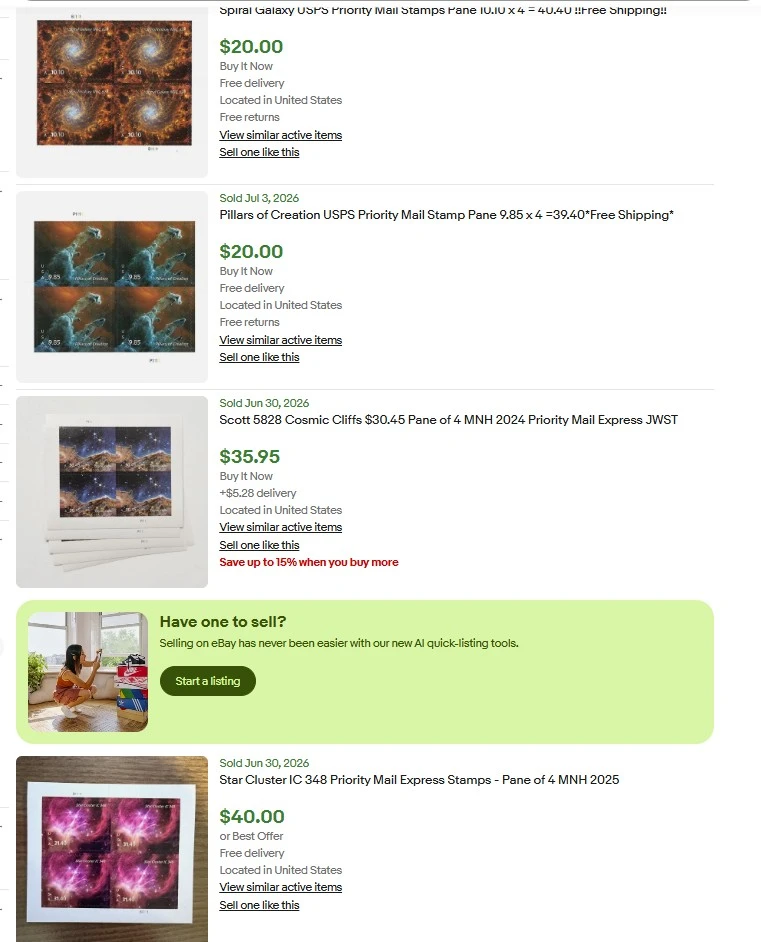
ebay for discounted Forever stamps can see just how many suspiciously cheap listings there are. Counterfeit modern U.S. postage is not some obscure theoretical problem.
This is where I have a serious problem with
ebay.
ebay earns money when merchandise sells. The more transactions that occur, the more money the marketplace makes. That creates an obvious conflict of incentives when aggressive enforcement against counterfeit merchandise could mean removing sellers, listings, and transaction volume.
I cannot prove that
ebay deliberately allows counterfeit stamps because it wants the fees, and I'm not claiming that I can. But from a collector's perspective, the system certainly appears to reward the wrong behavior.
A seller who unknowingly, or knowingly, sells counterfeit stamps should not be able to erase the warning simply by refunding the buyer who caught them.
Refund the buyer? Absolutely.
Remove an accurate warning about the authenticity problem just because a refund was issued? Absolutely not.After seeing two of my own negative feedbacks disappear, I also no longer consider a seller's 100% positive feedback to be a reliable indication that previous buyers haven't experienced serious problems. The seller I purchased from had 100% positive feedback when I made these purchases. Now I have to wonder how many other negative experiences may have disappeared after refunds.
If
ebay really wants a marketplace buyers can trust, suspected counterfeit merchandise should trigger an authenticity/enforcement review independent of whether the seller refunded the complaining buyer.
Otherwise, the message the system sends is disturbing:
Sell it. If somebody catches it, refund them. Remove the negative feedback. Keep selling.That's not meaningful protection against counterfeits. That's a system that can allow the problem to perpetuate.
EDIT (Timeline clarification) My original wording incorrectly made it sound as though I made the second purchase after discovering the problem with the first. The two purchases were actually made only hours apart, before I received or inspected either order. I have corrected the timeline above.



 Replies: 277 / Views: 38,988

 Posted 07/04/2026 9:24 pm