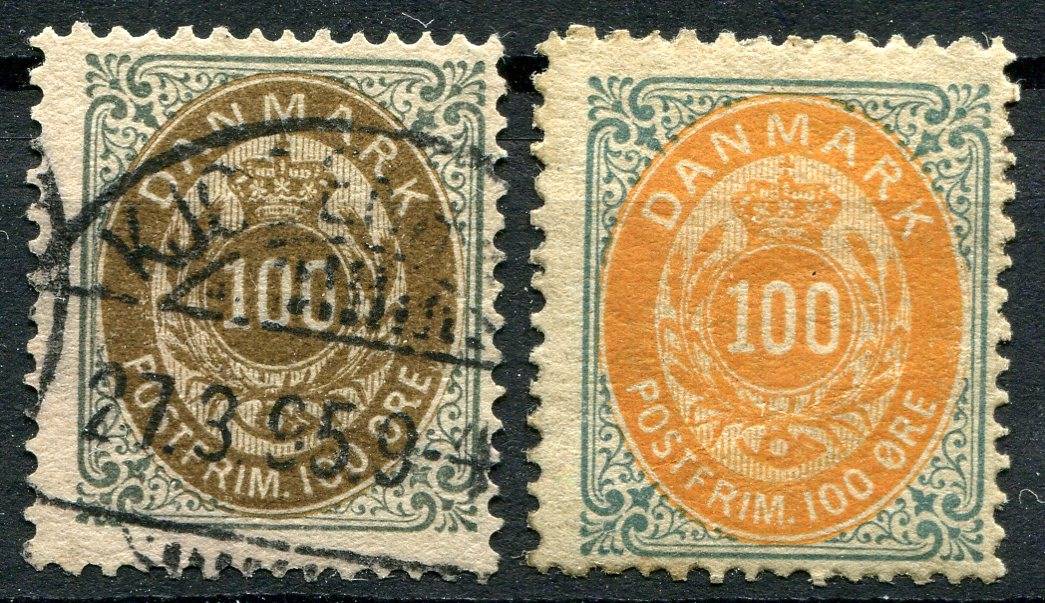
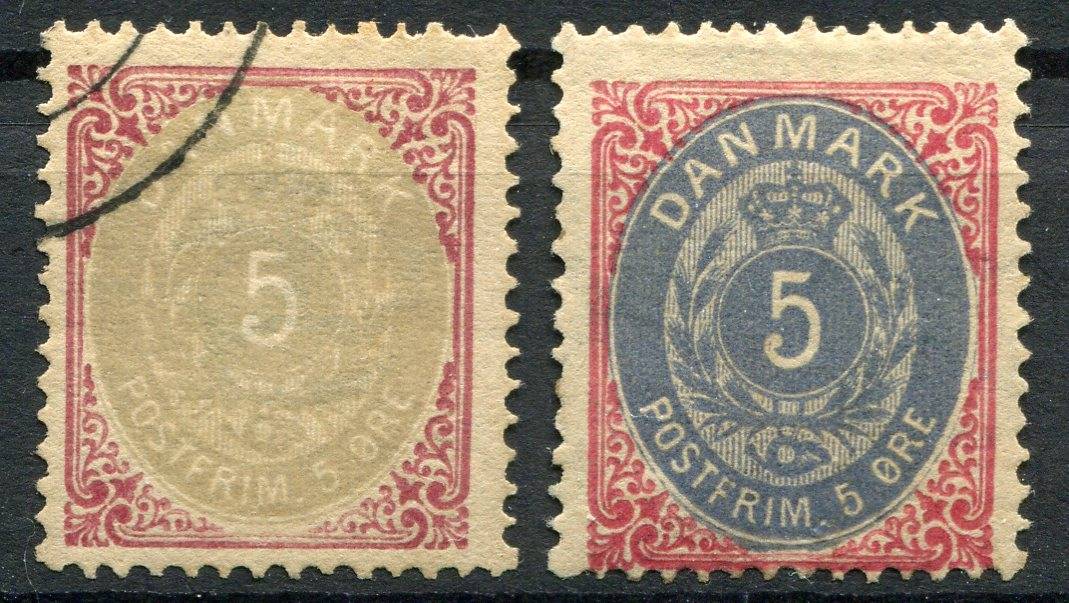
an apology in advance, so much to say, so much to reply to, so this might appear messy but as someone wrote earlier, this thread is both interesting and annoying..
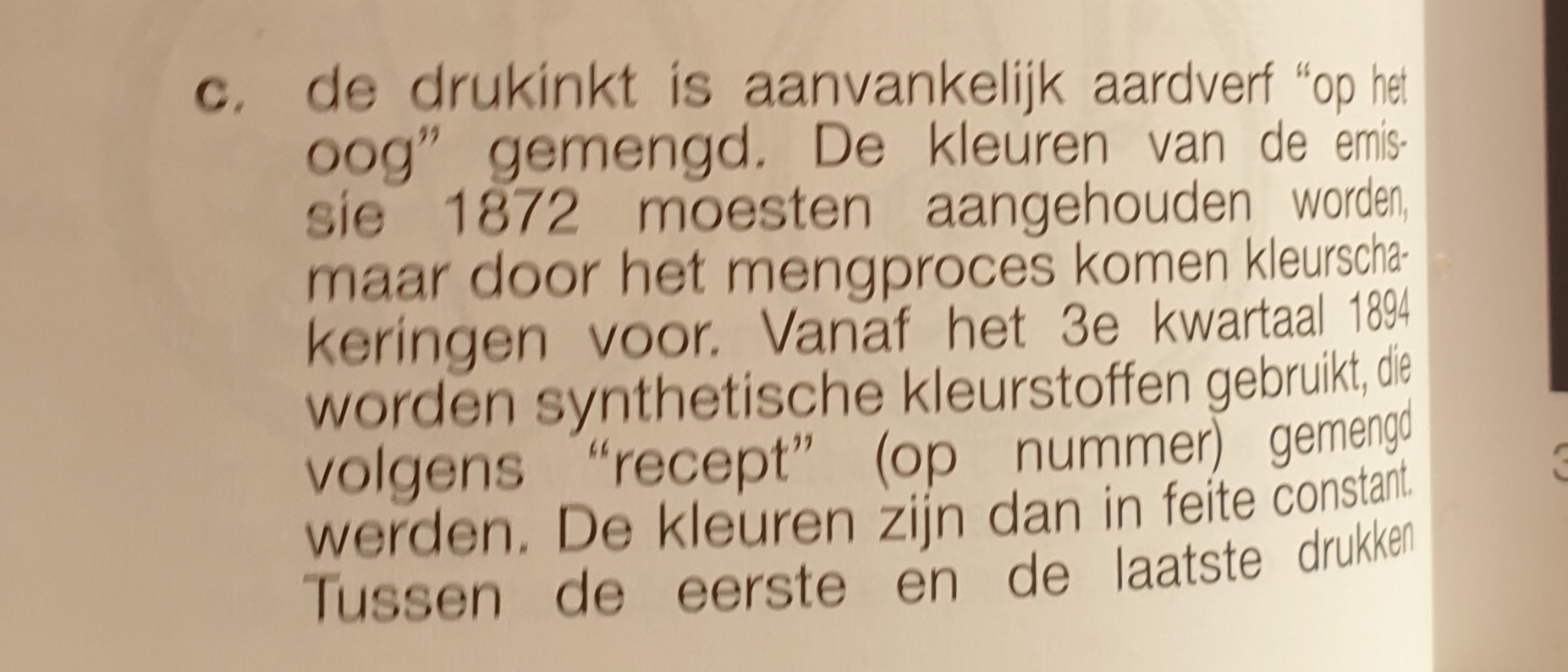
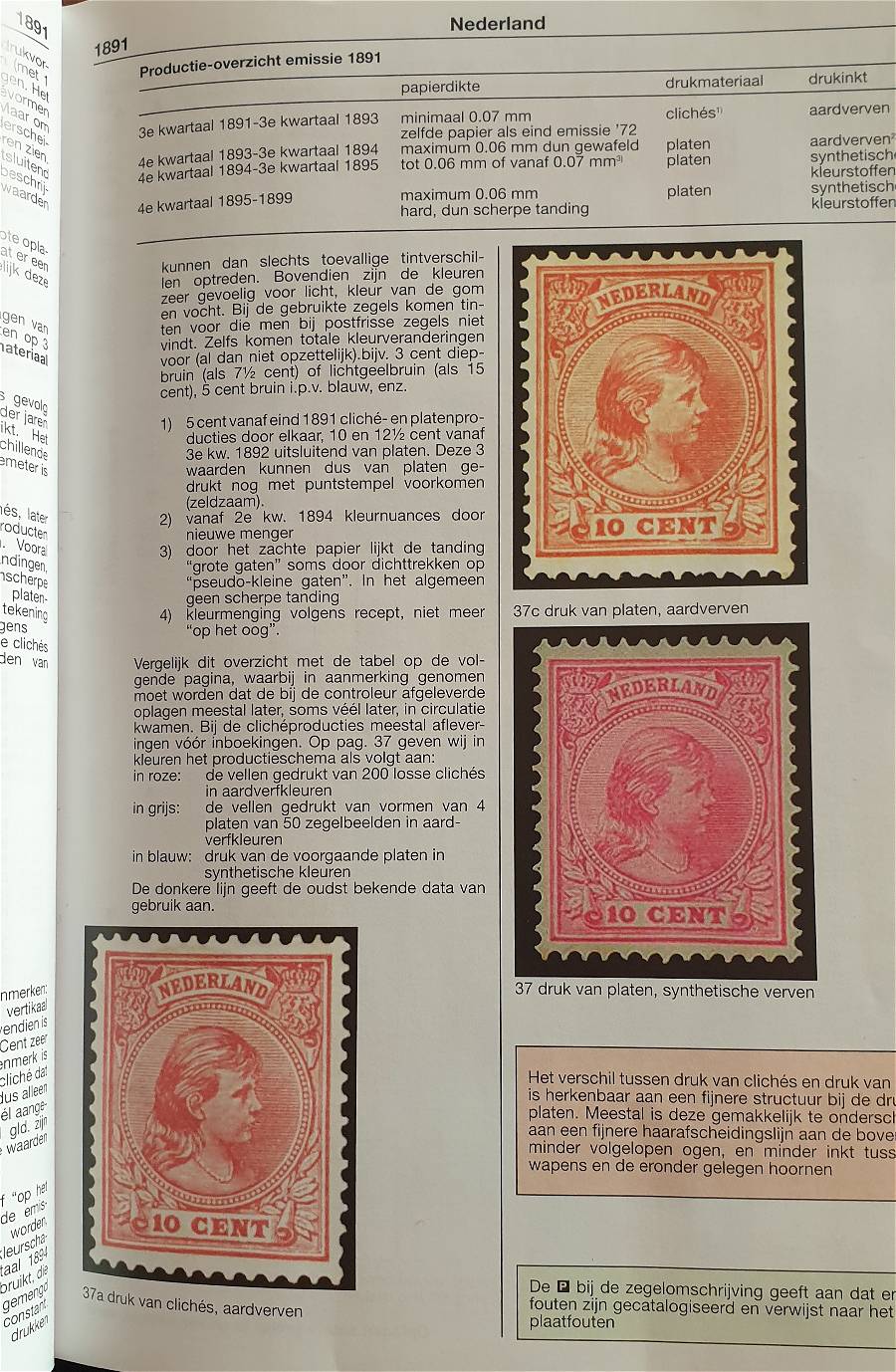
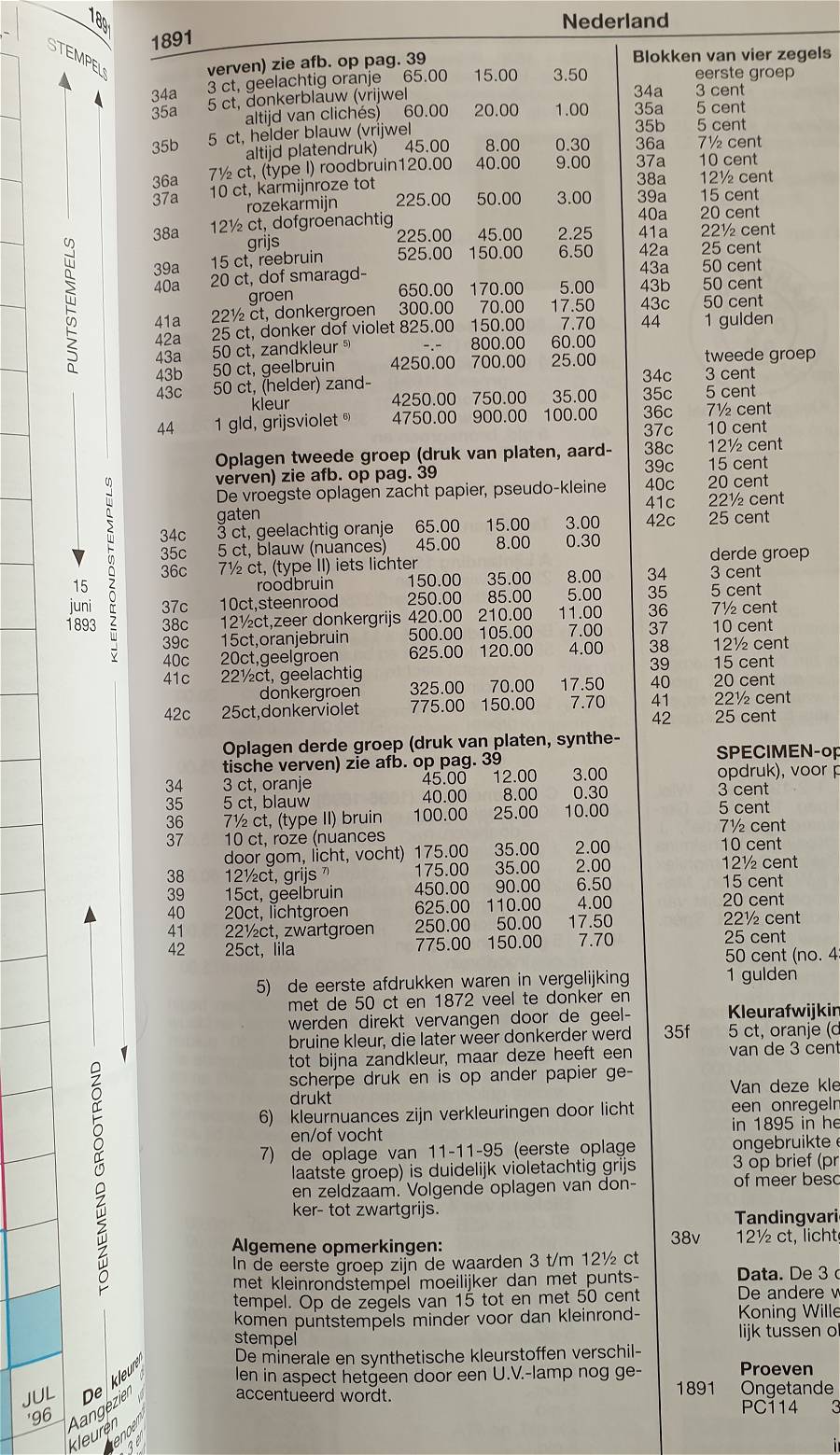
on the matter of shades of classic English stamps you're not likely to find common ground when you discuss shades, Scott is flawed (previously mentioned) especially when it comes foreign countries. And I'm sure SG has it's flaws as well, but on this subject the information in SG is bound to be more thorough and accurate and you're basically talking two different languages here.
if you intend to dive deeper into these stamps - spend some of your precious time to get a copy of SG.
A catalogue is always a reflection of the knowledge and available material to the composers and at the present time. And there'll always be someone who knows more and have access to specialized material.
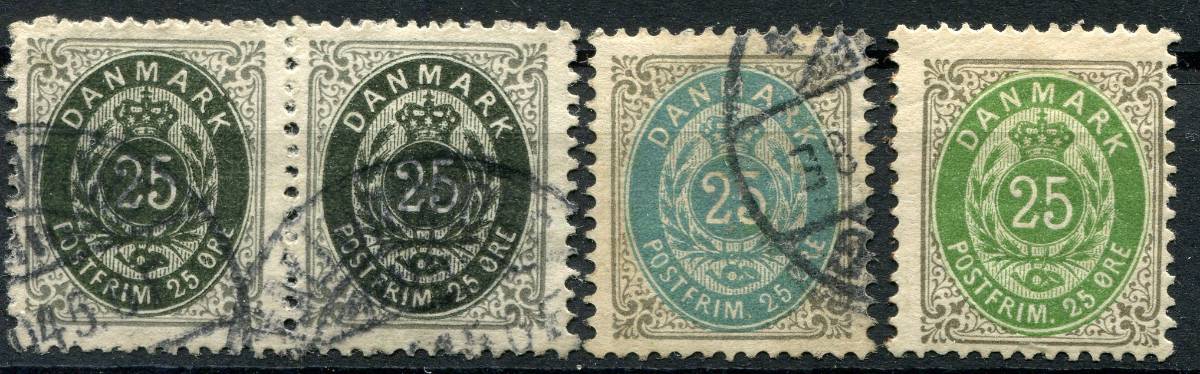
my field of expertise is Danish bicolored 1870 - 1902 and all catalogues are filled with errors on this subject and some even confuse collectors more than they help.
what you're doing(and most other collectors) with many of your pictures is that you're looking at your stamp, with your eyes, in your lightsource. And then you compare your interpretation of that with a picture or description of a color on the internet or on a pieces of paper, while you're very likely to interpret and understand it in a different manner than the catalogue intended, you'll definitely
interpret it differently than then person next to you.
and while you sometimes time into accordance toning, gum "pollution" and dates on stamps you have to keep in mind that a date in a cancel can be set up wrong, I've seen quite a few stamps cancelled before their issue and they weren't CTO stamps.
End also, especially when talking 10d stamps, that was a decent amount of money at that time, it's common to see these stamps used much later than what would be considered natural, so a 1912 cancelled stamp isn't necessarily a certain shade, it could very well be a "wintered" stamp from the top drawer.
These are 100+ year old stamps, and you have no way of knowing the journey they've been on, they have encountered a myriad of things that could have altered the way they appear now.
to determine which stamp is what shade, you'd need to have a certain access to material, let's say 1000 10d stamps. which you could divide into shades/dates/papertypes/gumtrace/watermarks and what not, from that you could start making a qualified GUESS unless you have access to trustworthy specialized data on the subject, and even then you'd have stamps that you can't unambiguously place due to discoloration and indistinct cancels.
and you using untrustworthy literature and have no access to data, you're no way near qualified to determining the correct shade, you're guessing from the above.
shades are pretty much the most stupid concept in collecting stamps, and Sweden take the grand price of stupidity since, aside from cancellations, their entire collection is based on shades - and at the same time they have pretty much no preserved records of their classic stamp productions.
a Swedish collection is a work of guesses, some more qualified than others.
in Denmark we have exact records of every stamp produced and every stamp destroyed (faulty productions and such) and still, while we have access to all this, there's still areas completely in the dark.
no 2 stamps are identical, so aren't they all doppelgangers, it's just a matter of how closely you look?
which loops this reply back to: "this thread is both interesting and annoying.."
2 things impress me.
NSK, your patience and thoroughness in trying to steer Stampguy in the right direction.
Stampguy - they time you have, and willingness to waste on this subject.
|





 Posted 07/23/2022 12:43 pm