| Author |
 Replies: 16 / Views: 2,050 Replies: 16 / Views: 2,050 |
|
Valued Member
United States
58 Posts |
|
|
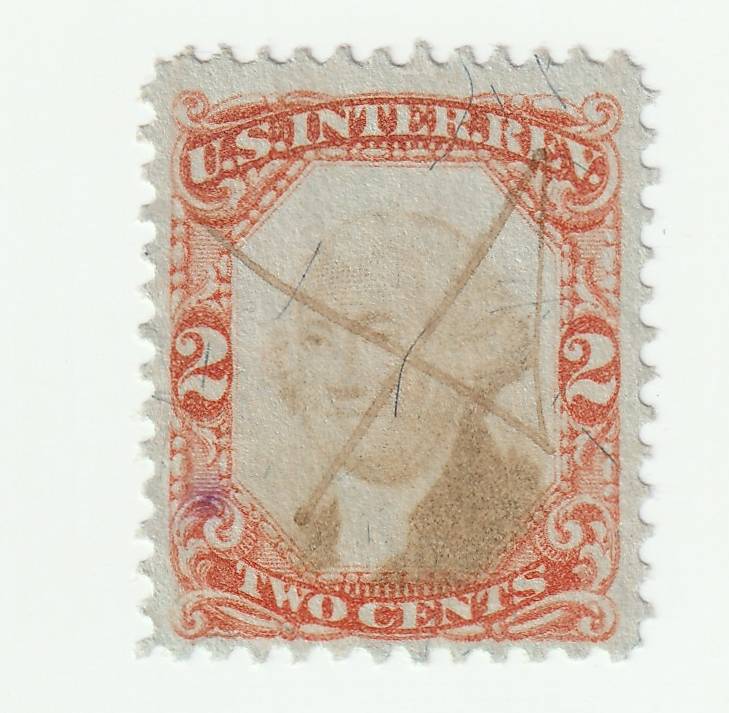
As you can see these 2 are both printed off a little. The one the right his head is touching the frame. the Left one has an apparent "frame" at the top. I don't what else to call it. Shading??? New to the Rev market I mainly stay with Playing cards for now plan on branching into other Revenue stamps once I learn more about them. I did read that the Rev stamps quality is more lax. Sorry in advance about the Name of this post I don't know what else to call it.  ***Title Improved - Don*** ***Title Improved - Don*** |
|
Send note to Staff
|
|
|
|
|
Bedrock Of The Community
Australia
38679 Posts |
|
|
Valued Member
United States
58 Posts |
|
|
So that's what is causing the black out line? Thanks Of the thousands of stamps we got I have not seen that. I have read that about the peroxide but none of the stamps there look like that. So I was not leaning that direction. |
Send note to Staff 
|
| Edited by Reddeye - 08/28/2022 9:21 pm |
|
|
Bedrock Of The Community
United States
10824 Posts |
|
|
They also appear to be two different stamps. The one on the left is on violet paper, R135. The one on the right is on green paper, R151. |
|
Send note to Staff
|
|
|
Valued Member
United States
58 Posts |
|
|
Thanks. the one on the right was the best one I could for for an analog. I had no clue they were different. Thanks for that clarification and info revcollector. That's why we're here. my main question is the the are in the box. That is what looks odd to me. I have not seen that on any of the others that I know others that are oxidized but none look like this.  |
|
Send note to Staff
|
|
|
Bedrock Of The Community
United States
10824 Posts |
|
|
Valued Member
United States
58 Posts |
|
|
Pillar Of The Community
United States
796 Posts |
|
|
Valued Member
United States
137 Posts |
|
|
The correct term for the problem is sulphurization, not oxidation. But one must be very careful soaking this stamp in hydrogen peroxide, which is a low level bleach. Leaving it in hp for for more than a minute or so can actually bleach the color from the paper faster than removing the sulphurization from the color, leaving a permanently damaged stamp. |
|
Send note to Staff
|
|
|
Bedrock Of The Community
Australia
38679 Posts |
|
|
Stampsmarter, if duly read.
The description of this condition as "oxidation" is incorrect, but because it is so commonly-used, we are using it here too! Oxidation is generally defined as removing something so, in essence, the process of removing the sulphurization can be considered oxidation.
|
|
Send note to Staff
|
|
|
Pillar Of The Community
United States
868 Posts |
|
|
I always like a lesson in chemical terminology, taking me back to college and my first year of high school teaching. As a freshman in college I was majoring in chemistry. Switched to mathematics at the end of my freshman year. My second year of teaching at the high school level included two classes in chemistry - fondly remembered. To further the above discussion - contact with sulfur causes reduction, the opposite of oxidation. And so I taught oxidation - reduction reactions with their accompanying equations. Twas lots of fun for me, not always fun for some of my students. |
|
Send note to Staff
|
Ron Lesher |
|
|
Pillar Of The Community

United States
943 Posts |
|
|
Quote:
Sorry in advance about the Name of this post I don't know what else to call it. Perhaps you should change "Rev" to "Revenue" ? |
|
Send note to Staff
|
|
|
Pillar Of The Community
United States
6466 Posts |
|
|
Hydrogen peroxide won't necessarily work miracles, but it can help. I would never soak the stamp in hydrogen peroxide. I prefer dabbing with a q-tip soaked in it, followed by a rinse in water to neutralize. Others prefer placing the stamp in an enclosed container above an amount of peroxide so the stamp is affected by the vapor, but never actually comes in contact with the liquid itself. I have not personally tried the latter method. Some before and after examples of R6c major double transfers (T5) from my collection. Before: 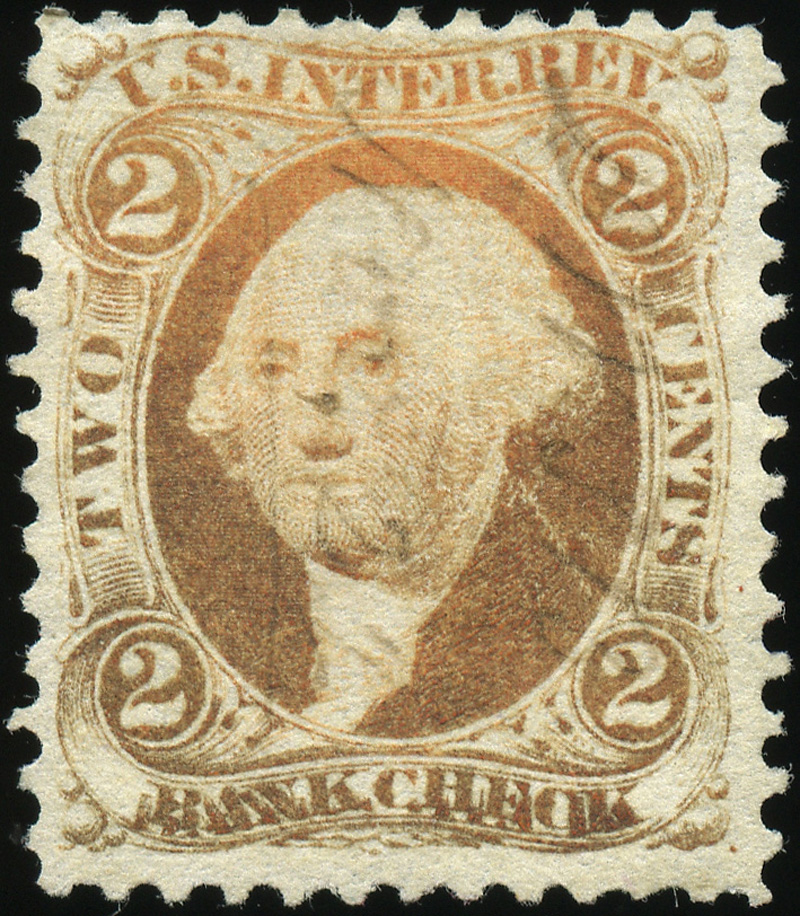 After: 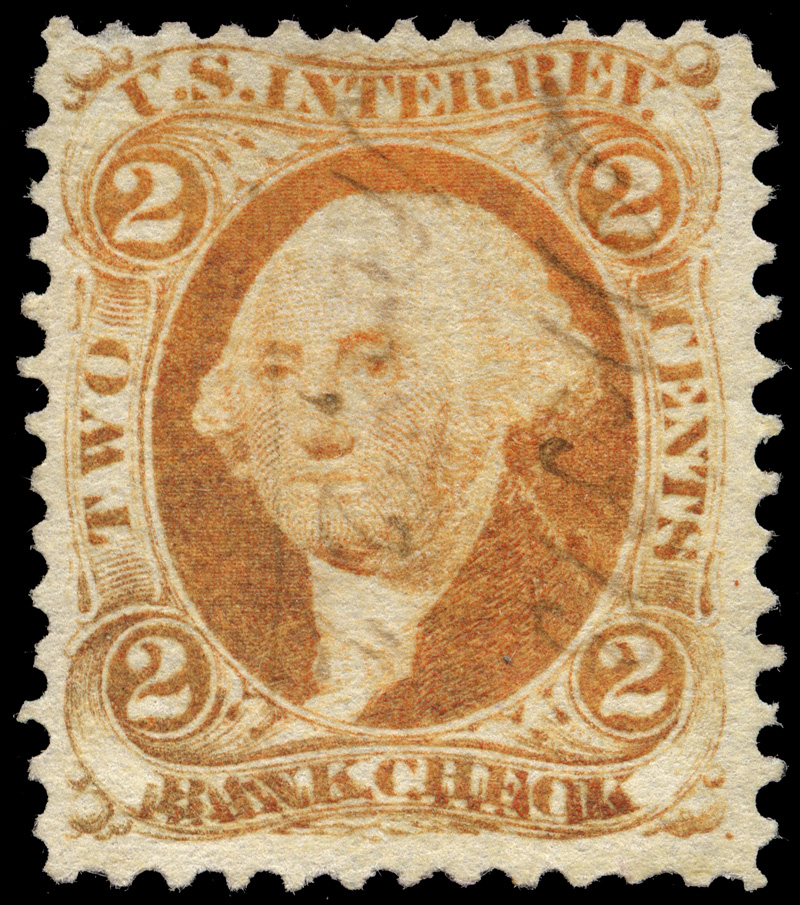 Before: 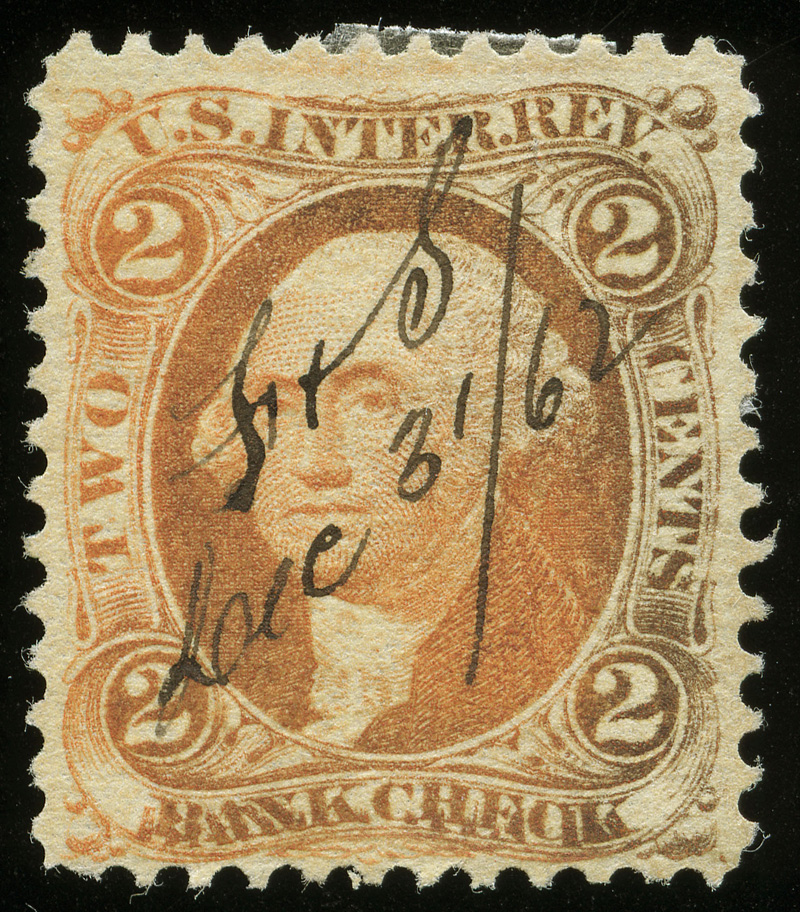 After: 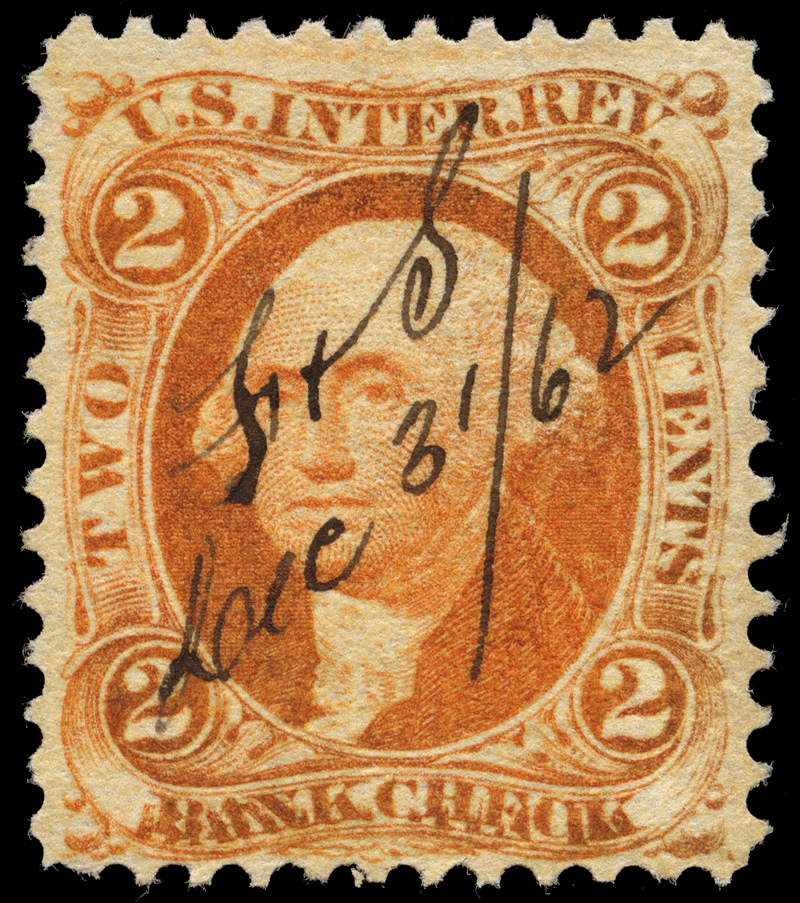 |
|
Send note to Staff
|
|
|
|
Valued Member
United States
58 Posts |
|
|
Valued Member
United States
58 Posts |
|
|
Thanks again to all of you for the great info. The sulfur aspect is scary. I know what that can mean in paleontology and it can totally destroy fossils before you can get them out of the ground, or slowly destroy then in storage if they are not stabilized correctly. Pyrite disease is right at the same thing, either way moisture/humidity reacts and causes acid production which is not good anyway you cut it. |
|
Send note to Staff
|
| Edited by Reddeye - 09/02/2022 6:41 pm |
|
|
Pillar Of The Community
United States
3231 Posts |
|
|
WOW, what a difference! From what I am learning over at the coin forum, this would be a major no-no! How does the stamp collecting world feel about this sort of thing? |
|
Send note to Staff
|
|
|
Replies: 16 / Views: 2,050 |
|



 Posted 08/28/2022 9:03 pm