Quote: What are the largest and smallest face values in your collection?
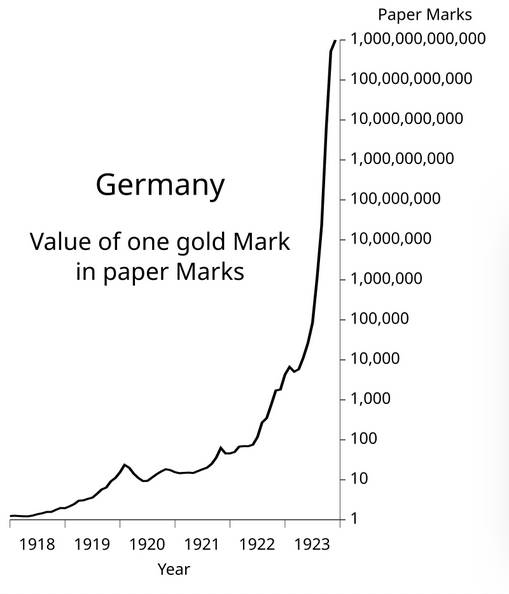
This can be viewed in one of two ways.In terms of whole numbers (and fractions or decimals less than 1) the hyperinflation stamps start to get into numbers with lots of zeros after the first number.
The other way is not the face value number but the value as converted to a set standard such as a US dollar. With the hyperinflation numbers, 1,000,000 may still only cover to 2 cents US or a mere pence of a pound.
Here as of the year of issue, 1950 1 pound Sterling was about $2.80 US. So one of these (RX25) would exceed a 17,850 Pound stamp in comparative value--
See: https://fx.sauder.ubc.ca/etc/USDpages.pdf for 1950 conversion rates of various currencies to 1 US Dollar. In lira, an equal value would be 31,230,500, Yen, 1,805,000 and Australian Dollars, 44643.
This stamp was widely used, it paid the tax on distilled spirits. Large distilleries such as Jack Daniel's would have used a lot of them. Some of the lower values are much scarcer.
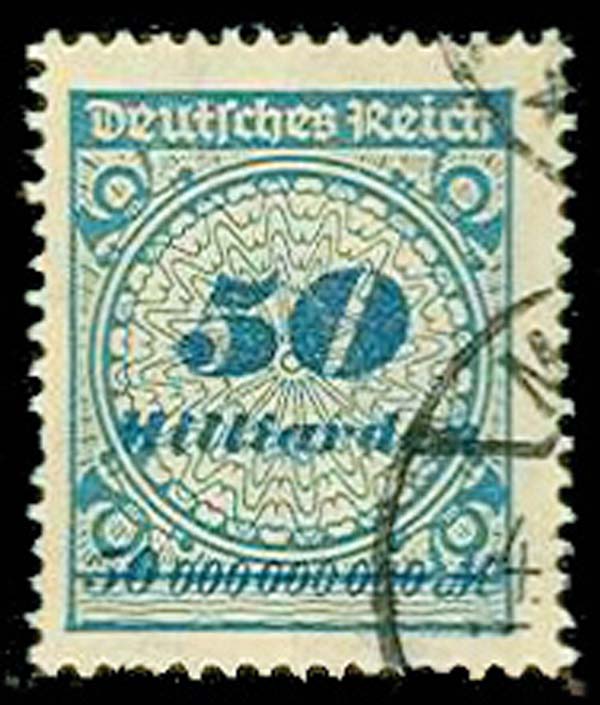
The highest face value in my collection is a 1 billion mark stamp from Weimar Germany. I don't have that many of these hyperinflation-era stamps, but I am very aware of the history and the situation in Germany at that time. Here is a 50 billion mark stamp.
I'd imagine places like Weimar, post-WW2 Hungary, or Zimbabwe (what with their famous hundred trillion dollar banknote) would be the source of insanely high face value stamps, but I wouldn't know what the absolute highest is.
Millions or billions, it still took a couple of stamps to mail something. That was when the UPU letter rate was 5 cents US for most international mail between UPU countries.
Edit to add: In November 1923, one US dollar was worth 4.2105 trillion German marks
I felt both biggest and smallest size and biggest and smallest value were related enough to be amalgamated into a single thread, so I asked both questions at once. It is something I have always been curious about, but never found any useful answers just asking Google.
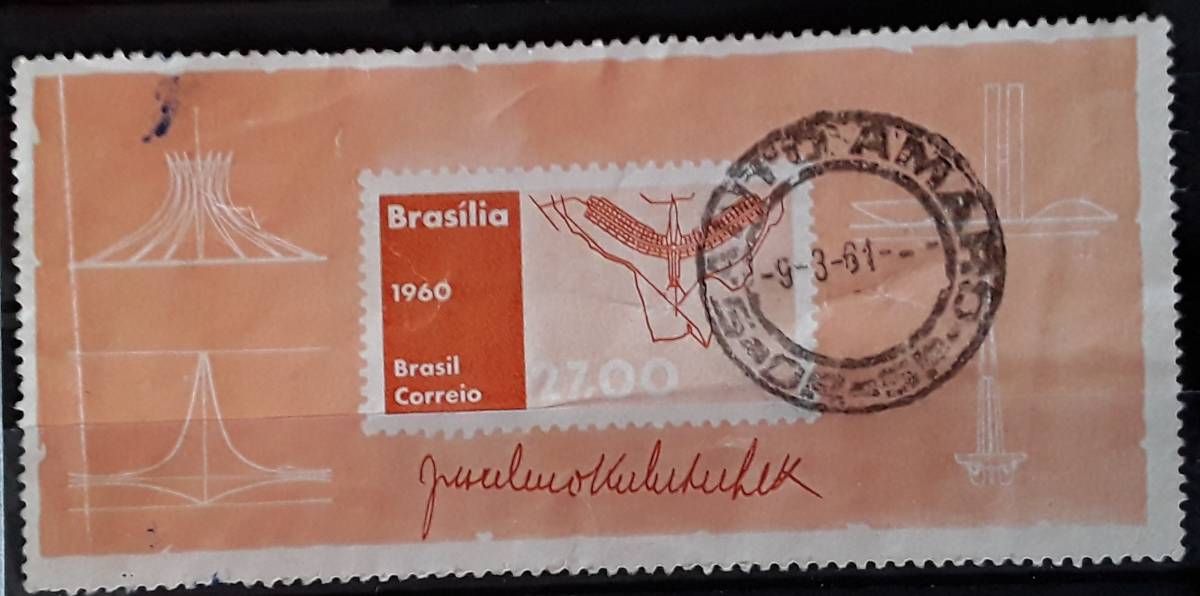
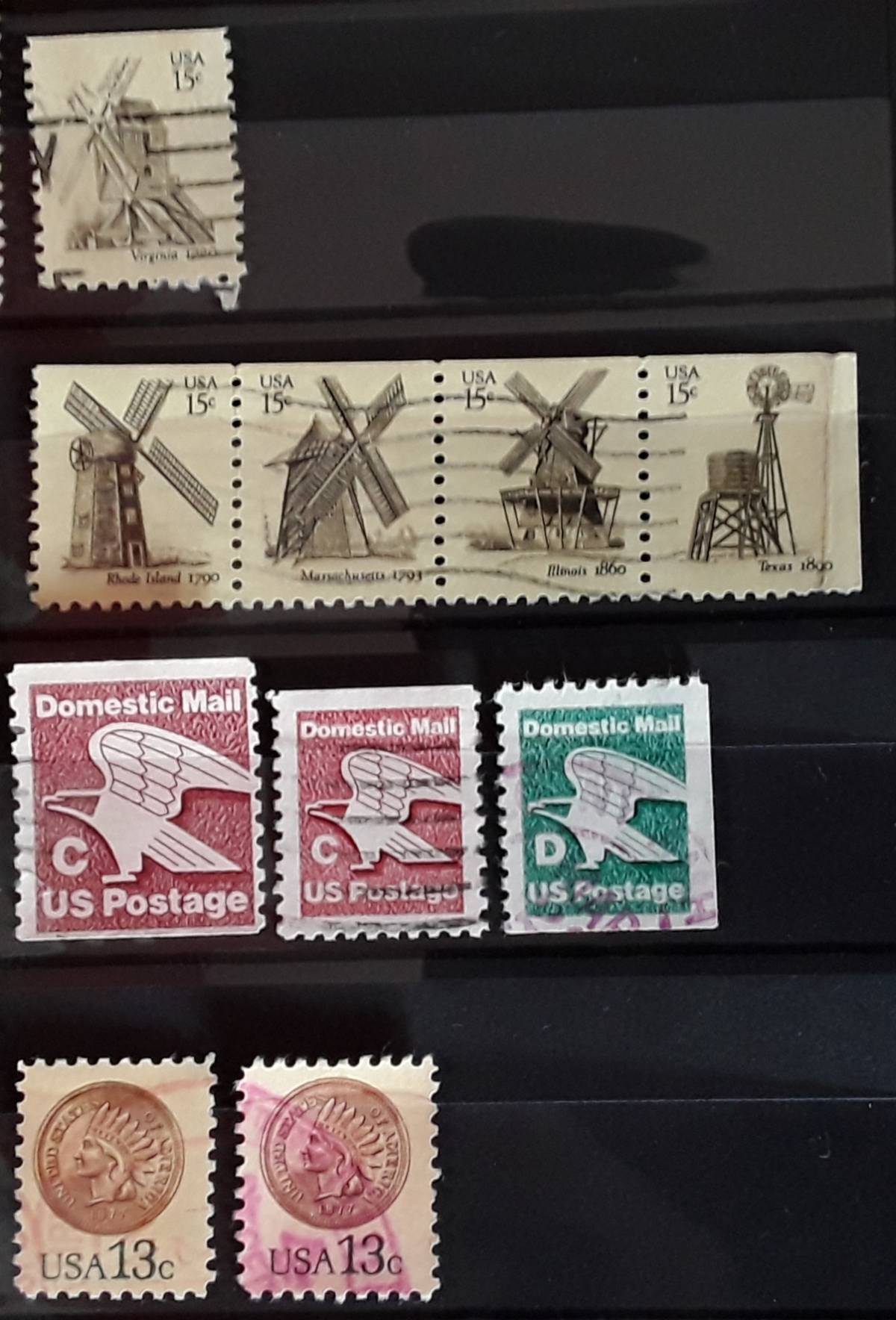
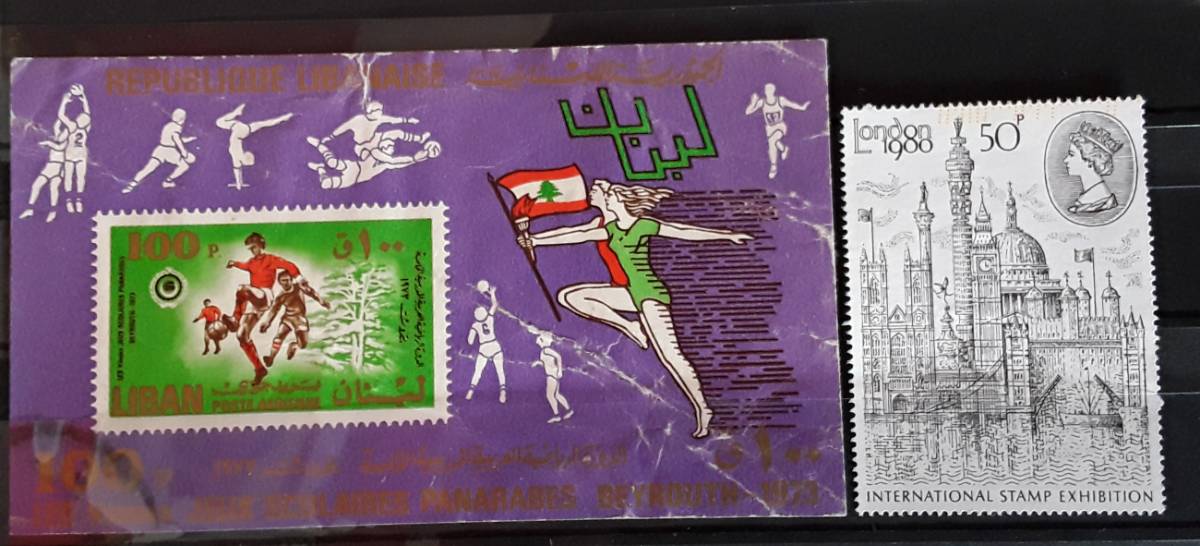
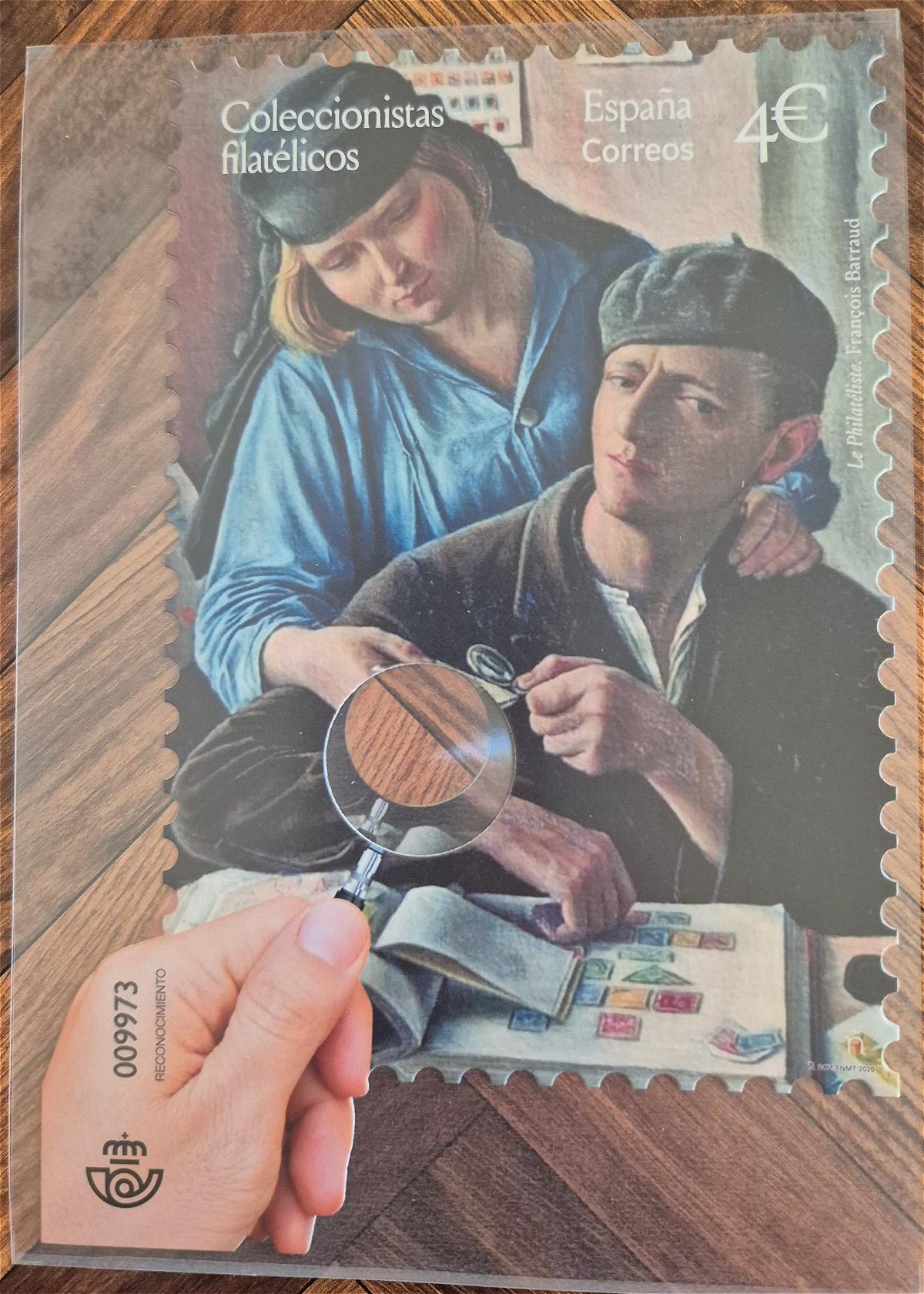
Small and large stamps I own. The Brazil and Lebanon ones are interesting to me as both have been used in their entirety on envelopes (I removed them from the fragments) and the Lebanon one has a cancelation which avoids the "real" stamp. The Brazil one being fully perforated makes me consider the whole thing a stamp.
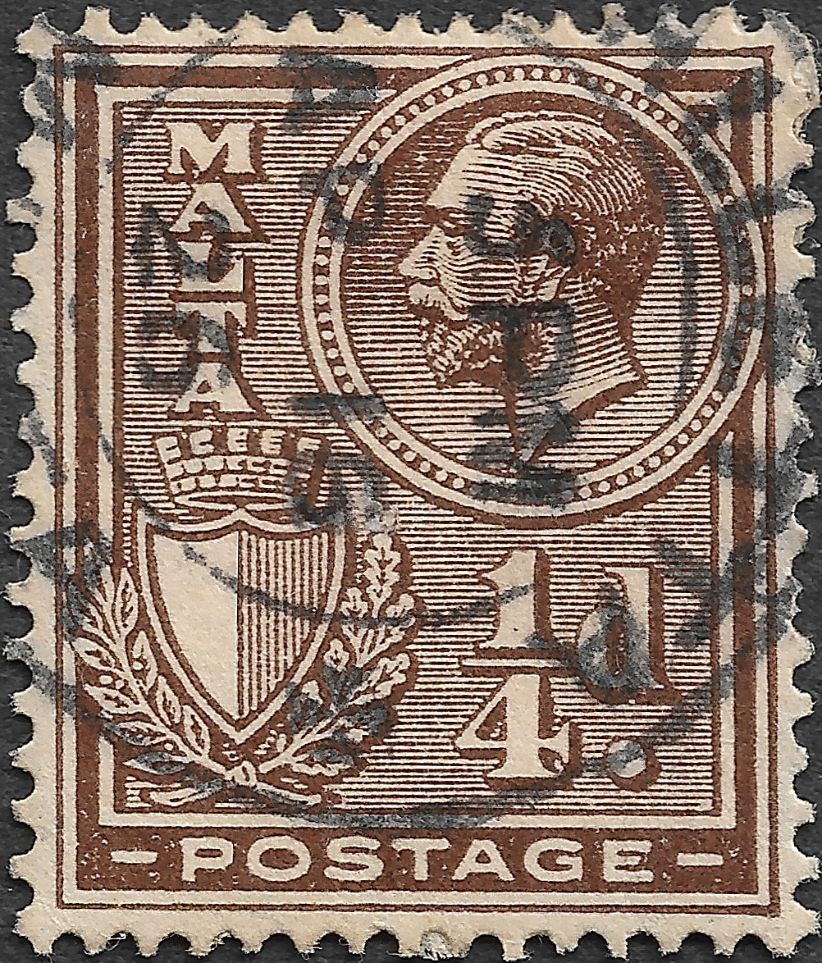
The smallest denomination stamps in my collection have a face value of one farthing (¼d). I have a few of them, but this one from Malta is my favourite, because it has a blurred but legible cancellation: Valetta, 5pm, April 15, 1926.
Disclaimer: While a tremendous amount of effort goes into ensuring the accuracy of the information contained in this site, Stamp Community assumes no liability for errors. Copyright 2005 - 2026 Stamp Community Family - All rights reserved worldwide. Use of any images or content on this website without prior written permission of Stamp Community or the original lender is strictly prohibited. Privacy Policy / Terms of UseAdvertise Here





 Posted 08/04/2025 6:57 pm