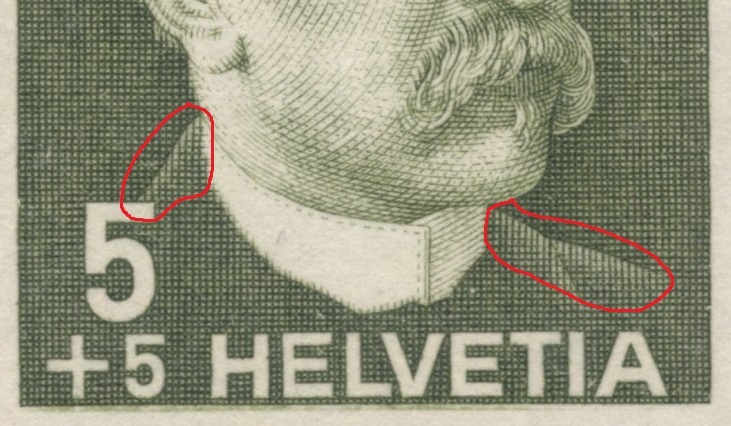
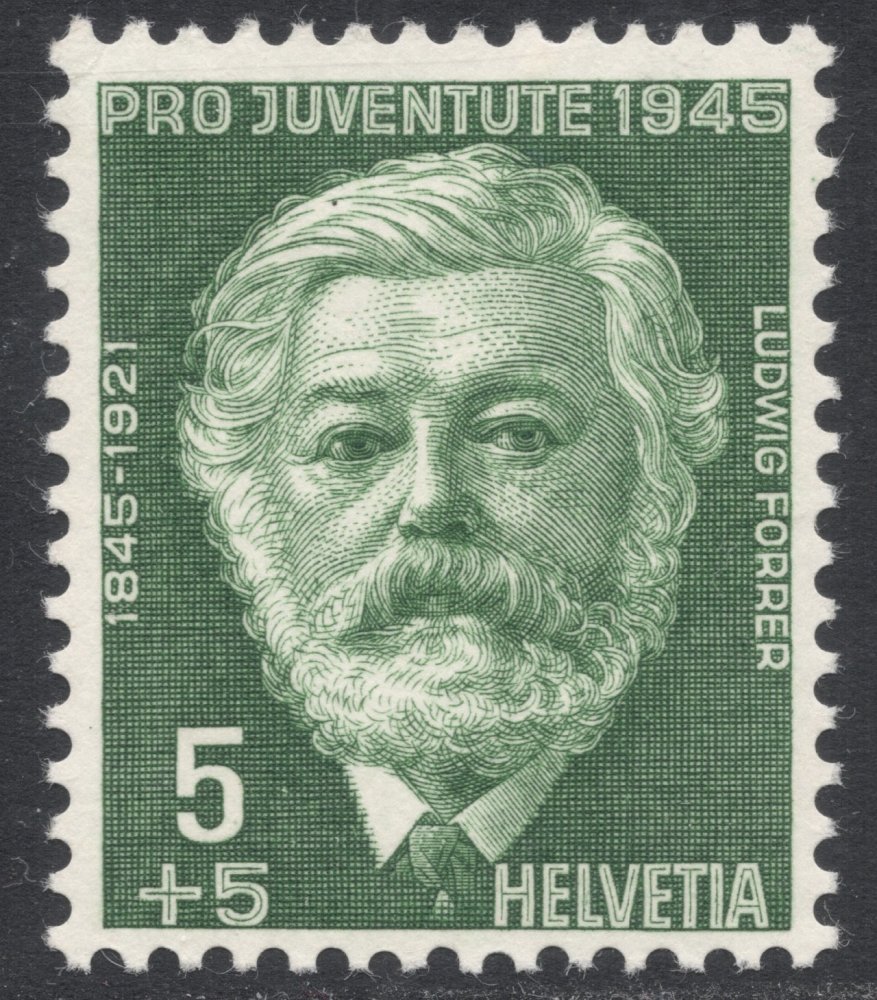
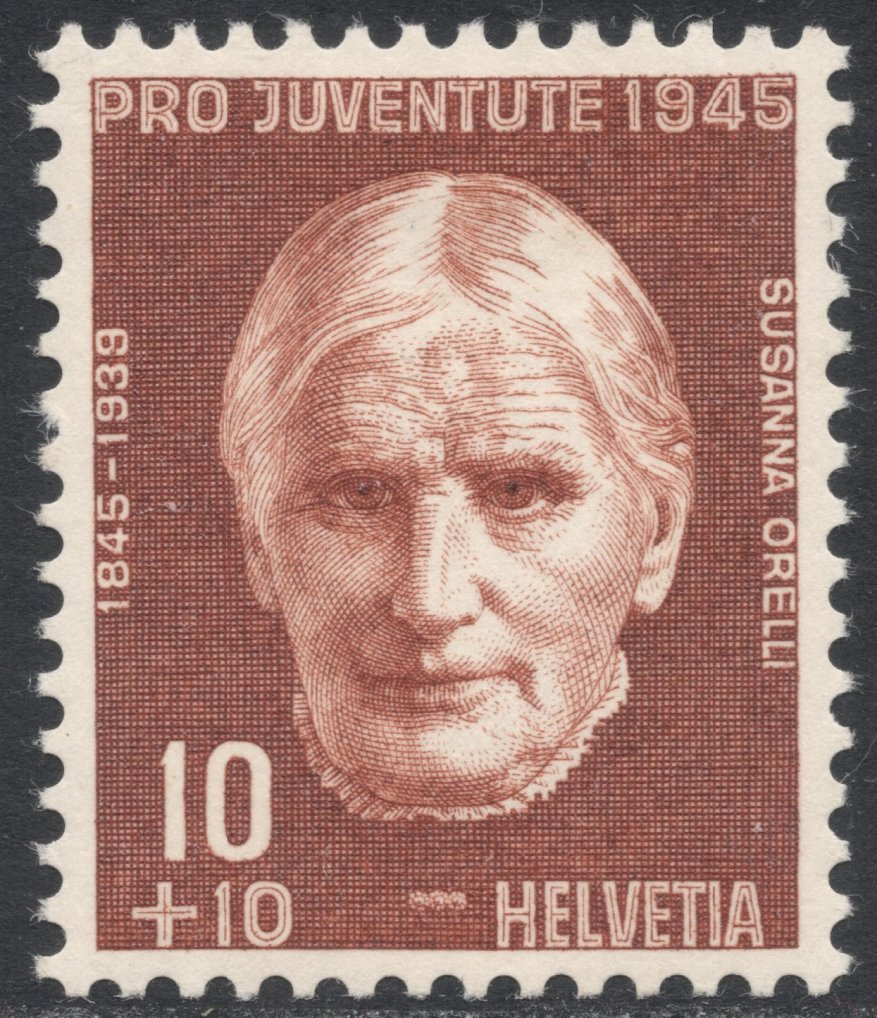
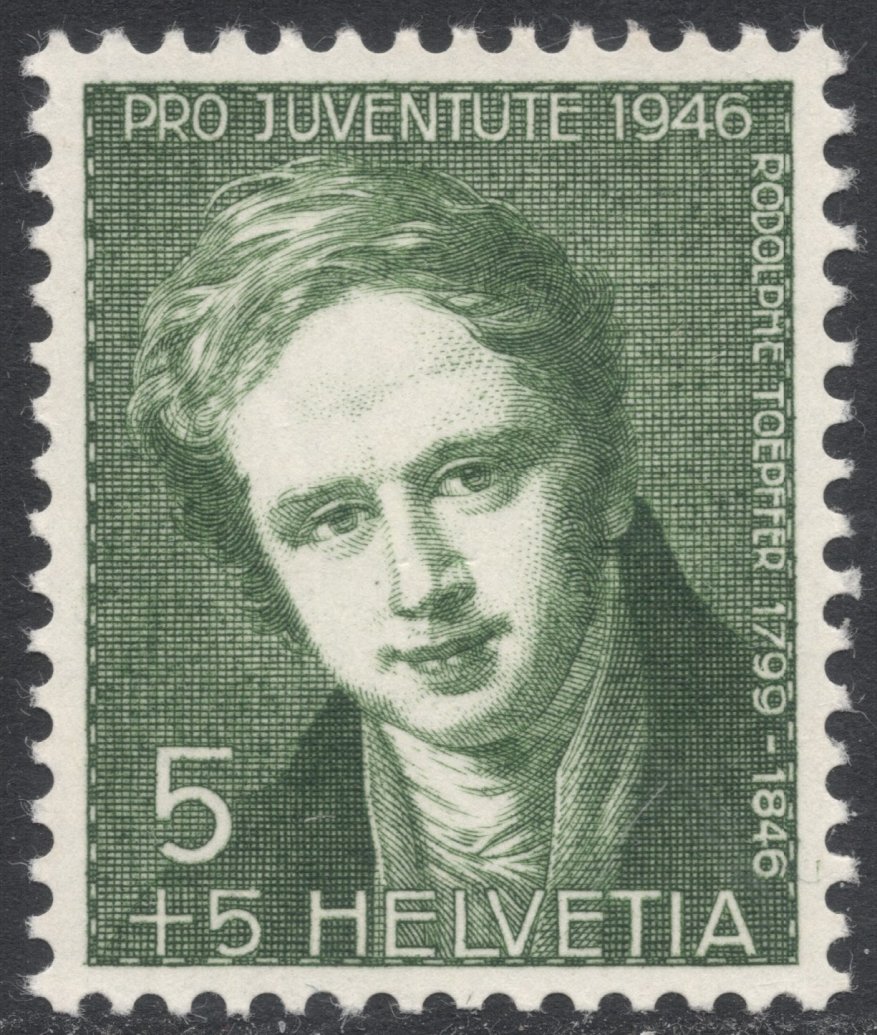
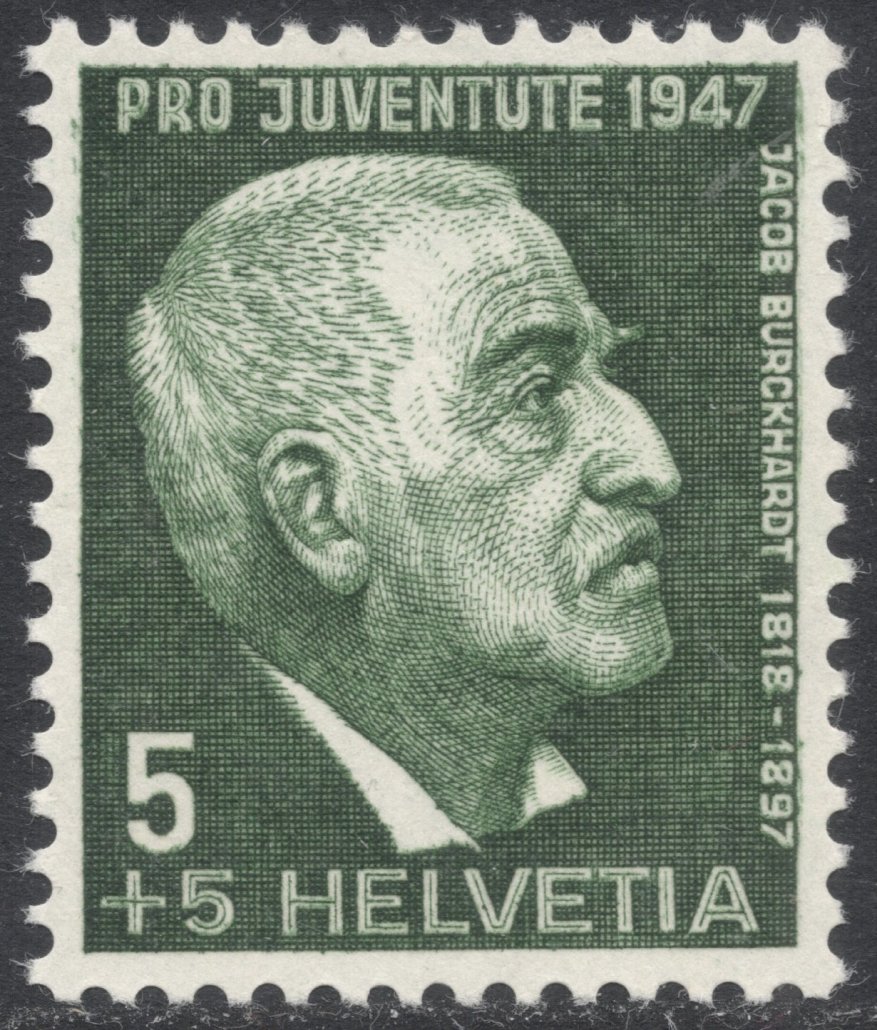
Adrian: You have been posting Karl's Pro Juventute stamps, which I have relished, I must say. The different treatment of the back ground is very fascinating; some have diagonal cross hatch, vertical cross hatch, thinned in some areas; closer in some areas; a few dashes in one case showing non-printed background; the last one (1944; Numa Droz; 5+5) is most fascinating; the vertical and horizontal cross hatching is carried throughout to the coat/dress; and to give definition to the collar, Karl has allowed the acid to bite lesser time than other areas. What a master he was. cNA
I stumbled across the following "must watch" video recently:
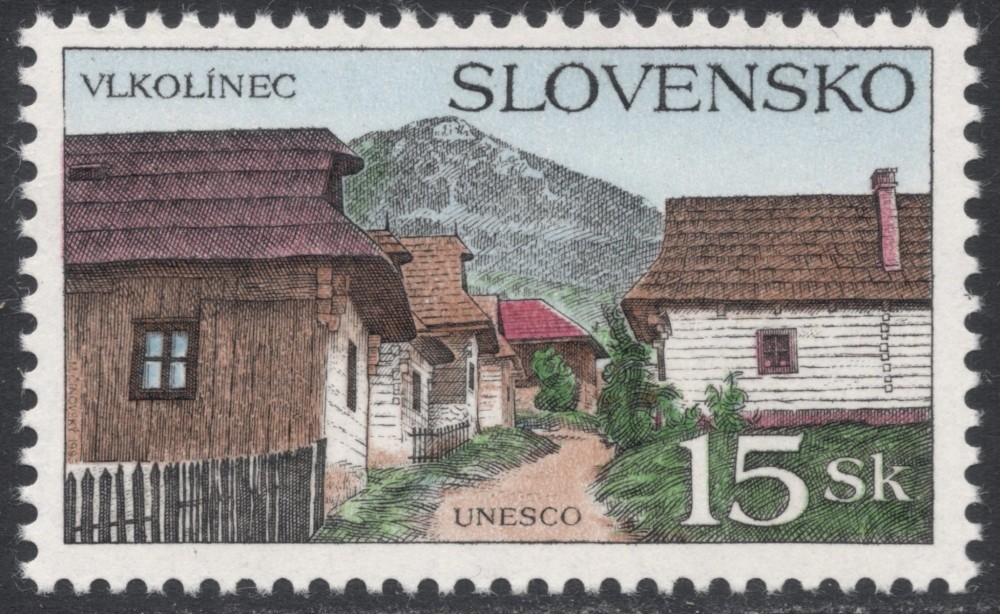
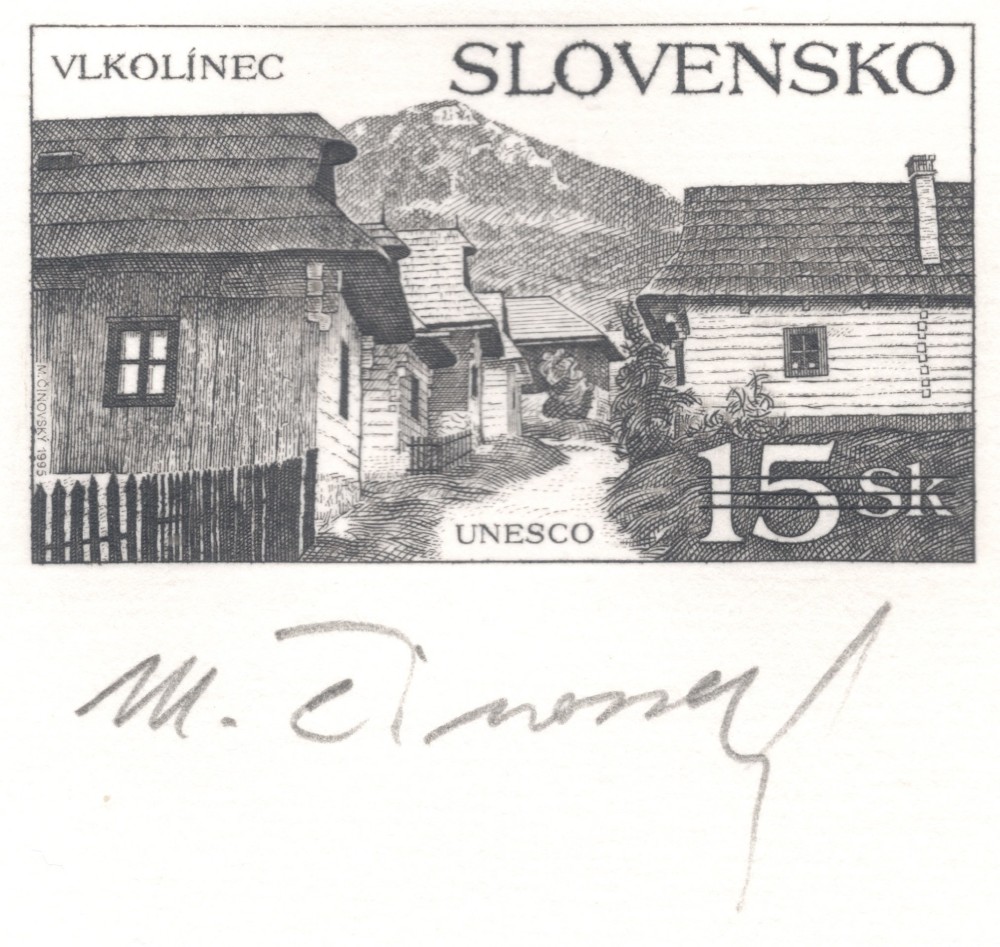
Poznámka o známke (Google translation: "Note the Stamp") [Slovenska Television. Presumably in Slovak language, 1995, 14:59 minutes] It covers painting a proposed engraving, showing designs to Slovakian postal authority, sharpening engraving tools, engraving, hand-pulling a proof, approval by PO, printing on a WIFAG rotary press and preparation of FDCs.
The engraver is Martin Cinovsky of Bratislava. Also posted under "Stamp Production Videos" thread.
Quote: The last one (1944; Numa Droz; 5+5) is most fascinating; the vertical and horizontal cross hatching is carried throughout to the coat/dress; and to give definition to the collar, Karl has allowed the acid to bite lesser time than other areas. What a master he was.
Is that how that was done?! Fascinating indeed. The precision that must have been involved to create that effect is mind-boggling. Though that is the case with any engraving anyway! Which is why I admire them all so much.
Anyways, here are four more Pro Juventute engravings by Karl Bickel. I think these are my favourites of the whole series.
I was feeling brave today so I started trying to sort out the postal fiscals from Ecuador. As with most of the Ecuador stamps, I'm not finding out much but these are even worse. Gibbons is rather sketchy and Scott decided to ignore them completely in my catalogue. However, they are here so I'm persevering as I have a dozen or so different ones.
Only one has a printer name, which is this one but this is nowhere to be seen in Gibbons.
If anyone can point me towards a good reference for Ecuador, preferably, but not necessariy in English, you will help save my sanity, if not my life.
One of the "joys" of building a database is how precise they expect you to be. This becomes an issue when different languages use different alphabets and they get translated in different ways. Here is an example.
Professor Skuhersky of the Polytechnic Engineering School. SG 985 Scott 809 Engraved by Ladislav Jirka.
According to Gibbons, the designer of this stamp was Vladimir Kolarik and this seems to be what is written on the stamp.
However, on the Czech site that I use to check details he is named Vladimir Ková#345;ík or Vladimír Kováøík.
At this stage, my database stubbornly refuses to accept accents, which is being worked on, but that still leaves me to decide whether to call him Kovarik or Kovalik.
I know many letters have different pronunciation in different European languages. Apparently Czeslaw Slania (Polish) was pronounced Chesswav Swania. In this case the L was pronounced as a W and I am guessing that something similar is happening here.
Another anomaly I have found is that among the stamps for Bohemia and Moravia are those (according to Gibbons) designed by Jan Charles Voudrous. After the war, Czech stamps are listed as designed by Jan Charles Vondrouš (with an accent). Again, consulting the Czech site I find no sign of Voudrous which I now believe to be a typo, repeated for the whole section.
Perhaps one of our Czech members could shed a little more light on these.
But occasional errors can occur even here. E.g. three designs by Jan Charles Vondrouš were used for http://www.filaso.cz/katalog-znamky...nich-pamatek , yet he is credited here with four while #923 attributed to him by mistake was the work of Jarmila Lipenská-Koláøová (as well as #926).
The letter "š" is pronounced as "sh" in English. The letter "ø" has no equivalent in English or other well-known languages.
Thanks Florian. I usually have that site open but for some reason was using a different one tonight. Now I see that they are two different artists. Kolaric is Vaclav and Kovaric is Vladimir. The Czech Lexicon http://www.batz-hausen.de/lexikon.htm#K which is usually a good source of names for Czech stamps does not list Kolaric for some reason which is what confused me.
Unfortunately, it raises as many questions as it raises. The high value of the set, which I can't show as I don't have it yet, is shown in Gibbons as designed by I.V. Kozak. The lexicon only lists a V. Kozak and on the link you just gave the designer of that stamp is shown as Bohumil Kozak.
On a more positive note, I've been looking at the wonderful portraits of artist, Max Svabinsky and engraver, Jindra Schmidt, one of my favourite combinations. As I've just scanned them, why not show them here. These stamps are much smaller than many that the two produced but the faces show such expression it is impossible not to be impressed.
Czech Writers: Ivan Olbracht SG 956 Scott 781
Czech Writers: Karel Toman SG 957 Scott 782
Czech Writers: Frantisek Xaver Salda SG 958 Scott 783
jjarmstrong47.....in regards to Slania...there are two "L" s in the Polish alphabet...one regular..."el"...and the other has an accent mark..now as you mentioned it is pronounced as a "w".....and the the letter "W" in the alphabet is pronounced as a "V".... because there is no letter V in the Polish alphabet...that's why you'll see vodka from Poland...written as Wodka. As a descendant of Polish parents...it was confusing when I decided to learn the language that I abandoned as a youth...and pick up again in my late 20's.
While I'm feeling enthusiastic, why not keep going. Here is the set released for the International Music Festival Jubilee in 1957 with portraits of musicians, a subject close to my heart having been a professional musician for thirty years. These are larger stamps which seemed to be more normal for them.
Quote: .in regards to Slania...there are two "L" s in the Polish alphabet...one regular..."el"...and the other has an accent mark
That's interesting, Ed, as I couldn't remember ever seeing Slania's name shown with an accent but there must have been one so I went looking. On this early stamp that he did for Poland, the L in his signature has a stroke through it. Would that be it?
Poland 1954. 160th anniversary of Kosiuszko's uprising. Designed by Jan Matejko and engraved by Czeslaw Slania SG 898 Scott 658
He seems to have dropped that form of L when he got to Sweden.
John...that Poland stamp from 1954 exactly shows the Polish spelling of Slania's name. Interestingly enough he didn't add the accent to signed items I have seen.
1999. National Stamp Exhibition in Walbrzych. The King's Castle It is interesting that this block is denoted as Slania's 1001th stamp. It was issued for the National Polish Stamp Exhibition in Waldenburg in 1999, whereas Slanis's 1000th stamp "Great Deeds of the Swedish Kings" was issued one year later by Sweden.
Note! The Polish Post Office mentions on it's website that this issue has been withdrawn from postal circulation, and is no longer valid for postage.
Disclaimer: While a tremendous amount of effort goes into ensuring the accuracy of the information contained in this site, Stamp Community assumes no liability for errors. Copyright 2005 - 2026 Stamp Community Family - All rights reserved worldwide. Use of any images or content on this website without prior written permission of Stamp Community or the original lender is strictly prohibited. Privacy Policy / Terms of UseAdvertise Here





 Posted 05/26/2016 07:57 am