| Author |
 Replies: 3,986 / Views: 1,946,742 Replies: 3,986 / Views: 1,946,742 |
|
|
|
Pillar Of The Community
1918 Posts |
|
|
ChileFrancisco A. Pinto Printed by American Bank Note Co. 1911 - 12 cts. 1913 - 14 cts. Vignette engraved by Charles Schlecht (1843-1932) Frame & Lettering engraved by George H. Seymour (1852- ?) 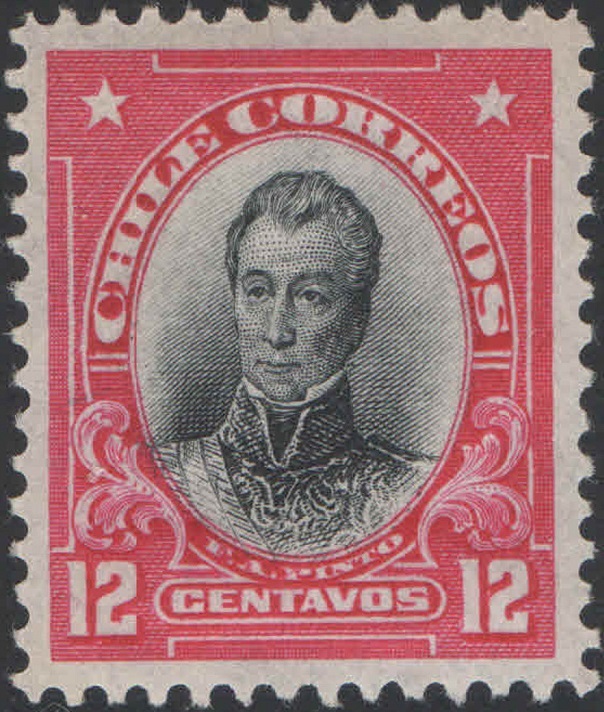 |
Send note to Staff 
|
|
|
Valued Member
Australia
437 Posts |
|
|
 Who was George N. Burland? This Swedish stamp was one of four printed by the British American Bank Note Company in 1920 and my catalogue gives the engraver as George N. Burland. The others are the first dies of the Lion sculpture, the triple crown and the crown and posthorn stamps. The British American Bank Note Company was formed in 1866 by two groups of men, one led by William Cumming Smillie and the other by George Bull Burland. In 1881 Smillie retired and Burland bought his shares, becoming president. He died in 1907 and his son, Jeffrey, took over as president. Jeffrey died in 1914 and was succeeded by H.W. Pillow from 1914-18. After that, the company records that I can find simply say that other family members were involved in the running of the company so it seems clear that George N. Burland was part of the family, but which part? Also, as he was obviously a competent engraver, why did he not engrave more stamps for the company? I have found engravers for most of my Canadian stamps but he does not feature anywhere other than this small group from Sweden. Of course, he could have been working mainly on banknotes or perhaps he got caught up in administration. On an allied note, BABNC closed their doors in 2012 but the Bank of Canada Museum seems to have been given a large quantity of their dies and proofs so we can hope that these become visible soon. http://www.bankofcanadamuseum.ca/20...uisitions-6/ |
|
Send note to Staff
|
|
| Edited by jjarmstrong47 - 10/15/2016 9:55 pm |
|
|
Valued Member
Australia
437 Posts |
|
|
Do you like playing those games where you have to find the difference between two pictures? I've been doing something similar today, sorting out the "lion" stamps from the 1920s in Sweden. There were three dies of these, the first, and easiest, was by George N. Burland at the British American Bank Note Company. This is his engraving from 1920.  Then later in 1920, Swedish Post took over their own stamp production and any new dies were done by Paul Wilcke. This is his.  In 1925 a die was needed to replace the 10 ore violet stamp and the job was given to Sven Ewert who went on to dominate Swedish stamp engraving for many years. Here is his. It is very similar to Wilcke's effort but the differences are there if you look.  I suggest not bothering with any differences in lettering and value and concentrate on the lion. Good luck! |
|
Send note to Staff
|
|
|
|
Valued Member
Australia
437 Posts |
|
|
It has been discussed here before how Pierre Gandon's career was nearly nipped in the bud due to the anger of the French nationals at the end of the war at the stamp he did for the Tricolour Legion.  This was a short-lived attempt at the Vichy government to set up a Legion that would be under French control and would look out for French interests but Hitler was not amused and banned it. The Legion was re-absorbed into the French Volunteer Legion which fought under German control. I find it difficult to understand why this stamp drew such anger, particularly when you look at the concept of French control.Other engravers such as Degorce produced stamps for the French Volunteer Legion without the acrimony at the end of the war. My question about this is about the "label" that formed the centre of the sheet in a similar way to gutter labels on modern stamps. The sheet was arranged in two rows of blue then one white then two red so that the central three formed the French flag.  I've finally got my hands on a set of these and it looks as though the embossing on the gutter was done using an uninked die, though possibly deepened to add to the effect. In every way, it resembles an albino copy of the stamp. Even Gandon's signature is there so why was this not considered a stamp? Was it ever used for postage? After all, it has the value on it so it should have been valid.  Hopefully, you will able to see it here. |
|
Send note to Staff
|
|
|
|
Valued Member
Australia
437 Posts |
|
|
One final item for today. This is one of the American Owl series.  Does anyone know if this was hand engraved for the engraved part. I'm always suspicious when Arago doesn't list an engraver and mentions that for some "engraved" stamps the dies are made by etching with acid. This looks like a contender for that to me. Here is a close up. It looks a bit like the Austrian Etch-Art.  |
|
Send note to Staff
|
|
|
|
Pillar Of The Community
1918 Posts |
|
|
The Owl stamps were engraved by Vignettes : Joseph S. Creamer Jr. (1923-2000) Lettering & numerals : Albert Saavedra (1927-2009) In this stamps with color shift error you can see the part that corresponds to the engraving printing : 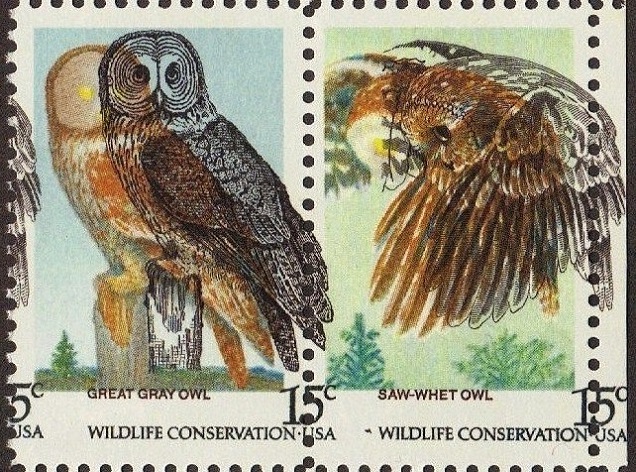 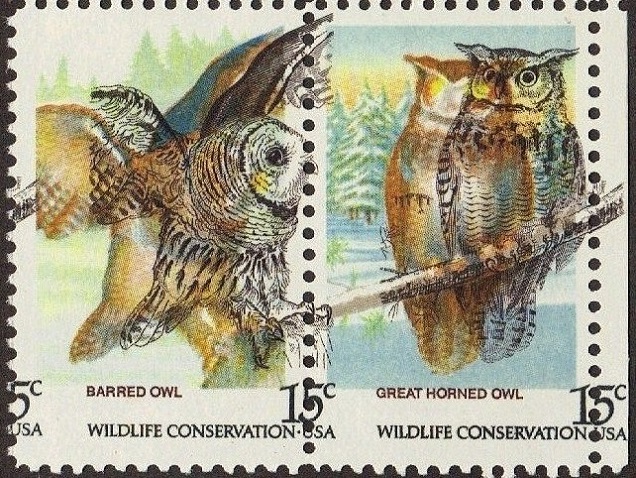 Good point about the French "blank" stamp! |
|
Send note to Staff
|
|
|
Pillar Of The Community
1918 Posts |
|
|
Honduras - 1929 Flight New York-Honduras by L.Garay Printed by American Bank Note Co. Vignette engraved by William F. Ford (1895-1963) 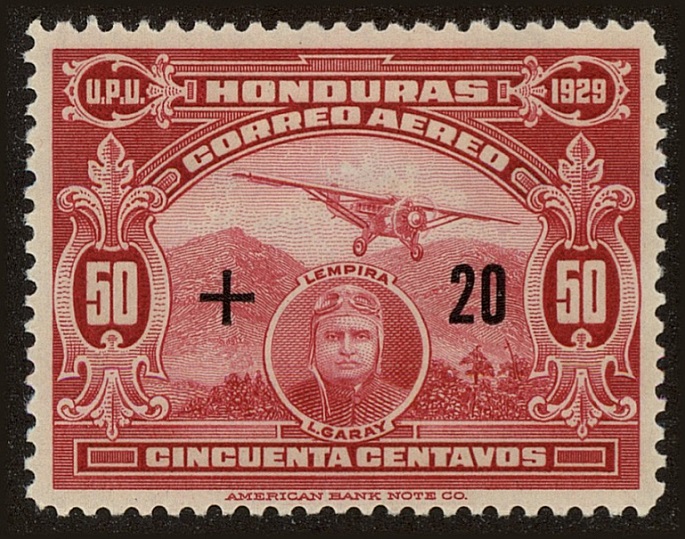 Cuba Cuba - banknote 1949 5 pesos (P78) Printed by American Bank Note Co. Máximo Gómez portrait Engraved by William F. Ford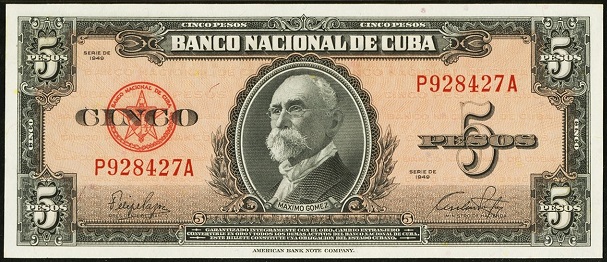 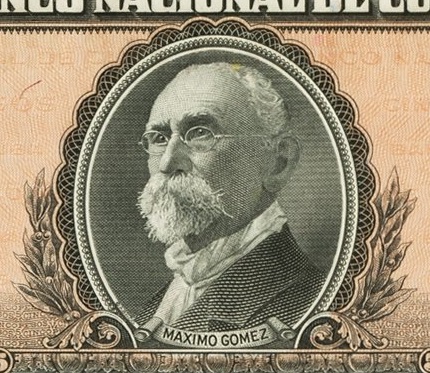 |
|
Send note to Staff
|
|
|
Pillar Of The Community
1918 Posts |
|
|
Spain1933 - Special Delivery stampPrinted by FNMT Engraved by Pedro Pascual Escribano (1889-?) 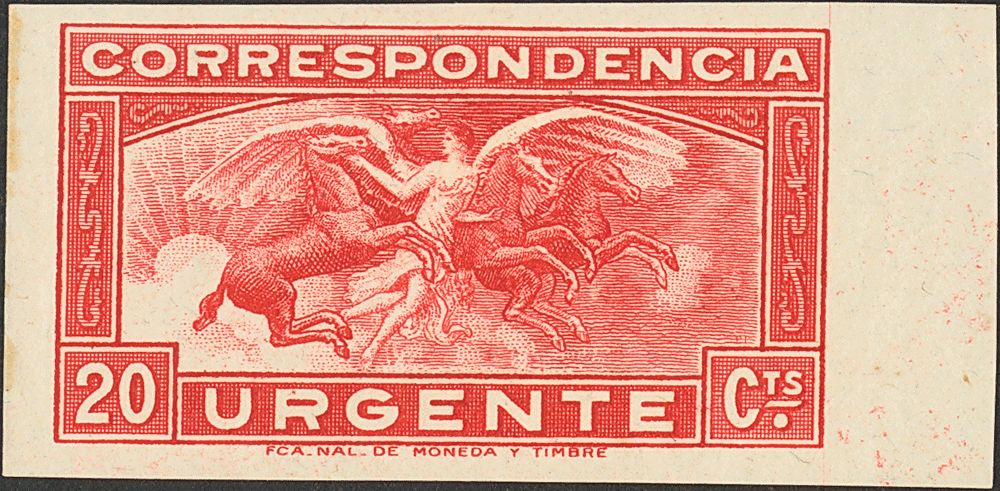 1959 - Guadalupe Monastery 1959 - Guadalupe MonasteryPrinted by FNMT 15 cts and 80 cts engraved by Pedro Pascual Escribano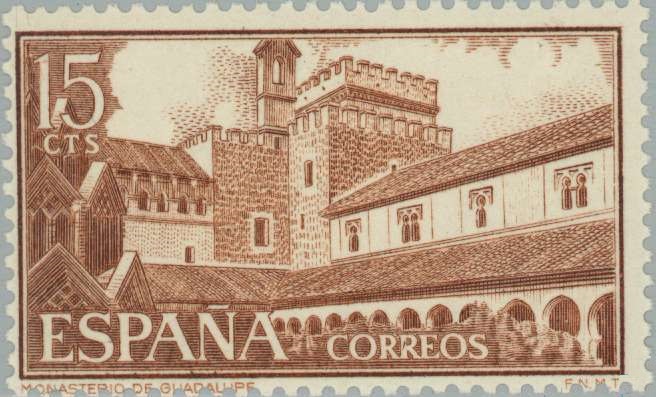 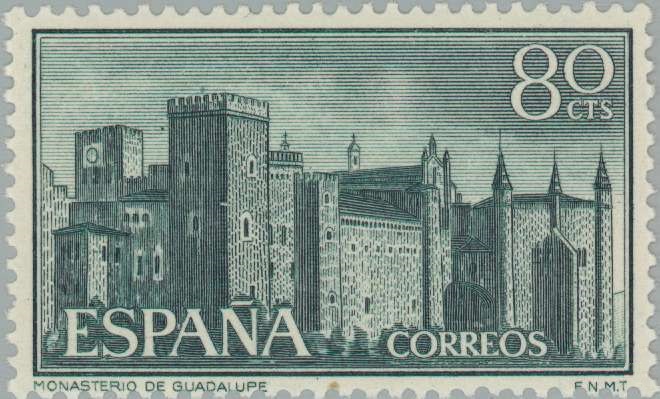 1 Peseta engraved by Antonio Manso Fernández (1934-1993) 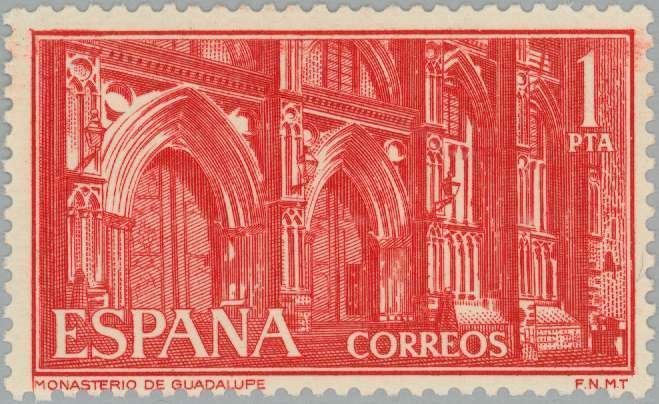 |
|
Send note to Staff
|
|
|
Valued Member
United Kingdom
257 Posts |
|
|
Jorgesurcl, so fantastic to see you back on a roll again. Thanks for adding all this information!
As for the Guadalupe issue: Stanley Gibbons states that the whole set was engraved by Pedro Pascual Escribano, but they have been wrong before. Where did you get your Antonio Manso Fernández info from? |
|
Send note to Staff
|
|
|
|
Pillar Of The Community
1918 Posts |
|
|
AKPhilately - I took that information from some FESOFI files (FESOFI = Federación Española de Sociedades Filatélicas) Chile - 1911Gen. Ramón Freire (10 cts) Printed by American Bank Note Co. Vignette engraved by Harry P. DawsonFrame & lettering engraved by George H. Seymour (1852-?) 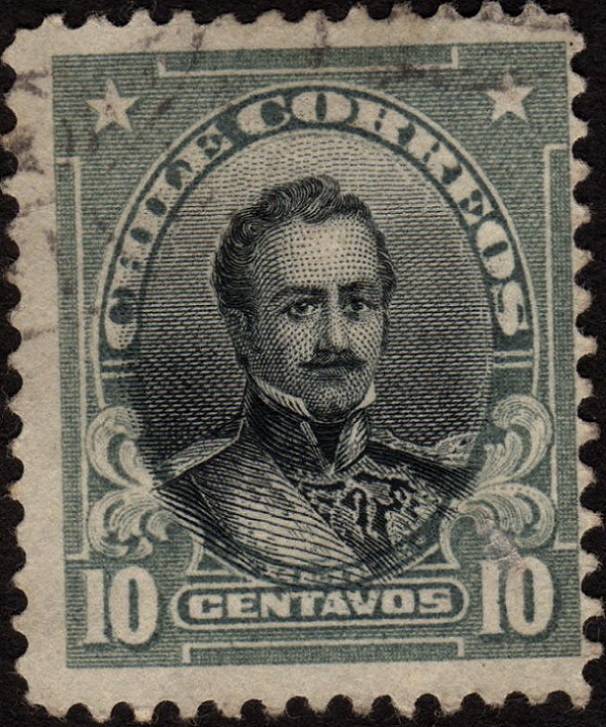 1912 - (8 cts) 1912 - (8 cts)Printed by American Bank Note Co. Vignette engraved by Charles Schlecht (1843-1932) Frame & lettering engraved by George H. Seymour (1852-?) 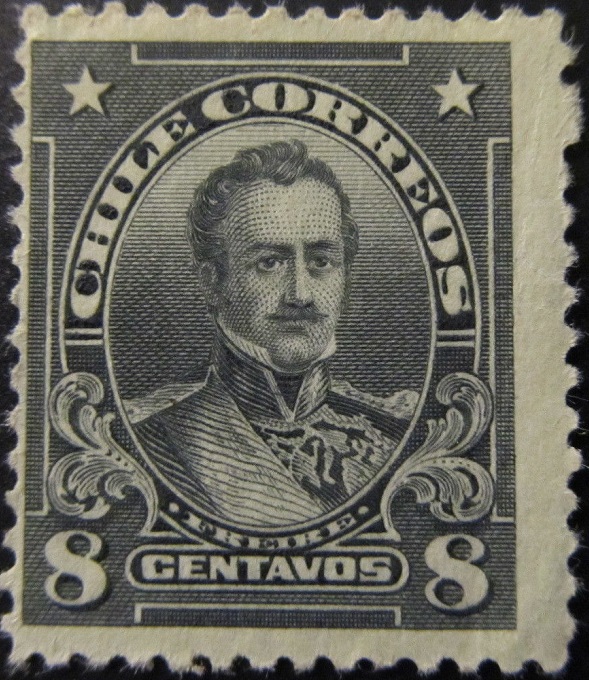 Both stamps were perf. 12 The 8 cts stamp was also printed in Chile (in 1916), but perf.13 1/4 x 14 1/4 and with new die and plates made in London by Thomas McDonald and Co. |
|
Send note to Staff
|
| Edited by jorgesurcl - 10/20/2016 08:23 am |
|
|
Valued Member
United Kingdom
257 Posts |
|
|
That sounds convincing enough to me, jorgesurcl!  I'm still collecting the engravings of Wilhelm Gottfried (also known as Guillermo Godofredo) Nüesch and have just come across this revenue stamp which I believe he may well have engraved. 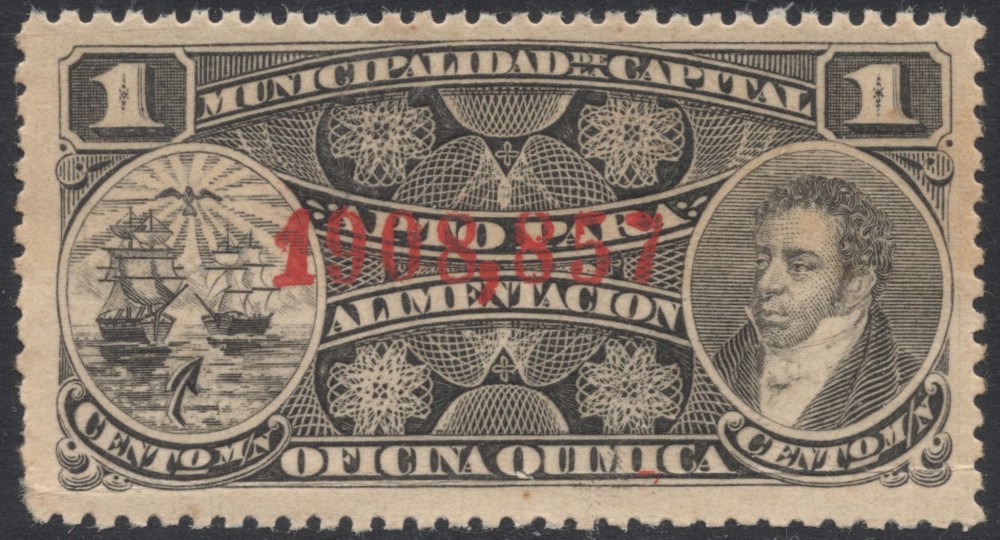 I've read somewhere that he engraved the following revenue stamps for Argentina: 1894 oficina quimica municipal de Buenos Aires 1898 tabacos 1898 inhumaciones 1898 derecho de guia y de piso de la direccion de abasto 1900 sanitarios y productos medicinales I do not have any information on these but this particular stamp does sort of fit the 1894 revenue stamp description. Does anyone have any more information on these? Pics perhaps? Or a suggestion for a revenue catalogue maybe? Anything will be hugely appreciated! |
|
Send note to Staff
|
|
|
|
Pillar Of The Community
1918 Posts |
|
|
Valued Member
United Kingdom
257 Posts |
|
|
Fantastic. Needs a lot of stuyding though. But I've found the one I have and a few others which may fit the bill. Thanks so much! |
|
Send note to Staff
|
|
|
|
Pillar Of The Community
1918 Posts |
|
|
AKPhilately - More info... http://bdh-rd.bne.es/viewer.vm?id=0...26168&page=1See pages 77-78-90-94-96-99... Municipalidad Buenos Aires 1898-99 (this last ones with control number) 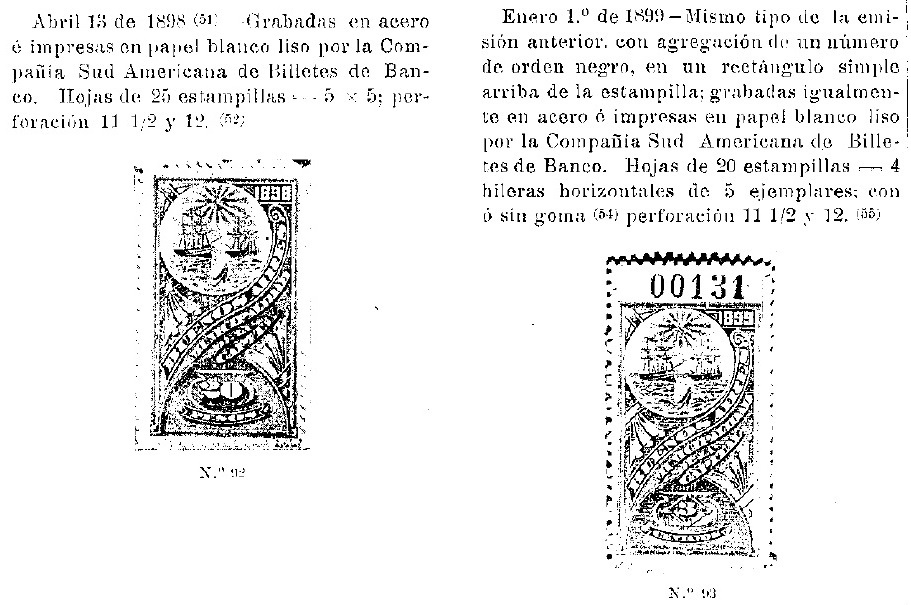 1898-99 Derecho de Piso (Admission charge, cattle market) 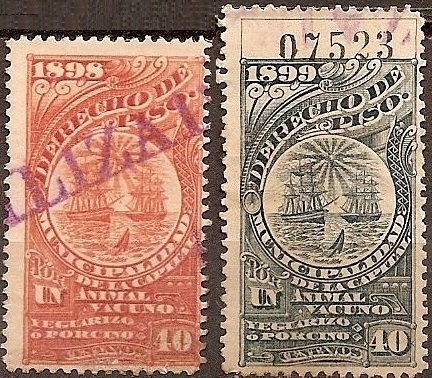 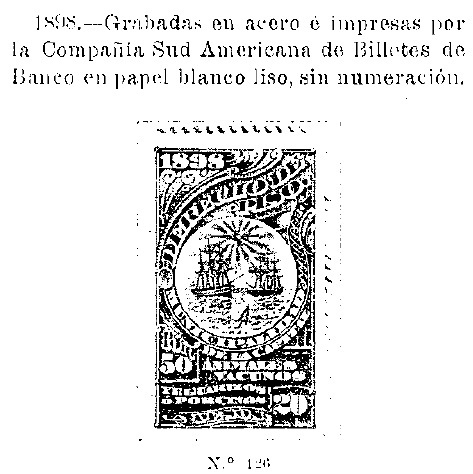 1894 - Oficina Quimica. Apto para alimentación (like the FDA in US) 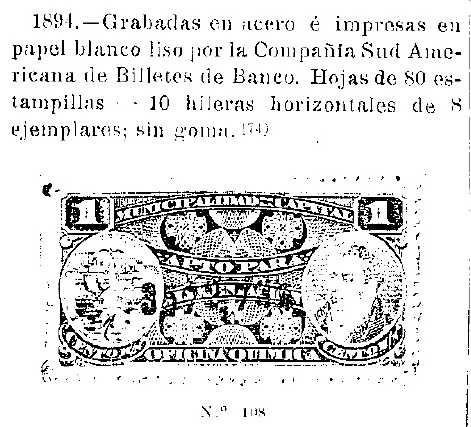 1898 - Inhumaciones (Burial) 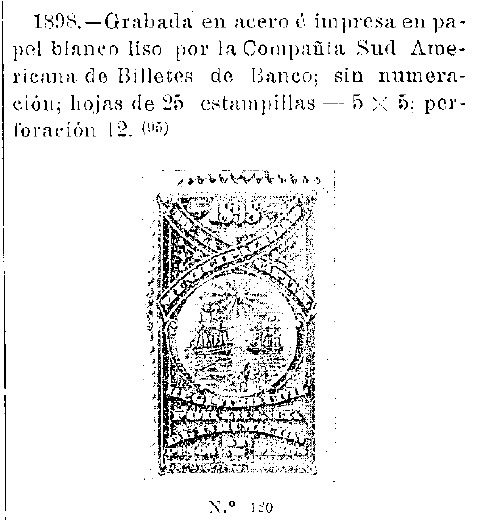 1898 - Derecho de Guia (Cattle transport) 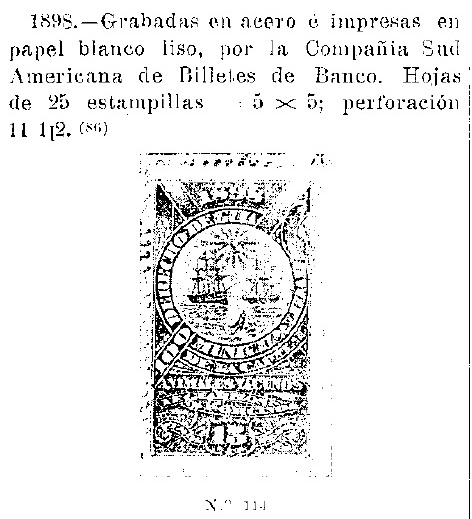 Sorry for blurry images |
|
Send note to Staff
|
|
|
Pillar Of The Community
1918 Posts |
|
|
Peru - 1951 La Achicana Dam (Ica River) Printed by Institute de Gravure, Paris Engraved by Pierre Munier (1889-1962) 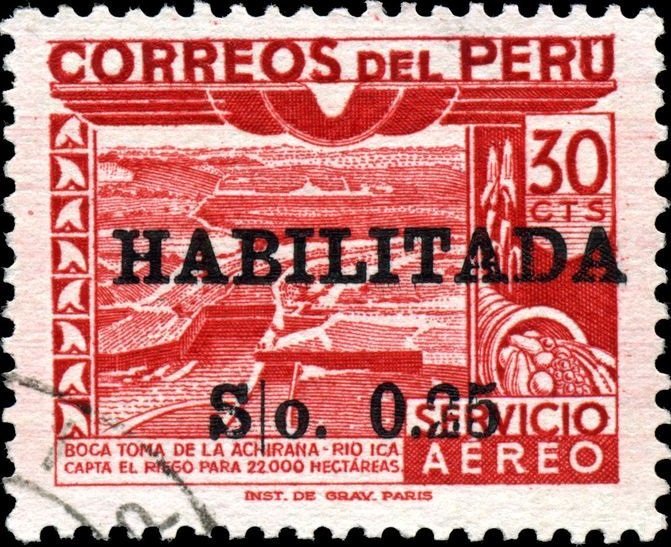 The stamp was issued with this overprint 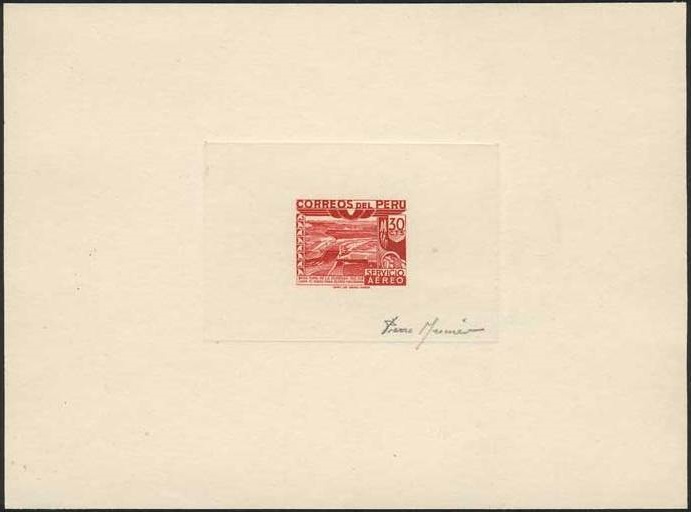 |
|
Send note to Staff
|
|
|
Replies: 3,986 / Views: 1,946,742 |
|




 Posted 10/15/2016 5:27 pm


