| Author |
 Replies: 3,986 / Views: 1,946,683 Replies: 3,986 / Views: 1,946,683 |
|
|
|
Pillar Of The Community
669 Posts |
|
|
Lithograving...here are some of the Cheffer from my collection... Monaco 1923-Scott 50  Monaco 1923-Scott 55  Monaco 1926 Scott B29  Monaco 1942 B69  France 1956 Scott 815  France 1955 Scott 759  France 1957 Scott 836  France 1944 Cinderella from a Souvenir Sheet in Aid to Musicians featuring engravings by the "who's who" of French stamp engravers.  French Morroco- 1939 Scott C25  French Guinea 1914- Postage Due- Scott J19  |
Send note to Staff 
|
|
|
Pillar Of The Community
Canada
5821 Posts |
|
|
Thanks for showing the 2 Prince Albert stamps. That 1923 Monaco set was mentioned in the Cheffer article in TimbresMAG but the illustrations were not in colour. That 1957 was I believe Cheffer's last stamp he engraved for France. His design of Marianne ( la République de Cheffer) was used for the 1967 definitives 10 years after his death. Scott 1230 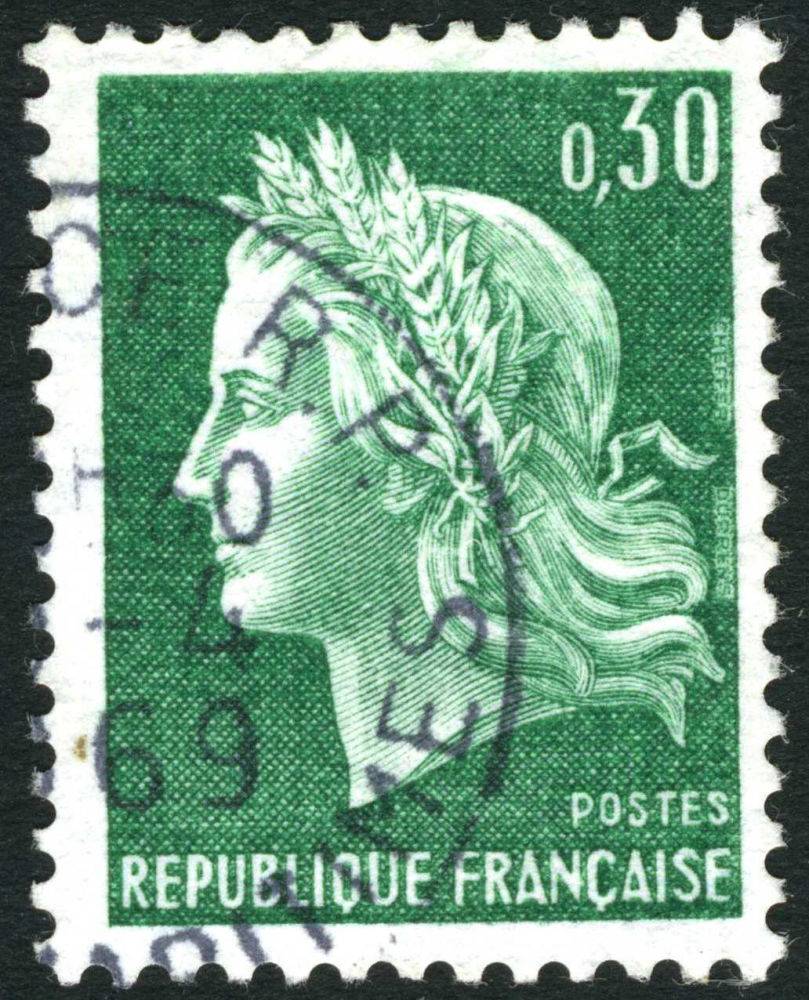 |
|
Send note to Staff
|
|
|
Pillar Of The Community
Canada
5821 Posts |
|
|
Quote:
But in just 1 colour???? Rein, is that an example of direct(dark blue) and indirect (light blue) recess printing? Etching , maybe? 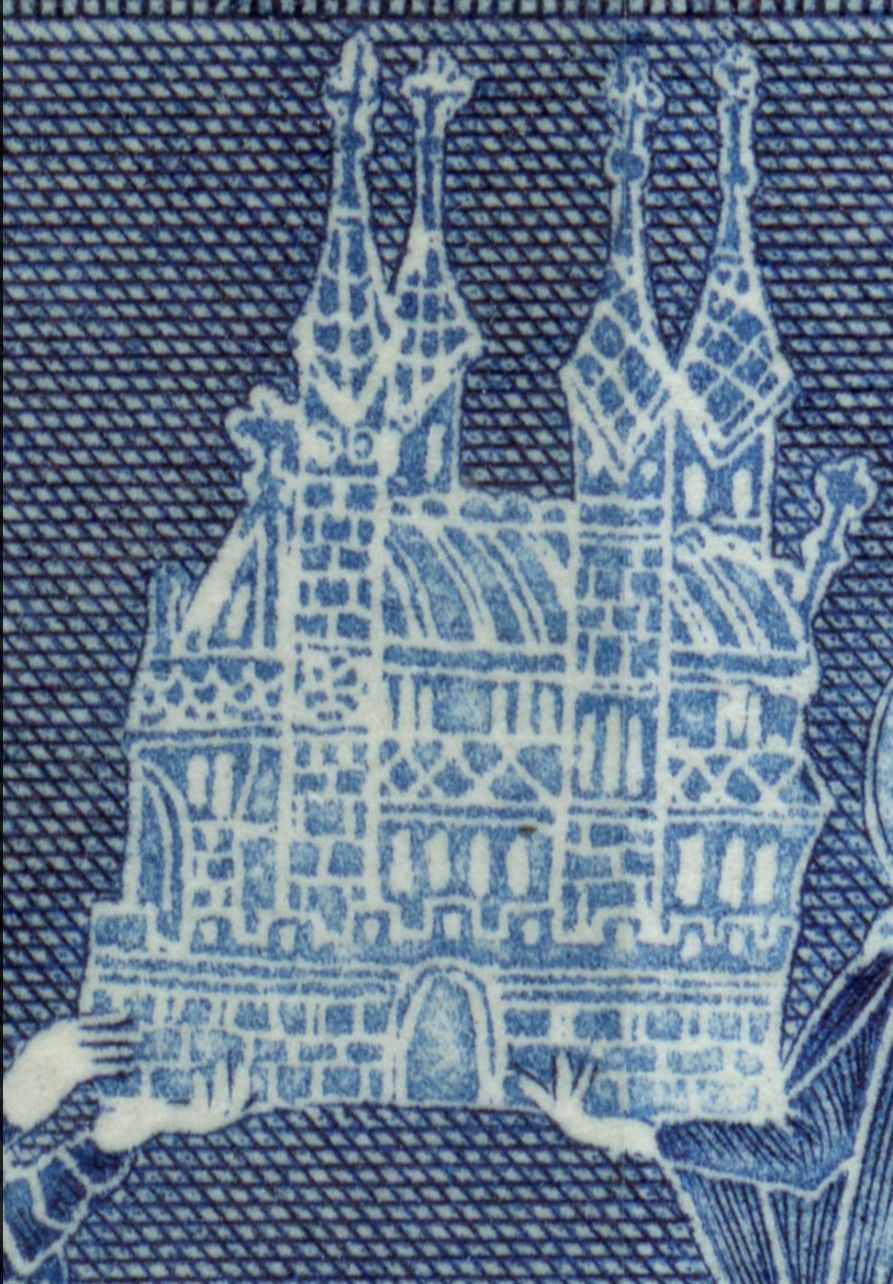 BTW, you didn't mention it but the engraver was S.L. Hartz |
|
Send note to Staff
|
| Edited by lithograving - 12/19/2016 4:51 pm |
|
|
Valued Member
Australia
437 Posts |
|
|
I think it is one colour as in some of the lighter areas it grades into the dark blue and some of the engraved lines lighten in places to the colour of the abbey she is holding. Engravers sometimes did use acid to achieve an effect but it was extremely difficuklt to get right, but then Sem Hartz was an excellent engraver.
The lighter planes don't show much in the way of incision lines which also makes a combination of etching and engraving possible. Acid might also account for all the little splodges within the engraved grid.
When it was being produced in 1947 nobody could have envisaged that one day we would be viewing it blown up to 60cm. |
|
Send note to Staff
|
|
| Edited by jjarmstrong47 - 12/19/2016 8:27 pm |
|
|
Valued Member
United Kingdom
314 Posts |
|
|
As soon as I viewed the (two?) blues Abbey stamp, I immediately thought direct and indirect intaglio, as per Lithograving's view. Having now read jjarmstrong47's opinion, I think that either method could have been employed! GLENN |
|
Send note to Staff
|
|
|
Rest in Peace
Netherlands
963 Posts |
|
|
It is a pity that Joh. Enschedé are closing down the banknote printing department due to the lack of assignments for euro banknotes.
Recess printing was NEVER done in the stamp printing department but always in the banknote printing department. When postage stamps had to be done in recess they were done in the banknote printing department. Combinations with photogravure or offset-litho were scarce. Probably the last one was done for Germany around 2010 with railroad pictures.
I'll have to look it up.
I think the combination of etching and engraving the 3f50 Luxemburg stamp is the most likely explanation. Too early for indirect recess, some 10 years later for Belgium on a STIF-press.
So far I haven't seen any other stamp with etching and engraving combined apart from the VERY frequent use of screened recess in Luxemburg stamps printed in Haarlem! In those cases the plates wre etched as well..... |
|
Send note to Staff
|
|
|
Pillar Of The Community
Canada
5821 Posts |
|
|
Quote:
When it was being produced in 1947 nobody could have envisaged that one day we would be viewing it blown up to 60cm. I agree with you there jjarmstrong47. When I was posting the stamps engraved by Henry Cheffer I was was thinking along those lines. By showing the works of all these engravers of the past we are honouring their achievements so they won't be forgotten. |
|
Send note to Staff
|
|
|
Pillar Of The Community
Canada
5821 Posts |
|
|
Here is a Barlangue engraved stamp which I neglected to include with his others on Page 202. I usually follow the Phil-Ouest site for the chronological order but they did not include this Barlangue stamp. http://www.phil-ouest.com/Timbres.p...rlangue&Ordr br / This is not the first time I noticed an error on this site but then again nobody is perfect.  I should have crosschecked with Michel and/or Adrian's Stamp Engraver list. Still all in all Phil-Ouest is a very useful site. FRANCE 1949 Scott 627 Designer & Engraver : Gabriel-Antoine BarlangueEmile Baudot 1845-1903 French telegraph engineer and inventor of the first means of digital communication, as per Wikipedia. 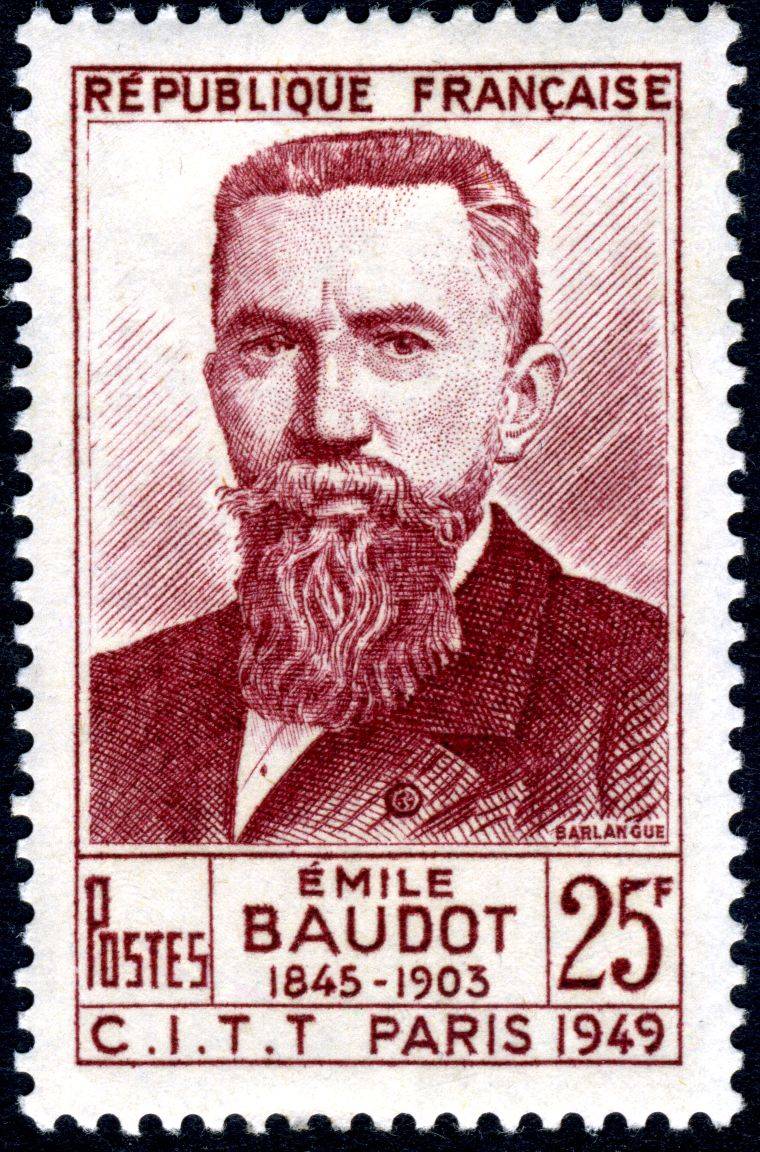 |
|
Send note to Staff
|
| Edited by lithograving - 10/14/2019 2:06 pm |
|
|
Pillar Of The Community
669 Posts |
|
|
Lithograving...the Phil-Ouest is a great French stamp resource. but in the case of listing the complete output of certain 'artistes'...they do state "Cette liste n'est pas exhaustive"...meaning "this list is not complete"...explains a lot. |
|
Send note to Staff
|
|
|
Pillar Of The Community
Canada
5821 Posts |
|
|
graphis, thanks for pointing that out to me. So it would be an omission not an error. I did notice an error just recently though while I was posting the Cheffer stamps. As you can see from the screenshot Henry Cheffer was credited with the design and engraving of the Holy Cross Abby stamp, whereas it was by Raoul Serres (R.Serres inscribed on right edge) 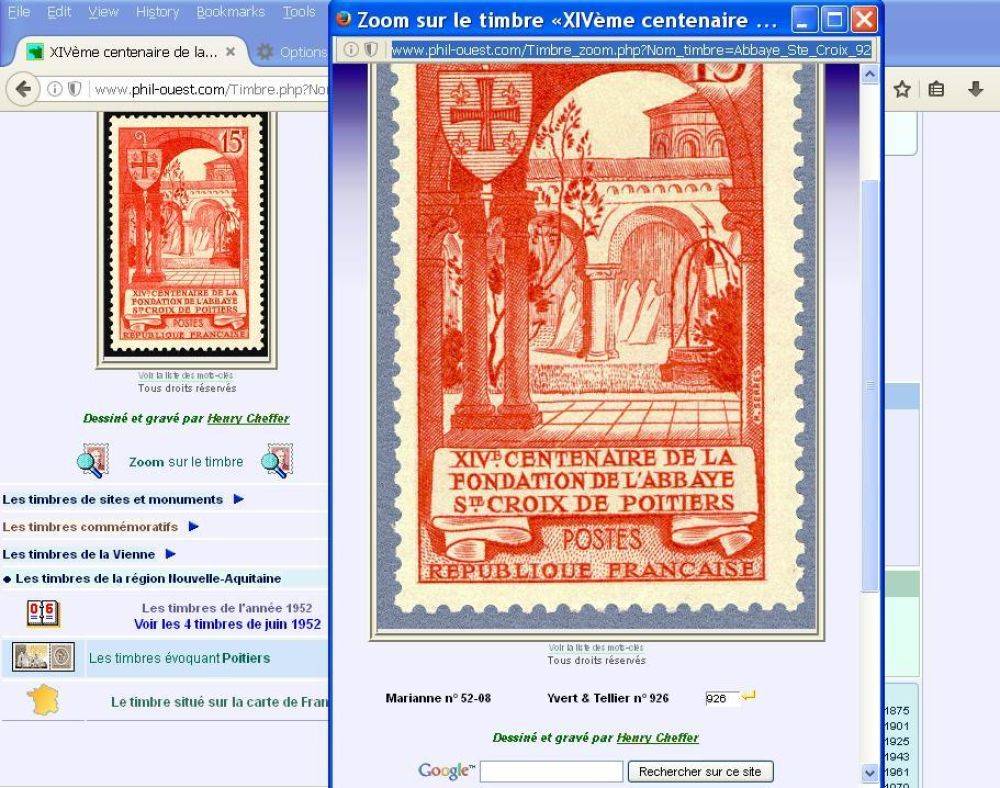 I would notify the site regarding error(s) but my French is trop pauvre but maybe you could inform them. |
|
Send note to Staff
|
| Edited by lithograving - 12/21/2016 12:01 pm |
|
|
Valued Member
Australia
437 Posts |
|
|
I mentioned a stamp earlier with muliple engravers. This one may take the record. It represents the work of a designer, an artist and five engravers. According to the Arago website http://arago.si.edu/category_2033925.html " Clair Aubrey Huston designed the new Jefferson stamp. For his vignette, Huston used George F.C. Smillie's engraving of Jefferson that appeared on the 2-cent value of the 1904 Louisiana Purchase Exposition Series. Smillie used as a model for his engraving a portrait of Jefferson painted by Gilbert Stuart in 1805. Smillie's engraving was transferred to a new die and restored by John Eissler and Leo Kauffmann for use on the 1923 stamp. The stamp's frame was engraved by Edward M. Hall and Joachim C. Benzing. |
|
Send note to Staff
|
|
|
|
Pillar Of The Community
669 Posts |
|
|
Lithograving..i sent PhilOuest a note about the error.. i'll keep you posted! ( pardon the pun) |
|
Send note to Staff
|
|
|
Pillar Of The Community
Canada
5821 Posts |
|
|
That's great graphis, thank you. When I saw your Lucien Grimaldi Monaco stamp (Scott B29) by Cheffer I couldn't resist placing it side beside the 1967 Monaco Lucien Grimaldi ( Scott 675 ) engraved by Gandon. 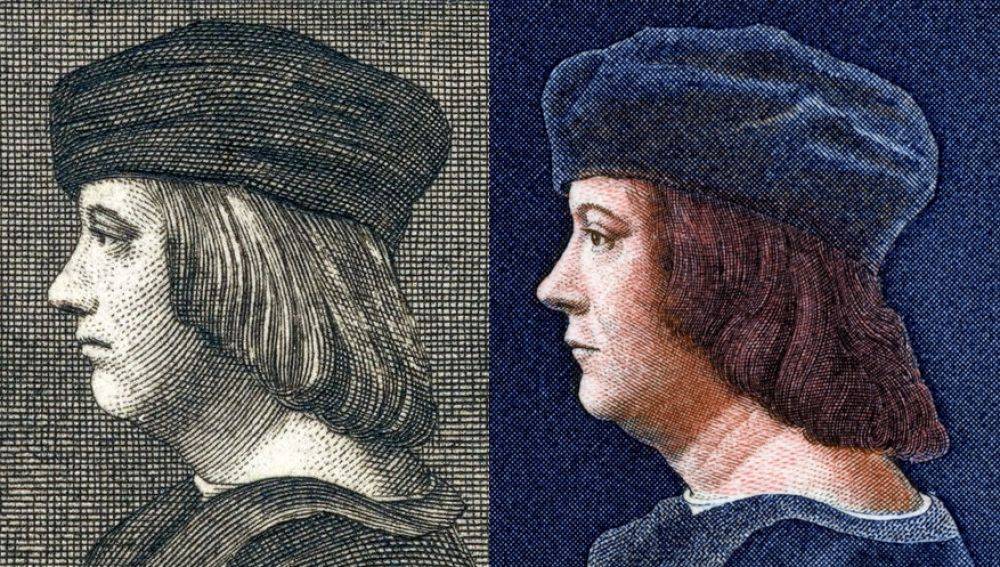 I personally like the coloured version. What do you think?  From the painting by Ambrogio de Predis |
|
Send note to Staff
|
|
|
Pillar Of The Community
669 Posts |
|
|
Lithograving...thanks for posting the Gandon colour version of the Lucien Grimaldi stamp...which I have in my Monaco collection but overlooked and didn't make the connection to the Cheffer version...i like both versions....but if I had to choose one...it would be the Gandon colour one....his engravings of works of art are on their own merit works of art, |
|
Send note to Staff
|
|
|
Valued Member
Australia
437 Posts |
|
|
 It is an interesting comparison, isn't it. In my opinion Gandon has done a better job with the nose and eyes (compared to the painting) while Cheffer's got the mouth right. Gandon is more detailed with things like the creases on the neck which Cheffer has chosen to ignore. Compared to either of them, most modern stamps are merely labels. |
|
Send note to Staff
|
|
|
|
Replies: 3,986 / Views: 1,946,683 |
|




 Posted 12/19/2016 09:58 am


