| Author |
 Replies: 3,985 / Views: 1,946,177 Replies: 3,985 / Views: 1,946,177 |
|
|
|
Pillar Of The Community
7838 Posts |
|
|
Harald Braband engraved postage stamps for (West) Germany, but he was only active for a brief period, from 1960 to 1962. Here are images of four examples of Braband's work. - nethryk Hildesheim Cathedral, miters of Roman Catholic bishops St. Bernward (c. 960-1022) and St. Godehard (960-1038), cross and crosier, designed by German painter and graphic artist Prof. Eduard Ege (1893-1978), and issued on September 6, 1960, Scott No. 817, Michel No. 336.  St. George and the Dragon, designed by Prof. E. Ege, and issued on April 23, 1961 to honor the Boy Scouts, Scott No. 823, Michel No. 346. Note: St. George is the patron saint of the Boys Scouts.  Reis telephone, designed by German graphic artist Karl Oskar Blase (1925- ), and issued on October 26, 1961 for the centenary of the demonstration of the first telephone by German scientist and inventor Johann Phillip Reis (1834-1874), Scott No. 846, Michel No. 373.  Drusus Stone and view of Old Mainz, designed by Prof. E. Ege, and issued on May 10, 1962 to mark the 2000th anniversary of Mainz, Scott No. 848, Michel No. 375.  Bonus photo: The Drusus Stone, a memorial erected in reverence of the Roman general Nero Claudius Drusus Germanicus (38BC - 9AD) by his troops stationed in Mogontiacum (Mainz) shortly after his death.  |
Send note to Staff 
|
|
|
Pillar Of The Community
Canada
5821 Posts |
|
|
Thank you Florian for that detailed information regarding printing,
much appreciated.
Yes the days of recess engraved stamps are coming to a close
except for a few holdouts. I think it's only a question of time
before the majority of countries will stop even issuing stamps.
I have one more question for you. In your initial posts you refered
to mercantile paper.What kind of paper is meant by that?
I believe paper used for recess engraving has to be porous
to allow it to absorb ink without smudging whereas for
offset/litho printing the paper is somewhat coated for better
adherence.
|
|
Send note to Staff
|
|
|
Pillar Of The Community
Canada
5821 Posts |
|
|
Harald Braband did appear to have a short stay with the Bundesdruckerei, Berlin. Makes me wonder why. Was he not up to their standards? Did the printer already have enough engravers (Falz & Fuchs) for the limited amount of engraved stamps West Germany & Berlin were issuing. From the early sixties on West Germany turned more & more to photogravure & offset/lithography. According to Michel, Braband engraved the 40pf value from the 1959 Beethoven SS. 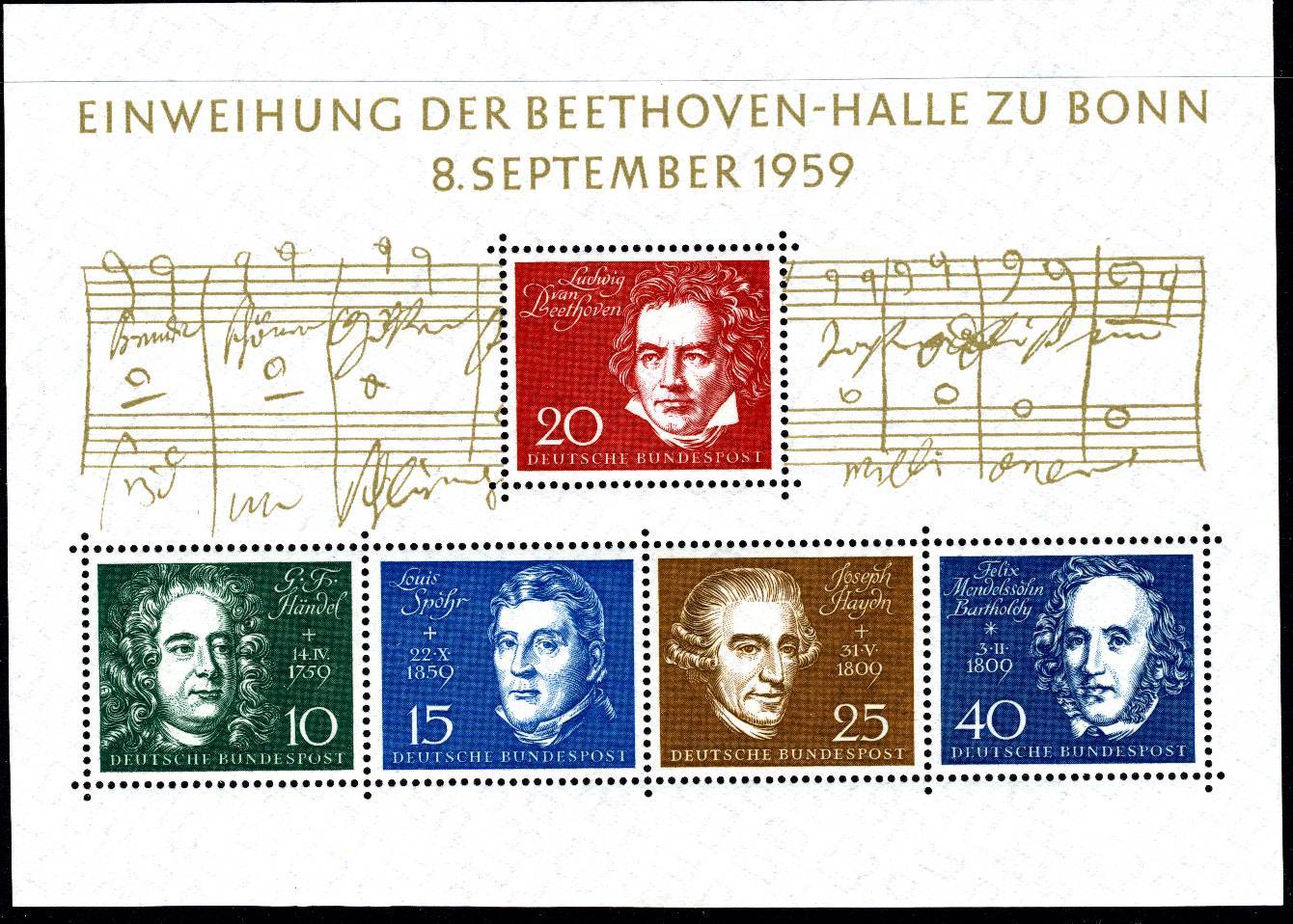 Michel 317 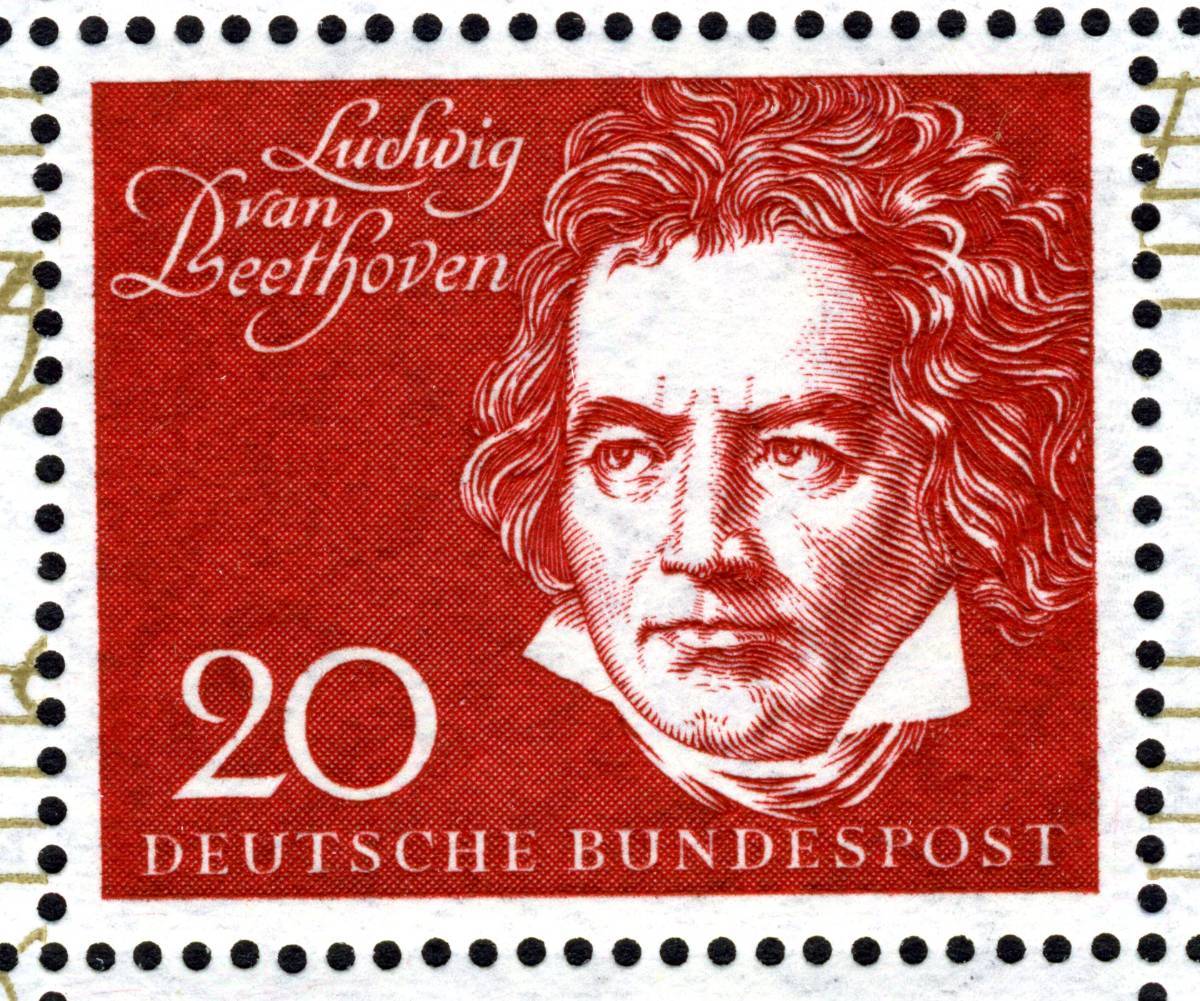 Michel 319 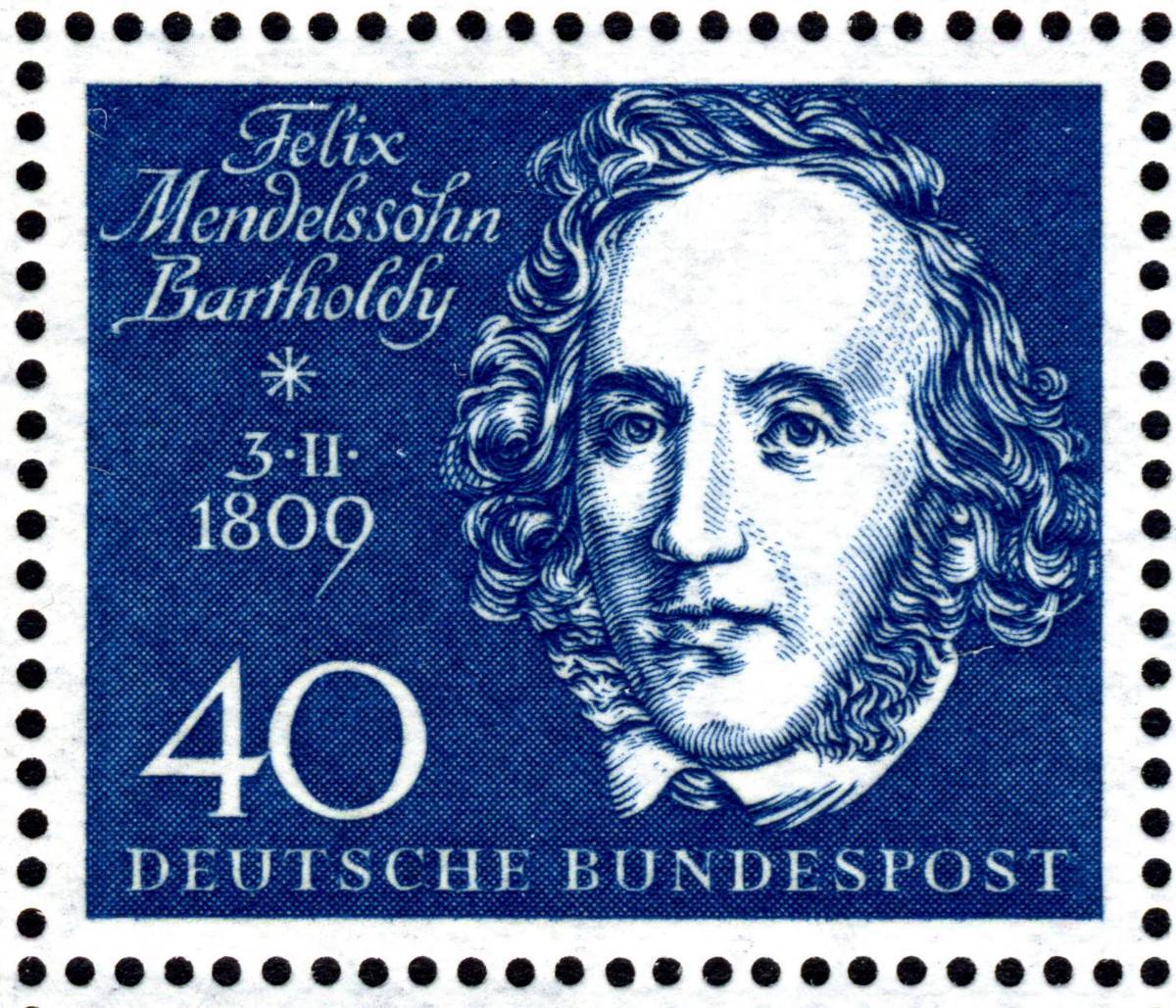 Below are the only other stamps engraved by Harald Braband besides the ones shown by nethryk. At least for West Germany & Berlin. Perhaps he was employed by another security printer afterwards. I could not find anything about him online, not even his birth/death? dates. Michel 337 -339 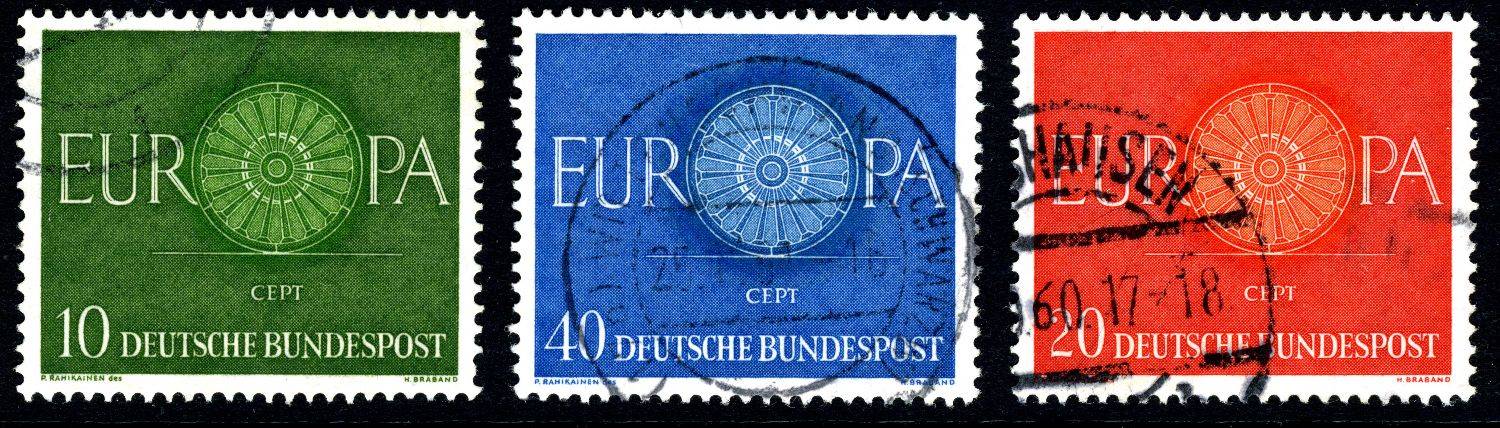 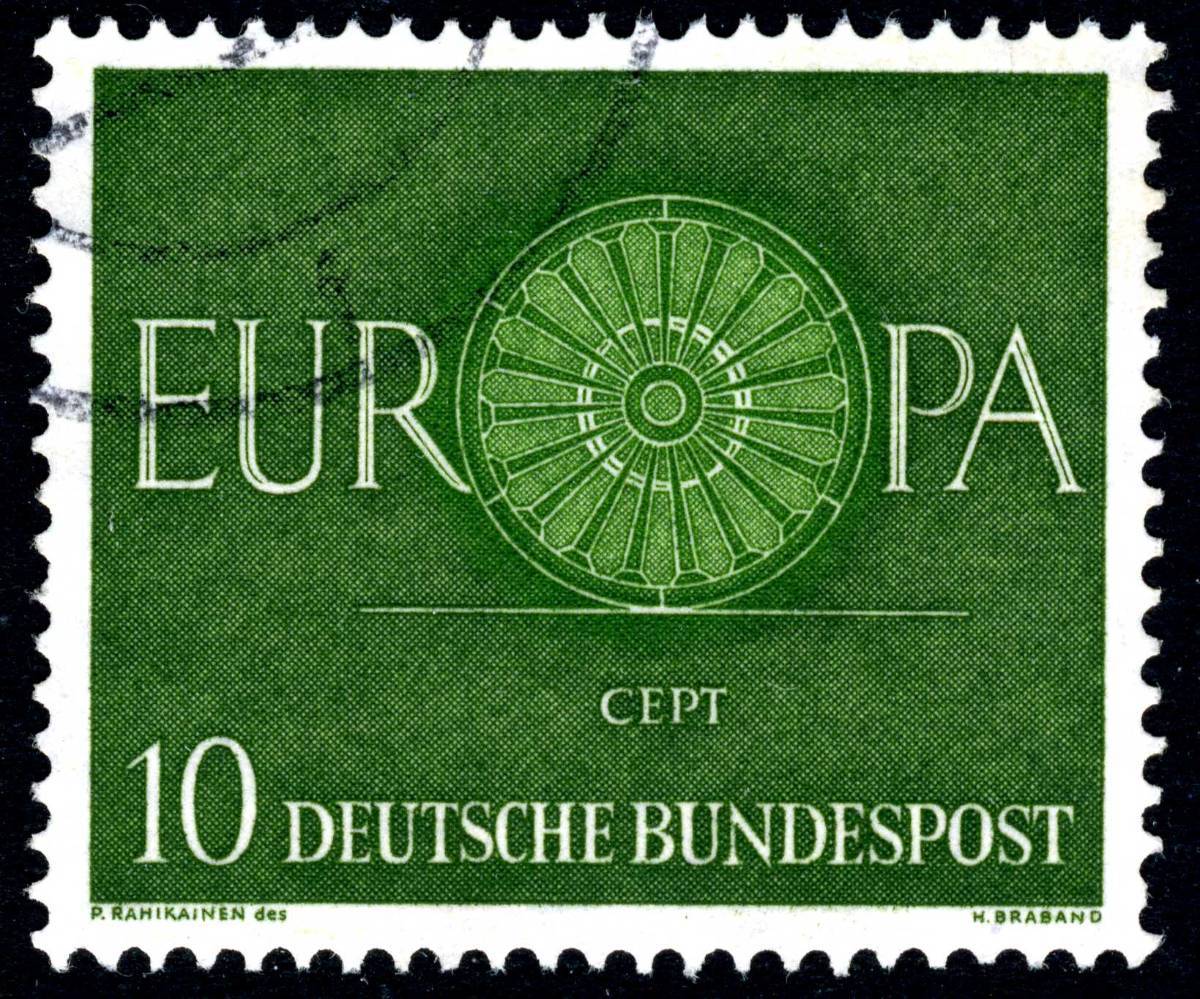 Berlin Michel 191 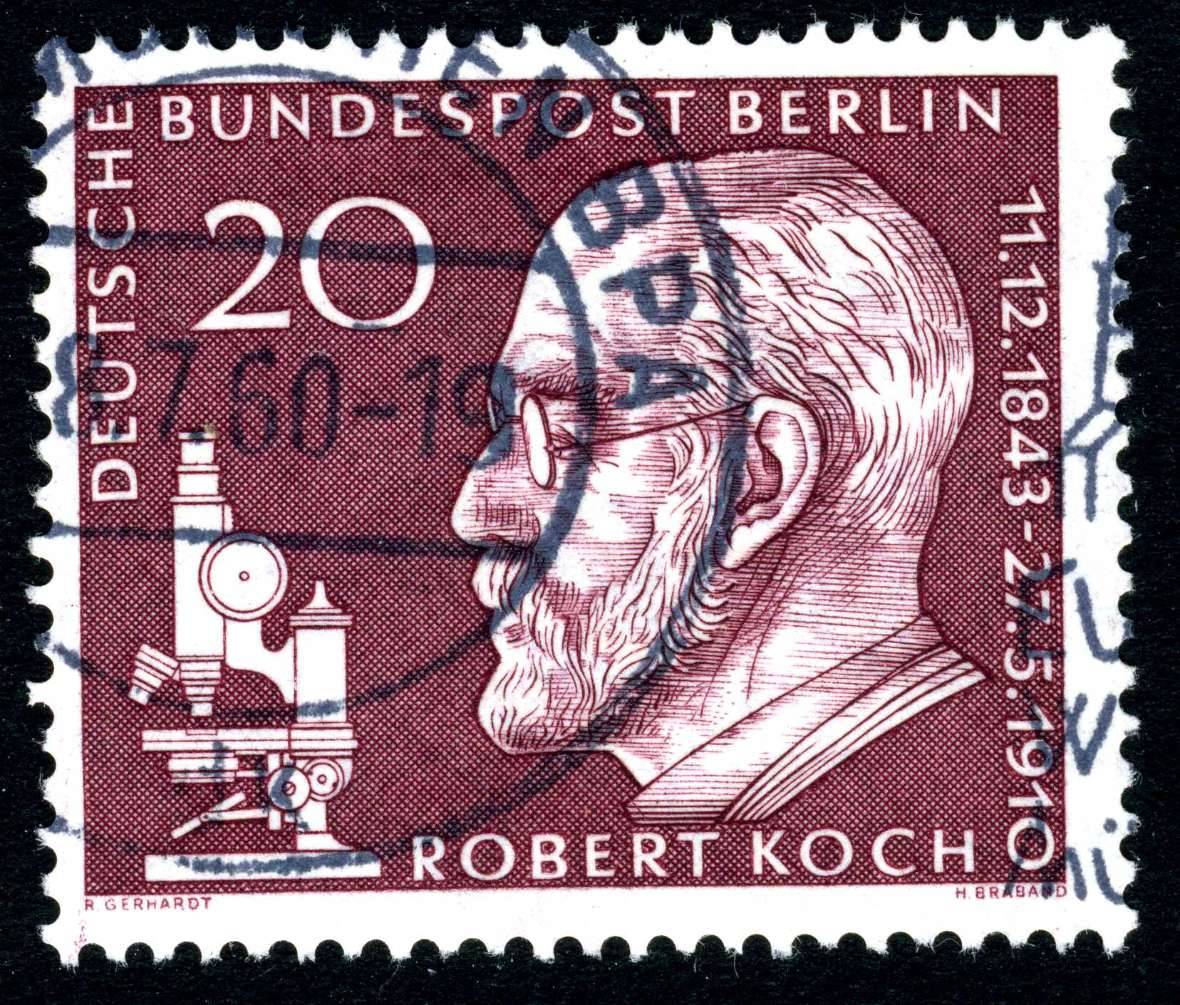 |
|
Send note to Staff
|
| Edited by lithograving - 10/06/2019 8:57 pm |
|
|
Pillar Of The Community
Canada
5821 Posts |
|
|
Czechoslovakia issued a beautiful butterfly & moth 9 value set in 1961. Scott 1082 - 1090. Below are the ones I have. They were printed entirely by recess engraving and one can clearly see from the close ups how the seemingly solid areas were created by engraved diagonal lines and cross hatching. Designer : Max SvabinskyEngraver : Jindra Schmidt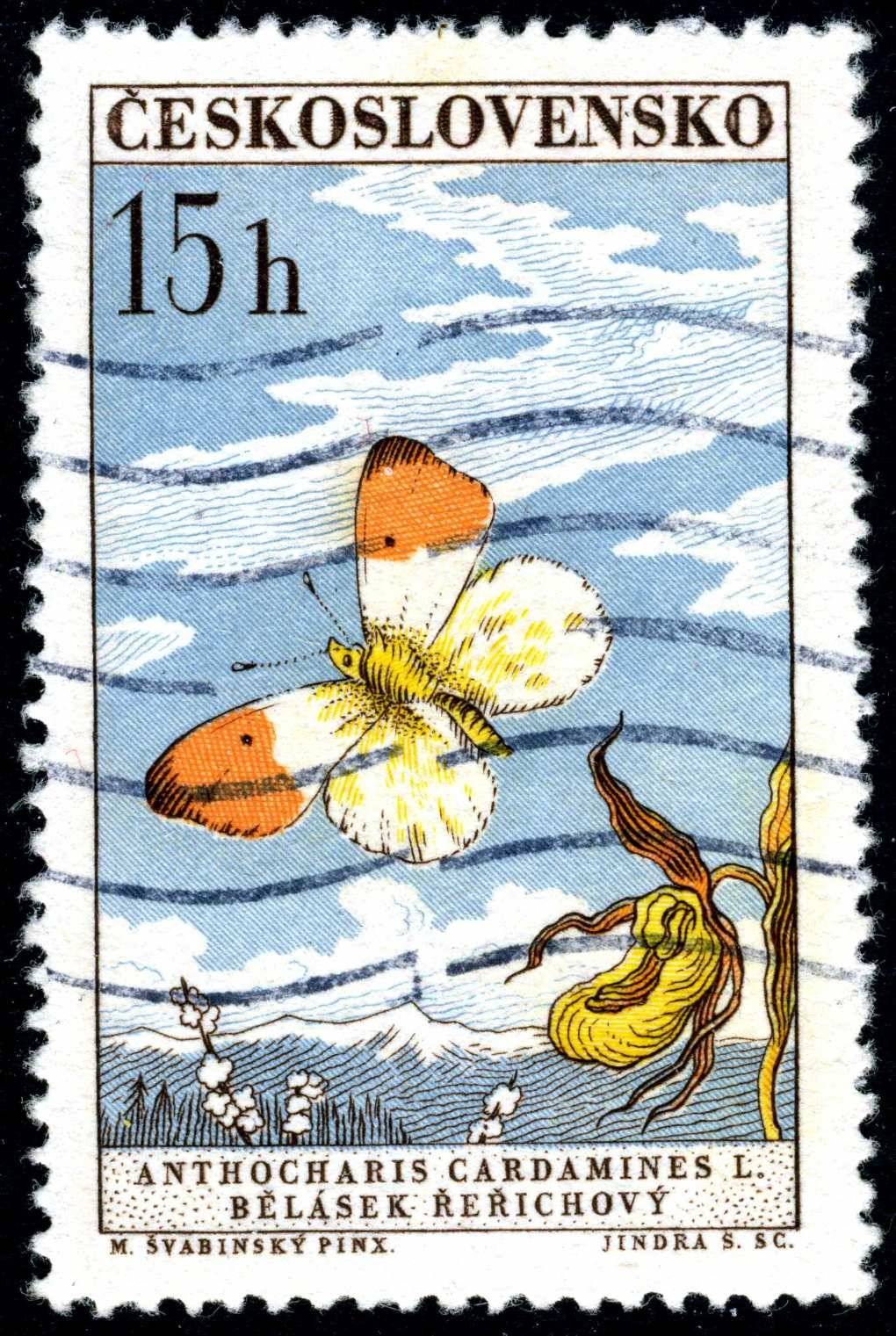  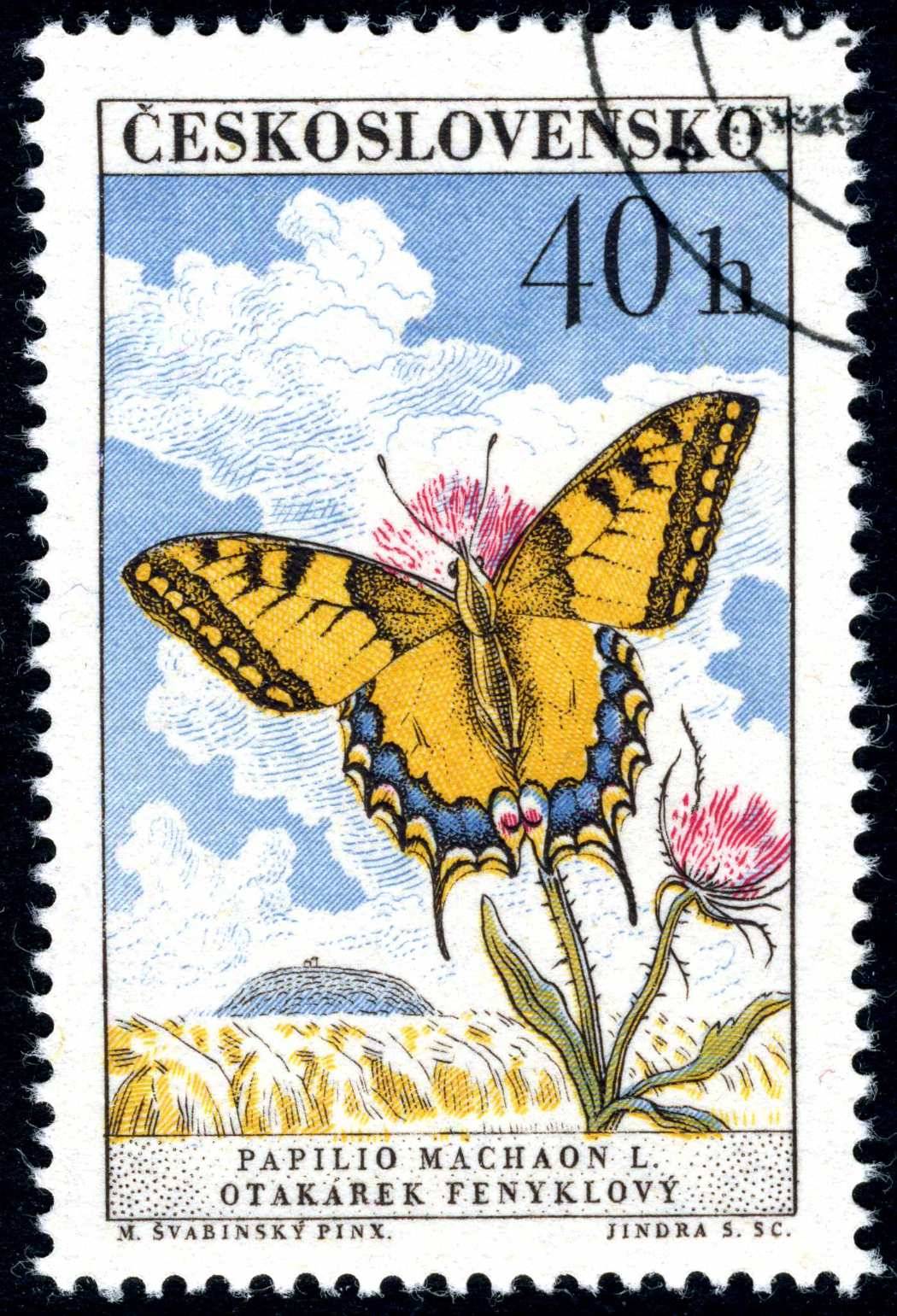 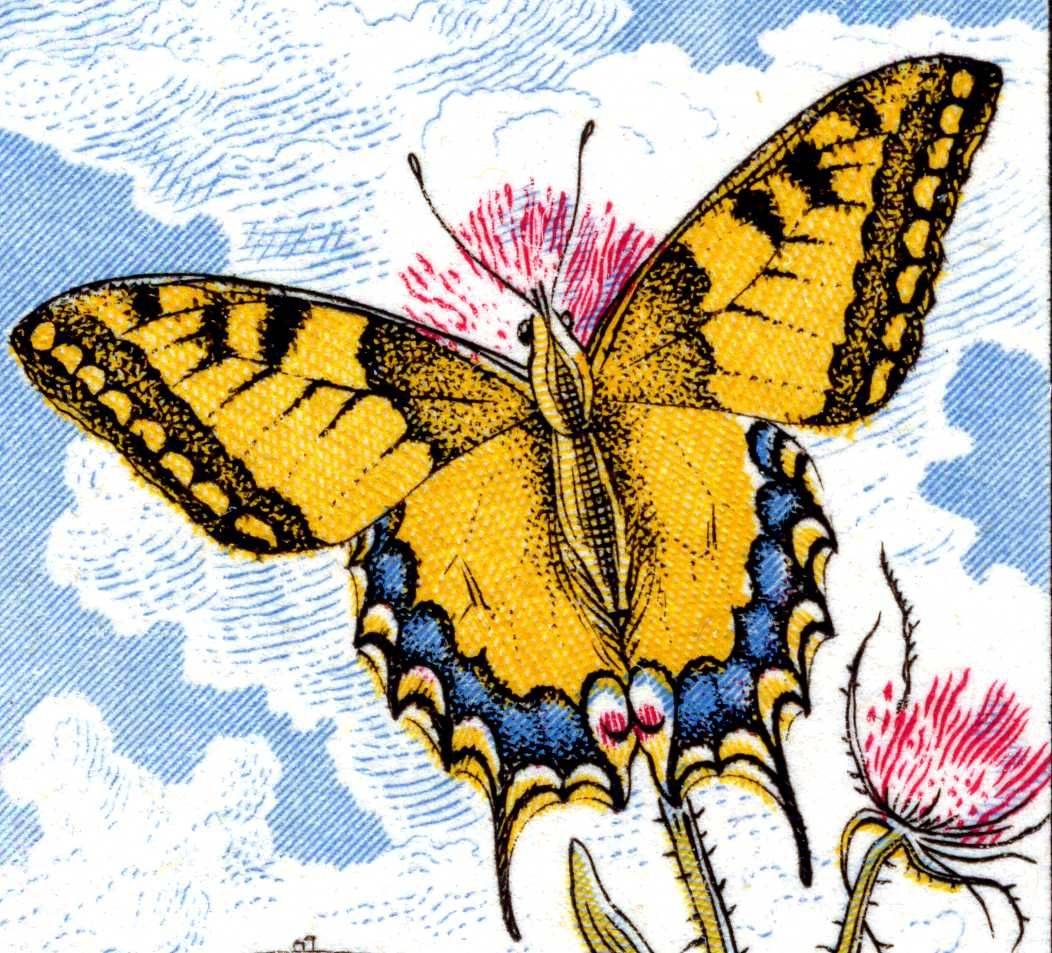 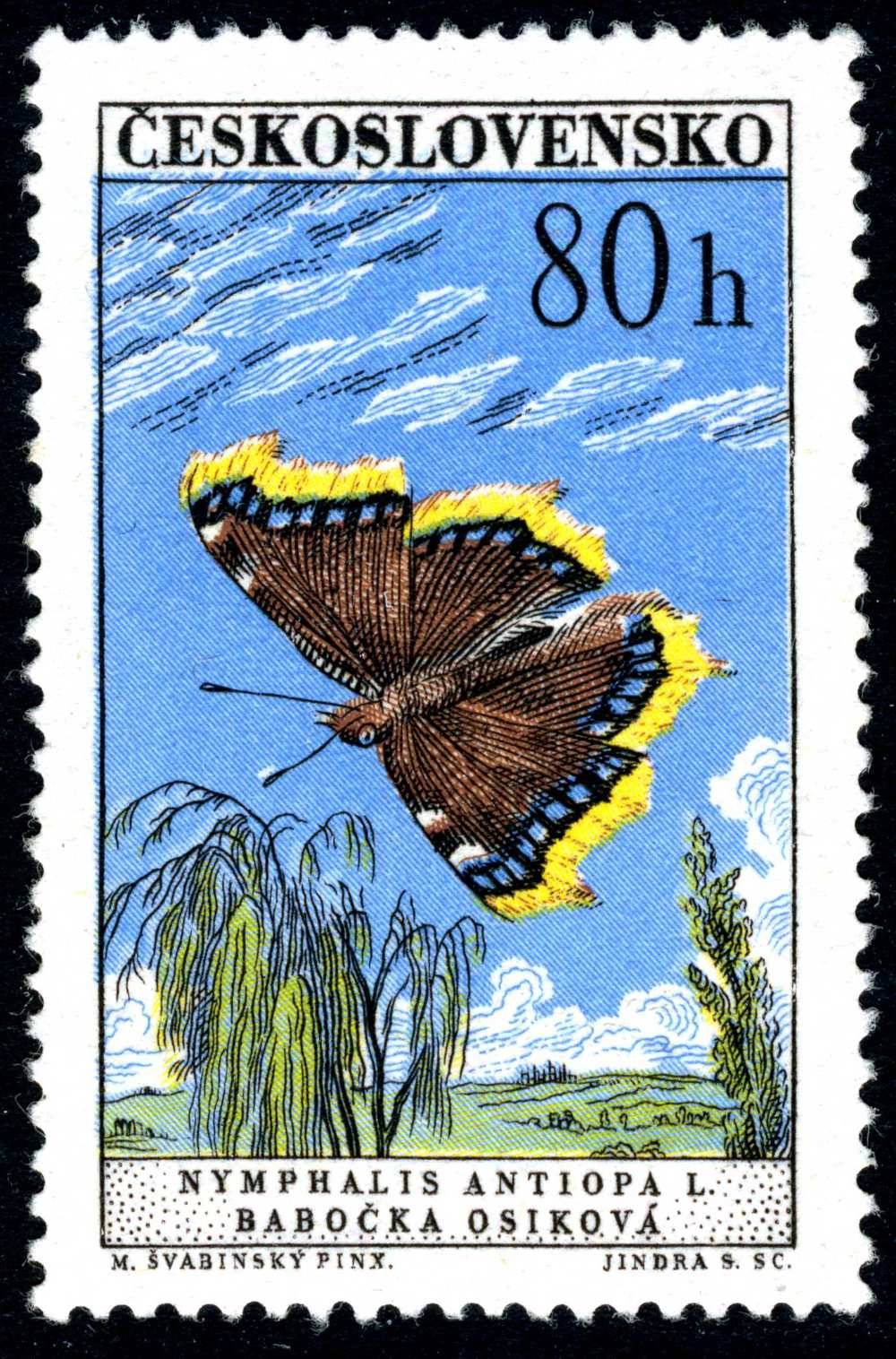 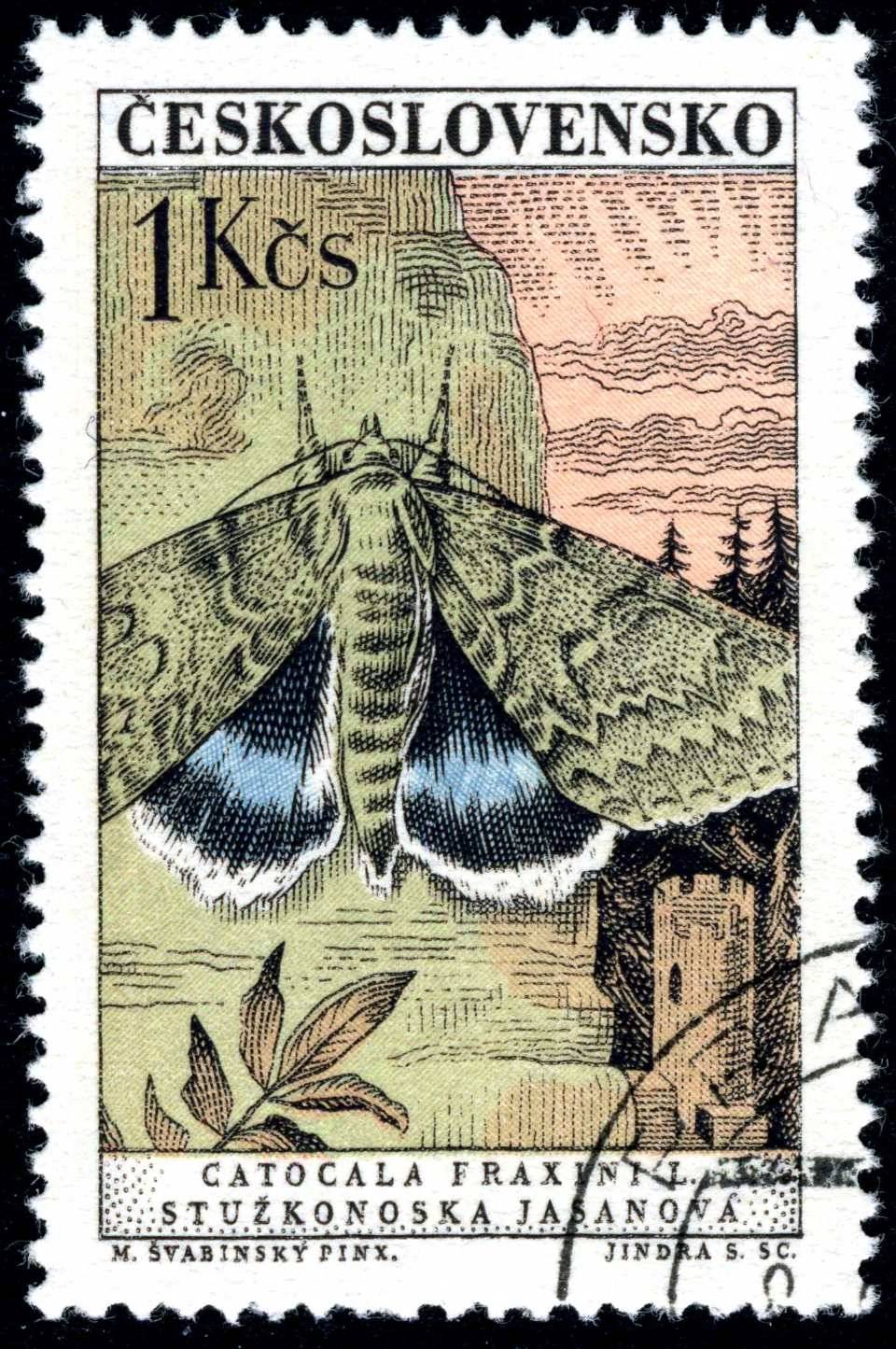  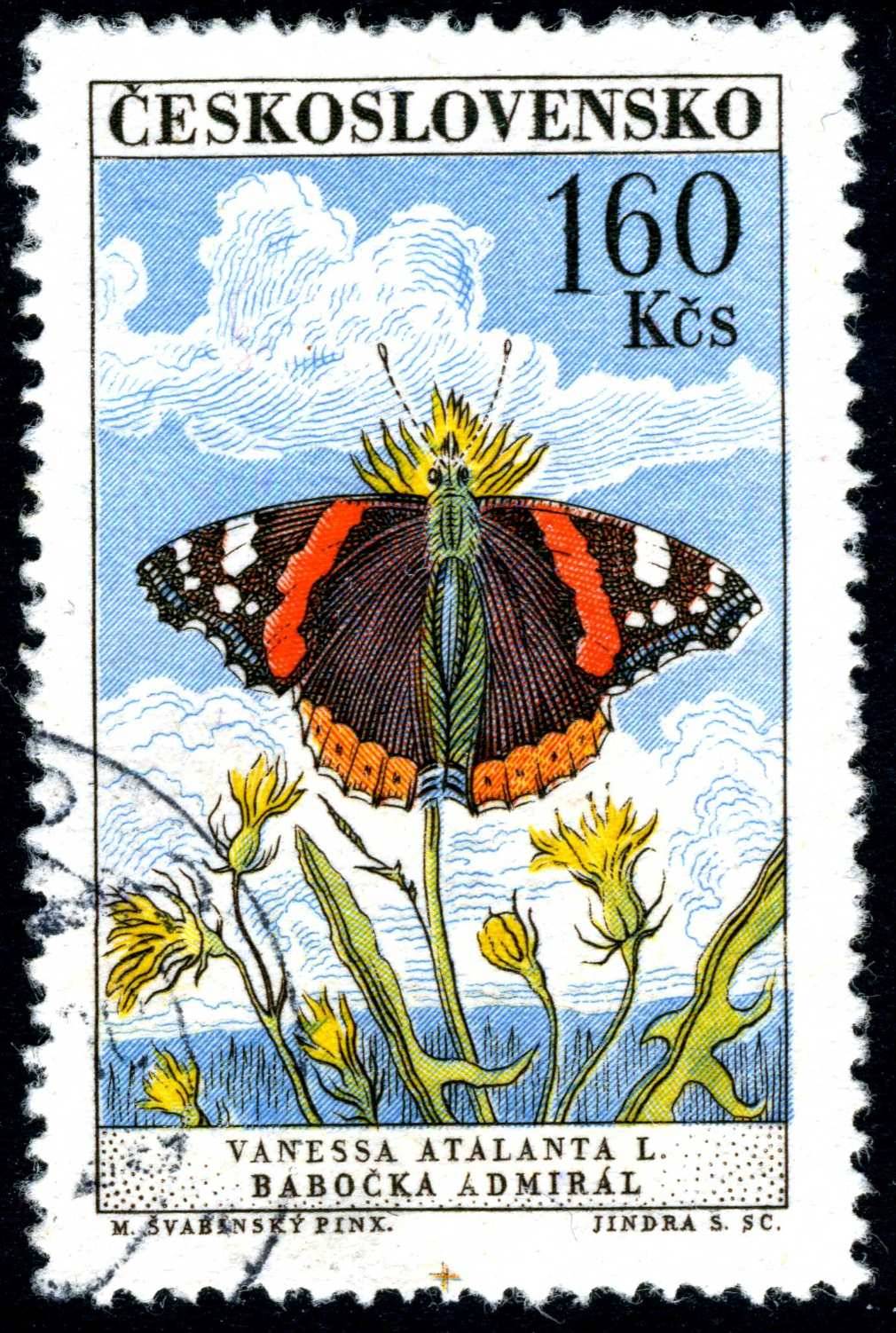  |
|
Send note to Staff
|
| Edited by lithograving - 10/06/2019 9:10 pm |
|
|
Pillar Of The Community
7838 Posts |
|
|
Paul Wilcke was one of Sweden's top court engravers in the early 20th century. Here are images of four examples of Wilcke's work. - nethryk Stockholm Post Office, designed by T. Broberg, and issued on October 26, 1903, Scott No. 66, Facit No. 65.  Gustavus I (Eriksson) Vasa (1496-1560), designed by Swedish artist Einar Forseth (1892-1988), and issued on June 6, 1921, Scott No. 196, Facit No. 155.  Crown and post horn, designed by T. Schonberg, and issued on September 22, 1922, Scott No. 147, Facit No. 160.  Postrider watching airplane, designed by Swedish artist Ture Tideblad (1889-1967), and issued on August 16, 1924, Scott No. 215, Facit No. 213.  |
|
Send note to Staff
|
|
|
Pillar Of The Community
Czech Republic
623 Posts |
|
|
lithograving - Your close-ups are just charming! It is at least here that technological progress has been in favour of stamp art enjoyment. Formerly, collectors never had an opportunity to see the whole of engravers' miniature artwork in the glowing colours and splendour of delicate lines magnified at this scale. |
|
Send note to Staff
|
|
|
Pillar Of The Community
Czech Republic
623 Posts |
|
|
lithograving - Thank you for pointing out another mistake of mine, this time even a more serious one. I do apologize.
For lack of a better expression for the Czech "merkantilie" and rather than saying something like "flat plate presses used for printing engraved letterheads, various luxury prints decorated with hand engraving and similar products", I mistook the English term "mercantile paper", i.e. cheques, bills of exchange and their like, for the Czech expression "merkantilie". I am very sorry. |
|
Send note to Staff
|
|
|
Pillar Of The Community
Czech Republic
623 Posts |
|
|
Now back to flat plate presses of the above-mentioned kind used for printing postage stamps in my country.
The first of this sort came to be used as early as 1937 for printing miniature sheets, the very first of the latter being the 1937 Bratislava Postage Stamp Exhibition M/S printed on a Johnston flat plate press. The same Johnston continued to be used after WWII until April 1959.
After WWII the Czechoslovak postage stamp printer acquired several similar presses manufactured by Waite & Saville in Great Britain and by Heim in Germany and some more of these two makes continued to be purchased later on.
These Waite and Heim presses are said to have never been meant by their manufacturers for printing postage stamps, nevertheless a new Heim was put to this use for the first time in 1950 to print in four runs a sheet of 12 stamps engraved by Jiøí Švengsbír and depicting four historical views of Prague alternating in the sheet three times. The occasion was the Praga 195O Postage Stamp Exhibition.
In 1955 the engraver Jindøich Schmidt and the designer Karel Svolinský in cooperation with postage stamp printers put through the idea of printing stamps in 3 colours on the Waite flat plate press resulting in the 1955 Folk Costume set of 4.
In 1958 a fourth colour was added on the 60h, 1.40 and 1.60 values of the 1958 Mushroom set, while the 30h and 40h values were in 3 colours.
A fifth colour was first used on the 5Kès value showing flags of various nations over Prague as part of the 1961 publicity campaign for the Praga 1962 World Stamp Exhibition issue of 11 stamps.
Even six-colour stamps printed from flat press plates in six runs were exceptionally issued: the 1.20Kès value of the 1971 Art set of 5, the 1.80Kès value of the 1972 Art set of 5 and the 2Kès value of the 1974 Bratislava Northlake Tapestries set of 2. Each of the 6 colours was printed from a separate plate, none of them was obtained by superposition of two colours. |
|
Send note to Staff
|
|
|
Pillar Of The Community
Czech Republic
623 Posts |
|
|
Each colour printed requires at least 12-hour drying time, making considerable demands on drying space, therefore the printing is done part by part until the whole quantity to be issued is printed.
In 2005 three Waite presses were in operation while the fourth was used exclusively for printing FDCs. At one time there had been 5 Waite presses in use.
A large Heim used to be capable of printing two sheets of 4 stamps simultaneously. In 2005 it was kept in reserve only because it was not in ideal condition and could not be serviced by the supplier who had folded up.
|
|
Send note to Staff
|
|
|
Pillar Of The Community
Czech Republic
623 Posts |
|
|
Stamps printed by rotary presses are done on two Wifag presses combining one colour engraving with three- and four-colour photogravure respectively. Both of them were produced by Winkler & Faller AG, Switzerland.
The very first Czechoslovak rotary press stamps were the 1925 President Masaryk definitives printed by a newly-purchased U.S.-made Stickney press. Another Stickney was bought in the early 1930s and remained in operation until 1959 while the first had been donated to North Korea in the 1950s.
The very first Wifag purchased from Switzerland was used for printing the January 12, 1952 set of 2 stamps for Ladislav Zápotocký. It was capable of combining 1-colour engraving with 1-colour photogravure. Stamps printed on Wifag can be told apart from those printed on Stickney by their characteristic perforations.
The 1 + 3 Wifag was purchased in 1967 while the 1 + 4 Wifag was acquired around 1978. The old 1 + 1 Wifag was dismantled. |
|
Send note to Staff
|
|
|
Pillar Of The Community
Czech Republic
623 Posts |
|
|
The Slovak Post has its postage stamps printed by the Postal security printing house, Prague again after experimenting with several foreign security printers around 2004. The simplest way to get through to them and view their stamps is googling out Postal Philatelic Service - Pofis. Their stamps are designed and engraved by Slovak creators in a very original way, only the printing is done in Prague again.
Any more queries are welcome. - florian |
|
Send note to Staff
|
|
|
Pillar Of The Community
1508 Posts |
|
|
Pillar Of The Community
Canada
5821 Posts |
|
|
Florian, thanks for all that detailed information regarding
the various printing presses.
I had heard of the Stickney press but not of the others.
Interesting that the designer (Svolinsky) and
engraver(Schmidt)were allowed some input in the printing process,
as it should be.
I always wondered why some Czech stamps printed in the middle to late 1930s looked different from previous ones.
For instance the 1935 Czech Heroes at Arras (Scott 206 - 207, Michel 336 - 337) and the 1938 Sokol Games and the 20th Anniversary of the Legionnaire battles have a sharper, cleaner engraved look than the ones from 1925 on.
Therefore would I be correct in assuming that these were
printed by the second Stickney press ?
|
|
Send note to Staff
|
| Edited by lithograving - 01/19/2012 4:47 pm |
|
|
Pillar Of The Community
Canada
5821 Posts |
|
|
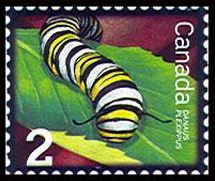
Interesting proverb fifia.
Makes me think I should reread Kafka's The Metamorphosis
|
|
Send note to Staff
|
|
|
Pillar Of The Community
1508 Posts |
|
|
Uhhh, now there is a topic for a thread. The butterfly change is called Chrysalis. Here is a stamp from Romania 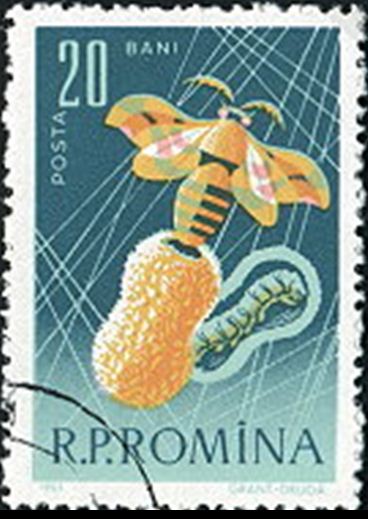  |
|
Send note to Staff
|
| Edited by fifia - 01/19/2012 5:33 pm |
|
|
Replies: 3,985 / Views: 1,946,177 |
|




 Posted 01/17/2012 10:38 am