Thank you very much for your detailed reply and for taking the time to help me. I really appreciate it.
I completely understand your point, especially about not assuming every unidentified stamp is a major rarity. I'm actually very new to philately. About a year ago I
inherited several old albums from a great-grandfather, containing stamps from around 1840 to 1930 from many countries, and I became fascinated by the hobby.
For me, the interesting part is not really the money or trying to become rich from stamps. I do not sell them and I intend to keep the collection as a family collection. What I really enjoy is the research process itself: learning, comparing, identifying printings and papers, and occasionally discovering unusual varieties or small differences that make a stamp a little more special or uncommon.
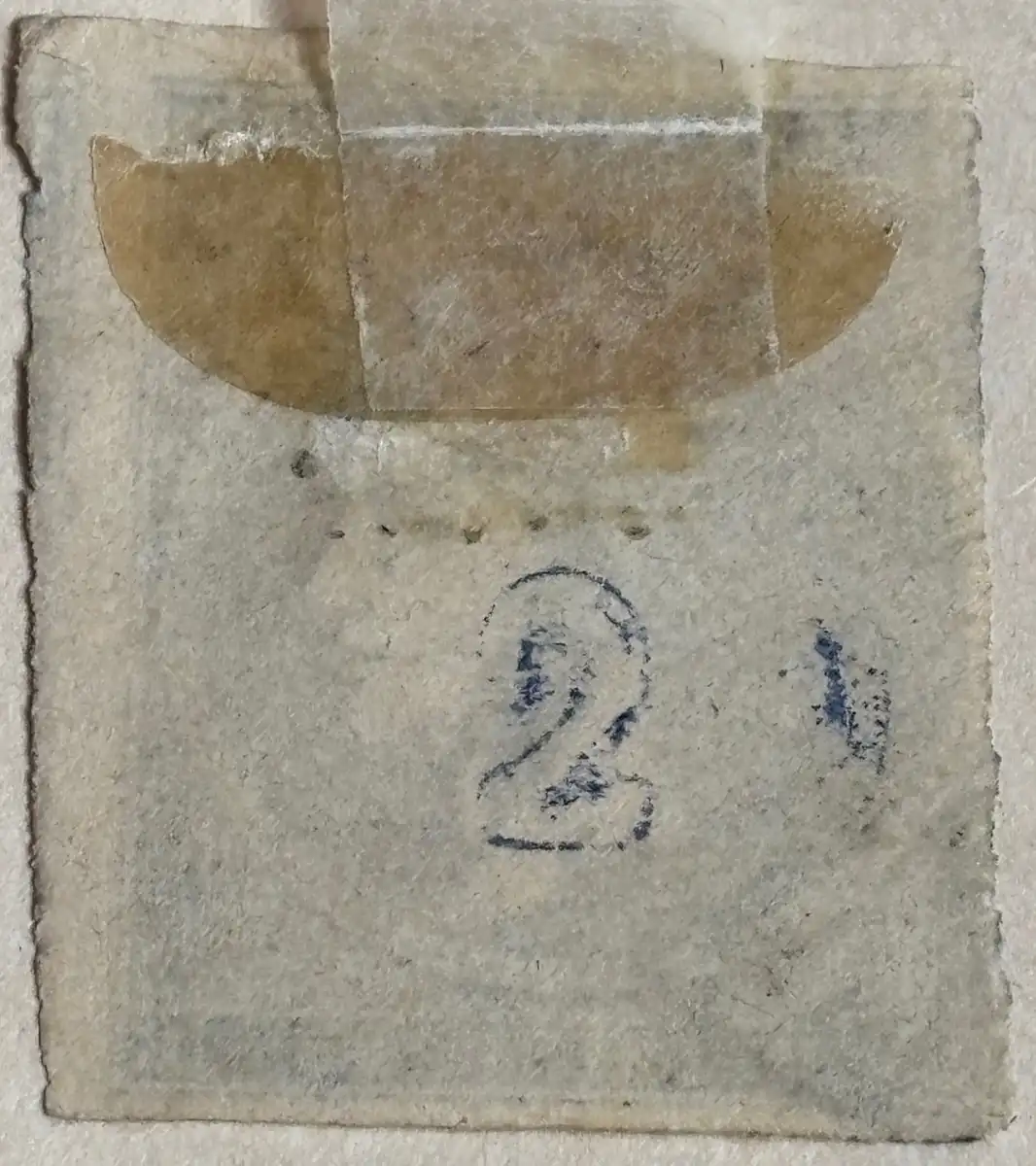
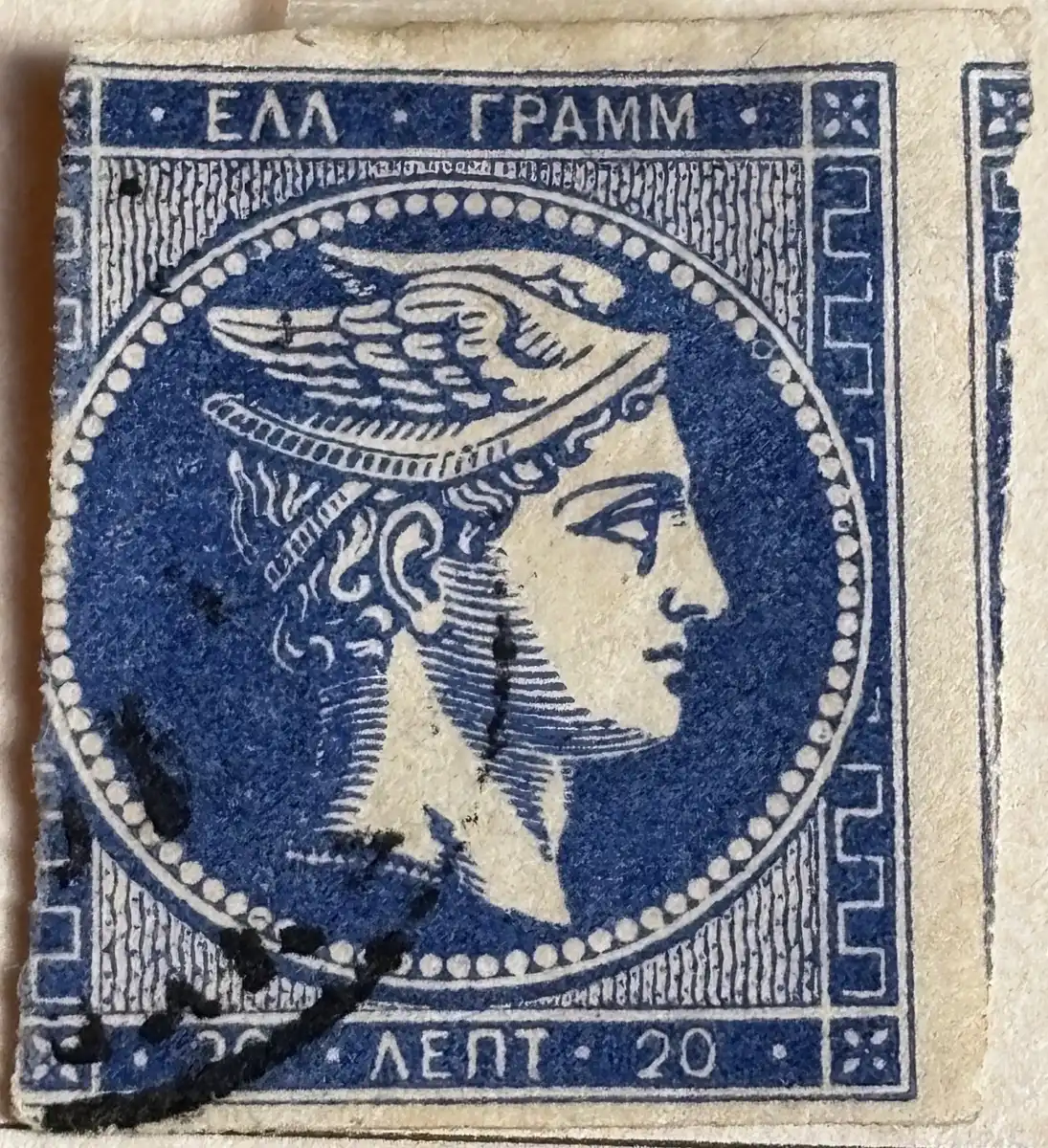
I know this Hermes stamp has condition problems, the hinge, and the cut margins, so I understand it is not a high-value example. My goal is simply to understand what it is as accurately as possible and learn from the process.
Over the last year I have spent many hours researching and slowly sorting the collection, and I have actually found a few interesting items that I later had certified and preserved separately. That "treasure hunt" aspect of philately is really what has made the hobby so enjoyable for me.
Thank you again for the guidance and for the excellent reference link. I will continue researching and comparing examples.





 Posted 05/16/2026 04:38 am