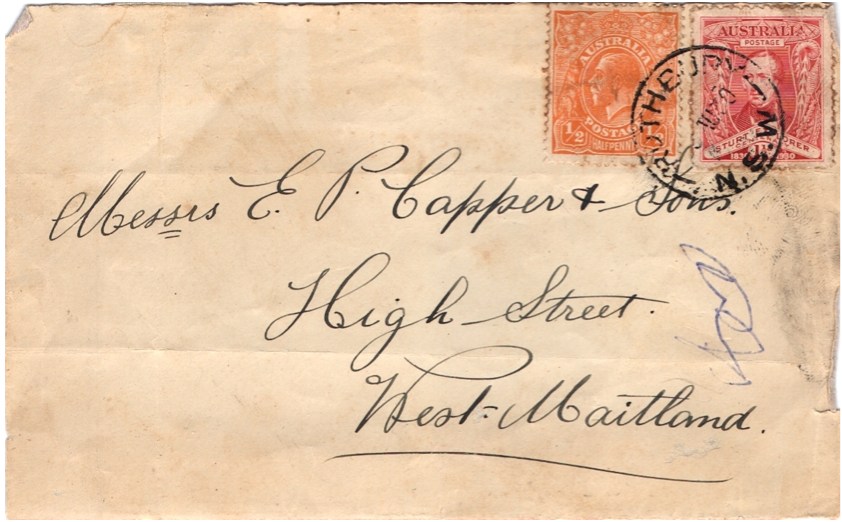
Yes jimjamtwo there is a big difference in value in paper types but value is truly the red shade type that it is. A bit of the history for the Aust KGV penny reds! The first penny red was released in 1914 and red shades were prolific as about 500 million stamps were printed each year. With the out break of the first world war which stopped the supplies of the only red ink as it came out of Germany. This created a real problem for the printer of the day to supply penny red stamps. Paper was also in short supply at this time as well. The printer had to use mixtures of browns, yellows, pinks, blue, purples,oranges etc. By 1919 there were over 240 different shades that had been used. After this time dieIII was introduced until about 1921 and that was the end of the penny red era! The smooth paper prints also run out near the beginning of the first world war and semi-surfaced paper was used briefly and in 1917 to 1919 local rough paper was used and most of the expensive shades fall into this era. There is also a small print on coarse meshed paper. There was just so many shades printed at this time in small batches. Just a brief explanation. KGV
Hi! jimjamtwo As postage was governed by the commonwealth. The standard letter rate was 1d and because of this the stamp had to be red. When the letter rate went up to 1 1/2d it had to be red also and the same when the letter rate reached 2d. When the letter rate changed from 1d red its colour changed to a 1d green. Thanks for the question. KGV
Disclaimer: While a tremendous amount of effort goes into ensuring the accuracy of the information contained in this site, Stamp Community assumes no liability for errors. Copyright 2005 - 2026 Stamp Community Family - All rights reserved worldwide. Use of any images or content on this website without prior written permission of Stamp Community or the original lender is strictly prohibited. Privacy Policy / Terms of UseAdvertise Here





 Posted 12/02/2010 01:46 am