Quote:
Does it mean that I can buy them now for fourty-four cents, hold on to them for 20 years
when postage costs more and then use them?
Yes. Same as other county's NVI (no value indicated) stamps. The trick is that usually the increase in inflation will be greater than the increase you make by paying 44c now to use a 50c stamp years down the road. If you had invested the 44c now then hopefully you would make more than the rate of inflation.
The Post Office wins because they have the money now to invest themselves or use because you've invested in them. Doesn't feel like it because it's so small an amount usually.
They probably also figure that people lose their stamps and buy more when needed or people buy them and don't use them for various reasons, etc.
I do not know all the ins and outs of this idea but those are the major points I think.
Example: Canada Scott #907, the 'A' stamp. Canada's first non-denominational stamp) issued in 1981, 30 years old this year. Cost 30c each at the time (plus applicable taxes).
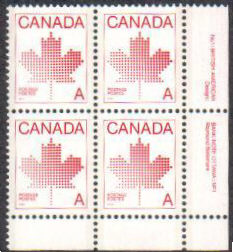
First class domestic mail (within Canada) now costs (in 2011) 59c plus taxes. If you have any A stamps you can use them now on an envelope or whatever to pay the domestic rate. It's approximately doubled in price over 30 years.
So that means (roughly) that you have invested your money at 2.4% compound interest. Not so good. You could sell these most common stamps on
ebay or at shows I suppose but due to your time spent the rate of return is even worse, if you could sell enough to make it worth your while.





 Posted 09/16/2011 11:44 pm


 .
.


