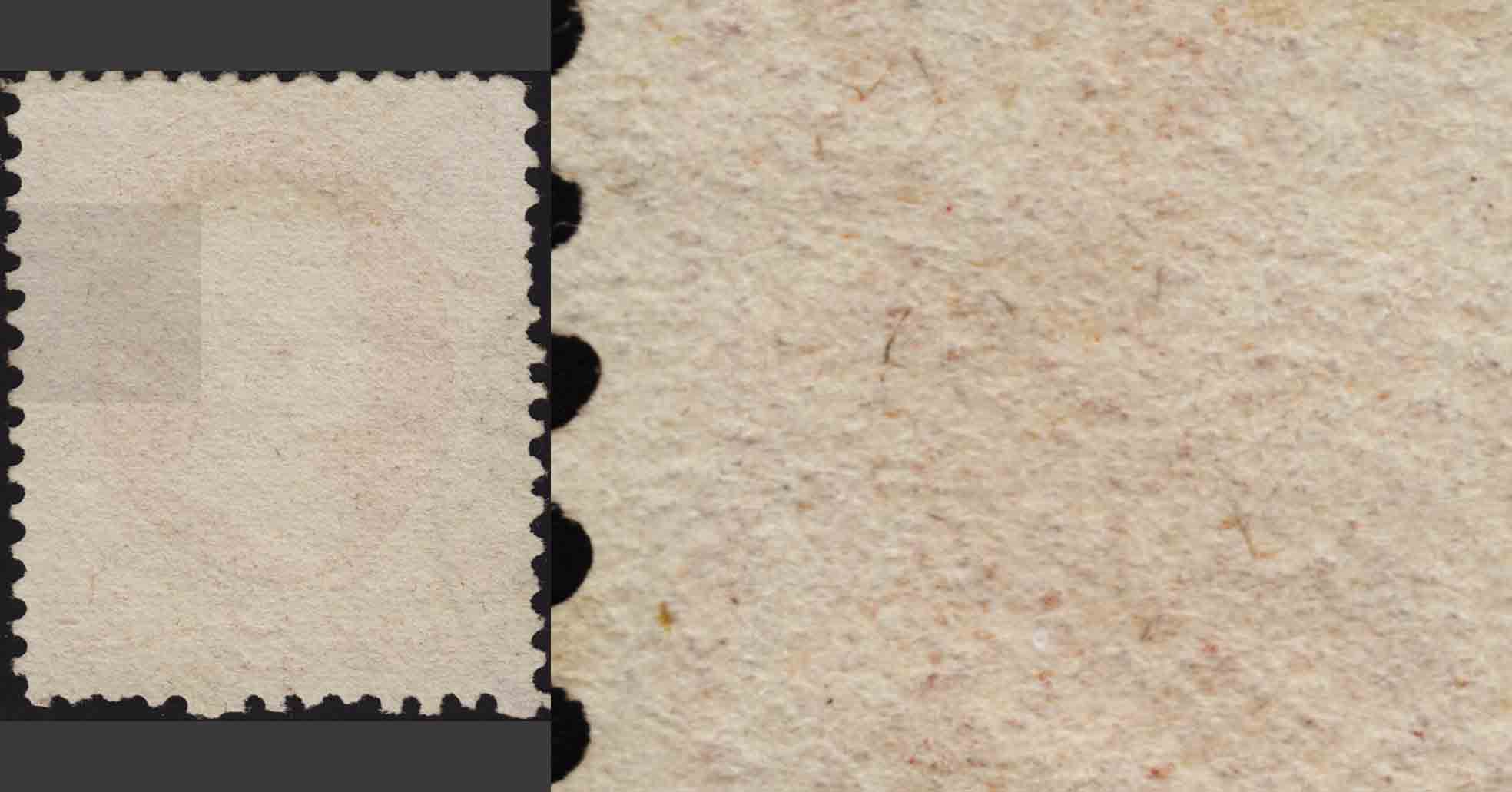
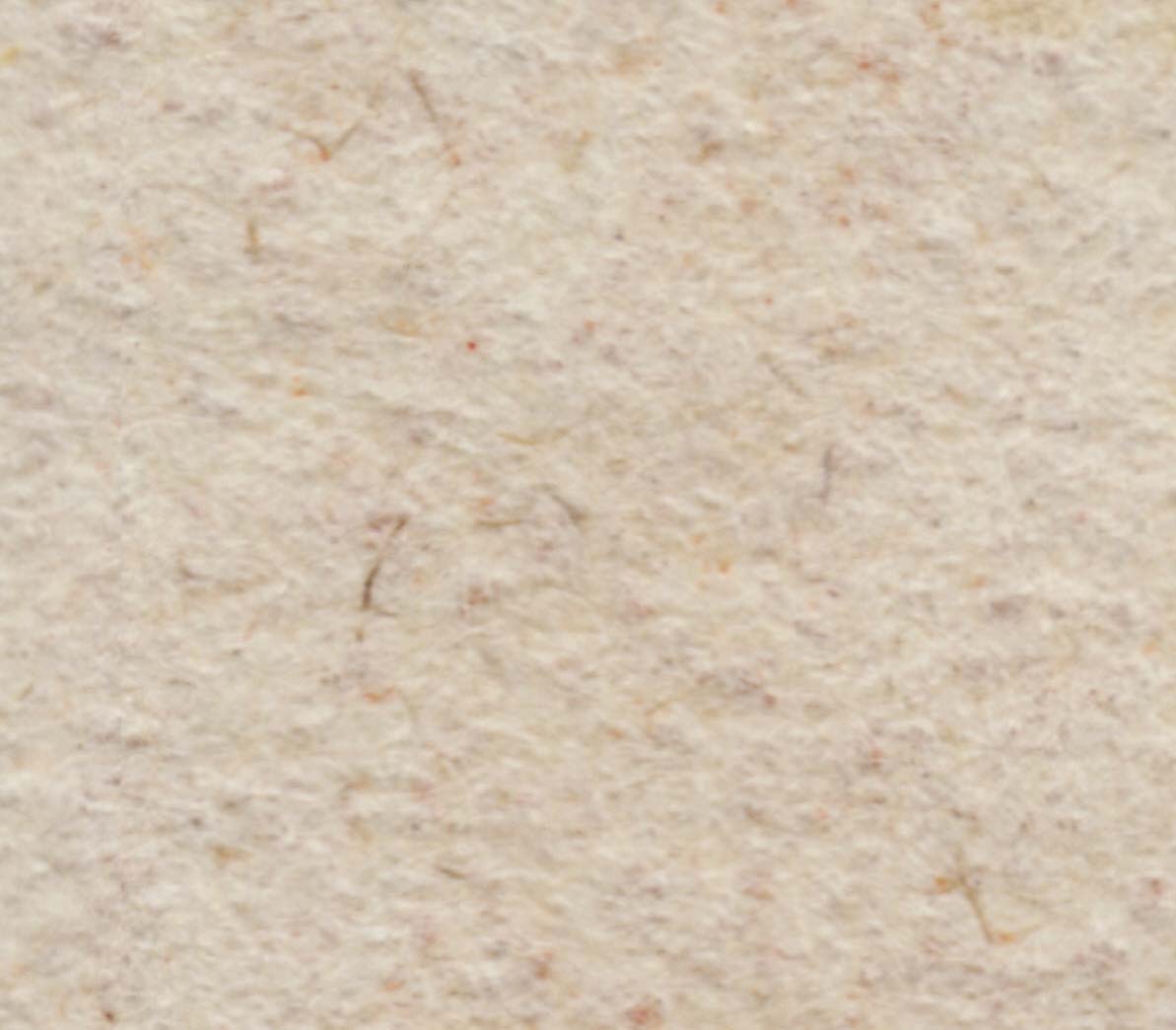
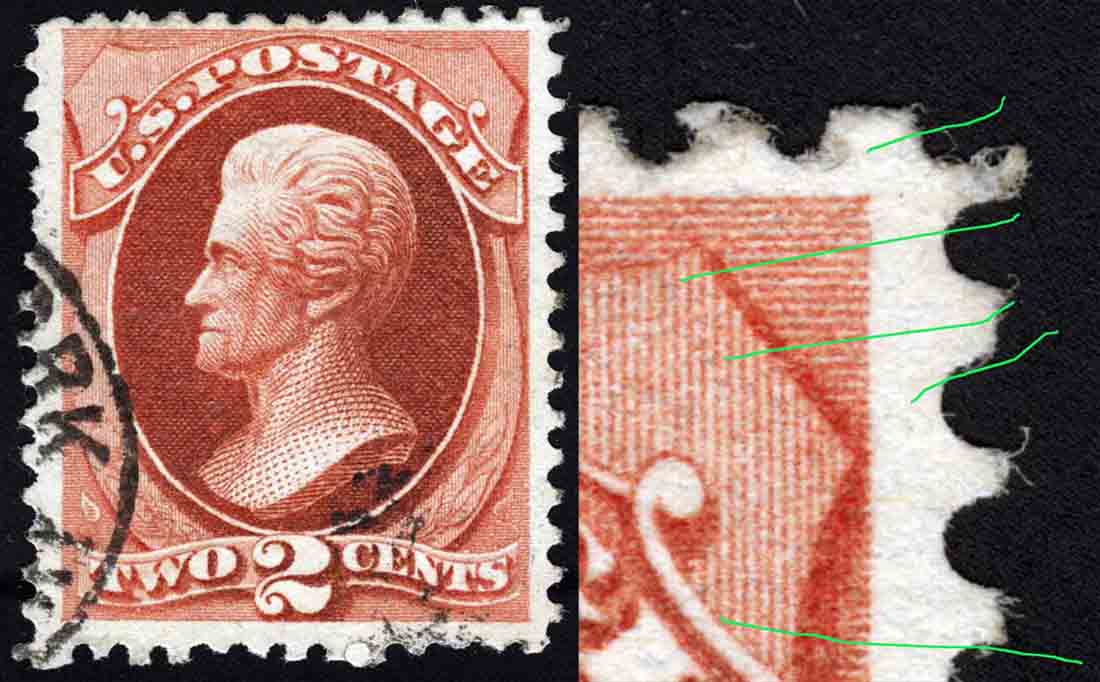
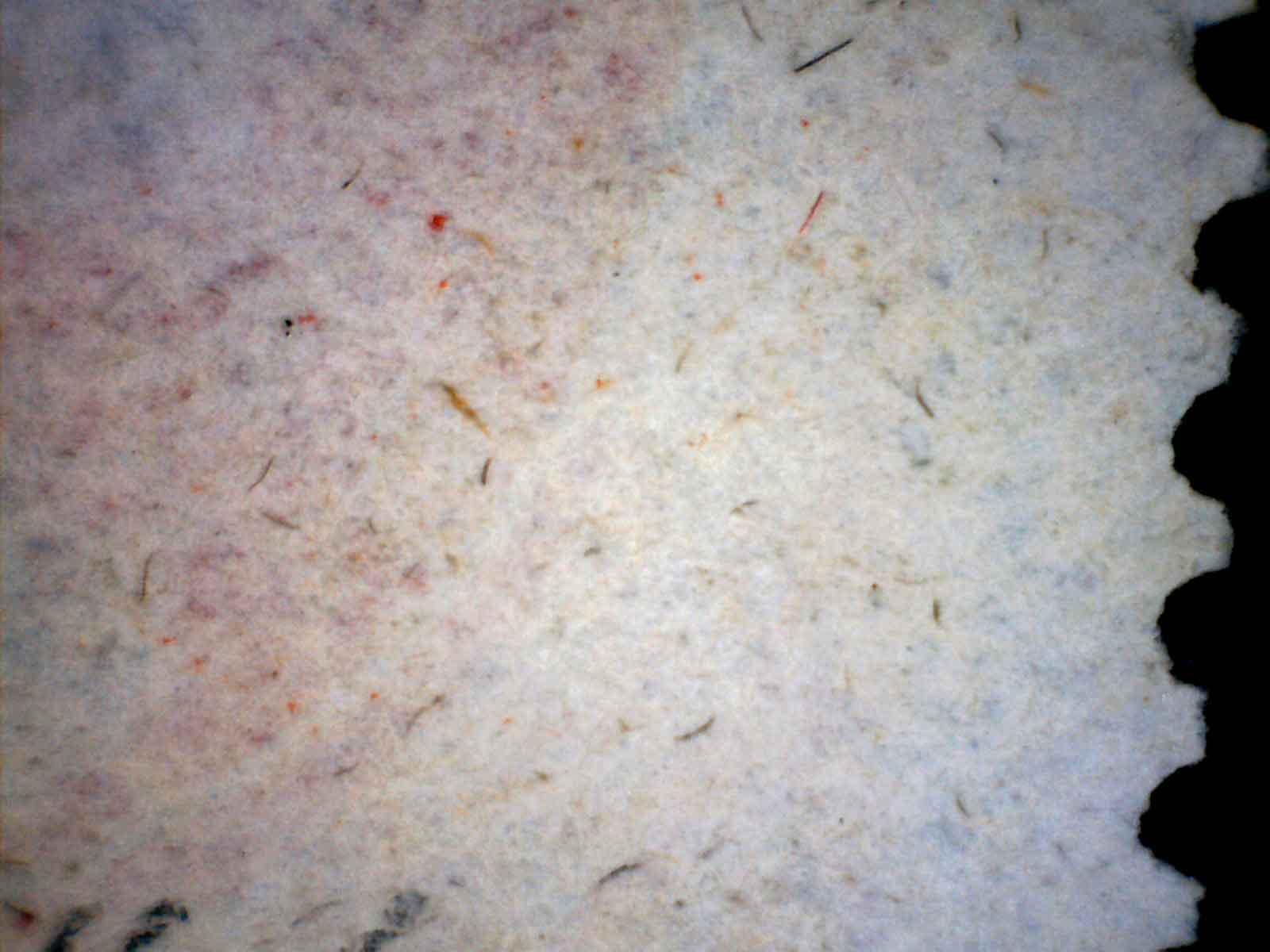
The subject of this thread first came up in a passing remark on a thread devoted to ribbed paper.
https://goscf.com/t/38977&whichpage=2 br /
Since it its a diversion from the topic of that thread, which is ribbed paper, I am referencing that thread for background, and starting a separate thread for discussion of silk paper on stamps of the Banknote issues. I start with a quote from a post by cfrphoto (Clark
Frasier Frazier)
Quote:
Ron Burns has put together a draft paper study based on a study of orders for paper by the American, Continental and possibly the National Bank Note Company. He is able to account for paper orders including silk and ribbed paper as well as the American Bank Note Company hard paper, initially reported in the January 1914 American Philatelist.
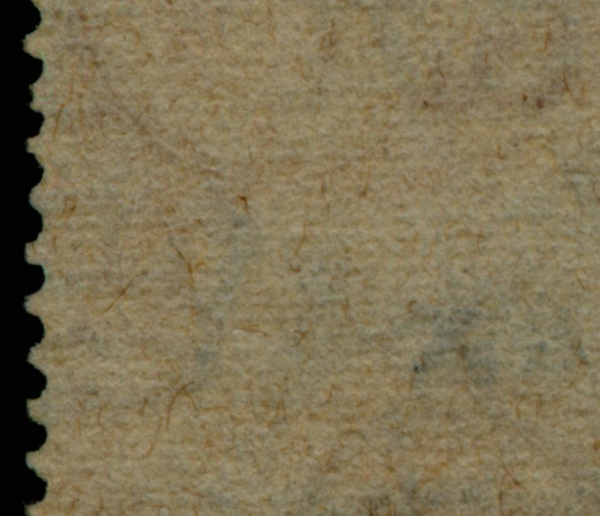
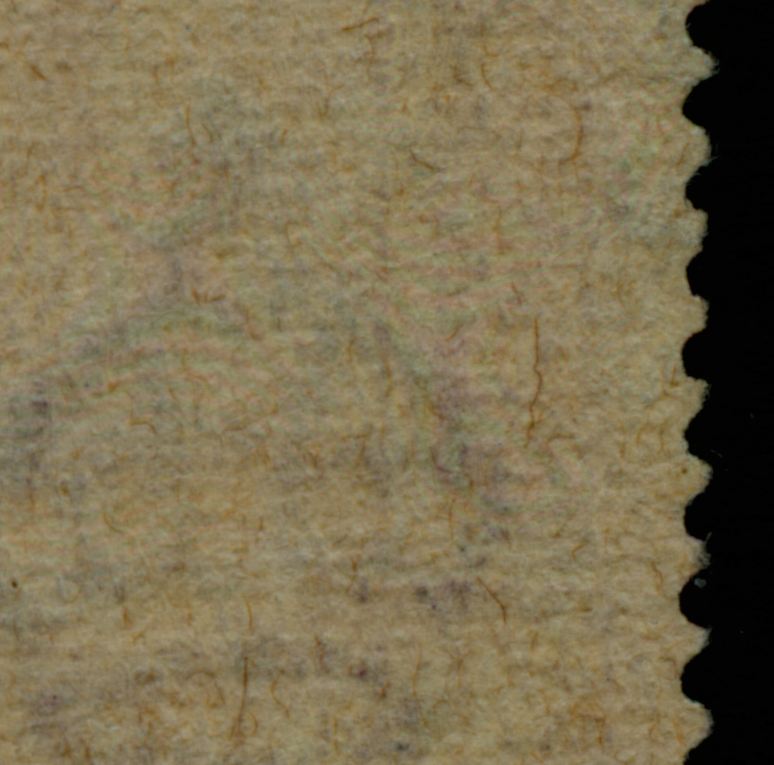
Silk paper is more controversial. Some argue that it was nothing more than pulp contamination. The paper study suggests that the Continental silk (actually linen) paper was in use for a fairly short period of time, making it possible that adding the fibers was intentional. Paper with only a few larger fibers is most likely pulp contamination because occasional fibers can be found in the paper of every issue before the bank note series. On the other hand, the listing of the 6 cent Continental with paper with colored fibers in the Scott Catalog is contradictory and may not be accurate because Continental silk examples are known.
End Quote
I hope you have a good show. We can take this up when you get back. But I want to note my follow-up questions now before I forget them.
1. I have known Ron for many years, and I know he takes, or used to take, periodic trips to Washington to visit the various relevant archives, and got good at navigating those systems. Did he ever say where he caught up with the paper orders? Did they ever provide him with copies of any of that stuff?
2. Your comment about Linen vs Silk suggests to me that you are familiar with the two page article in the 1964
Collector's Club Philatelist by Clarence Taft in which he reports on a chemical paper analysis. In that article, Taft only worked with the
black fibers for the stamps Continental had done, but also studied the colored fibers from the revenues having them. He concluded that the fibers on the revenues are linen-like (though not necessarily from flax), but that the black fibers on the postage issues of CBNCo are cotton. Neither fiber would dissolve in sodium hypochlorite which was the key to distinguishing them from silk.
Taft does not mention the other, larger, sparser, colored fibers in the postage stamps of Continental. I have a fuzzy recollection of an article by Stephen Rich on the subject, but cannot recall it enough to track it down. Do you have anything on that? Inasmuch as Taft only studied the black fibers and refers to them alone as the silk paper mentioned in the catalog for these stamps, I am inclined to agree with you that they are the real safety paper type, and that the colored fibers are strays. But it would be nice to nail that down somehow, and to correlate the paper(s) with the orders. Or is that something Ron has already done?
3. You mentioned the ABNCo hard paper. Besides an entry in the order books, does Ron mention anything of its characteristics and time frame? I have a few oddball paper anomalies in my collection, including an American 5c Taylor on paper .0047-55 inches thick, that I would like to track down. I have it grouped with the Continental double paper, but the characteristics are wrong. Anyway. let me know about the American hard paper.
BTW are you sure about the citation to the AP in 1914? The only one I could turn up was a small reference in the American Journal of Philately for 1896 about finding an ABNCo imprint on hard paper. Is that what you had in mind?





 Posted 08/08/2014 11:26 am