Stamp Community Family of Web Sites
Thousands of stamps, consistently graded, competitively priced and hundreds of in-depth blog posts to read


Stamp Community Forum
 
Username:
Password:
Save Password
Forgot your Password?

This page may contain links that result in small commissions to keep this free site up and running.

Welcome Guest! Registering and/or logging in will remove the anchor (bottom) ads. It's Free!

A Little Help With 2 Cent Washington.

 
To participate in the forum you must log in or register.
Author Previous TopicReplies: 10 / Views: 3,243Next Topic  
Pillar Of The Community

United States
729 Posts
Posted 12/10/2014   10:22 pm  Show Profile Bookmark this topic Add danko to your friends list Get a Link to this Message
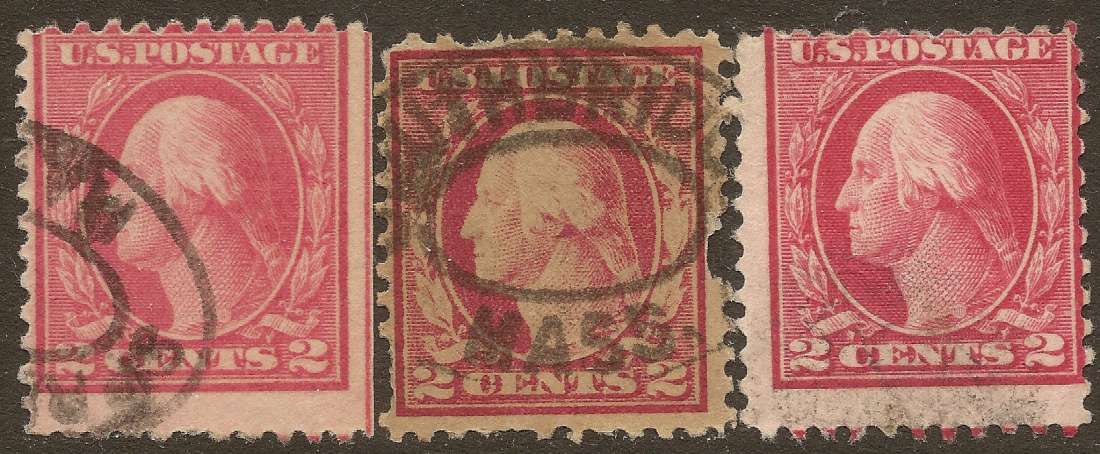
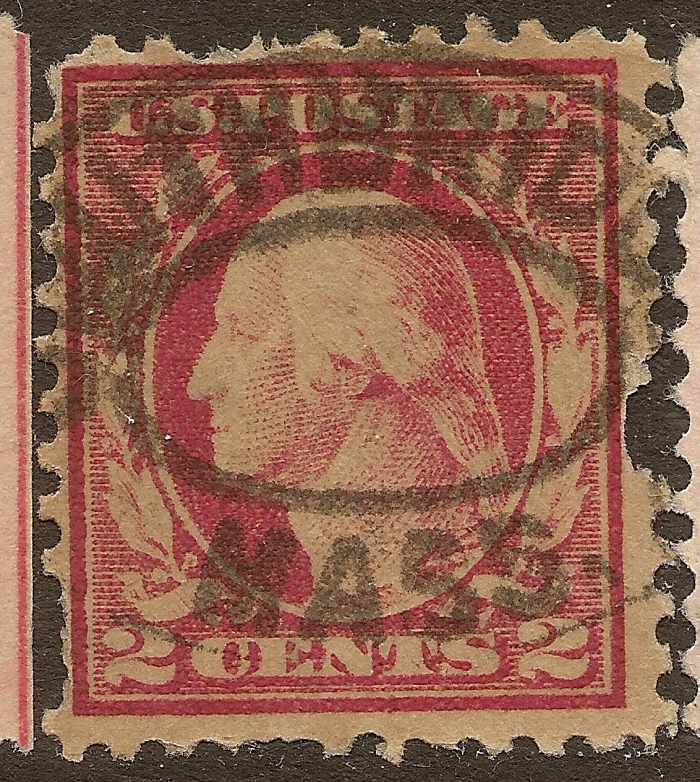
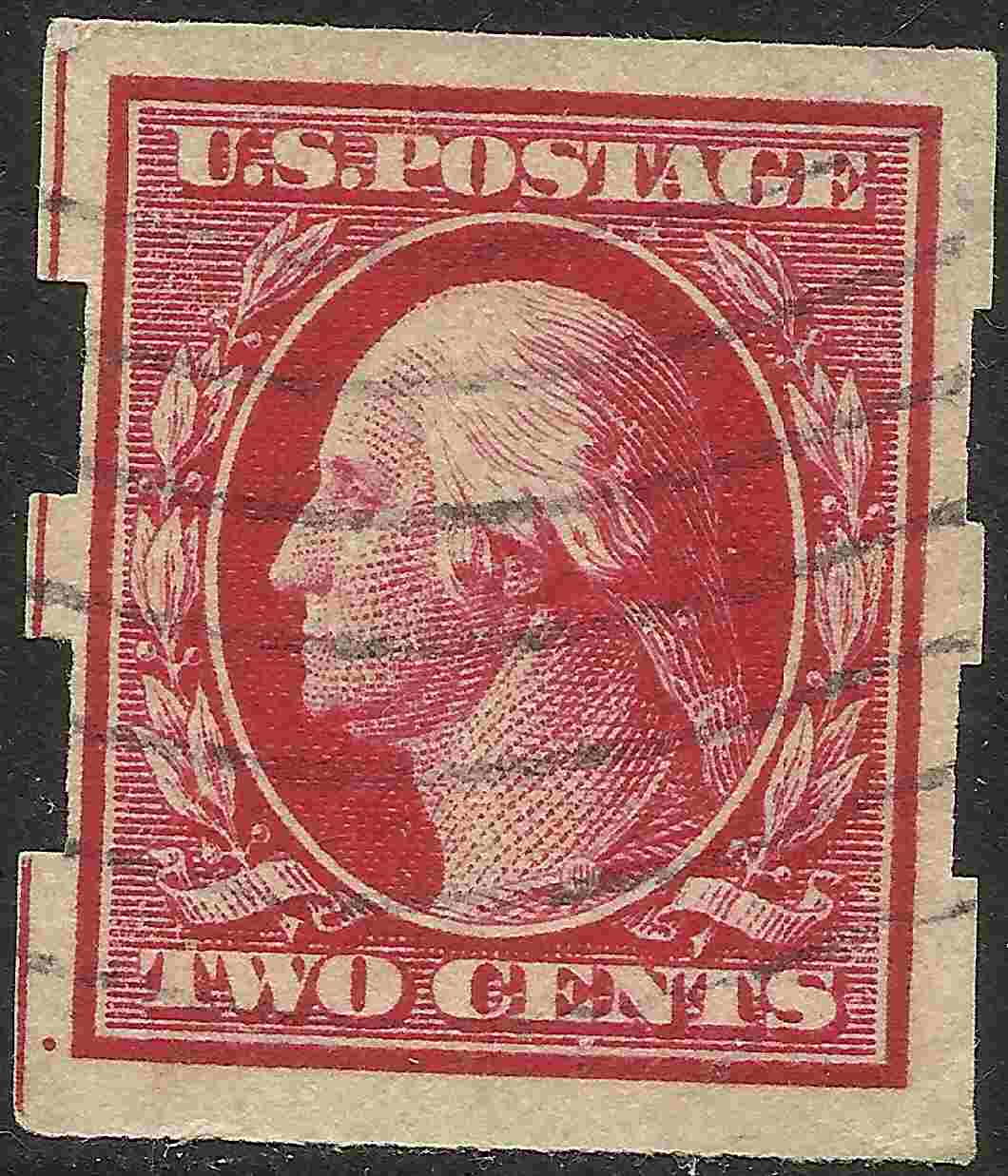
Need a second opinion here. First I thought that the stamp in the middle is a discolored offset, but the foil test leaves clear stamp details as a flat. It is perforated 11 all around with no water mark. Missing all these fine details I still think it is very discolored 499, but... am I missing something?


Send note to Staff

Pillar Of The Community
United States
729 Posts
Posted 12/10/2014   11:20 pm  Show Profile Bookmark this reply Add danko to your friends list  Get a Link to this Reply
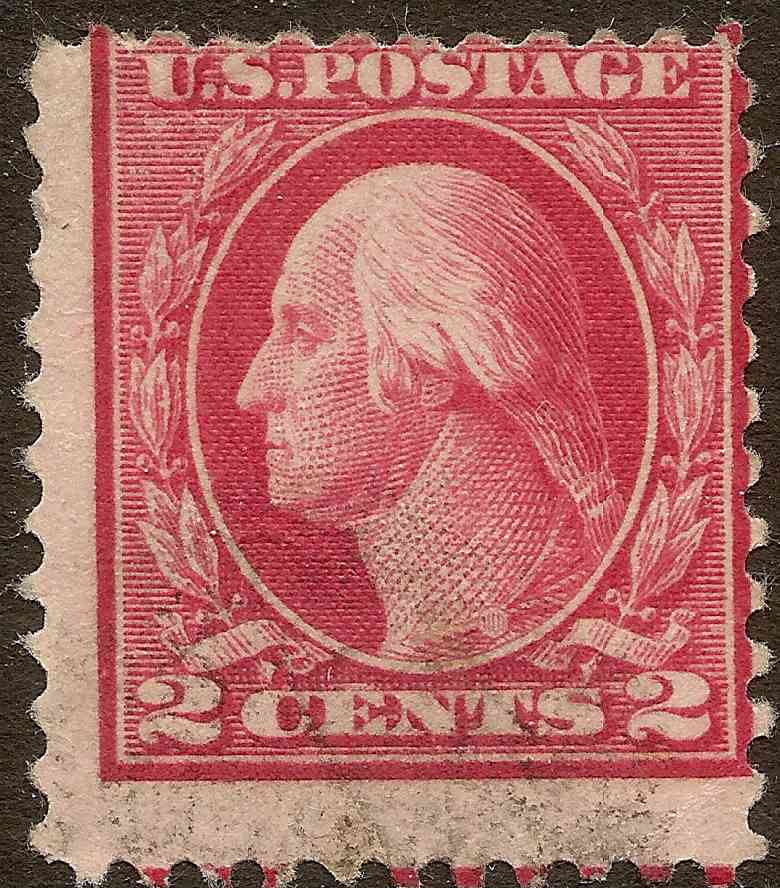
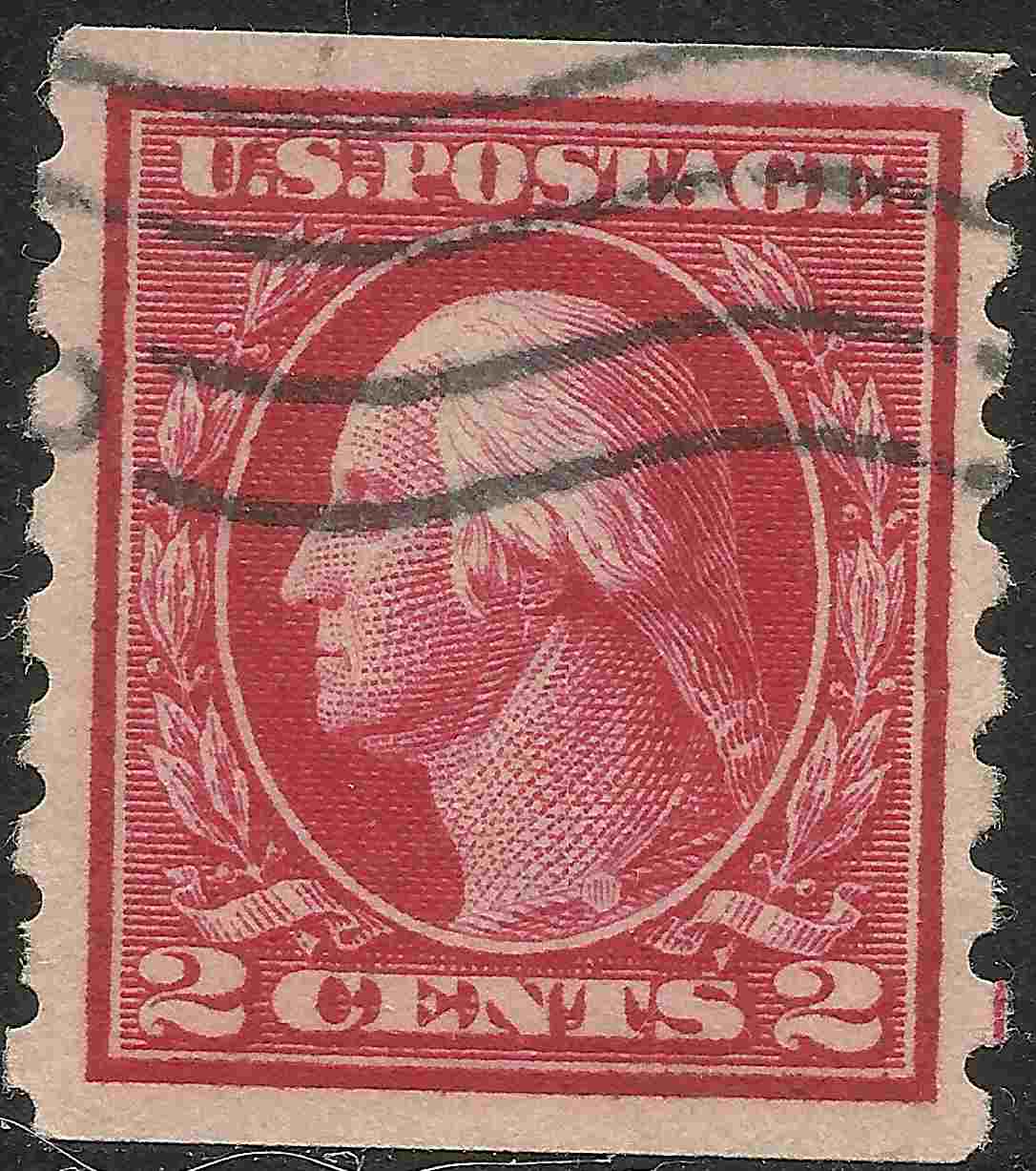
Another head scratcher. The stamp on the right is perforated 11 all around, based on foil test is flat, and appears to be unwatermarked. It can ether be type I or Ia. The toga button is well defined, but the rope is not well defined, even though it is defined better than my other Type I I have. I still think it is type I. What do you think.


Send note to Staff  Go to Top of Page
Pillar Of The Community
United States
937 Posts
Posted 12/10/2014   11:38 pm  Show Profile Bookmark this reply Add Historical DNA Collector to your friends list  Get a Link to this Reply
Both of your suspect stamps appear to be Type I to me. Give me some time to sleep then I'll explain all of the relevant details of why I think so. I highly doubt that your Type II is actually what you think it is based on your statements comparing it to the images that you show here. These types are tricky to identify.

Goodnight,
Ryan
Send note to Staff  Go to Top of Page
Ryan = HDNAC = DNA = HDC = Hysterical DNA Collector = Historical DNA Collector = me who just loves stamps :)
Pillar Of The Community
United States
1756 Posts
Posted 12/11/2014   12:44 am  Show Profile Bookmark this reply Add disi123 to your friends list  Get a Link to this Reply
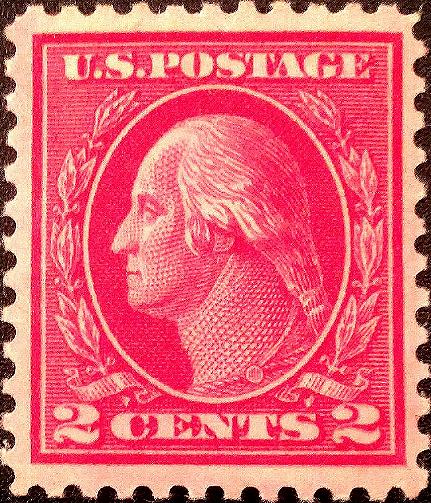
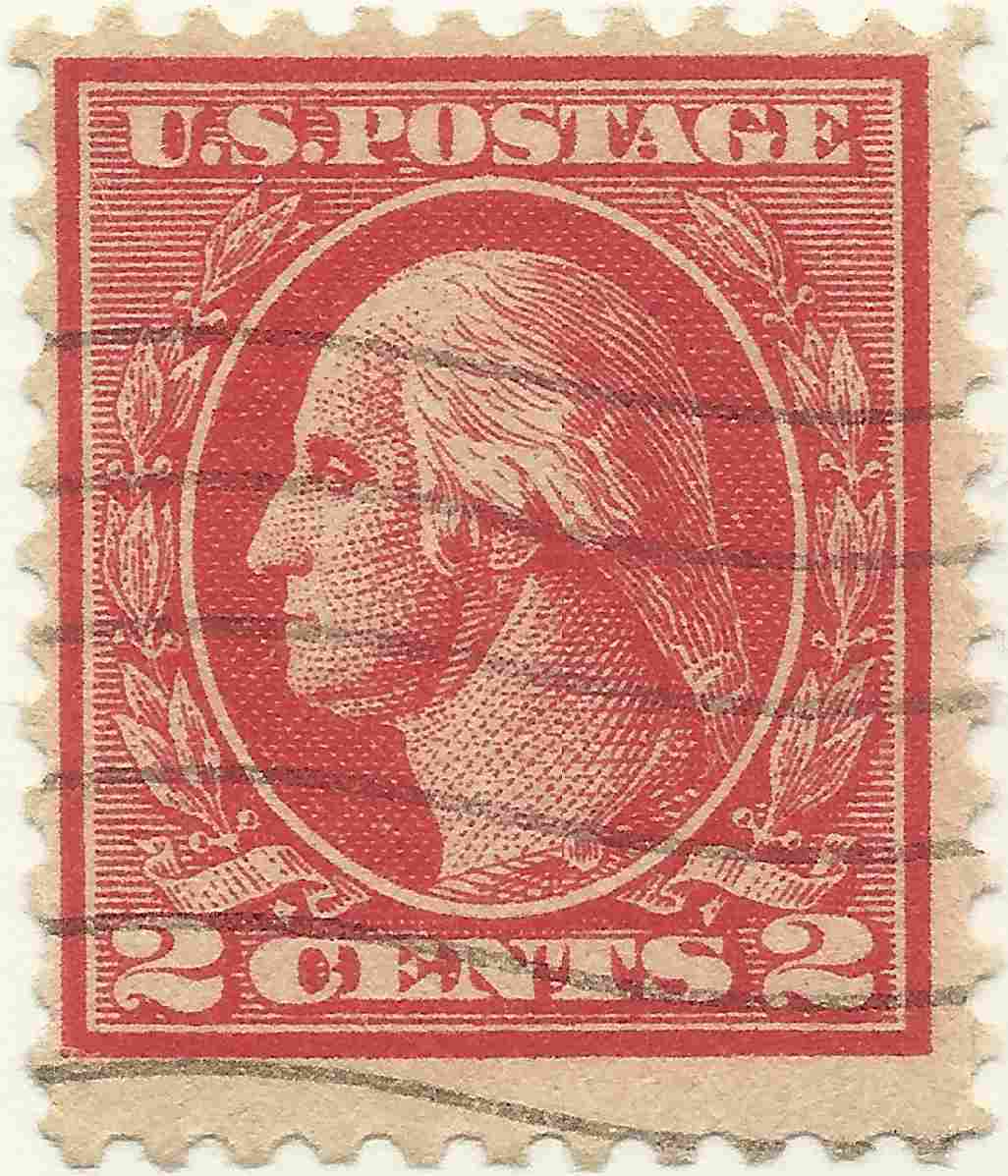
Hi, Danko... here's a nice reference pic for you of Type 1a...

Send note to Staff  Go to Top of Page
Pillar Of The Community
United States
937 Posts
Posted 12/11/2014   12:05 pm  Show Profile Bookmark this reply Add Historical DNA Collector to your friends list  Get a Link to this Reply

Quote:
...even though it is defined better than my other Type I I have.


Oops! Sleepy me read that as Type II. disi, thank you for contributing something that is actually relevant.

Your first one is what you think that it is, a type I #499. There are no other possible variants although single line watermarks can be very difficult to see. As you noted, it hasn't aged well and is discolored.

Your second suspect is also a Type I. Some of them have a pretty well defined top toga rope line and button outline. Your stamp does not.

As penance for posting when I'm too tired, here's a variant of Type I that can get confusing, the Type I rotary print coils:
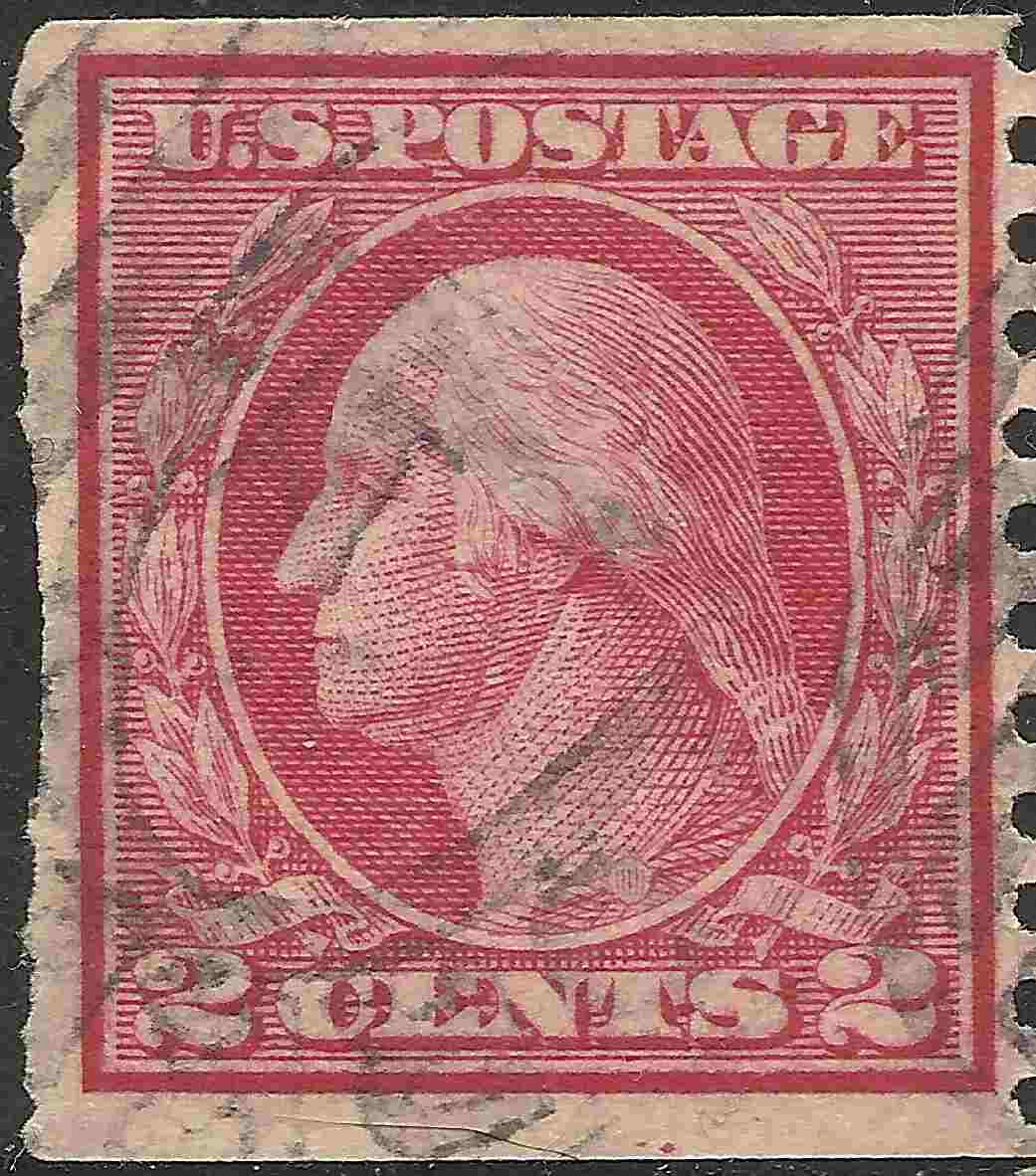


Some of these can be difficult to distinguish from Type II stamps until you learn the differences well. This Type I stamp's lines are about as defined as some lighter printed Type II stamps. For these coils you also have to look at other areas to make the distinction.
Send note to Staff  Go to Top of Page
Ryan = HDNAC = DNA = HDC = Hysterical DNA Collector = Historical DNA Collector = me who just loves stamps :)
Pillar Of The Community
Australia
1251 Posts
Posted 12/14/2014   06:25 am  Show Profile Bookmark this reply Add Horamkhet to your friends list  Get a Link to this Reply
Hi to all

Pardon my ignorance, but what is the foil test? and how is it done?

Regards

Horamakhet
Send note to Staff  Go to Top of Page
Pillar Of The Community
United States
937 Posts
Posted 12/14/2014   07:59 am  Show Profile Bookmark this reply Add Historical DNA Collector to your friends list  Get a Link to this Reply
The foil test is one method to differentiate between offset printings and flat plate/rotary printings. Flat/Rotary prints are made using an Intaglio process that results in the stamps surface having ridges. I like to take cheap/thin aluminum foil, place it over the stamp, and then rub a cotton swab over the entire stamp with just a little pressure back and forth. If you can see the design appear on the tinfoil, then you know that it is not an offset printing.
Send note to Staff  Go to Top of Page
Ryan = HDNAC = DNA = HDC = Hysterical DNA Collector = Historical DNA Collector = me who just loves stamps :)
Pillar Of The Community
Australia
1251 Posts
Posted 12/14/2014   3:59 pm  Show Profile Bookmark this reply Add Horamkhet to your friends list  Get a Link to this Reply
Thanks for that, Historial DNA Collector.

I never knew that, that is fantastic,'
This forum is just jam packed with great ideas.
Horamakhet
Send note to Staff  Go to Top of Page
Pillar Of The Community
United States
937 Posts
Posted 12/14/2014   8:54 pm  Show Profile Bookmark this reply Add Historical DNA Collector to your friends list  Get a Link to this Reply
You're welcome Horamkhet. After looking at enough of each type of prints, offsets are easily identified in most cases by appearance alone. The foil test is very useful when learning the different types and when you have a stamp that seems to have characteristics of both offset and intaglio prints. Here's a typical flat plat print. Notice how the shading around Washington's eye is detailed and could be individual eyebrow hairs:


Here's another example of a flat plat printing that is more pronounced. You can still some detail in the lines around the eye:


This is typical of an offset printing. The detail around the eye is absent. It's a solid area of color. There may be better areas to see this in, but this is where I look:


Everyone else, please chime in with how you visually identify offset prints.
Send note to Staff  Go to Top of Page
Ryan = HDNAC = DNA = HDC = Hysterical DNA Collector = Historical DNA Collector = me who just loves stamps :)
Bedrock Of The Community
United States
10586 Posts
Posted 12/14/2014   9:16 pm  Show Profile Bookmark this reply Add revcollector to your friends list  Get a Link to this Reply
Offsets are so much cruder than engraved flat plate stamps that it seems obvious just looking at them. Also the specific characteristics of the various offset types do not appear on flat plate stamps, the left numeral two and the dots on the nose should be dead giveaways every time.
Send note to Staff  Go to Top of Page
Pillar Of The Community
United States
937 Posts
Posted 12/14/2014   9:45 pm  Show Profile Bookmark this reply Add Historical DNA Collector to your friends list  Get a Link to this Reply
revcollector, I agree, but those particular aspects are not easy to "see" until one has a trained eye. I wrote my last reply and provided images because the distinction does take some effort to learn or at least staring at many examples of each type for someone to easily identify the different types.
Send note to Staff  Go to Top of Page
Ryan = HDNAC = DNA = HDC = Hysterical DNA Collector = Historical DNA Collector = me who just loves stamps :)
  Previous TopicReplies: 10 / Views: 3,243Next Topic  
 
To participate in the forum you must log in or register.

Go to Top of Page

Disclaimer: While a tremendous amount of effort goes into ensuring the accuracy of the information contained in this site, Stamp Community assumes no liability for errors. Copyright 2005 - 2026 Stamp Community Family - All rights reserved worldwide. Use of any images or content on this website without prior written permission of Stamp Community or the original lender is strictly prohibited.
Privacy Policy / Terms of Use    Advertise Here
Stamp Community Forum © 2007 - 2026 Stamp Community Forums
It took 0.36 seconds to lick this stamp. Powered By: Snitz Forums 2000 Version 3.4.05