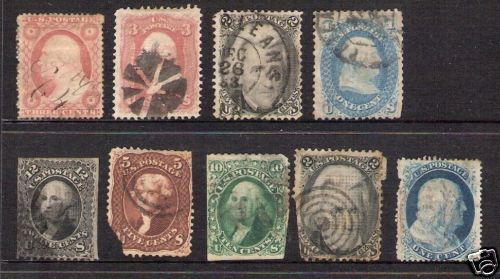
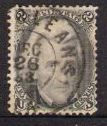
I am still learning about postal rates so I have what may sound like an easy question: Would someone send a letter across town paying only the 2c carrier fee, or would they simply pay the standard first class postage rate of 3c?
I also thought to take a look at Cole's book "The Black Jacks of 1863-67" and he offers this interesting insight:
Quote:
The use of the Black Jack in (this) combination which poses the most vexing problem and which so far defies satisfactory explanation is its use with the three cent stamp of the same series to make up five cents postage on domestic mail. The only type of first class domestic letter calling for the five cent rate at that time was for a letter conveyed by private ship or vessel where delivered to the post office where the ship arrived.
This letter was brought into New Orleans by a private ship and under
the law in effect at the time, the captain was entitled to a two cent fee for carriage, which in this case was prepaid. (letter not shown)
The post office bill of 1863, which became effective on July
1st, 1863, provides as follows:
"Sec. 31. And be it further enacted, that the Postmaster General shall have authority to pay, or cause to be paid, a sum not exceeding two cents each, for all letters conveyed in any vessel or steamboat not employed in carrying the mail, from one port or place to any other port or place in the United States . . . "
If I understand this correctly, letters to and from New Orleans were sent via private carrier (ship) and surcharged 2c per letter. I presume that outgoing letters would have the 2c fee assessed prior to being loaded, and thus be canceled at the New Orleans post office?
Brian





 Posted 04/27/2015 12:16 pm