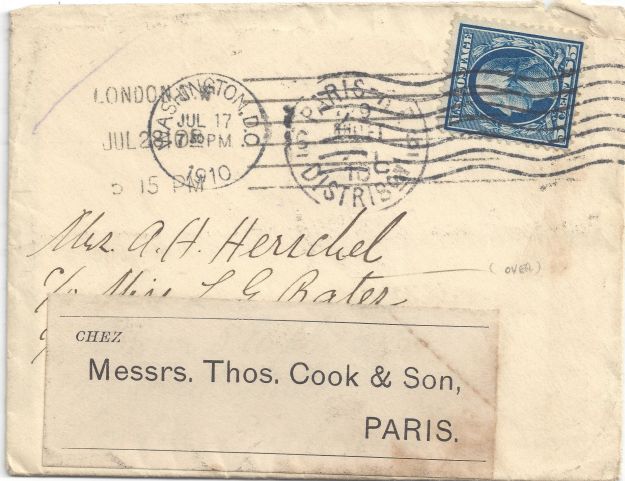
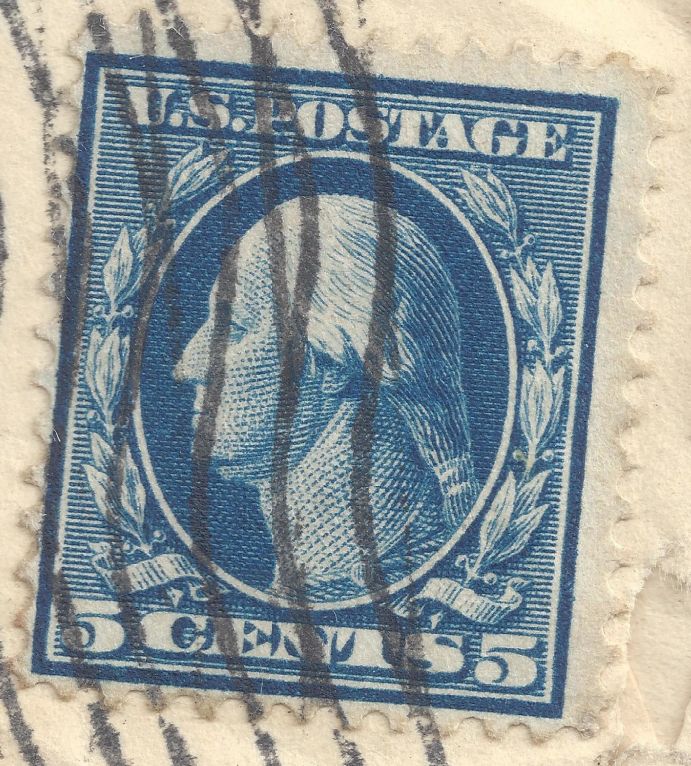
It's not bluish. If you've seen even one genuine bluish paper stamp next to a non-bluish stamp, you know them instantly. Here's an example in the national collection, showing the kind of tone you're looking for:
http://arago.si.edu/record_148781_img_1.htmlAll serious collectors in the US owe themselves a trip to the National Postal Museum in DC, next to Union Station, where you can view genuine original examples in exhibit frames in person. If you do, it sets all these questions to rest.
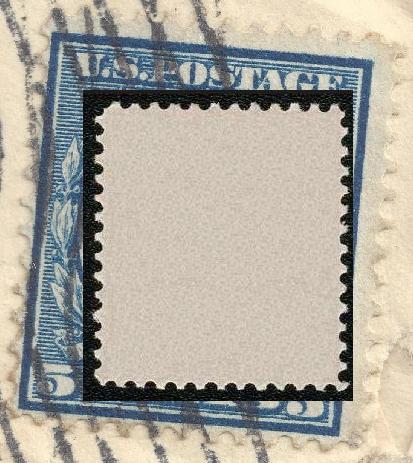
A common method of identifying bluish stamps is to scan them on an orange background; true bluish examples then really pop. You could make a mask by cutting a square hole in orange construction paper, the hole the size of the stamp, set it over the stamp, and scan them together. Don't do two scans; it makes the results unreliable. This might help observers here, but either certification or in-person review by someone who has previously seen or expertized bluish stamps is probably necessary.





 Posted 10/18/2015 10:44 pm