Quote:
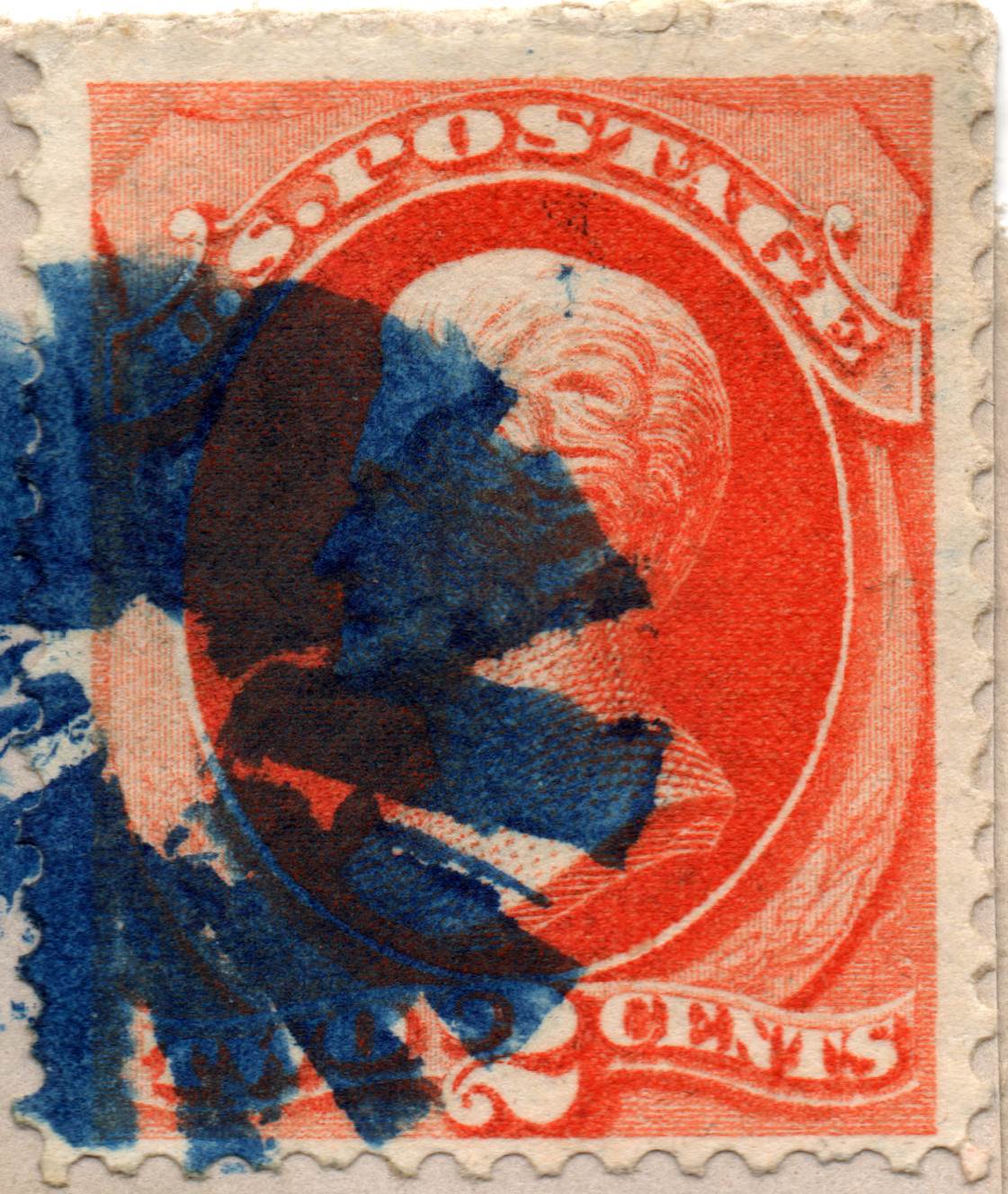
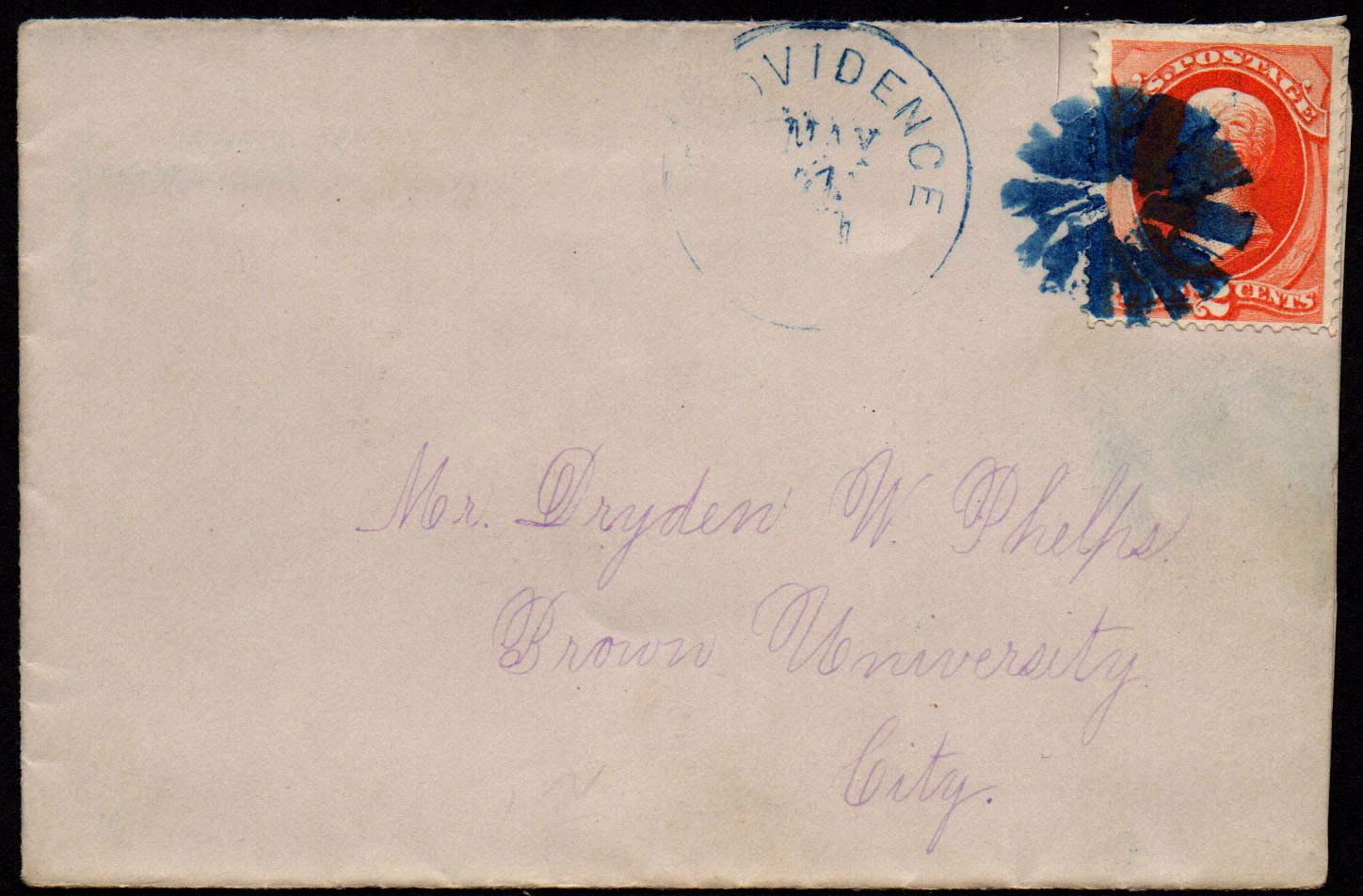
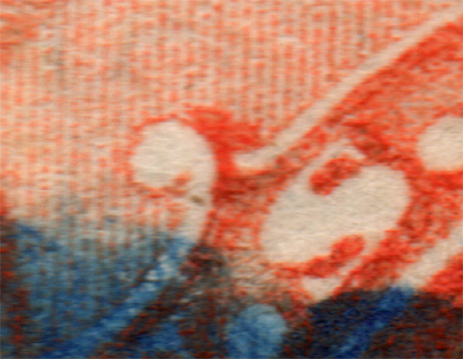
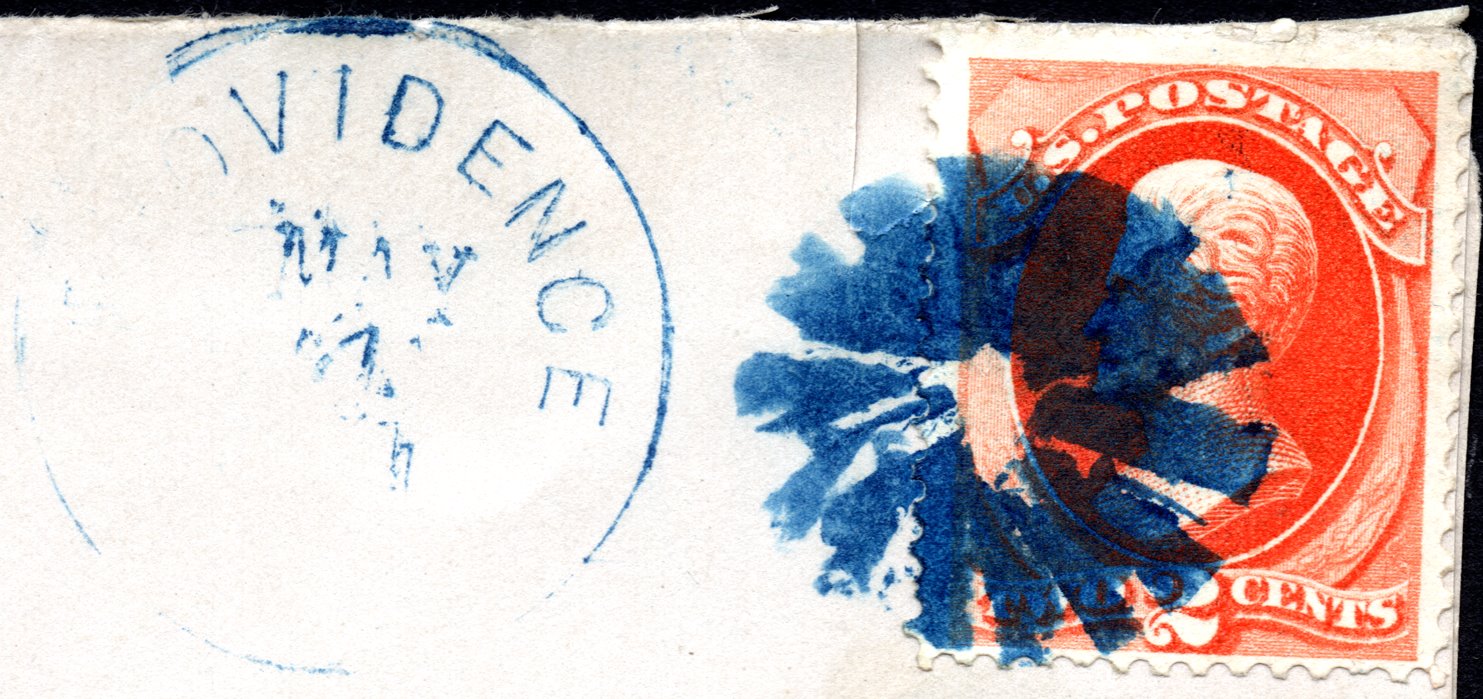
sadly had cover not a date stamp, this to be interesting. usually gum on top left side from stamp back side is not clear identifiable.
................
the cover detail with scanning automatic exposure. I to be ravished.
Dittrich,
I take it from these remarks that you clipped the cover in order to bend back the paper and show the gum on the stamp. Please say it isn't so, but I saw that in a post on another thread some time ago, as well as pictures of stamps on cover with transillumination. If you are doing this, I hope you will reconsider what you are doing in sacrificing the material for the images. You are destroying the philatelic value of the cover. If it is for a higher purpose on a damaged cover, I can understand. But this cover was a highly collectable artifact, and should not have been so treated. The damage, unfortunately, is irreversible. I hope it came to you that way, and that you did not do this.
I understand the impulse to study the technical features of the stamps. But pictures of the residual gum on a stamp on cover serve no purpose. Even in a study of seasonal gum, a sample from a stamp on cover has been altered from its original state. The same can be said of doing this to get a picture of the paper with light passing through. If a stamp must be removed for study, it can be done in a way that does not destroy the cover. That is the proper way to proceed.
Your comment that the cover does not have a year date, which presumably makes it of less value to you, does not take into consideration that year dated cancels from 1870 through 1877 were the exception, not the rule. The absence of a year date doesn't necessarily make those covers worthless or unimportant. This cover had philatelic value because of the exceptional contrast of the colors of the stamp ink and that of the cancellation.
You are always free to collect in any way you like, and to treat the material any way you choose. It is your property. But a broader view among the most sophisticated philatelists sees each of as a custodian of material which forms part of a collecting heritage that includes others. We are caretakers of it for a generation, and our task is to maintain it unaltered from the state in which it came to us, or possibly restored to its original state wherever possible.
Please give it some thought.





 Posted 11/06/2015 7:02 pm