| Author |
 Replies: 22 / Views: 4,171 Replies: 22 / Views: 4,171 |
|
Valued Member
United States
485 Posts |
|
|
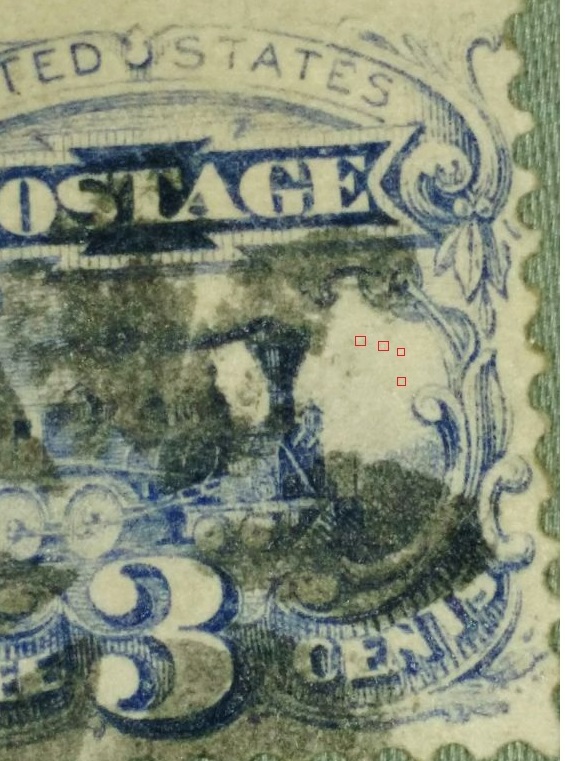
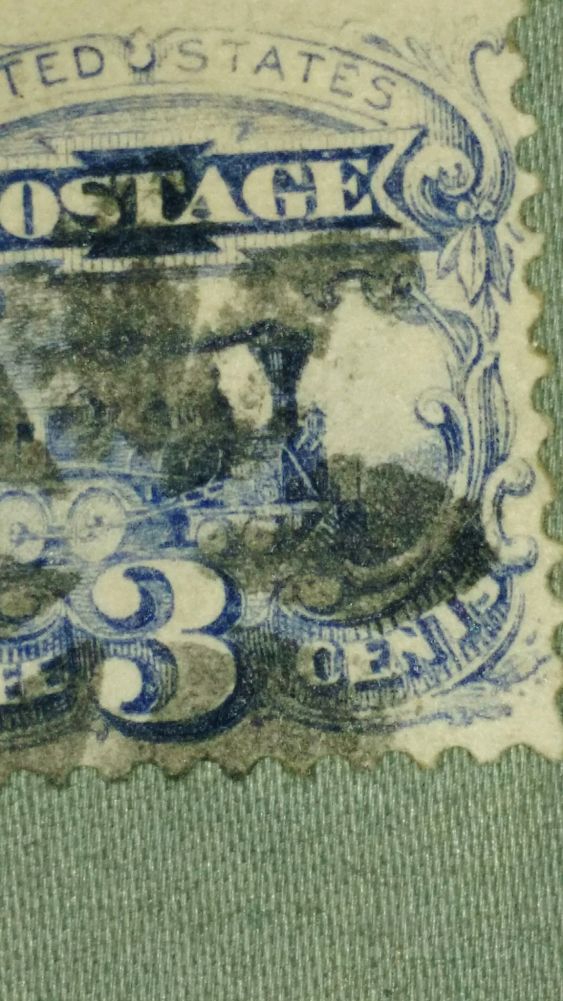
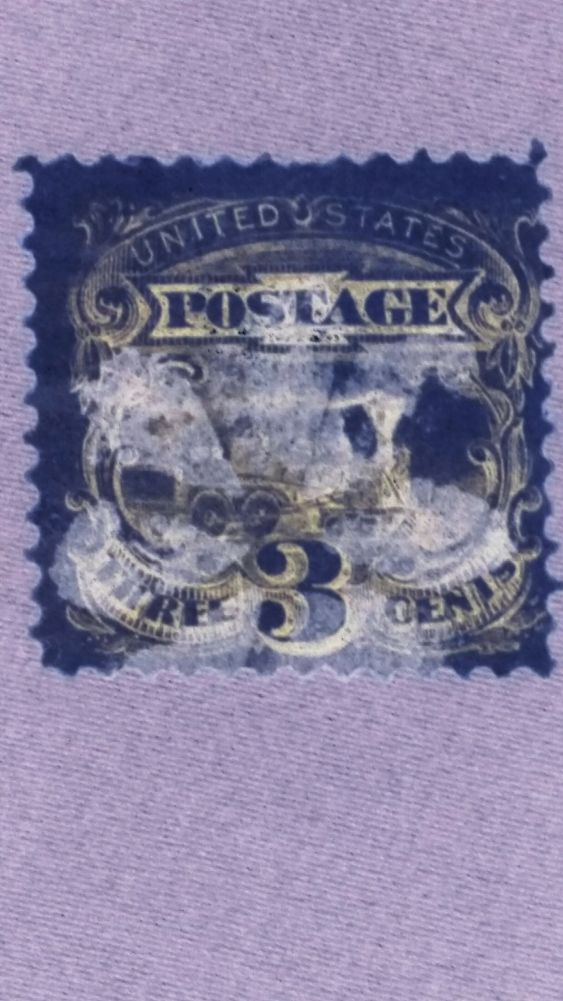
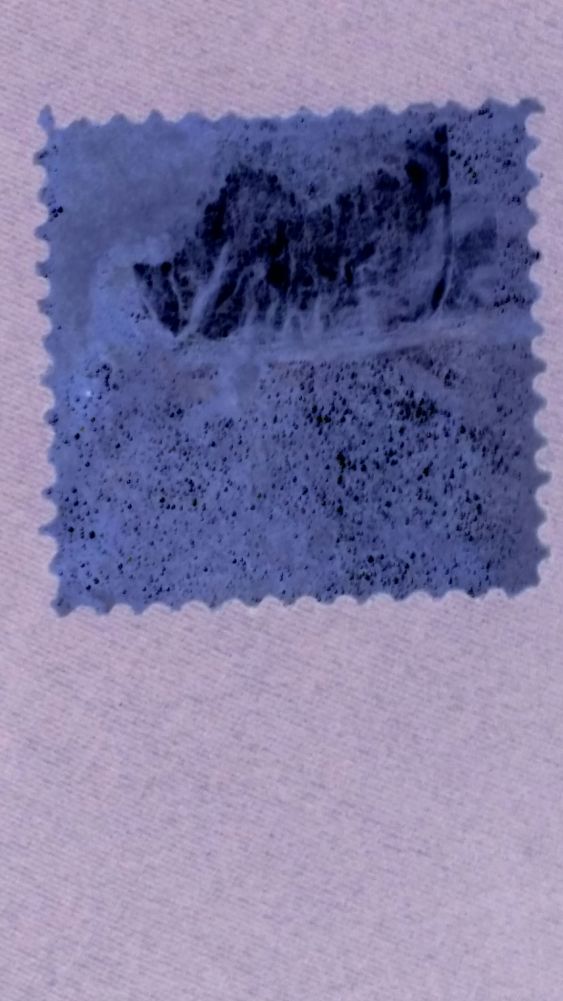
Hello. I know the rarity of the 114a without grill, but do you think this one is worth soaking to see? I don't want to damage it, if there is a possibility. The paper on this stamp is definitely hard. I read somewhere that the gum is like "molasses" on these types? Either way, not counting on this being the one but always looking. Thanks for your help! 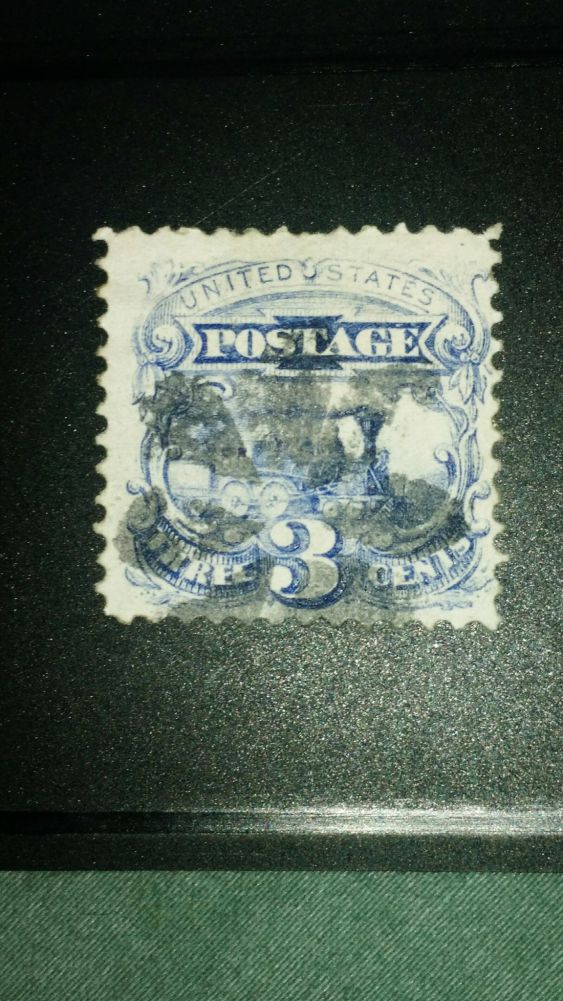 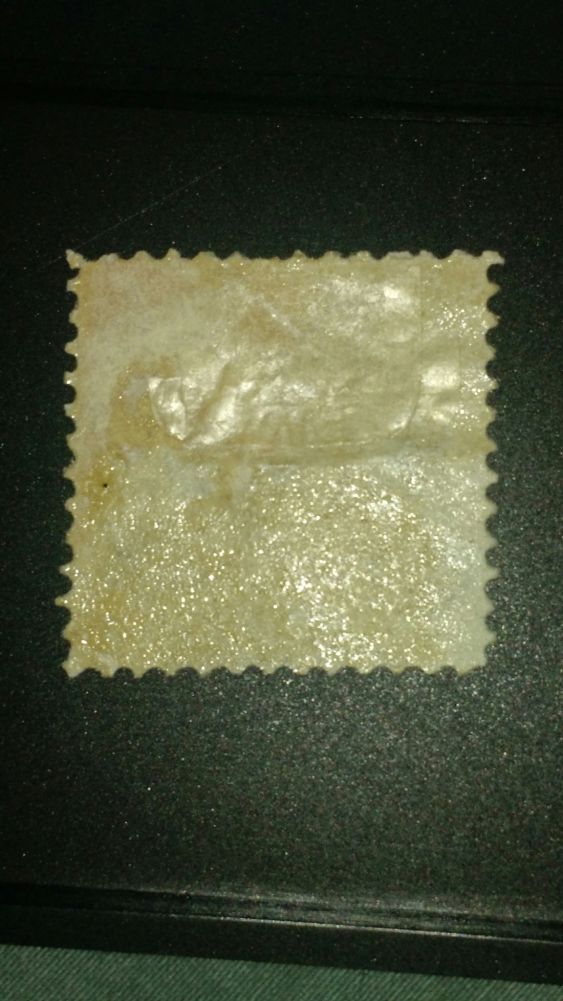 |
|
Send note to Staff
|
|
|
|
|
Valued Member
Germany
284 Posts |
|
|
Valued Member
United States
485 Posts |
|
|
Valued Member
Germany
284 Posts |
|
|
Valued Member
United States
485 Posts |
|
|
In hand, under magnification, I still can't see what your trying to show. I may be mistaken though. |
Send note to Staff 
|
|
|
Pillar Of The Community
United States
2423 Posts |
|
|
Valued Member
United States
485 Posts |
|
|
Valued Member
United States
485 Posts |
|
|
Valued Member
United States
485 Posts |
|
|
Moderator

United States
12330 Posts |
|
|
Scott does not recognize any used 1869 without grill because it is relatively easy to remove a grill. We also know that a 114a cannot be sold without expert certification. And I know of no expert service that is willing to certify a used #114a. That said, the real question here is it worth spending money on getting a cert? To answer this question leads to your question, should you soak off that gum? I think I see evidence of some kind of regumming, look at the perf tips and edges in the front side images. So if someone regummed, what else might they have done in terms of pressing the grill out?
Don
|
|
Send note to Staff
|
|
|
Valued Member
United States
485 Posts |
|
|
Thank you so much for that information. I am not an expert on telling the difference between "regummed" stamps and original. II will have to research and find a local expert to see it in hand and determine validity. Thanks again! |
|
Send note to Staff
|
|
|
Pillar Of The Community
United States
2230 Posts |
|
|
Since it is used, I think it should be soaked to remove the gum to improve appearance. The gum adds no value to a used stamp. As 51studebaker indicated, it would be essentially pointless to hope for no grill. |
|
Send note to Staff
|
| Edited by Classic Coins - 11/26/2015 12:43 pm |
|
|
Valued Member
United States
485 Posts |
|
|
Valued Member
United States
485 Posts |
|
|
Moderator
United States
12330 Posts |
|
|
Less than experienced regummers will 'wipe' moistened gum from an existing stamp across the back of a stamp. When they do this, the gum will build p on the perfs and edges; this often results in a darkening of the edges. Here is what I think I am seeing. Don 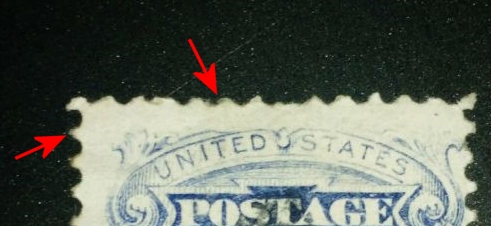 |
|
Send note to Staff
|
|
|
Pillar Of The Community
United States
1946 Posts |
|
|
I cannot say what you have based on the pics. Nor can anyone else here, no matter how strongly they THINK they can. But here is something to consider: if the gum is original and it can be established by expert examination (using the VSC6000 or other new tools) that there never was a grill applied to the stamp, then the presence of the gum might make it eligible for certification. Take away the gum and all that disappears. As Don said, normally a used stamp has no chance of being certified.
Obviously that gum had to be "sweated" to get the stamp off cover. But that process can cause the kind of buildup in the perfs to which he pointed. You need a better analysis of the residual gum to be sure.
Soaking it to "be sure" will surely make it uncertifiable. Is that what you want? |
|
Send note to Staff
|
| Edited by essayk - 11/27/2015 10:26 am |
|
|
Replies: 22 / Views: 4,171 |
|



 Posted 11/26/2015 11:25 am