| Author |
 Replies: 12 / Views: 2,125 Replies: 12 / Views: 2,125 |
|
|
Valued Member
United States
254 Posts |
|
|
|
Does anybody have statistics on how many 220 a & c's there are? I'm curious because I just went through about 300 220's and found 1 220c and 2 220a's. Seemed like a very small number for the=number of stamps I examined.
And why the big disparity in CV between 220a and 220c? what's the used cv for a 220a?
thanks in advance!
dave
|
|
Send note to Staff
|
|
|
|
|
Pillar Of The Community
United States
2423 Posts |
|
|
I've never seen figures as to proportions. All I know is that tons and tons of 220s were printed. |
Send note to Staff 
|
|
|
Pillar Of The Community
United States
6668 Posts |
|
|
The disparity is only present in Mint examples. CV's are $30 for the cap on both and $10 for the left cap so not much disparity when talking used stamps. |
|
Send note to Staff
|
|
|
Valued Member
United States
254 Posts |
|
|
Pillar Of The Community
United States
1043 Posts |
|
|
Based on pse population report 220c, unused original gum examples are exceedingly rare. MNH examples are crazy rare with Siegel claiming they have only offered 7 MNH copies. If anyone has a 220c unused, would live to see the scan. |
|
Send note to Staff
|
|
|
Bedrock Of The Community
United States
10866 Posts |
|
|
Pillar Of The Community
United States
628 Posts |
|
|
the 220a is really easy to find used but the 220c isnt as common, people will buy something just because they dont have it so the 220a seems to sell for 2.00 on ebay mostly because you cant sell stamps for much less or you would lose money. They are really worth more like .25 cents. The 220c if you find them not damaged with decent centering is easily worth the 5.00 they sell for, |
|
Send note to Staff
|
|
|
Pillar Of The Community
United States
1946 Posts |
|
|
Here is a small study group from my collection. Not the world's best and brightest, but.... This first couple is a rejoined pair of the 220 a (left) and c (right) complete with problems (crease). Looking for a better example: 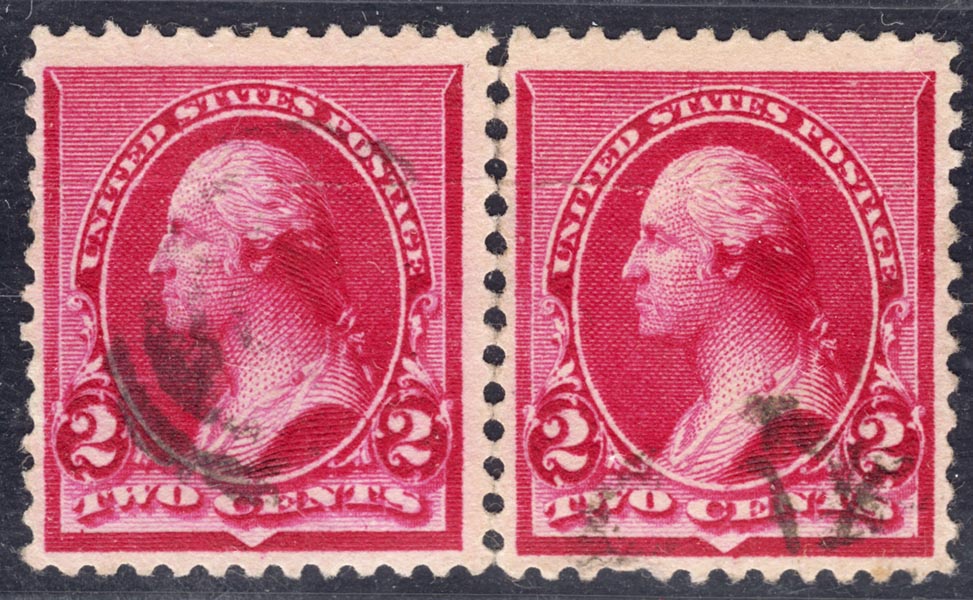 The rest are only 220c. Nice used pair: 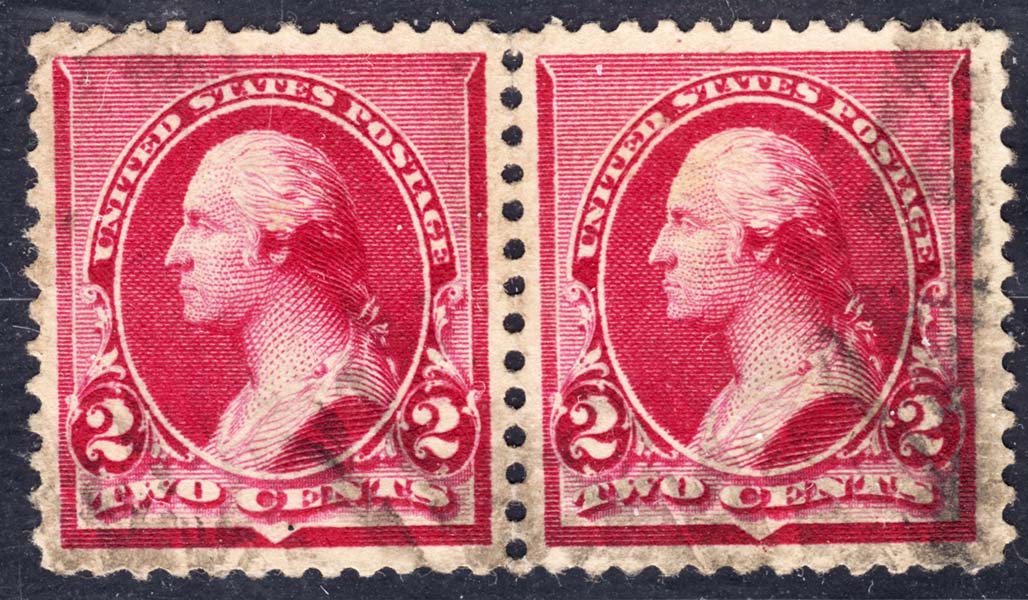 Not so nice unused single: 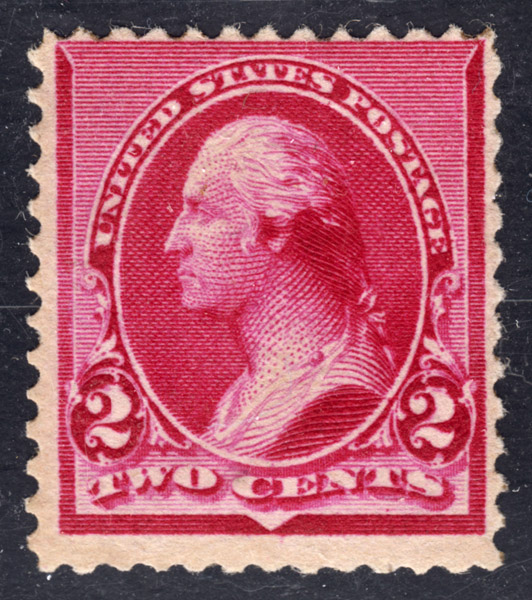 Another, off in the other direction: 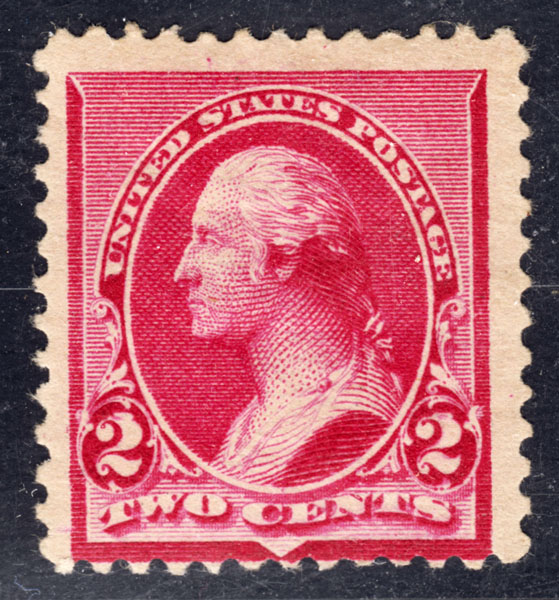 And a very nice used single: 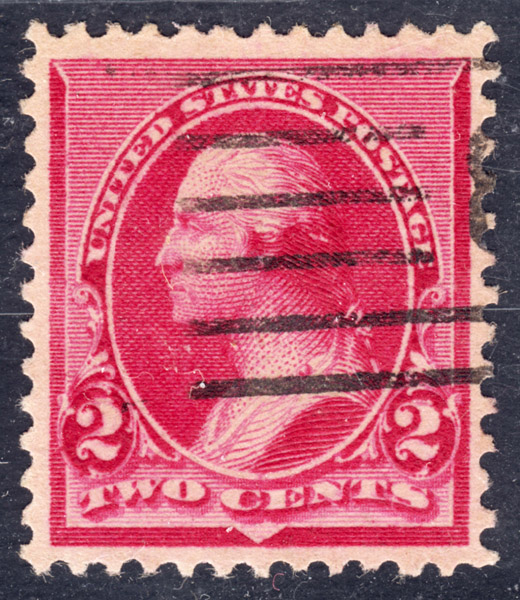 I left them in their mounts, so some of the pics have stray marks of various kinds that are not on the stamps. Sorry about that. |
|
Send note to Staff
|
| Edited by essayk - 02/26/2016 7:42 pm |
|
|
Pillar Of The Community
United States
1946 Posts |
|
|
Quote:
If anyone has a 220c unused, would live to see the scan.
Hmmmm. If there wasn't going to be any discussion, I don't see the point in making the request. Not sure it was worth the effort. |
|
Send note to Staff
|
|
|
Pillar Of The Community
United States
1043 Posts |
|
|
Sorry essay, I have been working all weekend.
I enjoy your pics . Glad to see someone has an unused 220c.
Does yours have original gum?
Regardless, any auction pick up of s 220a or c unused seems like a great pick up.
These are quite rare as the original poster may have been referencing to.
I would like to know more about the term "rejoin" when it comes to pairs or blocks. I enjoy seeing the a and c variety together.
Is this acceptable to PF or APS for authenticity. Couldn't any two stamps be "rejoined"?
Or is it "partially" rejoined. Reason I ask as I have seen this in previous auctions and I always question what it means regarding authenticity. |
|
Send note to Staff
|
|
|
Pillar Of The Community
United States
1946 Posts |
|
|
Re. 200c examples here: both are o.g. The one centered high is og nh, the one centered low is og hr. Some rejoins can be authenticated, some cannot. When two stamps are separated by being torn apart without an instrument, the teeth of their perforations will not be of uniform length or direction of tear. When the teeth line up along the tear lines without overlap and in proper alignment to produce a pair of stamps with uniformly correct spacing between, than that rejoin is verifiable. However, if two stamps have been cut apart in a uniform stroke, then the separation may not leave enough irregularities to allow for an indisputable reconstruction. Rejoined pairs can be useful for the information they give, but generally I do not mess with them. However, the relief break story behind the cap varieties is interesting enough to me that I wanted an example of the combination. So far this is a close as I have come without going over the cliff. The block presently being offered by Langs on ebay is so overpriced that I would not pursue it for purchase. But that is another story, inasmuch the block has been reinforced, but was never separated. To the best of my knowledge those stamps are not rejoined. |
|
Send note to Staff
|
|
|
Pillar Of The Community
United States
1043 Posts |
|
|
Essay, those 220c unused are very rare, despite off-centering. multiple super rare-- very impressed. very nice What should I do with these rejoined blocks of 4????? I was thinking about separating into horizontal pairs. How do you separate them with hinge holding together-- I don't want to ruin the stamps. 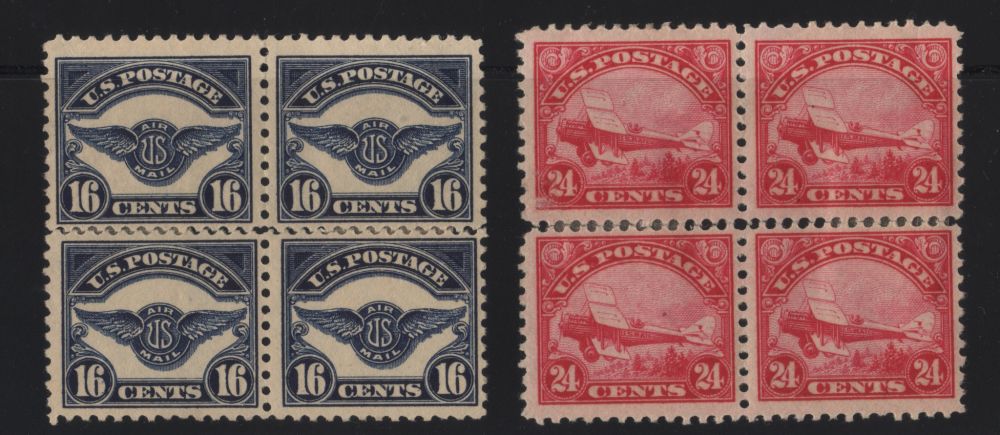 |
|
Send note to Staff
|
|
|
Pillar Of The Community
United States
1946 Posts |
|
|
That 16c group doesn't look like it was ever actually a block judging by the alignment of the vert perfs and the mismatch horizontally. Can't tell for sure about the 24c either, though it looks much closer.
Hinges could be removed using a small artists brush to brush on small amounts of water onto the hinge from the reverse. You might want to cut through the hinges with an X-acto knife first before treating with water, if you do that at all.
There are probably other solutions too, some involving the use of cold.
|
|
Send note to Staff
|
|
| |
Replies: 12 / Views: 2,125 |
|



 Posted 02/25/2016 5:41 pm


