| Author |
 Replies: 6 / Views: 1,632 Replies: 6 / Views: 1,632 |
|
|
Valued Member
United States
195 Posts |
|
|
|
|
Pillar Of The Community
United States
8956 Posts |
|
|
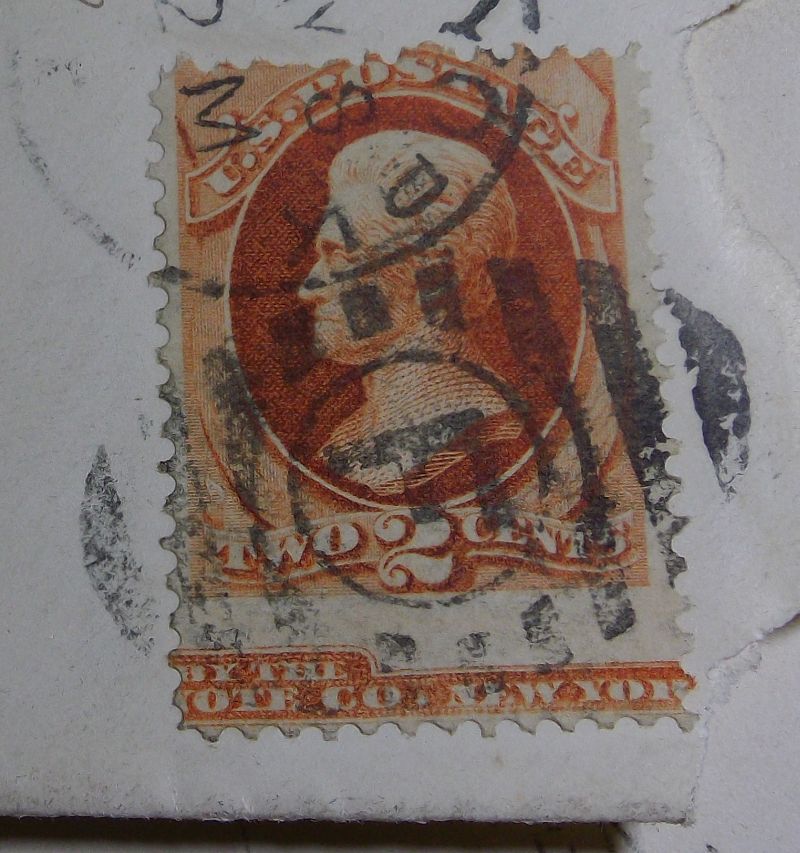
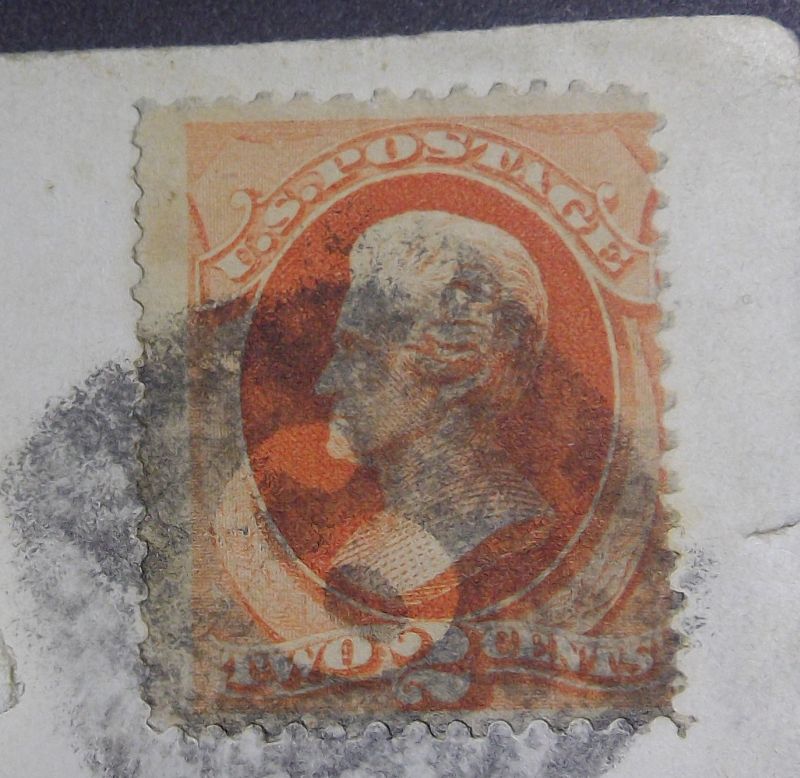
They both look like A45, but that does not mean a thing! It just means they both have the same design ( please read the special notices in the Scott catalog ). You may still have two different stamps there.
By the way, the stamp that still has the American Banknote Co "tab" on it is special!
Peter |
Send note to Staff 
|
|
|
Valued Member
United States
195 Posts |
|
|
Pillar Of The Community
United States
1414 Posts |
|
|
The National Bank Note printings were red brown on hard paper. Printings attributed to the Continental Bank Note Company were brown or vermillion on hard paper. Printings attributed to the American Bank Note Company were vermillion on soft paper. However, a few hard paper American Bank Note printings with the logo have been found on hard paper subtly different than the hard paper used by the Continental Bank Note Company. Also, the die was modified by Continental Bank Note to join two lines under the scroll in the upper left corner which the Scott Catalog incorrectly describes as a "diagonal line" in their description of the "secret mark".
It is important to check all stamps with captured American Bank Note Company logos with long wave ultraviolet light for hard paper. Soft paper is fairly dead looking under UV while hard paper reflects more light. If reference copies of stamp designs known only on hard paper or soft paper are viewed under UV light, the difference in paper brightness should be apparent. Hard paper stamps printed by the American Bank Note Company are extremely rare, but had been reported in the APS Journal before 1920. |
|
Send note to Staff
|
| Edited by cfrphoto - 10/16/2016 10:02 pm |
|
|
Pillar Of The Community
United States
1946 Posts |
|
|
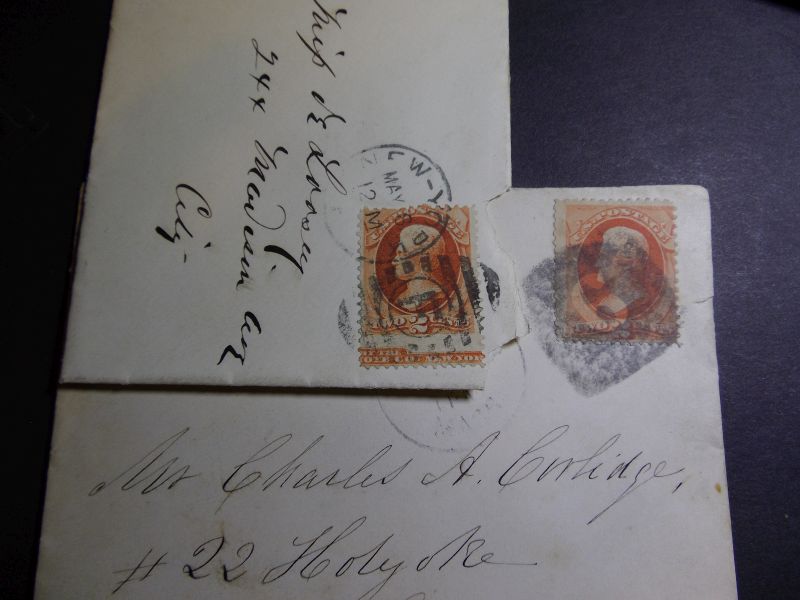
The imprint capture on your stamp is not of the American BNCo it is from Continental. Since some plates made by Continental continued to be used by American after the merger in 1879, it is possible that stamp could be on either hard or soft paper. Don't take it off the cover, however, since imprint captures on cover are not often seen. Your example is well tied by a duplex cancel, but I can't see a year date, which might not appear since the cover was drop mail (local delivery). It is of a type that was in use on both side of the February 4, 1879 dividing line for Continental vs American. It is an interesting, and therefore nice, item.
Neither of the pics is bright enough to allow me to hazard a guess as to the paper types. However, judging by the quality of impression I would hazard that the stamp with imprint capture is hard paper, Scott 178, and the other is soft paper, Scott 183. You can check them with a UV light if you know what to look for. See Clark's (cfrphoto) post above. |
|
Send note to Staff
|
|
|
Valued Member
United States
195 Posts |
|
|
Pillar Of The Community
United States
1946 Posts |
|
|
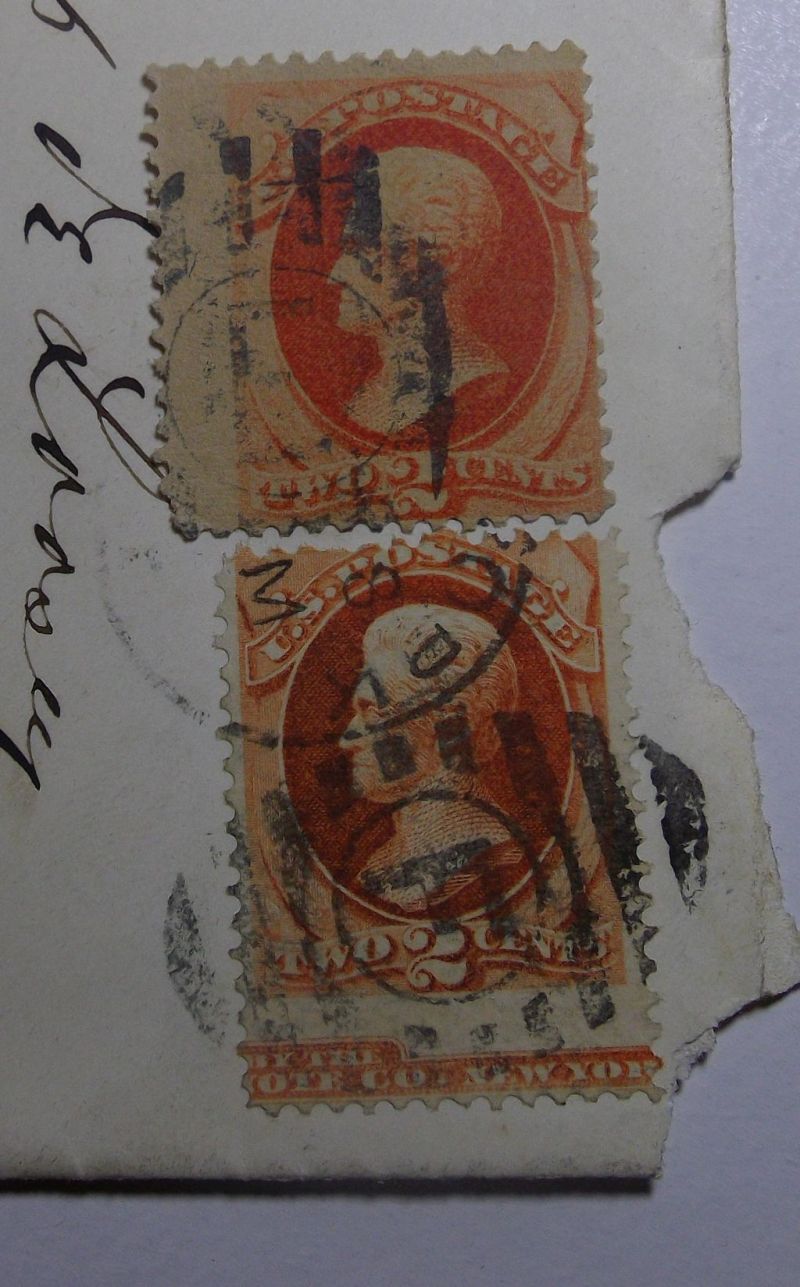
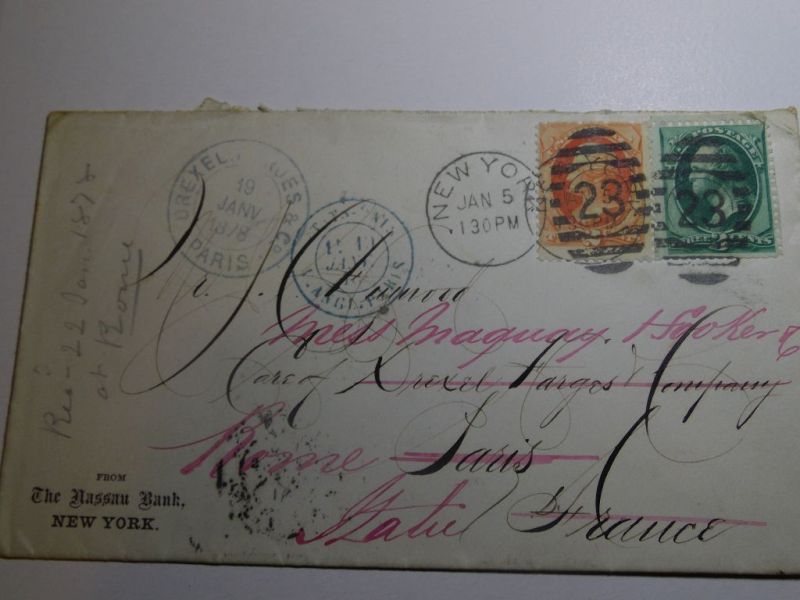
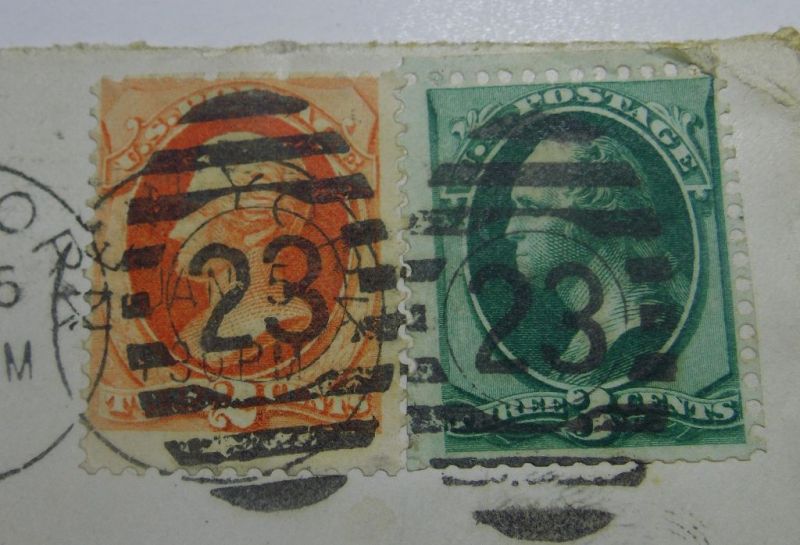
This one is easier. Both stamps on the January 5, 1878 cover show the sheen of hard paper and the clean perforation teeth that go with it. Since the earliest documented use of the 2c vermilion on soft paper is Aug 19, 1878, that reinforces the impression that these are both stamps of the Continental Bank Note Co on hard paper. If you have access to an ultraviolet lamp, you can shine it on these (briefly and from a reasonable distance in a darkened room) and become familiar with the appearance of hard paper under UV. Then shine it on the other stamps and covers and see if any behave differently. I would expect that the 2c imprint capture copy will look like these two, but the loose example you show here will be dull by comparison. It is on soft paper. |
|
Send note to Staff
|
|
| |
Replies: 6 / Views: 1,632 |
|



 Posted 10/16/2016 5:49 pm