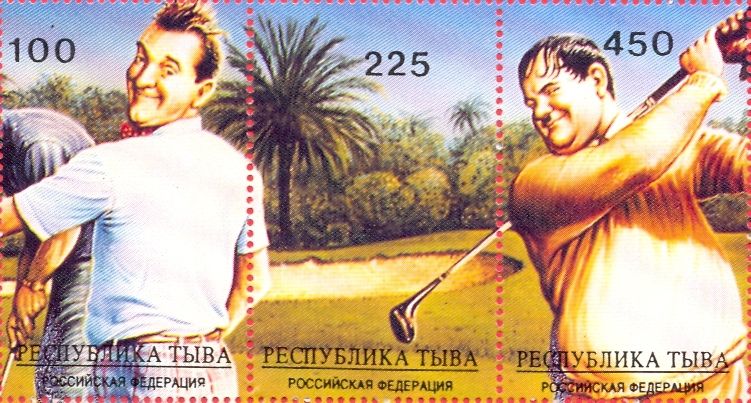
1. Russia
2. This is fairly long, but something to do with Grinnell Missionary stamps... As quoted:
George Grinnell, a Los Angeles teacher and stamp collec-tor, is referred to Charles Shattuck as a source for old stamps.
June 1918 – Grinnell acquires 81 early issues of Hawaii from Shattuck.
November 1919 – L.A. dealer Bertram Poole wires John Klemann about a"virgin find" of Hawaiian Missionaries. Klemann goes to L.A.
December 1919 – Klemann buys 43 Grinnell stamps and sells 16 to well-known collector Alfred Caspary for $75,000.Caspary compares them with his own Missionaries and says they're forgeries.Klemann takes his stamps back to L.A., where the Secret Service seizes them.Klemann sues George Grinnell.
May/June 1922 – Trial is held. Judge declares Grinnells forgeries producedby the photo-engraving process.
August 1942 – Three Grinnells are examined by Y. Souren at PhilatelicResearch Laboratories of New York City. He certifies them genuine.
November 1951 – Several Grinnells are submitted to the Royal PhilatelicSociety (as reported by George Linn in Linn's Stamp News 2/25/52). RPSLcertifies them forgeries, giving no reason.
December 1952 – George Linn states in print that Grinnells are genuine.
December 1954 – George Linn writes to Klemann that Grinnells are forgeries.
October 1962 – George Linn writes in Linn's "…there is as yet no conclu-sive proof that the stamps are phony."
3. As quoted 'J.P. Keller is a hit man based in Manhattan, but traveling wherever the job pays him to go. Keller is not an ordinary hit man, though. Each town he visits becomes special to him as he daydreams about moving there and creates backgrounds for the people he encounters. Since hit men seem to have quite a lot of free time, Keller becomes interested in stamp collecting, raising a dog and other mundane activities. Block makes his character appear as simple as the man next door—could he be a neighbor? After all, even hit men must live somewhere.'
Hope these are correct...





 Posted 03/12/2008 6:45 pm