| Author |
 Replies: 105 / Views: 13,775 Replies: 105 / Views: 13,775 |
|
|
|
Pillar Of The Community
Israel
4681 Posts |
|
|
Hezekiah's Tunnel is an ancient underground water channel in Jerusalem, carved during the reign of King Hezekiah in the 8th century BCE (around 701 BCE). Its purpose was to secure Jerusalem's water supply by redirecting water from the Gihon Spring—outside the city walls—to the Pool of Siloam inside the city, protecting it from Assyrian siege threats. Inside the tunnel, archaeologists discovered the Shiloh Inscription, a Hebrew text carved into the stone wall. It commemorates the completion of the tunnel, describing how two teams of diggers, starting from opposite ends, met in the middle. The inscription is one of the earliest known examples of ancient Hebrew writing and a remarkable piece of engineering history. Hezekiah's Tunnel and old Hebrew seal. On the tab the Shiloh Inscription. issued by Israel February 22, 2005. 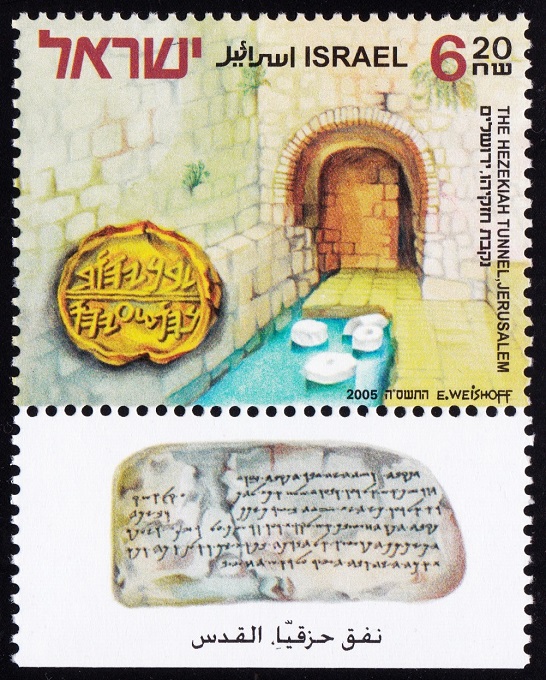 Shiloh Inscription on the tab of this stamp shows aerial view of City of David, issued by Israel on February 11, 2014. 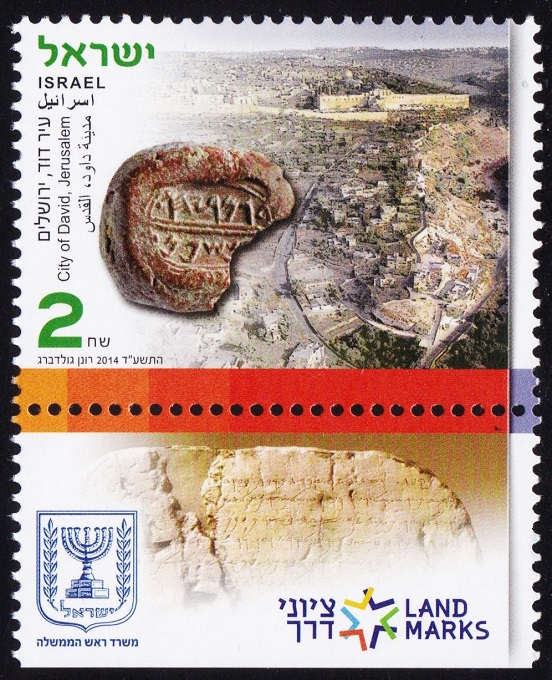 |
Send note to Staff 
|
|
|
Pillar Of The Community
Israel
4681 Posts |
|
|
Pillar Of The Community
Israel
4681 Posts |
|
|
The Jerusalem Stabile, also known as Homage to Jerusalem, by the artist Alexander Calder, is a striking bright-red monumental sculpture installed on the slopes of Mount Herzl in Jerusalem. The stabile was completed in 1976, shortly before his death, and unveiled in 1977 as his final signed outdoor public work. Made from bolted sheet steel painted in Calder's signature red, the multi-arched structure spans around 24 meters and offers sweeping views of the Judean Hills. Calder personally chose the site, designing the open arches to frame the landscape, while the heavier forms suggest animal-like presence and movement. Since its installation, the sculpture has become a bold symbol of modernity and cultural optimism in Jerusalem. Jerusalem Stabile, issued by Israel on February 7, 1995. 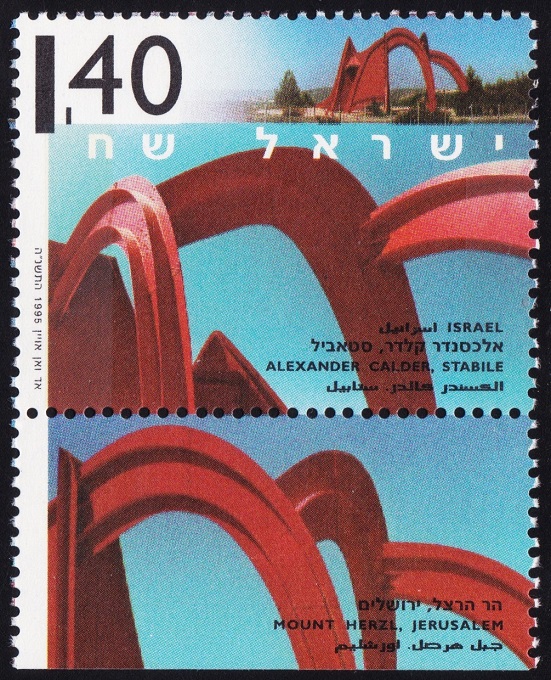 Maxicard canceled with commemorative postmark shows the sculpure, makes in complete maxicard. 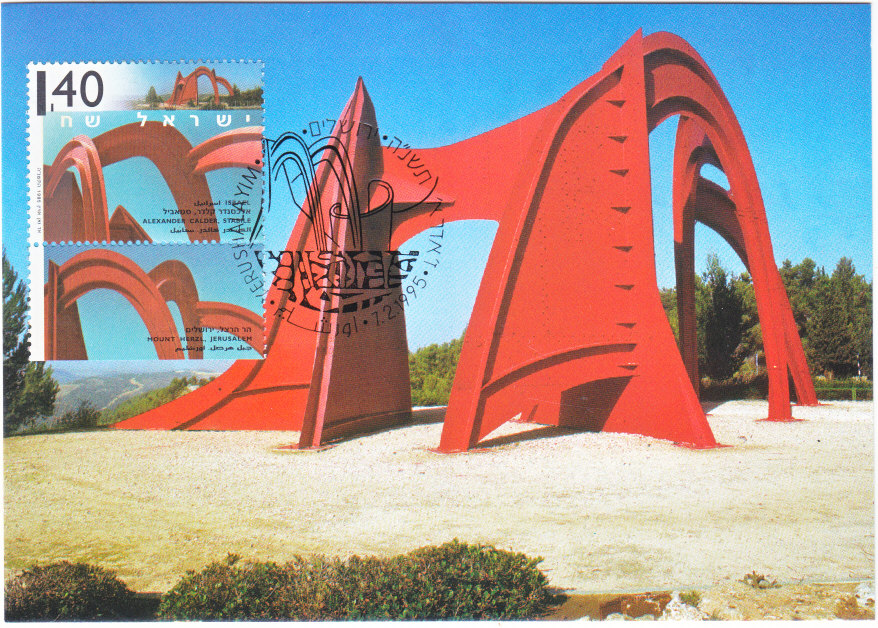 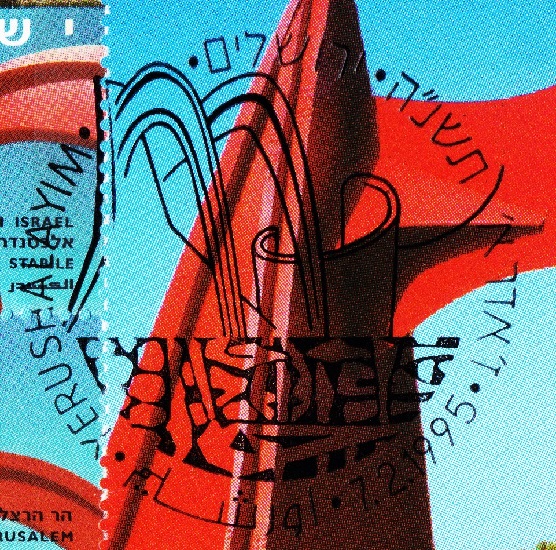 |
|
Send note to Staff
|
|
|
Pillar Of The Community
Israel
4681 Posts |
|
|
Archaeology in Jerusalem, issued by Israel on October 19, 1976 and December 23, 1976. A House from the Byzantine period, 1st century CE On the tab: an arm of a bronze menorah found in the same building. 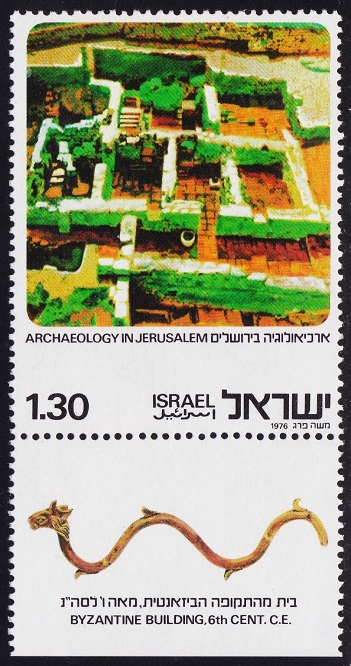 An Arch from the Second Temple period, 1st century BCE On the tab: a seal depicting a bowl with fruits and cornucopia from the time of Herod. 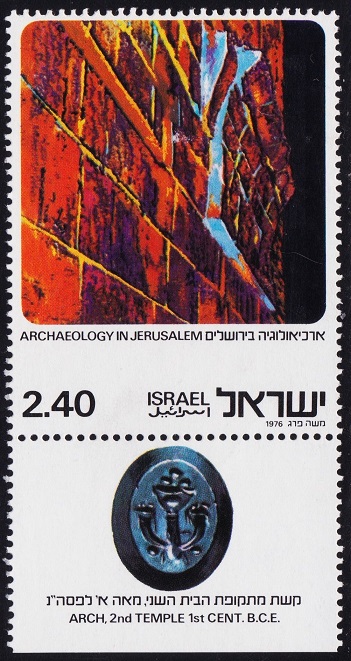 Steps from the Second Temple period, 1st century BCE On the tab: a typical pottery bowl from the Second Temple period in Jerusalem. 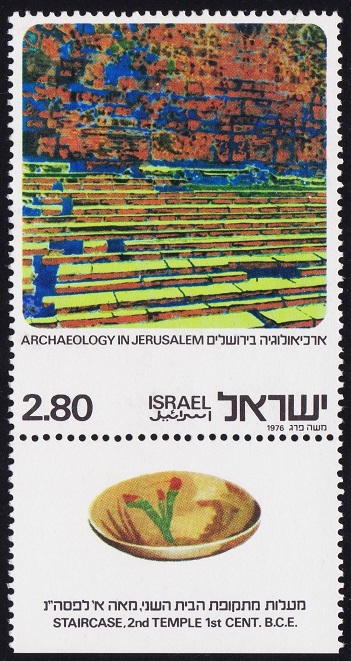 A Wall from the First Temple period, 7th century BCE On the tab: a scarab with a figure of a griffin in the style of the Kingdom of Judea in the 7th century. 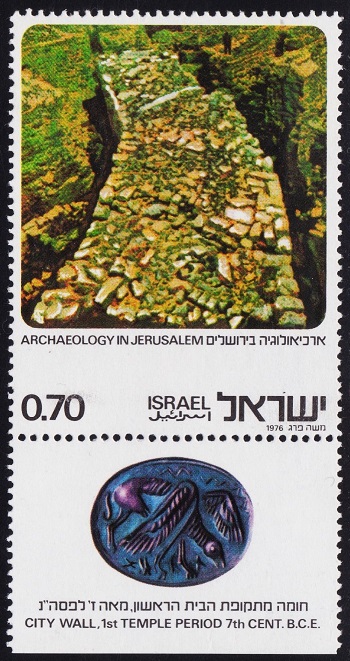 A Palace from the Umayyad period, 8th century CE On the tab: a fragment of a wall painting from the Umayyad palace. 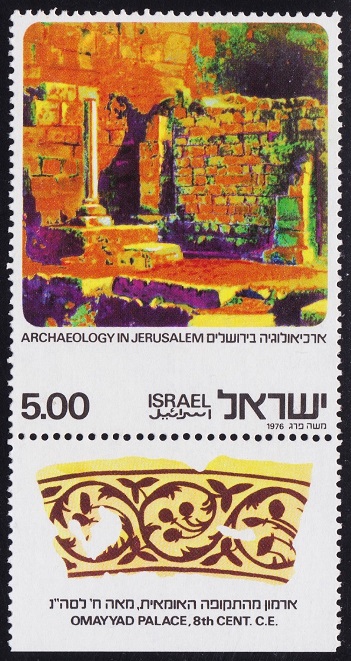 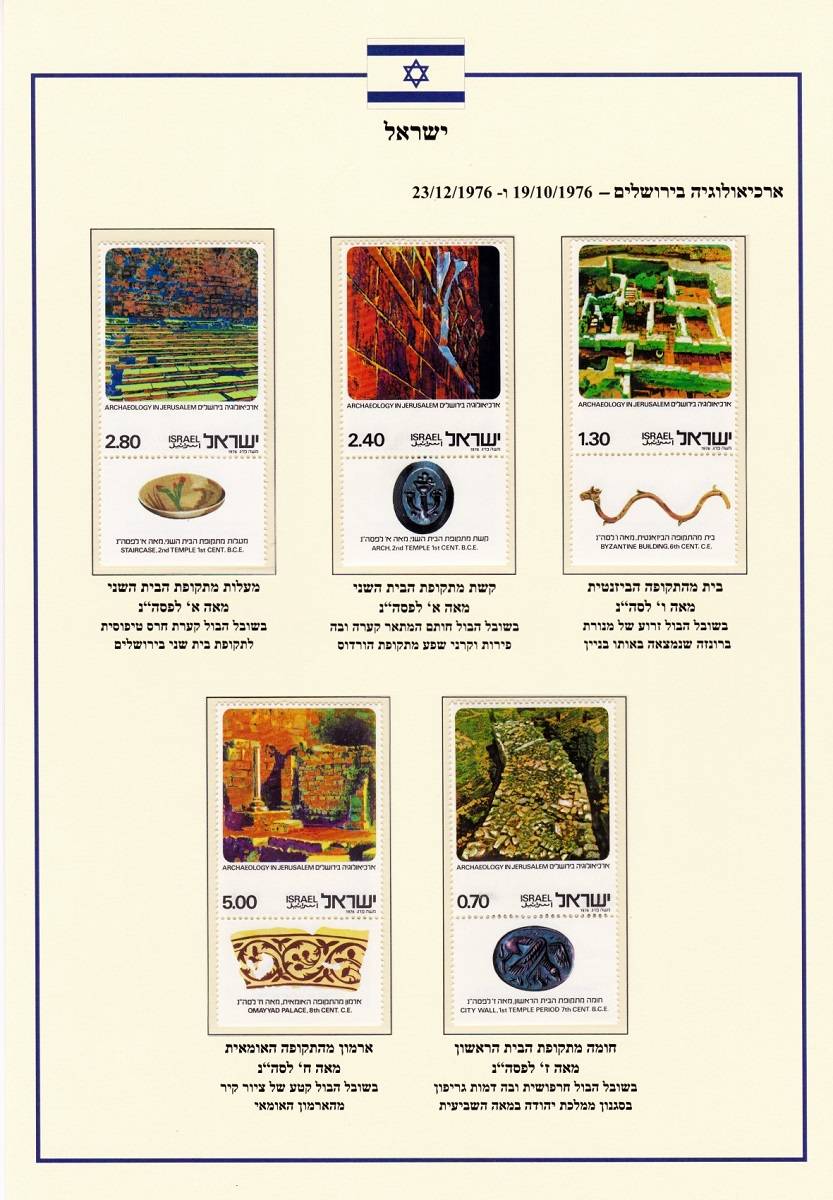 |
|
Send note to Staff
|
|
|
Pillar Of The Community
Israel
4681 Posts |
|
|
Until the mid-19th century, Jerusalem's residents lived within the Old City walls for safety from bandits, despite overcrowded and unsanitary conditions. In 1855, British-Jewish philanthropist Sir Moses Montefiore purchased land west of the city with funds from Judah Touro's estate and, instead of a hospital, built Mishkenot Sha'ananim, Jerusalem's first neighborhood outside the walls, to provide housing and livelihoods for the poor. Completed in 1857 with a windmill, housing units, synagogues, and a mikveh, it was initially met with fear of living beyond the walls but later became a model for new Jewish neighborhoods. Today, Mishkenot Sha'ananim is a cultural and conference center promoting dialogue, tolerance, and pluralism. Mishkenot Sha'ananim and the windmill, issued by Israel on August 25, 2010 to commemorate the 150th anniversary of outside Jerusalem's old city walls. On the tab, Sir Moses Montefiore (right) and Judah Touro (left). 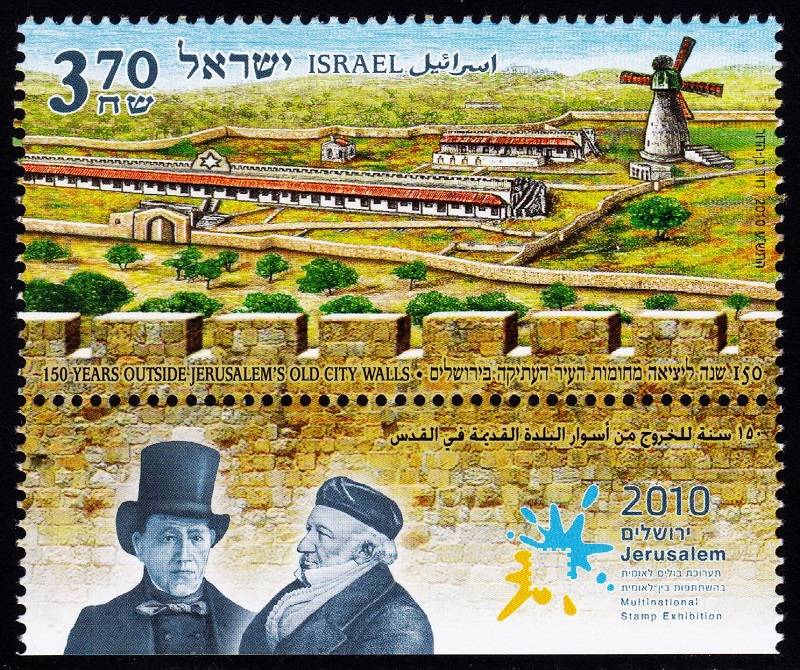 Sir Moses Montefiore and the windmill on 1 shekel Israeli banknote, 1978. 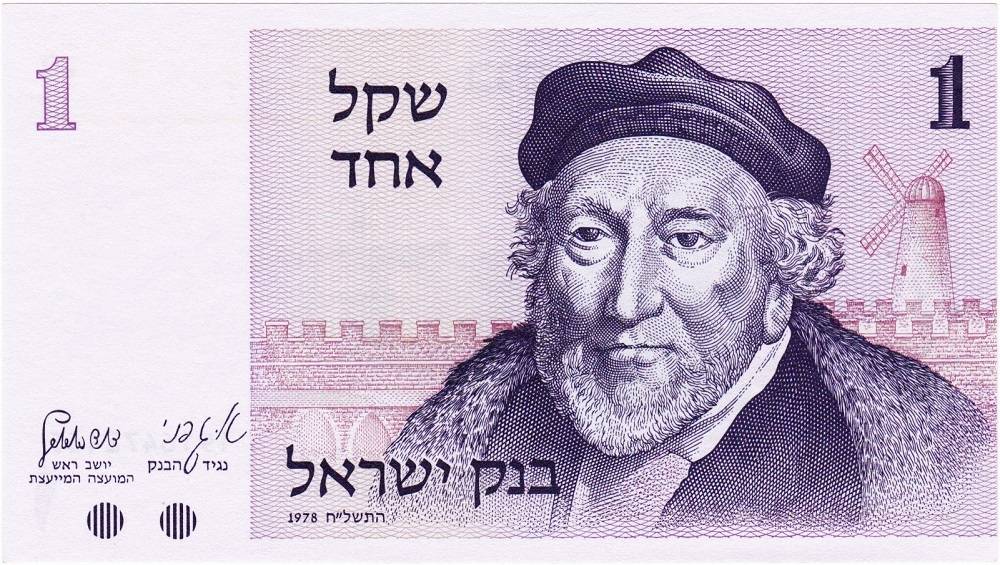 |
|
Send note to Staff
|
|
|
Pillar Of The Community
Israel
4681 Posts |
|
|
The set of 1975 Pound banknotes of Israel depicting on their reverse side the gates of the Old City of Jerusalem. 5 P - Lions Gate 10 P - Jaffa Gate 50 P - Damascus Gate 100 P - Zion Gate 500 P - Golden Gate (Gate of Mercy) 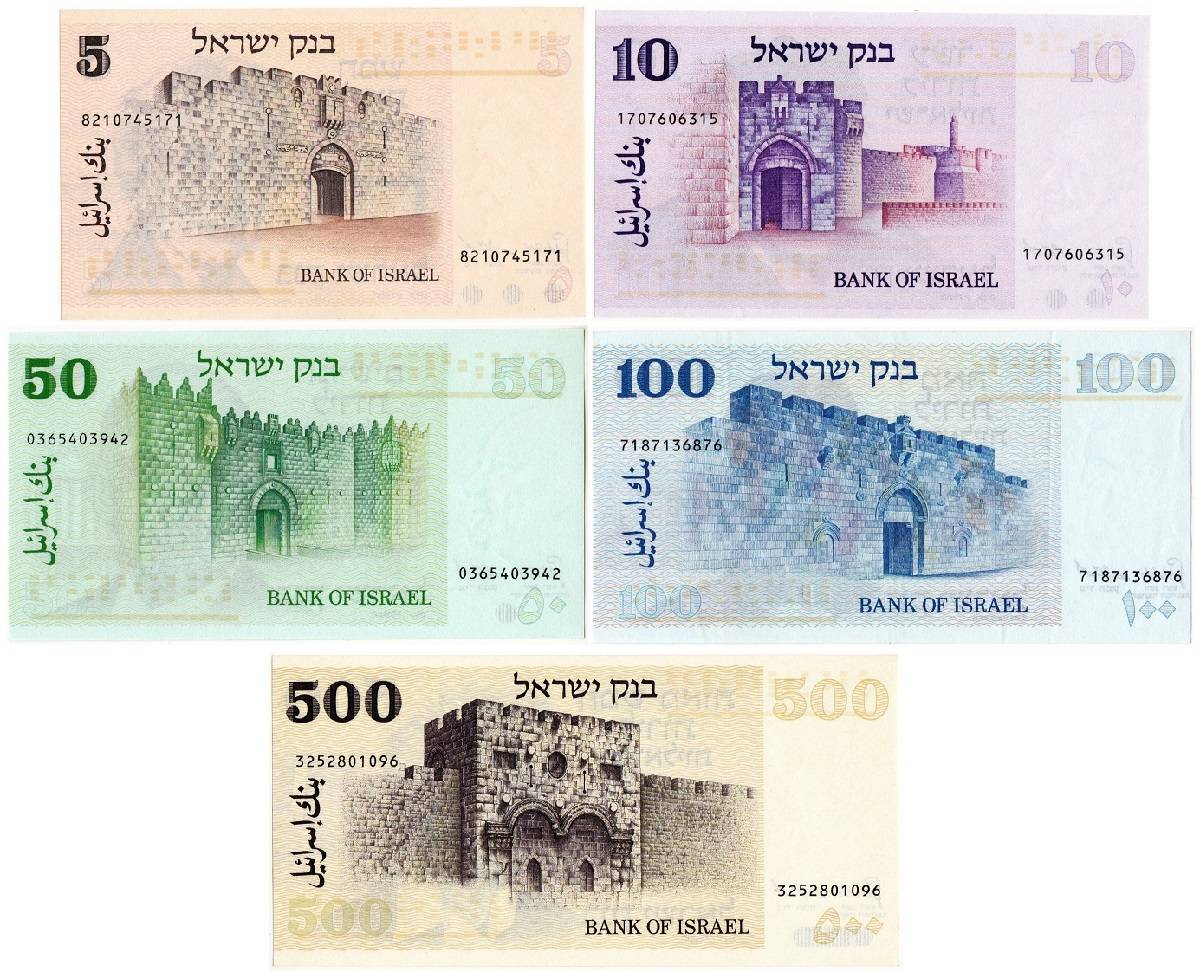 |
|
Send note to Staff
|
|
|
Pillar Of The Community
Israel
4681 Posts |
|
|
Visit of Pope John Paul II to Jerusalem, Liberia, 2015, issued to mark the 50th anniversary of Nostra Aetate. Nostra Aetate ("In Our Time"), issued in 1965 by the Second Vatican Council of the Catholic Church, is a landmark declaration on relations with non-Christian religions. It affirms respect for other faiths and, most notably, rejects the idea of collective Jewish guilt for Jesus' death while condemning antisemitism and promoting interreligious dialogue. Pope John Paul II in front of the Western Wall in Jerusalem placing written prayers into the stones of the Western Wall in Jerusalem, reflecting the Jewish tradition of inserting prayer notes into the Wall's ancient stones. 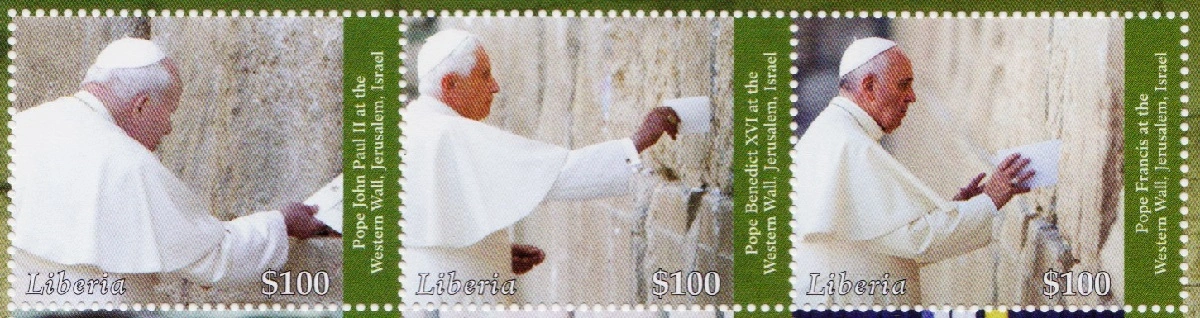 Meeting of Pope John Paul II with Chief Rabbis of Israel. 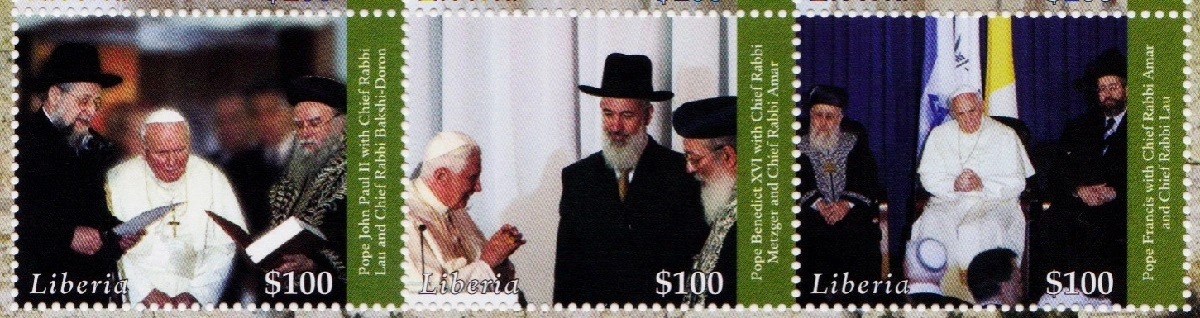 The stamps were issued in SS. The margin features the Pope standing in front of the Western Wall in Jerusalem. 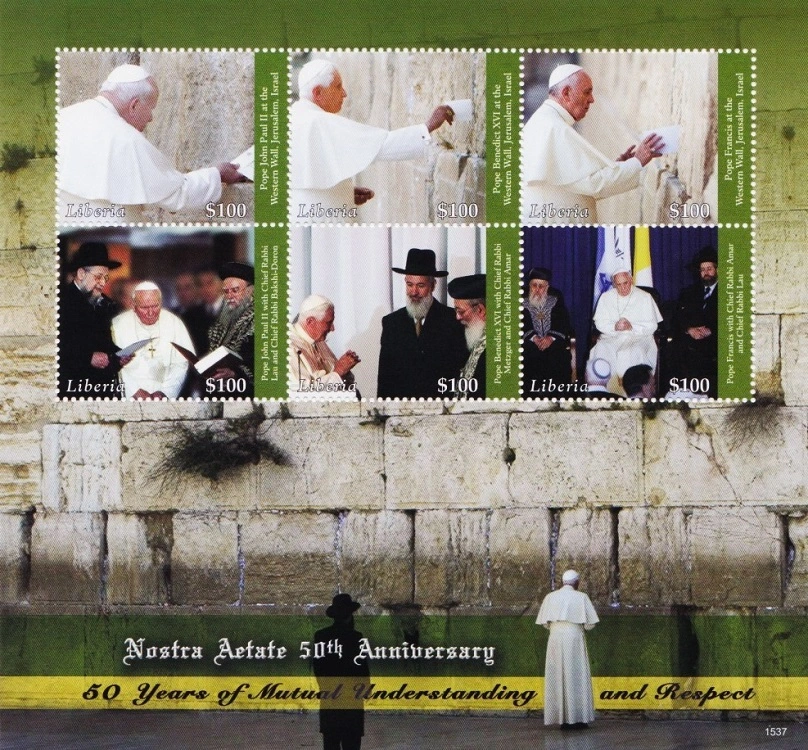 |
|
Send note to Staff
|
|
|
Valued Member
United States
34 Posts |
|
|
Since "other items" are permissible in this thread, here's something that's not a stamp but looks related: a business reply envelope distributed in a 2024 mailing from the International Fellowship of Christians and Jews. The envelope has four stamp-sized designs with simulated perforations printed on it, two of which depict Jerusalem's Old City. As you can see, there are two different color variants, one with blue shading only in the sky and one with blue shading throughout the entire design. 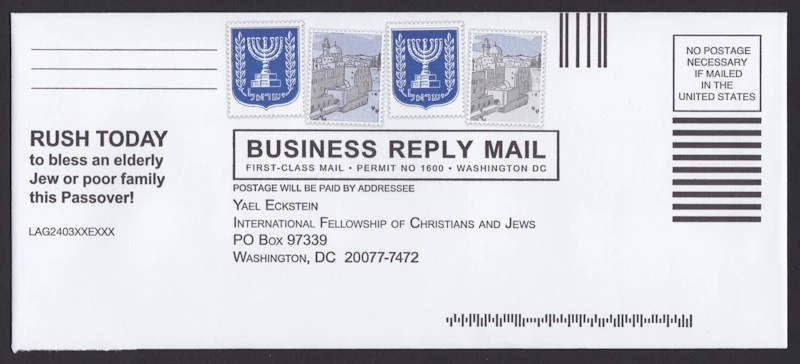 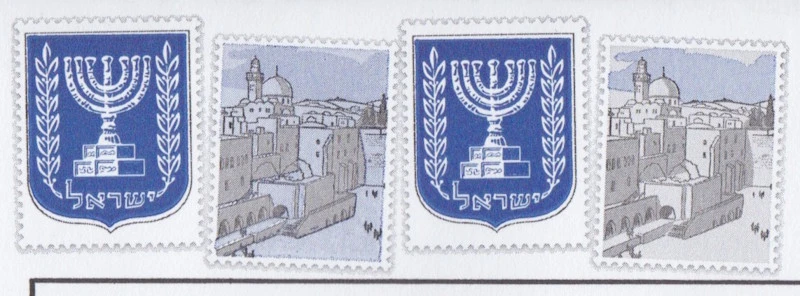 |
|
Send note to Staff
|
|
|
Pillar Of The Community
Israel
4681 Posts |
|
|
Thank you very much, Philatelius, for sharing. The labels show the Western Wall Plaza with Dome of the Rock and Omar Mosque in the background. ____________________Old Jewish coin minted between 132 and 135 CE during the Jewish revolt against the Roman Empire in the Kingdom of Judea (the Bar Kokhba Rebellion). The coin depicts the Jerusalem Temple, surrounded by the inscription in ancient Hebrew letters "Jerusalem", issued by Israel on January 5, 1954. 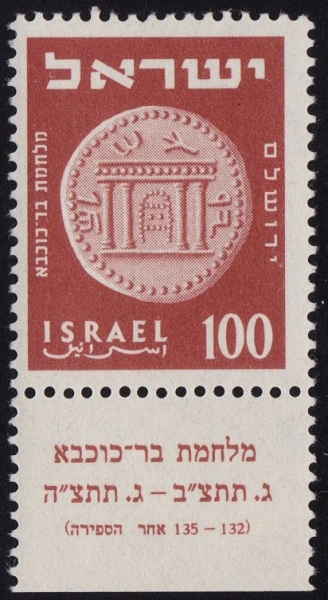 FDC with the complete old coin set. The Jerusalem coin in front of the cachet. 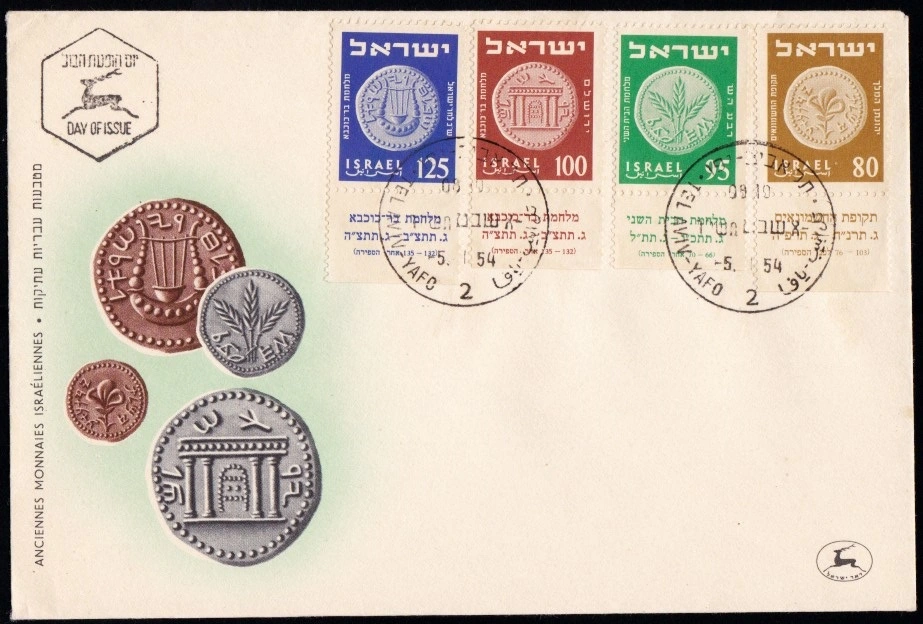 On May 17, 1948, just two days after the establishment of the State of Israel, a set depicting ancient Jewish coins was issued. The three high values illustrate both sides of a coin minted during the Great Revolt in the Kingdom of Judea (67–73 CE). One side features three pomegranates, an ancient Jewish symbol, surrounded by the inscription "Holy Jerusalem." I do not own the original stamps, as they are quite expensive. Fortunately, Israel reissued their designs in 1973 on three souvenir sheets for the Jerusalem Philatelic Exhibition. The left side shows the face bearing the inscription "Holy Jerusalem". (the other side has the inscription "Shekel Israel") 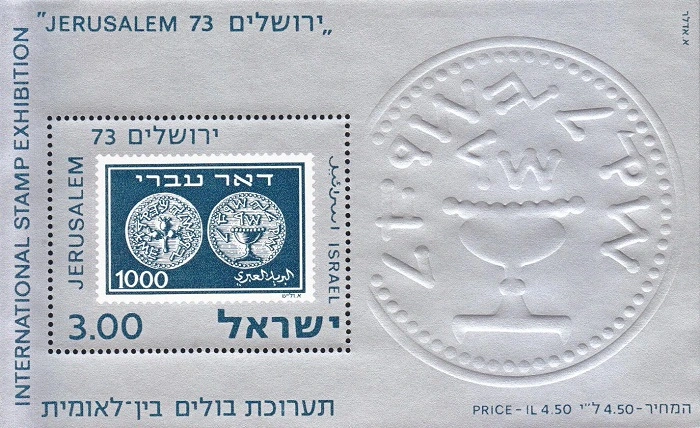 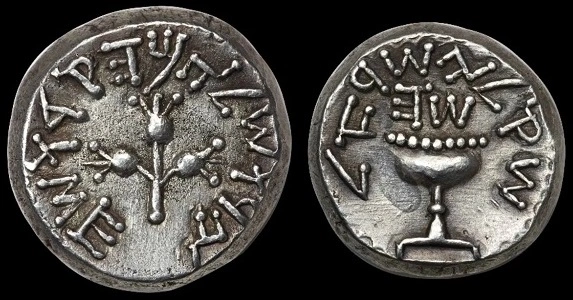 |
|
Send note to Staff
|
| Edited by LaoPhil - 02/14/2026 05:35 am |
|
|
Pillar Of The Community
Israel
4681 Posts |
|
|
"Al Quds (Jerusalem) is an Arab city" - a slogan on 1987 Kuwaiti stamp that ignores hundreds of years of Jewish and Christian history of the city. Stamps features the Dome of the Rock on the background of modern Jerusalem. 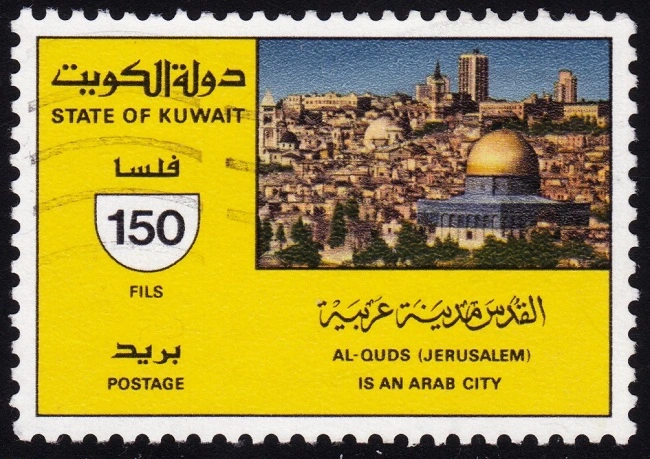 |
|
Send note to Staff
|
|
|
Pillar Of The Community
Israel
4681 Posts |
|
|
The Declaration of the Jordanian National Assembly on the Unity of the Eastern and Western Banks of the Jordan River was adopted on 24 April 1950, following the events of the 1948 Arab–Israeli War. After the war, Jordan took control of the West Bank and East Jerusalem, and the Jordanian National Assembly proclaimed the formal union of these territories with the Hashemite Kingdom of Jordan, creating a single state on both sides of the Jordan River. From 1948 until 1967, Jordan administered the West Bank and granted its inhabitants Jordanian citizenship and representation in the parliament in Amman. This political union lasted until 1967, when Israel captured the West Bank during the Six-Day War, ending Jordan's effective rule over the territory. Today, parts of the West Bank are administered by the Palestinian Authority, while Israel retains varying degrees of control across the territory. The 2nd anniversary of the declaration, a set of nine identical stamps issued by Jordan on April 1, 1952. The Dome of the Rock of Jerusalem representing the West Bank. 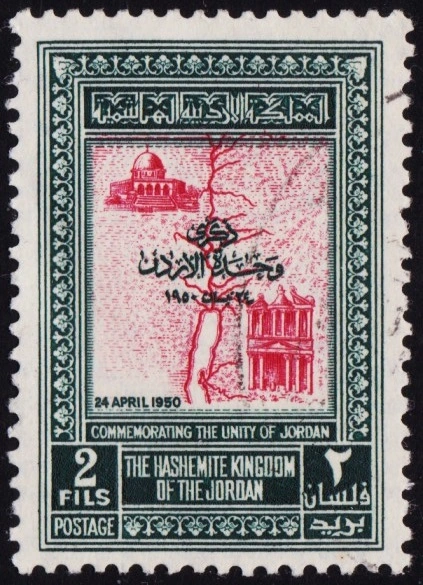 |
|
Send note to Staff
|
|
|
Pillar Of The Community
Israel
4681 Posts |
|
|
Dome of the Rock, Jerusalem, issued by Morocco on May 27, 1976 to publicize the 6th anniversary of Organization of the Islamic Conference. 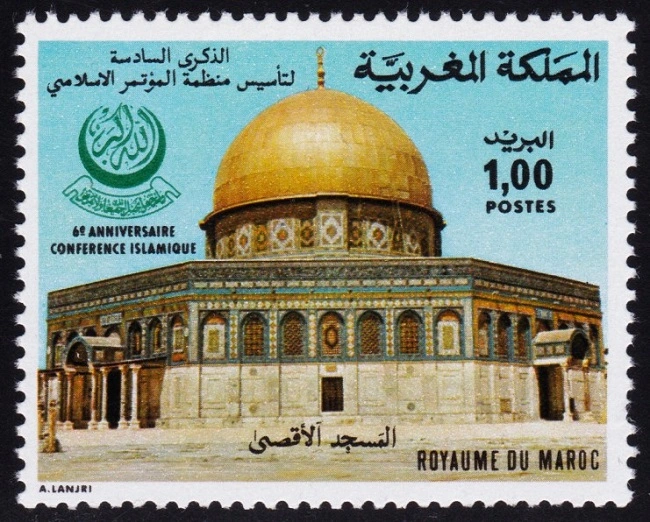 |
|
Send note to Staff
|
|
|
Pillar Of The Community
Israel
4681 Posts |
|
|
The Fourteen Stations of the Cross in Jerusalem trace the traditional path of Jesus along the Via Dolorosa, commemorating key moments from his condemnation to his crucifixion and burial. Beginning near the former site of Pontius Pilate's praetorium and ending at the Church of the Holy Sepulchre, each station marks an event of suffering, devotion, and reflection central to Christian faith. The fourteen stations of the Cross in Via Dolorosa, Jerusalem, issued by Paraguay in 1980. Station 1 - Jesus is condemned by Pontius Pilate. Station 2 - Jesus receives his Cross. 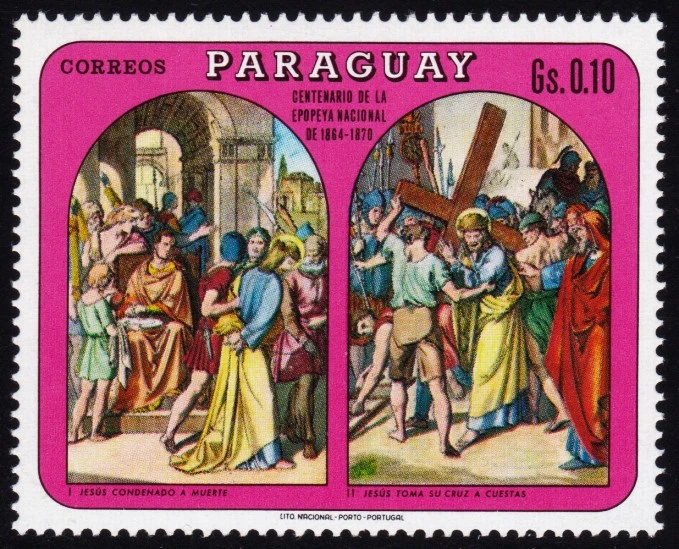 Station 3 - Jesus falls under the weight of the Cross. Station 4 - Jesus meets his mother. 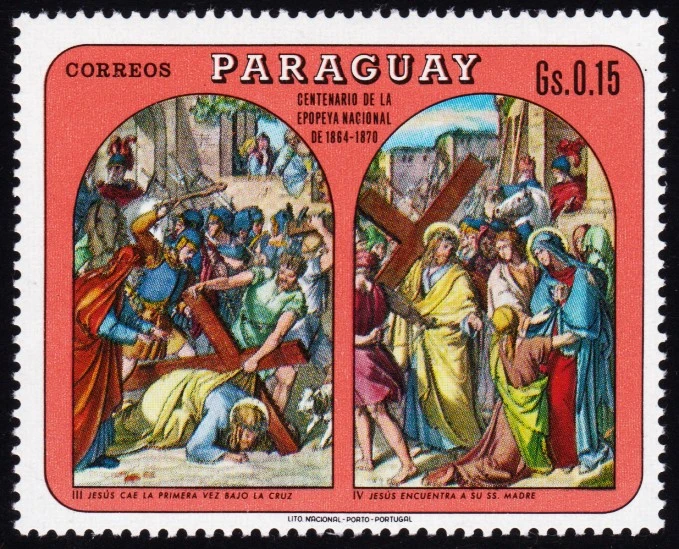 Station 5 - Simon of Cyrene helps Jesus to carry the Cross. Station 6 - Veronica wipes the face of Jesus. 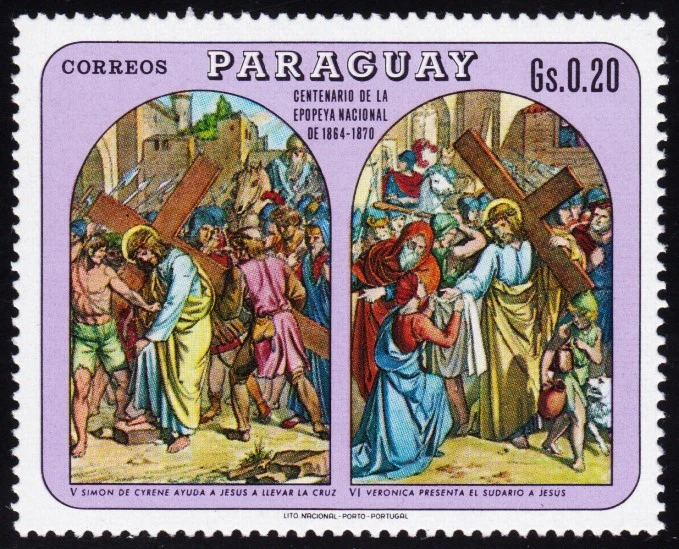 Station 7 - Jesus falls a second time. Station 8 - Jesus speaks to the daughters of Jerusalem. 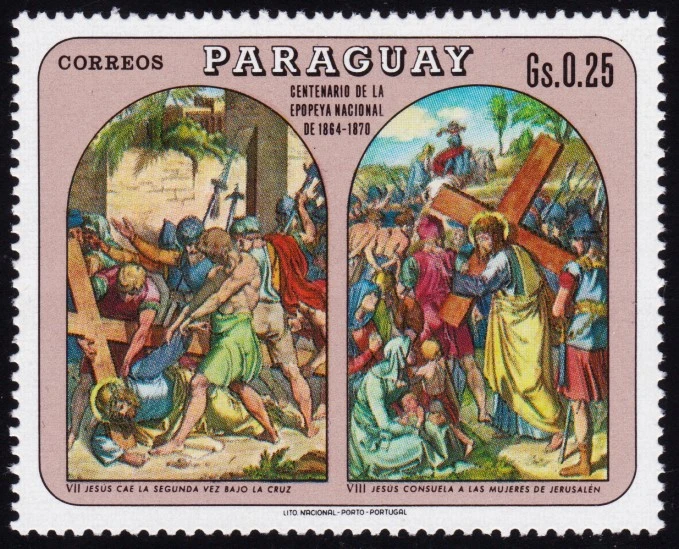 Station 9 - Jesus falls a third time. Station 10 - Jesus is stripped of his garments. 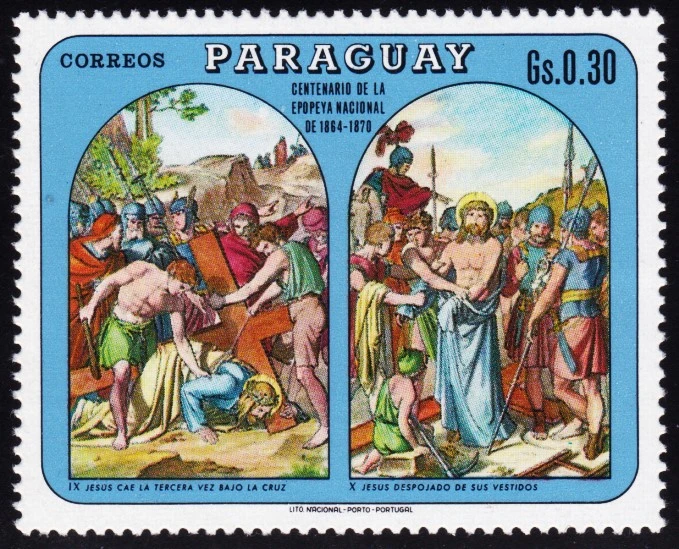 Station 11 - Jesus is nailed to the Cross. Station 12 - Jesus dies on the Cross. 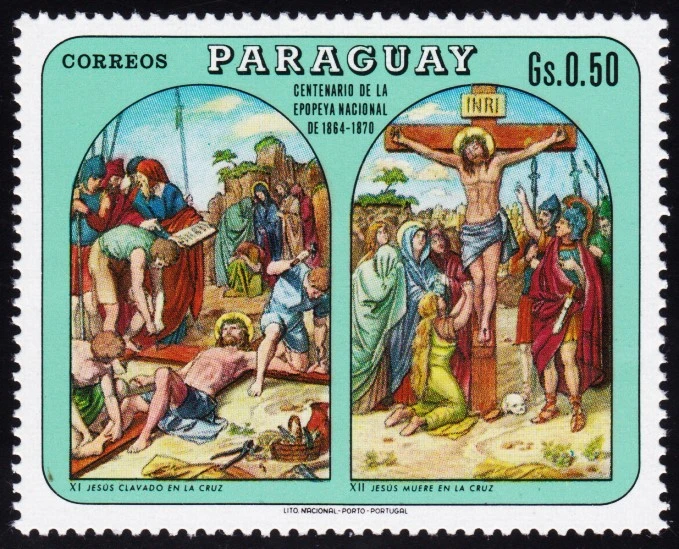 Station 13 - Jesus is taken down from the Cross. Station 14 - Jesus is laid in the tomb. 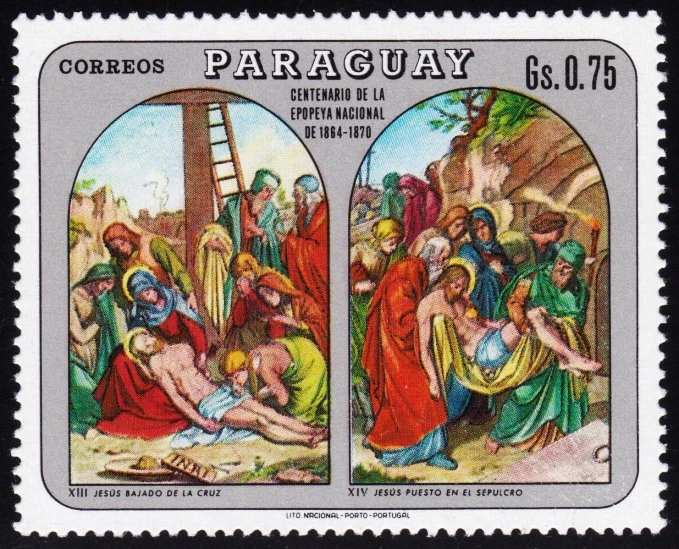 |
|
Send note to Staff
|
|
|
Valued Member
India
13 Posts |
|
|
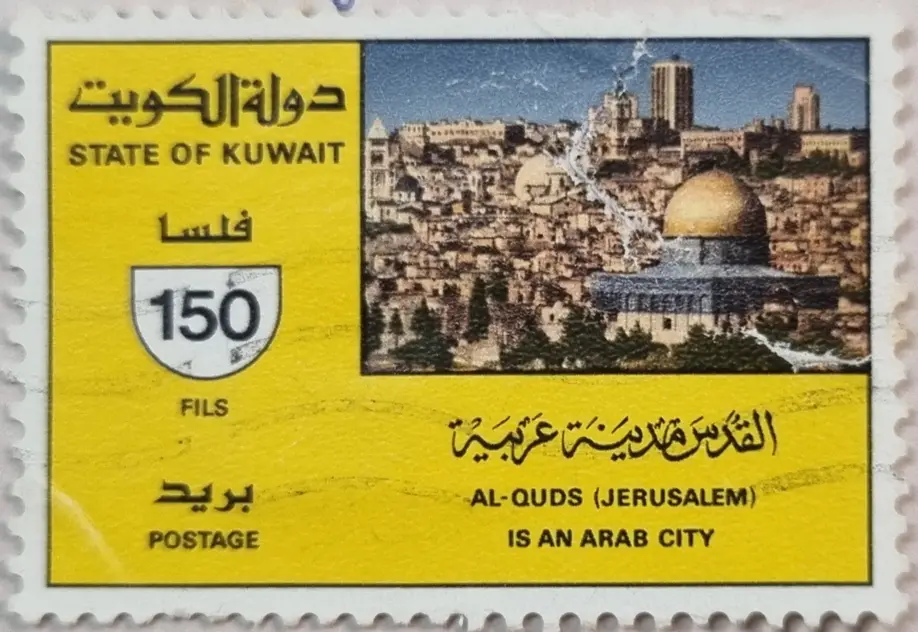 1987 Kuwaiti stamp (SG KW 1132) with a photograph of Jerusalem and some political messaging as well. |
|
Send note to Staff
|
|
|
Pillar Of The Community
Israel
4681 Posts |
|
|
Thank you, red_apechu, for posting the Kuwaiti attractive stamp  Quote:
The Madaba Mosaic Map is part of a floor mosaic in the early Byzantine church of Saint George at Madaba, Jordan dates to the 6th century AD. The Madaba Map is a map of the Middle East and part of it contains the oldest surviving original cartographic depiction of the Holy Land and especially Jerusalem. To commemorate the centenary of the discovery of Madaba mosaic map (1897-1997), Jordan issued on April 7, 1997 a set of three stamps, each shows detail of the map, and SS shows the complete map. Here is the SS - Jerusalem is on the lower left. 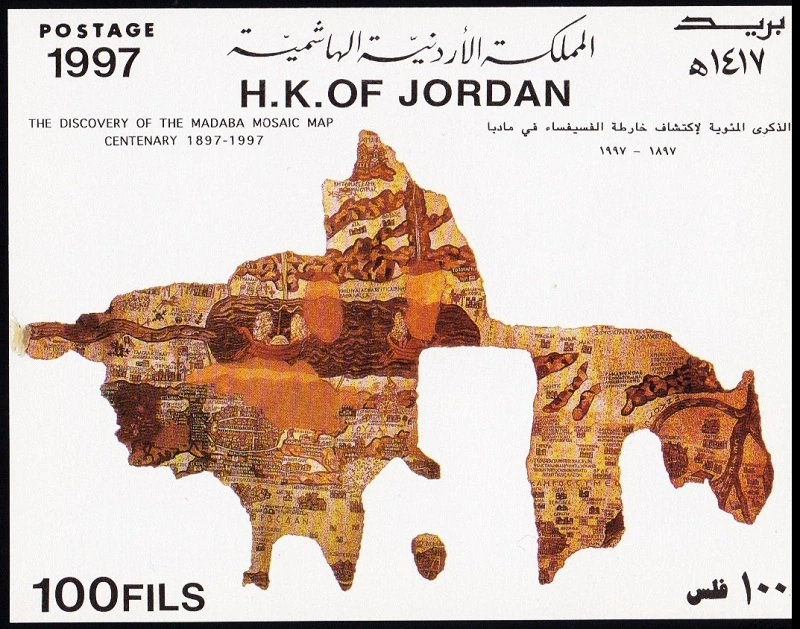 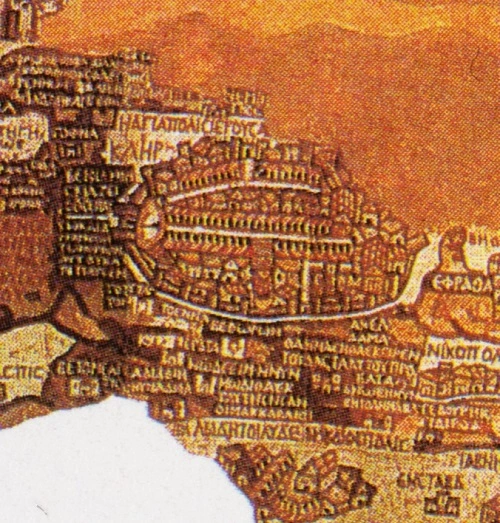 One of the stamps shows Jerusalem. 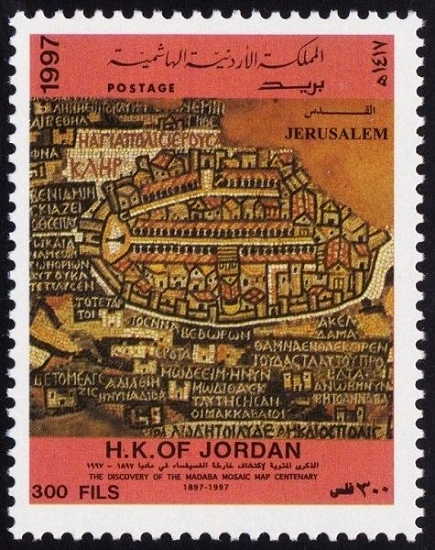 |
|
Send note to Staff
|
|
|
Replies: 105 / Views: 13,775 |
|




 Posted 07/28/2025 3:14 pm