Huesca is the capital of the eponymous province that is the northernmost province in the autonomy of Aragón. The town sits at a short distance from the foothills of the Pyrenees. A couple of daily trains connect it with Zaragoza that is well connected with Madrid and Barcelona by high-speed trains. Some days, there is a direct high-speed (AVE) train from Madrid Puerta Atocha – Almudena Grandes Station. There, also, is a frequent (AVANZA) bus service that connects it in about an hour with the Zaragoza Delicias interchange (high-speed trains) station and a few busses a day connect it with Barcelona.
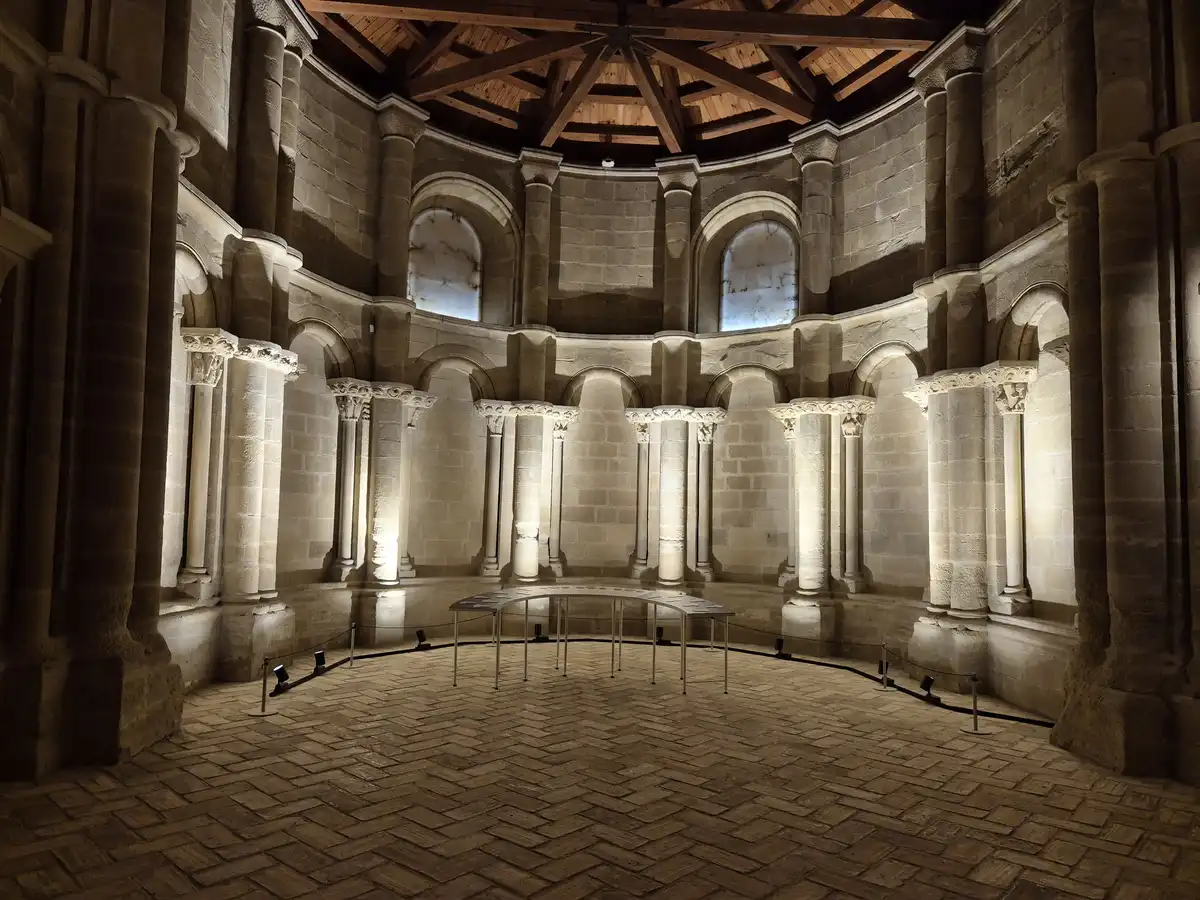
The town was a Roman Municipium and one of the most northern defended towns of Al Andaluz. A section of the Arab wall with one tower still stands. The Provincial Museum (no admittance charge) shows the history of the province. Among the art collection are paintings and drawings by Goya. This museum incorporates the remains of the palace of the Kings of Aragón (12th century). These include the chamber of the legendary of the Bell of Aragón.
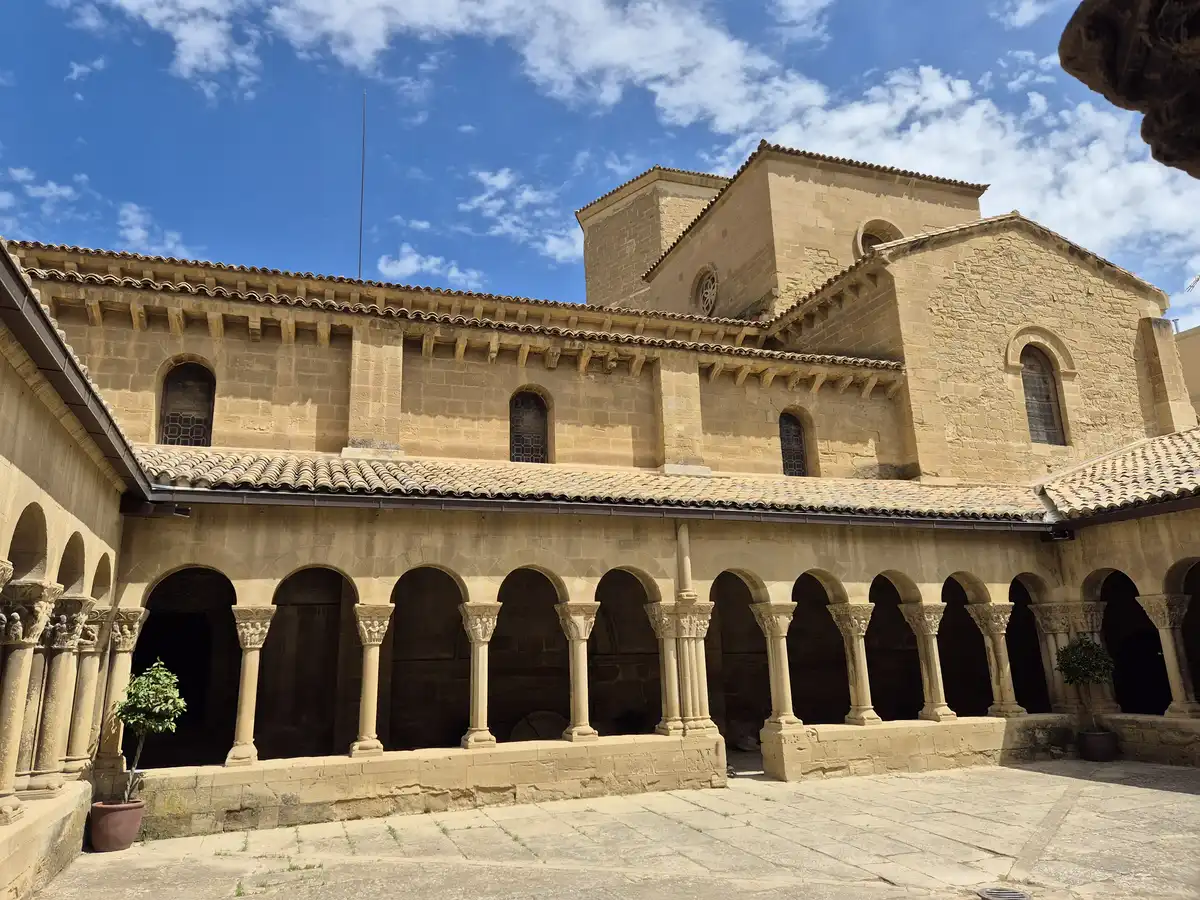
In 1134, the younger brother of Alfonso I El Batallador, Ramiro, was elected king of Aragón. Ramiro II of Aragón had lived as a monk and became abbot of the Abbey of San Pedro el Viejo in Huesca. The Romanesque abbey from the twelfth century preserves its Romanesque cloisters. In a corner of the cloisters is the pantheon of Ramiro II and Alfonso I.
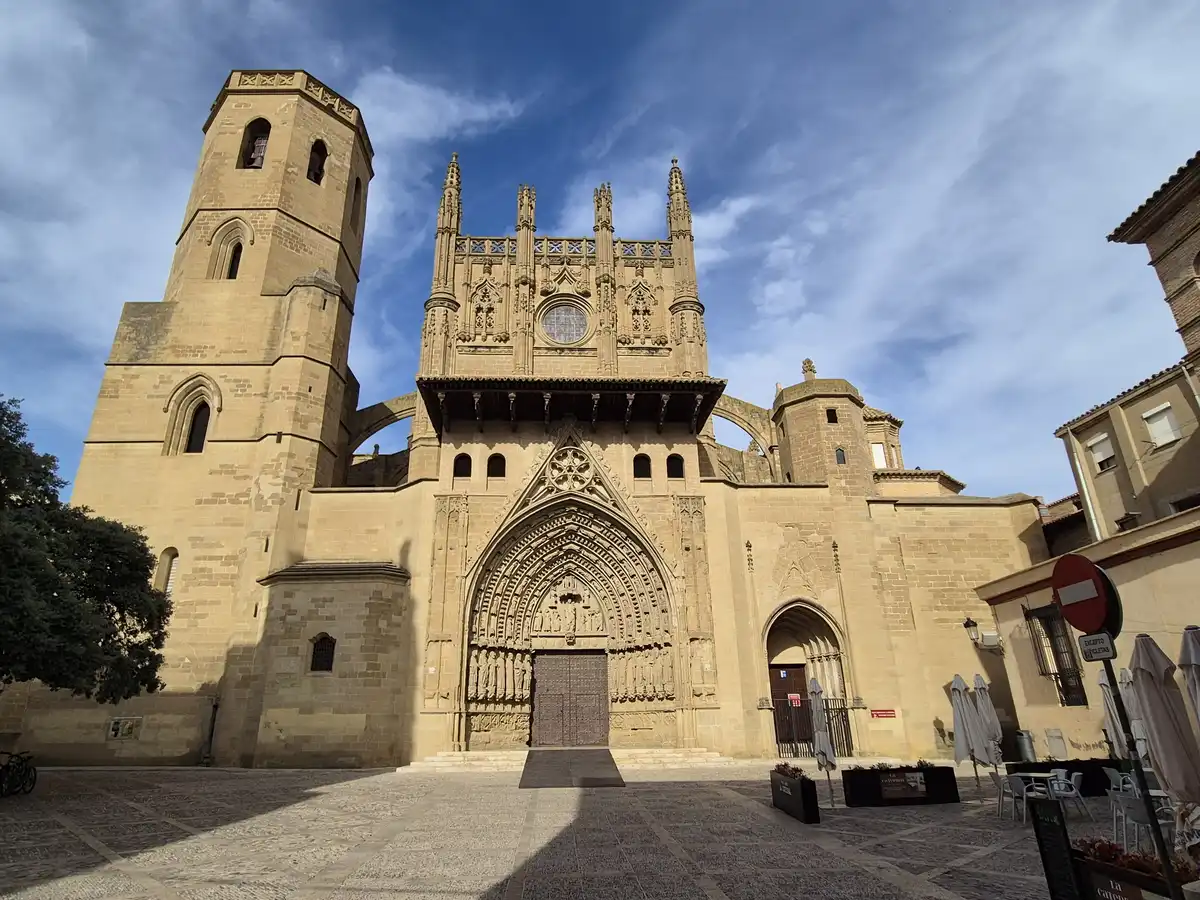
The Gothic cathedral of Huesca was built between the thirteenth and sixteenth centuries. It preserves remains of the Romanesque cloisters of an earlier adjoining structure.
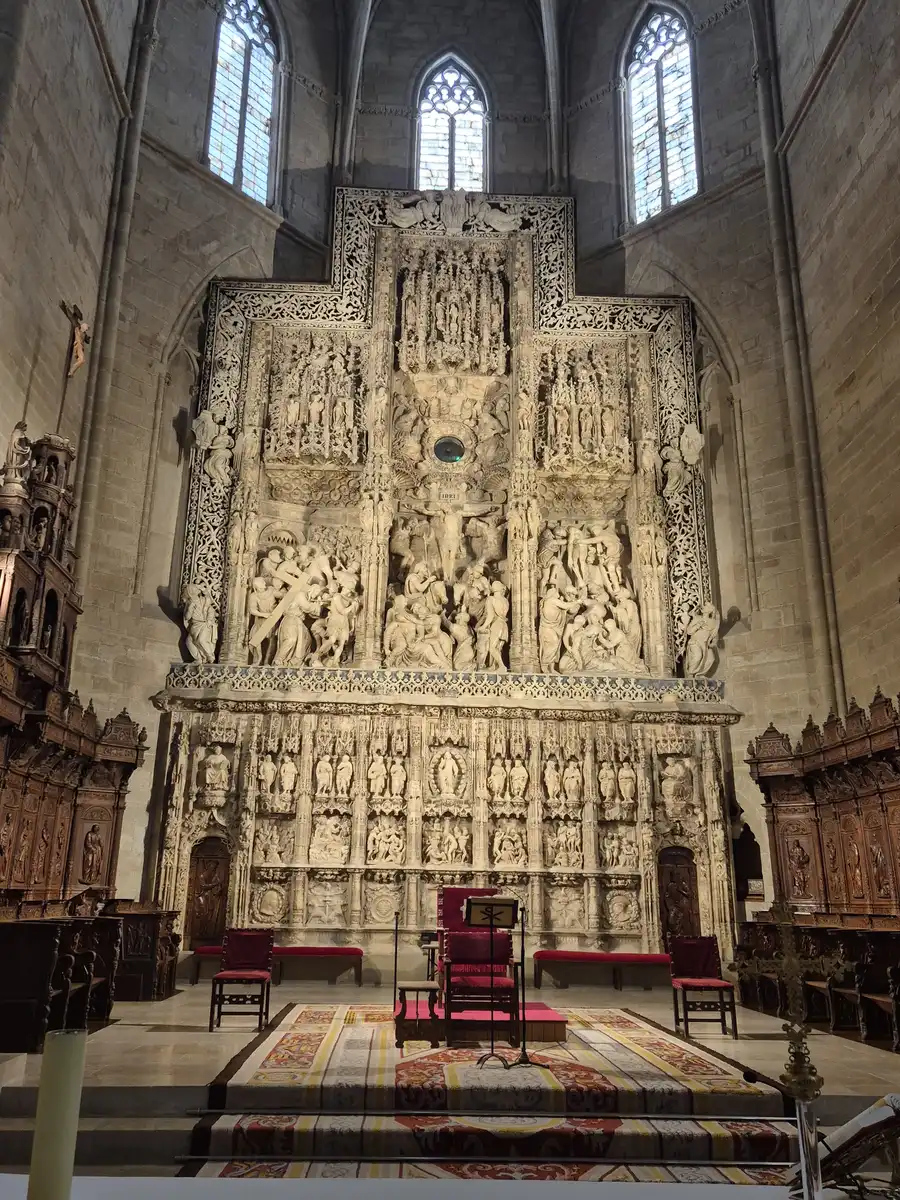
The cathedral's main altarpiece is among the most important works of the Spanish Renaissance. Made in alabaster, it depicts the Passion of Christ.
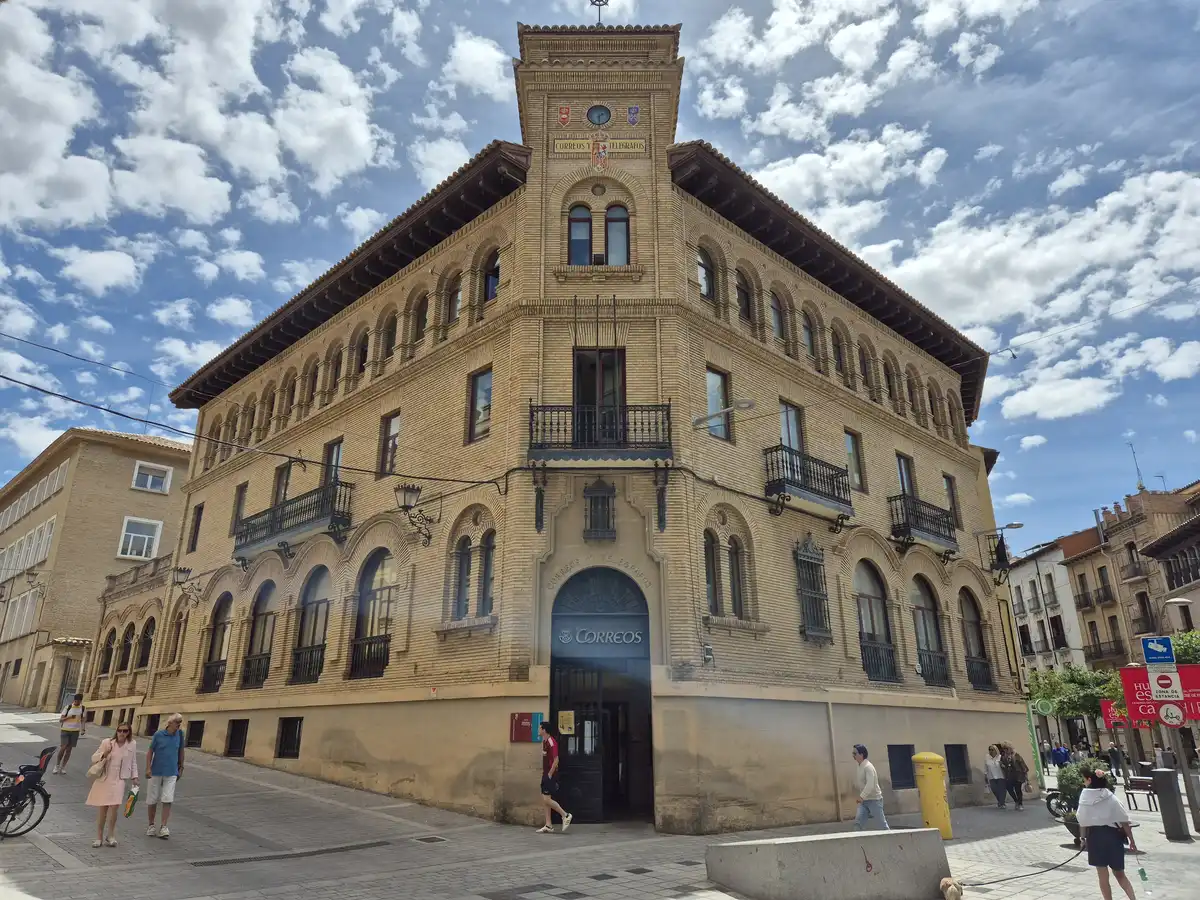
Huesca's main post office is housed in a Modernist building that stands on a corner of the Coso Alto. The building combines elements of Aragonese Renaissance and Mudéjar styles. The Coso is the main shopping street that runs around most of the old town, where once stood the mediaeval walls.
98/5





 Posted Today 1 Hr 29 Min ago


