| Author |
 Replies: 9 / Views: 246  |
|
|
New Member
United States
2 Posts |
|
|
We recently inherited a stamp collection from my father-in-law. I'd like to find a good software pkg that can help identify the stamp and catalog it. Additionally a ballpark value for insurance purposes. We know nothing about stamps / so lots to learn. Any recommendations? The stamp collection includes stamps mounted in books ok paper, those in plastic. A lot just loose in a box. Thsnks in advance for your advice. |
|
Send note to Staff
|
|
|
|
|
Pillar Of The Community
United States
4474 Posts |
|
|
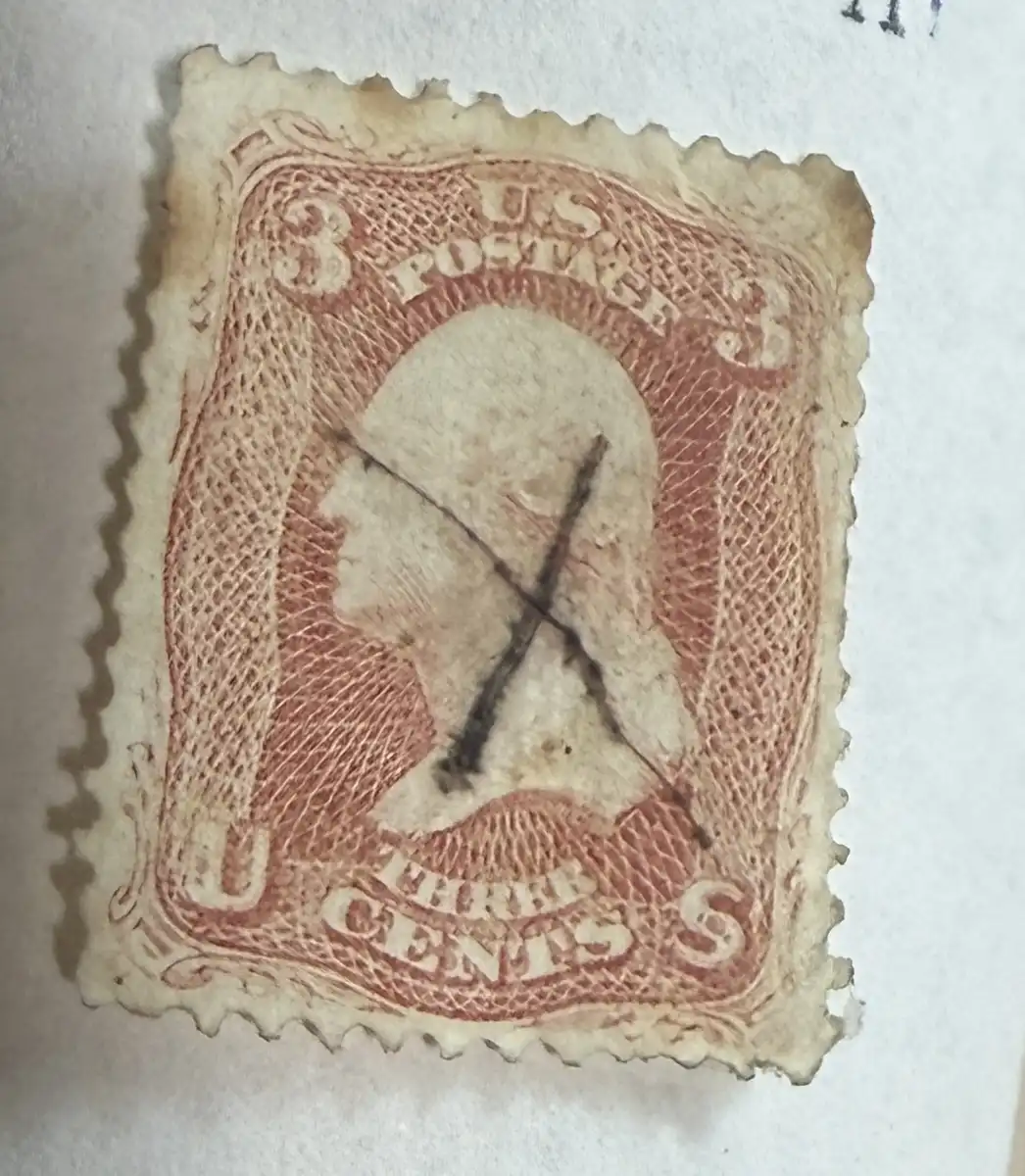
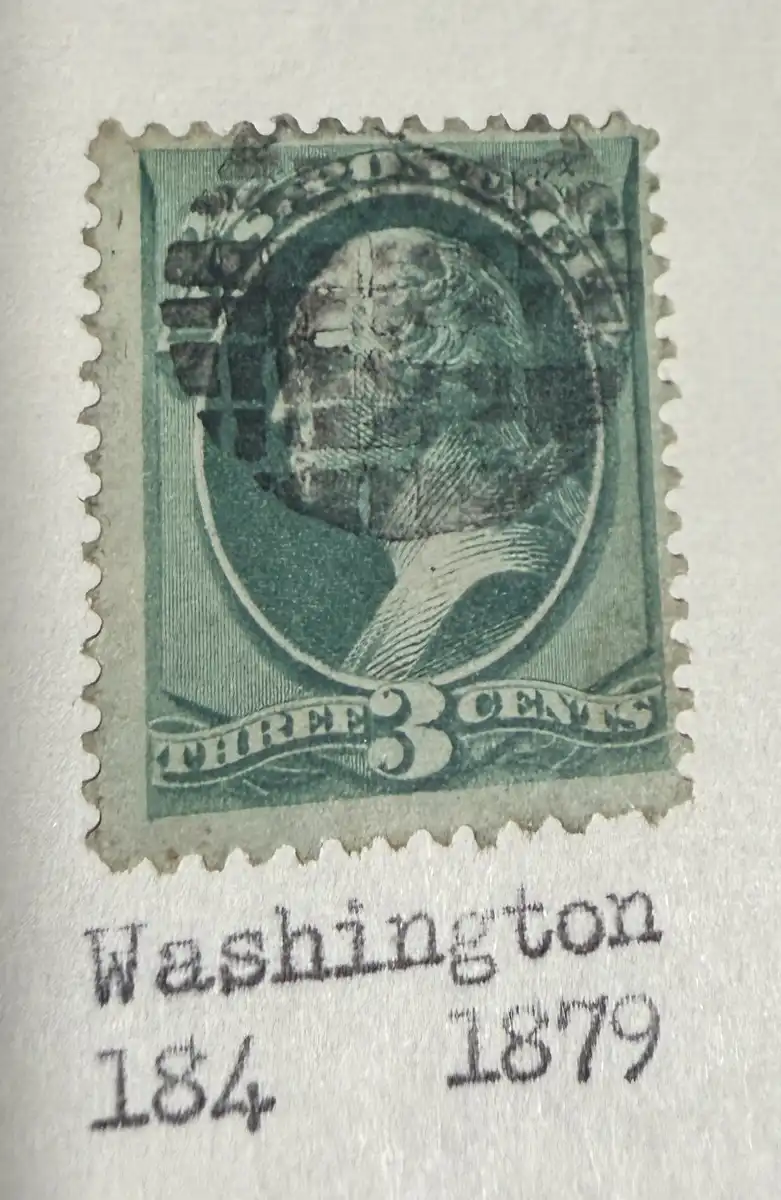
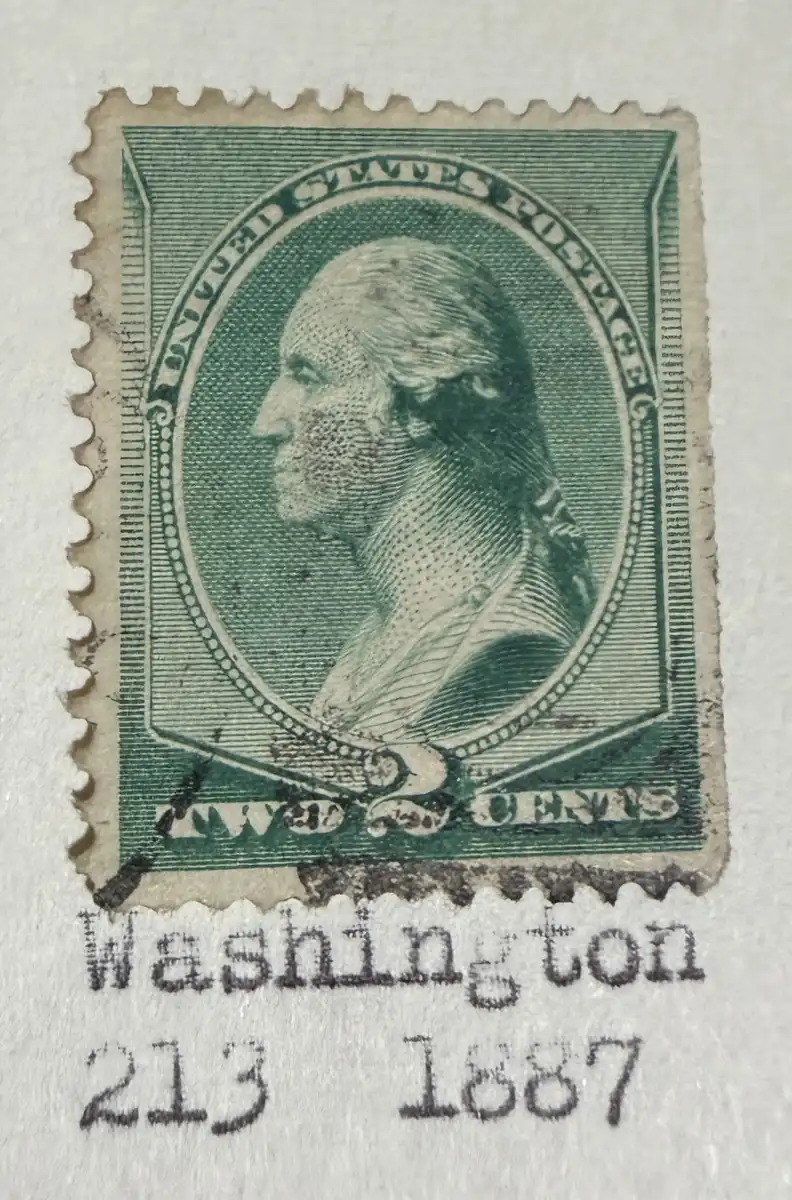
 Before that, why not post some pictures here, but only of stamps pre-1943;or if after 1943, stamps with a face value of $5 or more (or the equivalent amount in foreign currency). Stuff after 1940 or so, with rare exception, has little value used and only a percentage of face value if unused. |
Send note to Staff 
|
|
|
Pillar Of The Community
Netherlands
6650 Posts |
|
|
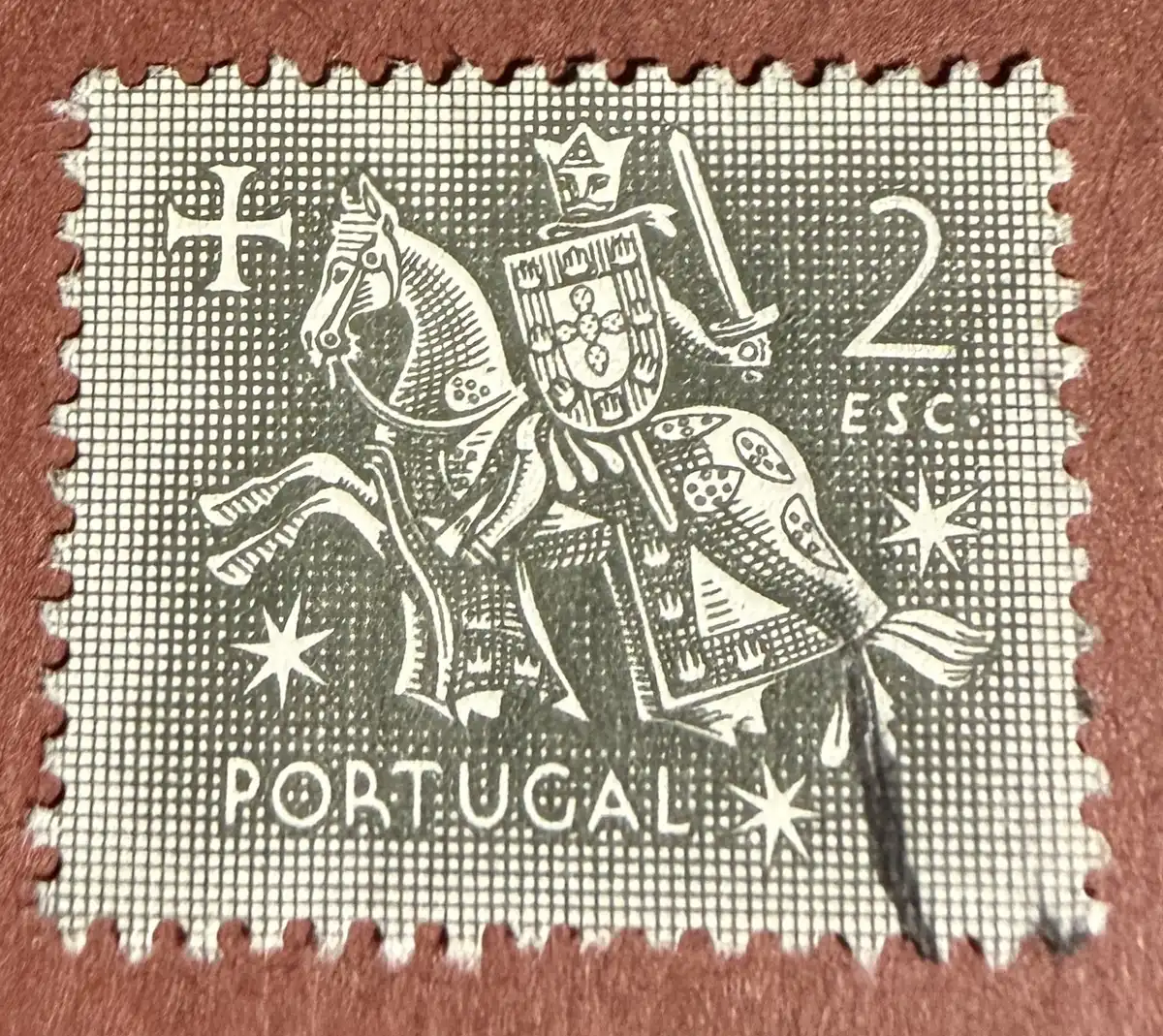
Except for some old stamps that are expensive, most valuable stamps are varieties of other stamps. Software that identifies stamps, in many cases, cannot discern between the cheap and expensive versions. And it tends to suffer from bias towards the expensive varieties. So, in addition to such software, you, still, will be needing a good catalogue. There is a very high probability any software that identifies stamps will get this one wrong:  |
|
Send note to Staff
|
|
|
Valued Member
Philippines
453 Posts |
|
|
Welcome to the group.
What you are looking for would be great if it existed.
There is truth in what the previous two posters mentioned.
However, for purposes of insurance, there are so many variables that need to be considered.
If you have a local library with reference catalogues, read the introduction to determining identification and condition.
Also check to see if there are stamp clubs in your area that can provide guidance to valuing your inheritance. Take good quality photograph of your accumulation and ask if they can spot anything worth insuring, or of being worthy of further investigation for that purpose.
You may post those pictures here and that would be a start to comments about the need to insure. Good quality pictures aid those trying to respond.
However, the software for this task would require high resolution scanning of each individual stamp front and back, just for starters in consistent good lighting. Further a data base would need to be created for all existing issues to compare what you have.
A project like that would require much research and I doubt anyone has attempted on a worldwide basis.
Good luck with the task before you.
|
|
Send note to Staff
|
|
|
Pillar Of The Community
United States
4527 Posts |
|
|
There are sites online that does a great job identifying stamps. It cannot identify between two similar varieties but at least it can tell you if there are major or minor variants. It gets close enough most of the time. |
|
Send note to Staff
|
Al |
|
|
Bedrock Of The Community
12803 Posts |
|
|
Nothing exists that can do an identification job quicker than a human sorting and using paper catalogs. Yet.
Software needs good imaging to measure perforation rates accurately. Very time consuming. Same goes for accurate color/shade/hue ID. Software isn't going to find that thin or closed tear in the stamp which drastically drops the value. Most Catalog values are based upon centering of the design within the overall stamp. Not an easy thing. The human eye can call out at least fine vs very fine vs extremely fine efficiently. Software isn't going to properly value that pricey magenta cancel vs that fancy cancel vs that NYFM cancel nor that heavy smudgy cancel that kills the value.
The value part for software is the toughest thing since stamp values are based on what I laid out above.
If your stamps are mostly common, and most are, you can simply count the number, multiply by .25 and multiply again by .10 to .20 to get a ballpark value for insurance purposes. |
|
Send note to Staff
|
|
|
Pillar Of The Community
United States
7115 Posts |
|
|
Sorry for your family's loss.
Tell us what you know about your father-in-law's collecting habits. Was he routinely going to stamp shows? Do you know if he purchased at auctions? Did he have extensive reference material, such as journals from stamp societies or books discussing stamps?
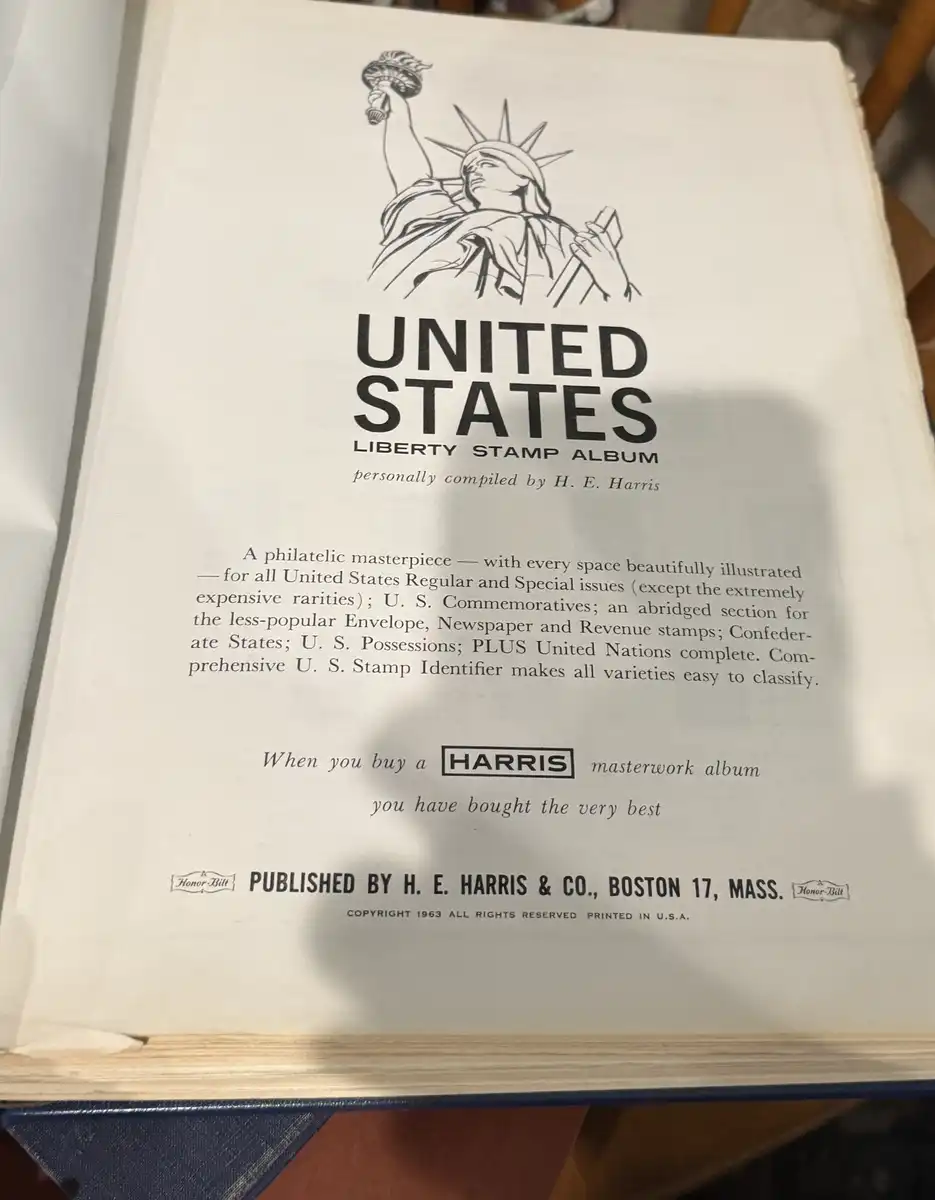
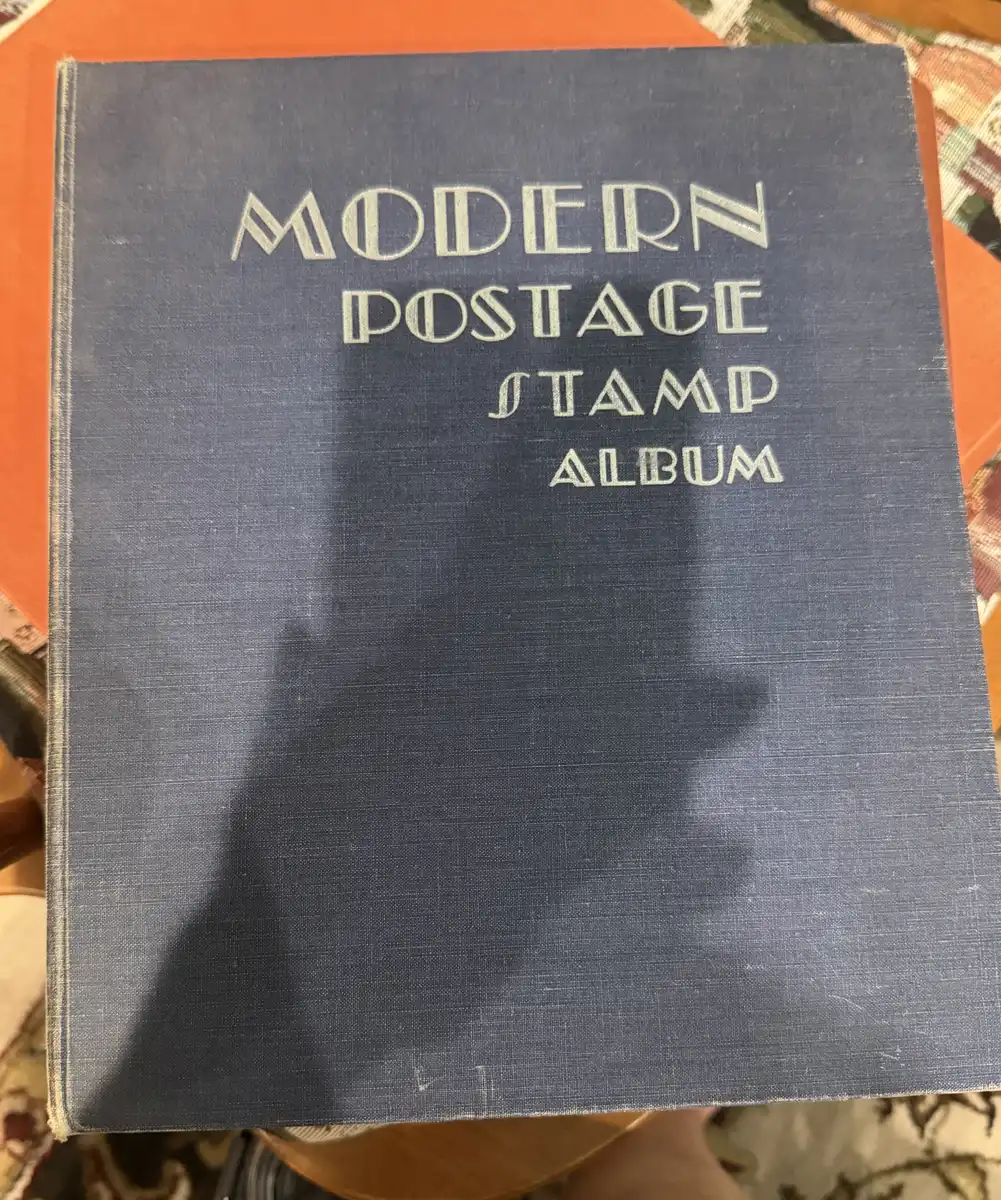
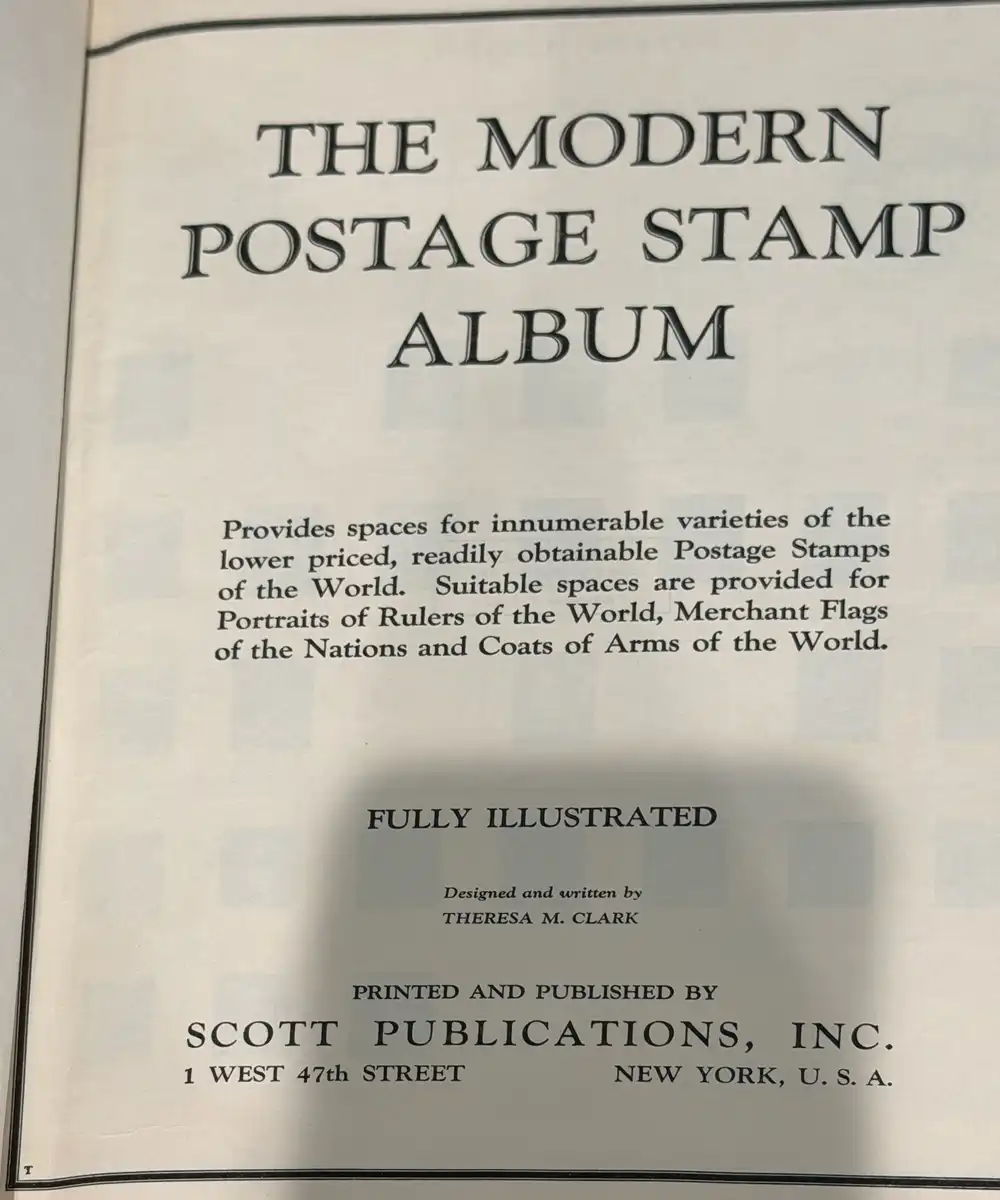
If you have albums/binders organized by country, show us the first page of a handful of countries. U.S., Great Britain, France, Spain, maybe one or two others for starters. |
|
Send note to Staff
|
|
|
New Member
United States
2 Posts |
|
|
Pillar Of The Community
United Kingdom
8640 Posts |
|
|
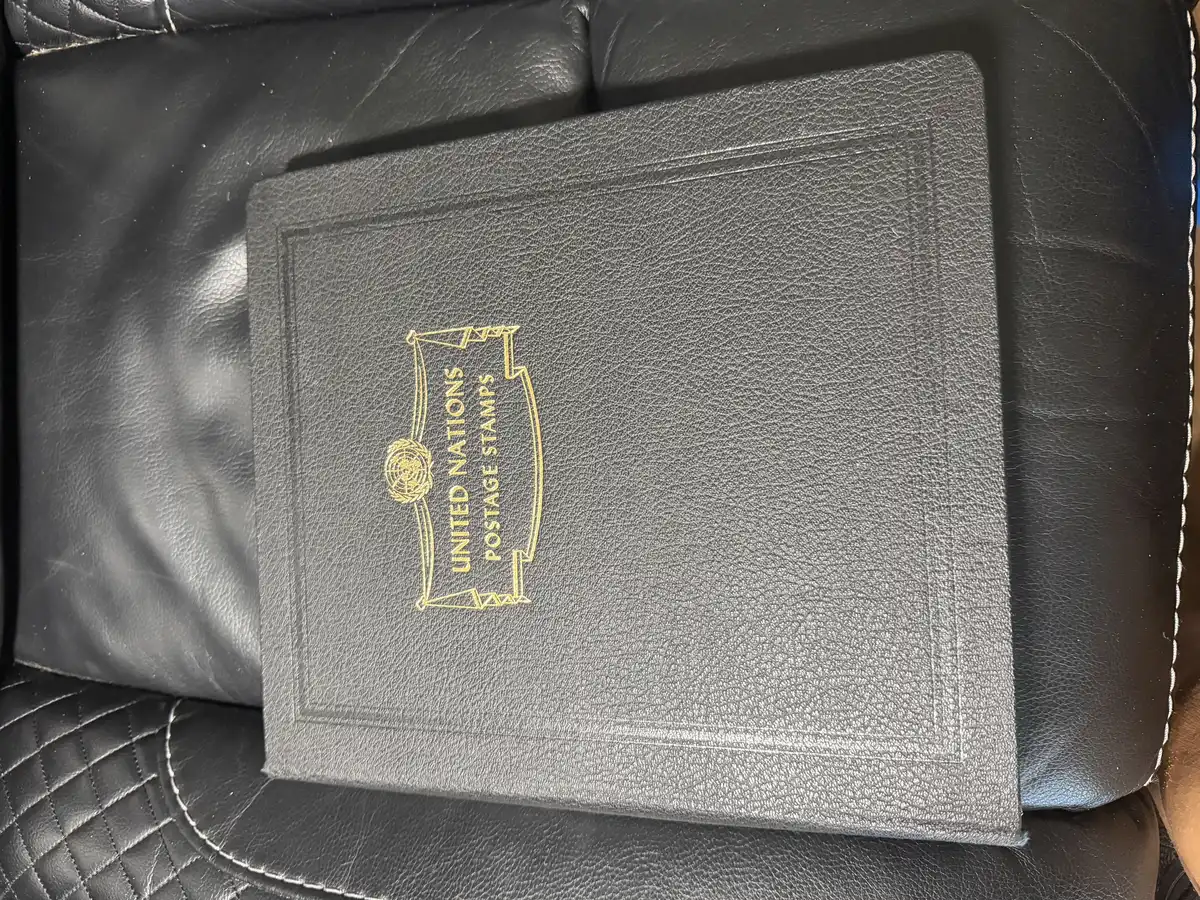
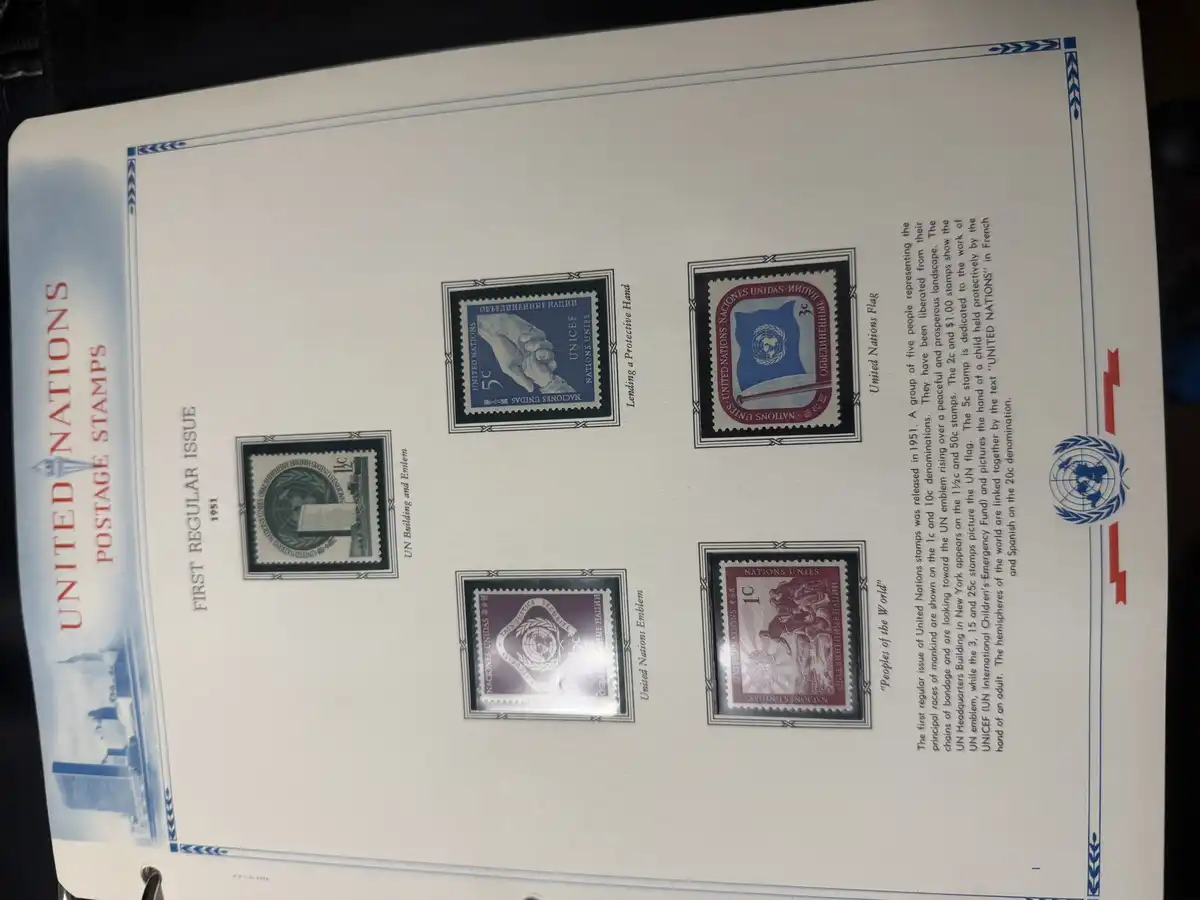
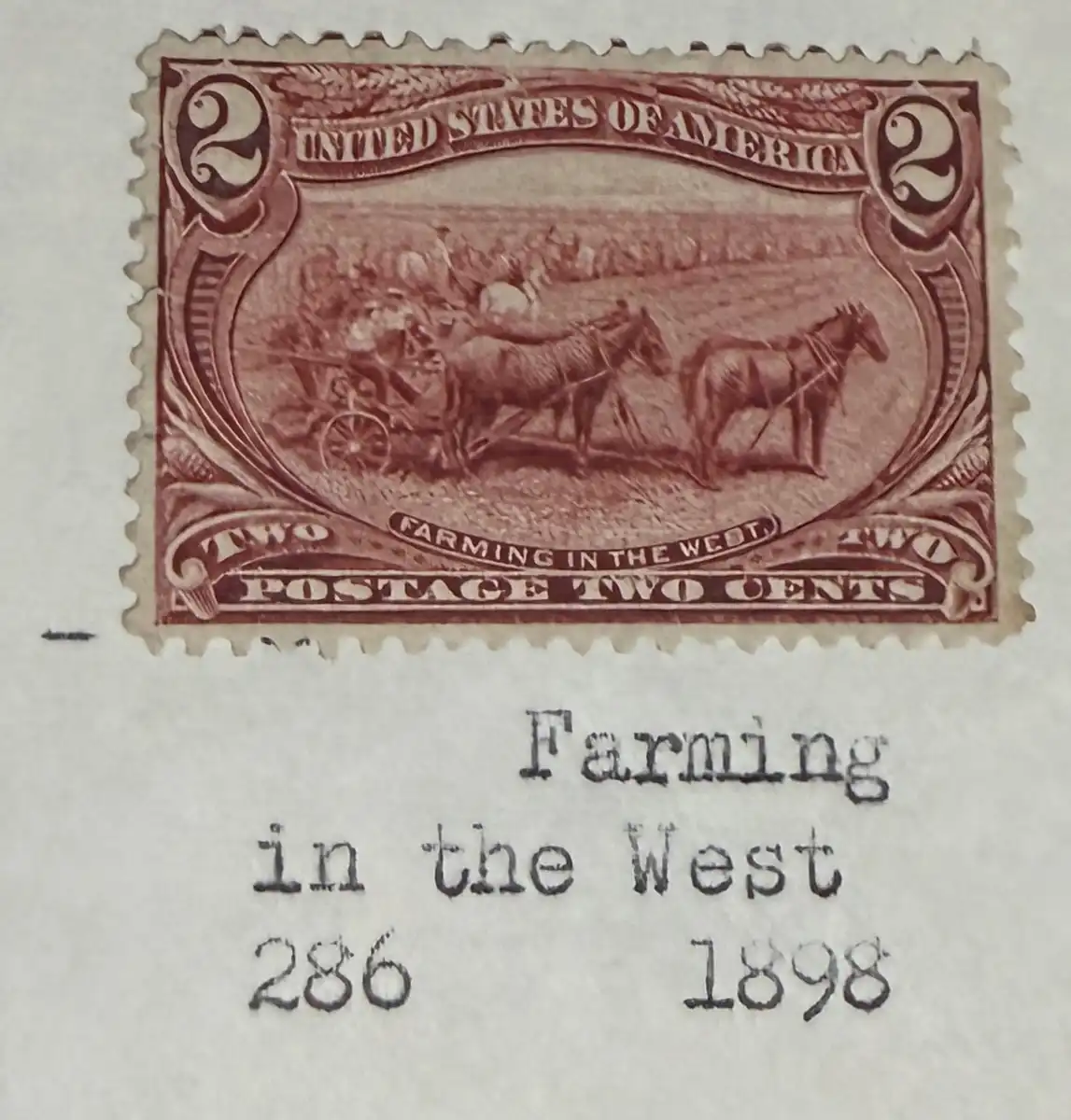
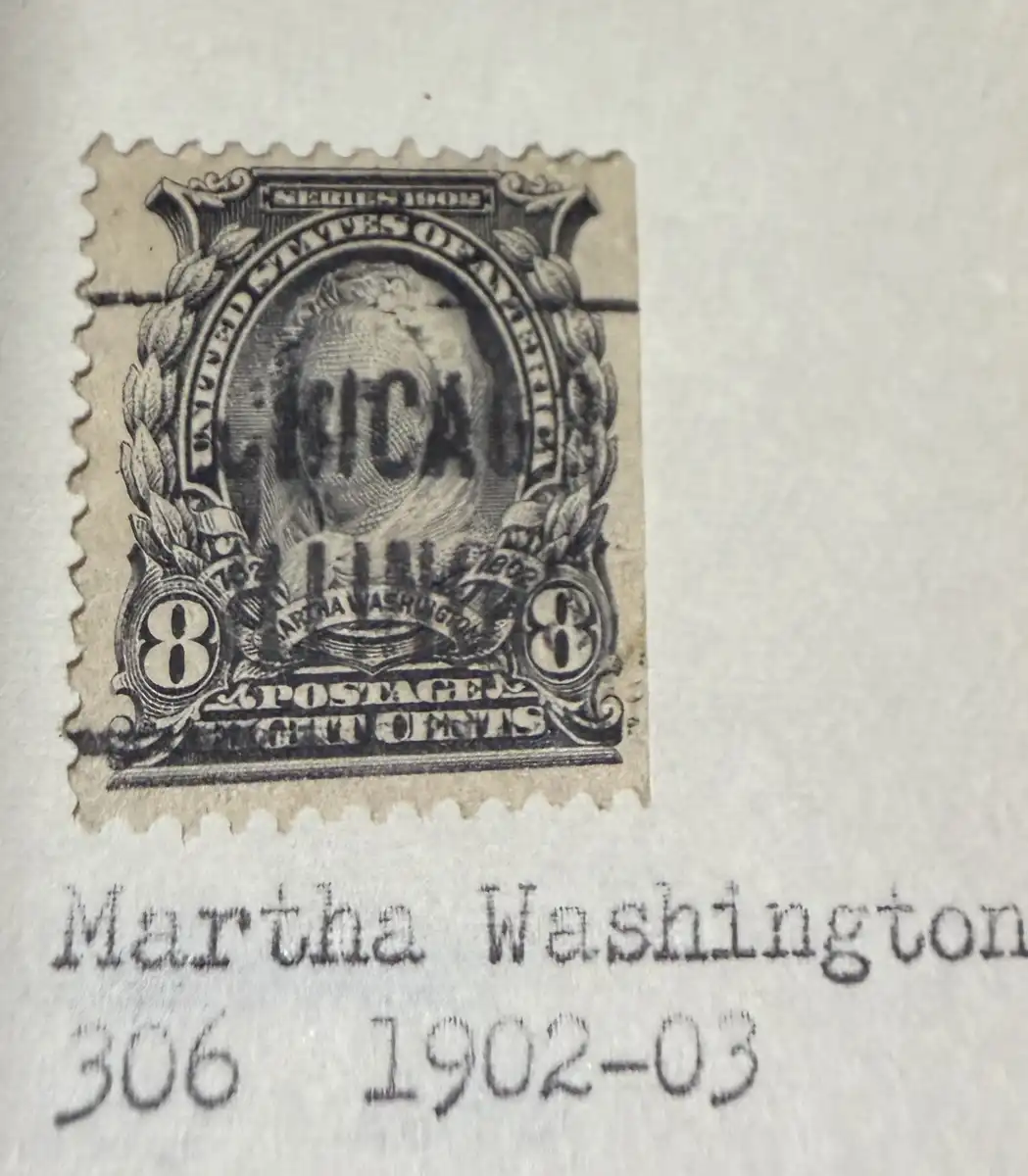
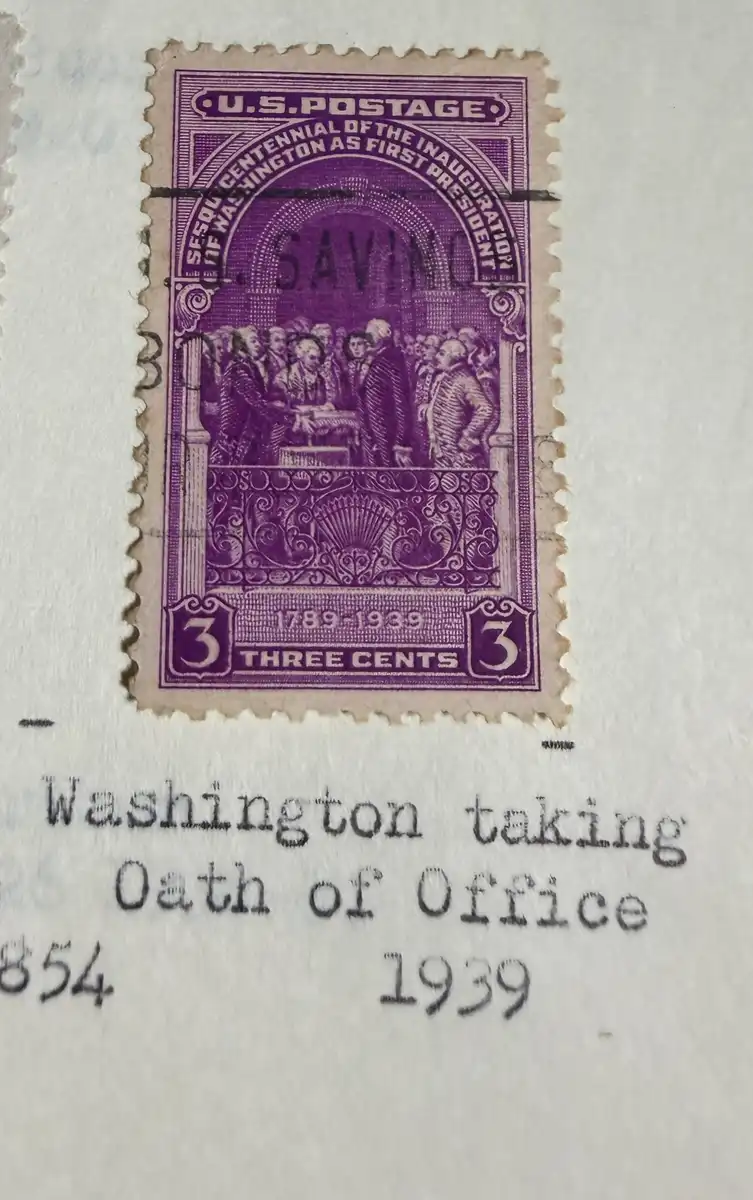
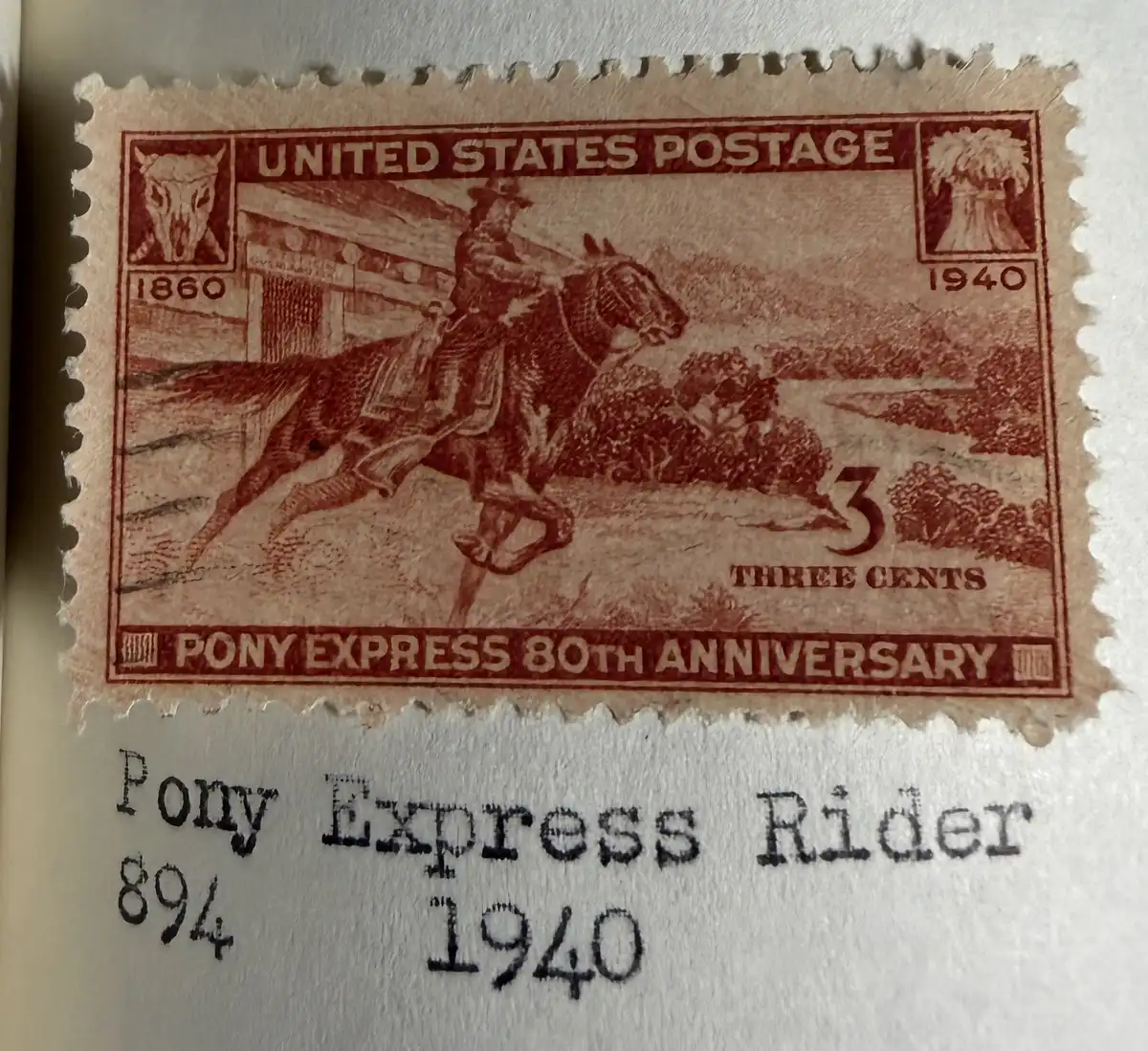
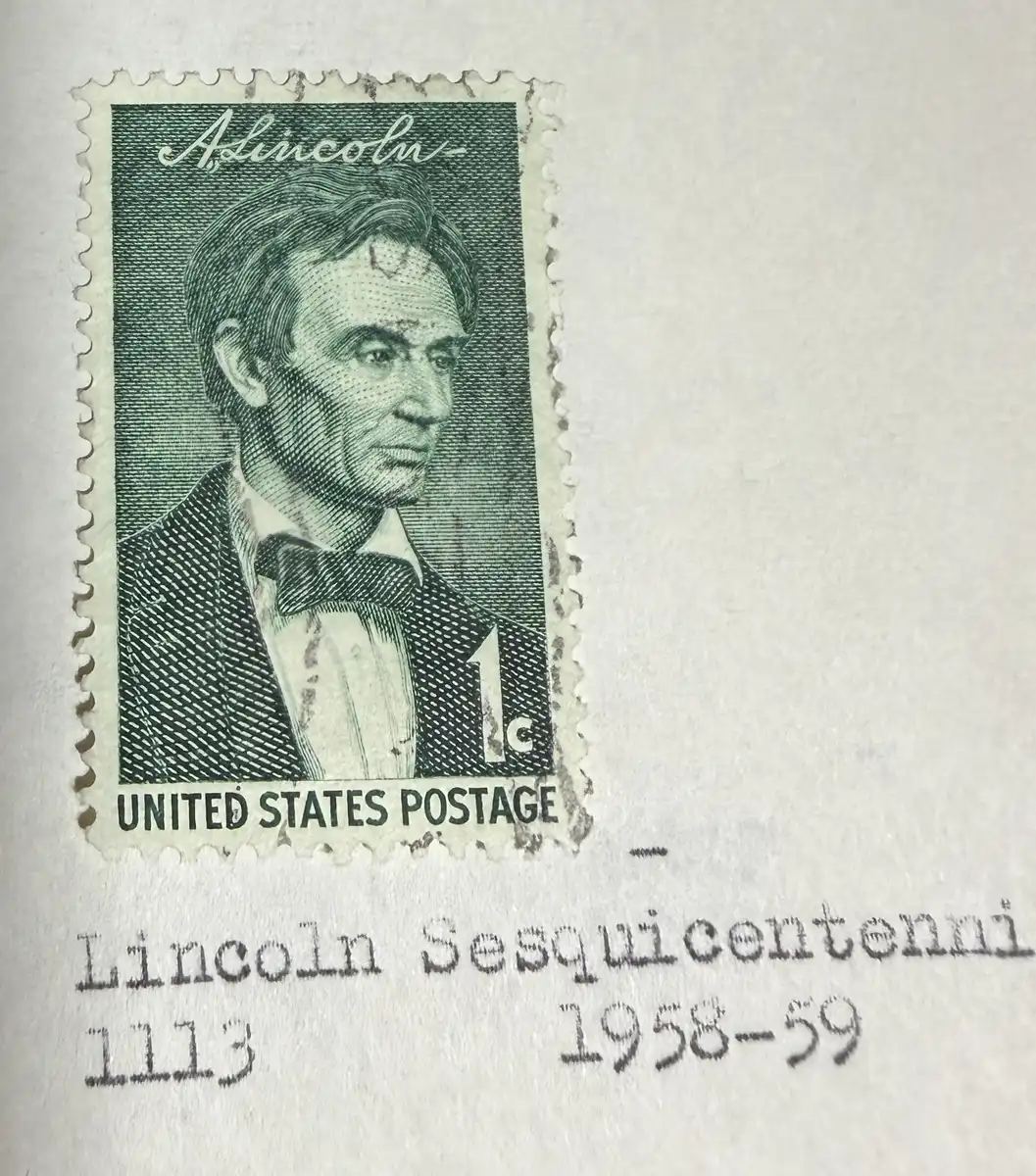
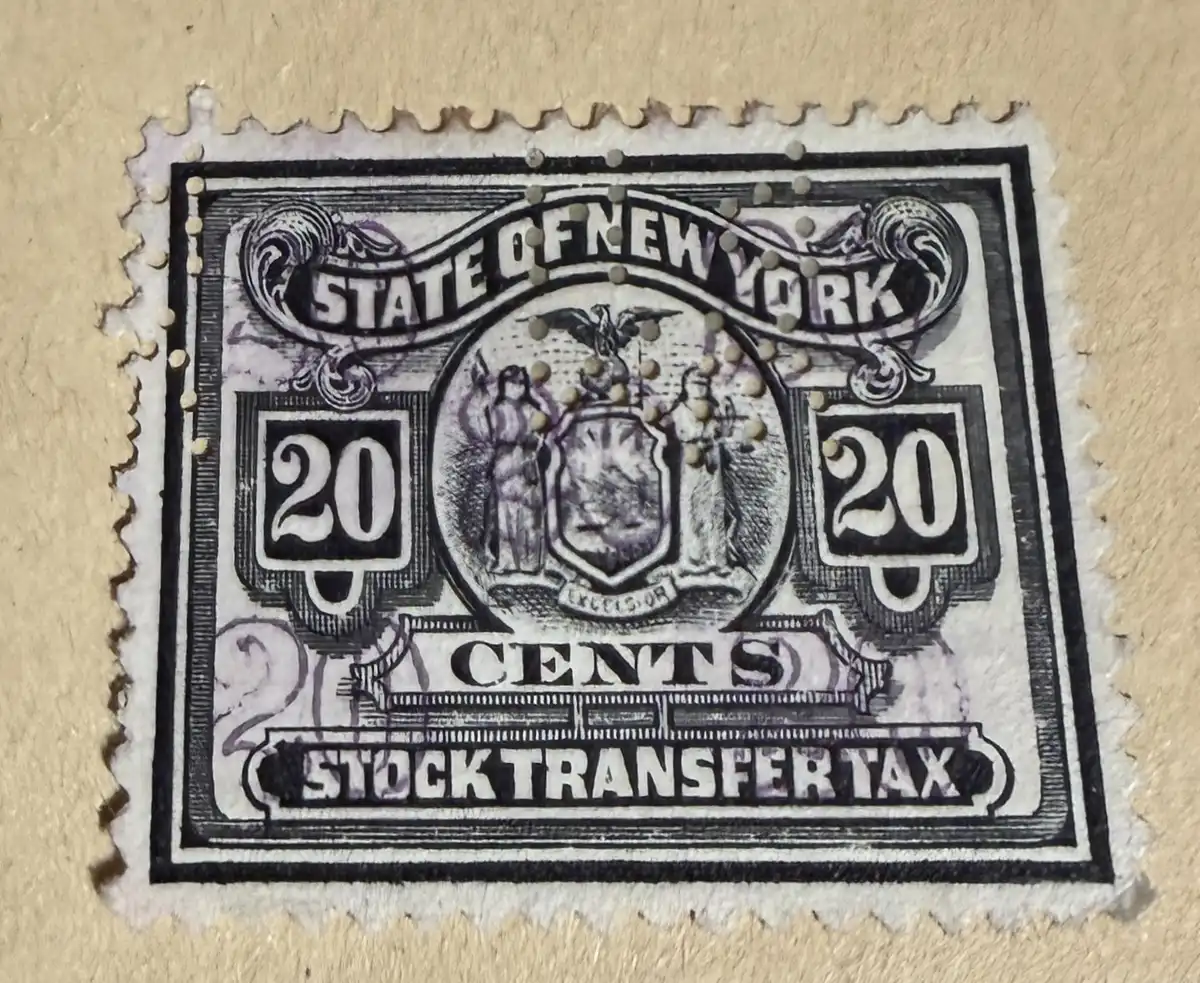
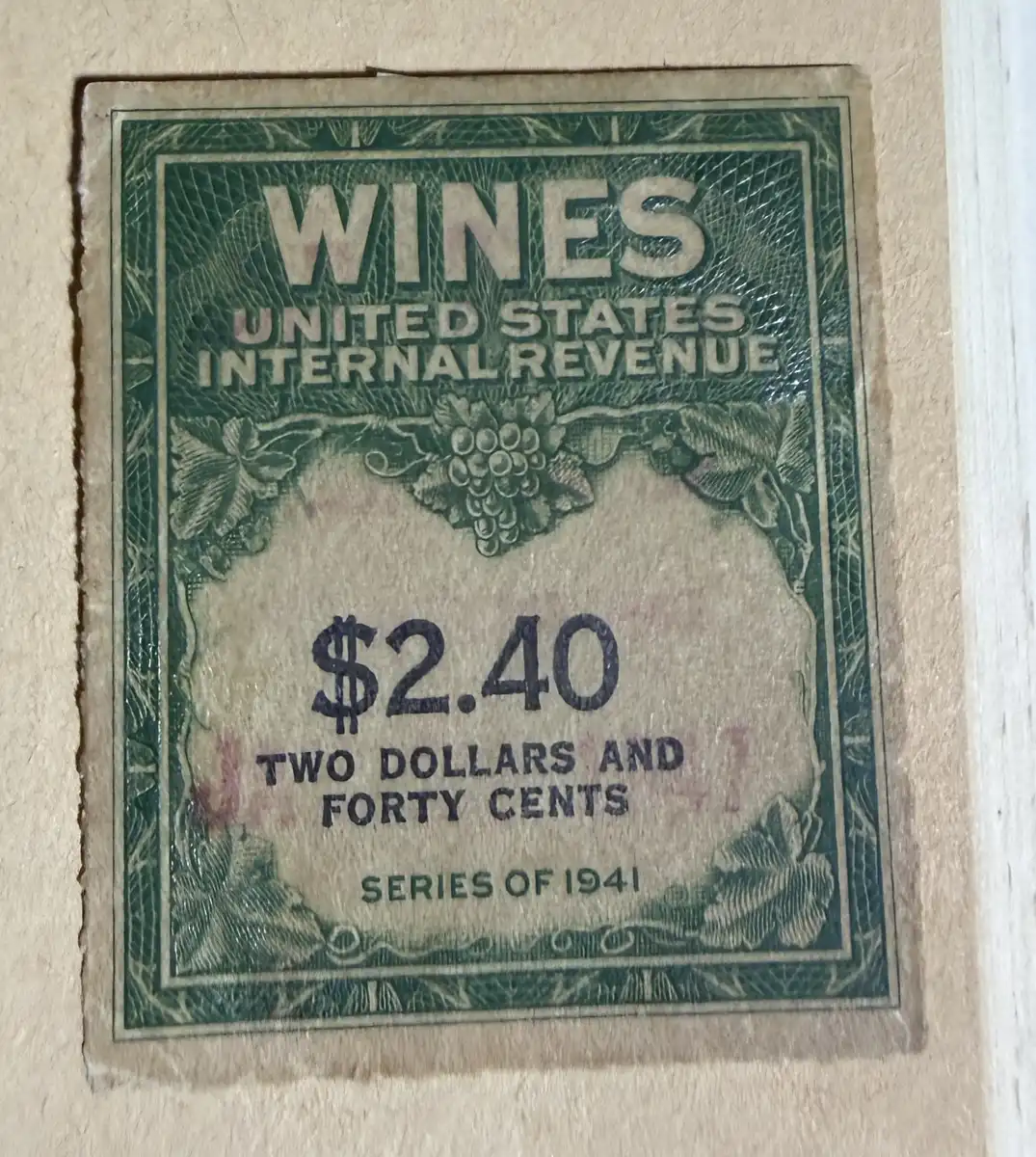
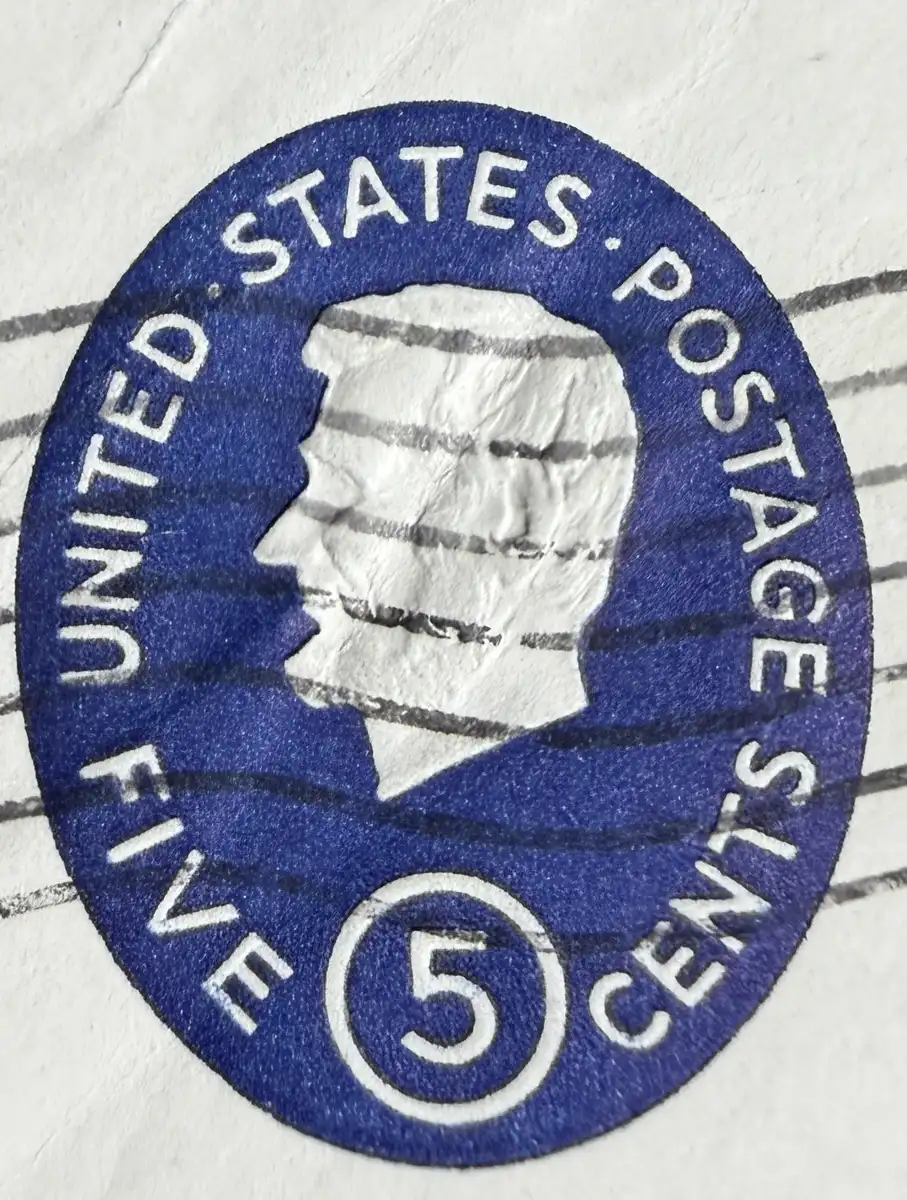
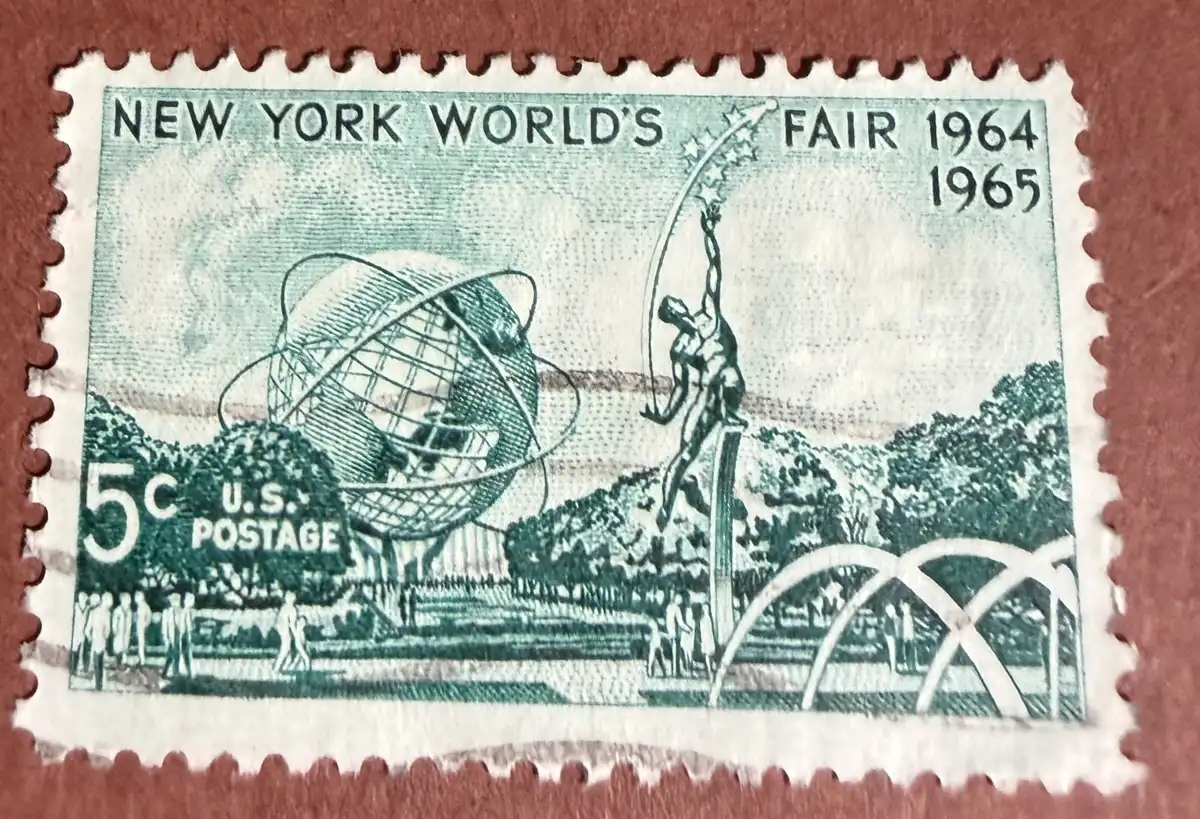
Hello. The UN albums are, I'm afraid, a drug on the market. One of those exciting, new, post-war collecting areas in which interest has lapsed. The stamps you've shown look common to me. I shouldn't bother with software packages unless you enjoy computing and have a serious, long-term interest in stamps. |
|
Send note to Staff
|
|
|
Valued Member
309 Posts |
|
|
The pictures help. As for the United Nations Stamps, unfortunately these are not typically considered as having much value. Complete sets and runs of these stramps often show up for sale. You can search ebay to get some relative data. Reminder that someone trying to sell something for a specific price does not mean that it the expected value, You can get a better representation by looking at "sold" items but people do overpay in some cases as well. The idea of trying to find records of actual purchases from your father in-law is important. By and large it is not common for a collection to hold a great deal of value unless some level money has been invested to start with. Yes there are finds but that is the exception. The few single stamps you showed are considered somewhat common and have limited value and condition plays a role in value. A local stamp club may be the best bet for someone to look at the material as a whole would help set expectation levels. It may also help point out a few items that are worth further investigation. Have fun with the investigation. |
|
Send note to Staff
|
|
| |
Replies: 9 / Views: 246 |
|




 Posted Yesterday 10:29 pm