Calahorra, the old Roman municipium of Calagurris Nessica Iulia, sits on the banks of the Cidacos River near its confluence with the Ebro River, in the Lower Rioja Region (Rioja Baja). It is not far from the border with the Navarra Region. High-speed trains from Madrid to Tudela de Navarra or Logroño take between 3:00 and 3:30 hours. Some connect with an Intercity that calls at Calahorra. As the wait for the connection can take between 1:30 and 2:00 hours, it might be preferable to change for a frequent regional bus in Logroño or take one of a few direct busses from Madrid that will take about 4:15 hours. From Barcelona, there are a few Intercity trains that call at Calahorra.
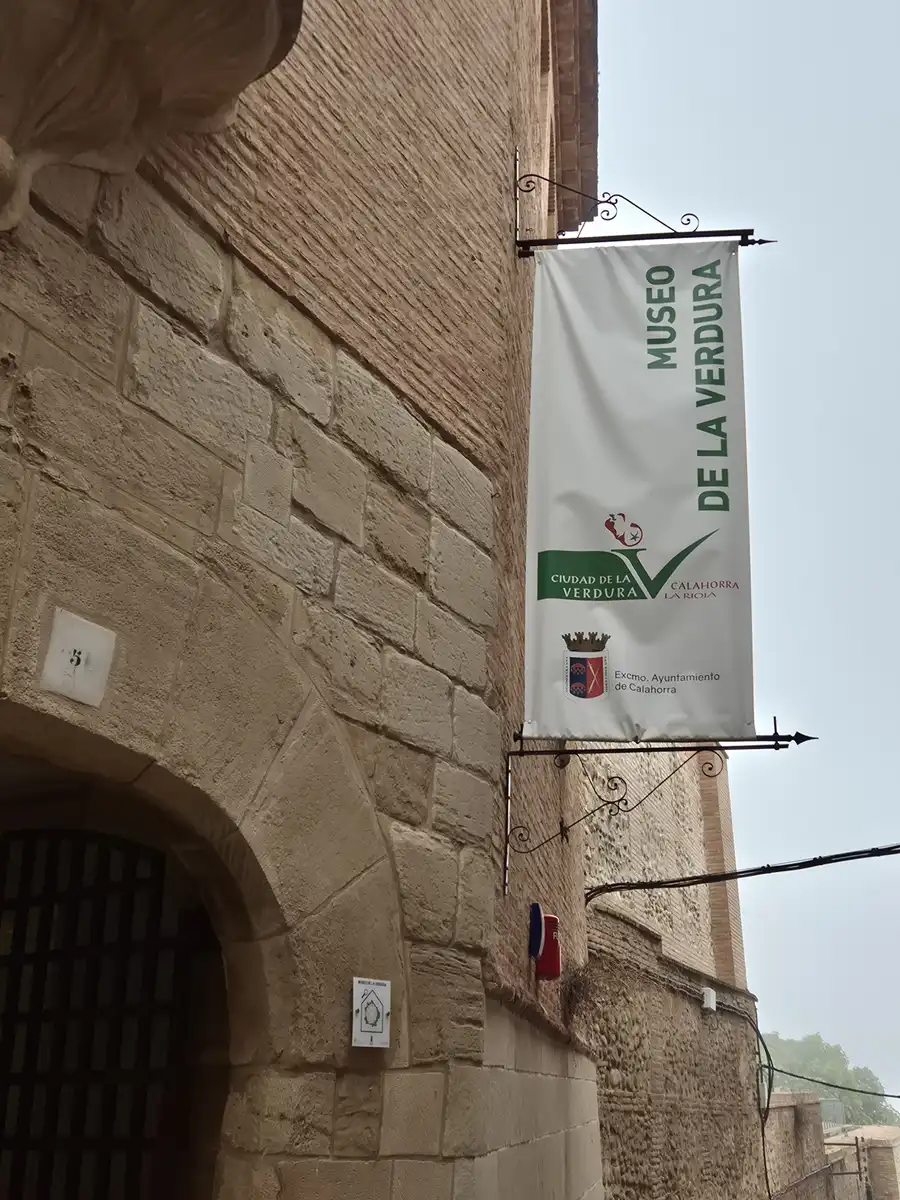
Like much of La Rioja, La Rioja Baja produces wines with protected designation of origin "Rioja." This part of region along the Cidacos River, however, is best known as the vegetable garden of Spain. Vegetable preserves are an important product. In the old town even is a vegetable museum.
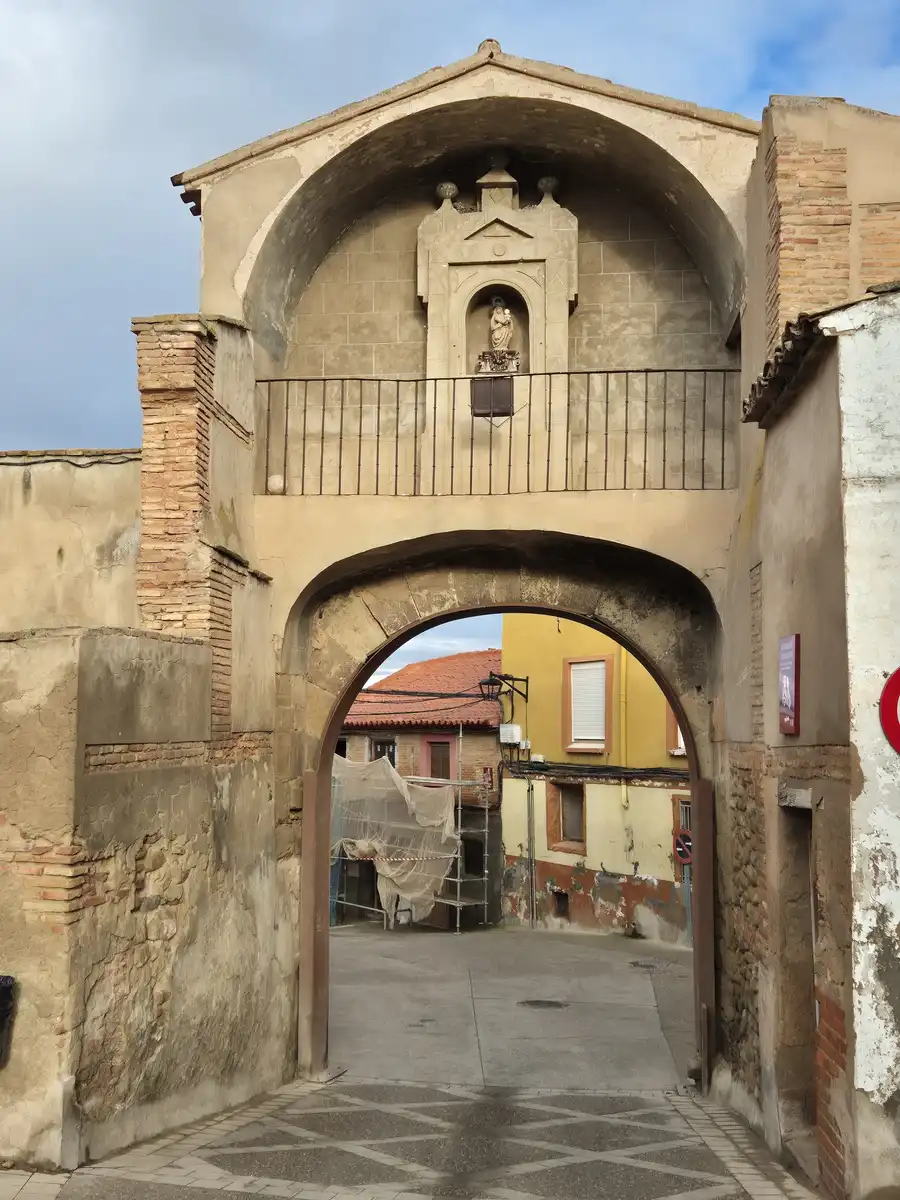
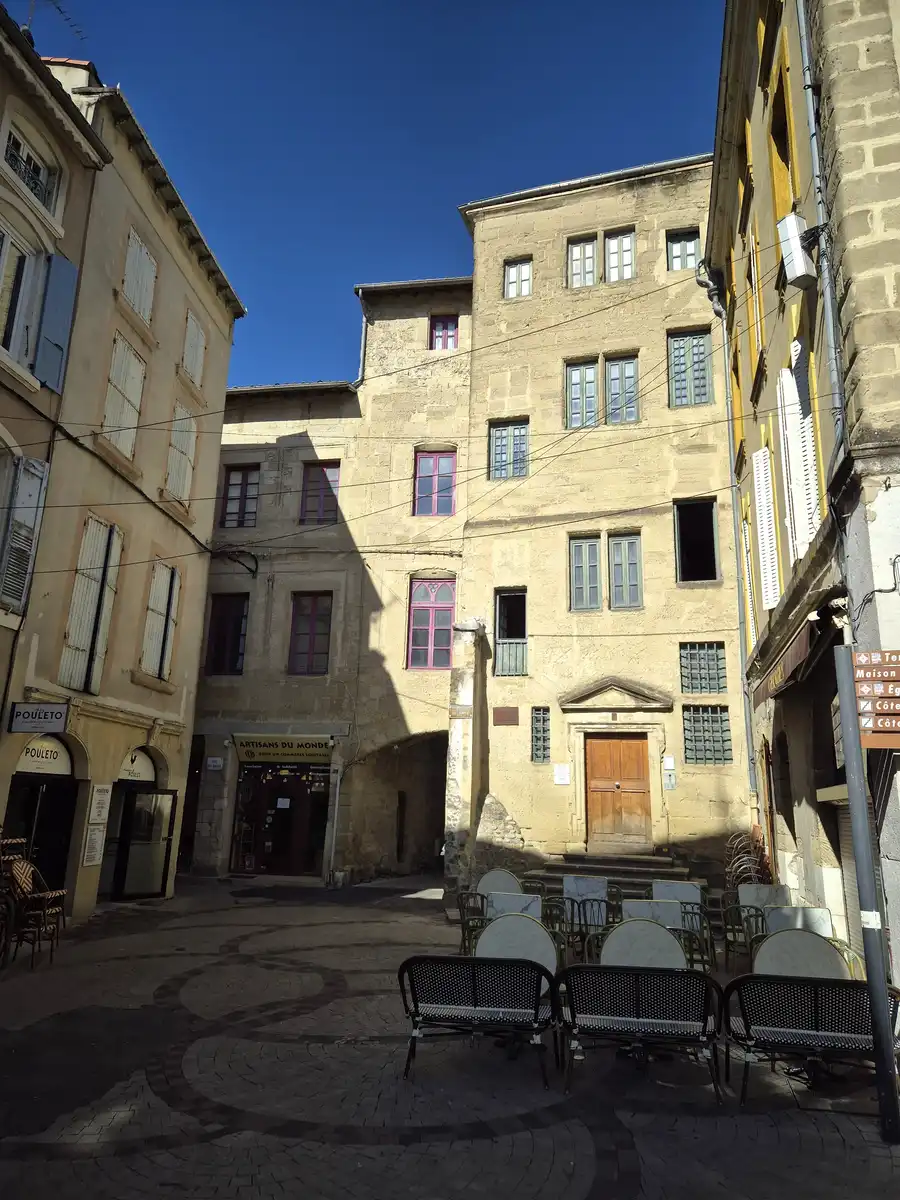
All over town are Roman remains. These include part of the walls, remains of villas, sparse remains of the circus that stood outside the walls, and an arch that stood on the road to Caesaraugusta (Zaragoza). An esplanade in the modern part of town occupies the central part of what used to be the circus. With a little imagination, one can recognise its shape. On one end of the esplanade stands the local Parador de Turismo. Its superior corner rooms give you the feeling you are a Roman emperor with a lodge on one end of the circus.
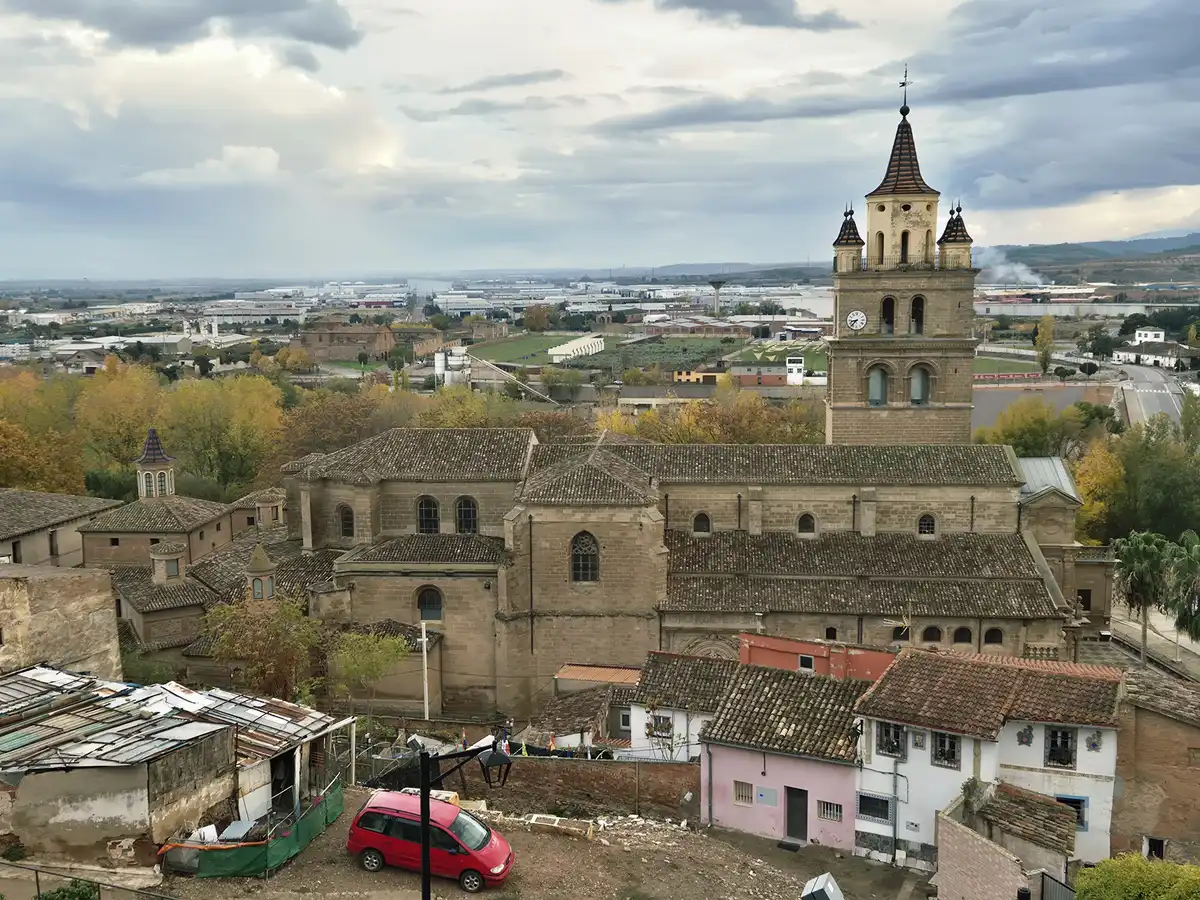
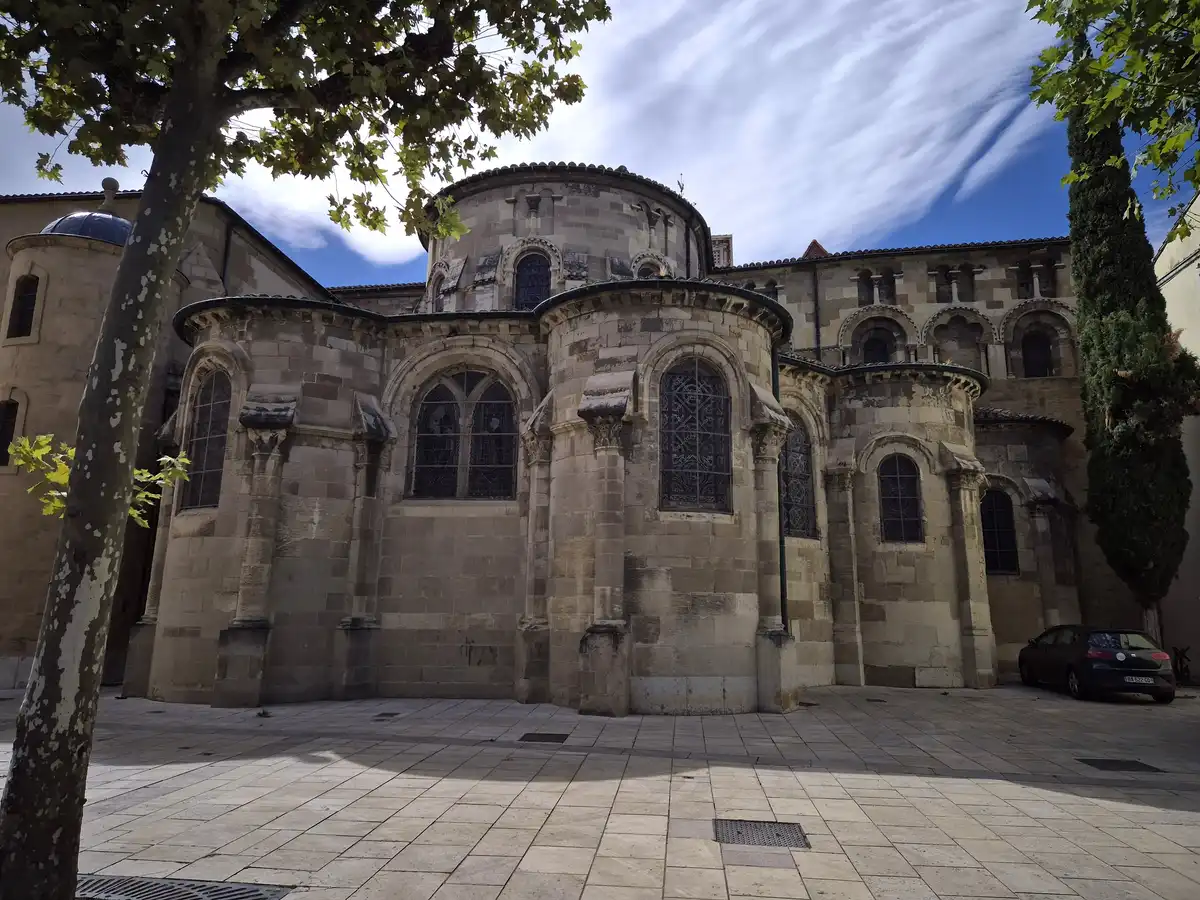
The cathedral was built at the foot of the hill on which the old town sits. The site on the bank of the Cidacos River is believed to be the site where two Christian Roman Soldiers, patrons of the town, were martyred. From a platform behind the church that arises on the edge of the hill is a good view of the cathedral and the Carmelite Sanctuary that stands on the other side of the river.
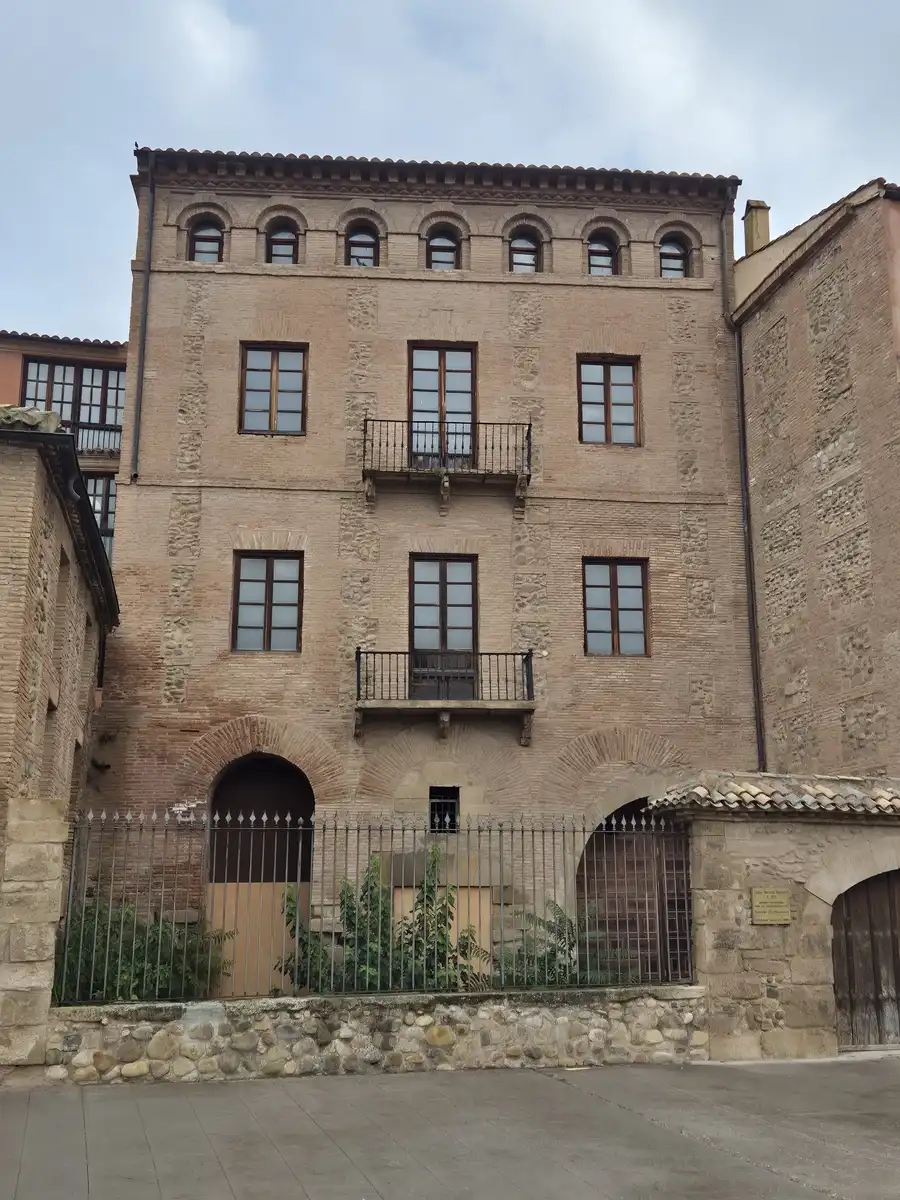
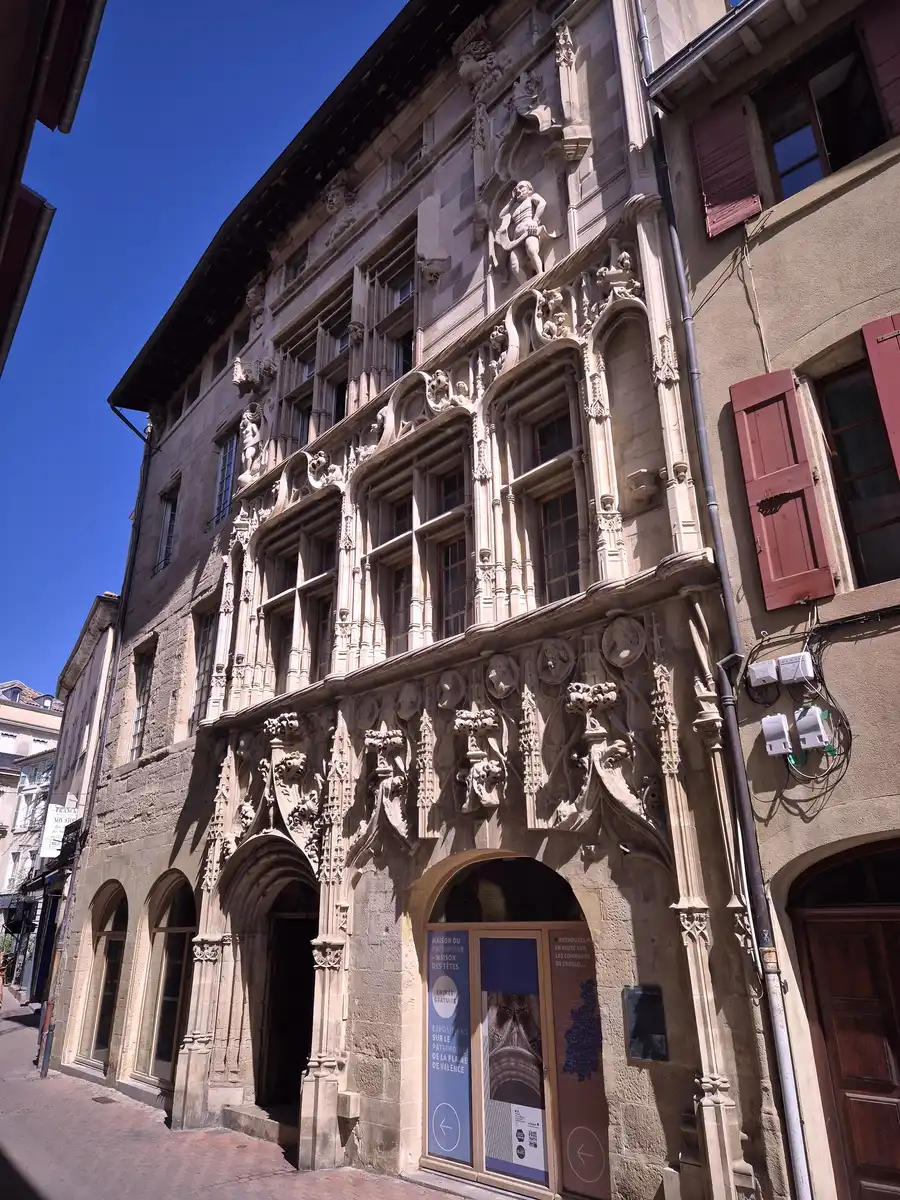
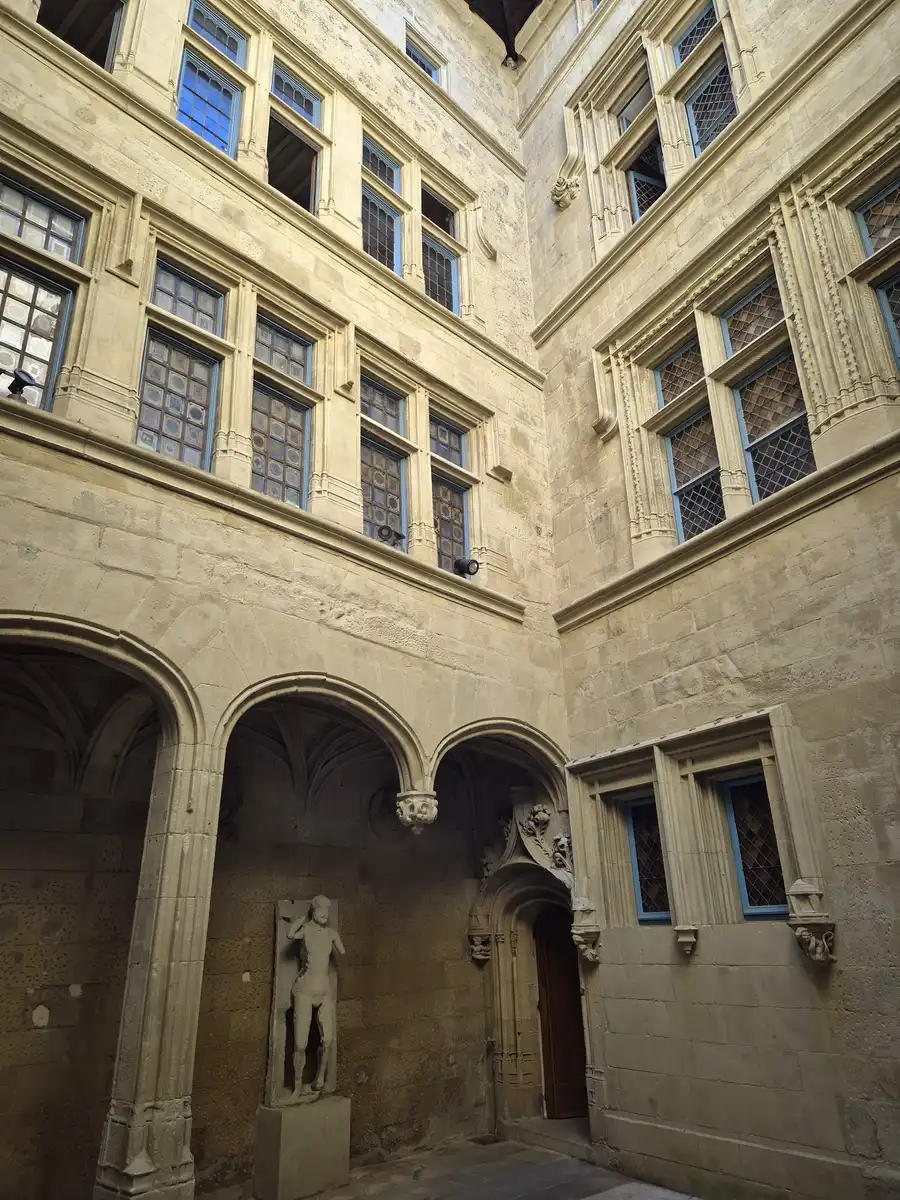
The Renaissance House of the Deans and episcopal palace also stand on the bank of the Cidacos River, next to the cathedral.
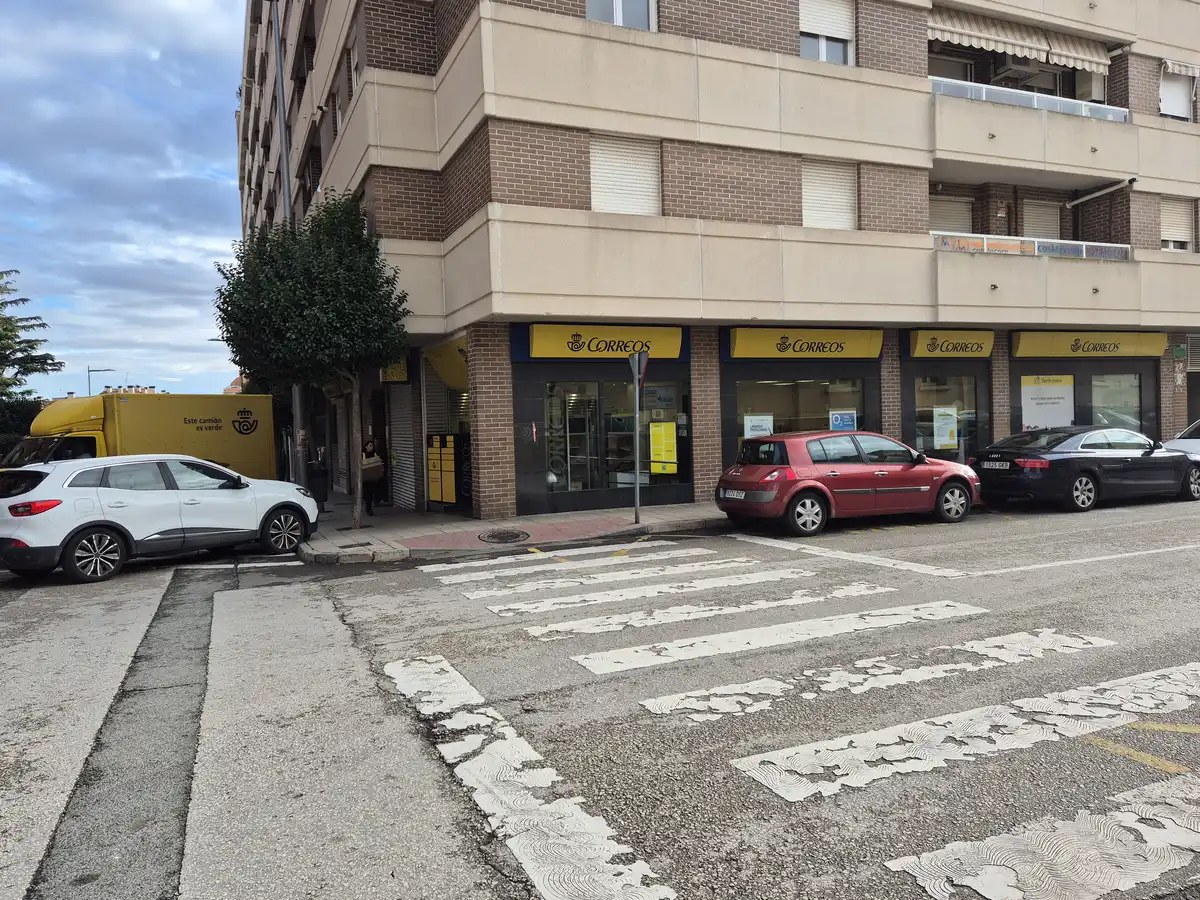
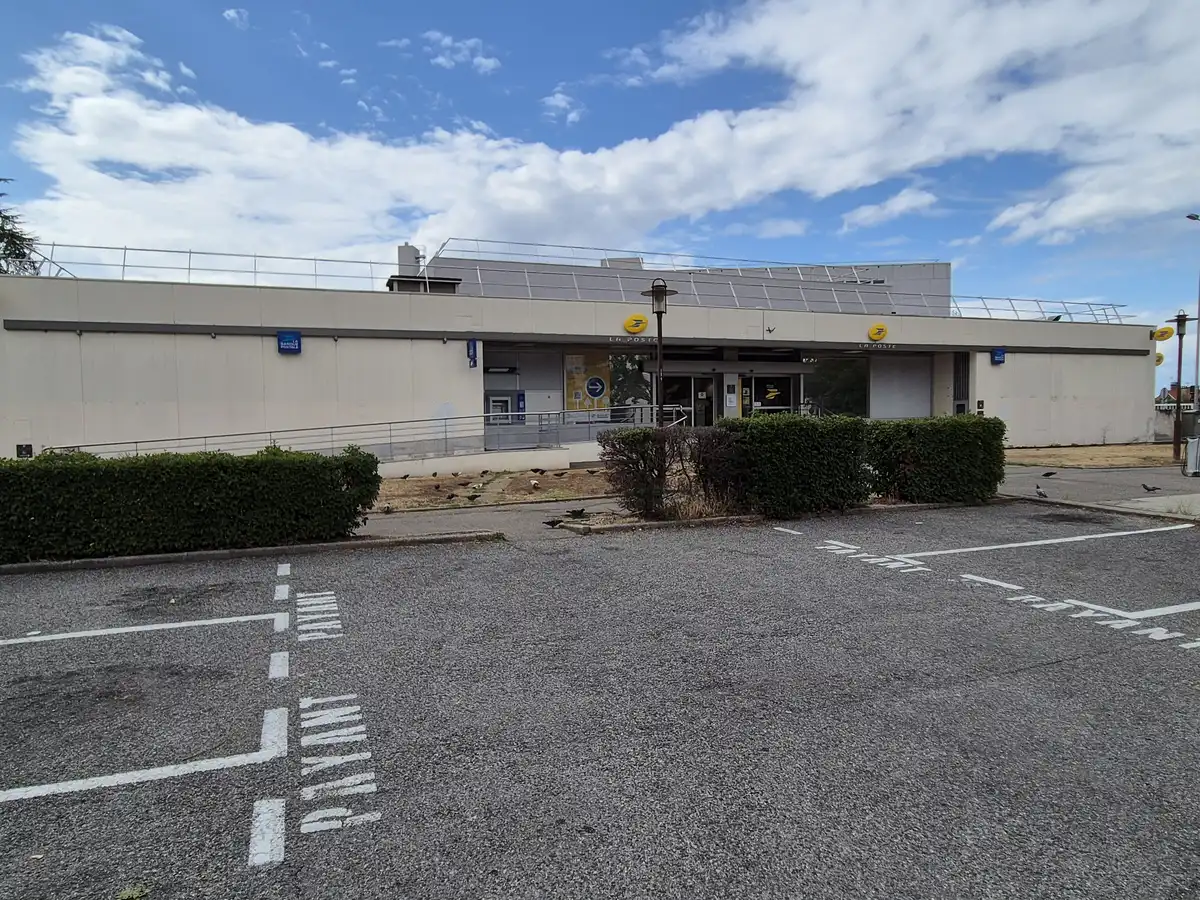
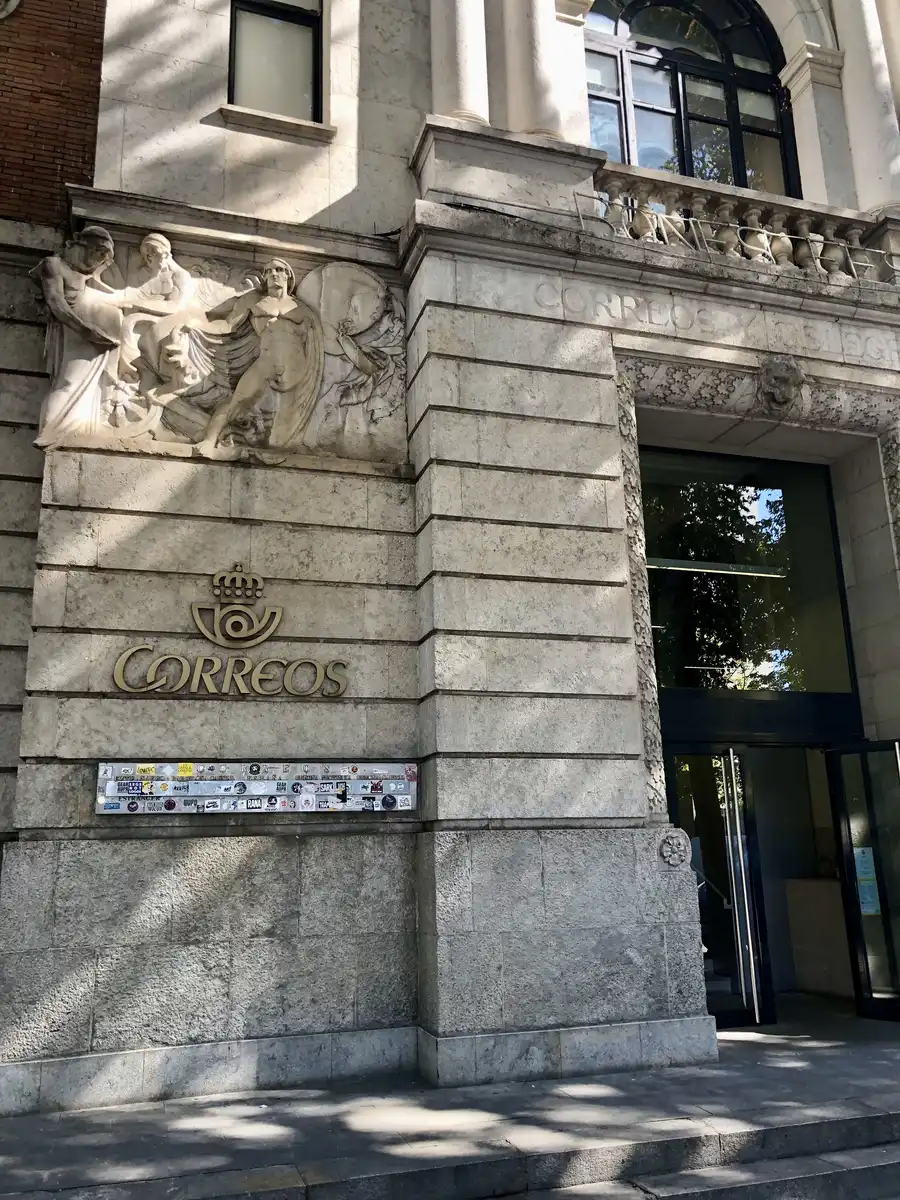
The post office can be found on the ground floor of a residential building, just off the esplanade that was laid out on the site of the Roman circus, at a stone's throw from the Parador de Turismo.
107/6



 Replies: 275 / Views: 45,112


 Posted 07/31/2026 11:40 am