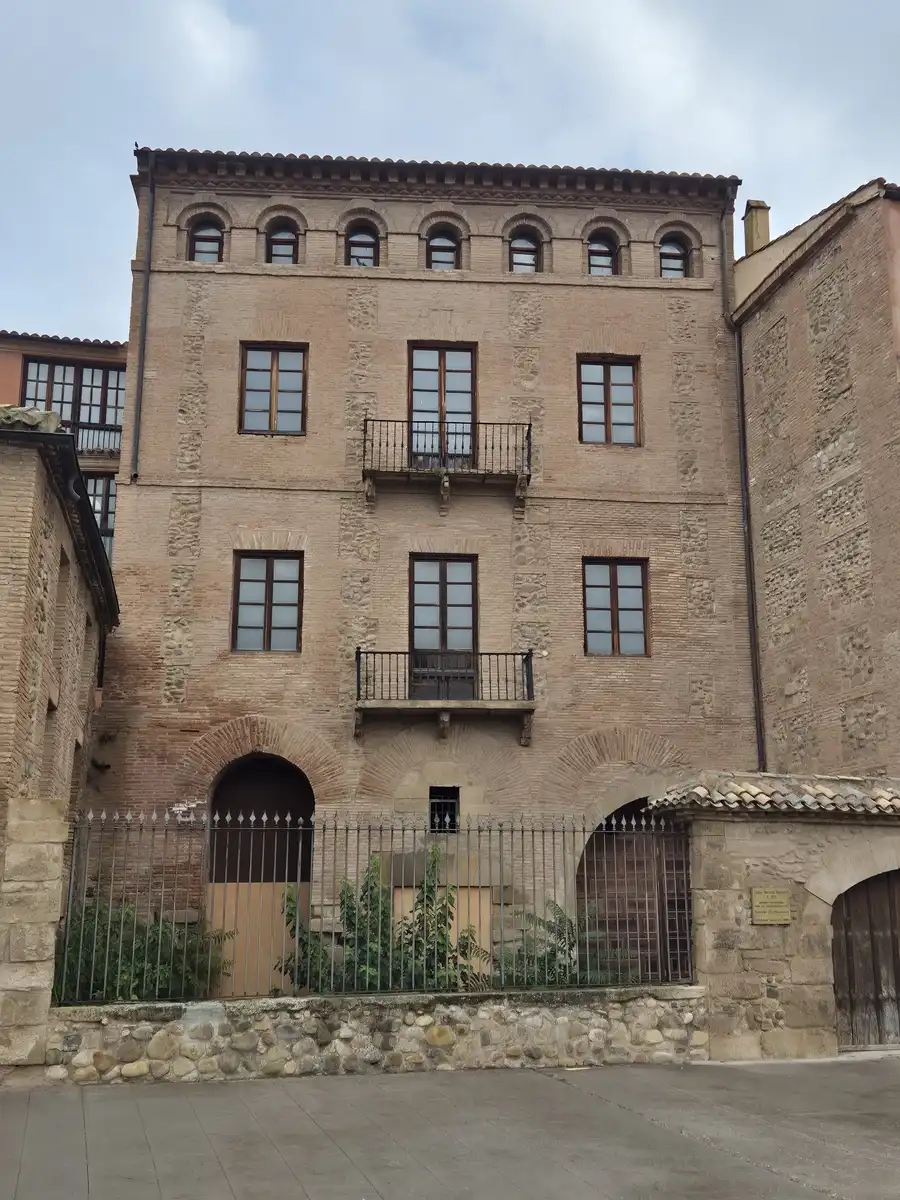
Santo Domingo de la Calzada.
In the 1990s, my father and I spent a long weekend in Logroño, the capital of La Rioja. We took a bus to the mediaeval town of Santo Domingo de La Calzada. Over time, I learned more about the country's history and culture. There are many legends of the Pilgrim's paths leading to Santiago de Compostela. In the case of Santo Domingo de la Calzada, the city arose because the path was there.
Not having visited the cathedral – I doubt it opened to visitors at the time -, having read about its origin and legends, and having not one but two Paradores de Turismo made me return. I arrived from Calahorra, having changed for a regular bus running between Logroño (see previous post) and Burgos. There are two daily (PLM) busses that connect the city with Madrid. From Burgos there are many more busses to Madrid and Barcelona. And, although the high-speed train station is some distance from the bus station, it also provides the opportunity to change for or from a high-speed train from or to Madrid (nowadays, that is adventurous travel).
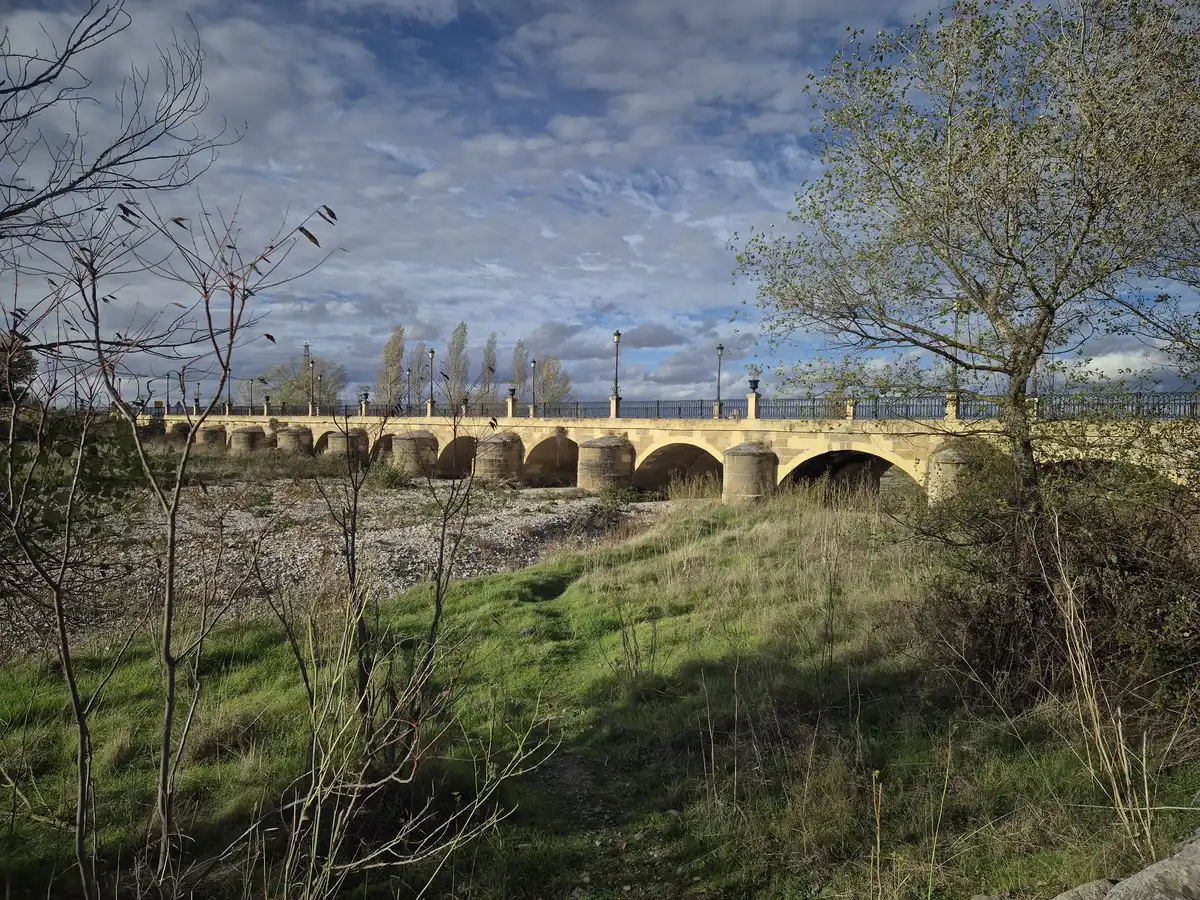
Santo Domingo de la Calzada sits on the footpath (calzada) to Santiago de Compostela, on the bank of the Oja River. The Spanish name for the river is río Oja, from which La Rioja derives its name. In the eleventh century, Domingo García and the bishop of Ostia (let's forget about the latter) built a bridge across the Oja River to provide pilgrims a safe crossing. He, later, built a stone bridge to replace the original wooden bridge.
After the local landowners had denied him permission to cut down trees, he asked only to cut those trees he could cut with a sickle. When the landowners saw the path he had cleared, they became angry with him. He reminded the landowners of the agreement and showed how easily he could cut down the biggest trees with the sickle.
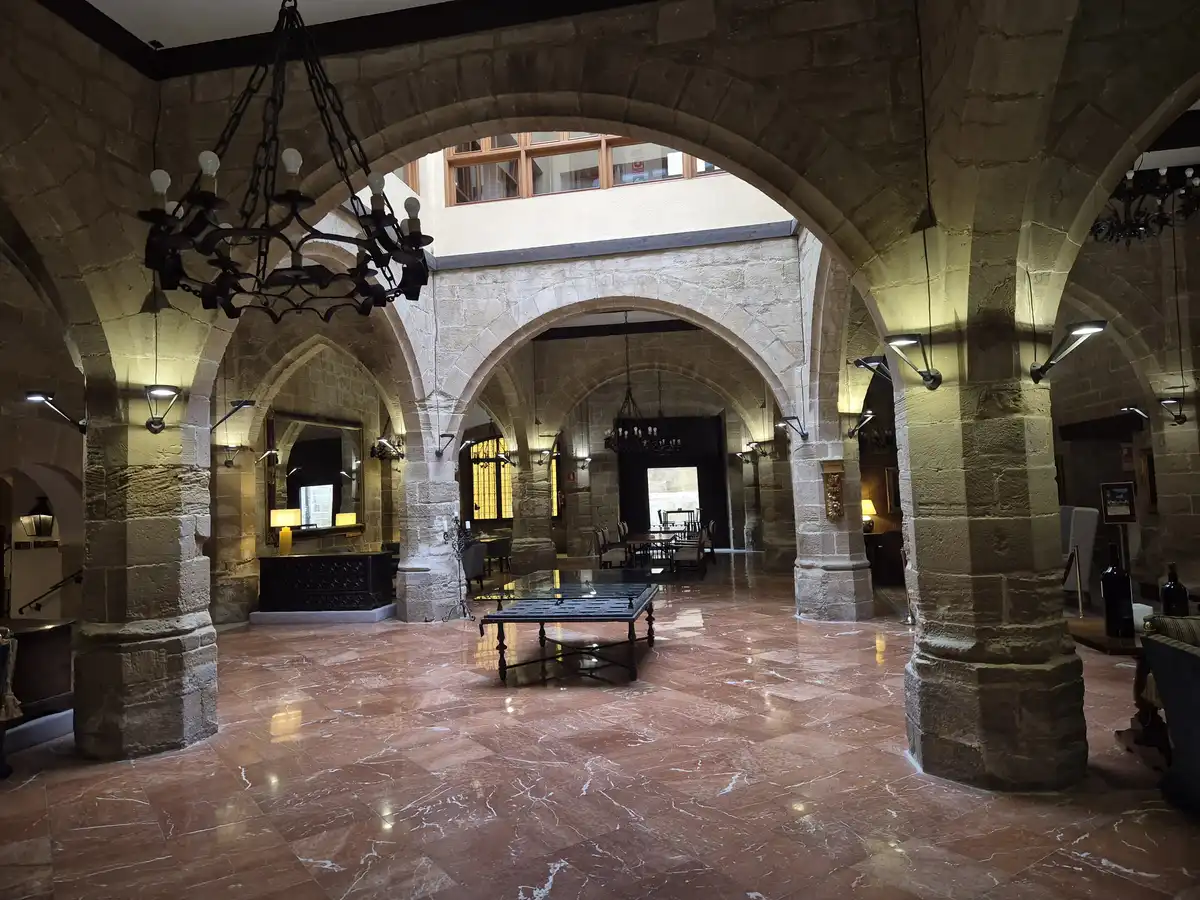
Nearby, he reconstructed an old palace donated by the king to serve as a hospice for pilgrims. Near this hospice, later arose the town with its cathedral. The original hospice was rebuilt in the fifteenth century. That building was refurbished in the middle of the last century to become one of two Paradores de Turismo (the other is located in a nearby convent).
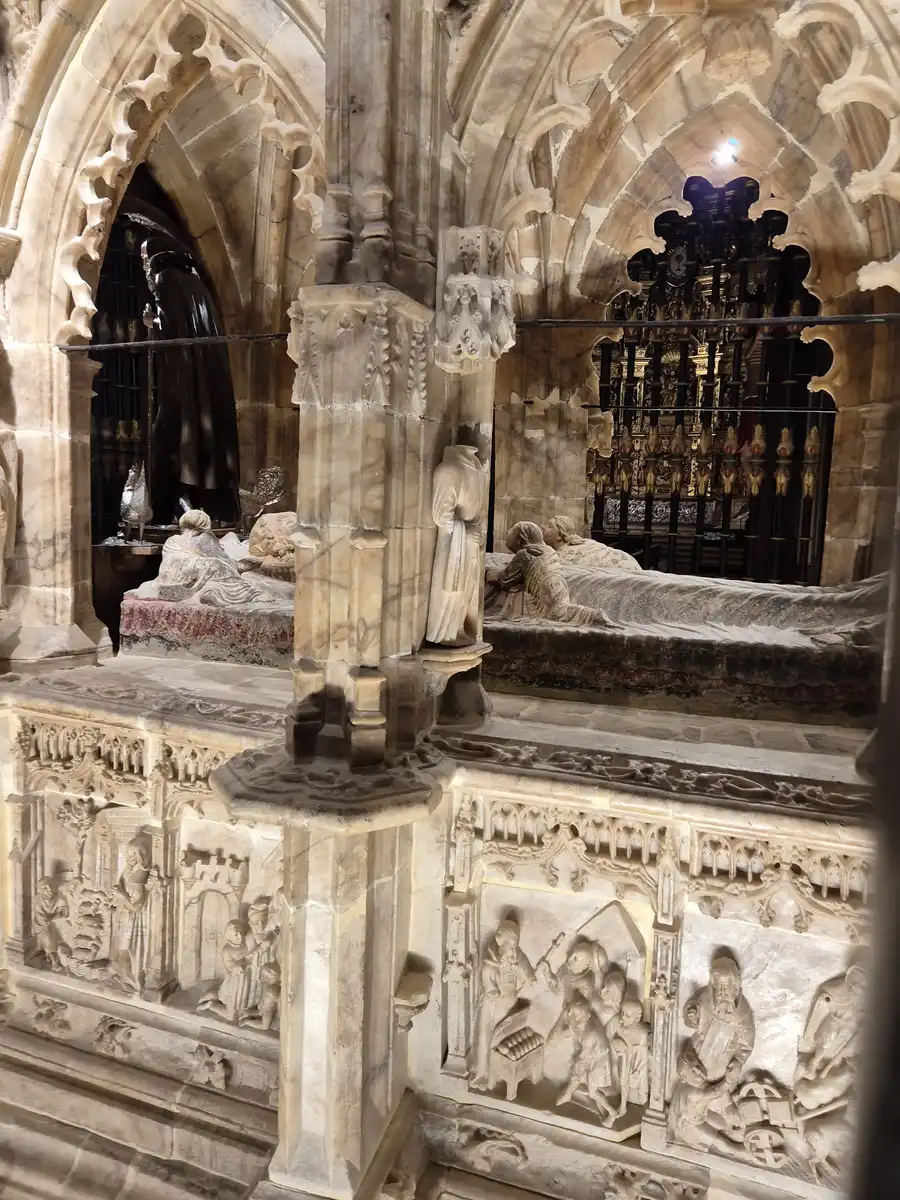
Next to the hospice arose the Gothic cathedral where the ornamental Gothic tomb of Santo Domingo can be found. Another legend tells how the saint intervened on behalve of a German pilgrim. Having arrived from Germany, a family with their son found shelter at the home of a local family. The daughter fell in love with the boy, who was not interested in the girl. She took revenge by hiding a silver chalice in his bags and denouncing him to the local magistrate when the German family continued their pilgrimage to Santiago de Compostela. After scrutinising his bags, the chalice was found and the boy was hanged for the crime.
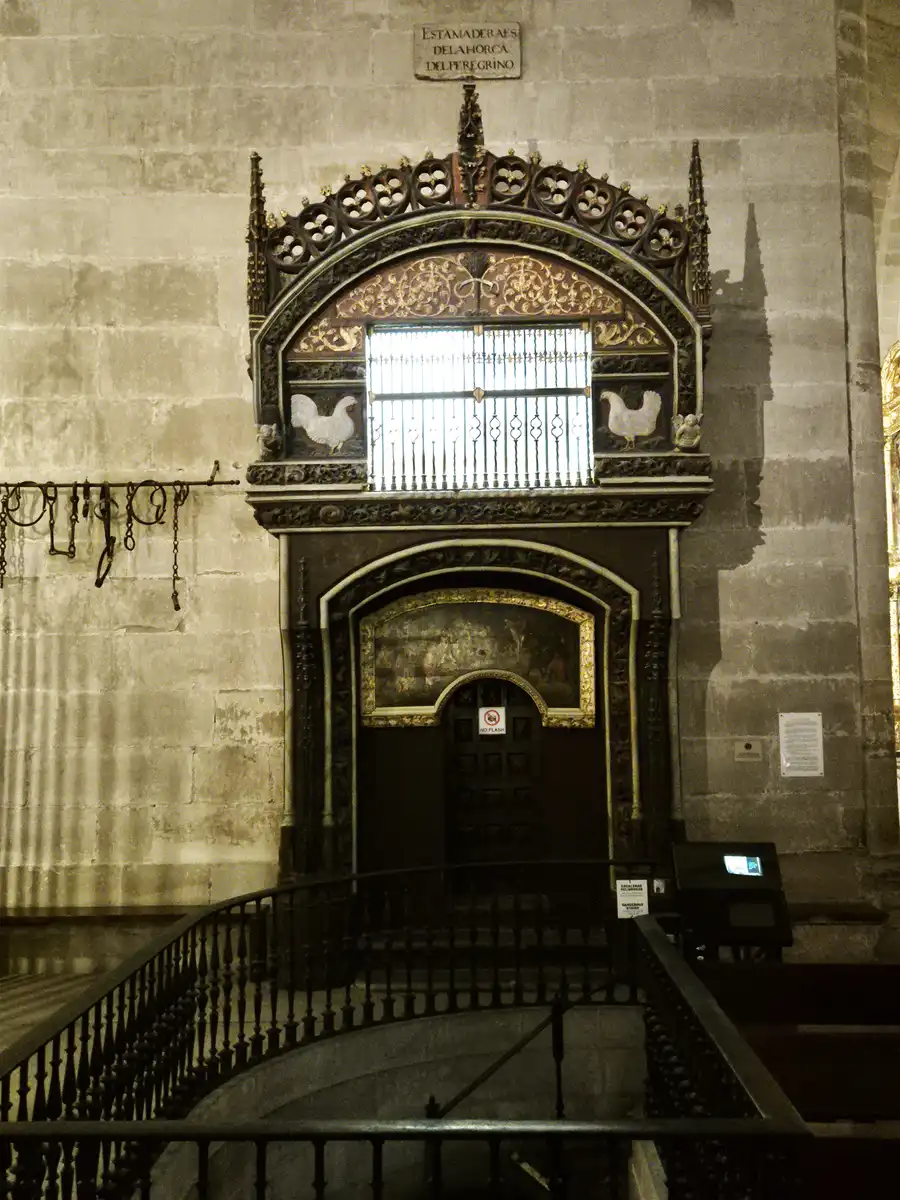
The next morning, before continuing to Santiago, they walked past the gallows and found their son was alive. They called on the magistrate requesting he would set the boy free, as it proved his innocence. The magistrate, who had just sat for dinner, did not believe them and shouted the boy was as alive as the roasted cock and hen on his table. At that moment, by intervention of Santo Domingo, the animals grew back their feathers, stood up and walked over the table. To commemorate the miracle, at any time, a cock and hen live in the cathedral by special papal permission. It is the only Roman Catholic cathedral that houses living animals.
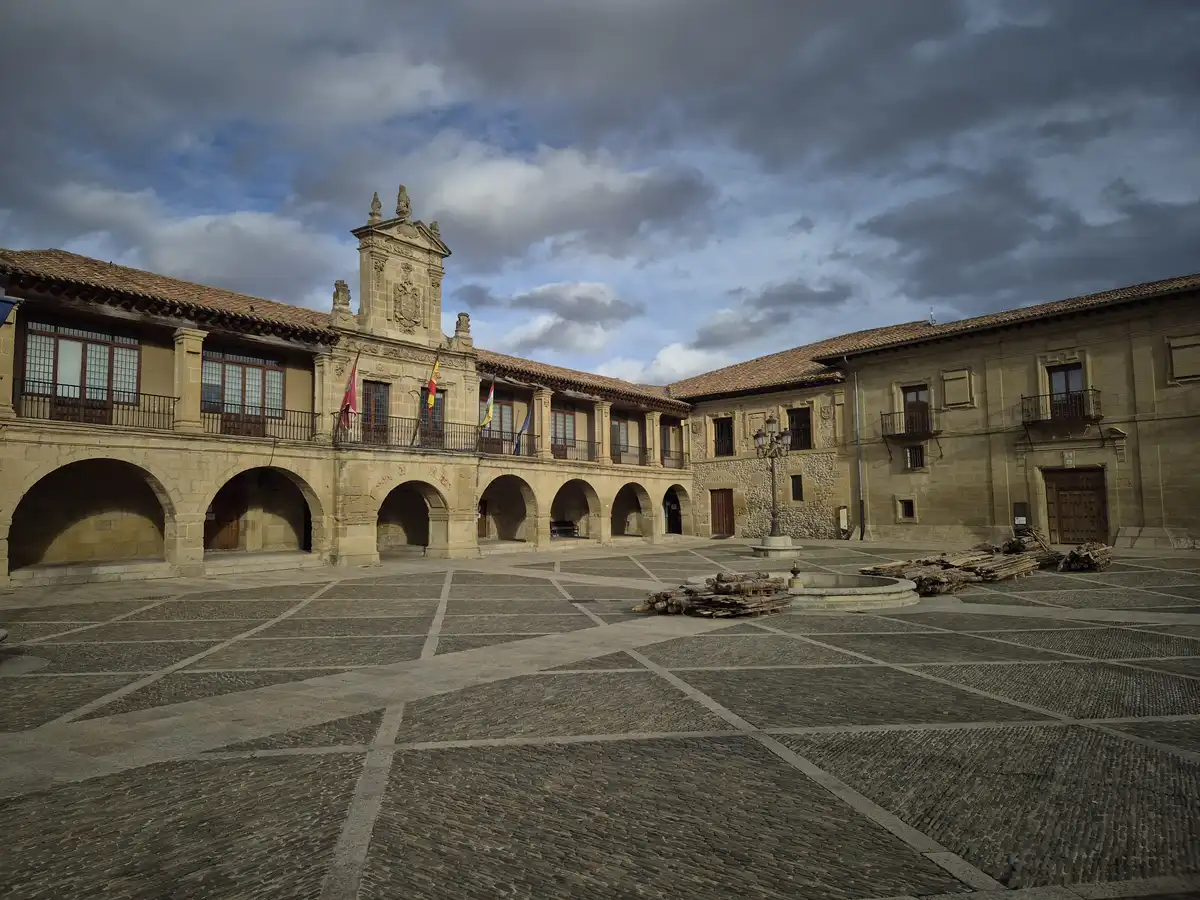
On the other side of the cathedral is the Plaza de España with its Baroque town hall with its tourist office and the old jail. Across the square from the town hall and in the shadow of the cathedral stands a tree commemorating the miracle of the sickle.
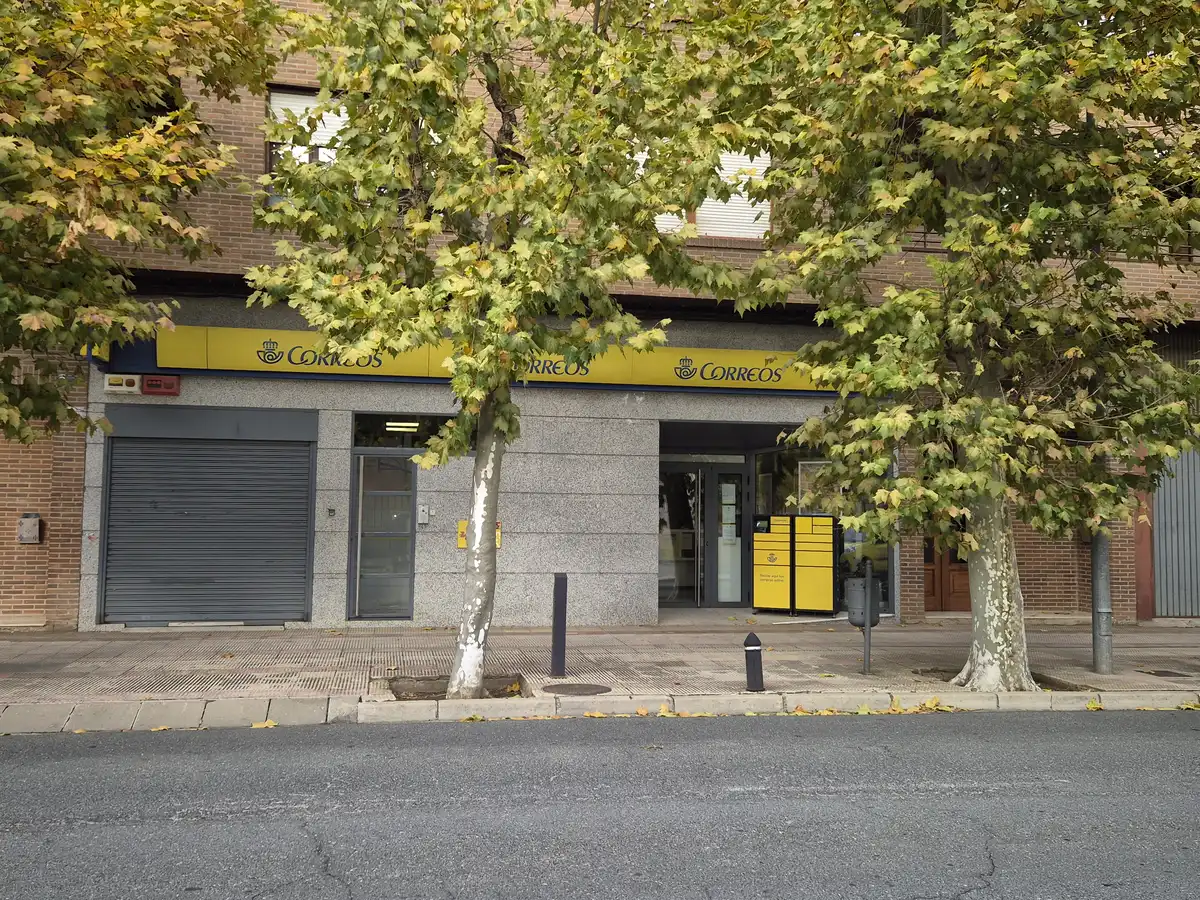
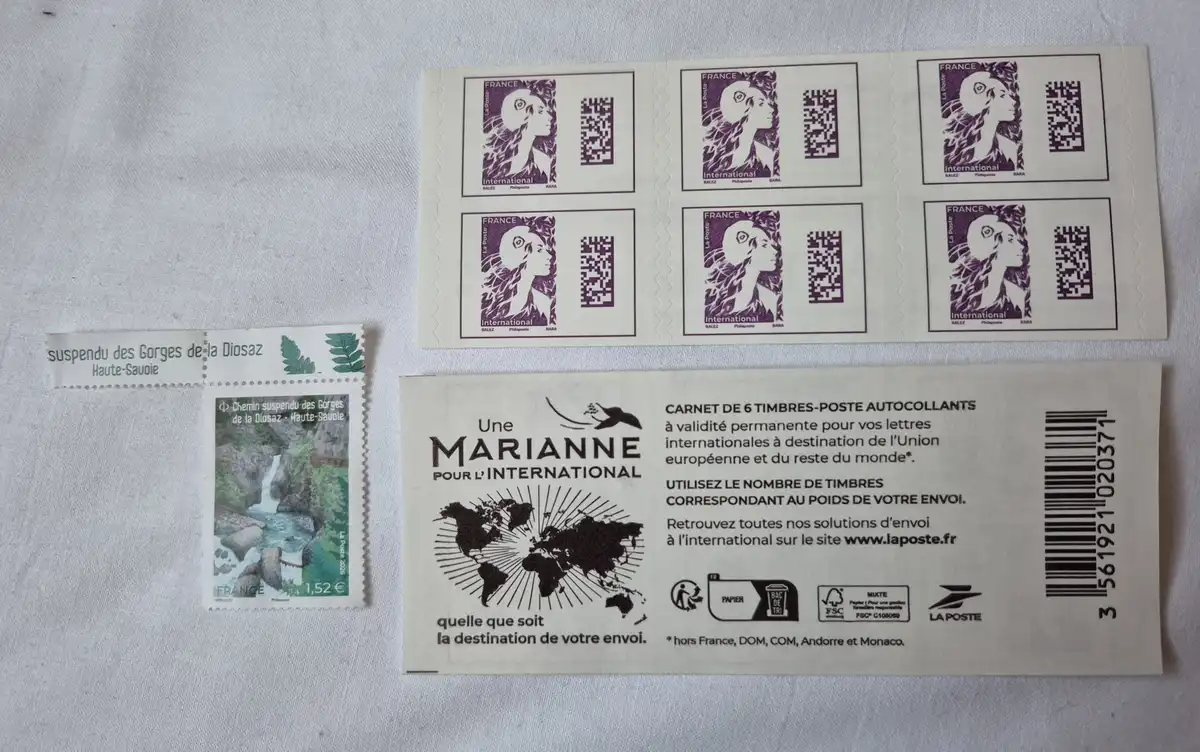
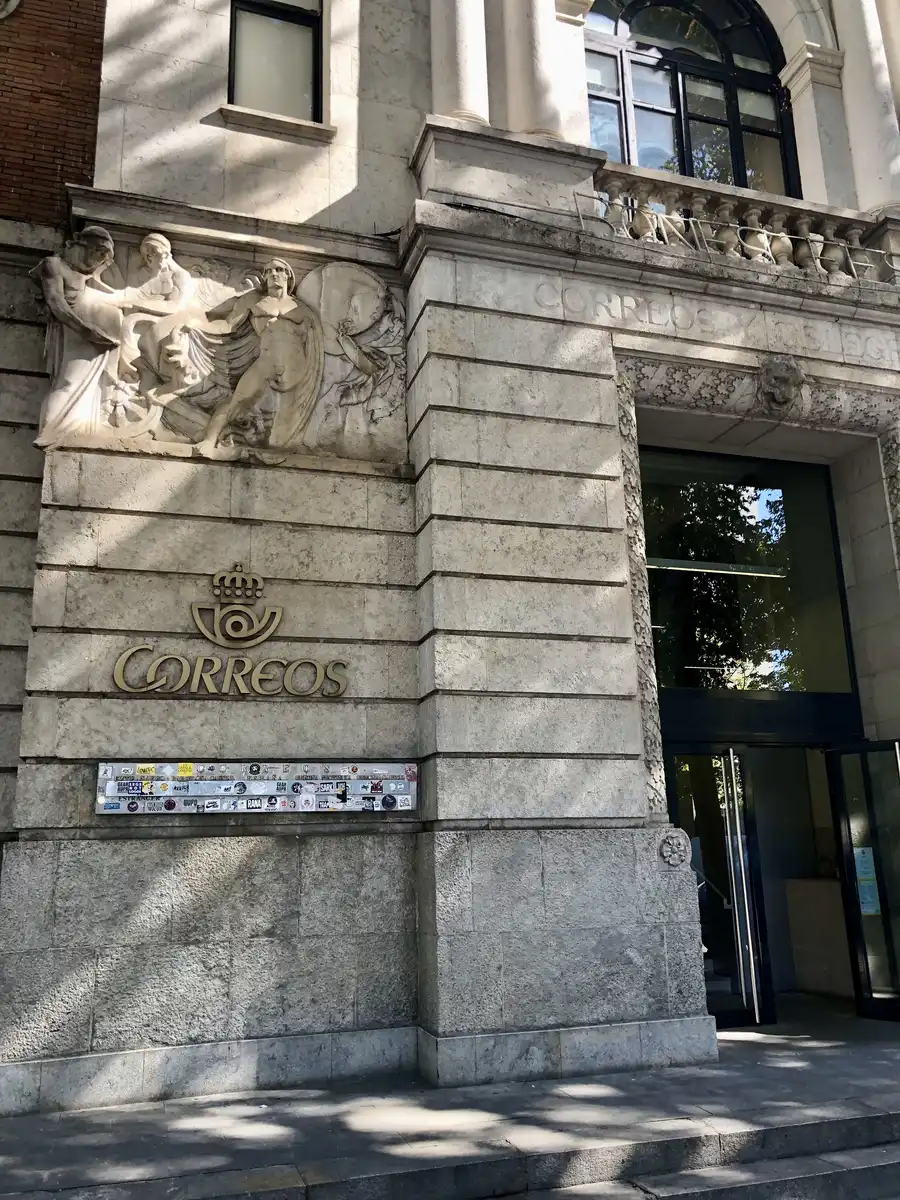
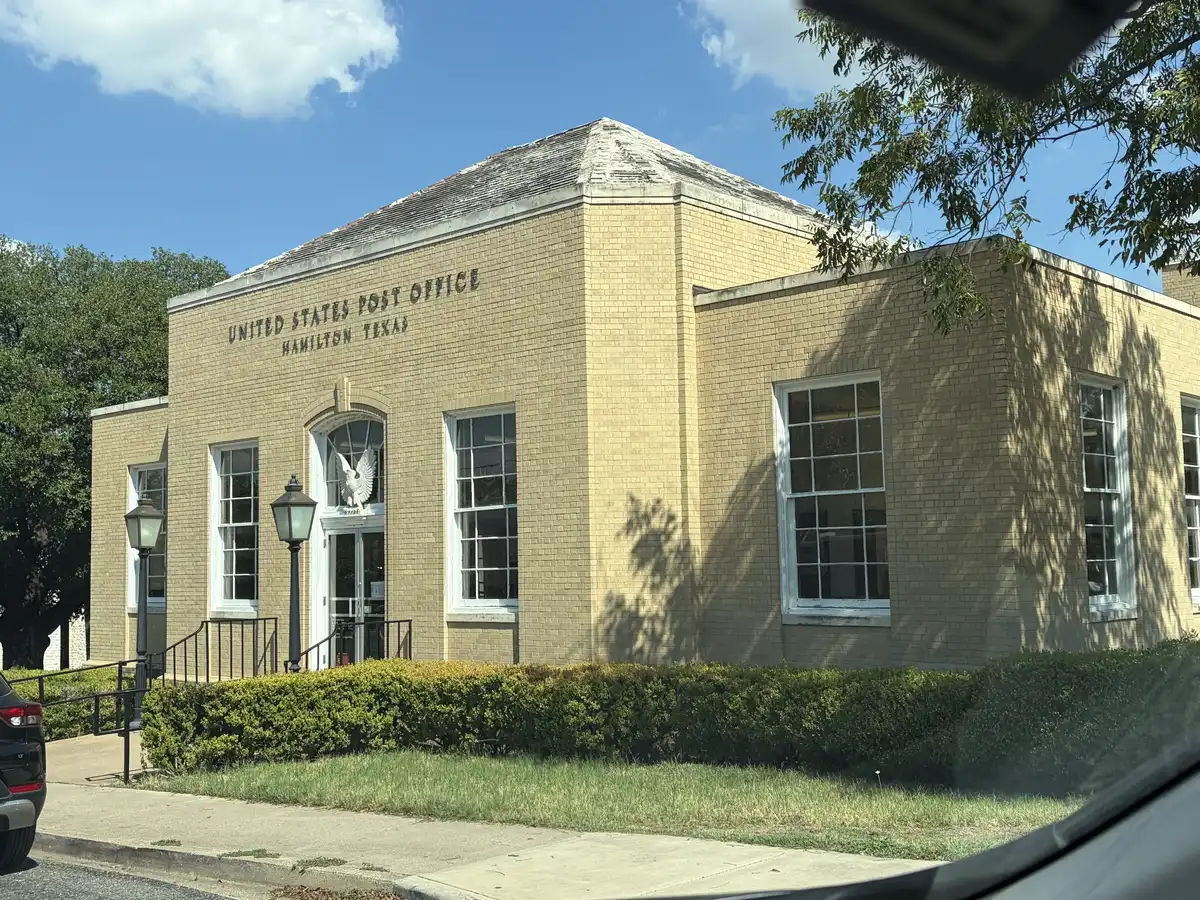
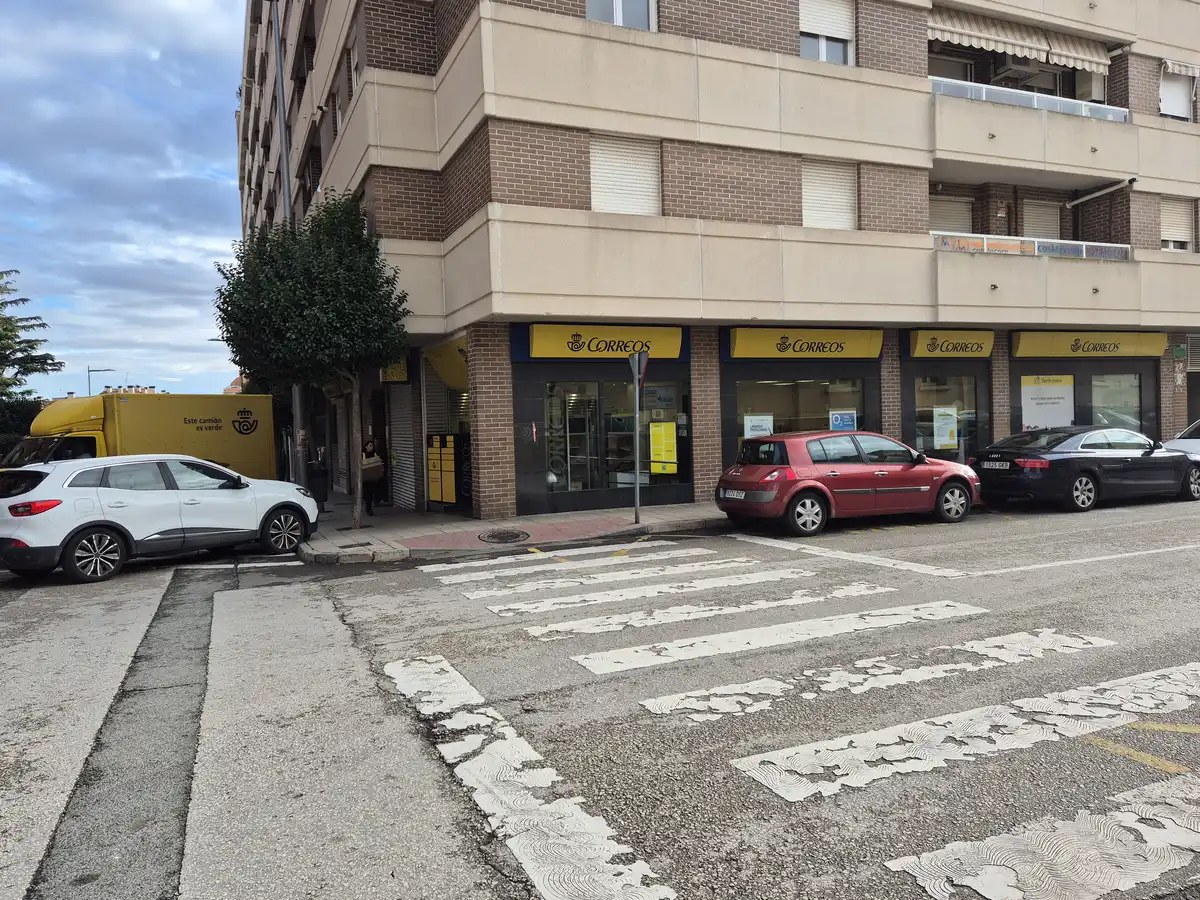
The post office stands just off the Plaza de España, behind the town hall. Here, I stocked up on B and C tariff stamps.
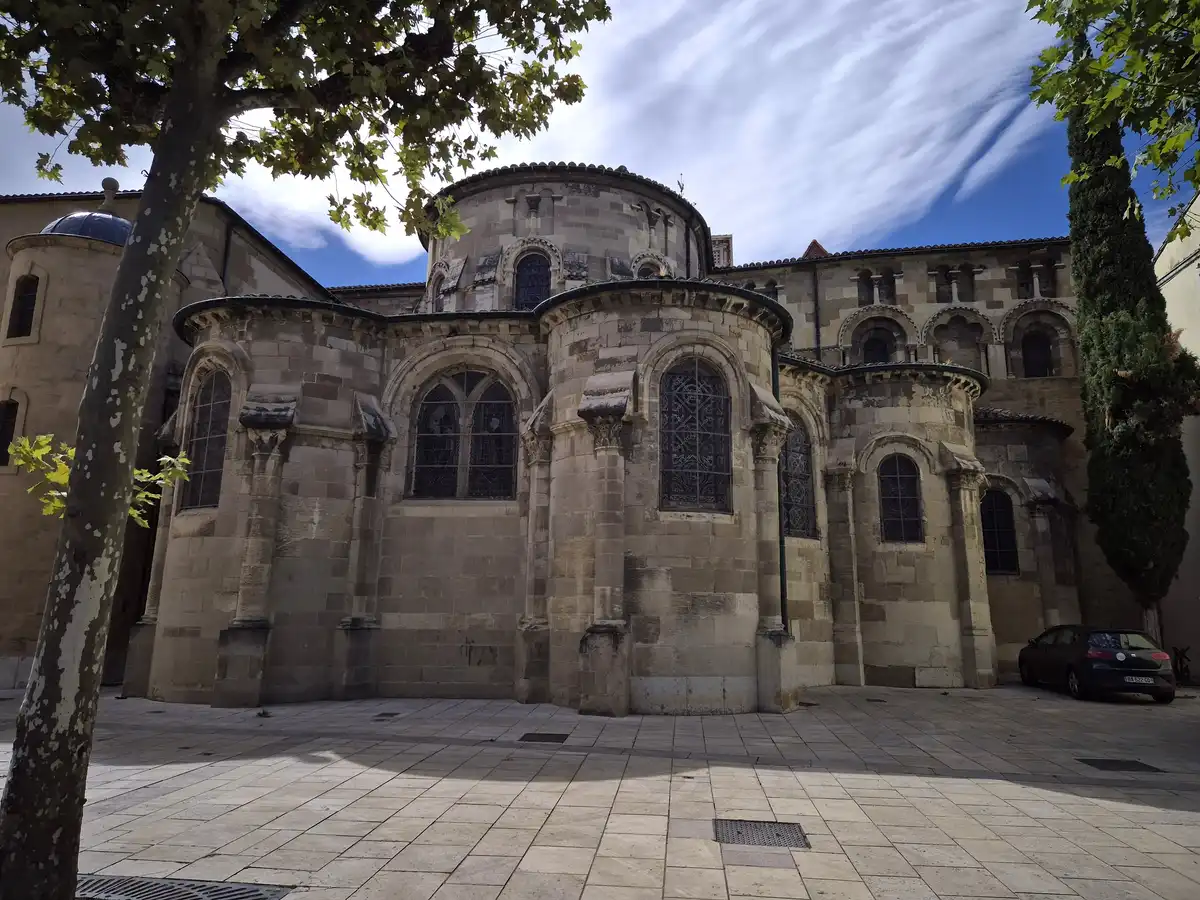
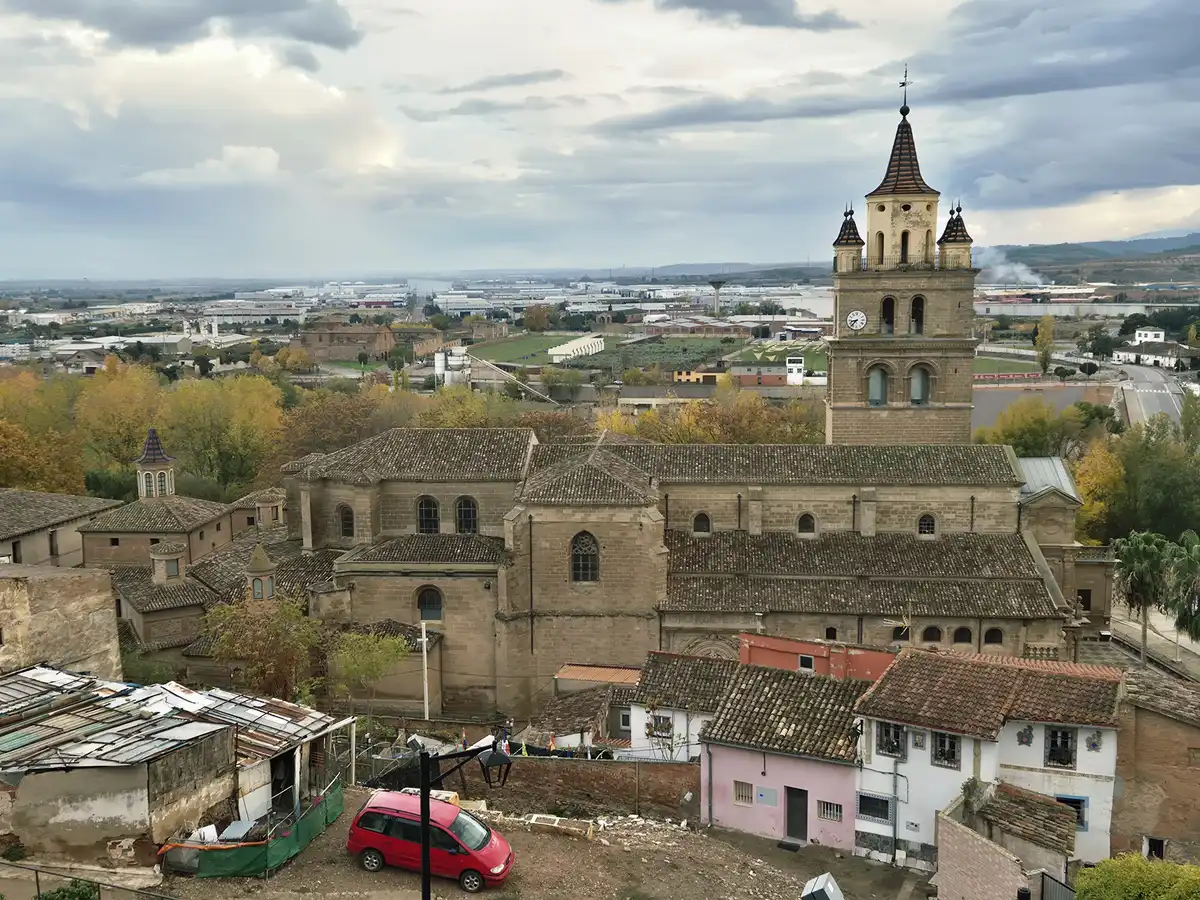
It looked so different from my last visit. Everything was well-kept, no weeds at the foot of the bell tower, or was it the apse.
108/6



 Replies: 276 / Views: 45,137


 Posted 07/31/2026 11:40 am