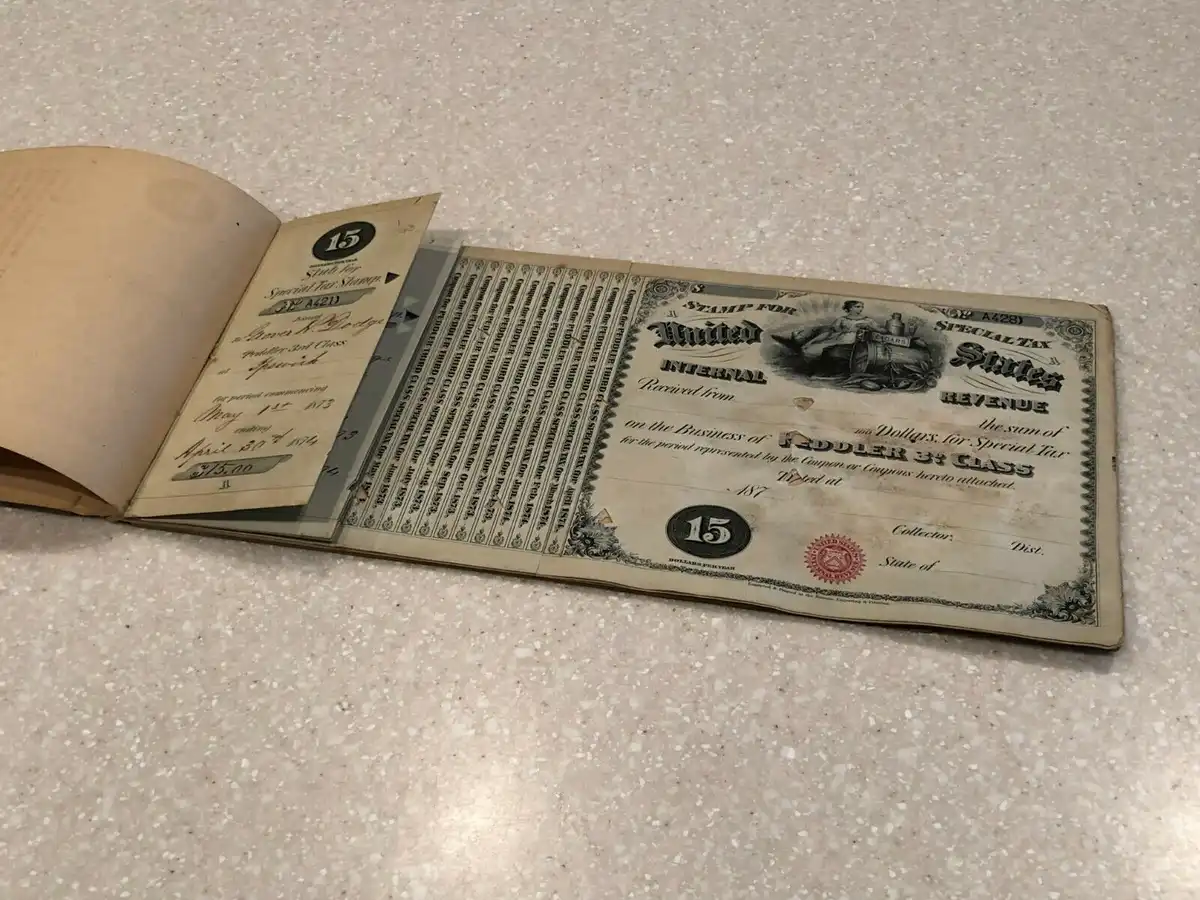
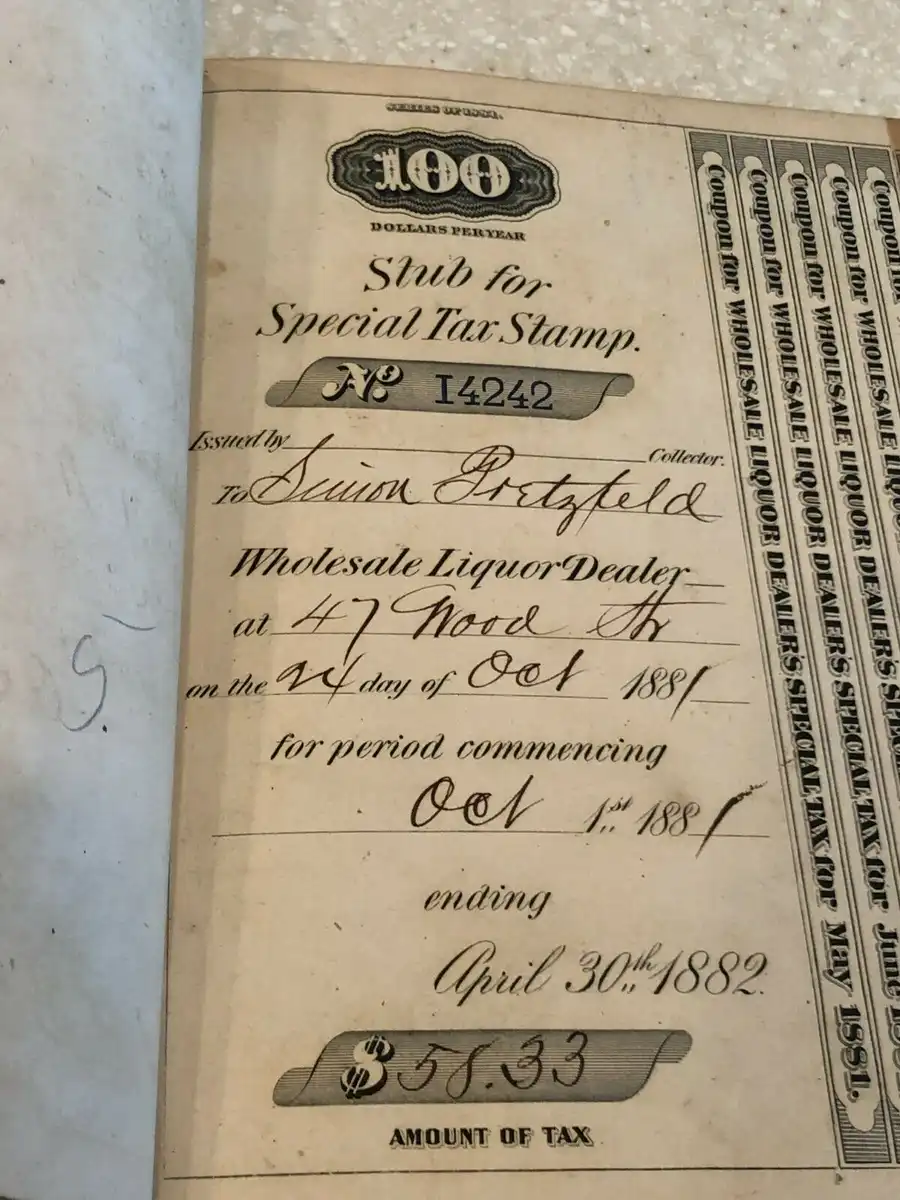
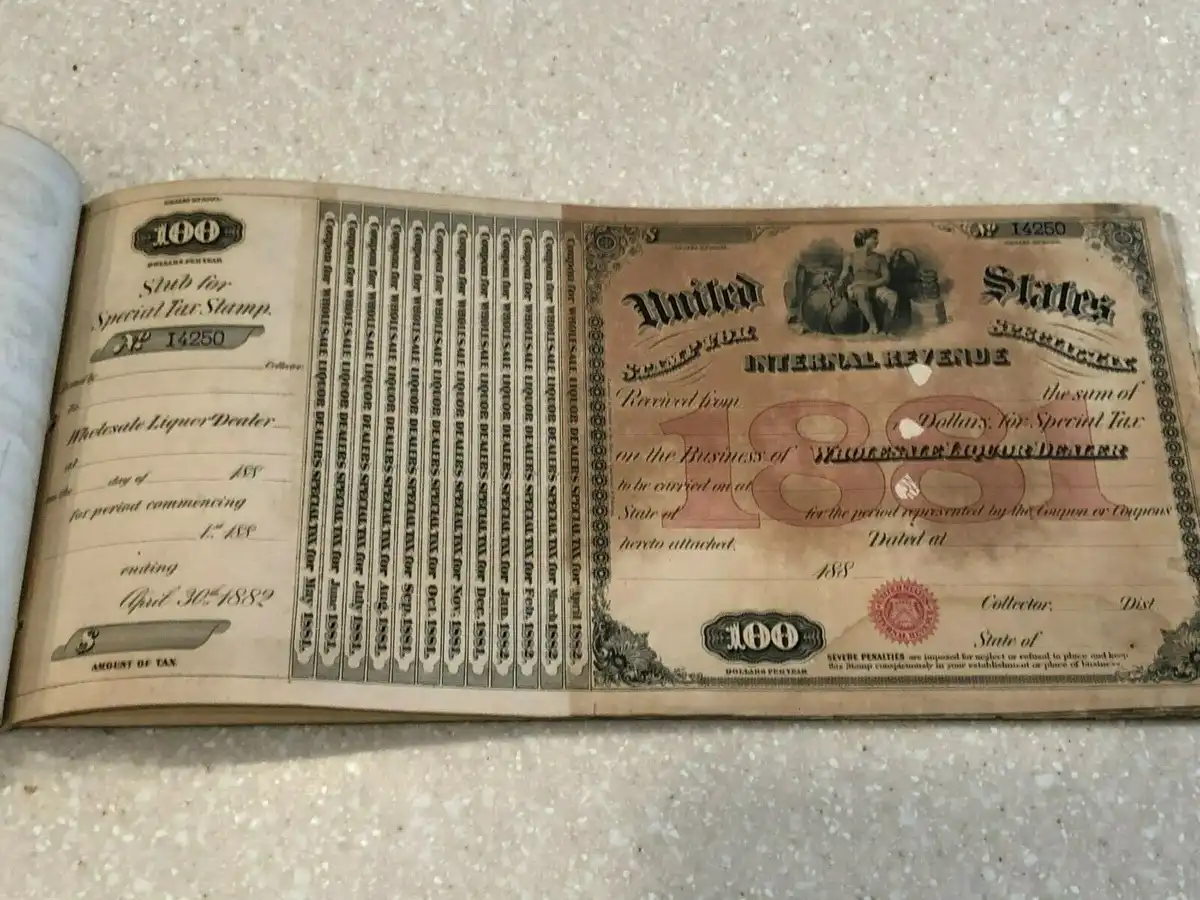
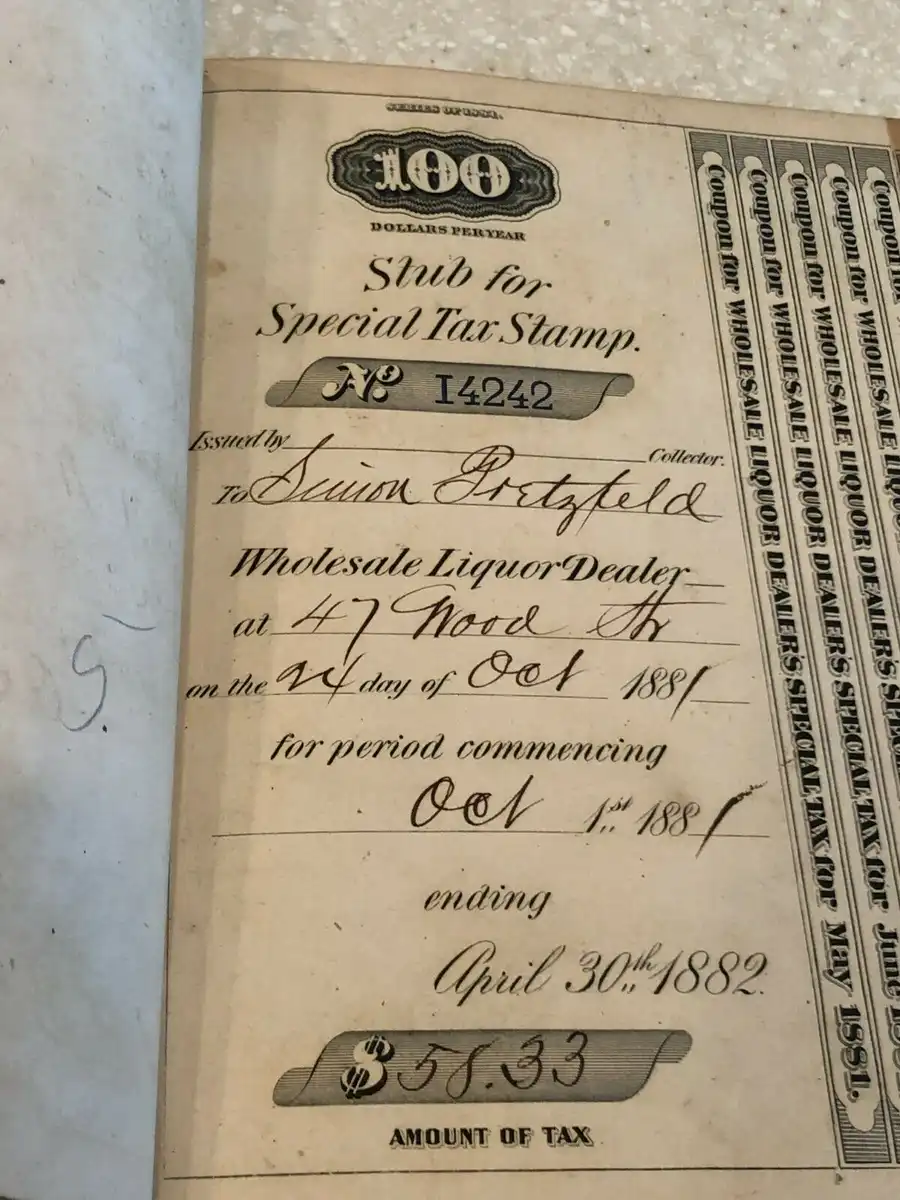
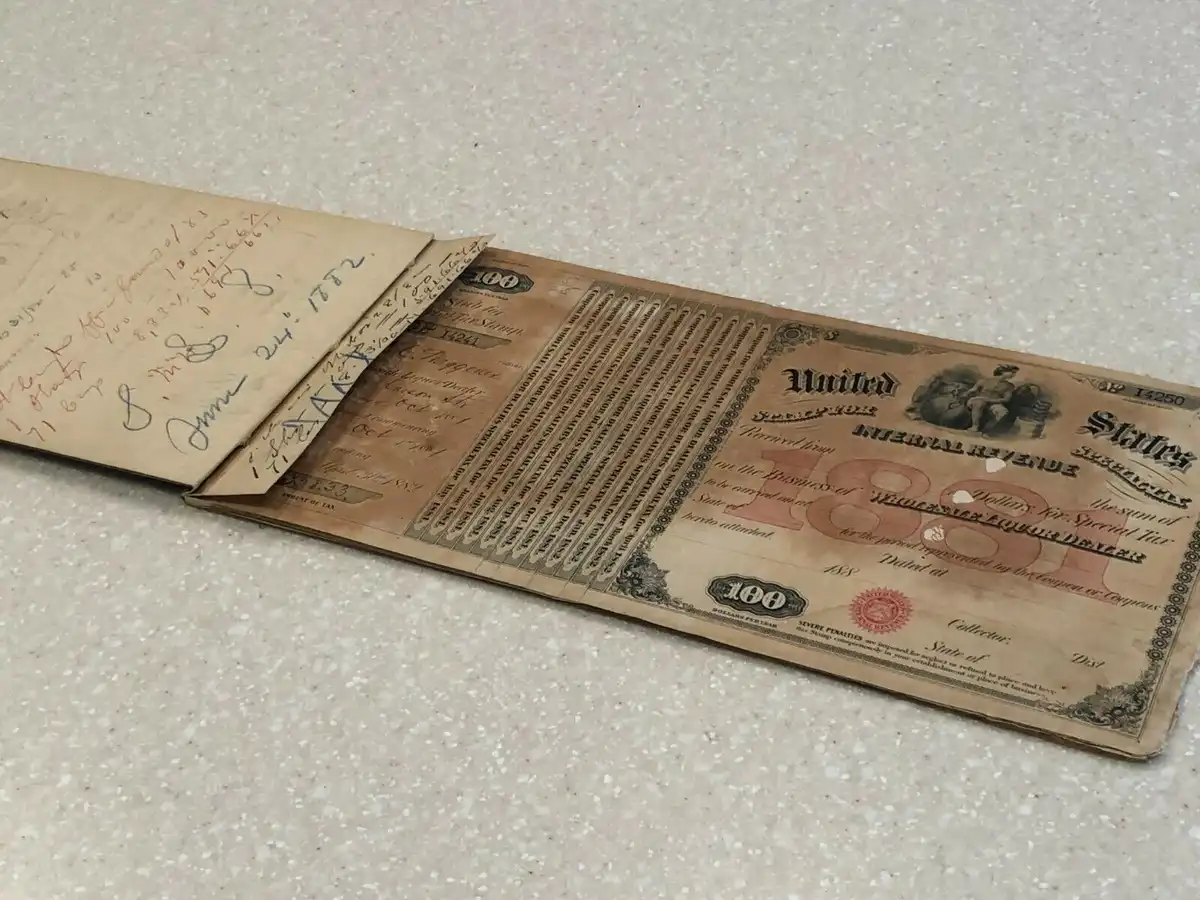
Nells, to your original question -- I believe those distinctive punch cancels are only found on remainders. Issued examples wouldn't need to be cancelled. Here is a link to an earlier topic that I think you may remember:
https://goscf.com/t/40533&whichpage=7#470708And here are a couple pictures of the founders of the feast: Hiram Deats and Edward Sterling.
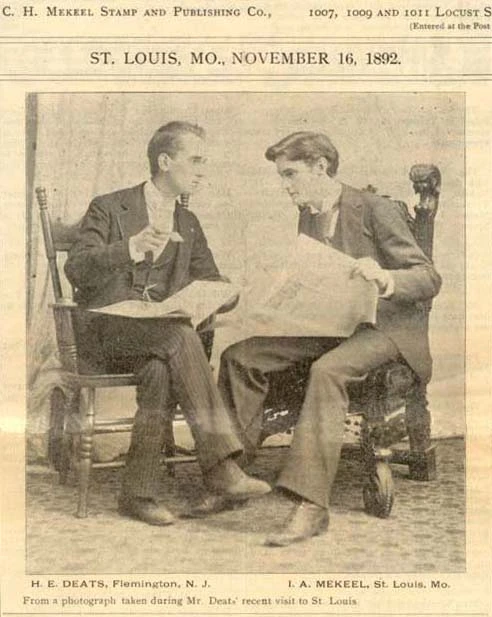
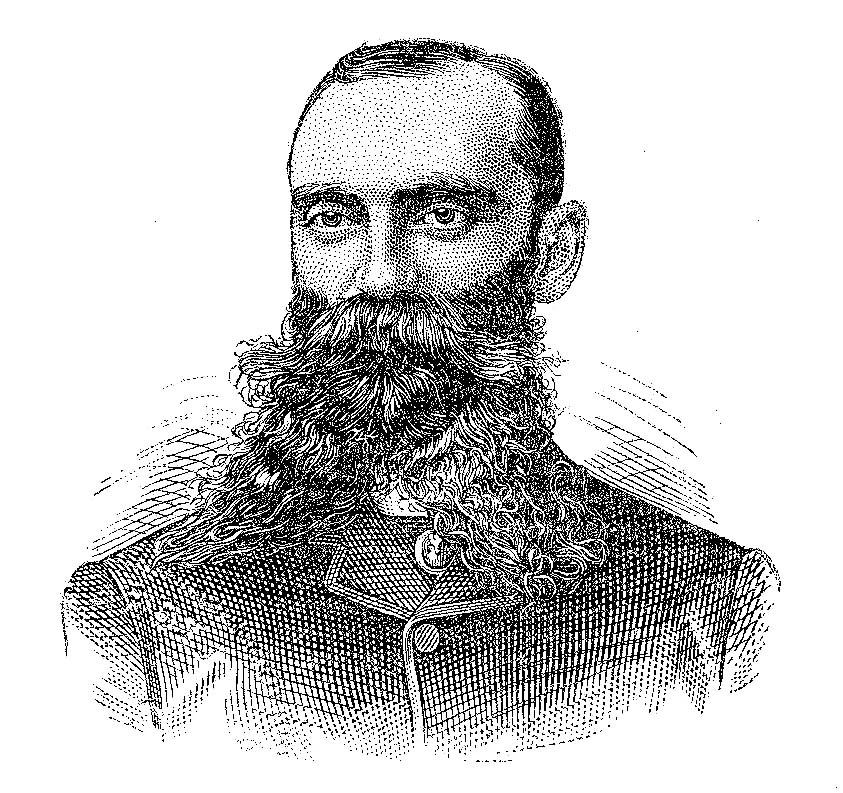
As Sterling explained in an 1890 story in the
Press and Angels American, a weekly paper published in Trenton, New Jersey, obsolete tax stamps had piled up to such an extent that the U.S. Department of the Treasury was running out of room to store them. Stacks of stamps in bound books returned by tax collectors occupied every corridor on the 4th floor of the Treasury Building, along with nine rooms and the basement of the Winder Building, then used by Treasury—some 4,000 cubic feet.
An act of Congress authorized the sale of this surplus material and Deats and Sterling were the successful bidders on the entire accumulation. They received eight train boxcars full of paper weighing more than 200 tons. "We bought them chiefly as historical records," said Sterling. "We now have the stubs of every revenue stamp issued in the United States from No. 1 in 1863 to many thousands in 1885." They eventually identified more than 500 varieties of stamps, some valued at up to $4,000.



 Replies: 17 / Views: 694


 Posted 11/23/2026 2:11 pm