|
This page may contain links that result in small commissions to keep this free site up and running.

Welcome Guest! Registering and/or logging in will remove the anchor (bottom) ads. It's Free!
To participate in the forum you must log in or register.
| Author |
 Replies: 274 / Views: 44,529 Replies: 274 / Views: 44,529 |
|
|
|
Pillar Of The Community
United States
2948 Posts |
|
|
I posted earlier in this thread they I would be traveling to Girona Spain this year and would get some post office pics. Alas.., had to postpone my holiday until early February. Will share pics here at that time. |
Send note to Staff 
|
| Edited by stampcrow - 10/20/2025 9:05 pm |
|
|
Pillar Of The Community
Netherlands
6647 Posts |
|
|
Vilagarcía de Arousa is a port town located on the Ría de Arousa in the province of Pontevedra, Galicia. The importance of its port once was evidenced by the presence of several foreign consulates. The British Navy frequently called at its port at the end of the nineteenth and beginning of the twentieth centuries. There is a British Naval cemetery. In the town is one of the largest permanent exhibition centres in Galicia. Regional and Media Distancia trains running between A Coruña, Santiago de Compostela, and Vigo Guixar - all cities have airports - call at its train station. Also high-speed services between Madrid Chamartín - Clara Campoamor and Vigo Urzaiz (ca 3:30 hours, calling at Santiago de Compostela and continuing to Pontevedra) call at the station. Although the town is not a touristic highlight, it is possible to catch a bus (most originating at Santiago de Compostela's bus station next to the high-speed train station) to Cambados from the nearby bus station (in front of the train station, look left to the open structure, ca. 300 metres away). Do not expect busses to run between ca. 09:30 CET and 16:00 CET. Also, expect busses to be up to 20 minutes late. It would be the closest point to catch a cab for Cambados. The post office is located in the centre of town. 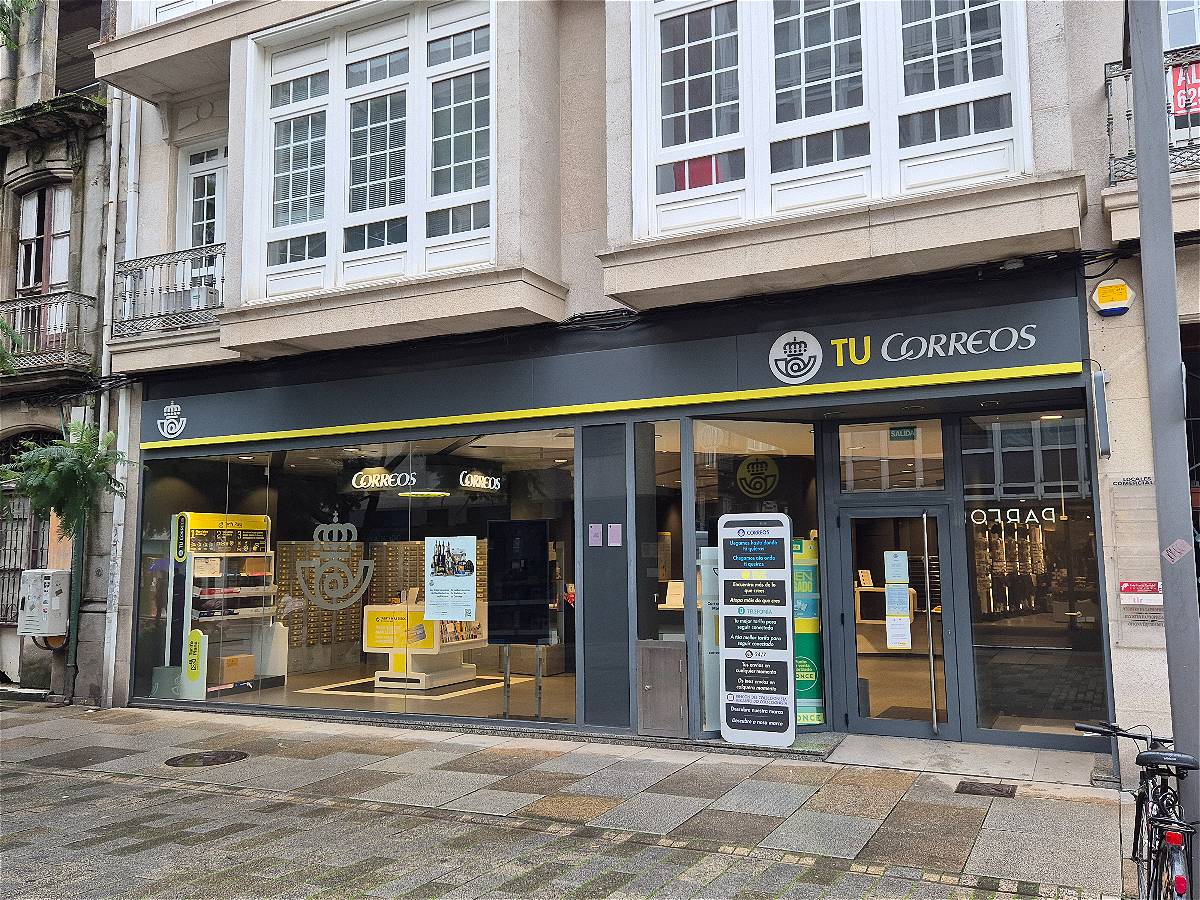 89/4 |
|
Send note to Staff
|
|
|
Pillar Of The Community
Netherlands
6647 Posts |
|
|
Cambados is a coastal town on the Ría de Arousa, some 12 kilometres from Vilagarcía de Arousa. A few buses a day connect the two towns (see previous post on how to get to the bus station in Vilagarcía de Arousa). Alternatively, there are a few more busses from the bus station in Pontevedra, 28 kilometres away (same trains, one or two stops nearer Vigo). 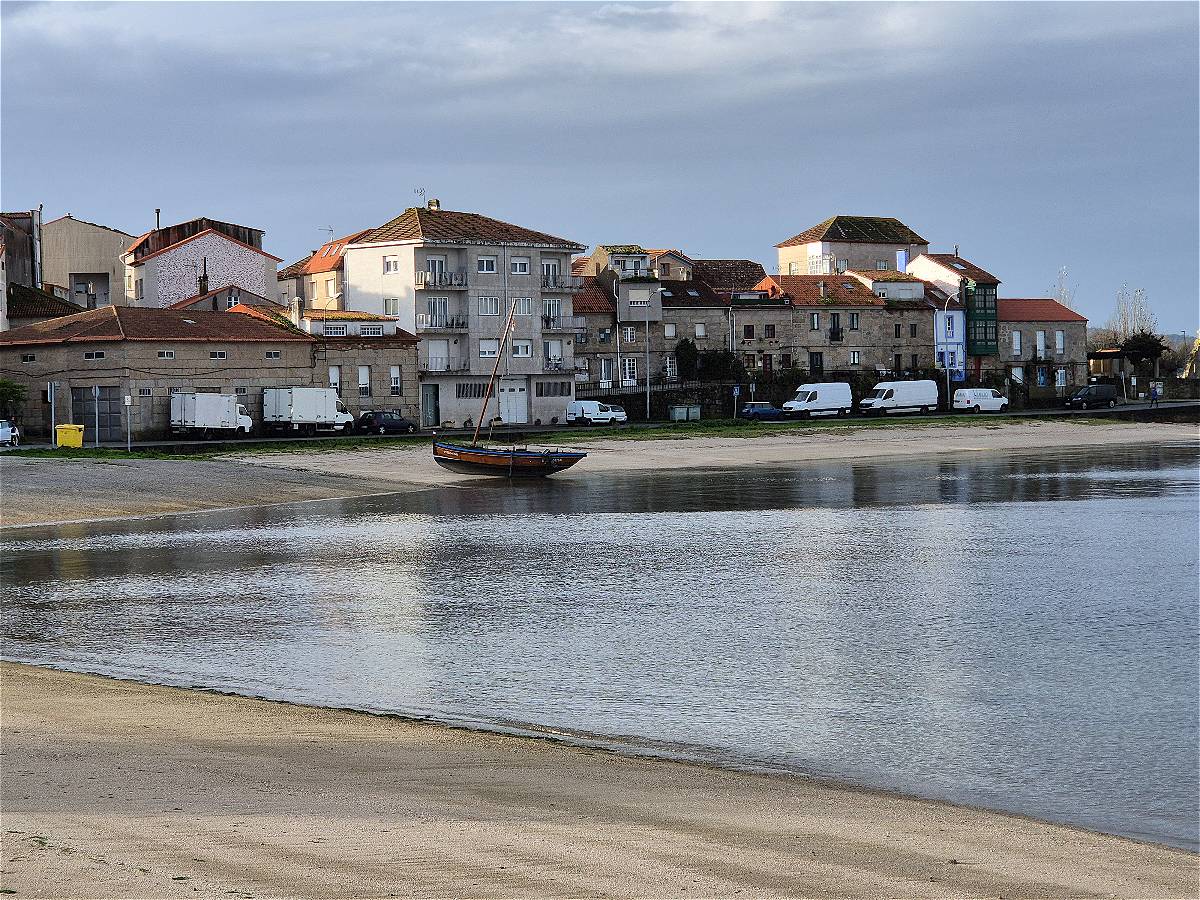 The town has a several historic pazos (Galician manors), of which the Pazo de Fefiñanes was chosen to appear on stamp number 17 of the "Paisajes y monumentos" series. 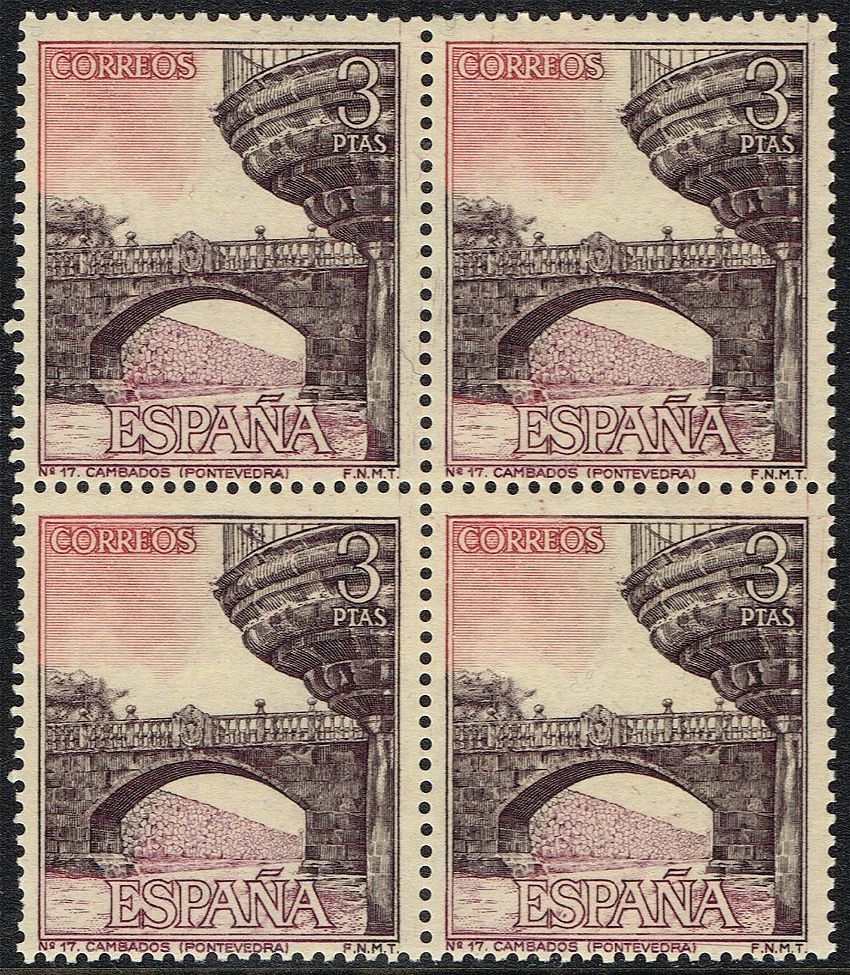 Among the families that had a pazo in this town were ancestors of Spanish authoress Emilia Pardo Bazán. As it remained in ruins, it was rebuilt and turned into the local Parador de Turismo. 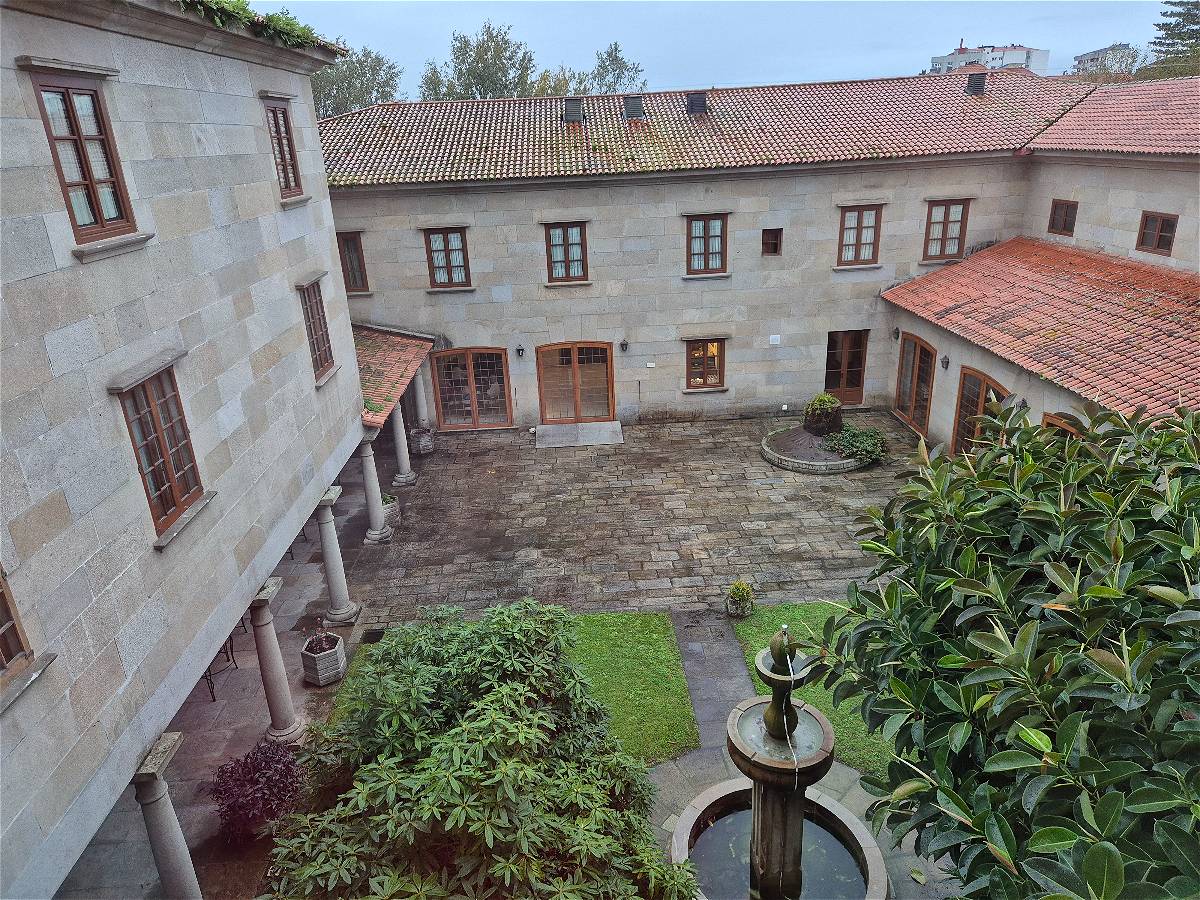 The town, also, is the capital of the D.O. Rías Baixas wine region that produces high-quality Albariñi wines (white). In fact, a medium-sized bodega that can be visited is located in the Pazo de Fefiñanes: philately can be combined with a wine tasting. 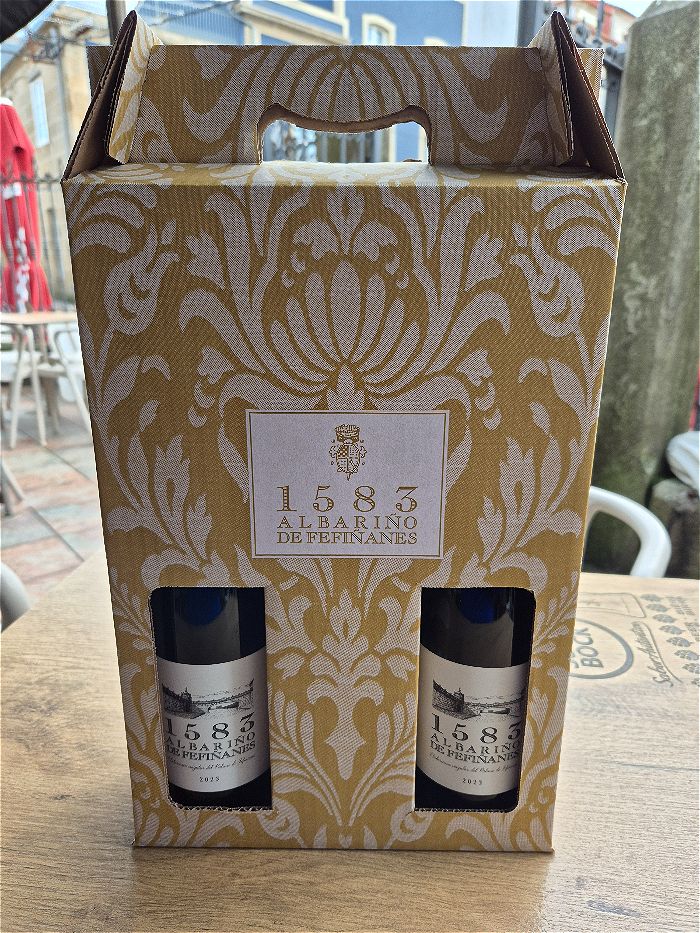 The local post office is situated in a newer part of town. 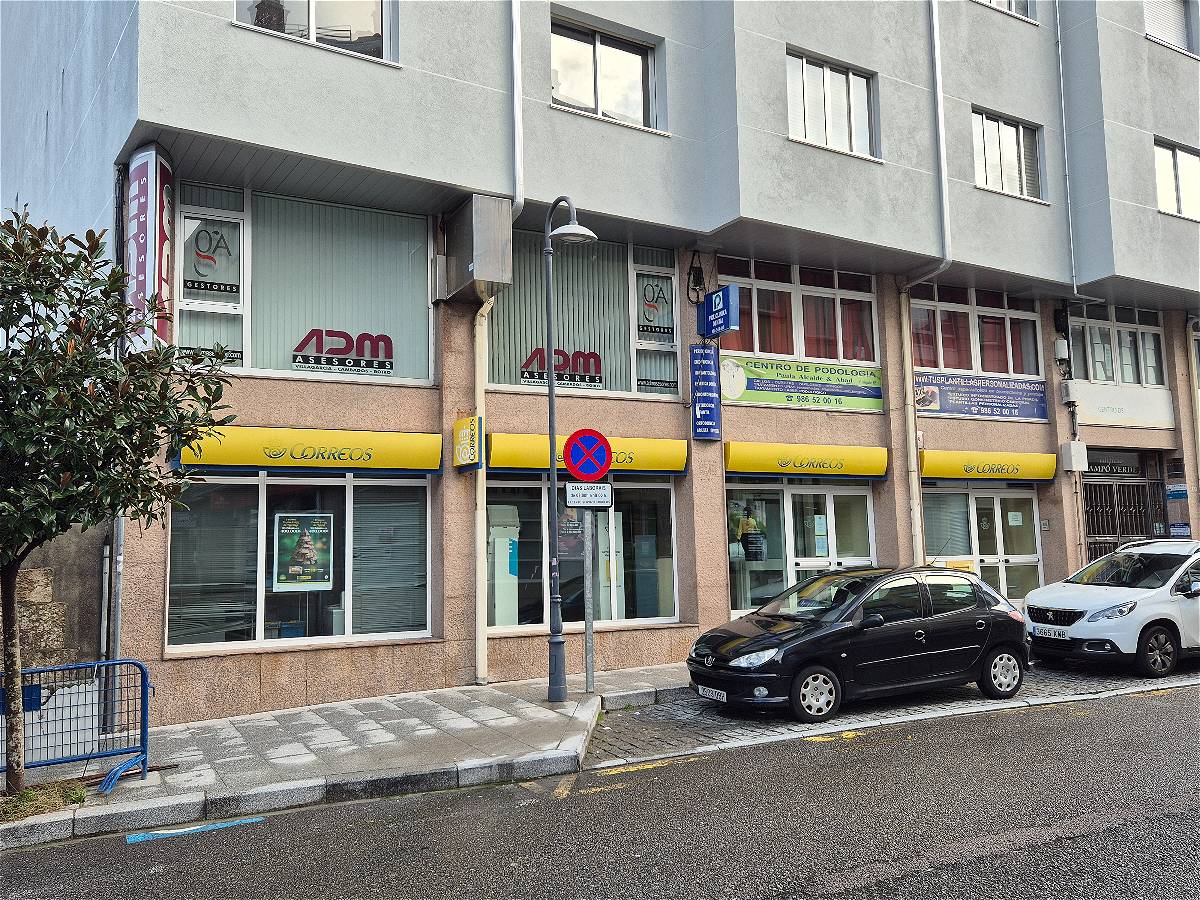 90/4 |
|
Send note to Staff
|
| Edited by NSK - 11/24/2025 2:28 pm |
|
|
Pillar Of The Community
Netherlands
6647 Posts |
|
|
Ourense RenfeMost high-speed trains from outside Galicia that run to Santiago de Compostela, some continuing to A Coruña or Vigo, as well as those to Lugo call at Ourense. Additionally, some trains terminate at or depart from Ourense. I had to wait here for a connecting train to Monforte de Lemos (on the Lugo line). Leaving the station to look for a bar to have a drink and some patatas bravas, or, as it turned out, bravioli, I noticed one of these sorting facilities that I also saw near the station in Palencia. It makes me wonder whether Correos uses the Renfe high-speed trains to move mail across large distances quickly. 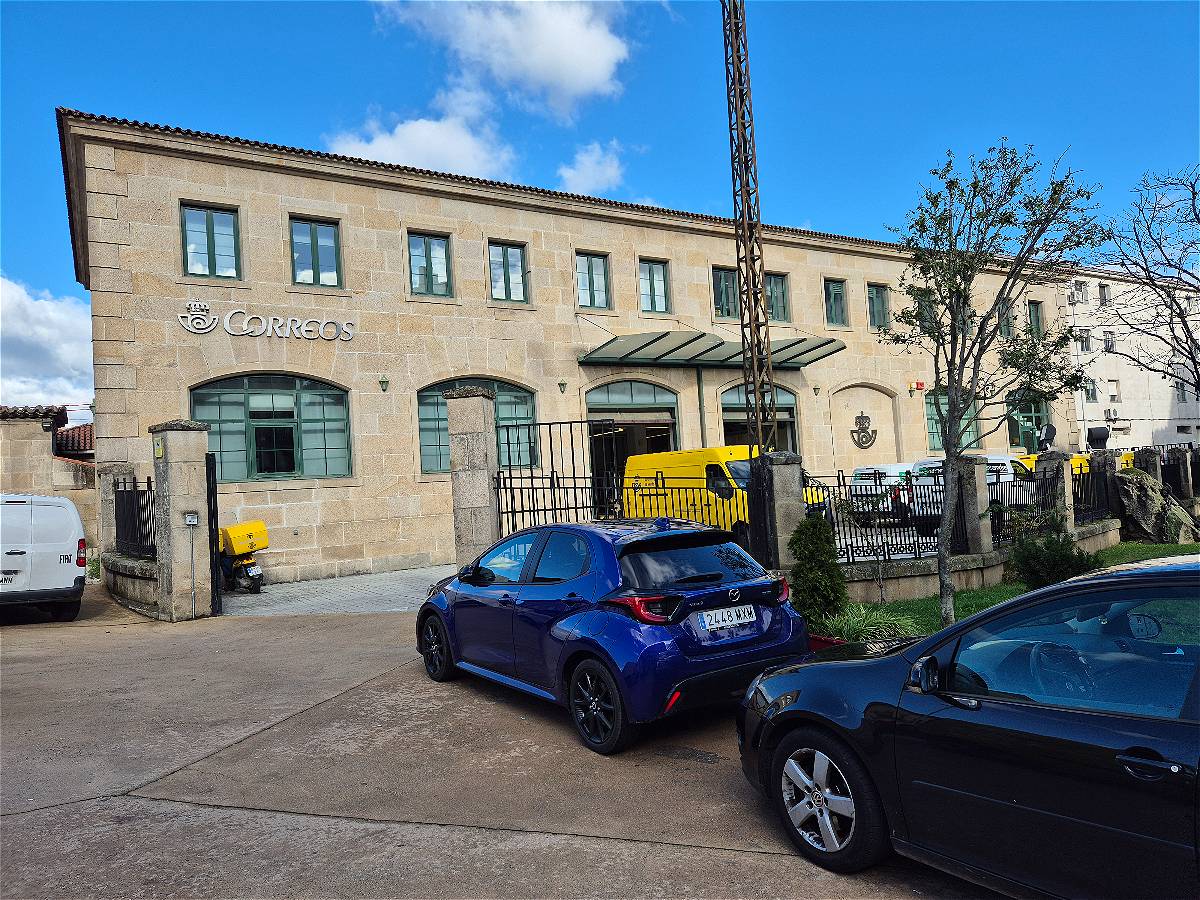 90/5 |
|
Send note to Staff
|
|
|
Pillar Of The Community
Netherlands
6647 Posts |
|
|
Monforte de Lemos evolved as a medieval burgh on the Monte de San Vicente de Pino that rises just over 50 metres above the newer parts of the town. 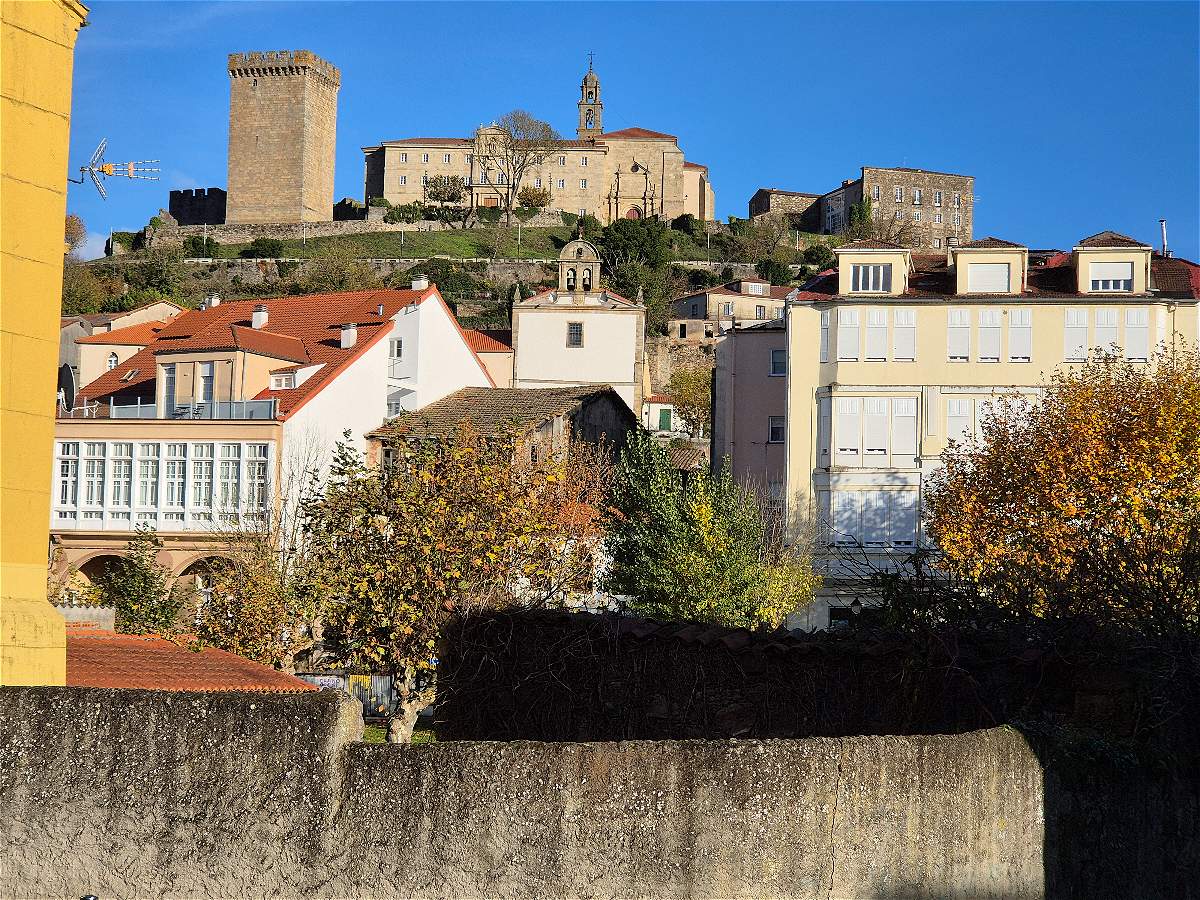 Monforte de Lemos is part of the Ribeira Sacra that stretches along the Miño and Sil rivers and that is famous for its many monasteries. It, also, is a wine region (mostly red wines made, primarily, from Mencia grapes) with a regulatory body and wine museum located in the town of Monforte de Lemos. The town is served by high-speed "ALVIA" trains (i.e., on parts of the route, they are high-speed trains of the slow type) that run between Madrid and Lugo, via Ourense, as well as regional services between Ourense and Lugo or Ponferrada. After leaving Ourense, trains will run along the banks of the Miño River until they reach the valley in which the municipality of Monforte de Lemos sits. The town's name "Monforte" derives from the Latin Mons Fortis (strong mountain), being the Monte de San Vicente de Pino that looks out over the valley between the Sil and Miño rivers. It is thought that "Lemos" derives either from a Celtic word for "fertile land", or from the Celtic tribe of the Lemavos. This tribe from the Bronze-Age period of the culture of forts (castros) whose settlement in the area was the Castro Dactonium that Pliny the Elder mentioned that it was known as "of the pine." This theory that this castro was the Mount of San Vicente del Pino, recently, gained support when remains of a castro were found on the hill. In the Middle Ages, there was a burgh with a castle and Benedictine monastery atop the mount. Large parts of the mediaeval burgh's walls survive. 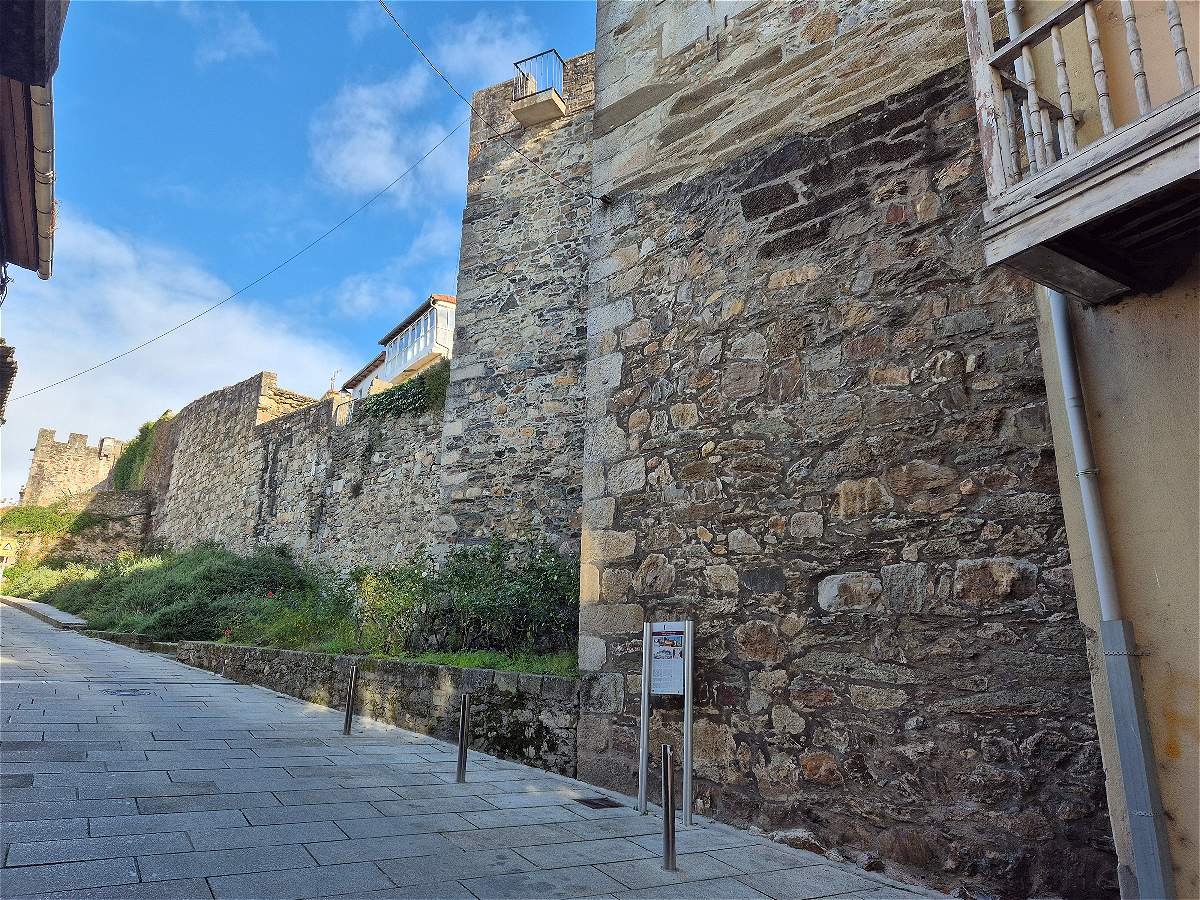 The Monastery of San Vicente del Pino dates to the tenth century and is believed to be the first of the many monasteries that gave rise to the banks of the Miño and Sil becoming known as the Ribeira Sacra. The current monastery dates to the sixteenth and eighteenth centuries. Documents on the foundation the original monastery were lost when a fire devastated the pazo of the Counts of Lemos. Facing the monastery is what remains of the pazo of the Counts of Lemos that belonged one of the most important noble families of Spain. The two buildings, now, house a Parador de Turismo. Next to the monastery stands the keep of the mediaeval castle that adjoined it and a tower of the walls that protected the mediaeval burgh. 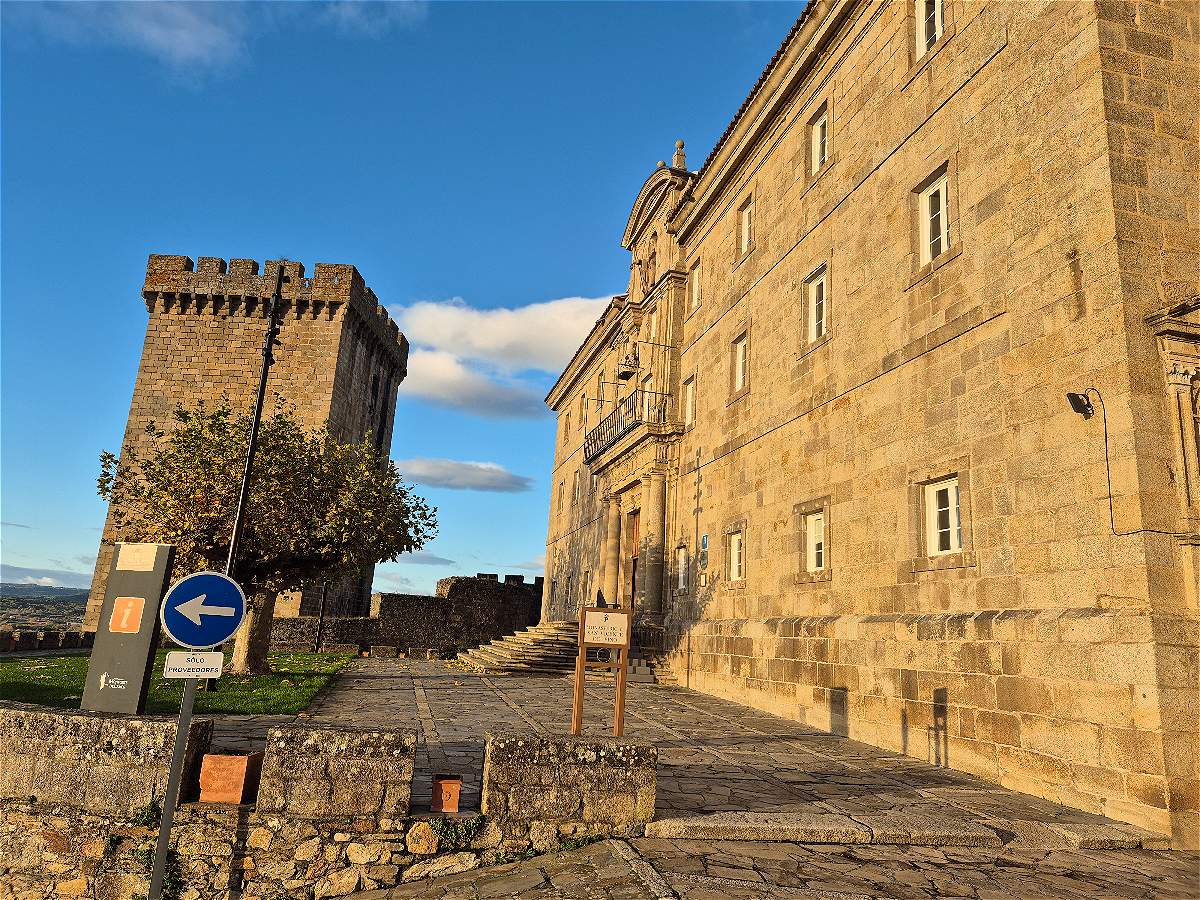 Among the historic buildings that survived the Nopoleonic wars is the large sixteenth-century convent of Nuestra Señora de la Antigua, currently a Piarist educational institution. The Herrerian-style building, frequently, is referred to as the Escorial of Galicia. 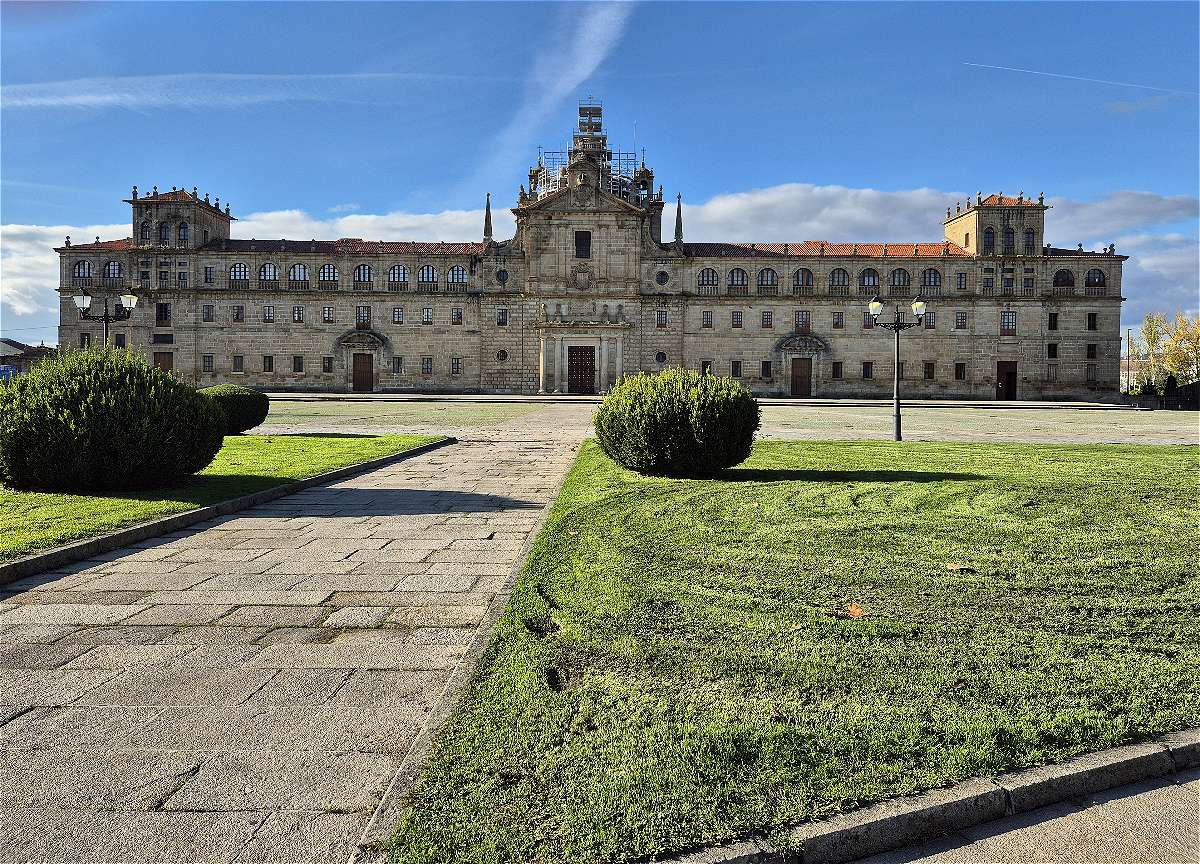 The local post office is just off a main road, a couple hundred metres from the former convent of Nuestra Señora de la Antigua. I took the opportunity to pop in and ask for "D" tariff stamps. Although the staff were convinced they should have some, they could not locate them. 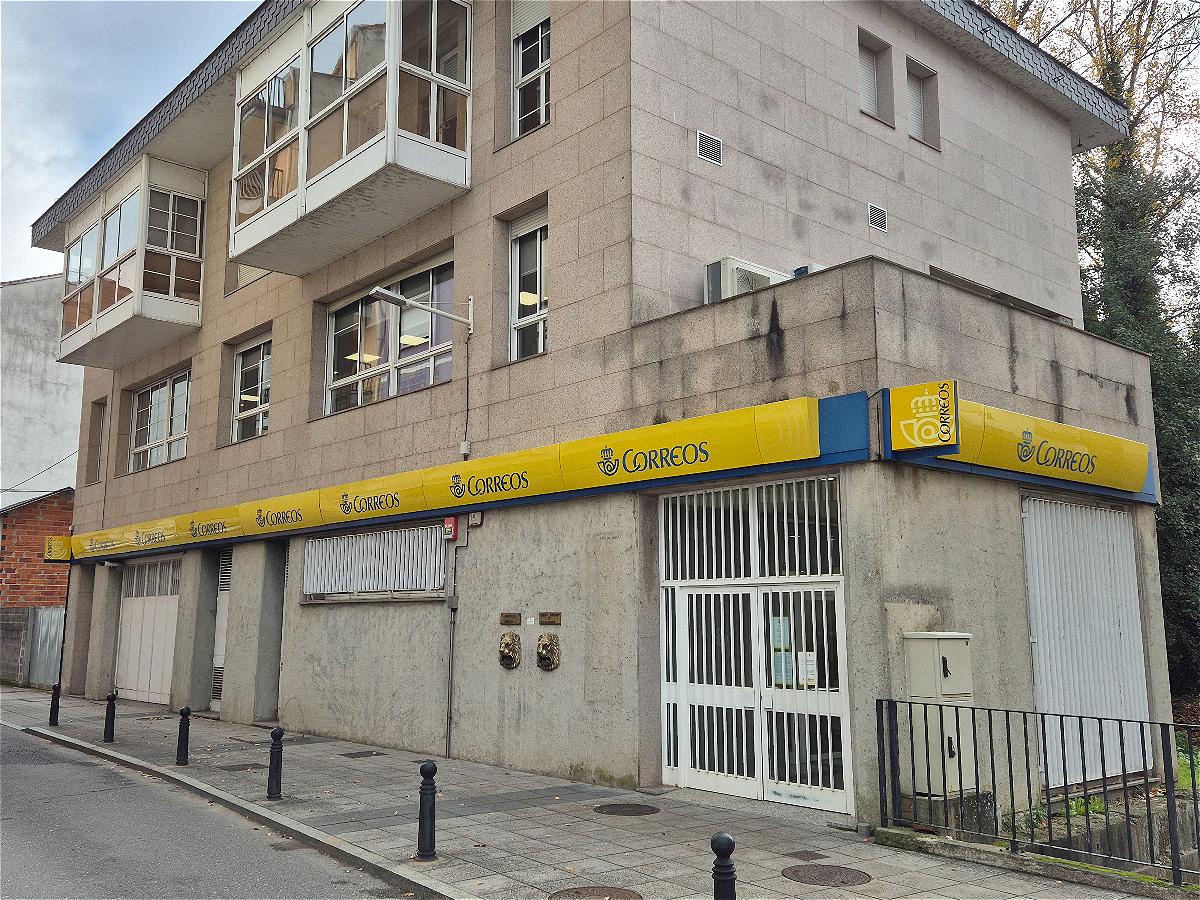 91/5 |
|
Send note to Staff
|
|
|
Valued Member
Philippines
444 Posts |
|
|
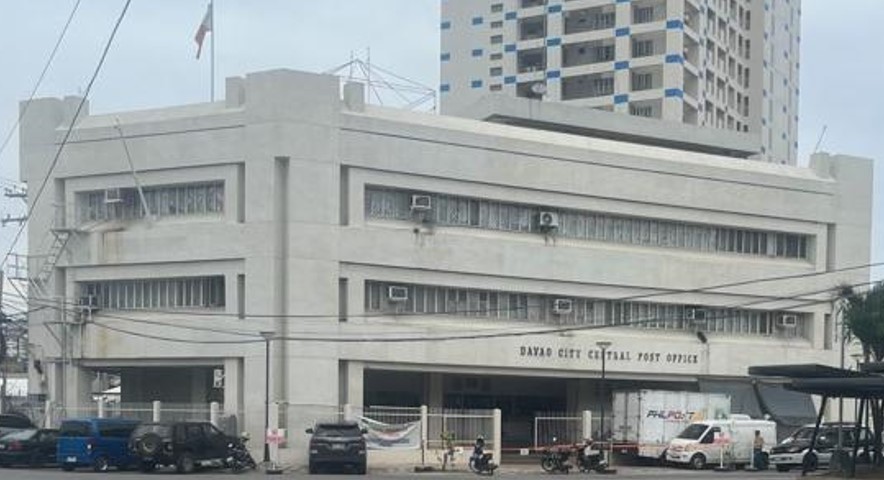 DAVAO CITY CENTRAL POST OFFICE DAVAO CITY CENTRAL POST OFFICEAddress Brgy. 4-A (POB.), Roxas Ave, Davao City, Davao del Sur, Philippines, 8000 This three-storey building was built at a time before electronic gadgets took over communications among the majority of people in the Philippines. I asked my parents do we ever get mail? I had to explain what that meant. I did get a school tour of the building three years ago and there are post office boxes, mostly for businesses and some foreigners. Parcels, registered mail and ordinary mail can be sent from the first-floor wickets. I think more people visit the malls to mail packages and letters. There are booths in Gaisano and Victoria Plaza which are more convenient locations than this building. (Victoria Plaza Mall is closing down this year as the mall is being torn down.) The philatelic bureau is located on the second floor, accessible by the rear door delivery area. From there we were taken to the third floor where in an office file folders were taken out of a safe and we were shown pretty stamps we could buy. Unfortunately, I had no budget for stamps, and I never mail letters anyways. Just some photos from googling the location: 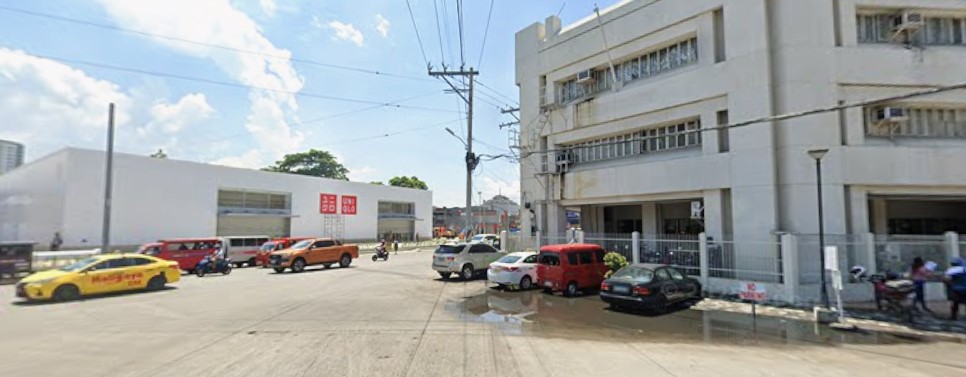 A view of the east side of the Davao City Central Post Office A view of the east side of the Davao City Central Post Office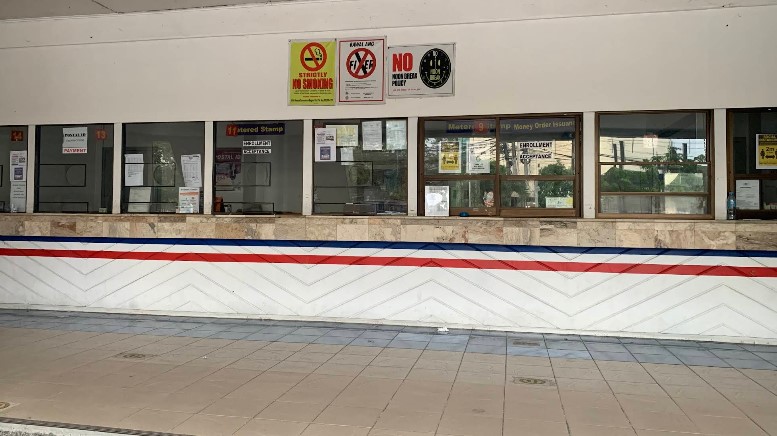 First floor service wickets. First floor service wickets. You are still outdoors, just protected from the rain. 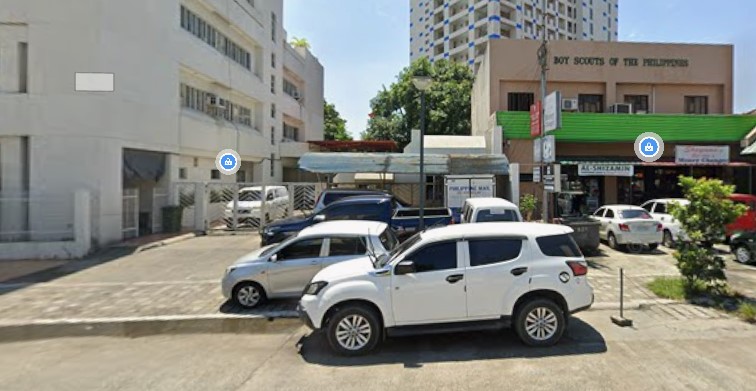 Access to philatelic bureau; Access to philatelic bureau; Report to guard booth at gate; have someone come downstairs to say you wish to come upstairs; get escorted to upstairs via step located just behind where van is parked inside the gate. This is located at the west side of the building next to the headquarters of the Boy Scouts of The Philippines. |
|
Send note to Staff
|
|
|
Pillar Of The Community
Netherlands
6647 Posts |
|
|
La Granja or La Granja de San Ildefonso is a small town in the community of San Ildefonso. Regular busses (currently M3 of Segovia's regional network) from the bus station in Segovia call at one to three stops in La Granja. Bus 12 of the local network, that stops across the road from Segovia's bus station, regularly runs to the high-speed railway station of Segovia - Guiomar (ca. 30 minutes from Madrid Chamartín - Clara Campoamor Station). 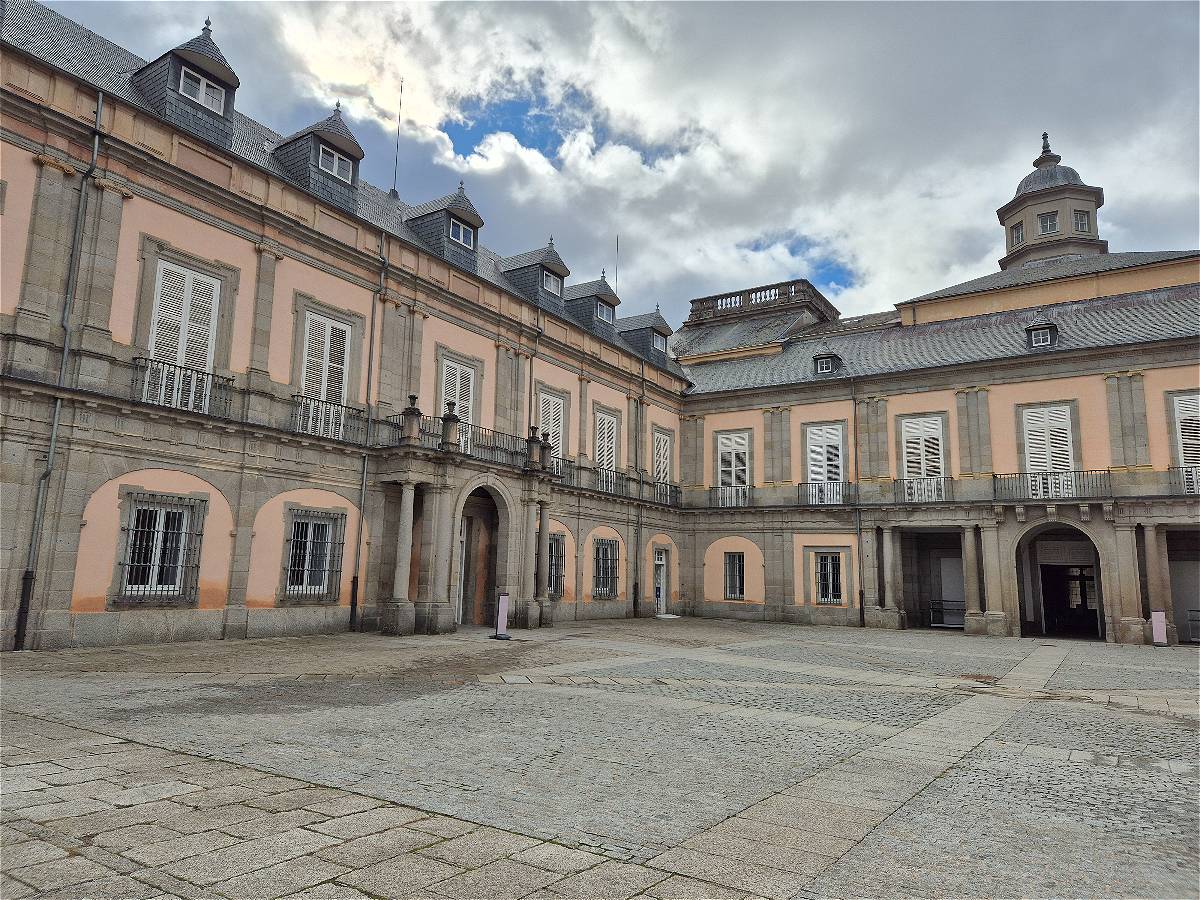 The small town is the site of a royal summer palace. The palace and the town have played their role in Spain's modern history. After a fired ripped through the palace, in 1918, it was no longer used. It, now, is run by Spain's Patrimonio Nacional. It can be visited either with or without a guide. - I did like the guided tour that was in Spanish -. Audio guides are available. The palace was built on the site of a Benedictine monastery for which the Catholic Kings had ceded the grounds. The admittance includes access to the adjoining church that serves as royal pantheon. 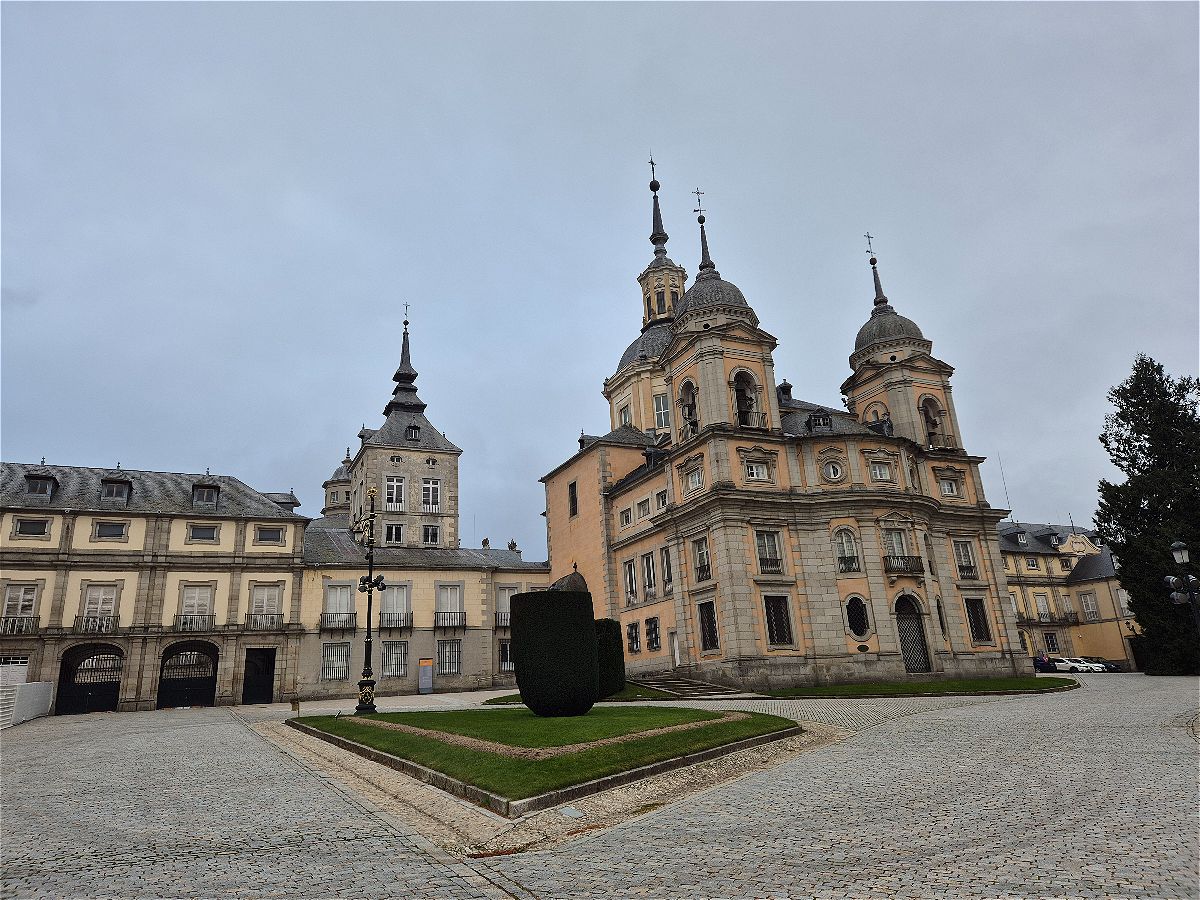 To lower the cost of decorative crystal objects that were imported into Spain, a large Royal Crystal Factory was built just outside the Royal Sitio itself. Cristal chandeliers from the factory can be admired in the palace. The factory itself has a museum. 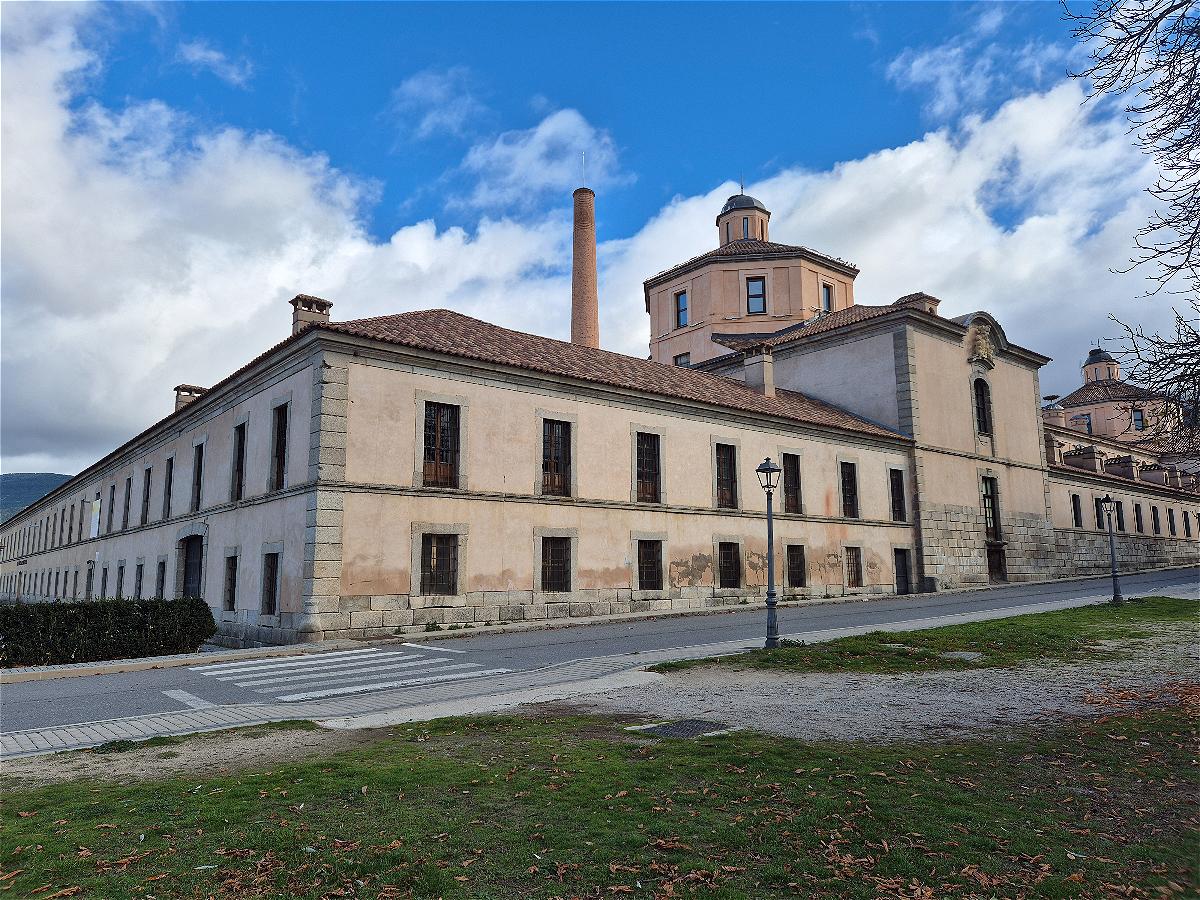 The local post office is located a few hundred metres from the palace, near the tourist office. Both are downhill from the palace within the Royal Sitio itself. Again, the staff was sure they should have "D" tariff stamps but could not locate the stamps. 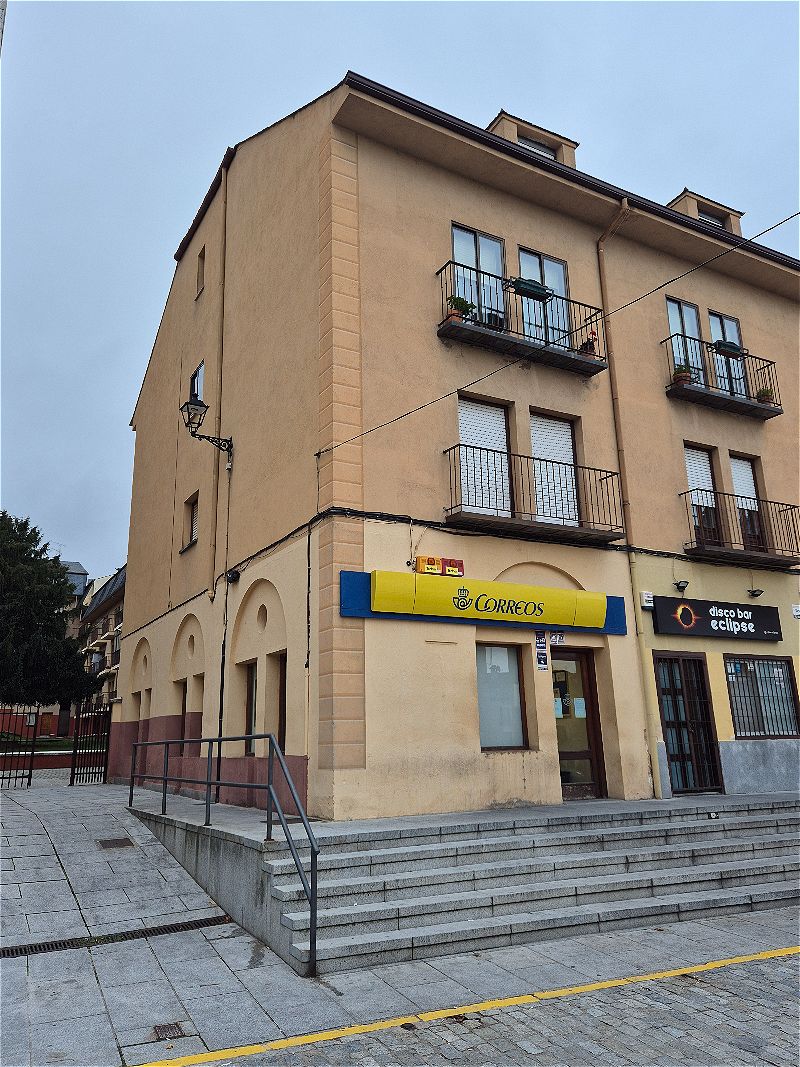 91 2/5 (Oops, lost count a few towns earlier). |
|
Send note to Staff
|
| Edited by NSK - 11/27/2025 06:42 am |
|
|
Valued Member
United States
109 Posts |
|
|
Pillar Of The Community
Netherlands
6647 Posts |
|
|
Cahors is the administrative centre of the Lot department in the Occitanie Region. It sits on a meander in the River Lot, some 100 kilometres due north of Toulouse. Several regional "lio" trains take just over 1:30 hours from Toulouse - Matabiau Station (direct bus connects the international airport of Blagnac where you might see one of the Airbus Beluga transport aeroplanes depart or arrive). Slightly quicker are the few daily intercity trains that run between the Toulouse Matabiau and Paris Austerlitz Stations. 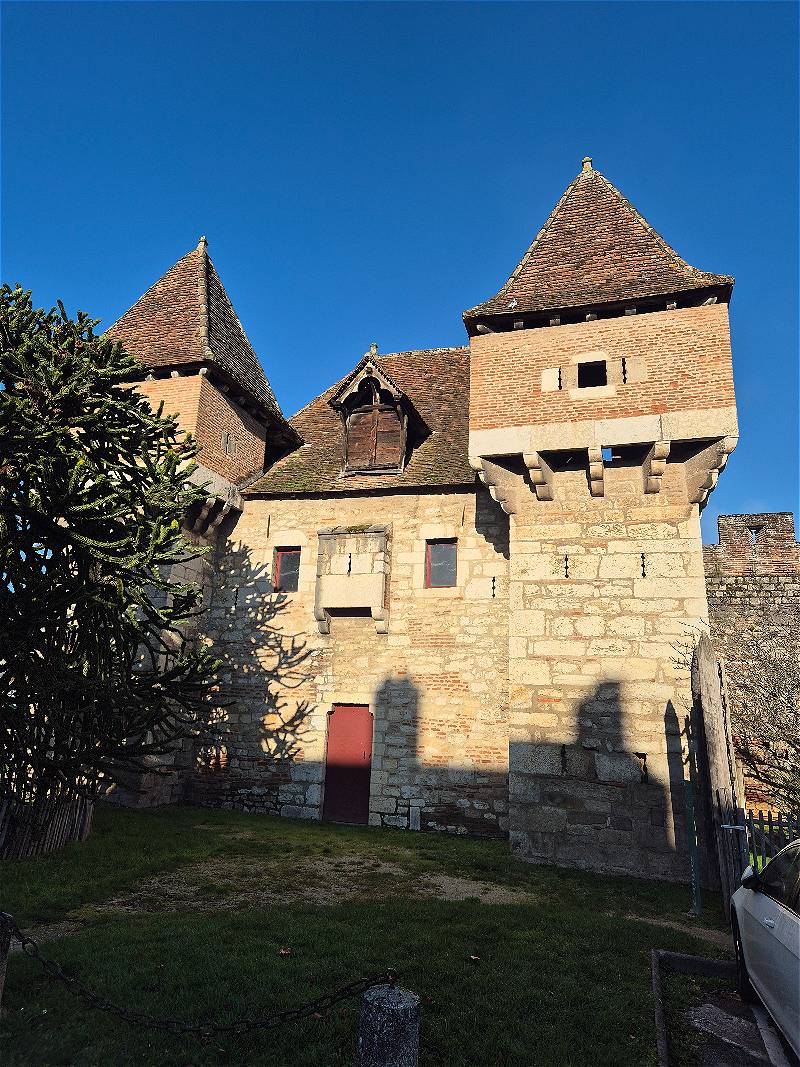 The mediaeval town was protected by the river on three sides and a wall of which a tower, a barbican (above) and sections of the curtain wall survive. 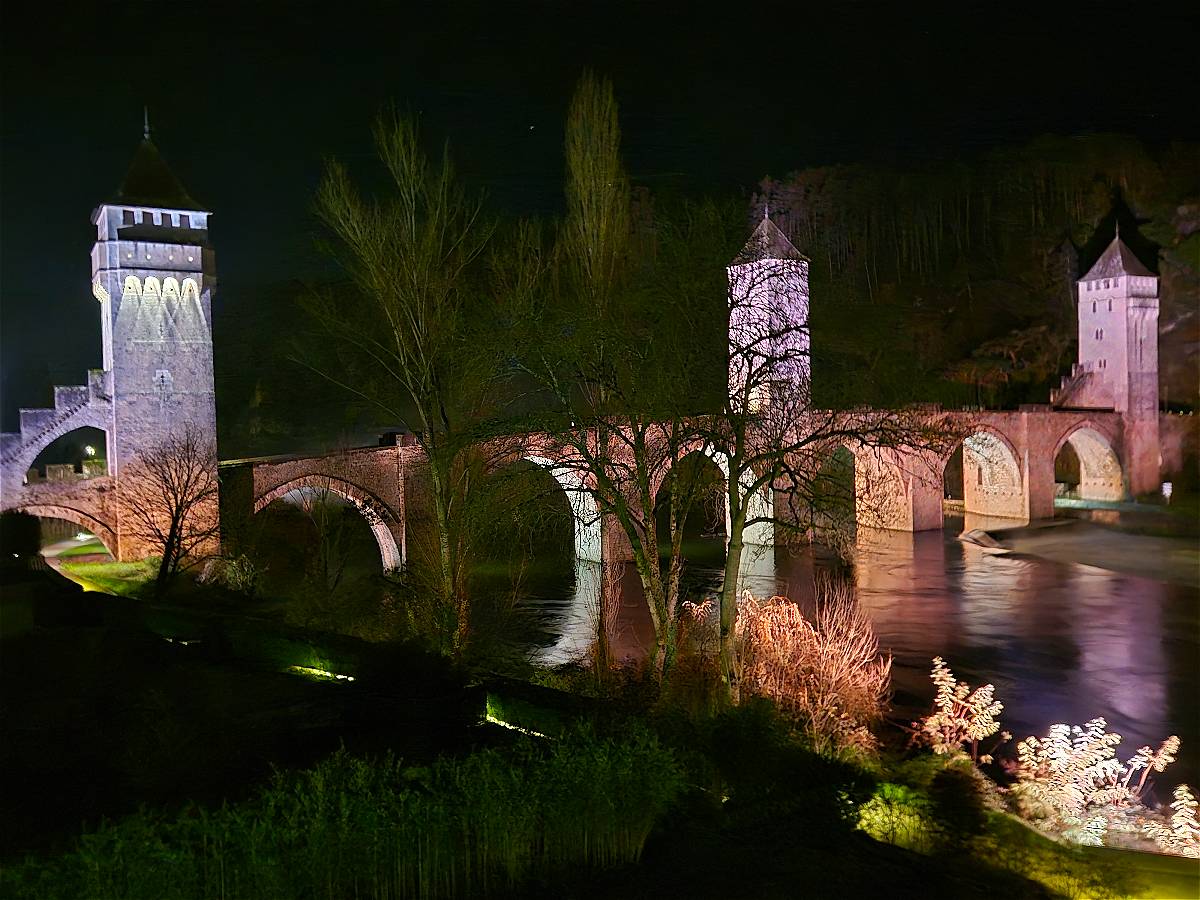 The Pont Valentré (14th century) with its three defensive towers is the sole surviving mediaeval bridge across the Lot and listed as Unesco World Heritage (all rooms of the Best Western Plus Divona Hotel have above view of the bridge.) 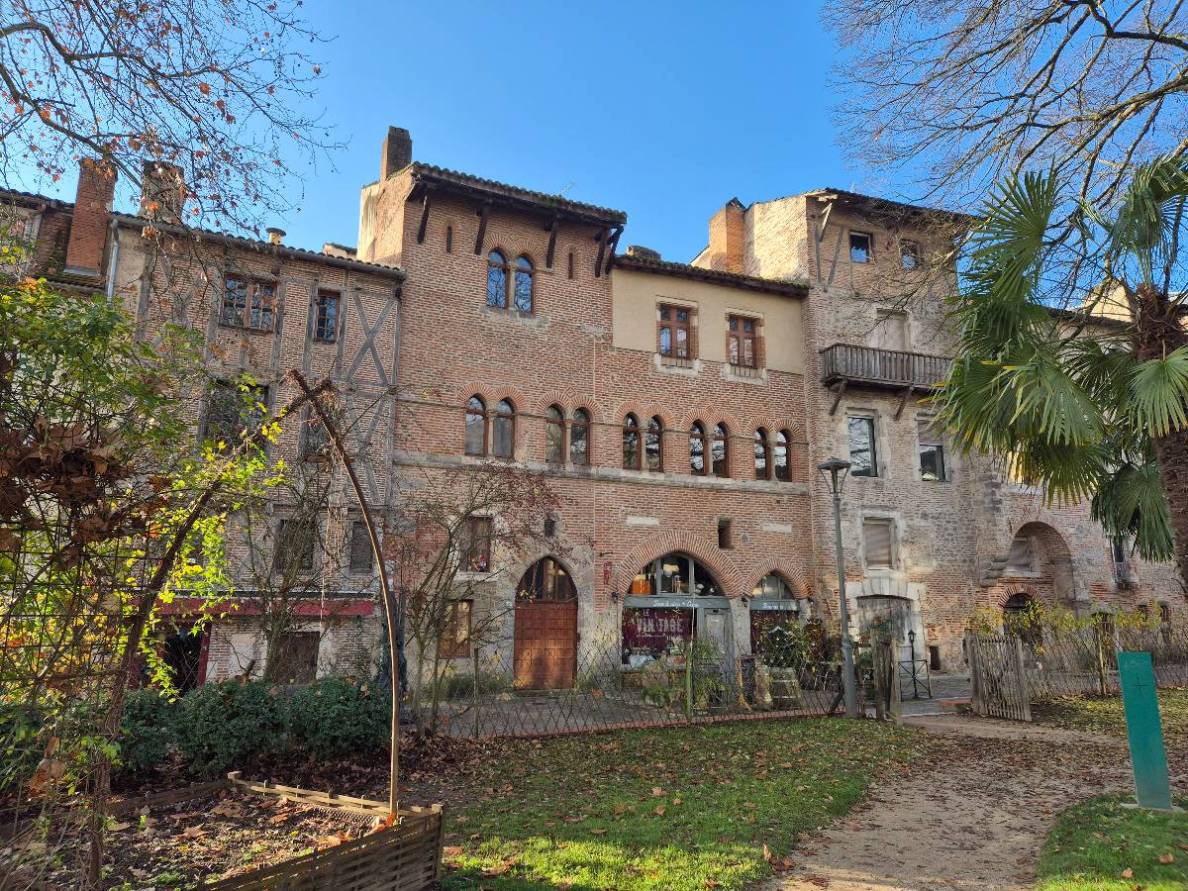 The old town preserves several mediaeval buildings. Among these are half-timber houses. When walking through the narrow streets, it pays to look up, as some buildings preserve richly decorated Gothic and Renaissance windows. Just outside the old town are vestiges of the Gallo-Roman town of Divona. 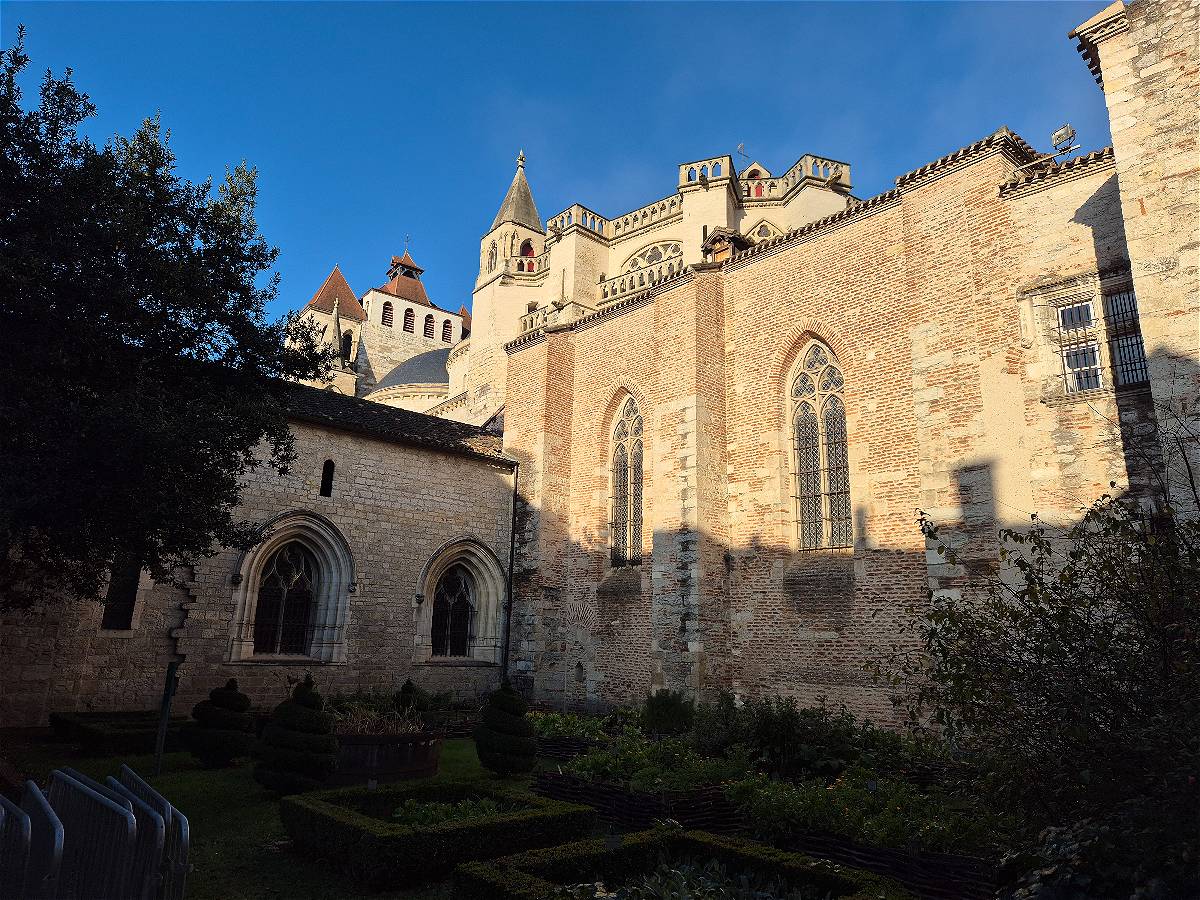 The Romanesque cathedral (view from the courtyard of the archdeacon's mansion) is one of the cathedrals on the French pilgrims' routes to Santiago de Compostela that Unesco lists as World Heritage (as appear to be all mediaeval cathedrals in the South). 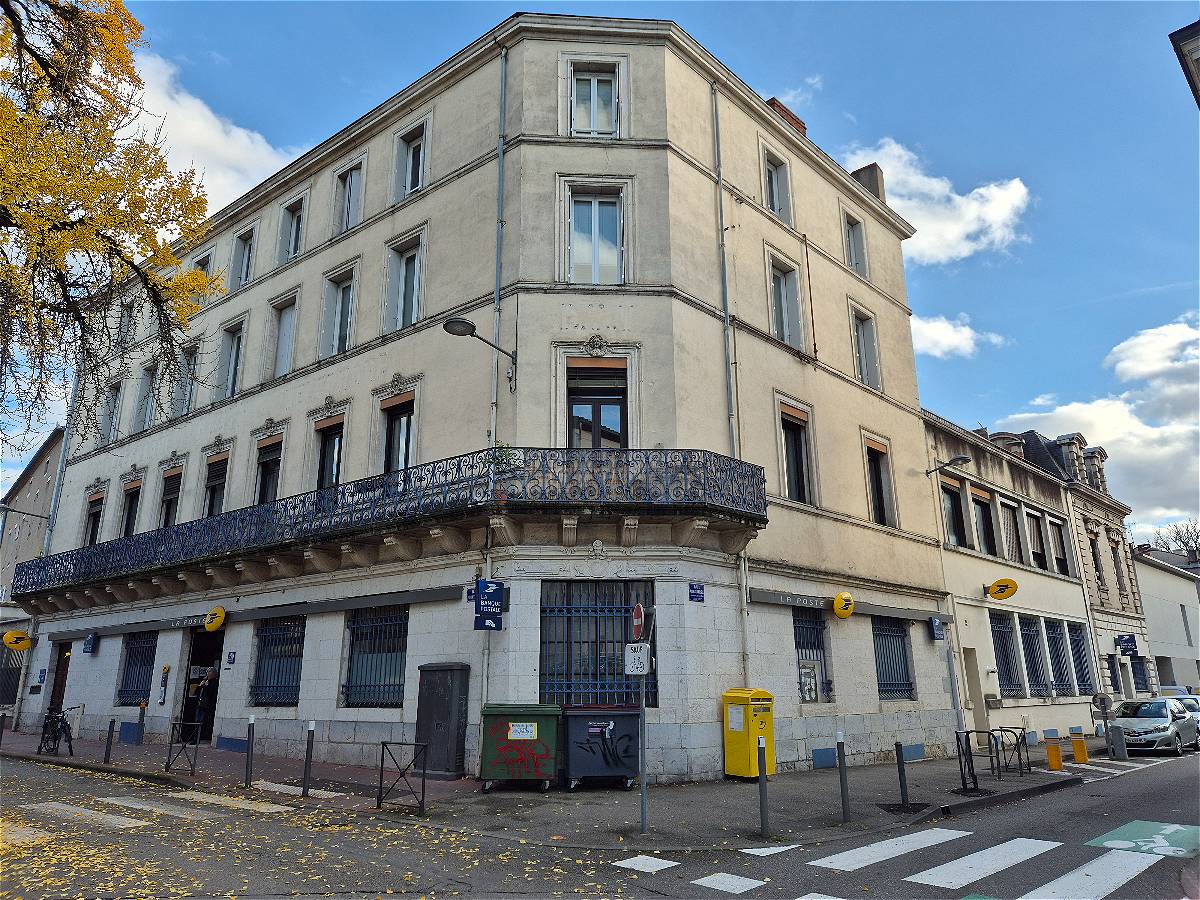 The post office is about midway between the road between Pont Valentré and the Town Hall. I popped in to buy stamps to stick on postcards to France and /foreign countries across three continents. 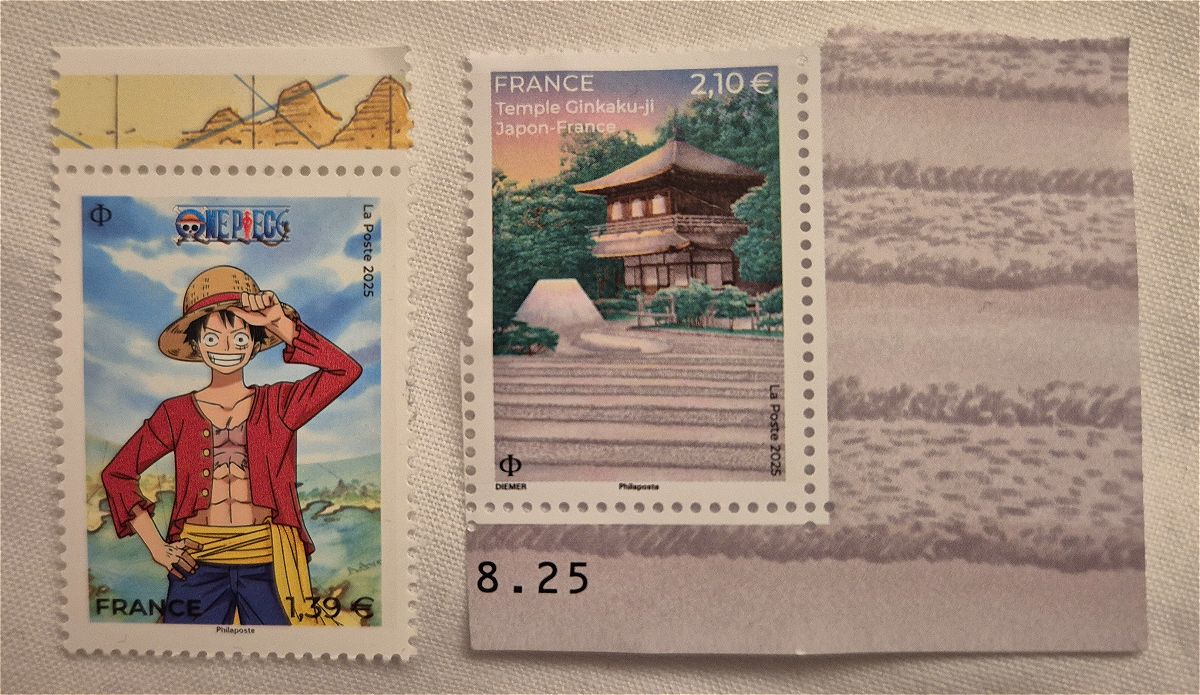 Cahors, also, is a controlled designation of origin for wines from grapes grown around the town. Cahors wines have been known since Roman times. 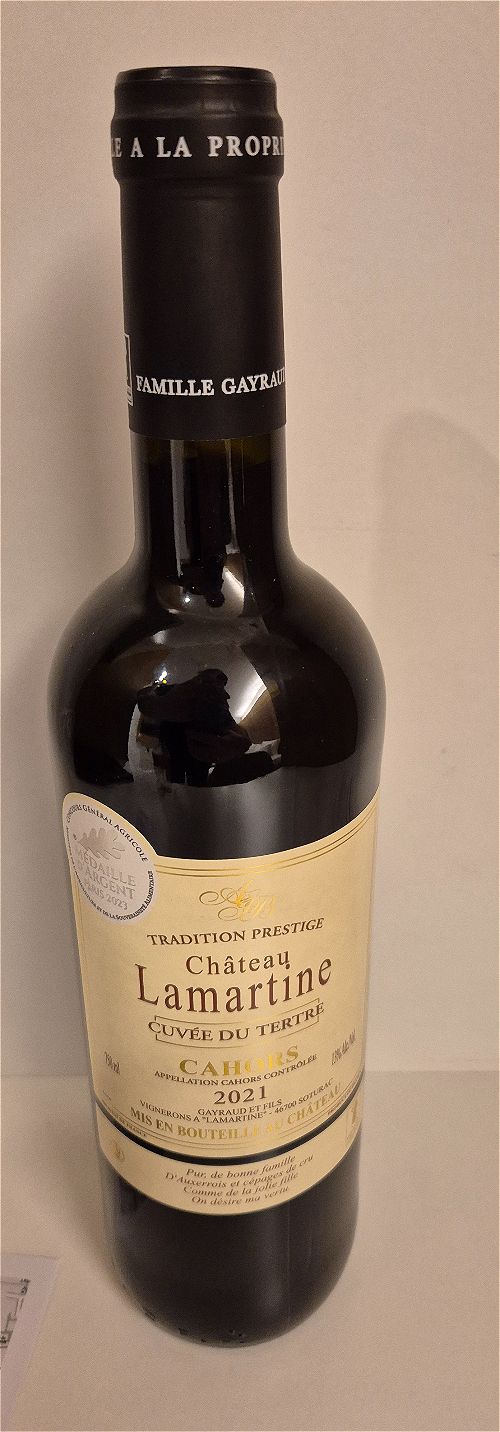 92/5 |
|
Send note to Staff
|
| Edited by NSK - 12/16/2025 2:12 pm |
|
|
Pillar Of The Community
Netherlands
6647 Posts |
|
|
Madrid, Avenida de AméricaUnless you are travelling on a high-speed service, trains in Spain are not considered the most comfortable mode of transport. The geography and geology, often require long detours. Although seating has improved over the last few decades, it is not always comfortable, especially if the ride takes many hours. Busses tend to be much quicker and more comfortable than media distancia and regional trains. Although, for any person of northwest European average male height or taller, leg room might be a little tight. Throughout Madrid, there are several hubs (Méndez-Álvaro / Sur, Principe Pío, Moncloa, Avenida de América) where long-distance busses and the local transport (metropolitan railway, local railway, local and regional busses) connect. The Intercambiador Avenida de América, where the nr. 200 airport bus departs or terminates, serves the northeast of Spain. Opposite the entrance to this hub is a post office. And 'Hurray!', it had an ample supply of D-tariff stamps. Waiting for my bus to Medinaceli, I popped out to replenish my stock of these stamps. 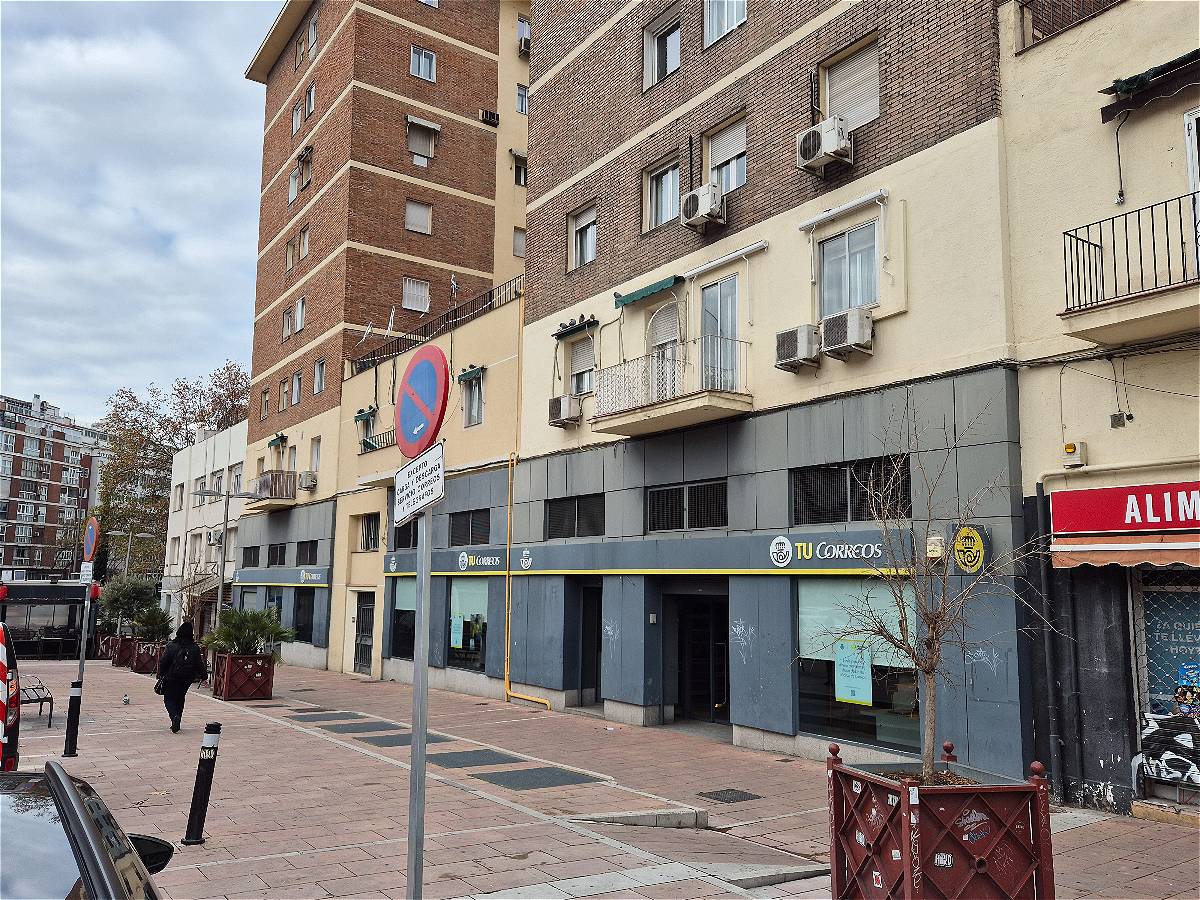 93/5 |
|
Send note to Staff
|
|
|
Pillar Of The Community
Netherlands
6647 Posts |
|
|
Latisana is a small town in Friuli. Regional express trains between Venice Santa Lucia and Trieste Centrale stations call at the town's station (Latisana Lignano Bibione) that is approximately midway between these cities. The trains also call at Mestre, from where you can catch the very frequent airport express bus to Venezia - Marco Polo Airport and (less frequently) Treviso Airport (low-cost airlines fly there, calling it Venice Airport). 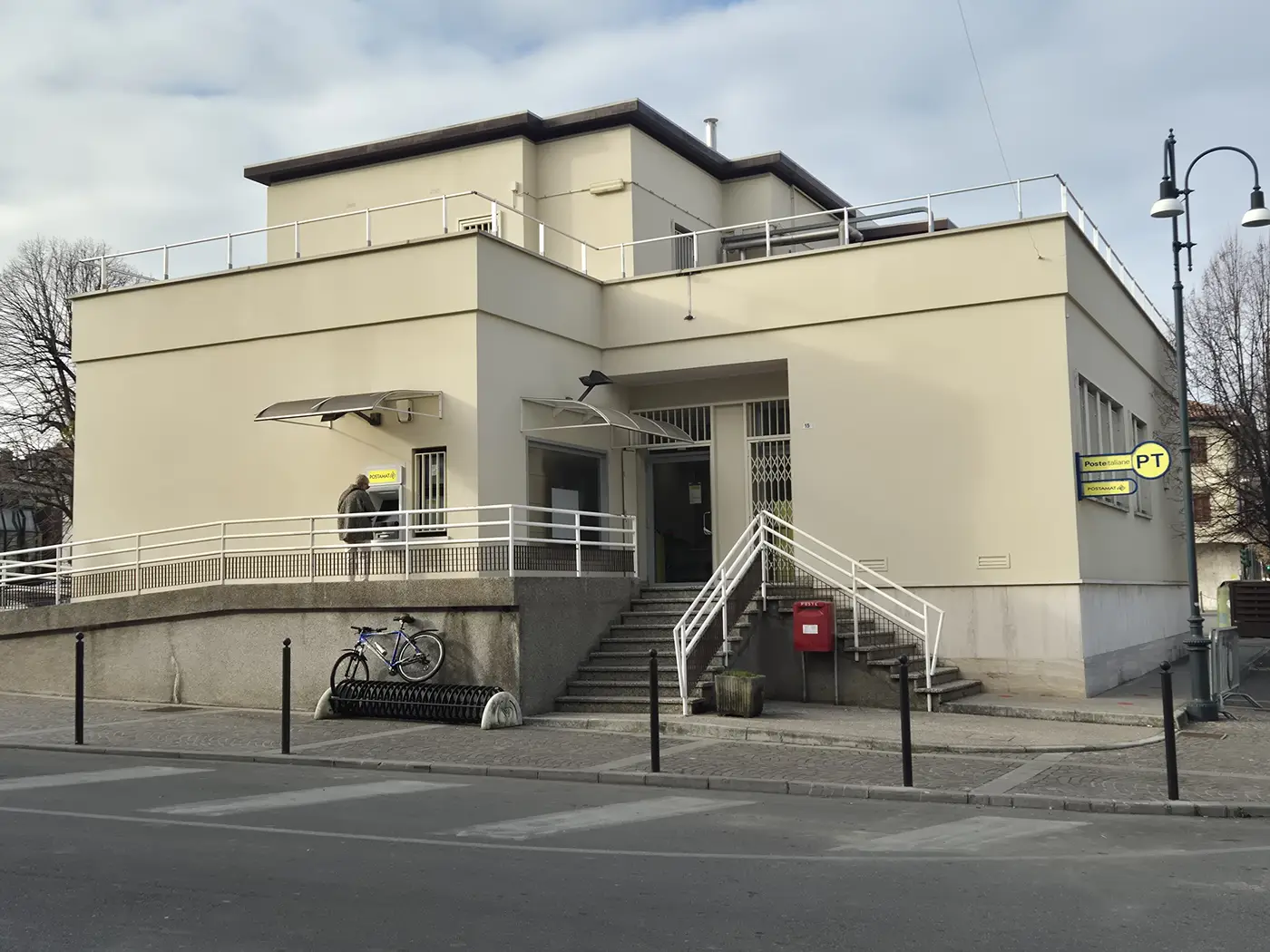 The town sits on the bank of the Tagliamento River that is the border between the Veneto and Friuli - Venezia - Giulia regions (contrary to what the latter name suggests, Venice is in the first and not the latter region). In the Middle Ages, the town was governed by the Earls of Gorizia, who sold it to the Venetian nobleman Bartolomeo Vendramin, in1467. As a result, it became a possession of the Most Serene Republic until it was conquered by Napoleon. 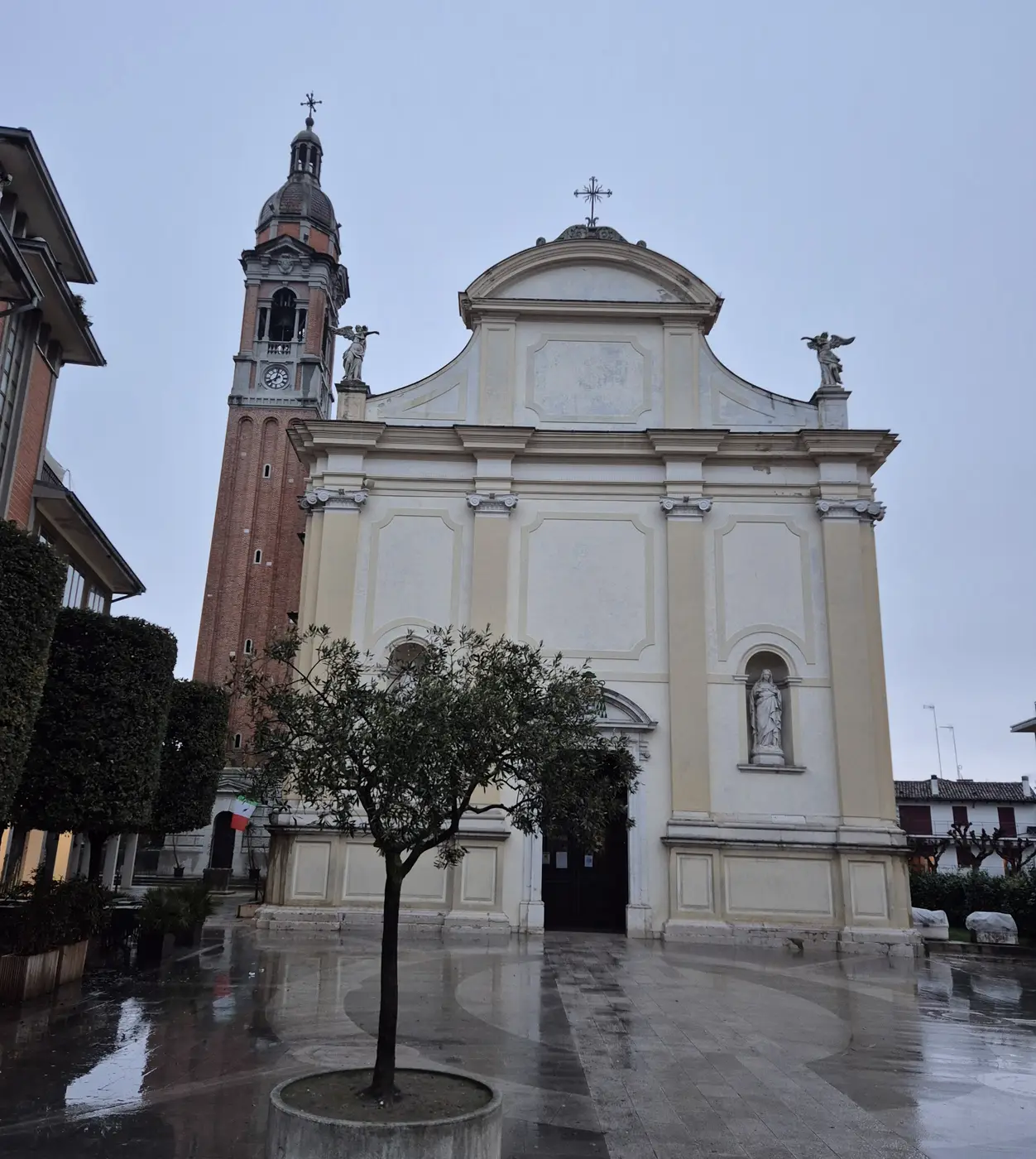 The main sight is its Duomo of Saint John the Baptist. Probably of late-Romanesque origin, it was rebuilt in Renaissance style and remodelled in Baroque style. Next to it stands a free-standing bell tower in Venetian style. It guards an altar painting by Paolo Veronese from 1567. Some easily excited travel blogger mentioned it as one of the most interesting historic towns near Venice. In reality, there is little more to see. The old town that is a street was heavily damaged during the warand little remains of the Venetian palaces. 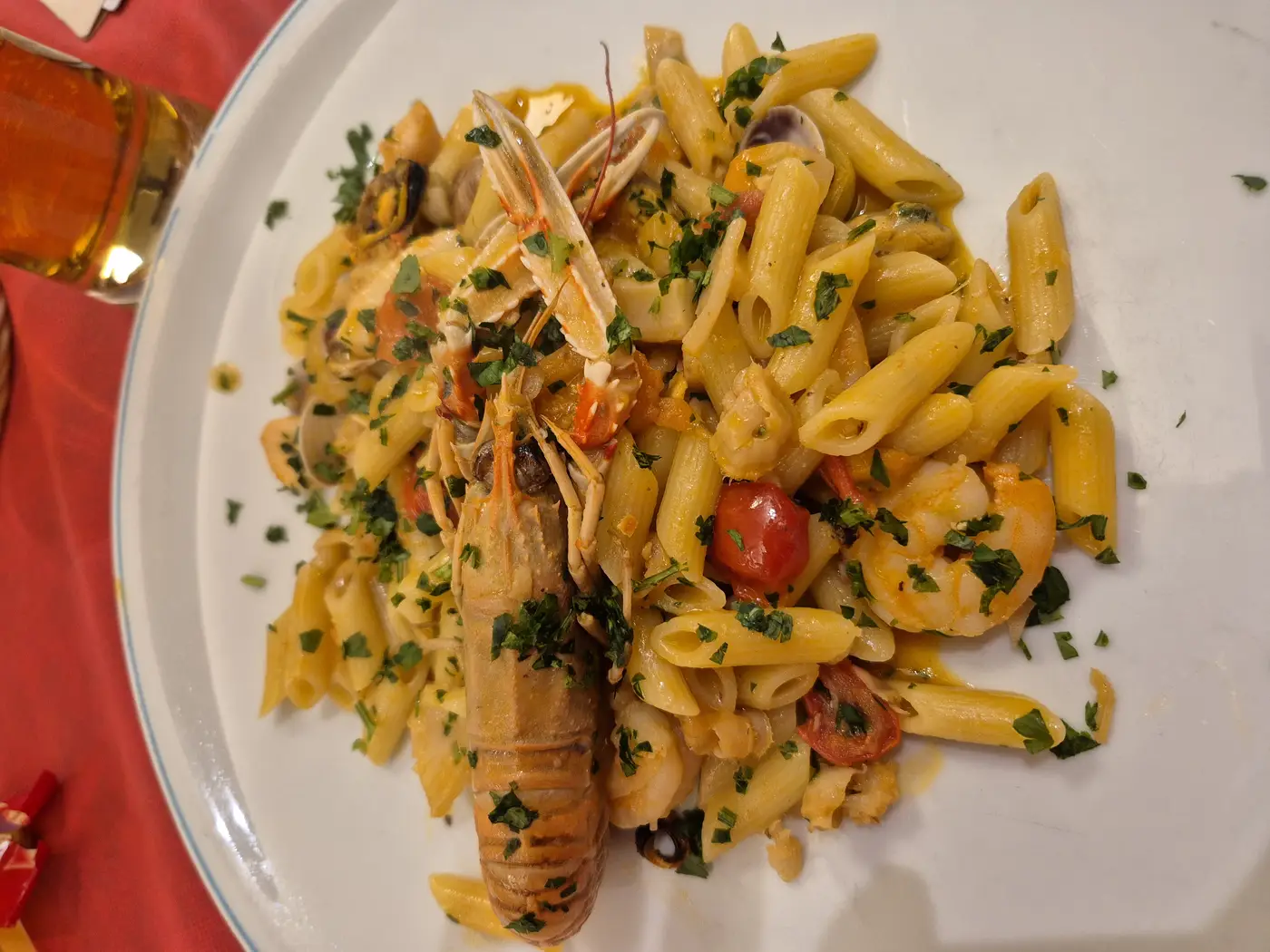 Still, the hotel next to the duomo serves excellent food at a very reasonable price. 94/5 |
|
Send note to Staff
|
|
|
Pillar Of The Community
Netherlands
6647 Posts |
|
|
Tábor is a small town in the South Bohemia Region (Jihocesky Kraj). It was founded by radical Hussites (later known as Taborists) who settled on the hill where King Presmysl Otokar II built Kotnov Castle, in the thirteenth century. The town was named after the biblical mount Tabor in Israel.  Kotnov Castle (remodelled) with Bechinská Gate Kotnov Castle (remodelled) with Bechinská GateThe town lies some 80 kilometres south of Prague. Hourly express trains connect Prague Hlavní Nádrazí and Tábor, taking just under 1:15 hour. A few intercity trains take just over an hour, without intermediate calls. The station lies about 1½ kolomtres from old town. 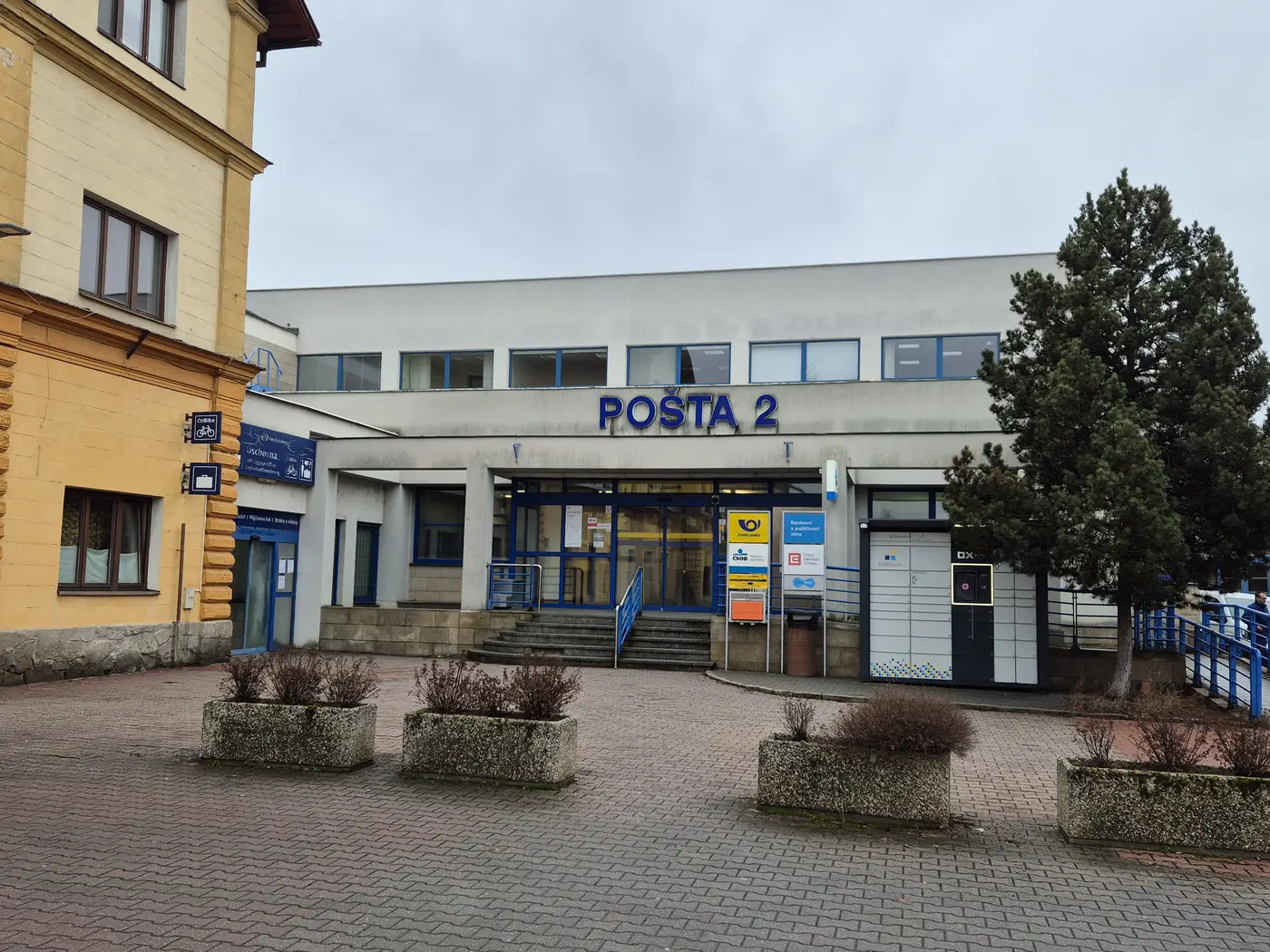 The number 2 post office (do not ask me where the number 1 post office is, at the tourist office in the old town - below picture on the right -, they emphasised the number 2 one was nearest to the old town) is located next to the train station (look left when exiting the station).  Town hall on the central square Town hall on the central squareThe town was founded in the spring of 1420. It was devasted by two town fires in the middle of the 16th century. The many historic structures in the old town, centred around a large central square were built in late-Gothic and Renaissance styles. 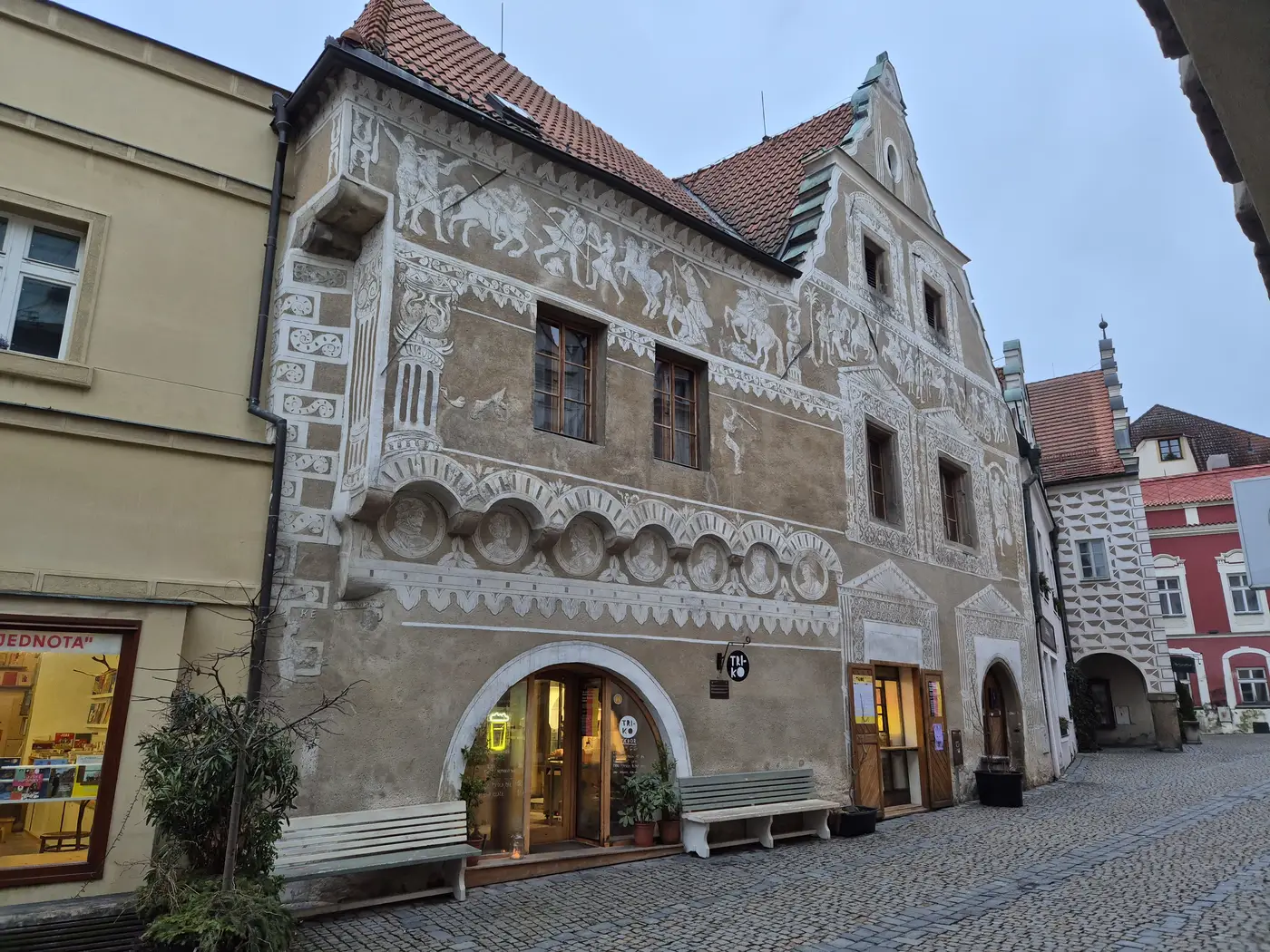 Many like the Stárek House above, that is one of the most exemplary examples of a burgher house with sgraffito façade, have sgraffito decorations. 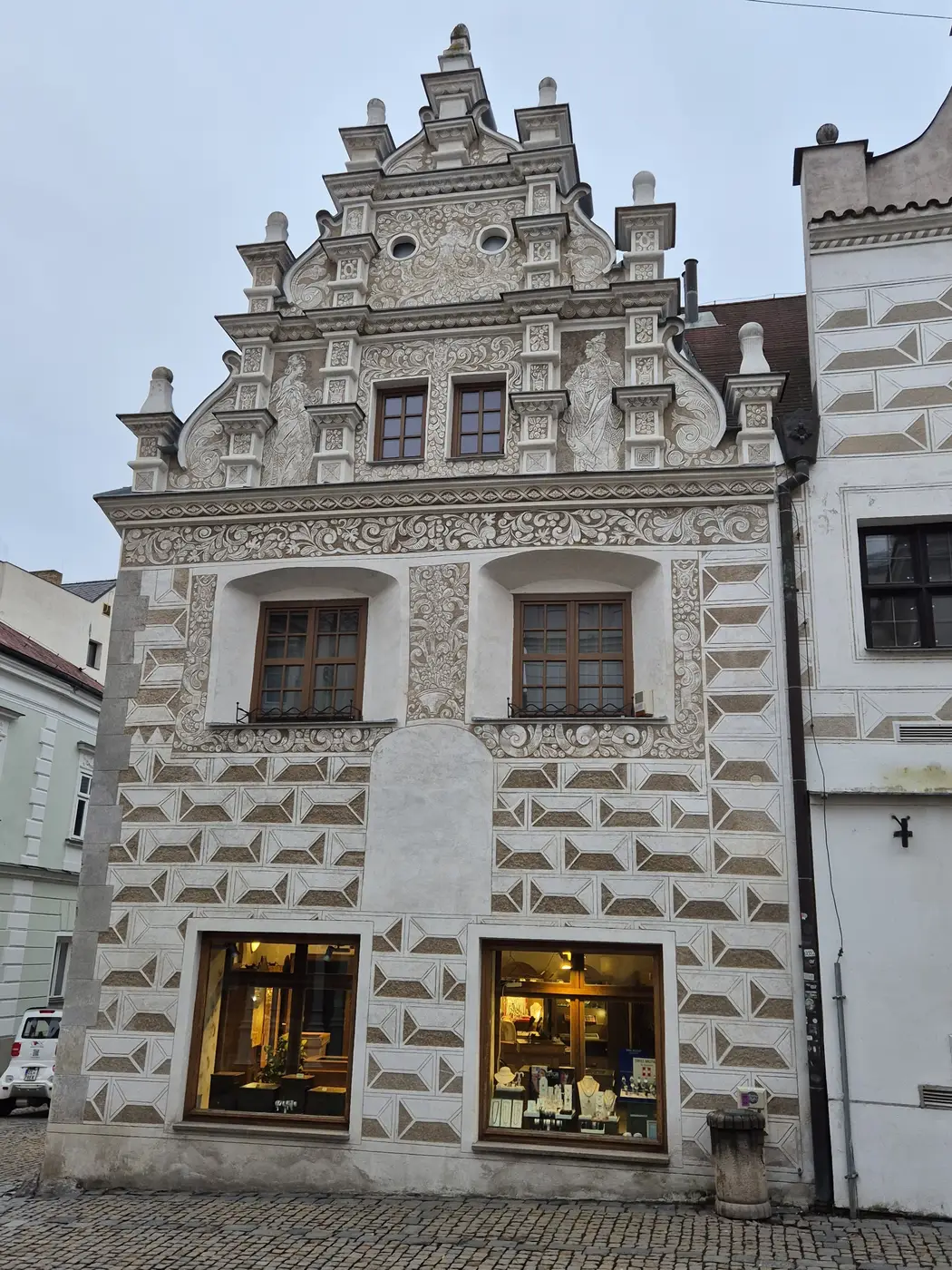 The houses have gables in different styles. One of the most outstanding houses has a Flemish Renaissance gable. 95/5 |
|
Send note to Staff
|
|
|
Valued Member
United Kingdom
391 Posts |
|
|
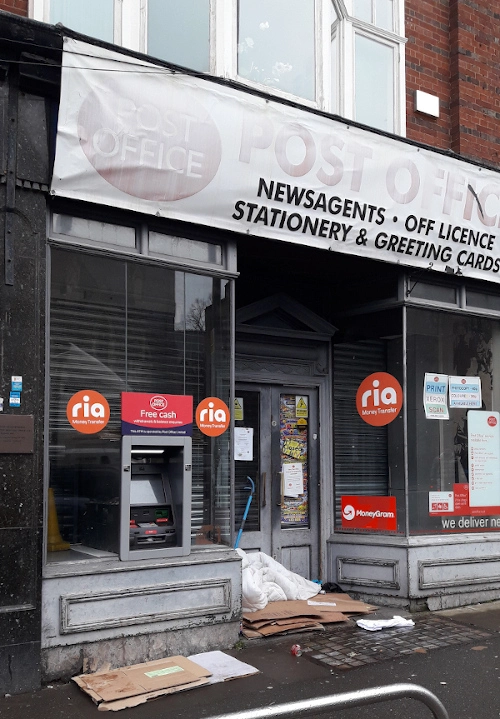 A temporarily-closed post office repurposed as a shelter. Not sure if the cash machine's still working. The shop frontage is a 1980s facsimile of a Victorian shopfront. |
|
Send note to Staff
|
|
|
Pillar Of The Community
Netherlands
6647 Posts |
|
|
Lleida is the capital of the eponymous province in Cataluña. The city, a gateway to the Pyrenees, sits about midway between Barcelona and Zaragoza on the Segre River. By road, the distance to Barcelona is 159 kilometres. Very frequent high-speed trains from Barcelona – Sants Station to Madrid Atocha – Almudena Grandes Station take just over an hour to get there. From Madrid, they take circa 2:30 hours. 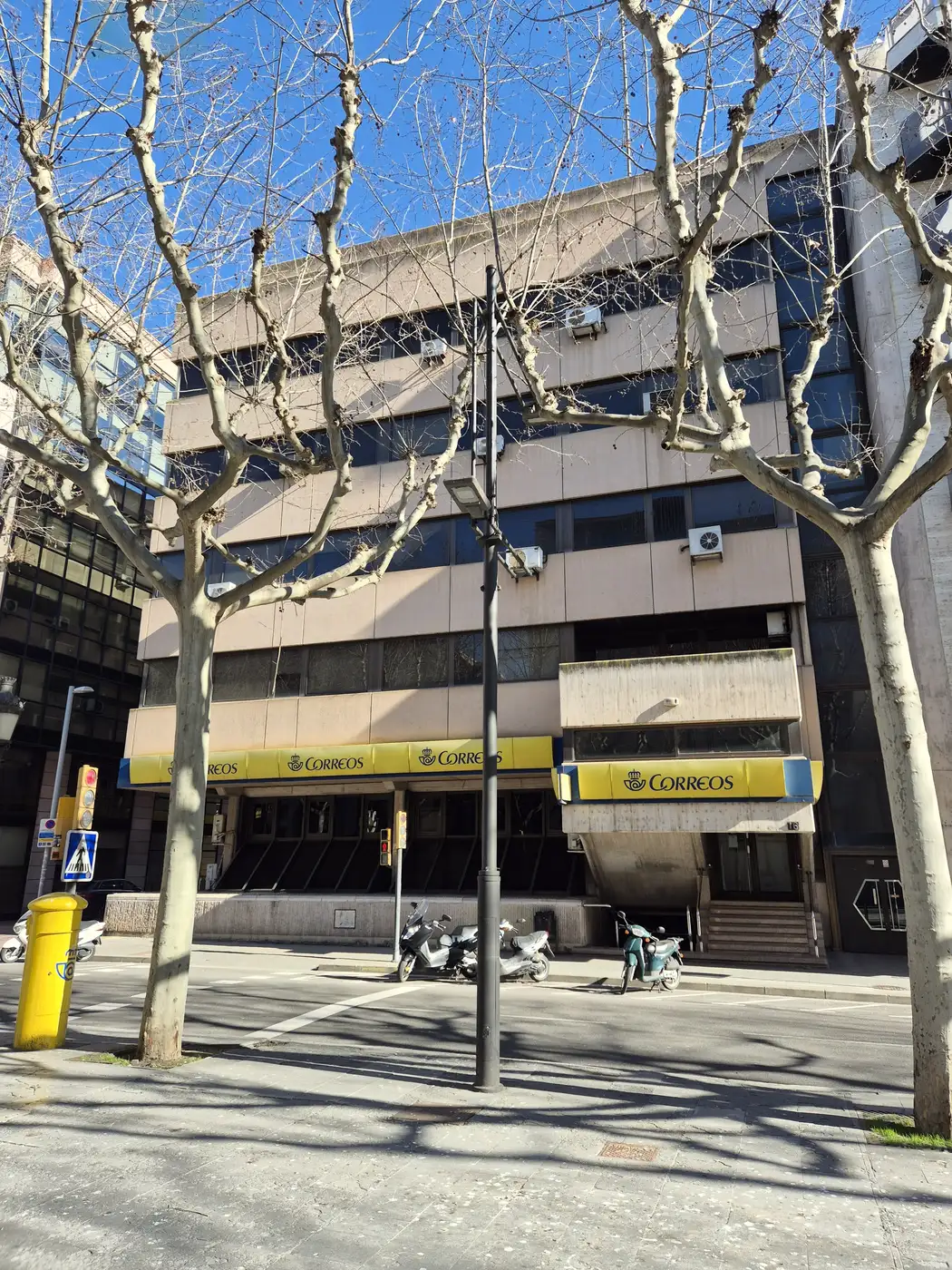 The post office stands on the main road that runs parallel to the main pedestrian thoroughfare. On the pedestrian thoroughfare stands the Palacio de la Paeria; i.e., the town hall. The paeria was a privilege granted to the city by King Jaime I of Aragón, in 1264. The Catalan- Gothic palace that was first constructed in the twelfth century was ceded to the town council in 1383. 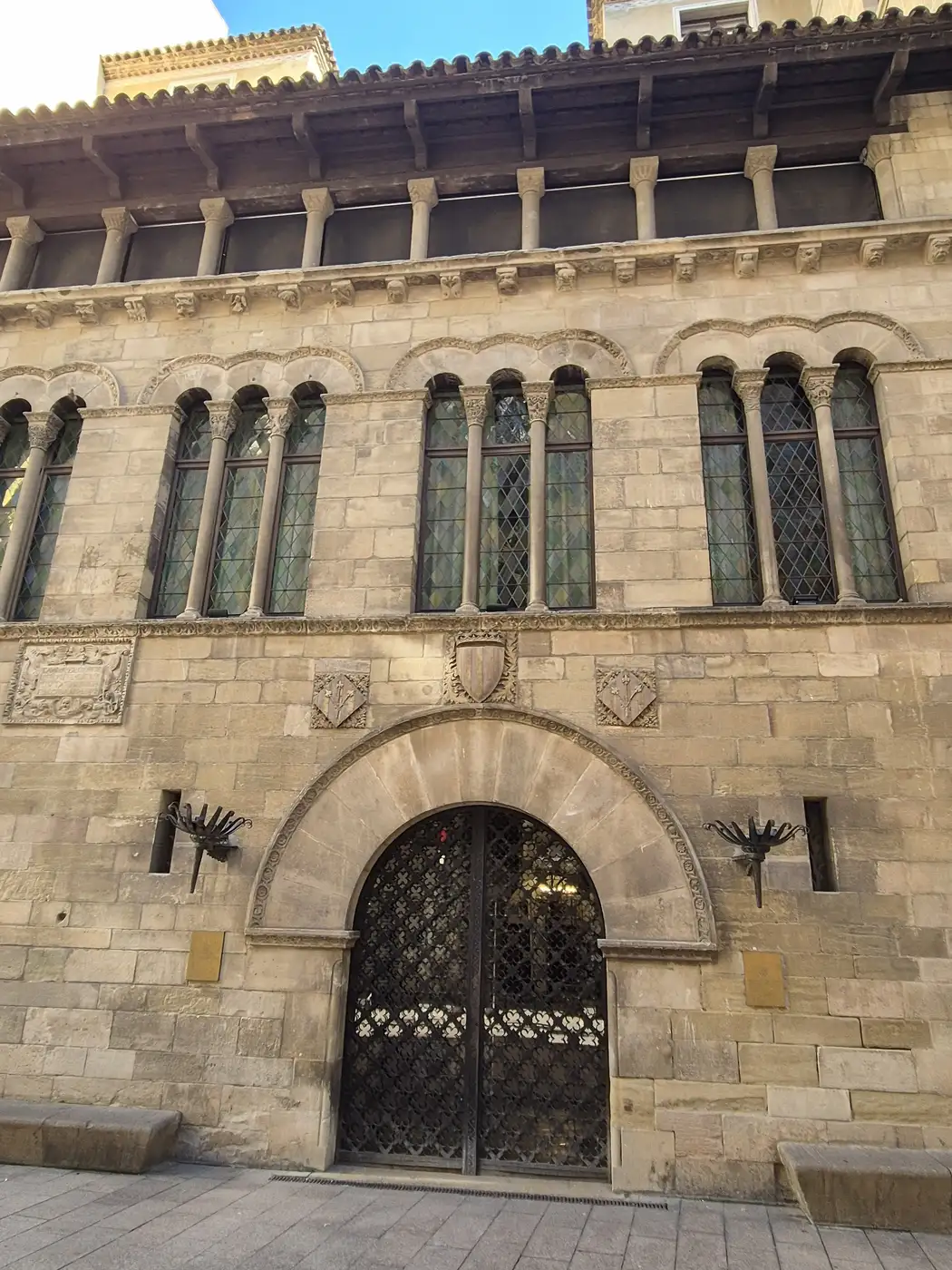 The main sight of the city, however, is its old seu (cathedral) that stands on a hill, high above the city. The cathedral was built in Romanesque style with Gothic vaulted ceilings during the thirteenth century. 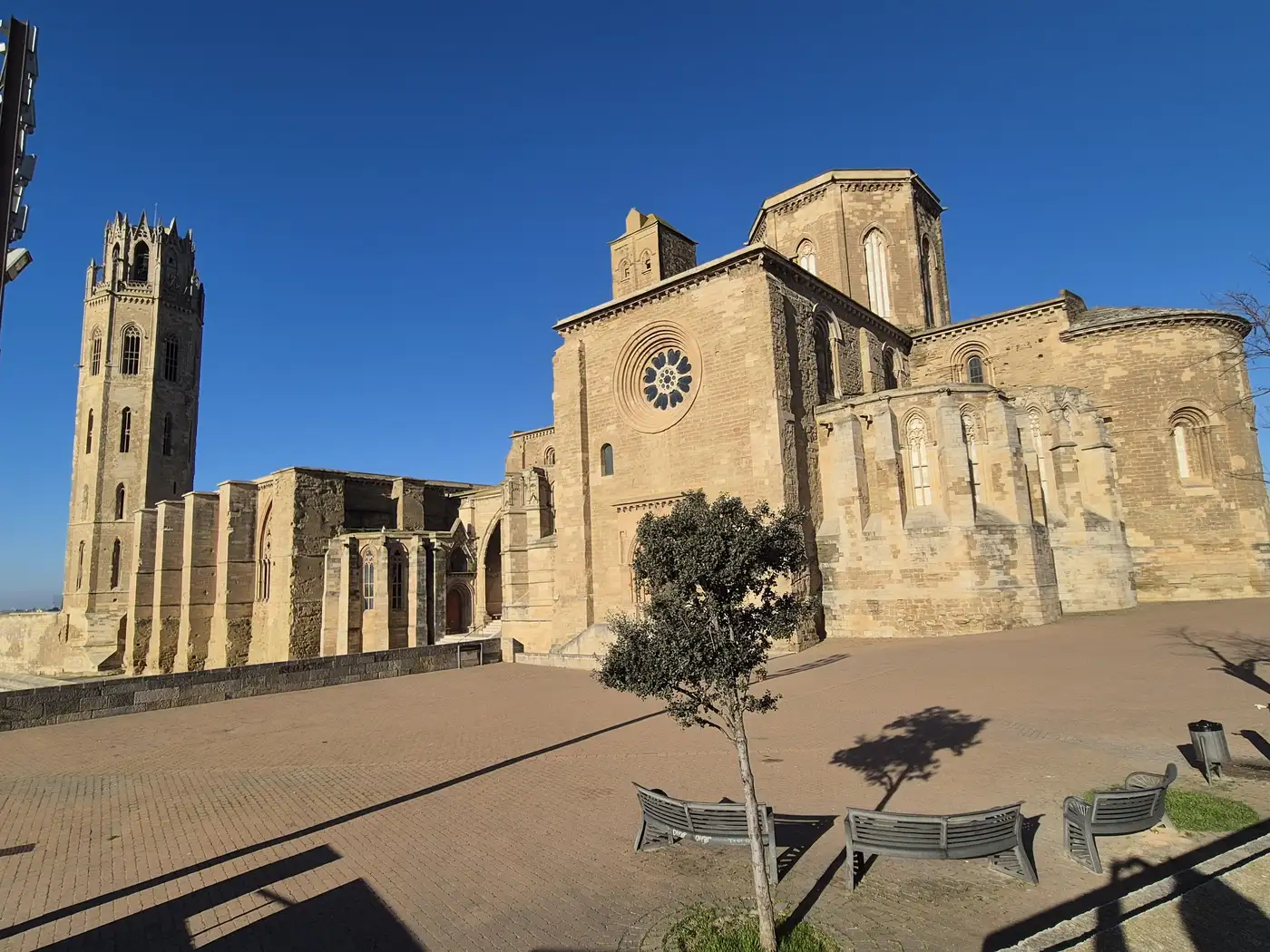 The cathedral was the centre of a strong fortress that sat atop the hill. When the city was conquered by the Bourbon troops during the War of Succession, King Felipe V ordered it to be demolished. His order was not executed. Instead, the cathedral was converted into military barracks and served as such until 1947. 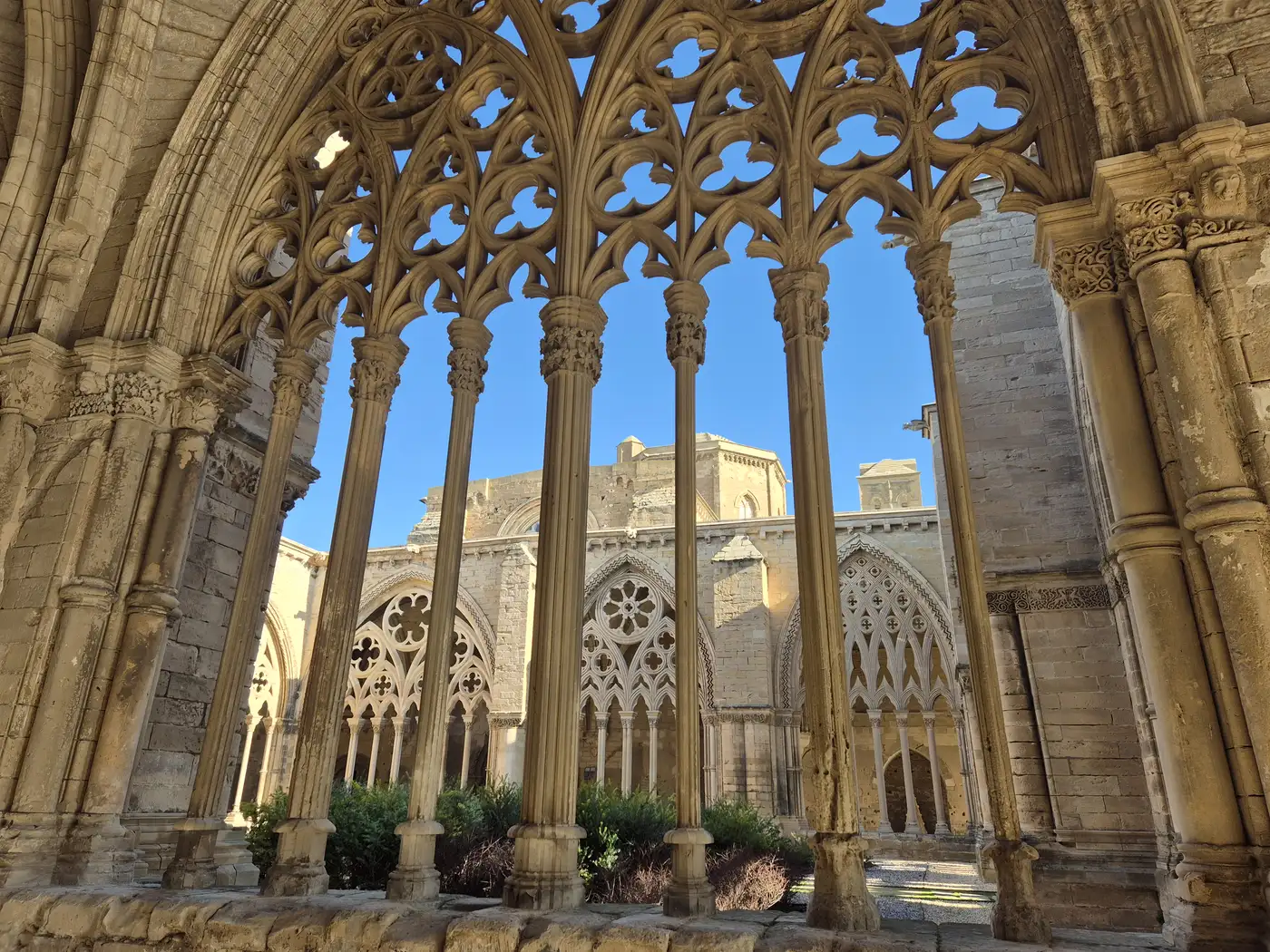 The heavily damaged structure has been restored since. Its Gothic cloisters are among the largest in Europe. Unusually, the cloisters were built in front of the main entrance to the cathedral, because of lack of space. One of the wings has tracery windows on the outside that look out over the city. 96/5 |
|
Send note to Staff
|
|
|
Pillar Of The Community
Netherlands
6647 Posts |
|
|
Tangermünde sits on the bank of the Elbe River, about 114 kilometres due east from Berlin. Highspeed "ICE" trains connect nearby Stendal with most major cities in Germany. All of these connect it with Berlin in one or the other direction. The journey takes between 50 and 60 minutes. An hourly service runs between Stendal Hbf. and Tangermünde, taking under 15 minutes to do so. The station (do not alight at Tangermünde West) is 600 metres from the old town. 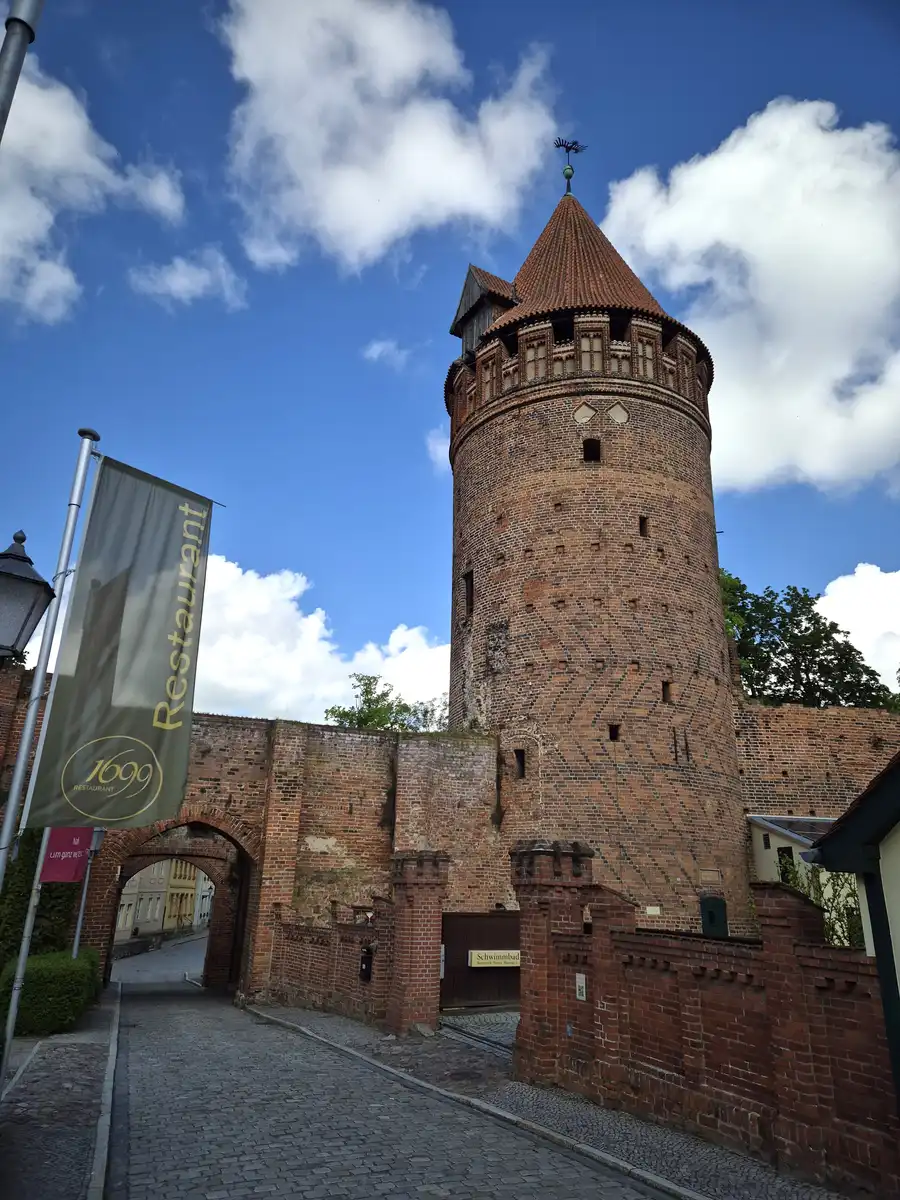 Already in the year 1009, there is mention of a castle on a rock at the confluence of the Tanger (Tangermünde mean Tanger Mouth) and Elbe. It became a residence for Margraves of Brandenburg. In the fourteenth century, Holy Roman Emperor Charles IV frequently used it as secondary residence away from Prague. From 1415, it became the main residence of the Margraves and Prince-electors of Brandenburg. The first mention of the town of Tangermünde dates to 1275. 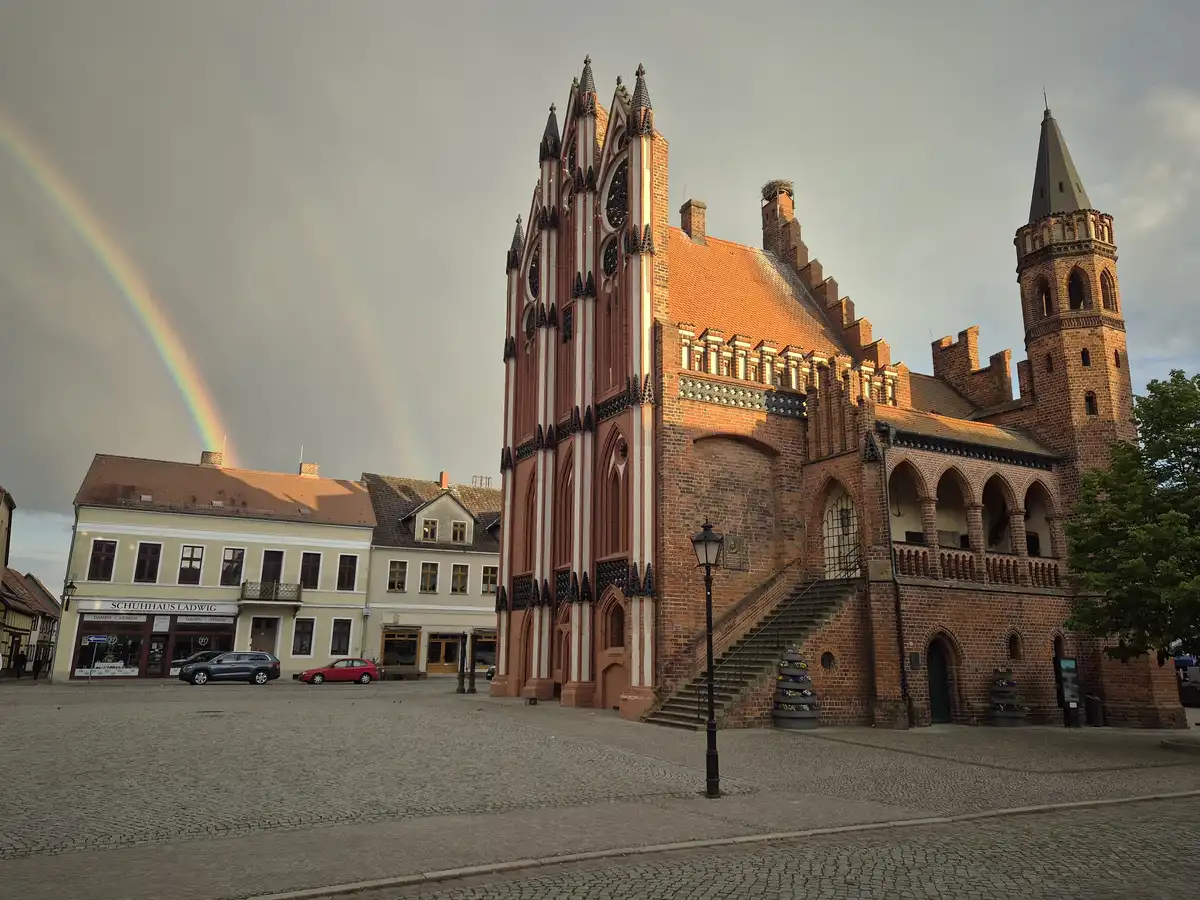 The town that was a member of the Hanseatic League experienced its "Golden Age" during the fifteenth century. From that time, it preserves its brick-Gothic town hall and parish church. 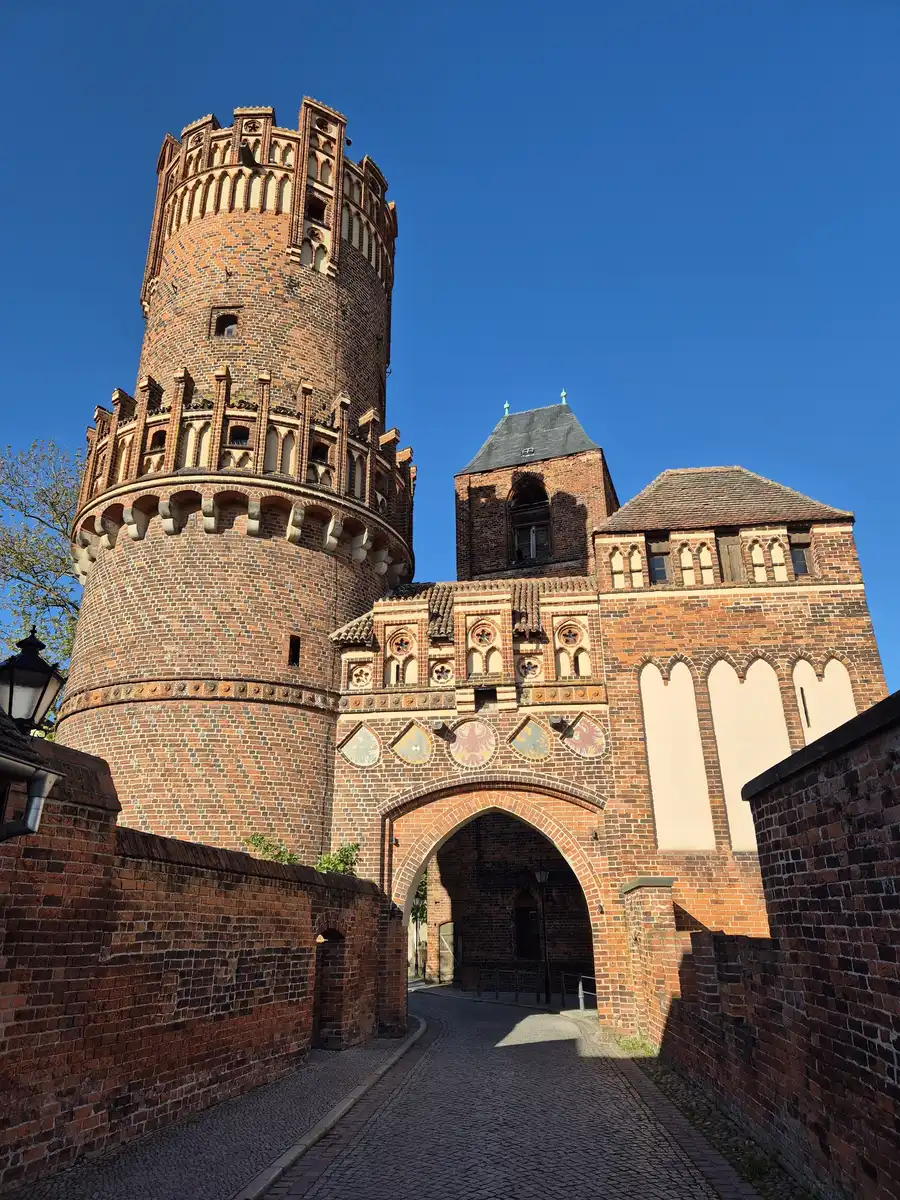 The fifteenth-century town wall with its towers and gates has almost fully been preserved. 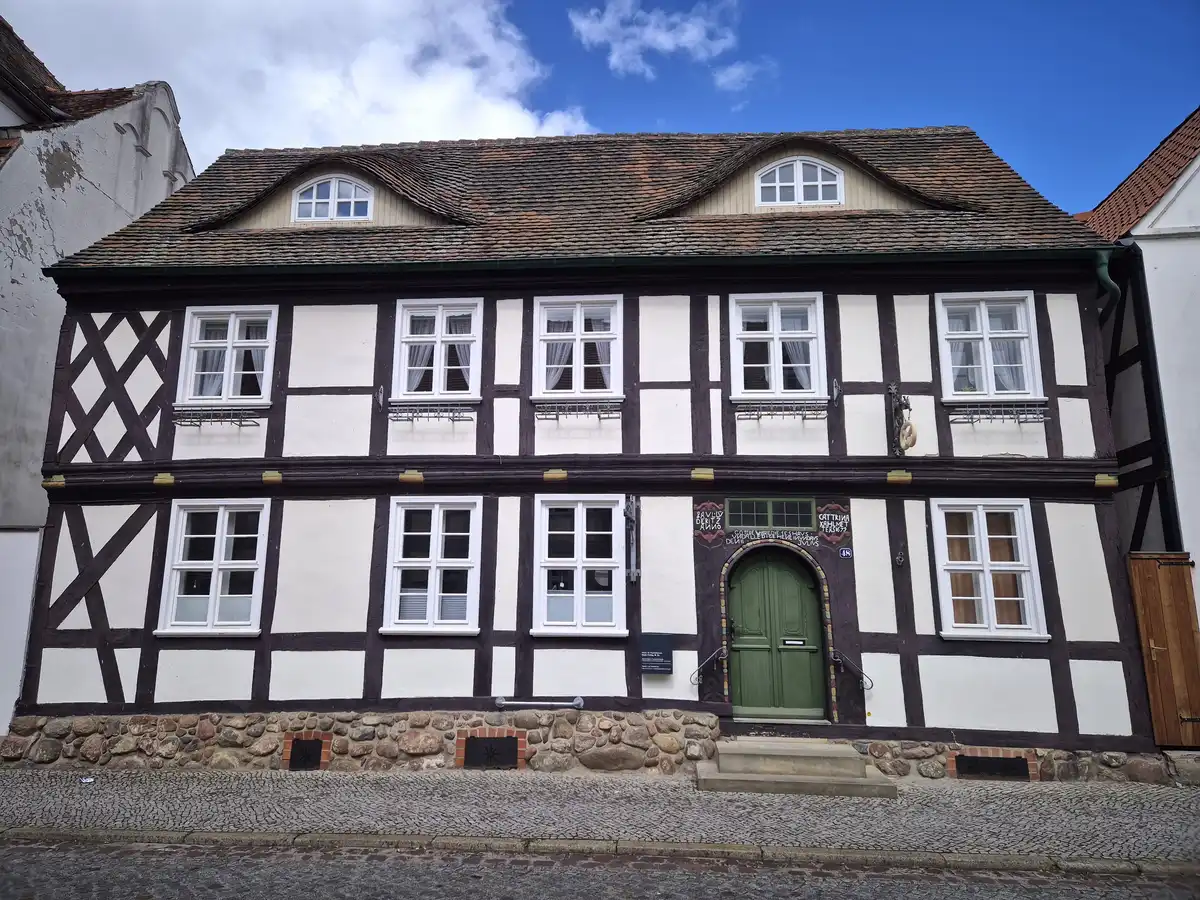 The town was largely destroyed by a fire, in 1617. Many of the historic half-timber houses date to the seventeenth century. 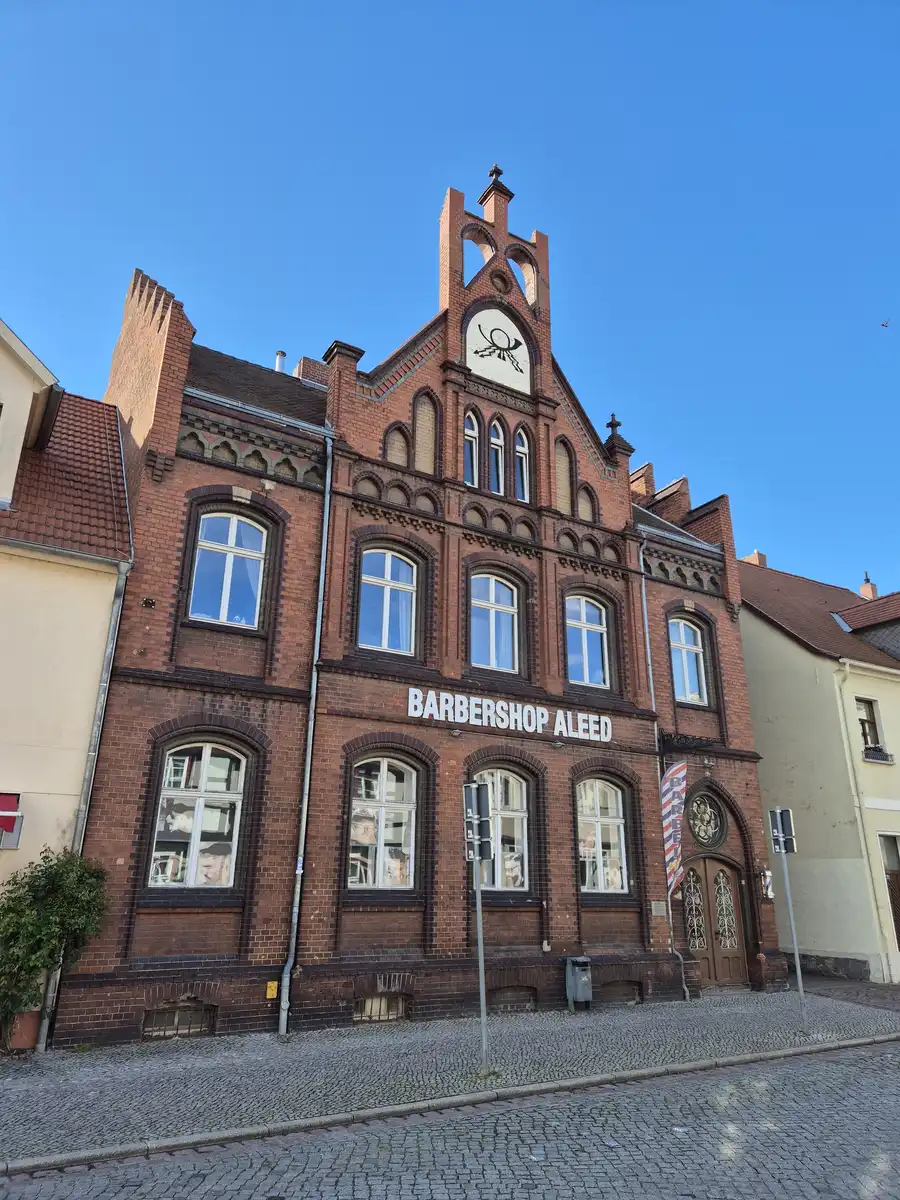 In the main street (Lange Straße), within the town walls, stands the former post office. The building with a gable in the style of the brick-Gothic that was widespread in the Baltic regions was constructed in 1886. It served as post office until 23 November 2004. 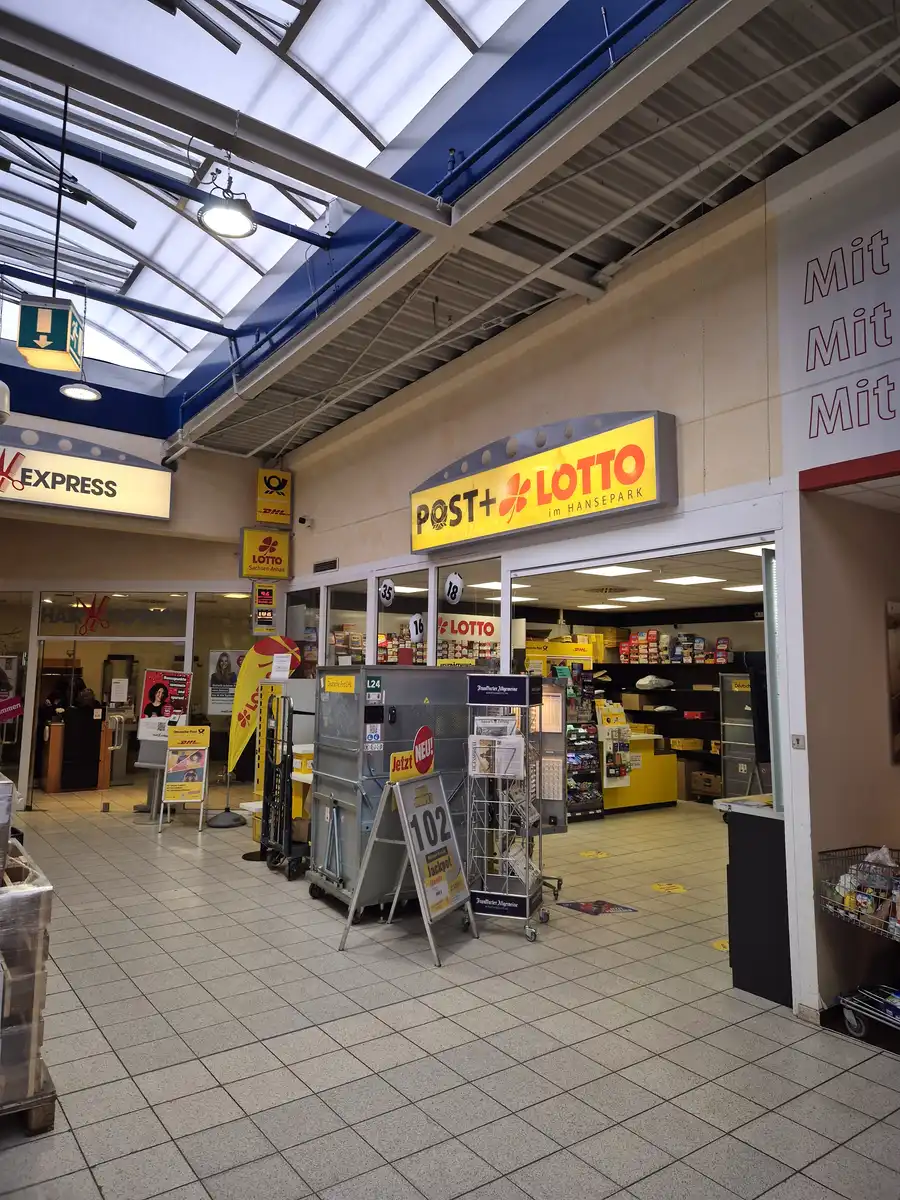 Currently, there is a DHL and post office outlet within the EDEKA supermarket, in the Hansapark commercial estate. This is some two kilometres outside the town centre. For those who want to send postcards, the tourist office facing the mediaeval town hall sells postcards and domestic and international stamps. 97/5 |
|
Send note to Staff
|
|
|
Replies: 274 / Views: 44,529 |
|
|
To participate in the forum you must log in or register. | |
Disclaimer: While a tremendous amount of effort goes into ensuring the accuracy of the information contained in this site, Stamp Community assumes no liability for errors. Copyright 2005 - 2026 Stamp Community Family - All rights reserved worldwide. Use of any images or content on this website without prior written permission of Stamp Community or the original lender is strictly prohibited.
Privacy Policy / Terms of Use Advertise Here |
| Stamp Community Forum |
© 2007 - 2026 Stamp Community Forums |
| It took 0.27 seconds to lick this stamp. |
 |
|
|
|


 Posted 10/20/2025 9:04 pm