Stamp Community Family of Web Sites
Thousands of stamps, consistently graded, competitively priced and hundreds of in-depth blog posts to read


Stamp Community Forum
 
Username:
Password:
Save Password
Forgot your Password?

This page may contain links that result in small commissions to keep this free site up and running.

Welcome Guest! Registering and/or logging in will remove the anchor (bottom) ads. It's Free!

Identifying Manila Paper And Color Question

Next Page    
 
To participate in the forum you must log in or register.
Author Previous TopicReplies: 40 / Views: 8,515Next Topic
Page: of 3
Pillar Of The Community

1375 Posts
Posted 10/19/2017   2:50 pm  Show Profile Bookmark this topic Add stamperix to your friends list Get a Link to this Message
Hello,

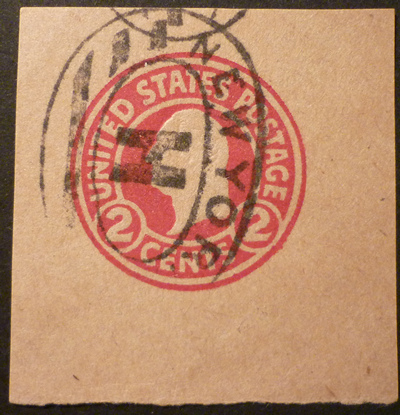
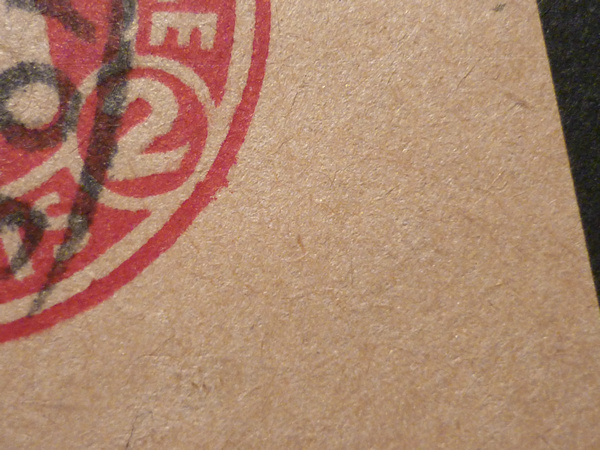
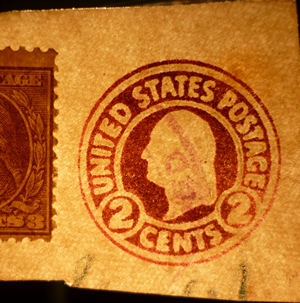
I have two cut squares in my album for long time where I never really found out what paper or color they are. I searched a bit here in the forum for the paper differences and found many interesting posts, like from ThomasGalloway about them. When I understood correctly the manila paper is - in opposite to the other paper types - not a color but a paper quality, sometimes lighter and with longer fibers.

So my questions would be:
- are those the main characteristics or what else could help identifying manila paper?
- are the other paper types mainly differentiated because of color?


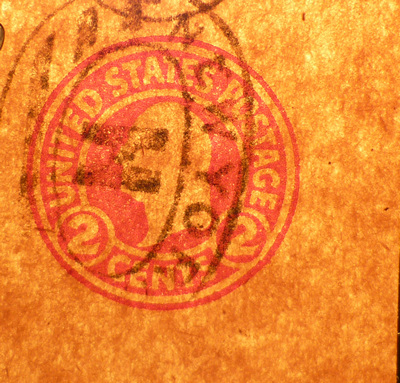
And as I already made pictures I show the other cut square:
- is this still carmine? Can a cut square also suffer from oxidation?

(both seem to have no watermark)


Send note to Staff

Pillar Of The Community
United States
1179 Posts
Posted 10/19/2017   3:18 pm  Show Profile Bookmark this reply Add Hal to your friends list  Get a Link to this Reply
Manila paper is the same thing as Manila Wrapping Paper - exact paper - exact same color only difference is paper-weight. Manila Paper is unbleached wood pulp made by the sulfate process.

Send note to Staff  Go to Top of Page
Edited by Hal - 10/19/2017 3:22 pm
Pillar Of The Community
1375 Posts
Posted 10/20/2017   02:24 am  Show Profile Bookmark this reply Add stamperix to your friends list  Get a Link to this Reply
ok thank you - if there are not other big characteristics than this and my mentioned ones, am I right if I suppose that the first cut square shown above is manila paper?

Send note to Staff  Go to Top of Page
Pillar Of The Community
621 Posts
Posted 10/20/2017   4:08 pm  Show Profile Bookmark this reply Add ThomasGalloway to your friends list  Get a Link to this Reply
"- is this still carmine? Can a cut square also suffer from oxidation?"

1. The description of the particular issue is "Two Cents Carmine on {insert paper color here}", but this specific cut square has a different color. Maybe we could call it oxidized red.
This issue is noted for sporting a wide range of colors.

2. Cut squares and stamp ink oxidation are orthogonal concepts. One has nothing to do with the other. Yes, cut squares can have oxidized indicia.

"am I right if I suppose that the first cut square shown above is manila paper?"

In my opinion, it very much looks like manila. But then (hedge, hedge) there is that white war paper that comes awful close to, if not overlaping with, manila.
Send note to Staff  Go to Top of Page
Pillar Of The Community
United States
1179 Posts
Posted 10/20/2017   10:22 pm  Show Profile Bookmark this reply Add Hal to your friends list  Get a Link to this Reply
stamperix - Yes, the first cut square appears to be manila paper.
Send note to Staff  Go to Top of Page
Pillar Of The Community
United States
1179 Posts
Posted 10/20/2017   11:42 pm  Show Profile Bookmark this reply Add Hal to your friends list  Get a Link to this Reply
ThomasGalloway is correct stamp ink oxidation and paper oxidation/discoloration are two different things. The effects of the on the quality of printing inks and paper production during the period of WWI is well noted in "THE UNITED STATES POSTAGE STAMPS OF THE 20TH CENTURY Volume I-1901-1922", by Beverly S. King and Max G Johl, © H.L. Lindquist, N. Y. The problems discussed were for postage stamps but the effects were across the production of postal stationary too. It effected the Bureau of Engraving and Printing and Printers across North America. It effected all ink manufacturers and all paper manufacturers and converters (Envelope Manufacturers that supplied U.S. Postal Stationary) across North America.

Stamperix…defining paper finishes and grain patterns is complex and can not be accomplished in the forum. If you are really interested in US Postal stationary, I strongly suggest joining the United Postal Stationary Society (UPSS) and obtaining their two volume catalog set on US Postal Stationary. The set is excellent.
U.S. 19th Century Stamped Envelopes and Wrappers (2012) Editor Dan Undersander
U.S. 20th and 21st Century Stamped Envelopes and Wrappers (2017) Editor Dan Undersander
UPSS information & membership - http://www.upss.org/index.php

Hope that helps.


Send note to Staff  Go to Top of Page
Pillar Of The Community
1375 Posts
Posted 10/21/2017   09:12 am  Show Profile Bookmark this reply Add stamperix to your friends list  Get a Link to this Reply
Thank you both. Yes, I am learning and there is so much to read in all topics that I just don't know where to take the time. But I will have a look at this literature, too.

about these concrete cut squares now:
- are they both "die 1"? (I am not sure as in both cases the letters are very bold)
- when this issue is known for wide range of colors, is this "red" though summarized in the catalogue under "carmine" as there is no other place?
Send note to Staff  Go to Top of Page
Pillar Of The Community
621 Posts
Posted 10/21/2017   12:37 pm  Show Profile Bookmark this reply Add ThomasGalloway to your friends list  Get a Link to this Reply
I would say they are both die 1.

The first is from a wrapper (the right edge looks to be a factory edge, which you would find on a wrapper; also the cancellation is typical of wrapper usage).

I would say the second is a 2 cent circular on white envelope cut square, with dark oxidized-red indicium.

(not sure I understood the last question, but I took a stab at it)
Send note to Staff  Go to Top of Page
Pillar Of The Community
1375 Posts
Posted 10/21/2017   3:16 pm  Show Profile Bookmark this reply Add stamperix to your friends list  Get a Link to this Reply
Sorry for being not clear about the color question. It's not easy to get into complex topics. I meant that you named the color "red", but in Scott I only find "carmine", so it is still a U429 ?

Also about the manila it's more complicated than thought, as always :). So it's not enough to say "manila", but it can be wrapper or not. Could I do any research to decide if it is a wrapper or not (under loupe, watermark, if it's ribbed, paper thickness and so on)?

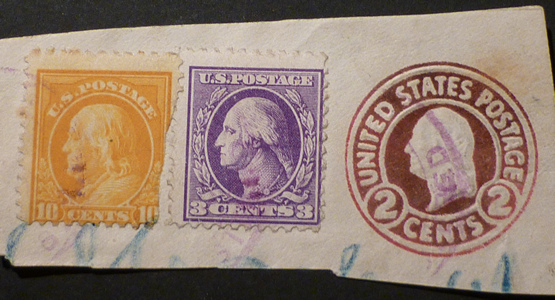
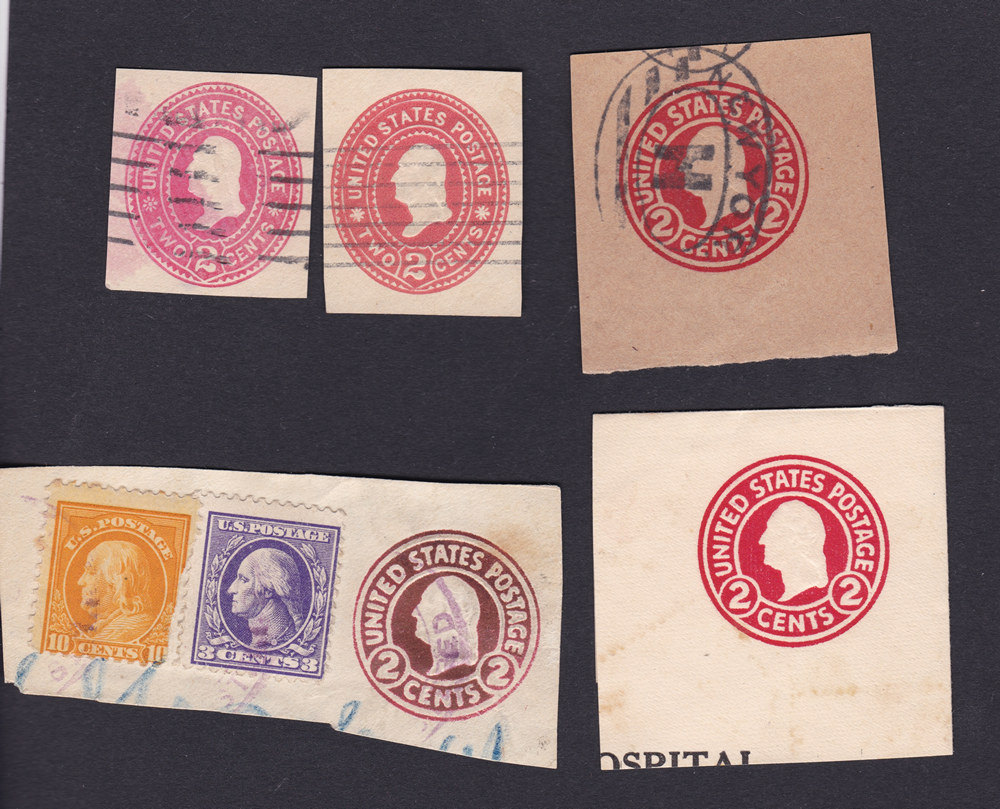
I just made a scan of those cut squares (above were photos) to get all paper types and colors in one scan. And I added another cut square which is not clear to me about the color.

The left 2 Cents is more pink or salmon than the right one?

---
(the one at the bottom right only for color comparison)

Send note to Staff  Go to Top of Page
Edited by stamperix - 10/21/2017 3:20 pm
Pillar Of The Community
621 Posts
Posted 10/21/2017   5:00 pm  Show Profile Bookmark this reply Add ThomasGalloway to your friends list  Get a Link to this Reply
". . .but in Scott I only find "carmine", so it is still a U429 ? "

Yes, it is a U429. Carmine is the typical color one sees on the vast majority of this issue. However, other colors exist and you may find them in the earlier catalogs from Bartels, Thorp, and the UPSS. The current thinking of the UPSS catalog editor is to remove ancillary color listings, UNLESS a particular UPSS # comes only (or mostly) in a different color.

"So it's not enough to say "manila", but it can be wrapper or not."
Yes, this issue has both manila envelopes as well as manila wrappers. And there are these white (if one goes by the color the government thought it ordered) war papers that can look very much like manila.

The two Plimpton & Morgan 2 cent cut squares: I agree the left is a pinkish color, and the one on the right appears between carmine and red.

Collecting color shades can be a very enjoyable sub-specialty. I have a weakness for them.
Send note to Staff  Go to Top of Page
Pillar Of The Community
United States
1179 Posts
Posted 10/21/2017   7:11 pm  Show Profile Bookmark this reply Add Hal to your friends list  Get a Link to this Reply
Q: stamperix
Quote:
... but in Scott I only find "carmine", so it is still a U429 ?


Answer: Simple answer is Yes, if you are a "General Collector." No, if you are a "Specialist Collector." Scott Catalog's policy has always been to cater to the "General" Collector and leave the "Specialist" to the "Specialist Society", or in this case the UPSS. http://www.upss.org/index.php

Color is even more complex than paper plus the paper color effects the appearance of ink (color)as. Inks always dry "darker looking" when printed on a colored paper.

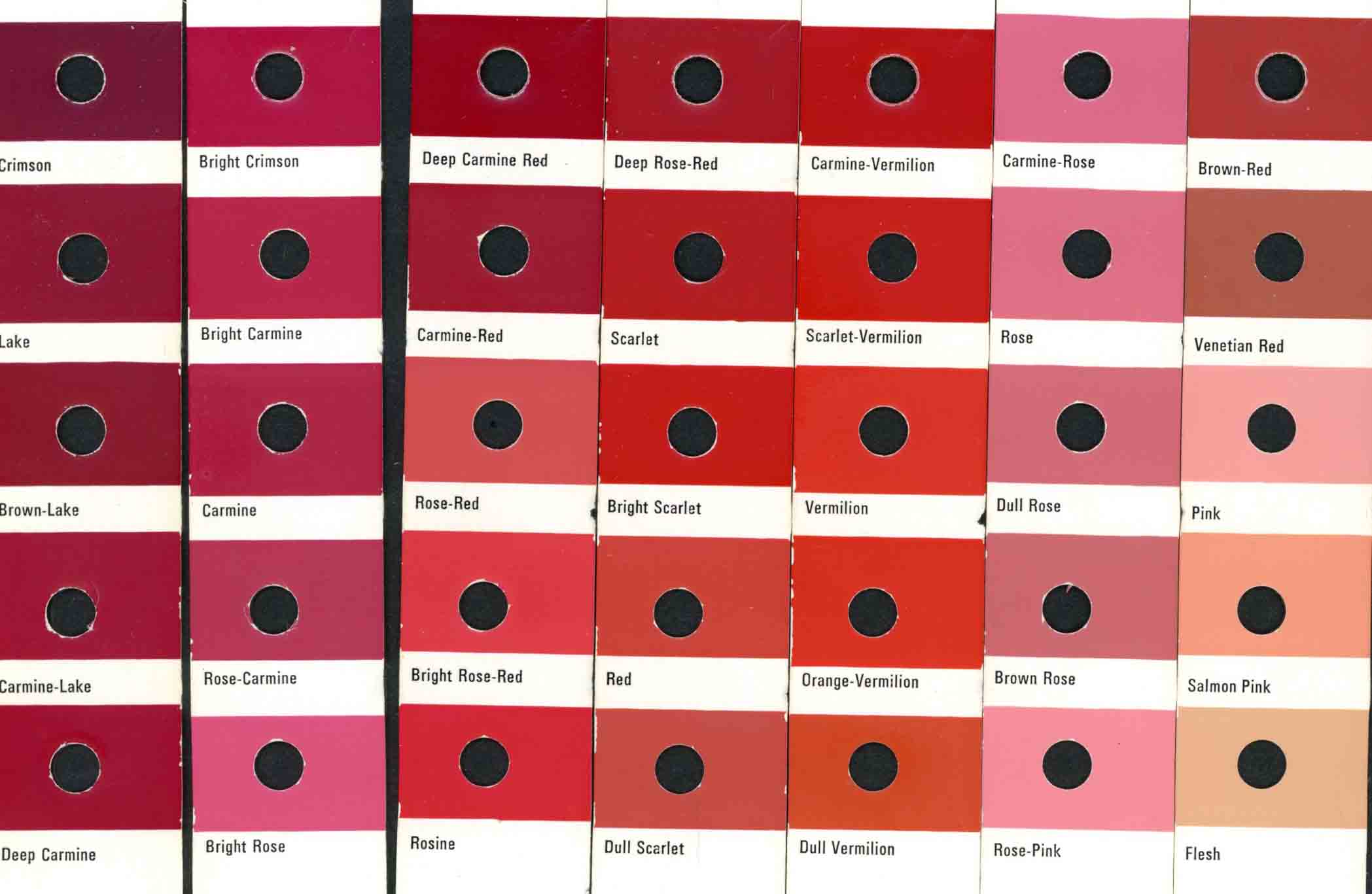
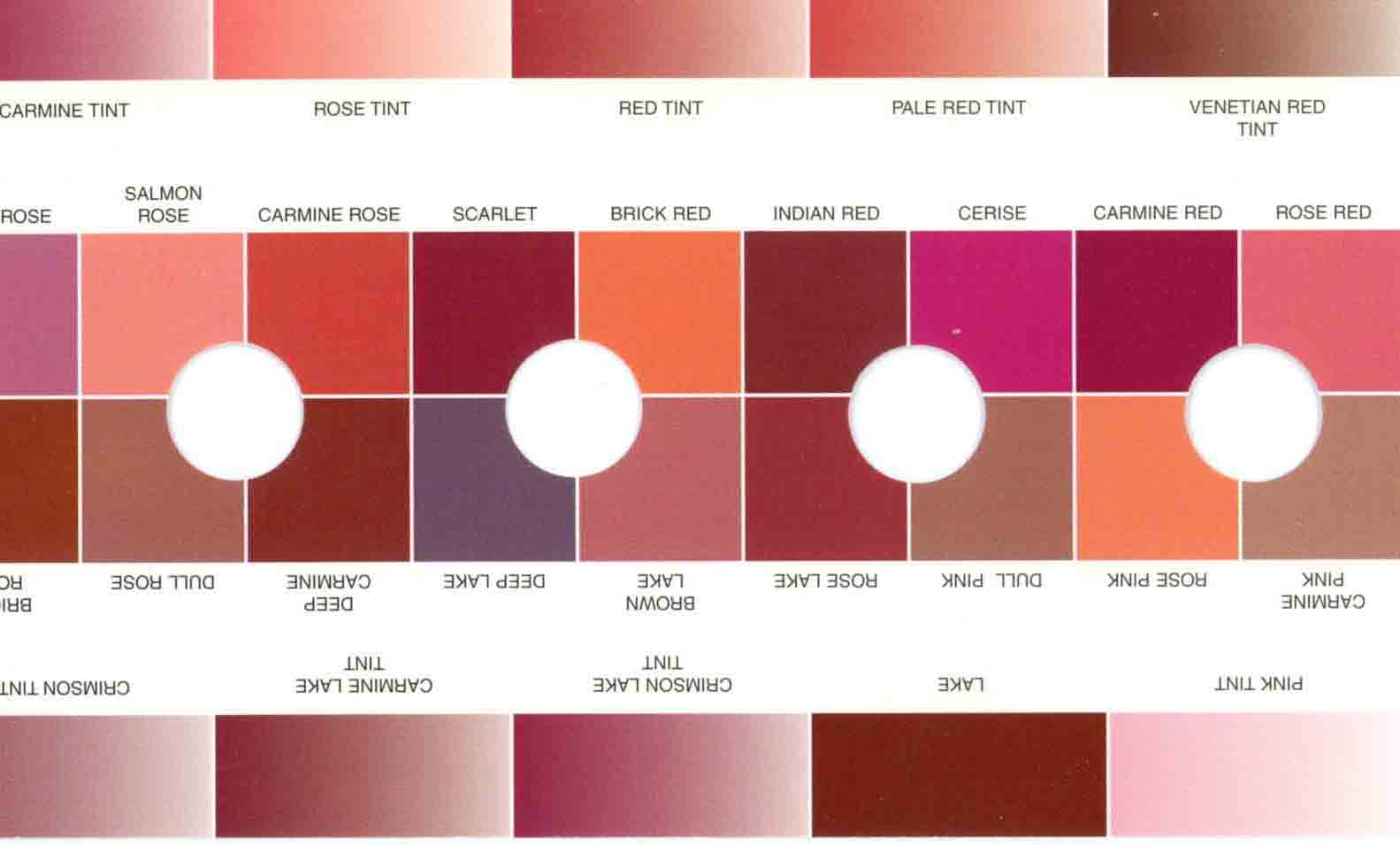
Collectors normally use color charts of the type shown below to match and ID color. The first example is the "Stanley Gibbons Stamp Colour Key" and then the "Wonder Color Gauge." . Printers use a Color Guide (see Pantone Guide) to mix and match inks. Making a "color" is like cooking. It's part C-color, part-Y color, part-M and part-K color. All color inks are made-up of a % of these color pigments: C=CYAN (BLUE), Y=YELLOW, M=MAGENTA (Red), and K=BLACK. Stir the color mix thoroughly and pour the final ink-mix into the press. This works fine in today's computerized ink creation process. However, computerized ink mixing is recent and one hundred years ago inks were made and mixed by hand and eye -- humans aren't perfect.


Quote:
Also about the manila it's more complicated than thought, as always :). So it's not enough to say "manila", but it can be wrapper or not. Could I do any research to decide if it is a wrapper or not (under loupe, watermark, if it's ribbed, paper thickness and so on)?


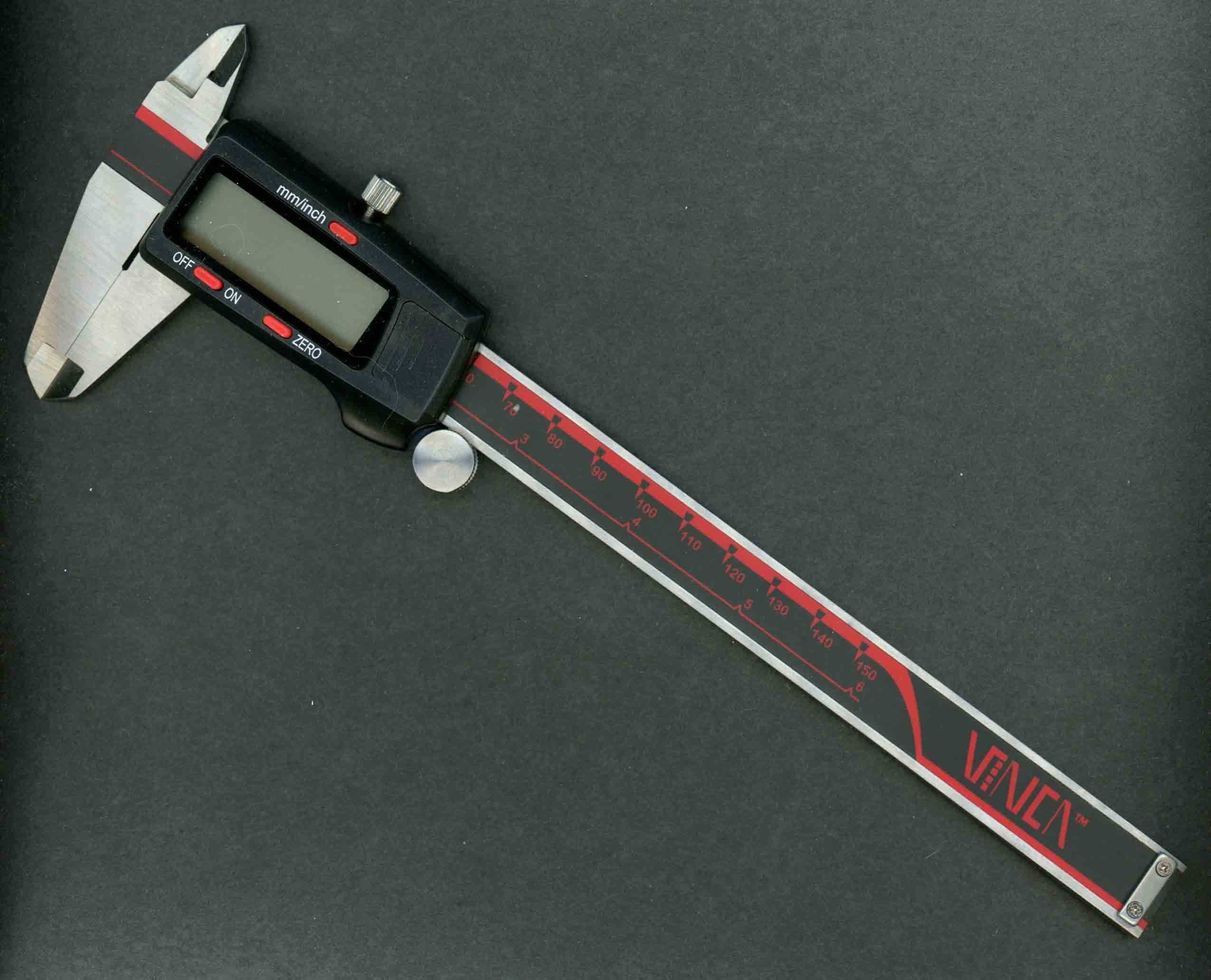
Answer: It should be the paper thickness. You will need a micrometer if I am correct. I believe the Manila Wrapper was a heavier pound-weight paper (which will mic thicker) than the Postal Stationary, however someone with samples of both would have to provide the confirmation. Sorry, I do not have samples to compare for you.


Quote:
I just made a scan of those cut squares (above were photos) to get all paper types and colors in one scan. And I added another cut square which is not clear to me about the color.
The left 2 Cents is more pink or salmon than the right one?


Answer:
On Items I on the top line: I believe The UPSS differentiates the two colors you show in their catalogue as two different colors; I don't remember the color names but you are close in your description. The top row, middle die cut is carmine, as defined by Scott. Far left is Carmine on Manila - unglazed paper.

Here's a quick test: Hold the cut square, at the edge, between two fingers of one hand and give it the "flick test" with your finger of your other hand. Now, do the same with a different cut square. Compare several different - several times. If the Manila feels different, that makes it a heavier gauge or a wrapper. Make sure you use all "Circular Die" types when you do the test. BEST test is to mic the paper, if you have numerous cut squares.

The top row, middle die cut is carmine. The three "Circular Die" cut squares are all what Scott and defines as "Carmine". The lower left die cut color has "oxidized".

Personally, I have to shake my head over people's naming of color at The US Post Office or the Bureau of Engraving & Printing, which is where Scott's get their names for color.

Hope that helps.

Send note to Staff  Go to Top of Page
Edited by Hal - 10/21/2017 7:32 pm
Moderator
Learn More...
United States
12330 Posts
Posted 10/21/2017   8:11 pm  Show Profile Bookmark this reply Add 51studebaker to your friends list  Get a Link to this Reply


Don
Send note to Staff  Go to Top of Page
Pillar Of The Community
United States
1179 Posts
Posted 10/21/2017   9:30 pm  Show Profile Bookmark this reply Add Hal to your friends list  Get a Link to this Reply
What a great poster!
Send note to Staff  Go to Top of Page
Pillar Of The Community
1375 Posts
Posted 10/22/2017   4:01 pm  Show Profile Bookmark this reply Add stamperix to your friends list  Get a Link to this Reply
Yes, your answers helped me a lot already.

All this is a fascinating topic, the world of paper and color. I have all the color charts you showed at home, and some more like from Michel and others from Pantone and HKS. Well, at the end you mostly need a stamp or cut square to compare to, but they are good for a direction.

About the 2 left cut squares at the top: I didn't find a pinkish one, they are all carmine in Scott, so I think they are both U362, if Thomas' opinion about the color shades of the U429 are transferable to these as well, what I suppose. If not, let me know, of course.

About the manila: Thanks for the additional identification hints. I made a flick test and don't notice any difference between the three at the bottom. So I will probably use such a tool as you showed to look at the paper thick. (I know that it's probably a wrapper due to Thomas' analysis, but as I began to learn about manila and cut squares now, I want to learn it a little more.)


Send note to Staff  Go to Top of Page
Pillar Of The Community
United States
1179 Posts
Posted 10/22/2017   6:39 pm  Show Profile Bookmark this reply Add Hal to your friends list  Get a Link to this Reply

Quote:
About the 2 left cut squares at the top: I didn't find a pinkish one, they are all carmine in Scott, so I think they are both U362


I'm having problems with the exact identification of the 2-Cent 1887 Issue Die Cuts; they appear to be two different Dies. The problem is the cancellations are over key identification areas. Sorry, I cannot identify them for you without guessing.


Quote:
Sorry for being not clear about the color question. It's not easy to get into complex topics. I meant that you named the color "red", but in Scott I only find "carmine", so it is still a U429 ?


Please ignore my use of the term "red" -- the color is "Carmine". The color appears "red" due to the manila paper background.

I hope this helps. Postal Stationary is a great collecting area.

Best regards,
Hal

NOTE:

Quote:
...from Pantone and HKS.


For those not in the Graphic Arts biz, HKS is HKS Colour Guide, the German equivalent to the Pantone Color Guide. These color guides are used by graphic artists, designers and printers and others to specify color.

Send note to Staff  Go to Top of Page
Moderator
Learn More...
United States
12330 Posts
Posted 10/22/2017   6:44 pm  Show Profile Bookmark this reply Add 51studebaker to your friends list  Get a Link to this Reply
And they recommend replacing their color chips/guides every 5-7 years.
Don
Send note to Staff  Go to Top of Page
Page: of 3 Previous TopicReplies: 40 / Views: 8,515Next Topic  
Next Page
 
To participate in the forum you must log in or register.

Go to Top of Page

Disclaimer: While a tremendous amount of effort goes into ensuring the accuracy of the information contained in this site, Stamp Community assumes no liability for errors. Copyright 2005 - 2026 Stamp Community Family - All rights reserved worldwide. Use of any images or content on this website without prior written permission of Stamp Community or the original lender is strictly prohibited.
Privacy Policy / Terms of Use    Advertise Here
Stamp Community Forum © 2007 - 2026 Stamp Community Forums
It took 0.23 seconds to lick this stamp. Powered By: Snitz Forums 2000 Version 3.4.05