| Author |
 Replies: 38 / Views: 3,140 Replies: 38 / Views: 3,140 |
|
Valued Member
63 Posts |
|
|
/file/d/1ueOdmgX8HR2yIlJRAj7wuStvz44ANcis/view?usp=sharing Hello, The link above from google drive provides access to the applied research in PDF file concerning this aspect of technical philately. It presents an insightful study that examines the engineering dimensions and associated data. Below, I have highlighted some key sections that made me dubious of number of previously held assumptions. I would greatly appreciate your observations and assessments, particularly from the perspectives of philatelists, collectors, and those interested in the engineering approach to the subject. 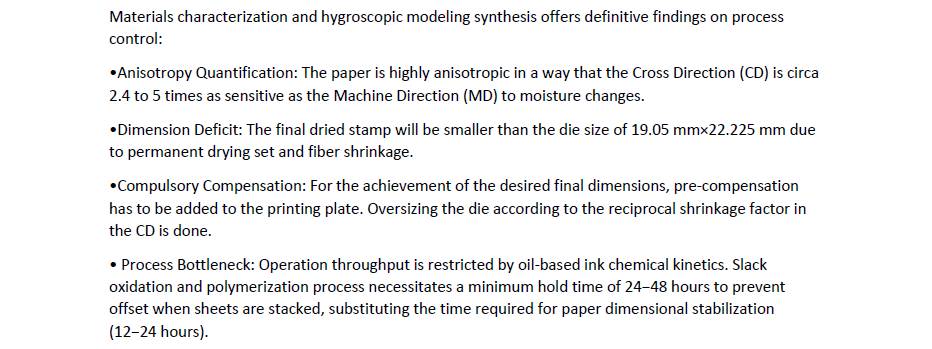 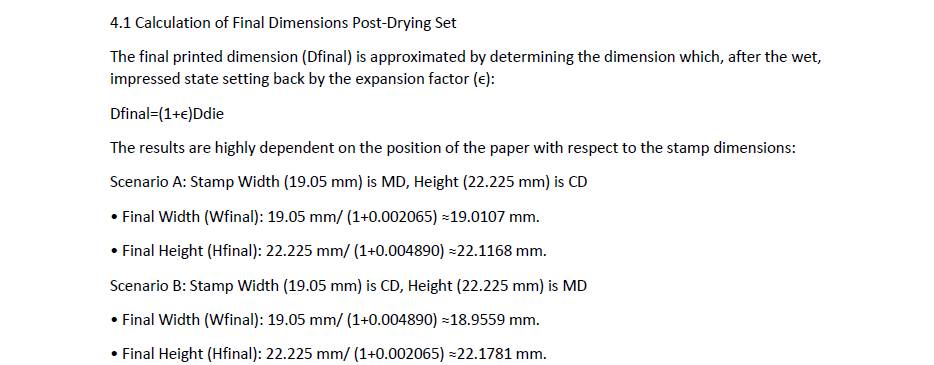 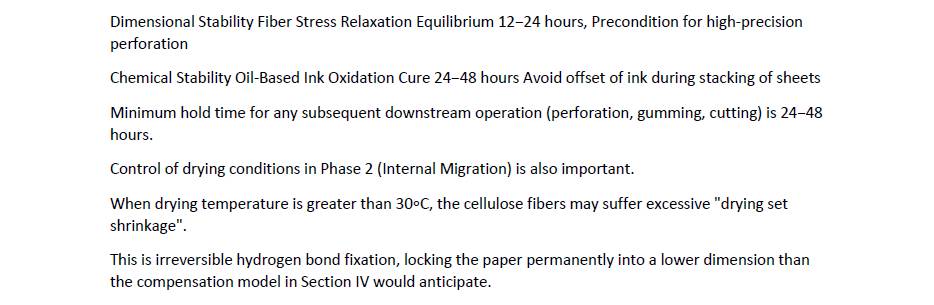 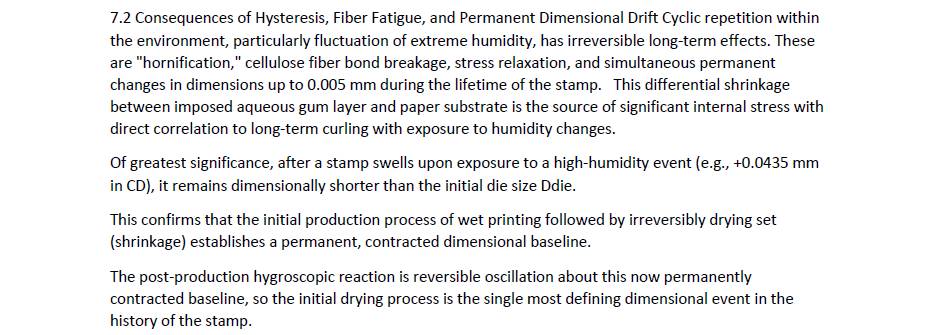 |
|
Send note to Staff
|
|
|
|
|
Pillar Of The Community
Netherlands
6647 Posts |
|
|
Pillar Of The Community
6366 Posts |
|
|
Sorry to rain on your parade. I tried to open the link and it did not work. Always a good procedure to check links when making a post.
I typed a lengthier reply, mostly on paragraph 4.1, but will withhold it for now. It dealt with the use of "significant figures".
Add, now that NSK's reply reminds me of previous threads. I will move on. |
Send note to Staff 
|
| Edited by John Becker - 10/17/2025 09:45 am |
|
|
Pillar Of The Community
United States
1874 Posts |
|
|
Google says the file doesn't exist. To preserve a record here in the forum, please post images of the pages. |
|
Send note to Staff
|
|
|
Moderator

United States
5109 Posts |
|
|
I hope this thread has a better fate than the previous two threads on a similar sounding subject matter. Did you ever submit your stamp to an expertising service? What was the resulting conclusion (document) from them? An even better question is, "What Stamp were we even talking about, and why can't we see a flat bed scan of the entire stamp?"
I'd really hate to lock this topic like the others, so we'll see how it goes over the next day or so. |
|
Send note to Staff
|
|
|
Pillar Of The Community
United States
1874 Posts |
|
|
Don't use links. Print the document to a PDF, then capture and upload individual page images here. Readers of this forum want images embedded in your posts as a permanent record of what we are discussing. |
|
Send note to Staff
|
|
|
Moderator
United States
5109 Posts |
|
|
It looks like the same information that we discussed several times in the previous locked threads, but still lacking a scan of the entire stamp, and what the author believes it is. I was able to get into the google drive and downloaded the document. It is 10 pages long, and appears to be a detailed research paper, unknown author, entitled Quote:
Dimensional Control and Hygroexpansive Modeling of Flat-Plate Stamps for Manufacture Here is just the first page 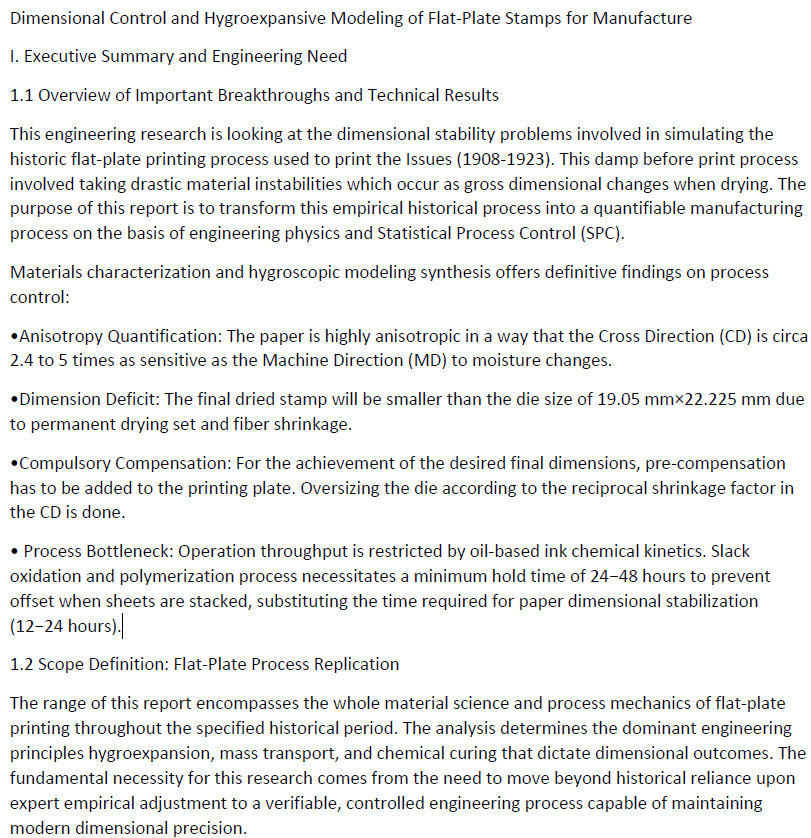 The Reference Section is detailed, but lacking some specificity as to sources:  If anyone would like a PDF copy of the file that I downloaded, please email me through the system. |
|
Send note to Staff
|
|
|
Valued Member
United States
232 Posts |
|
|
How paper acts when it dries is a thing. I used to work in a paper plant, and final product dimensions are subject to statistical process control; we know the inputs that affect final dimensions both cross and machine direction (the direction of the papermachine in direction of motion and across it). The chance of a process in the early 20th century being managed to that extent is zero - concepts of statistical process control didn't even exist until after WW2 when Deming & his team developed most of them for Japan. Anything we try to do to analyze these hundred year old processes will be filled with what is known as confounding - variables that aren't controlled but that affect the results. Papermaking is crazy complicated, and so trying to figure out what a process was like way back when is I'm afraid an exercise in futility. |
|
Send note to Staff
|
|
|
Pillar Of The Community
6366 Posts |
|
|
This purports to be a research paper, yet the "references" would get an "F" from any JrHigh English teacher. It has no resemblance at all to a reference list, bibliography or footnotes.
Shoot it now and put it out if its misery.
It should not be locked. It should be totally deleted. |
|
Send note to Staff
|
|
|
Valued Member
United Kingdom
391 Posts |
|
|
Valued Member
United Kingdom
234 Posts |
|
|
John Becker is right to mention "significant figures".
How does one measure 19.0107mm to six significant figures? For all practical purposes, how does it differ from 19mm, measured to two significant figures?
It's a fact that temperature and humidity cause paper to expand and contract, and that this sometimes has an interesting effect on recess-printed stamps printed on damp paper. If some research has been done that might help us to measure such effects, it's useful. But I'd like the research to be elucidated in plain English, preferably with pictures. |
|
Send note to Staff
|
|
|
Pillar Of The Community
703 Posts |
|
|
Valued Member
17 Posts |
|
|
Like Partime I was able to download the file. But to say formulas are not my thing, I read the conclusions and have some questions.
-In 4.1 why there is two scenarios a and b, the plate was not fixed on the machine.
-You want to make a bigger plate, so the paper will be bigger and have more water, so when it dries it will shrink more, right.
-I read in the forum archive and here you say that the stamp will shrink. I asked two times in the forum but no one answer me. I have two stamps who are bigger, one horizontal and one horizontal and vertical, I did not read in your file. I use gimp to compare. What is the reason for that.
|
|
Send note to Staff
|
|
|
Pillar Of The Community
Netherlands
6647 Posts |
|
|
Of course, measurements were taken over a period of some 100 years, where the paper was stored in a specific stamp album in a universal climate. So, the results can be applied to any stamp stored a century near the equator and at the South Pole. |
|
Send note to Staff
|
|
|
Bedrock Of The Community
United States
10869 Posts |
|
|
I have never understood why people care about precise measurements for flat plate stamps. They were issued in enormous quantities 100 years or more ago, all went through any number of different situations involving unknown outside influences, and had production variances to begin with. The idea that all this can be put into one simple set of sizes as a universal concept is illogical. |
|
Send note to Staff
|
|
|
Valued Member
17 Posts |
|
|
Thanks NSK, Revcollector. I read in the forum archive to learn and try on my stamps. |
|
Send note to Staff
|
|
|
Replies: 38 / Views: 3,140 |
|




 Posted 10/17/2025 08:41 am


