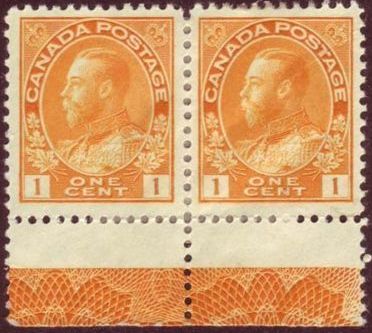
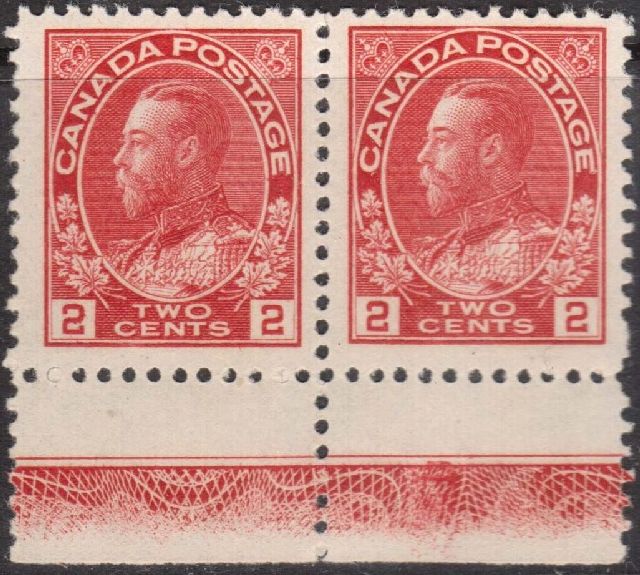
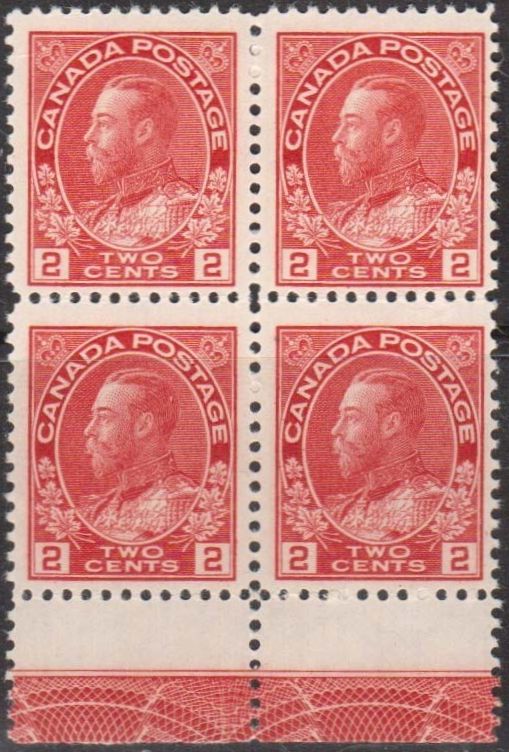
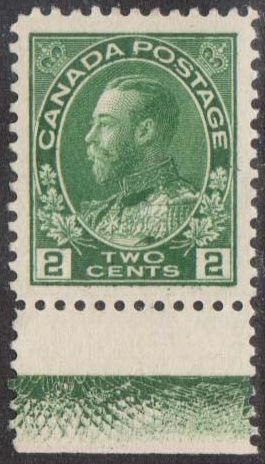
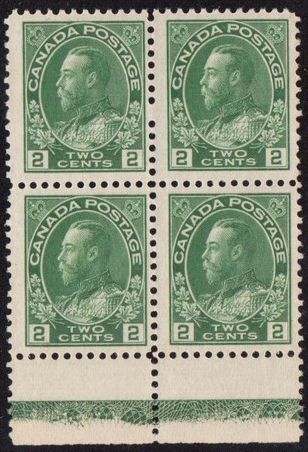
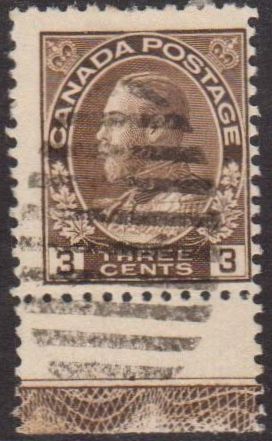
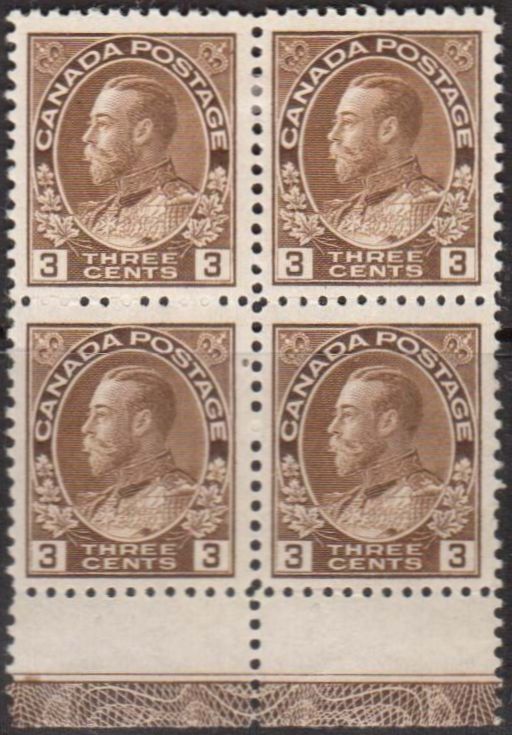
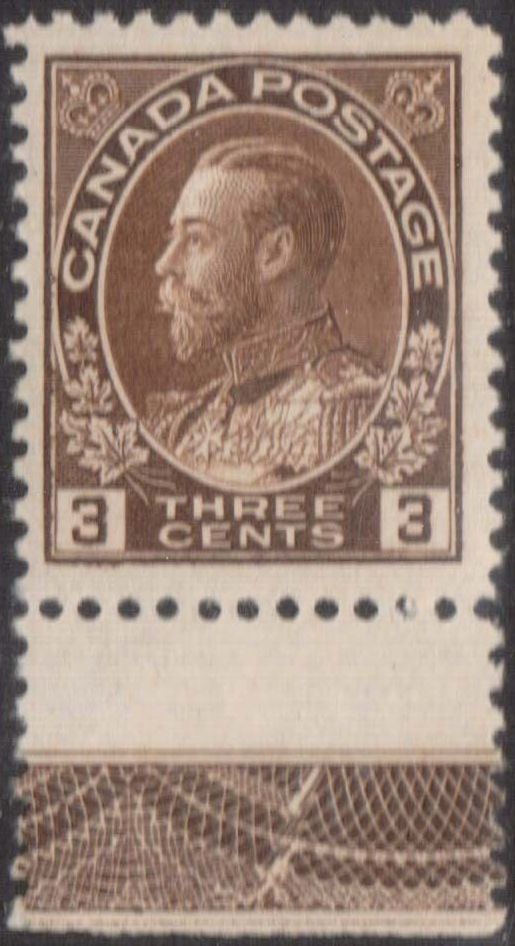
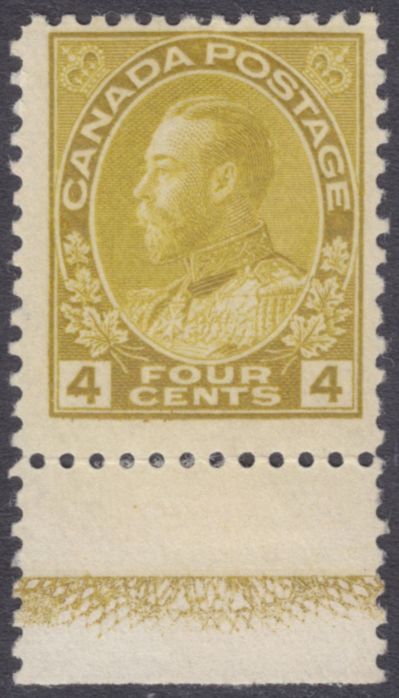
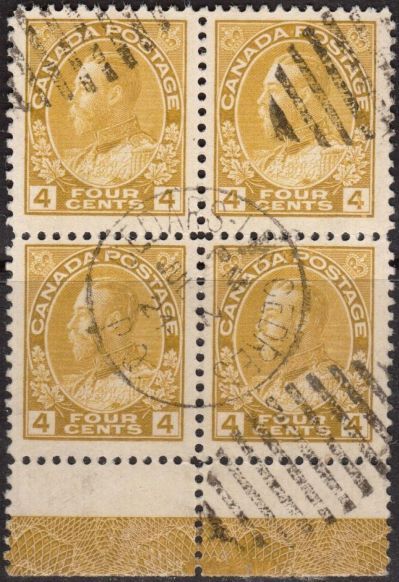
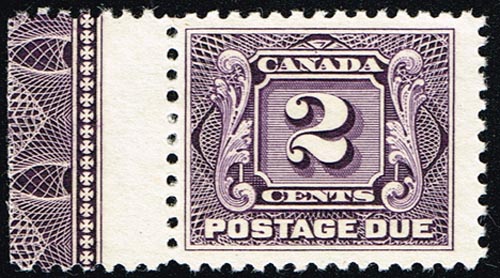
The only Canadian stamp that I found so far in Scott/Unitrade catalogue with lathework in the actual design itself rather than in the bottom selvage within the 1917-1924 ABN/CBN lathework period is E2 from 1922. (E1, E4, E5, E7, E8, E9, F1-F3, J1-J10, OX1-OX4 BOB stamps also have lathework in their actual stamp designs but these are out of the above time period.)
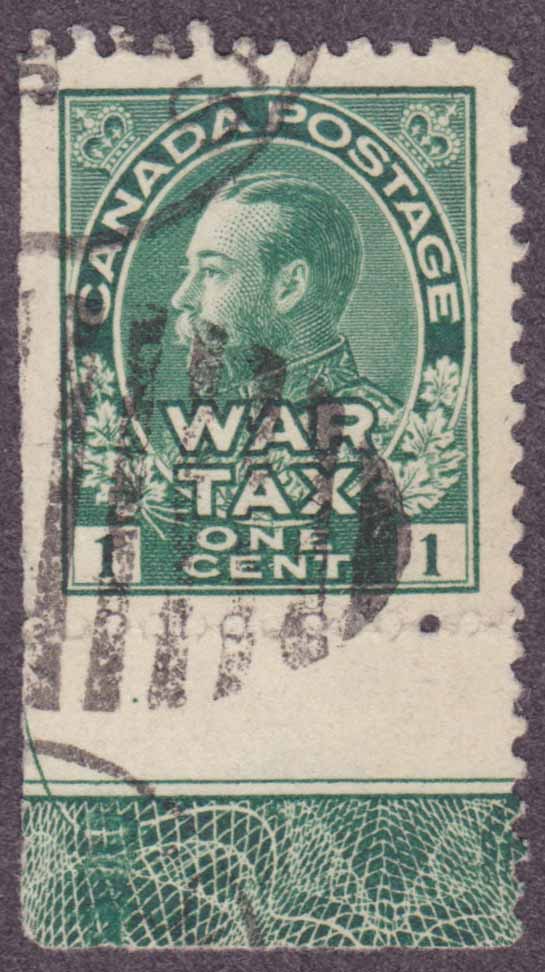
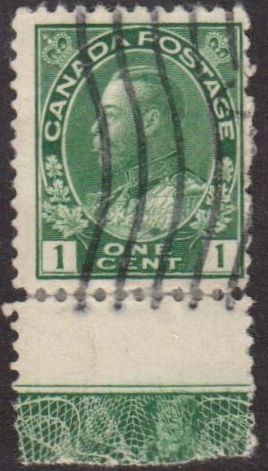
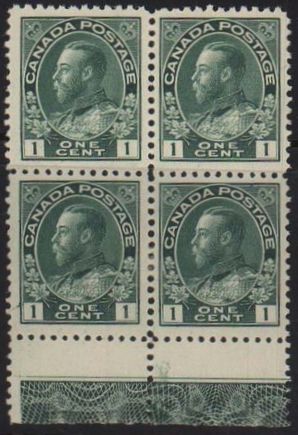
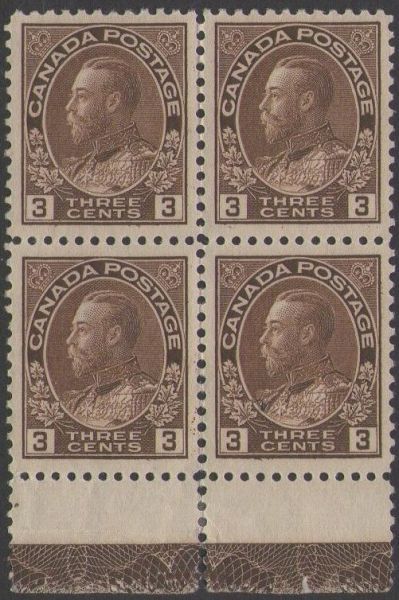
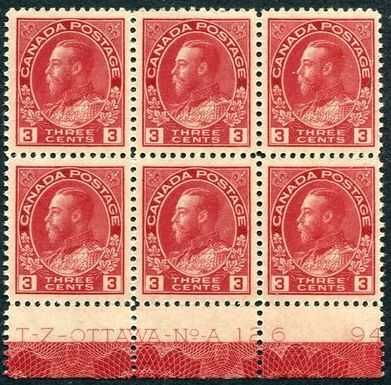
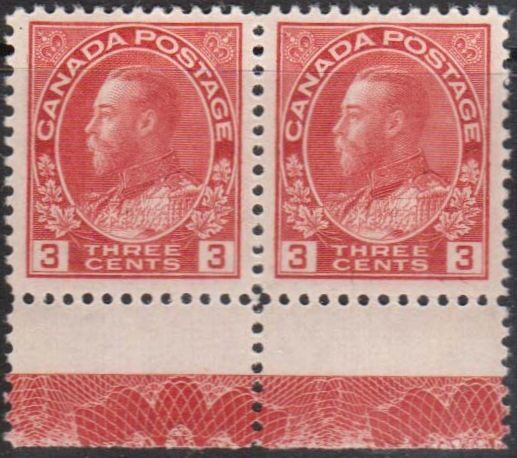
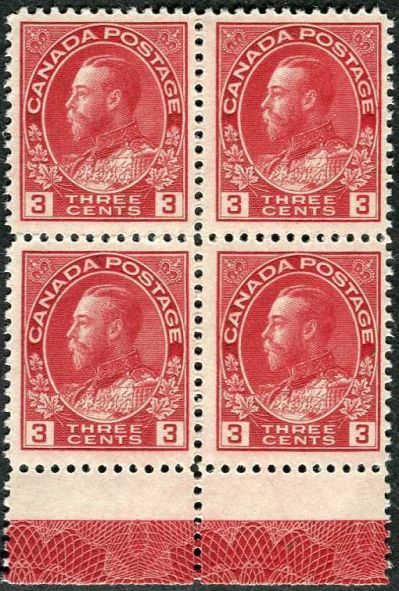
It may appear that the bottom margin selvage lathework was directly engraved onto the actual stamp printing plates as test developments or experiments for such lathework making by using the extra space on the bottom of the printing plates for the aforementioned patents.
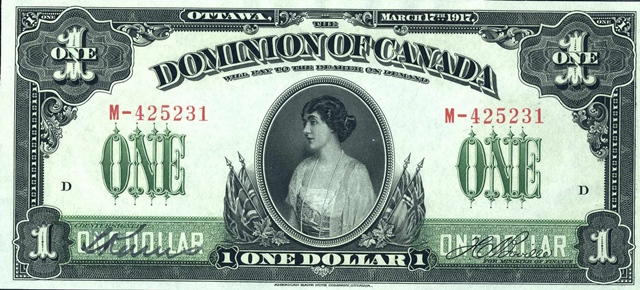
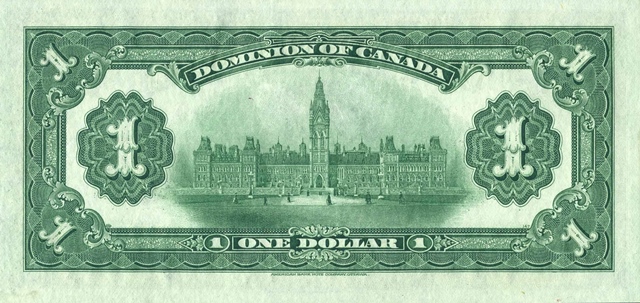
However, the greatest use of this was made in the currency design lathework of Dominion of Canada 1917 ($1.00), 1923 ($0.25, $1.00, $2.00), 1924 ($5.00) banknotes as being within the 1917 to 1924 period.
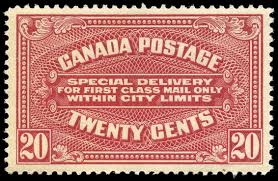
Canada Scott/Unitrade E2
William S. Eaton, American Bank Note Company. US1156513A. Patented Jan. 4, 1916.
My invention is especially adapted for use in creating designs for, or upon printing plates, and plates, or matrices for use in developing printing plates, which designs are in the form of rosettes or other intricate geometrical designs, to be used in connection with the production of safety papers such as are used in bank notes, negotiable papers or instruments. Heretofore, these safety designs have been either made by hand or upon a rose engine or engine lathe, the design resulting from certain predetermined mechanical movements in the machine itself.
By this means, a limited number of designs only could be produced, and the safety factor was limited by the known capacity of the machine. Growing out of this condition, it has heretofore been the custom to develop a part of the design by machine and the balance by hand. A rose engine is capable only of producing scroll work, and if it be desired to include in the white line safety elements of a note, paper or instrument, an element other than a scroll, such as is usually found in bank notes, this is always done by hand. The old method of producing safety designs referred to required a period of from two to ten weeks, or more of expensive, high class skilled labor, and as I have heretofore stated, the designs created in most instances were all modifications of one general design.
By my improved mechanism, I am enabled to secure intricate geometrical designs, susceptible of practically infinite variations, each of which designs will be complete in itself and, when a plate is made upon a machine, will require no hand finishing. I am also enabled to mechanically superimpose one design upon another, or insert a number or word design in the body of a scroll work design. I am also enabled to make a proof design and a completed design in a materially shorter time than is possible with the old rose engine and hand work method.
William S. Eaton, American Bank Note Company. US1241721A. Patented Oct. 2, 1917.
My invention is especially adapted for use in creating designs for or upon printing plates and plates or matrices for use in developing printing plates, which designs are in the form of continuous or interrupted borders, to be used in connection with the production of safety paper such as is used in bank note or other negotiable papers or instruments. Heretofore, these border designs have been made in the same manner as the rosette designs, in part by the use of a rose engine or engine lathe, and in part by hand, portions only of the completed design being used and the design being completed by hand. Owing to the well known and well defined operative effect of such engines or lathes, the border designs have not been widely diversified, and the labor of producing same has, as with rosettes, been extensive and has required a high degree of skill.
By my improved mechanism, I am enabled to secure complex designs susceptible of wide variations, each of which designs will be complete in itself, and when a plate is made upon a machine, will require no hand finishing. I am also enabled to mechanically superimpose one design upon another as by inserting a number or word design in the body of a scroll work design, and further, am enabled to make a proof design and a completed design in a shorter time than is possible by the old rose engine and hand work method.
William S. Eaton, American Bank Note Company. US1241722A. Patented Oct. 2. 1917.
My invention is especially adapted for use in creating designs for or upon printing plates and plates or matrices for use in developing printing plates, which designs are in the form of continuous or interrupted borders, to be used in connection with the production of safety paper such as is used in bank note or other negotiable papers or instruments. Heretofore, these border designs have been made in the same manner as the rosette designs, in part by the use of a rose engine or engine lathe, and in part by hand, portions only of the completed design being used and the design being completed by hand. Owing to the well known and well defined operative effect of such engines or lathes, the border designs have not been widely diversified, and the labor of producing same has, as with rosettes, been extensive and has required a high degree of skill.
By my improved mechanism, I am enabled to secure complex designs susceptible of wide variations, each of which designs will be complete in itself, and when a plate is made upon a machine, will require no hand finishing. I am also enabled to incorporate in a design two similar designs, superimposed one upon the other in a manner to change the entire character of the completed design by reason of the variances in the angles and points of intersection of the lines of the superimposed design and of the primary design; or I may superimpose upon a design developed from one elementary outline, character or base, a design developed from a different elementary outline, character or base, so as to obscure the character of the elemental outline, character or base used in either instance, and vary the tone values throughout the design; or I may insert a number or word design in the body of any portion of the scroll work of the design. Furthermore, I am enabled to make a proof design and a completed design in a shorter time than is possible by the old rose engine and hand work method.





 Posted 09/26/2011 10:50 pm






 ...me to.
