Quote:
It's probably authentic, though, because the fake cancels have placenames (and usually dates as well) and the stamps with fake cancels are (often) provided with false expertisation marks on the reverse.
I'm afraid you will need to change your criteria considerably, or else you may end up buying quite a few fake cancels or unintentionally selling a lot of fake cancels.
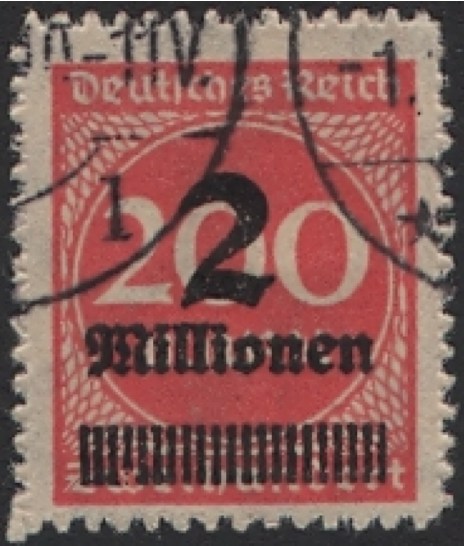
Many of used prices for that period are italicized to indicate that the cancel must be both genuine and correct period of use.
On those italicized stamps, the GREAT MAJORITY of cancels are all fake -- sometimes made with genuine cancelling devices but with falsified dates, sometimes completely forged cancels, sometimes with ambiguous cancels... Most of these false cancels do NOT have fake expertizer marks on the back. In fact, fake cancels with fake expertizer marks on the back are an unusual (but not rare) exception, not the rule.
A few of the better known forged cancellers can be identified by the city/date. The fake cancels made by genuine cancellers require an examination of the ink. It requires a pretty good knowledge base and experience, far beyond the little that I've studied. There is a reason why some of those used stamps are worth $100-$1000 even though the mint stamp may be 20c or just a few bucks. On those stamps, the genuine postally used stamp is rare and definitely needs an expert certificate.





 Posted 05/24/2011 10:50 pm




 [/URL]
