| Author |
 Replies: 1,052 / Views: 231,752 Replies: 1,052 / Views: 231,752 |
|
|
|
Pillar Of The Community
2343 Posts |
|
|
Rest in Peace
Canada
6750 Posts |
|
|
Valued Member
60 Posts |
|
|
Edited in sheet of 20 different units and 9 or 10 different colors or different papers. Maybe the artist were M.Bas? |
Send note to Staff 
|
| Edited by melic - 03/23/2013 11:41 am |
|
|
Pillar Of The Community
United States
521 Posts |
|
|
Quote:
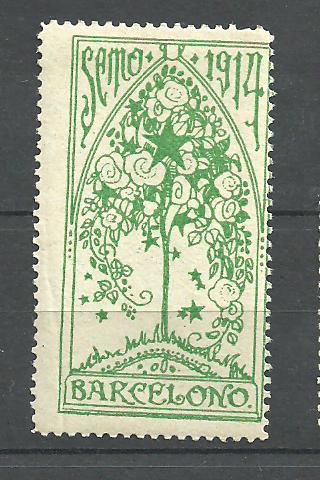
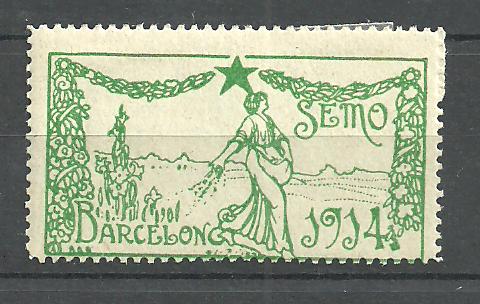
1914 Modernist cindys for an Esperanto Congress, held in Barcelona. I am COVETING that first stamp. Green, stars, plants, art deco-ish... all things I love.  <-- drooling me, green with envy. |
|
Send note to Staff
|
|
|
Pillar Of The Community
2343 Posts |
|
|
Some more Catalunya Album stamps; this time showing views of the Catalan Government palace in Barcelona, dating from the 15th century. The Catalan Government dates from 1359 and it's called Generalitat. It ruled Catalonia from 1359 to 1714, again in 1931/39 and for a third time since 1977 to date. The palace, called "Palau de la Generalitat" is on Barcelona's St. James Square ("Plaça de Sant Jaume", for us). 17 century Façade 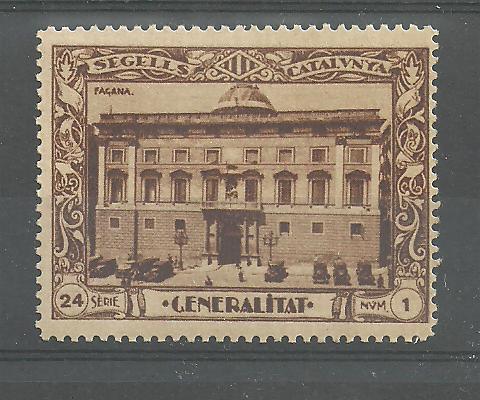 Main, Gothic, stairs 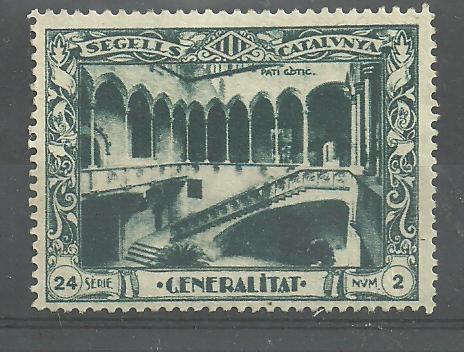 Orange trees' yard and belfry 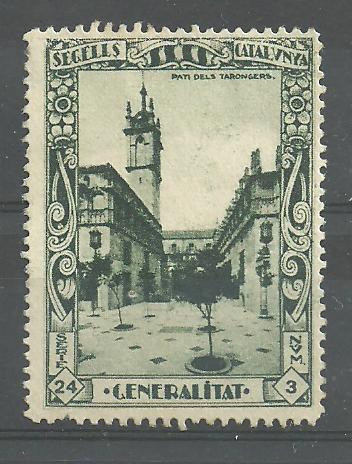 Entrance to the Gothic (15th century) Saint George's chapel 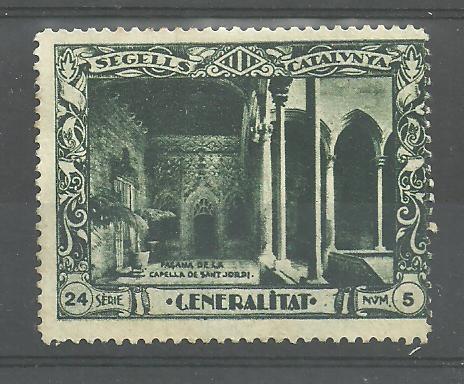 Gothic (XVth century) gallery 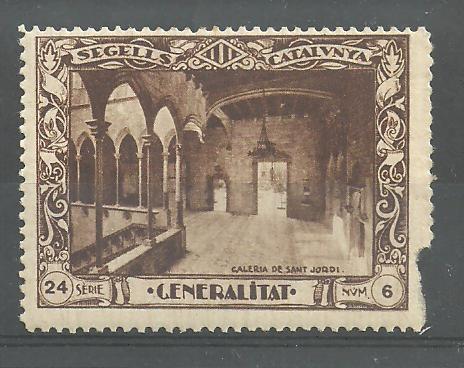 |
|
Send note to Staff
|
|
|
Pillar Of The Community
2343 Posts |
|
|
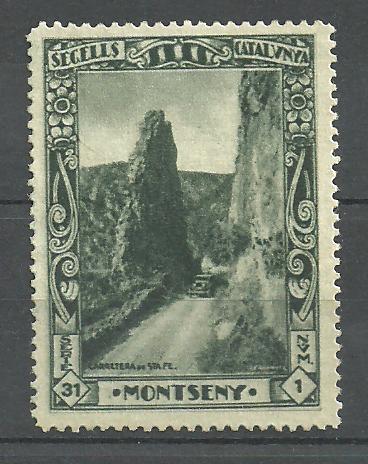
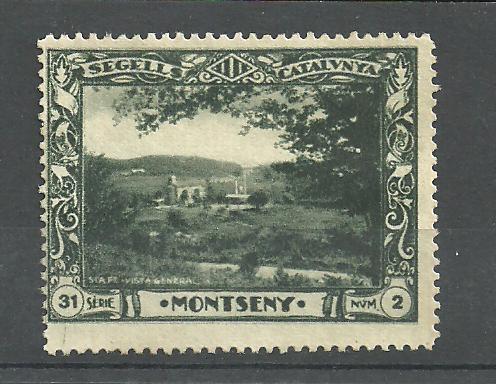
Catalonia has been a Christian (Catholic) country since nearly the begining of this religion. The tradition says that Saint Paul and Saint James themselves set foot in our land. For this reason, our country is full of little churches that we call "ermites". A number of them can be seen on the Album de Catalunya stamps: 1.- Santa Margarida (Sant Esteve de Palautordera) from the 18th century, quite modern for our standards... 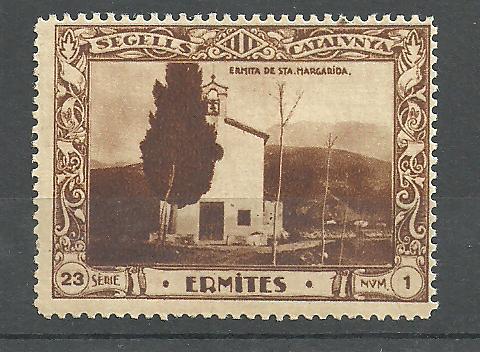 2.- Sant Pere de Valldeneu (Sant Martí de Centelles), Romanic from the 12th century. 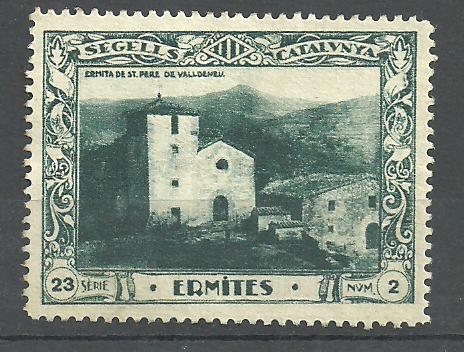 3.- Mare de Déu de Bruguers (Castell d'Eramprunyà), Romanic form the 13th century, reformed on the 16th. 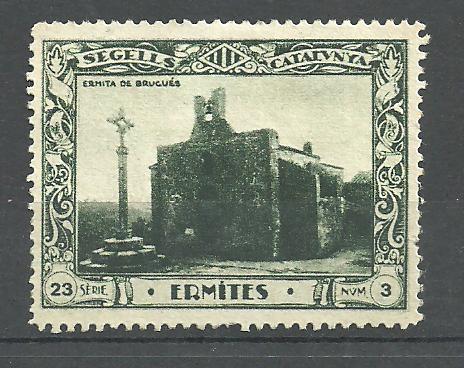 4.- Sant Martí del Montseny (Montseny) Pre-Romanic, 9th century. 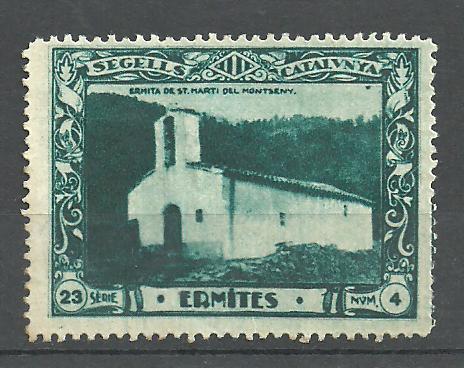 These pictures were taken circa 1933 and in 1936-1939 most churches in our country were vandalized; so these pictures are often a souvenir of how they looked. Luckly enough, I checked for these four ermites on the net and all look right now just the same as 80 years ago. Perhaps, even better, as cleaning and rebuilding has taken place. Just the first one (Santa Margarida) looks different, being now sorrounded by houses, but it's what we call progress... |
|
Send note to Staff
|
|
|
Pillar Of The Community
United States
521 Posts |
|
|
I've spent way too much time this morning skimming back through this thread. I really love the Esperanto Congress designs. Where can I find more information about these?? |
|
Send note to Staff
|
|
|
Pillar Of The Community
2343 Posts |
|
|
I'm sorry that "You've spent way too much time this morning skimming back through this thread".
But All the information that I've, has already been written by myself or by "Melic". |
|
Send note to Staff
|
|
|
Pillar Of The Community
United States
521 Posts |
|
|
No apologies necessary - I was at work and really should have been doing work things!
Darn... are the Esperanto stamps listed in any catalog? |
|
Send note to Staff
|
|
|
Pillar Of The Community
2343 Posts |
|
|
There should be, but I don't know about. My interest in Esperanto cinderellas is marginal. |
|
Send note to Staff
|
|
|
Pillar Of The Community
United States
521 Posts |
|
|
I'll add it to my list of "Things to Eventually Get Around to Looking Into"... please keep me in mind if you do come across anything, though!
Cursus, thank you (and all the other posters!) for sharing all these great cinderellas. |
|
Send note to Staff
|
|
|
Pillar Of The Community
2343 Posts |
|
|
Pillar Of The Community
2343 Posts |
|
|
Two more 1914 Esperanto cinderellas, these ones showing two monuments close to the old Roman city of today's "Tarragona" (100 km SW of Barcelona)but by then "Colonia Iulia Urbs Triumphalis Tarraco". The first one shows the "Arc de Berà", triumph arch erected in 13 AD in honour of the emperor Octavius Augustus, who lived in Tarraco 3 years; thus, the city becoming the Roman Empire capital. 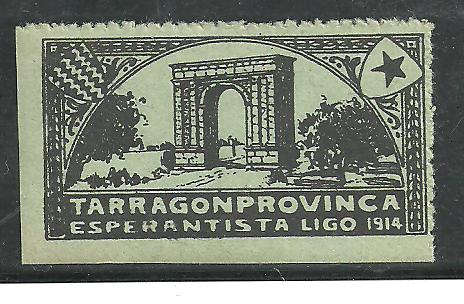 The I century Roman Aqueduct, konwn for us as "Pont del Diable" (Devil's Bridge. 217 m long and 27 m tall. 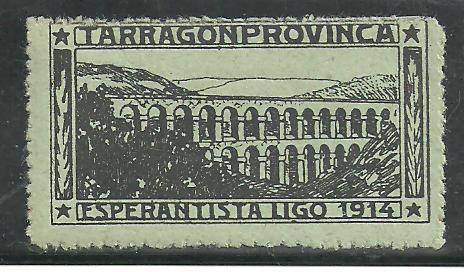 |
|
Send note to Staff
|
|
|
Pillar Of The Community
2343 Posts |
|
|
O my post of August 28th 2011 I wrote: "On April 14th 1931, the Second Catalan Republic was proclaimed on Barcelona. Although, it only lasted for four days, the Catalan People was very fond of it and a monument to this fact was placed on the top of the Tibidabo, the mountains that backs Barcelona. It was destroyed in 1939 by Franco's army. This cinderella was issued to rise money for that monument, it also exists in green (I don't have it... yet)" 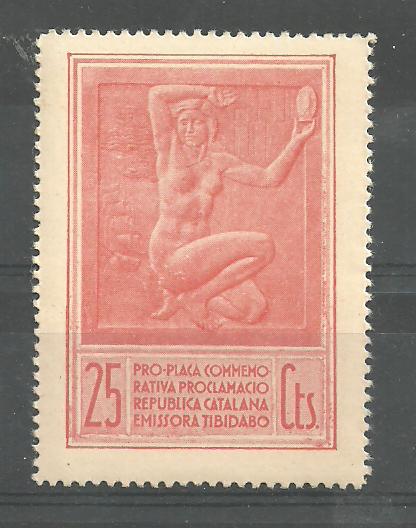 Yesterday, 80 years after it was first made by Àngel Tarrach, the original inscription has been restored to the monument by Barcelona's City Council and the Catalan Dignity Commission It says (translated from the Catalan original) "April 14th 1931 Through this antenna (or aerial) Francesc Macià told the world that Catalonia's Republic was born" 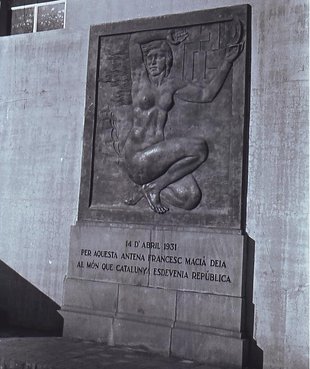 Picture taken ca. 1933 showing the original monument |
|
Send note to Staff
|
|
|
Pillar Of The Community
2343 Posts |
|
|
"Barcino" (in fact, Colonia Iulia Augusta Faventia Paterna Barcino) was the name given by the Romans when, in 10 BC, founded the city that today call Barcelona. It was also the name chosen for the September 1967 stamp exhibition, also named Barcelona's Stamp Week. The cinderella is written in the, then compulsory, Spanish language.  |
|
Send note to Staff
|
|
|
Replies: 1,052 / Views: 231,752 |
|




 Posted 03/22/2013 02:12 am