This is my first post to Stamp Community. I haven't collected US stamps since childhood in the early 1960s, but fate dragged me back into this realm. Dad collected US stamps and local (east central Indiana) postal history. He preserved quite a bit of local postal history that mostly remained untouched, but I have been writing about his "collection" off and on for nearly 20 years.
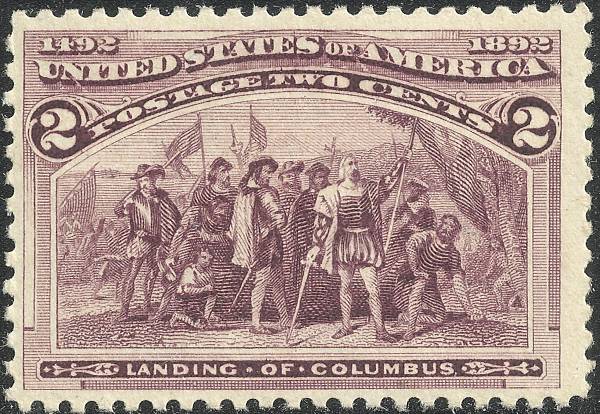
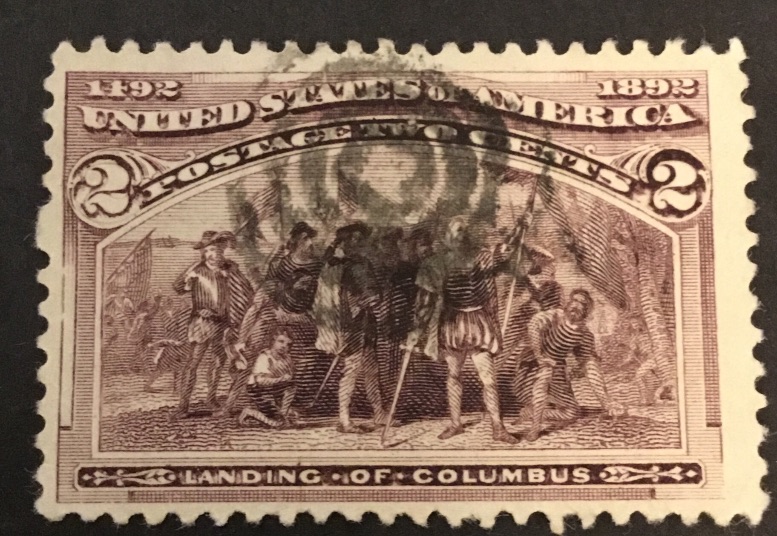
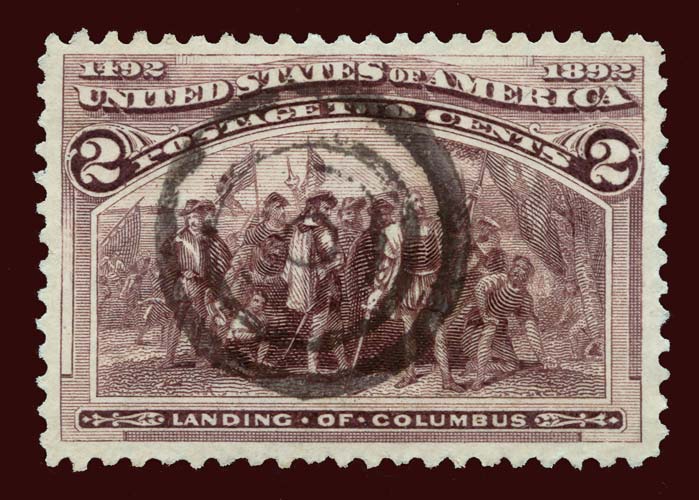
One of the things Dad preserved was an old wooden shipping crate (square cut nails and all) that he found around 1960. Among many other things, it included many thousands of cut squares and off-paper stamps that had been collected, mostly between 1891 and 1893, in Union City (Randolph County), Indiana, near where I grew up. This hoard included about 3,600 Scott US 230 and 231 stamps that had been placed neatly into circa 1900 Clark O.N.T. sewing thread boxes.
I
inherited the crate's contents nearly two decades ago. Many of the stamps are long gone, and I probably have fewer than 100 of the 230s and 231s remaining. From time to time, I do a little research on material from the crate and that is what led me to Stamp Community.
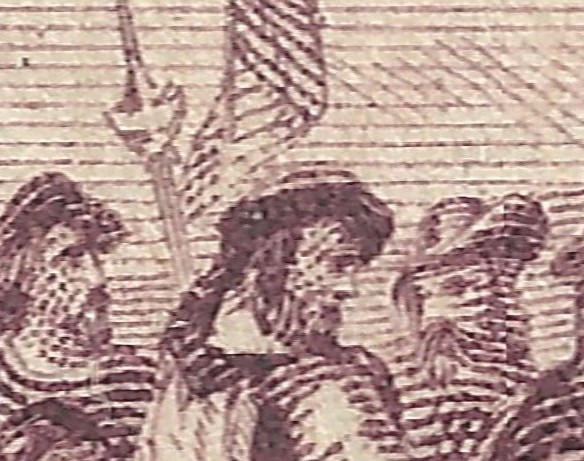
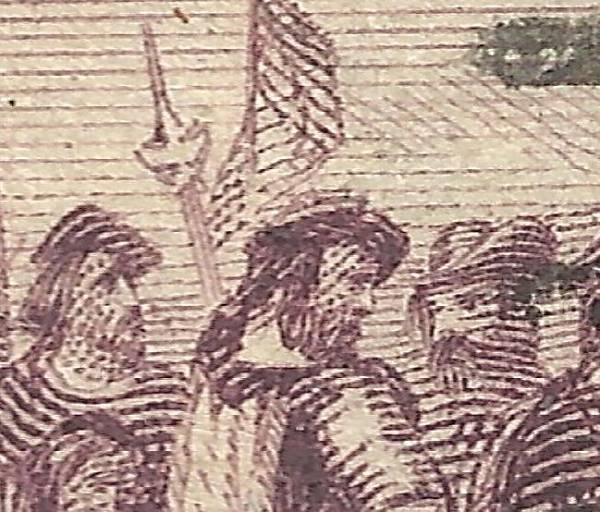
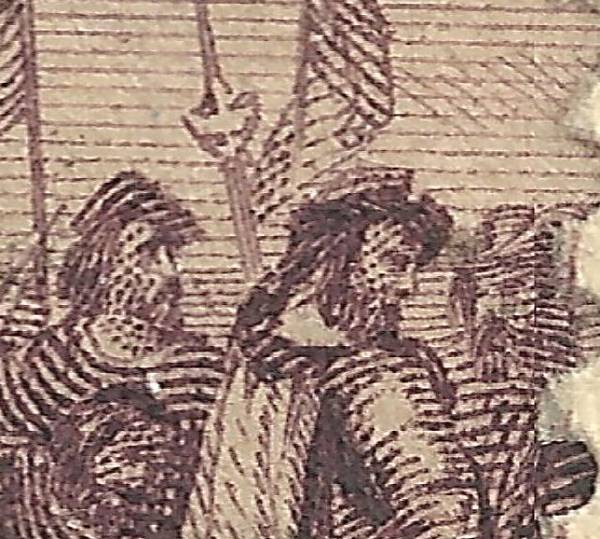
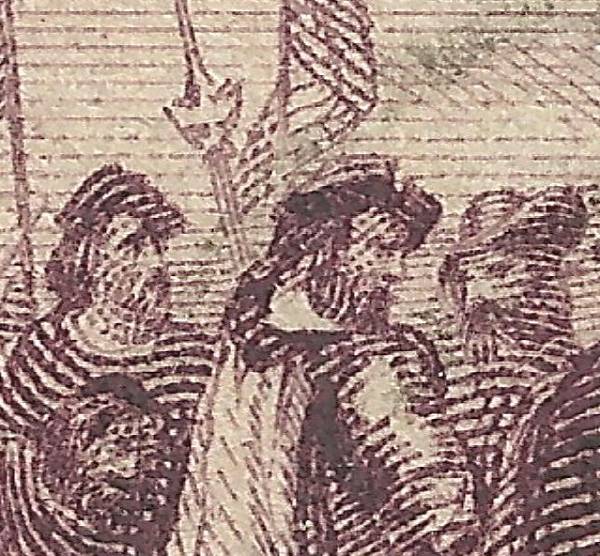
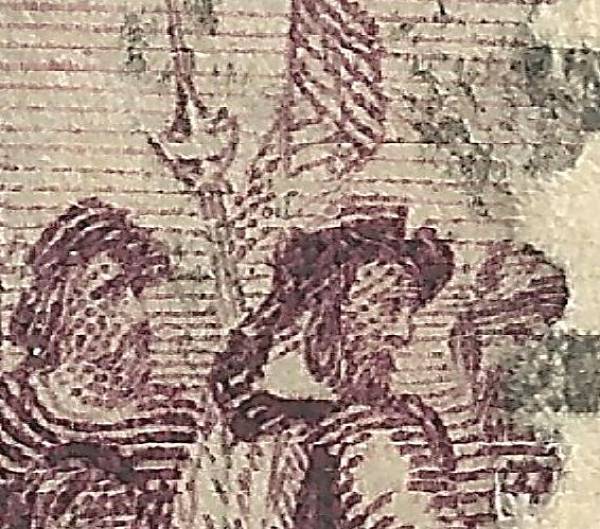
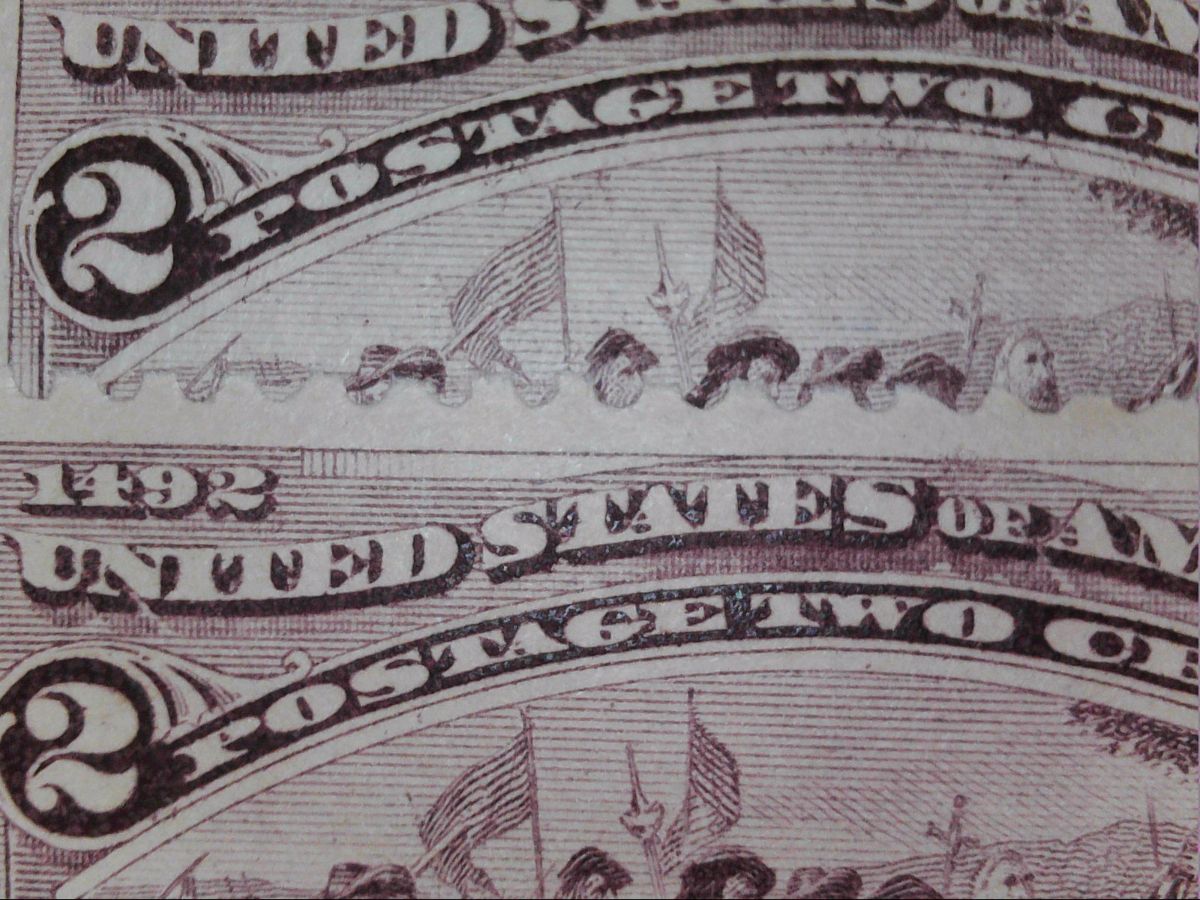
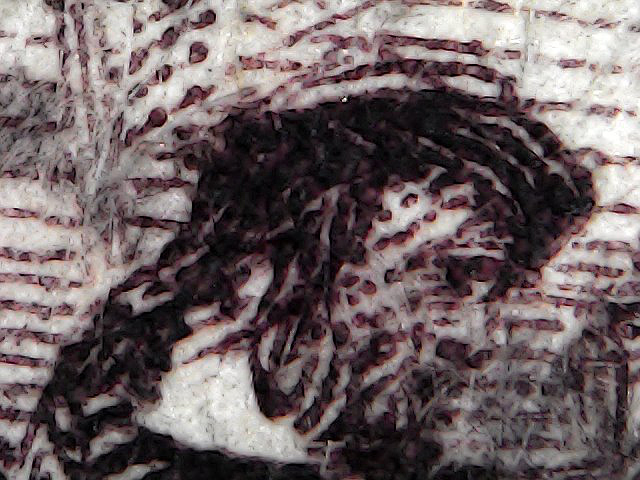
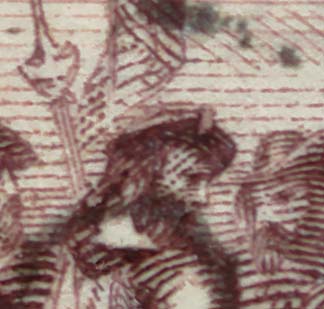
I recently scanned 37 of the 231s to look at "frame break" examples. However, I got sidetracked when I discovered the break in one "broken hat" copy has an unusual appearance. It was filled with color. It didn't appear to be a paper defect or something that happened to the stamp after printing. This stamp still had some gum and some paper adhesions on the back from another 231 copy. So I soaked the stamp to clean it up and to see if that would alter the appearance of the break. It did not.
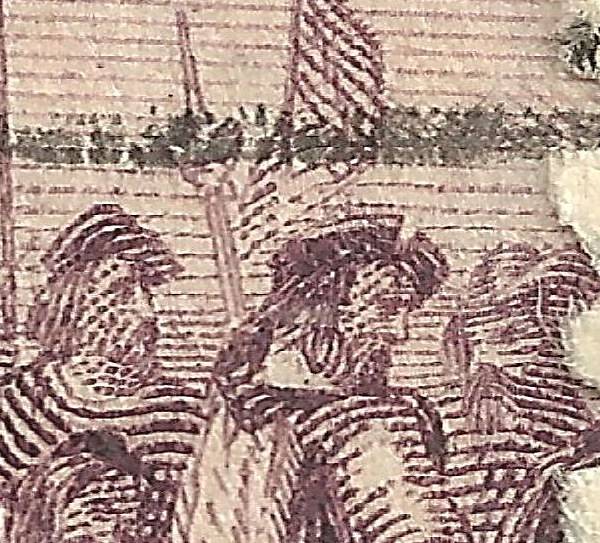
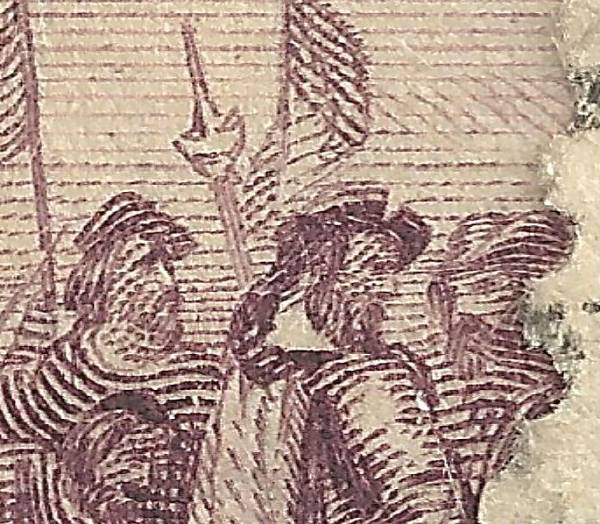
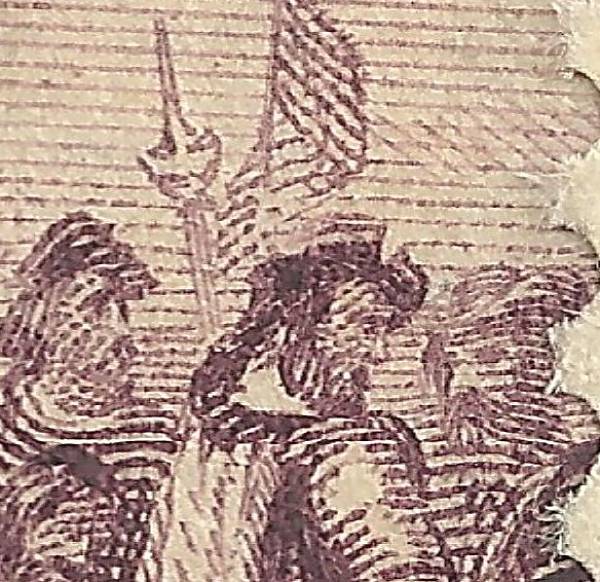
I searched for information online and found this 2014 thread at Stamp Community where "Partime" had posted a series of images showing the apparent progression of the 231 Columbian "broken hat." His series included an example showing the break half filled with a "shadow." This example appeared to be similar to mine, except that mine is a full "shadow." I don't know enough about the printing process to know how this could happen. I don't know if it is another step in the progression of the "broken hat" variety or something else entirely, but I am curious and would like to hear what others think.
I normally scan at 600 dpi and did so with this example. However, to improve the detail quality in the close-up, I went back and re-scanned this at 2400 dpi.





 Posted 04/19/2014 7:09 pm